




Free written scope consultation - allowances, timeline, and change-order rules on paper before a single trade is scheduled
Styles & brands we work with
- Kitchen remodeling
- Bathroom remodeling
- Home additions & ADU
- Roofing
- Windows & doors
- Driveway & pavers
- Fence
See the difference
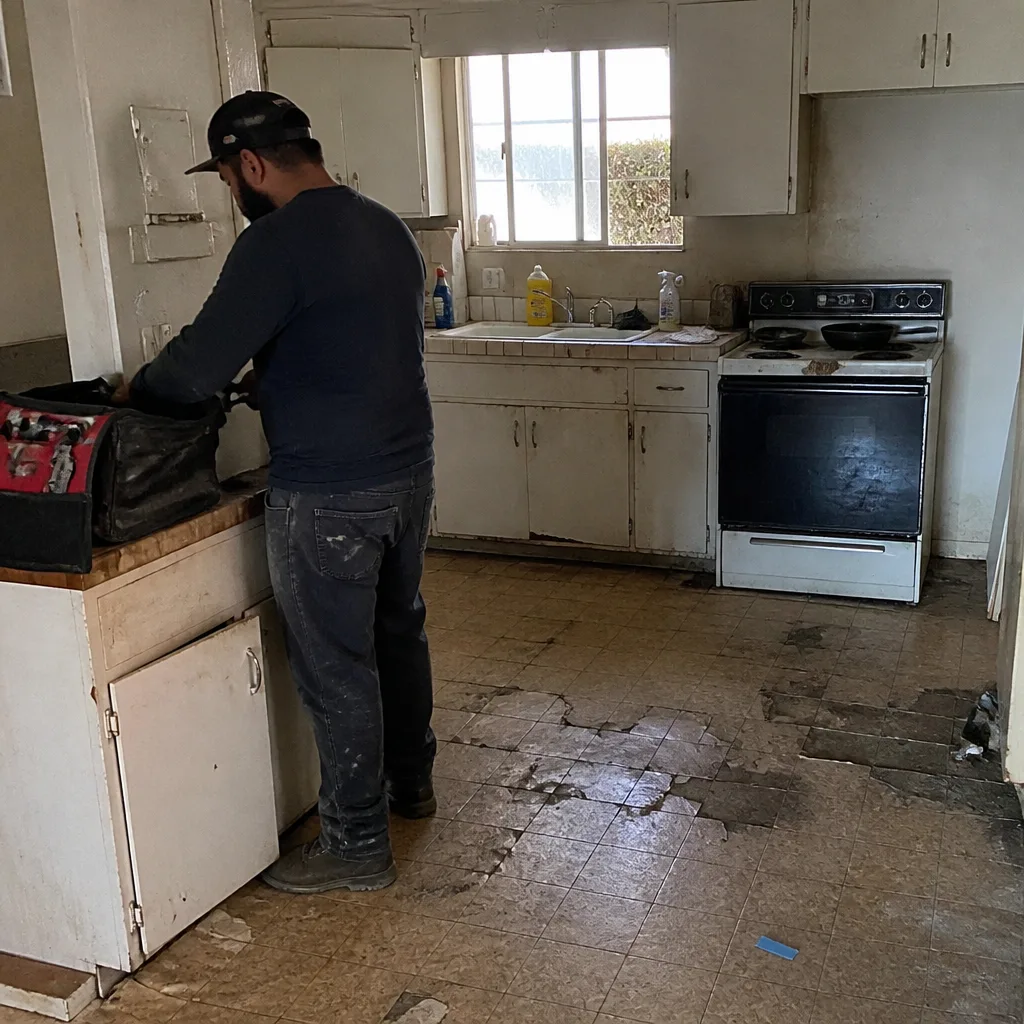 Before
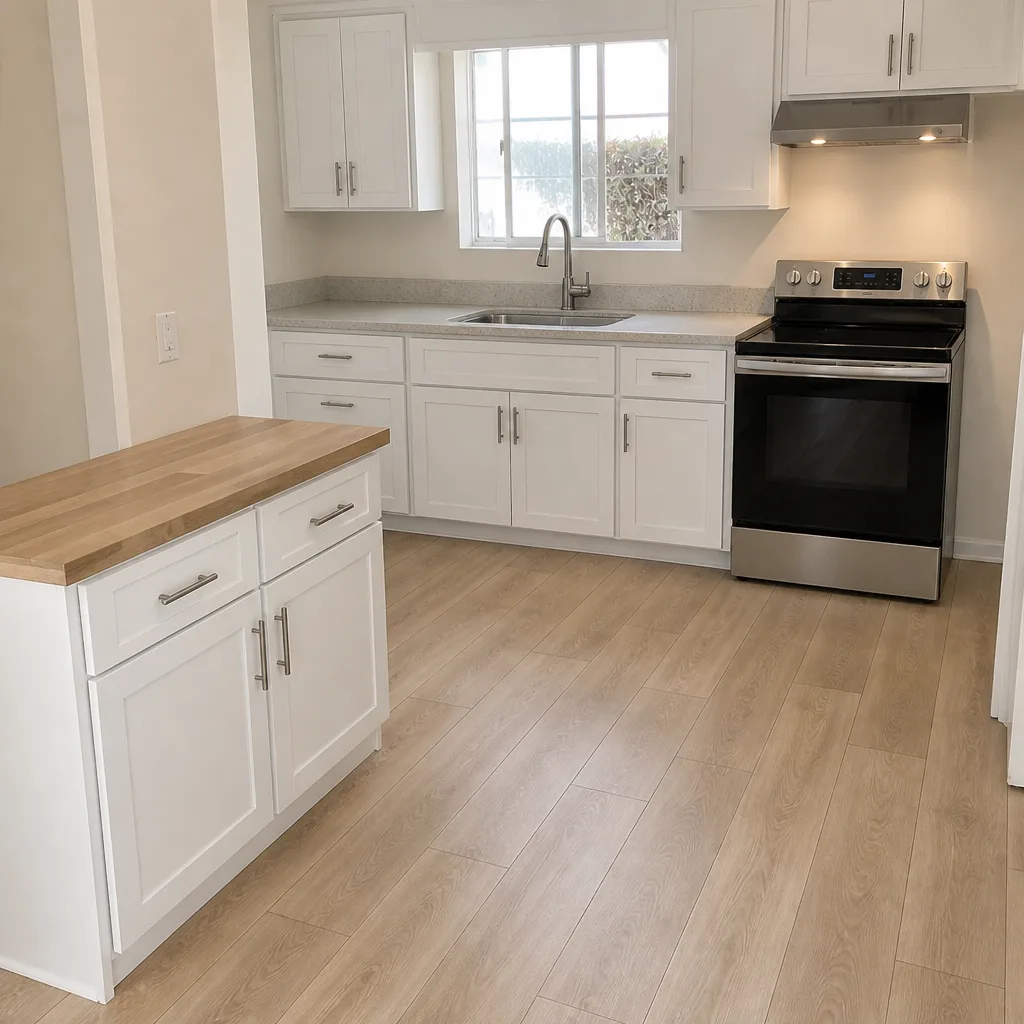 After
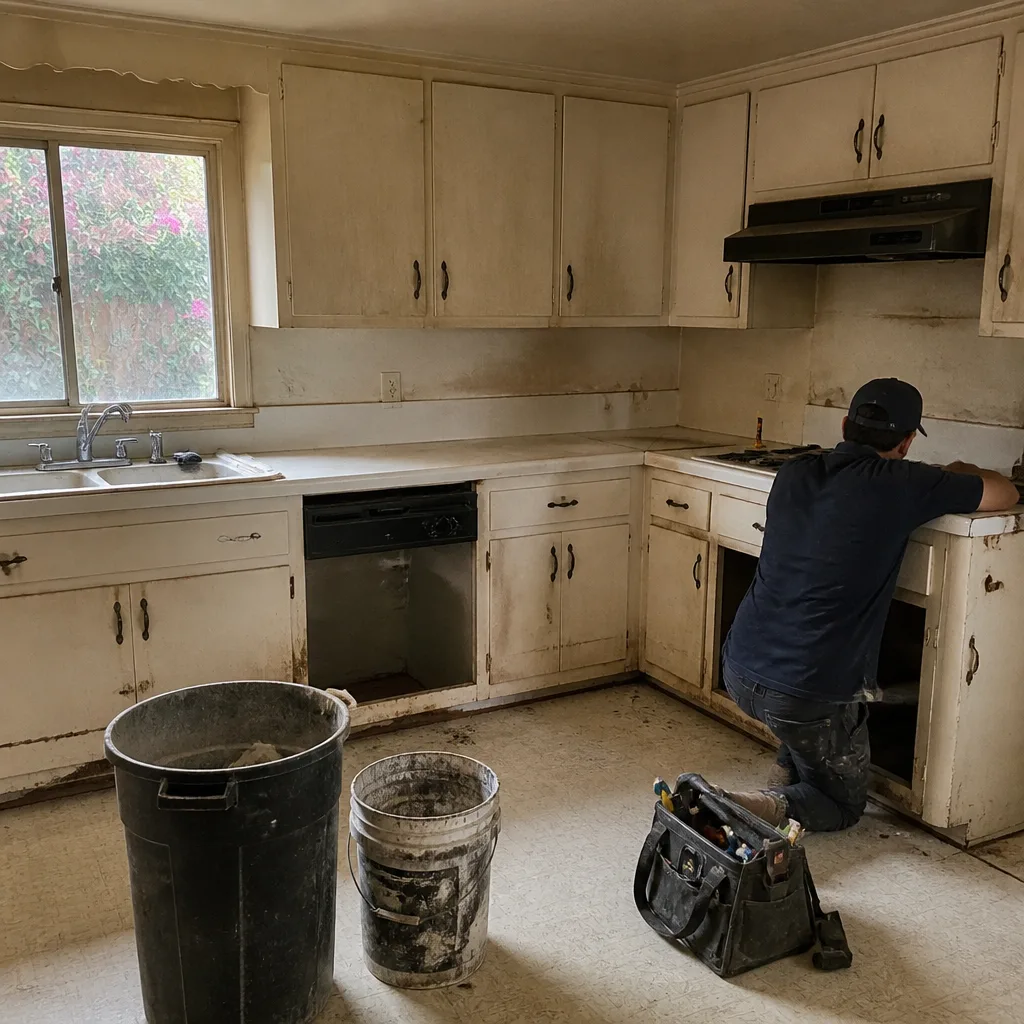 Before
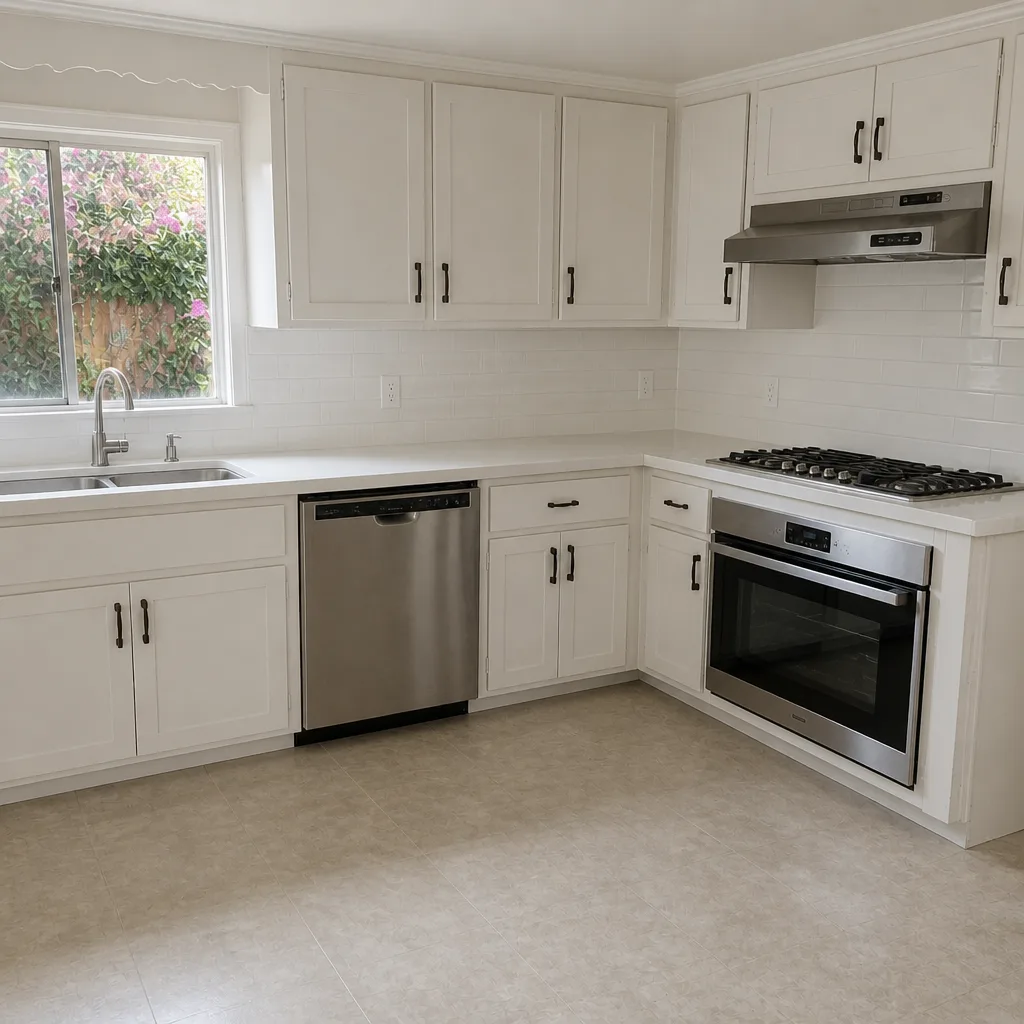 After
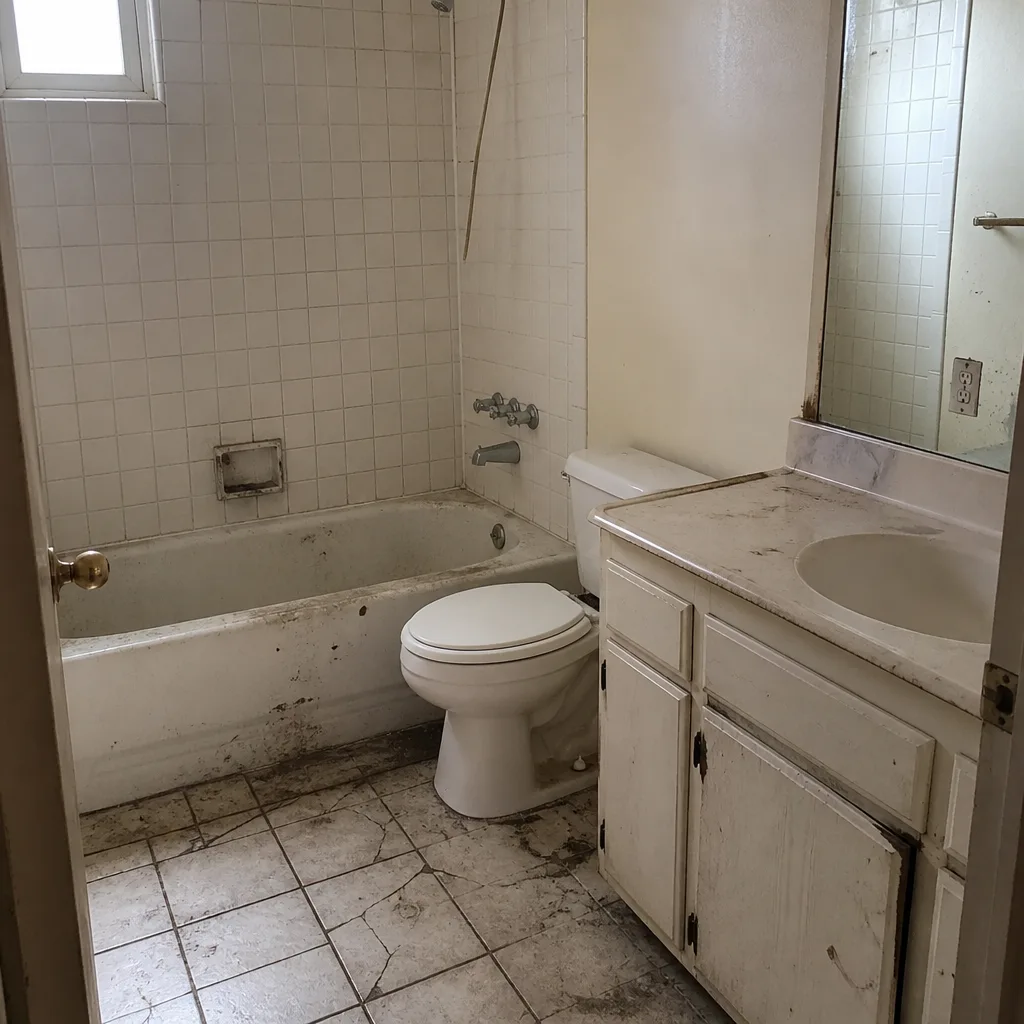 Before
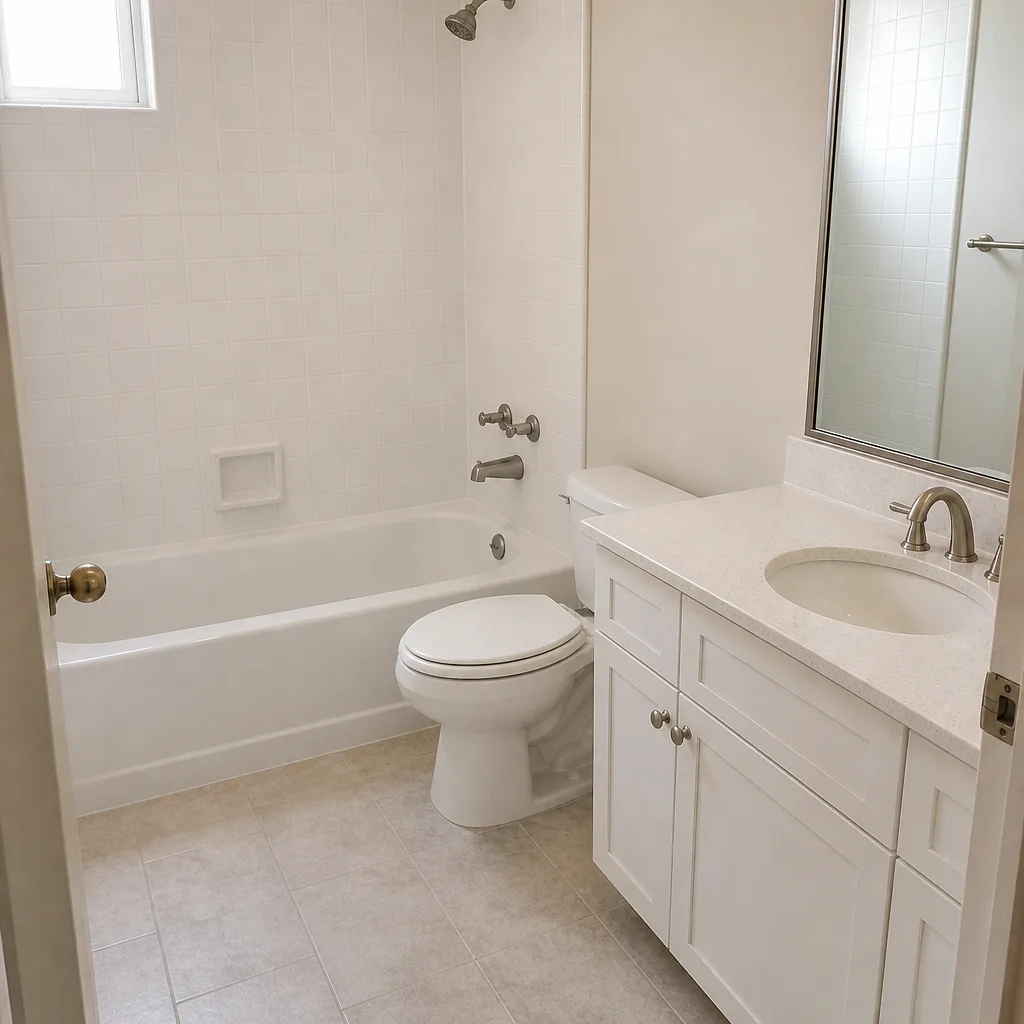 After
Roof Hail Damage Signs in Newport Beach, CA: What You’re Actually Looking At
Hail rarely falls on Newport Beach, and genuine hail damage on a Newport Beach roof is rarer still, so the pockmarked, granule-stripped shingles you’re seeing are far more likely to be salt-air erosion, thermal cracking, or impact damage from wind-driven storm debris. The signs people search for (dark spots, exposed granules, soft spots) overlap heavily between all four causes, and telling them apart matters because an adjuster who misreads salt-air erosion as “hail damage” can just as easily misread it the other way and deny a valid claim. If you want a trained second opinion before you file, call (833) 749-3967 and we’ll walk you through what we find.
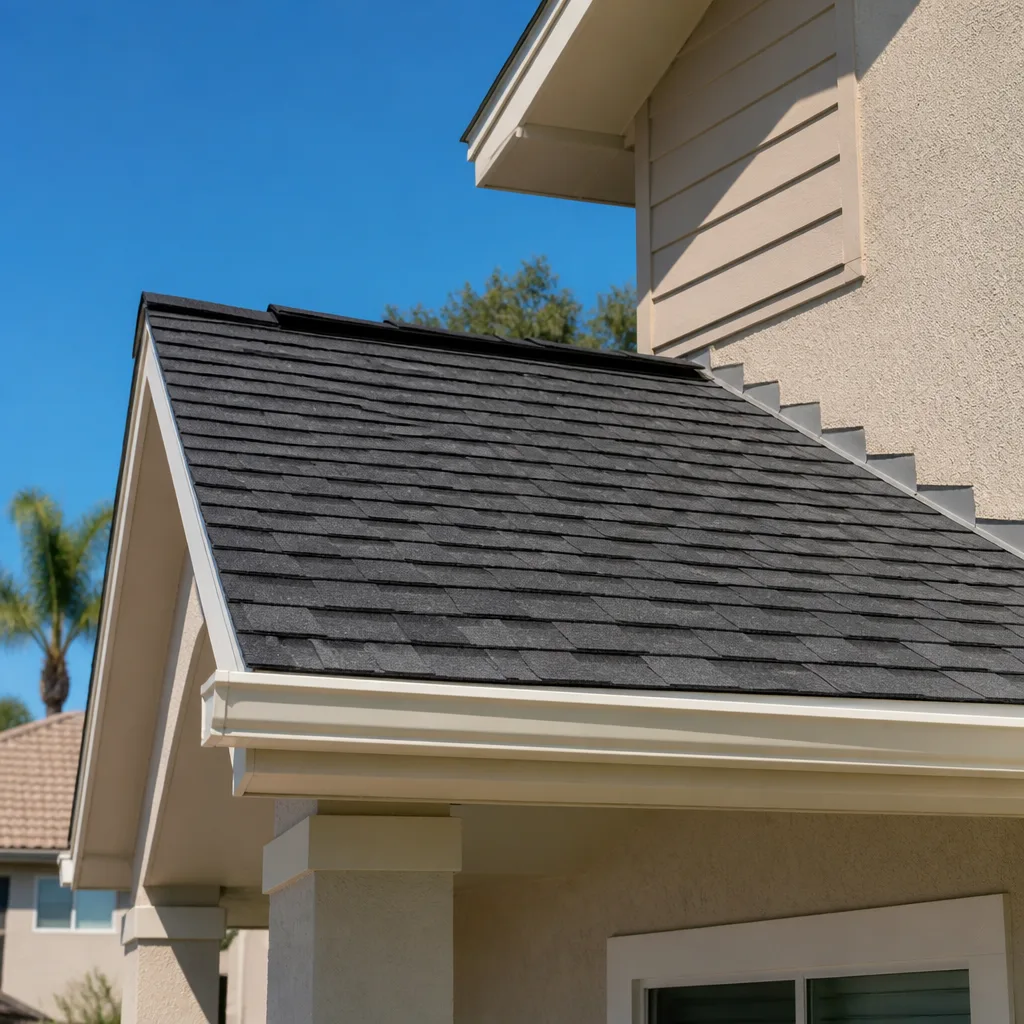
What true hail damage actually looks like (and why it matters here)
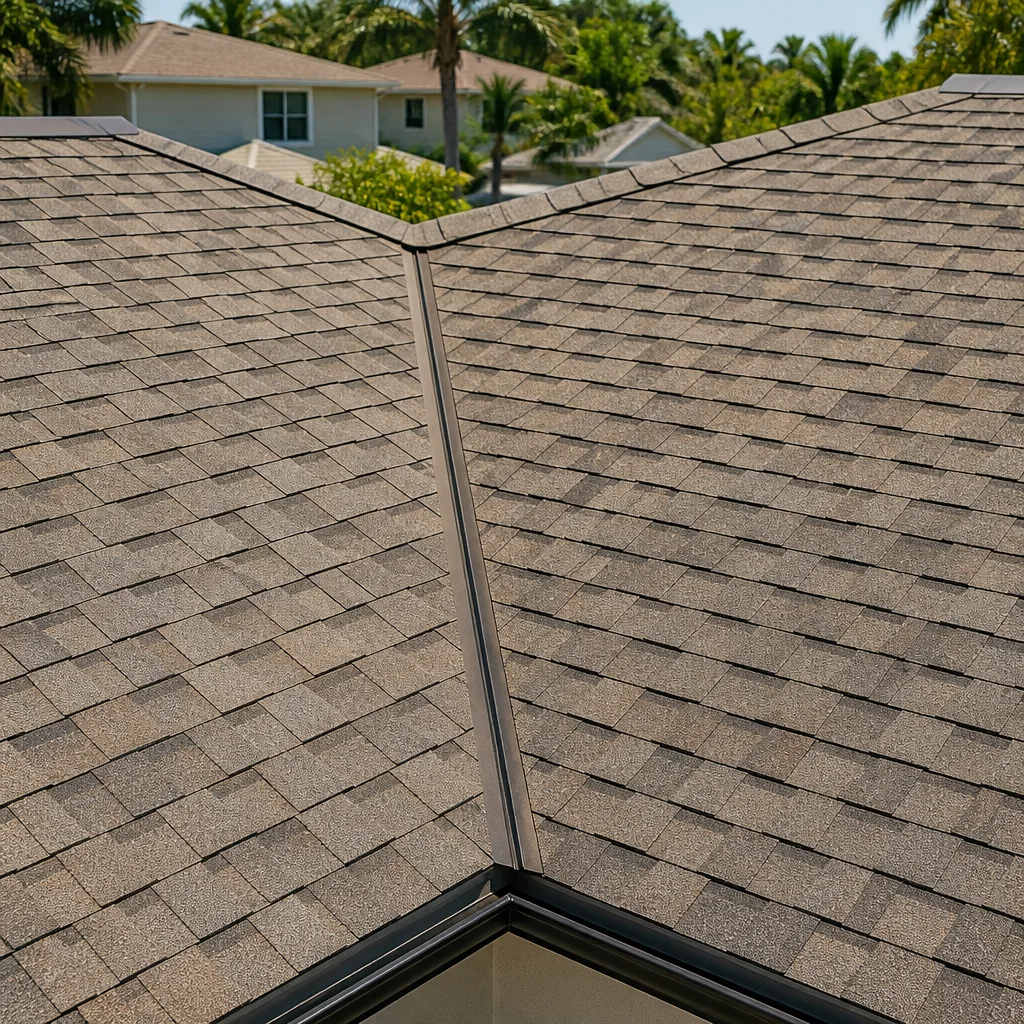
Real hail impact leaves a signature you can only confirm in person, not from a drone photo or a satellite thumbnail. On asphalt shingles it shows up as random, circular craters with the fiberglass mat exposed at the center, and the substrate beneath feels soft or “bruised” when you press it. The distribution is random and scattered. You don’t get an even wash of missing granules across the whole field. That’s the giveaway.
Salt-air granule loss, the dominant roof-aging mechanism on the Peninsula and along the bay, behaves the opposite way. It thins granules diffusely and field-wide, driven by salt-laden marine air and morning marine layer corrosion that eats at fasteners and oxidized surfaces over years rather than seconds. In a cell-phone photo, both can read as “dark, textured wear.” In person, the distinction is stark: erosion has no impact craters and no exposed mat. Impact has both, plus the bruised substrate you can feel with a fingertip.
Here’s what most out-of-area inspectors and adjusters miss. Newport Beach’s September-November Santa Ana wind events drive eucalyptus debris, palm fronds, and loose gravel off adjacent flat roofs onto sloped roofing. That debris creates genuine impact damage that is neither hail nor normal wear, and it gets misclassified constantly in both directions. If you’ve had a Santa Ana event, record the date and time. A timestamped note on your phone and a few wide photos of the roof before the next rain are the difference between a clean claim and a fight.
The signs that should make you pick up the phone
Not every roof mark is a problem. These are the conditions that warrant a professional look, ranked roughly by how quickly you should act:
- Exposed fiberglass mat at the center of a circular crater. This is the strongest single indicator of impact damage, whether from hail or wind-driven debris.
- Soft, bruised substrate under a shingle tab. You shouldn’t press hard on a roof yourself. If you can see the shingle flex when wind hits it, stop and call.
- Granule accumulation in gutters and at downspout outlets. A handful of granules after a storm is normal. A steady stream across a season points to accelerated erosion.
- Rusted or corroded fasteners, flashing, and vent boots. Salt air attacks these first. A fastener failing at a penetration is a leak waiting to happen.
- Interior clues: attic staining, ceiling rings, or musty smells after a Santa Ana wind event. These mean water has already found a path.
- Visible field-wide granule thinning with no craters. Not an emergency, but it shortens the roof’s serviceable life and is worth documenting before a claim dispute starts.
Our background-checked, uniformed technicians inspect roofs across Newport Beach and put the findings in writing: what’s corrosion-related granule loss, what’s impact damage, and what’s an installation defect at a flashing or penetration. That written report is what you hand to an adjuster when the classification is contested. When we do find legitimate storm impact damage and make a repair, the workmanship at every penetration and flashing point we touch is covered by our 730-Day Done Right Promise. Not just the materials. The work.
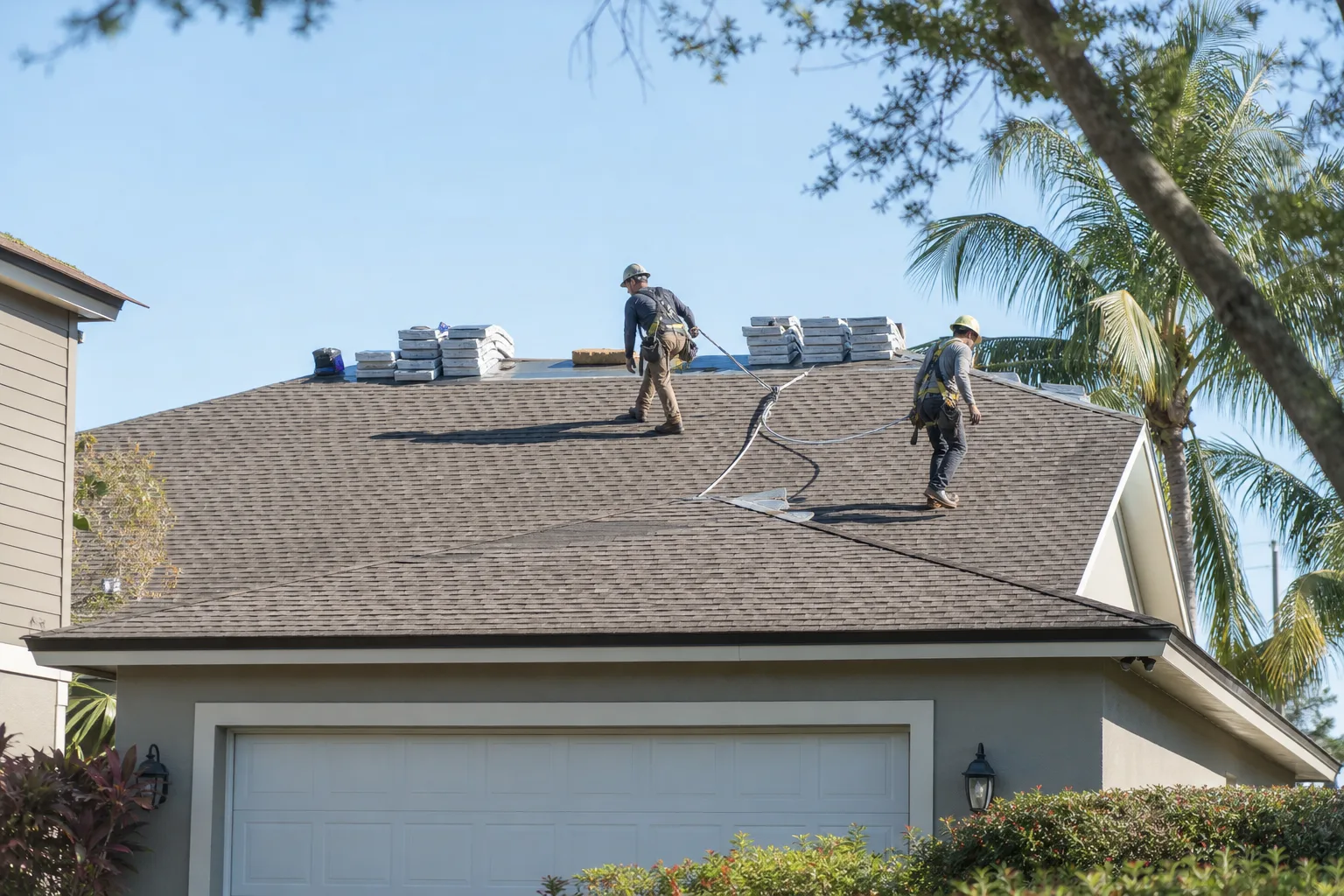
If someone says “hail damage,” ask for the weather record
This is the single most useful thing you can do in a Newport Beach claim dispute. Ask the contractor or adjuster for the nearest NOAA hail-event record for Newport Beach with a date and location. Legitimate hail events within striking distance of the coast are rare enough that any claim citing hail as the cause should cross-reference against verifiable weather data. If the record doesn’t exist, the damage has another cause and the report needs to say so.
Some contractors from outside the area won’t have that data at hand, and a few will lean on “hail damage” as shorthand for “storm-damaged” because it sounds more insurable. Our inspections start from the actual cause, which is why the reports hold up. If you’re weighing repair versus replacement, our team on the Roofing side can walk you through both paths with upfront pricing, no surprises.
What roof repair actually costs in Newport Beach
Cost depends on what the inspection finds, not on a phone estimate. These are the market-calibrated ranges our customers see in Newport Beach for common roofing work. Your written estimate will land inside one of these, and the number you see is the number you pay:
| Work | Typical Newport Beach range |
|---|---|
| Roof repair (localized impact, flashing, penetration) | $400-$1,800 |
| Tile roof repair | $600-$2,500 |
| Full roof replacement (asphalt shingle) | $8,000-$20,000 |
| Metal roof installation | $15,000-$40,000 |
Most impact-related repairs are far smaller than homeowners expect. A single damaged field or a corroded vent boot often falls in the $400-$1,800 range. We use GAF and Owens Corning systems on replacement work, and stainless steel fasteners on coastal properties because plain galvanized hardware corrodes fast in Newport Beach’s salt air. Even on properties a few blocks inland, we spec marine-grade hardware and coatings. The coastal development conditions that shape rebuilds on the harborfront and blufftop streets are part of why we keep the spec tight from the first estimate. If your project runs over $10,000, you get $1,000 off, and we offer 0% financing for 18 months so a full replacement doesn’t have to be a cash-flow crisis.
How long does it take to get an inspection?
We schedule most Newport Beach roof inspections within a few business days, and faster when water is actively coming in. A trained technician walks the roof, documents every finding with photos, and hands you a written report you can use for an insurance claim, a repair decision, or just peace of mind before the next Santa Ana season. No pressure to buy anything. Calls are answered by a live person 24/7, so if you’re seeing staining after a wind event at 9 p.m., you get a human, not a voicemail box.
Our technicians bring up to 12 years of experience each to a Newport Beach roof, and they’ve learned the local failure patterns the hard way: erosion at the ocean side, debris strikes in the canyons and near the bay, and installation shortcuts from past contractors that only show up years later. If you want a second look at the roofing across your Newport Beach property, see our Newport Beach service area for the full picture.
FAQs
True hail damage leaves random, circular impact craters with exposed fiberglass mat at the center and a soft, bruised substrate beneath the shingle tab. The pattern is scattered, not field-wide, and you can feel the soft spot with light fingertip pressure. In Newport Beach, those signs are extremely rare because hail almost never reaches the coast, so what looks like hail damage is usually salt-air granule erosion or debris impact from a Santa Ana wind event. Call (833) 749-3967 to get a written inspection that names the actual cause.
Effectively no. Newport Beach receives essentially zero hail in a typical year, and hail events within striking distance of the coast are rare enough that any claim citing hail needs to be cross-referenced against the nearest NOAA hail-event record. If an out-of-area contractor or adjuster is telling you your roof has hail damage, ask for the date and location of the recorded event before you sign anything. A free estimate from our team will tell you what the damage actually is.
Salt-air erosion thins granules diffusely across the whole roof field with no impact craters and no exposed fiberglass mat; impact damage from hail or wind-driven debris leaves distinct circular craters with the mat showing at the center and a soft substrate. You can usually see the difference in person but not from a photo, which is why a written inspection report from a trained technician matters. For a free estimate and a documented cause, call (833) 749-3967.
Coverage depends on the cause: wind-driven debris impact from a Santa Ana event is often covered as a storm claim, while salt-air corrosion that’s developed slowly over years is usually treated as wear and excluded. That’s why the cause classification in your inspection report is the whole ballgame. Our technicians document corrosion-related granule loss, impact damage, and installation defects separately so an adjuster can’t conflate them, and any repair work we perform is backed by our 730-Day Done Right Promise. For a no-pressure assessment, call (833) 749-3967; estimates are free.
If you’d rather have it looked at, Groundwork Construction Co. of Newport Beach offers a no-pressure assessment in Newport Beach; call (833) 749-3967. We’ll tell you what’s on your roof, what caused it, and what it costs to fix, in writing.
Written by the team at Groundwork Construction Co. of Newport Beach, serving Newport Beach, CA.