Free written scope consultation - allowances, timeline, and change-order rules on paper before a single trade is scheduled
Styles & brands we work with
- Kitchen remodeling
- Bathroom remodeling
- Home additions & ADU
- Roofing
- Windows & doors
- Driveway & pavers
- Fence
See the difference
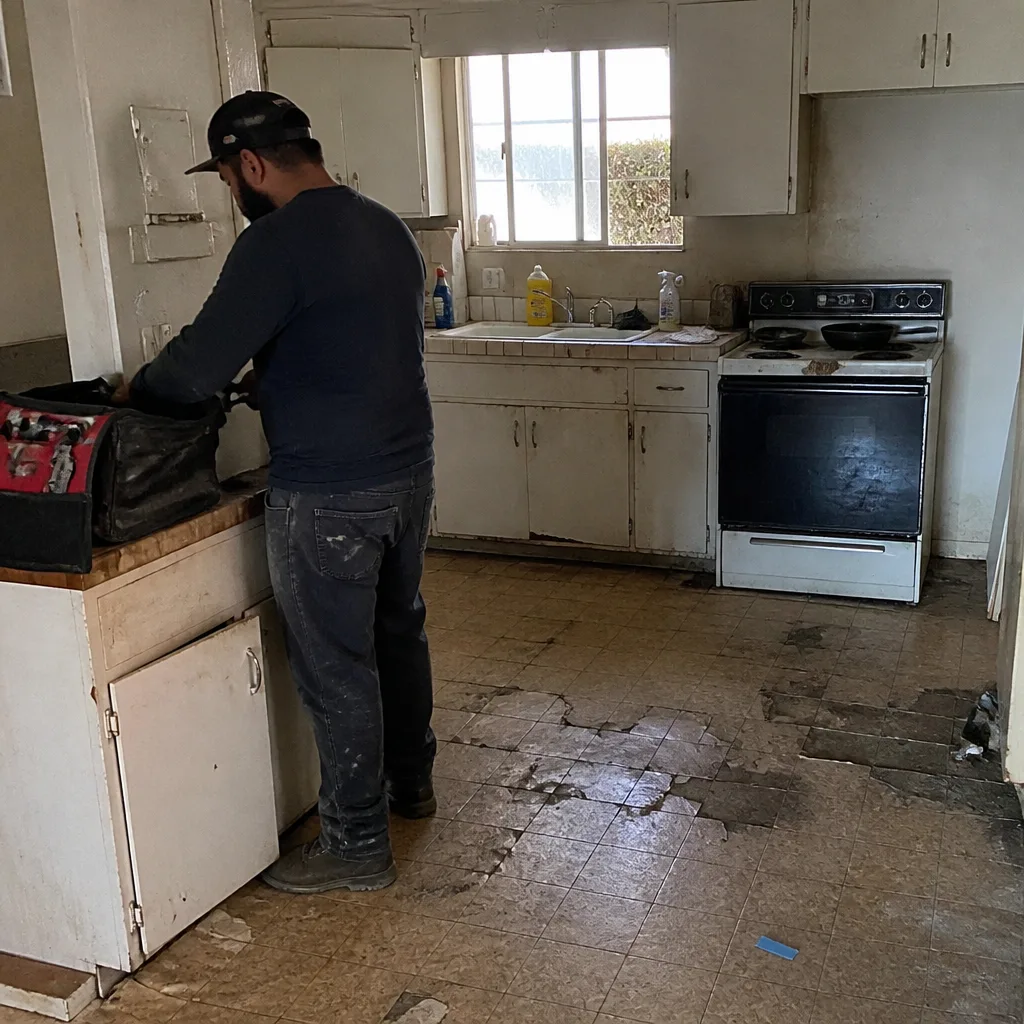 Before
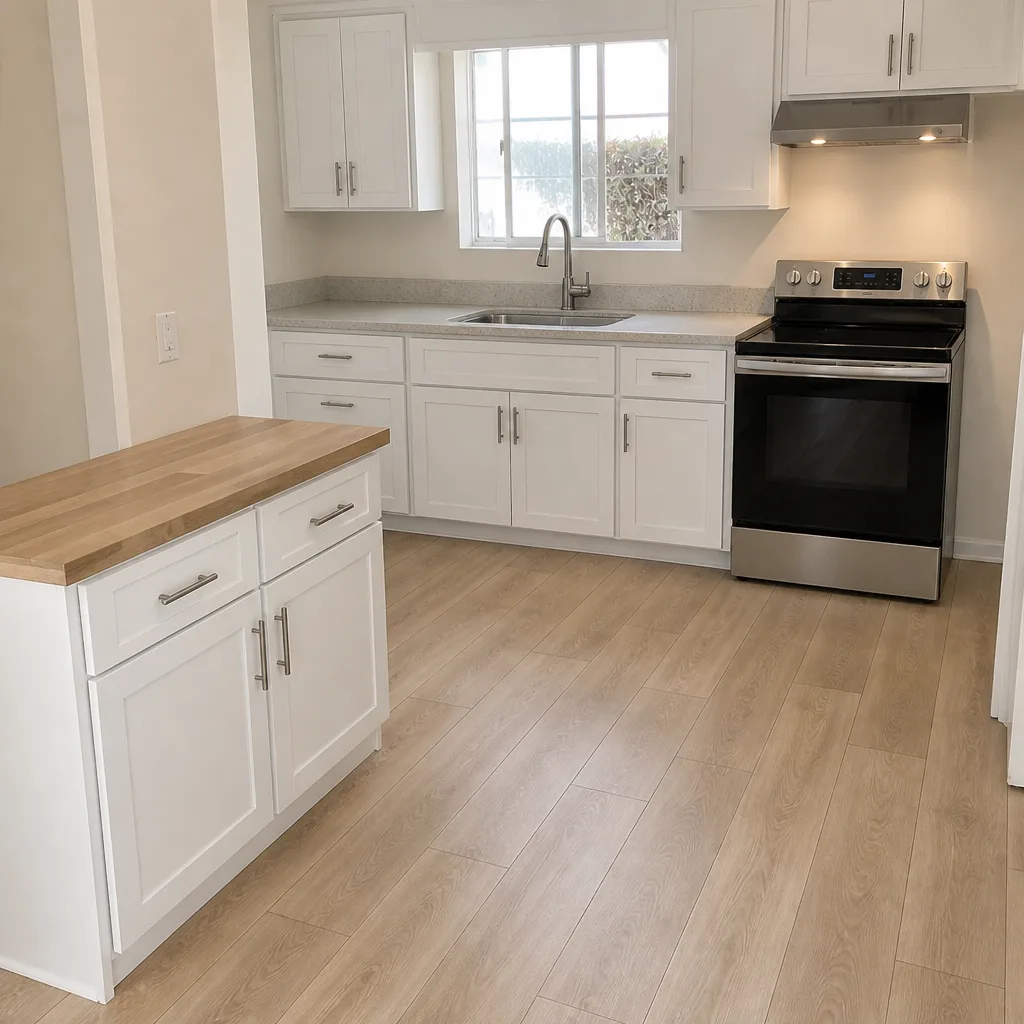 After
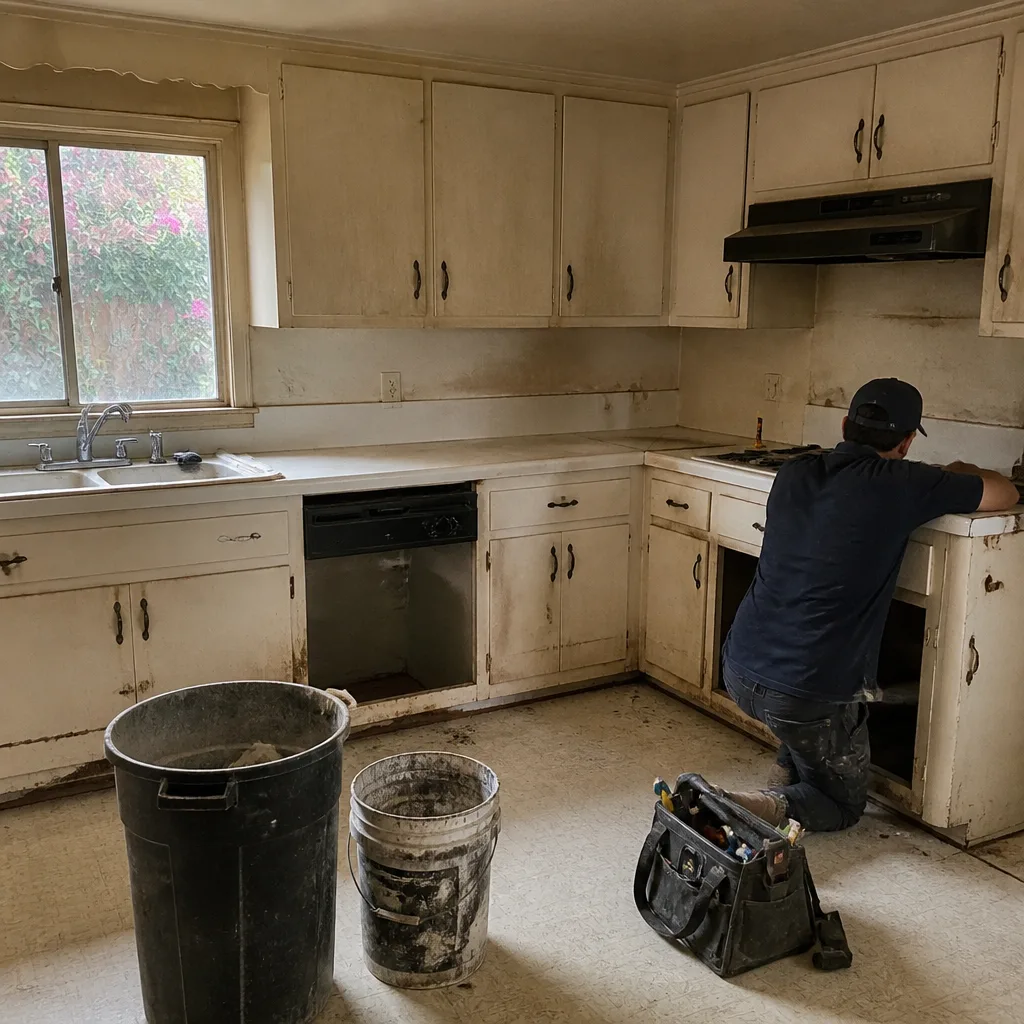 Before
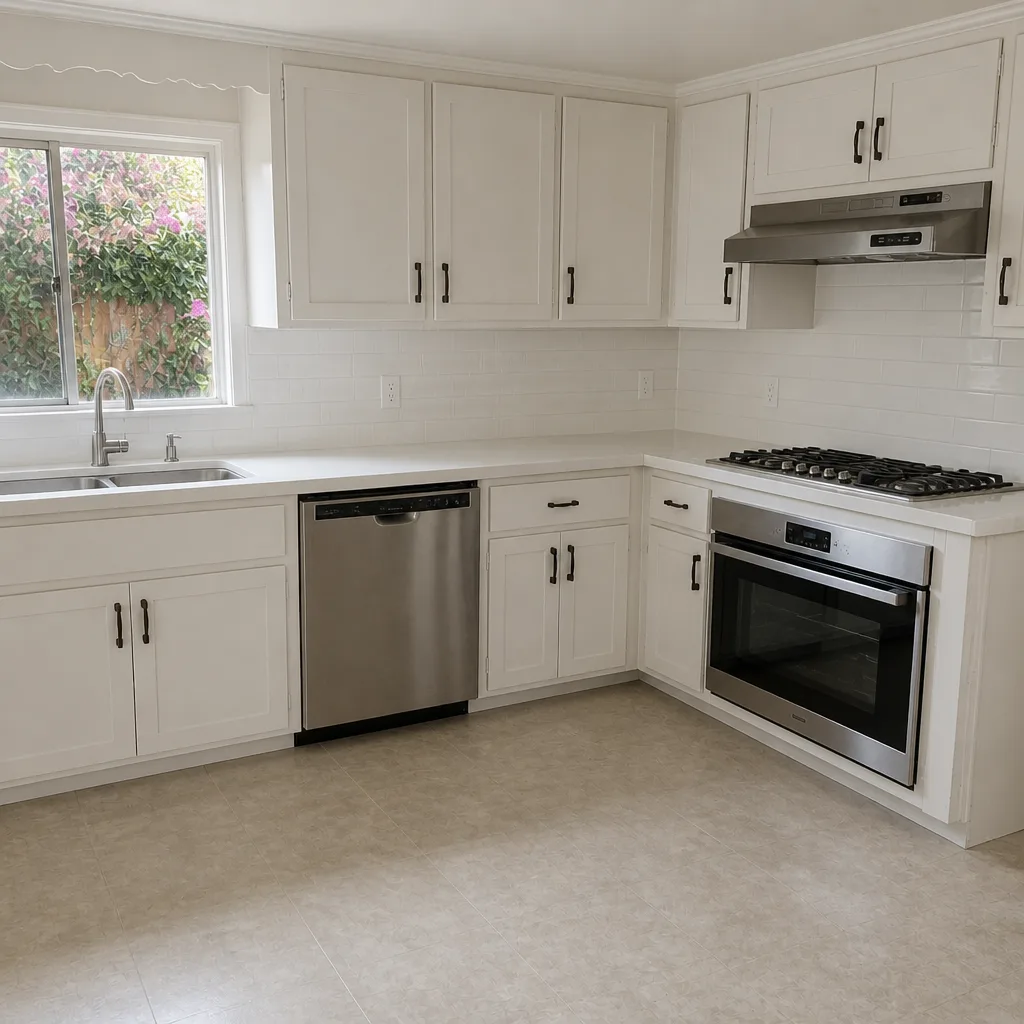 After
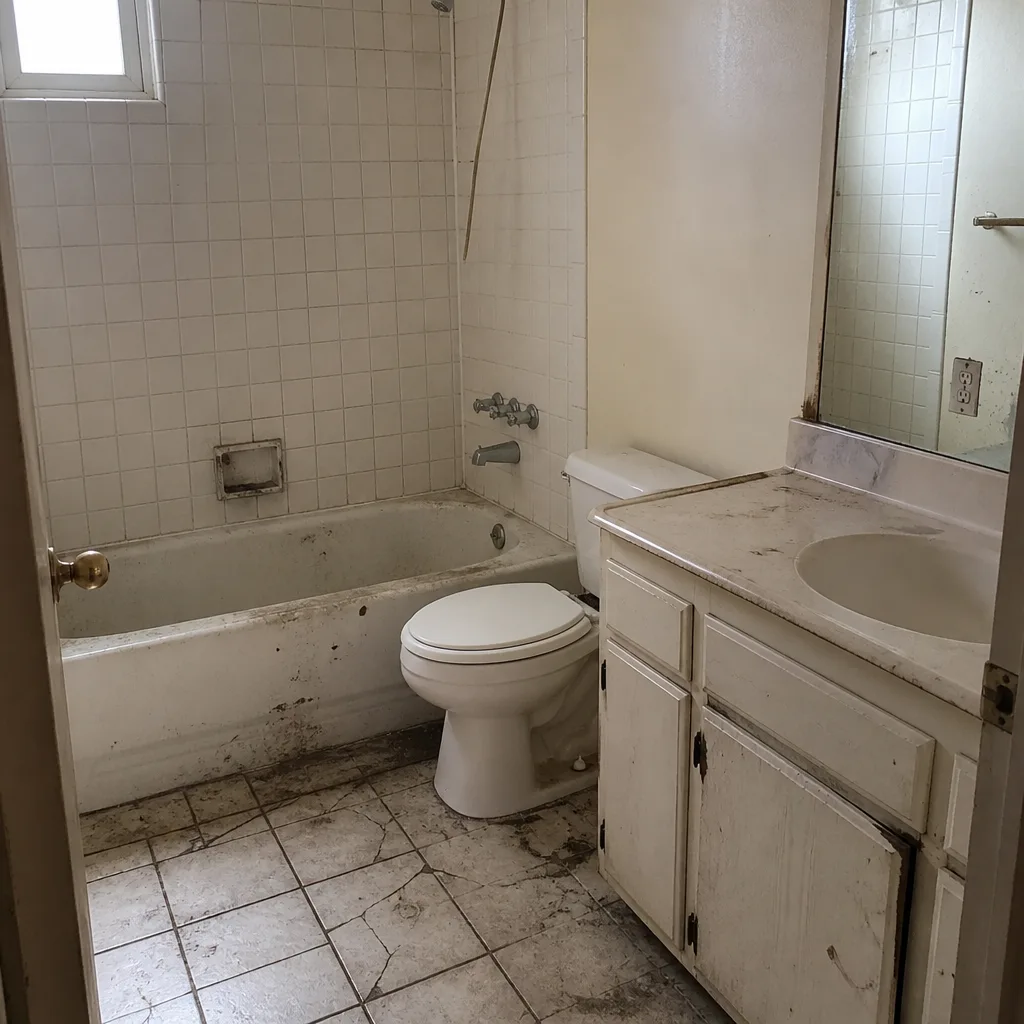 Before
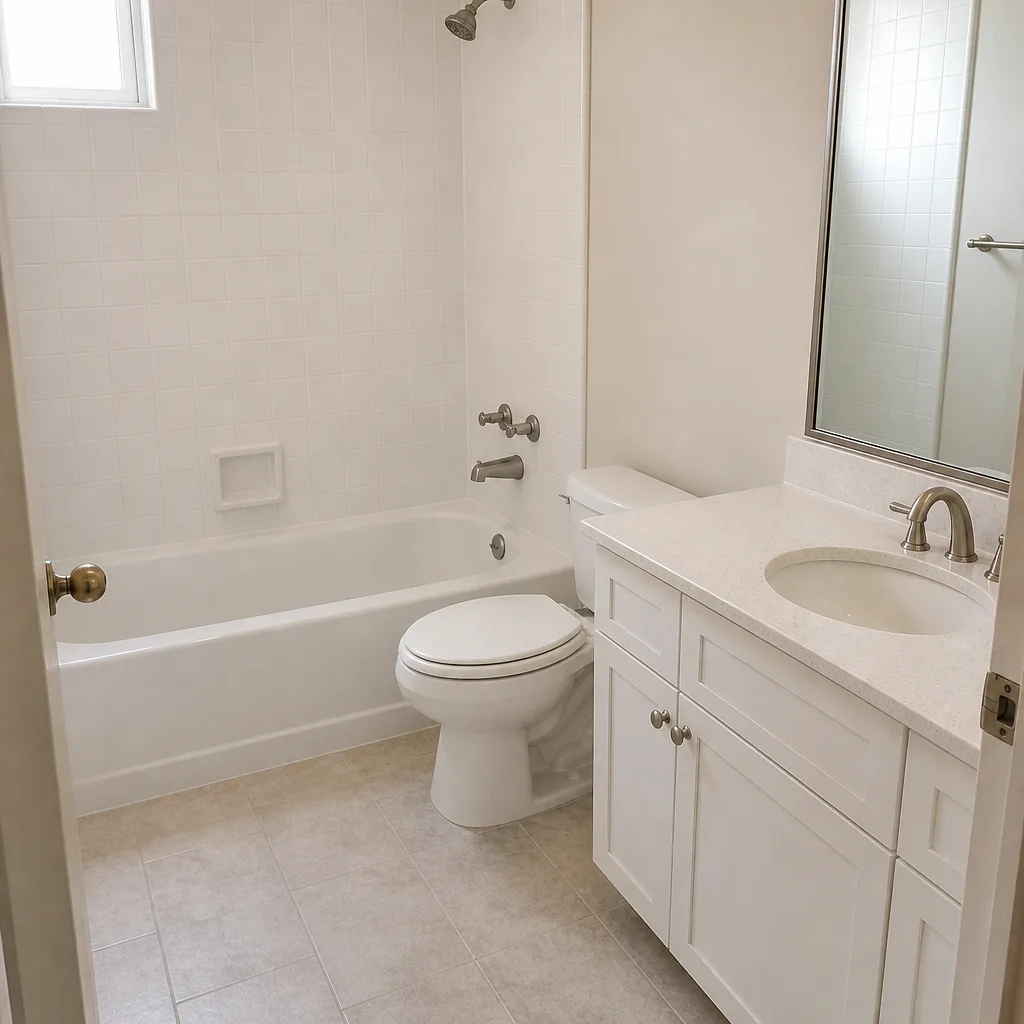 After
Metal Roof vs Shingles in Newport Beach, CA: Choose Metal Only If You’re Spec’ing the Right Fasteners
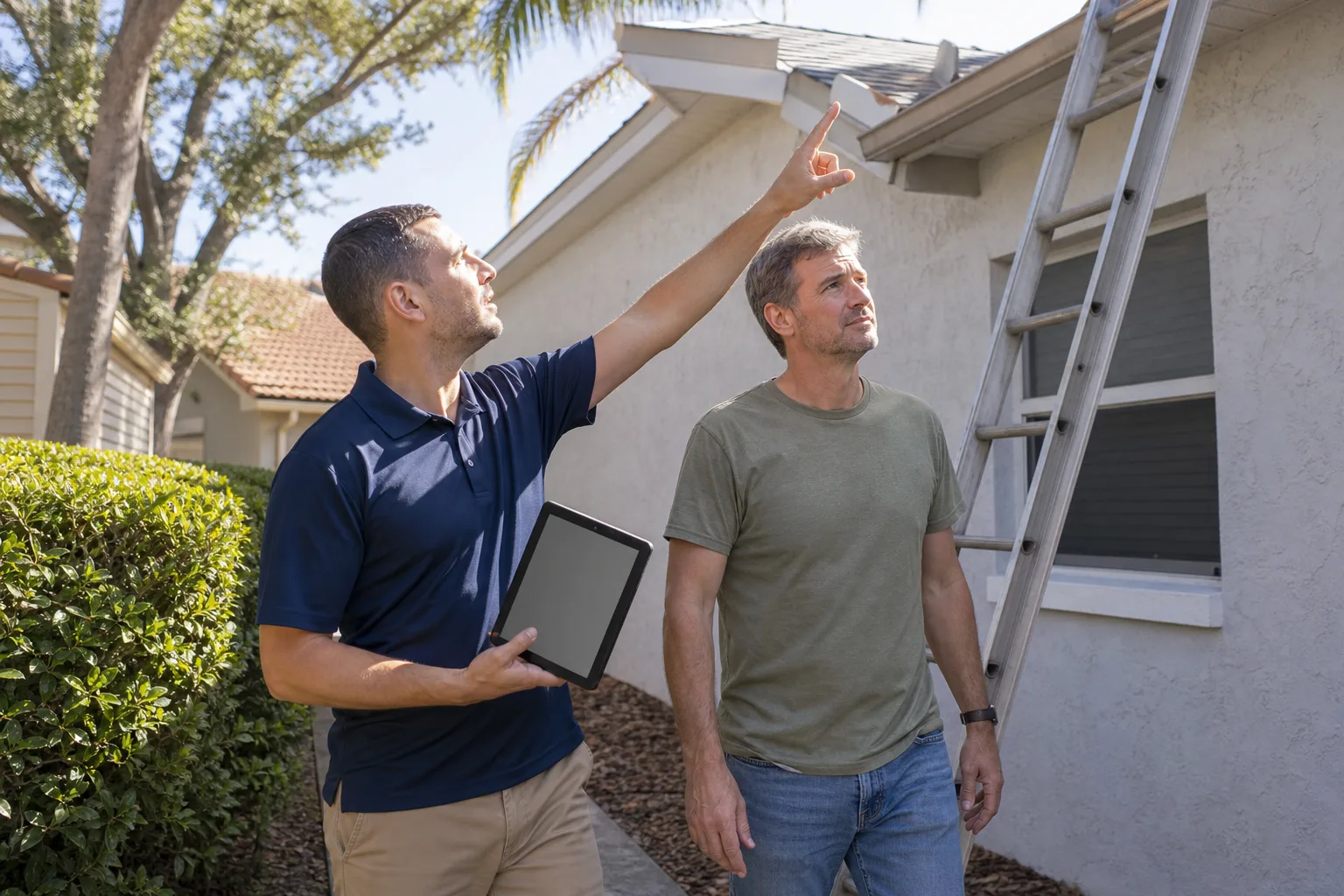
Choose architectural shingles if you’re replacing a roof on a 1960s peninsula ranch home and want the lowest total cost with a Class 4 impact rating. Choose standing-seam metal if you’re staying long-term, can absorb the higher upfront price, and your installer specs 316 stainless or ceramic-coated fasteners for the salt air. That last clause is the one that separates a 50-year metal roof from a 15-year one in Newport Beach. A mile from the shoreline, a standard metal roof screw can show visible rust in under three years. Every national comparison guide skips this variable. Call (833) 749-3967 and we’ll walk the roof with you.
Key Takeaways
- Marine-grade fasteners and coatings determine metal roof lifespan in Newport Beach, not the panel itself.
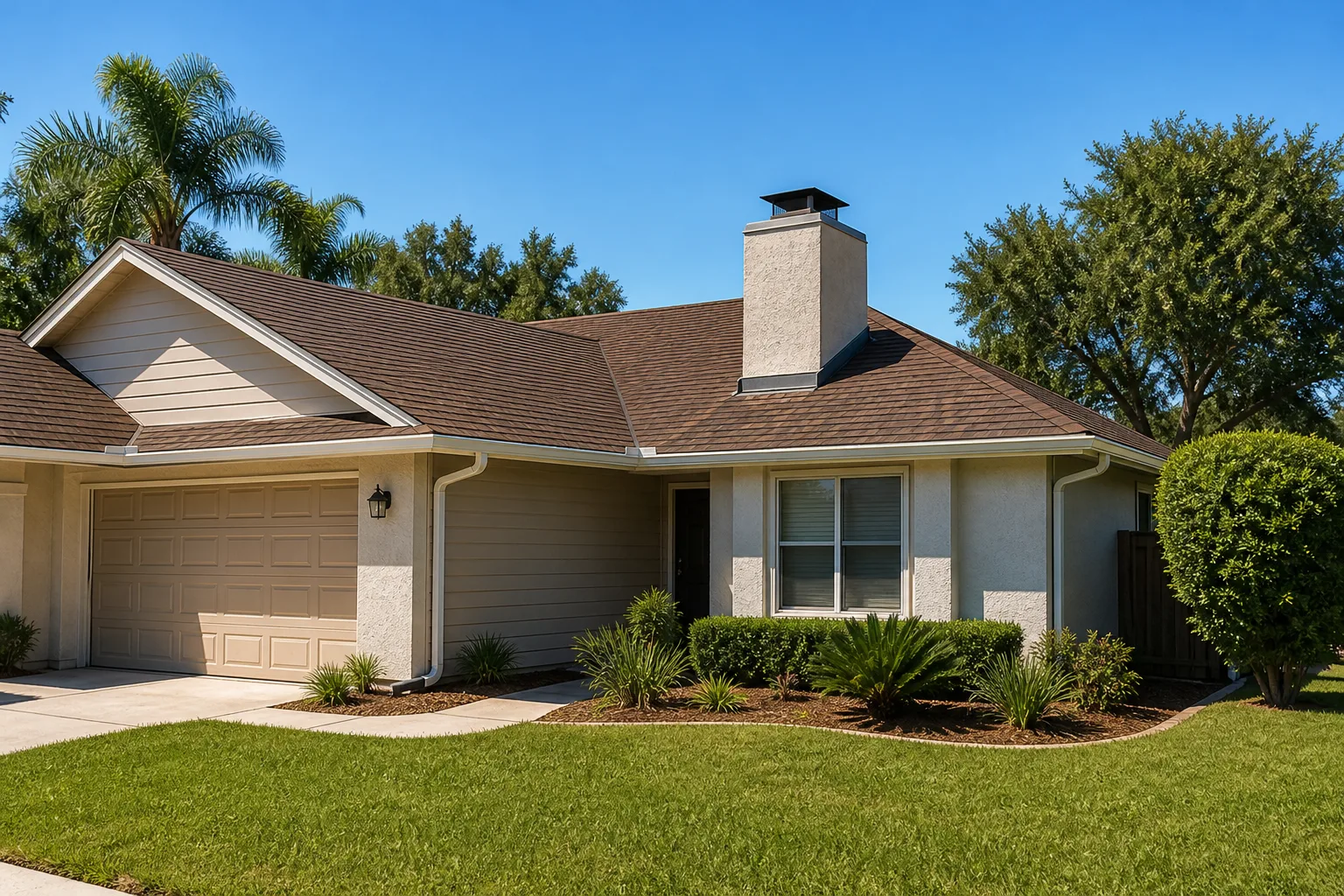
- Architectural shingles like GAF Timberline HDZ carry Class 4 impact ratings and algae-resistance warranties that matter in our marine-layer humidity.
- Bayfront and Oceanfront overlay zones can trigger Coastal Commission design review for standing-seam metal – a permit reality most guides ignore.
- The 730-Day Done Right Promise backs both material choices equally. You’re not gambling on the warranty.
Why Salt Air Rewrites the Standard Comparison
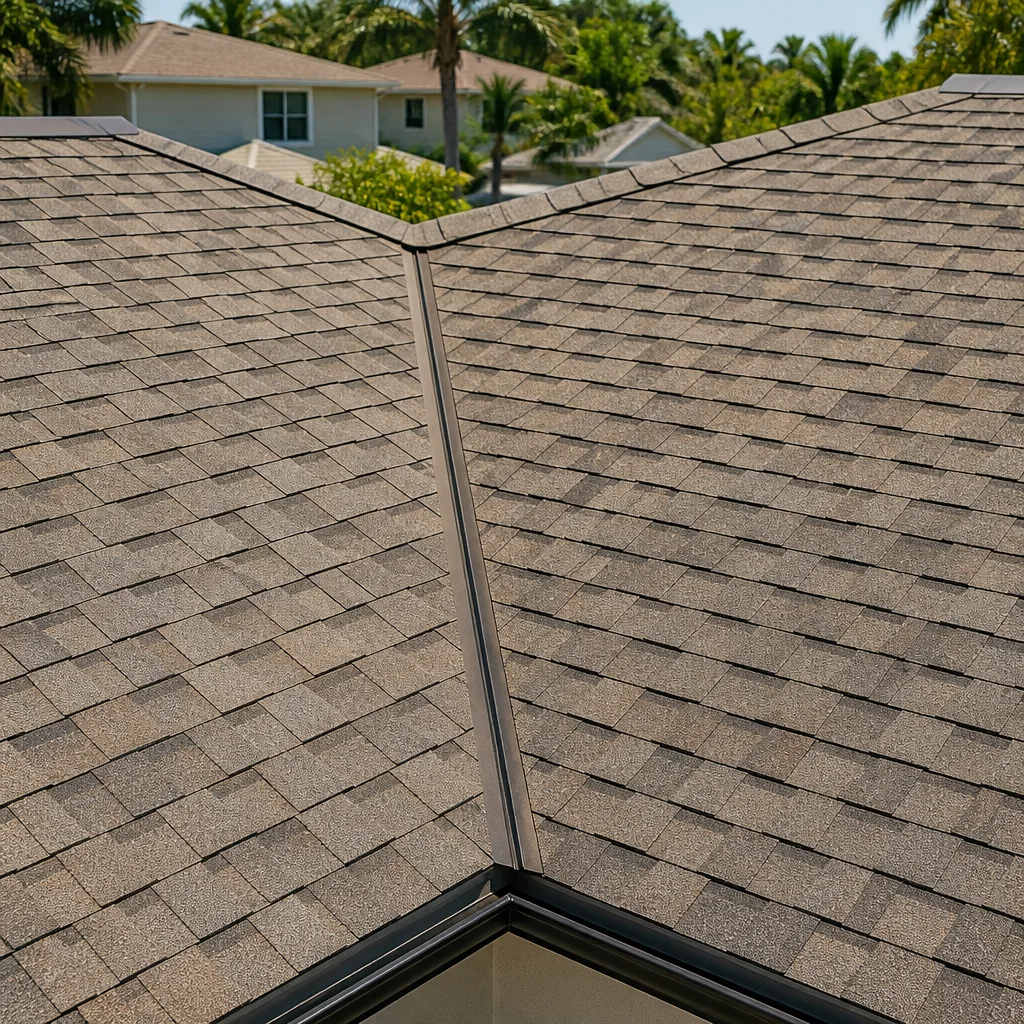
Most metal-vs-shingle articles assume inland conditions: dry air, moderate humidity, hardware that simply holds. Newport Beach inverts that assumption. Persistent salt air and the morning marine layer keep roof surfaces damp long after sunrise, and moisture sitting around fastener points is where galvanic corrosion starts on standard zinc-plated screws. Two dissimilar metals in contact plus a salt-rich electrolyte equals pitting corrosion at the penetration. Once corrosion begins, the fastener backs out, the panel loosens, and wind-driven rain gets underneath.
Our technicians have up to 12 years of experience and see this on the peninsula regularly. A budget Galvalume panel rated to last decades inland will fail early two blocks from the harbor if it’s installed with the fasteners that come in the box. Spec 316 stainless or ceramic-coated screws and the timeline changes completely. That hardware upgrade adds a modest amount to the project, but it’s the single most important line item on a coastal metal roof. Roofing work here is a corrosion engineering problem before it’s a material selection problem.
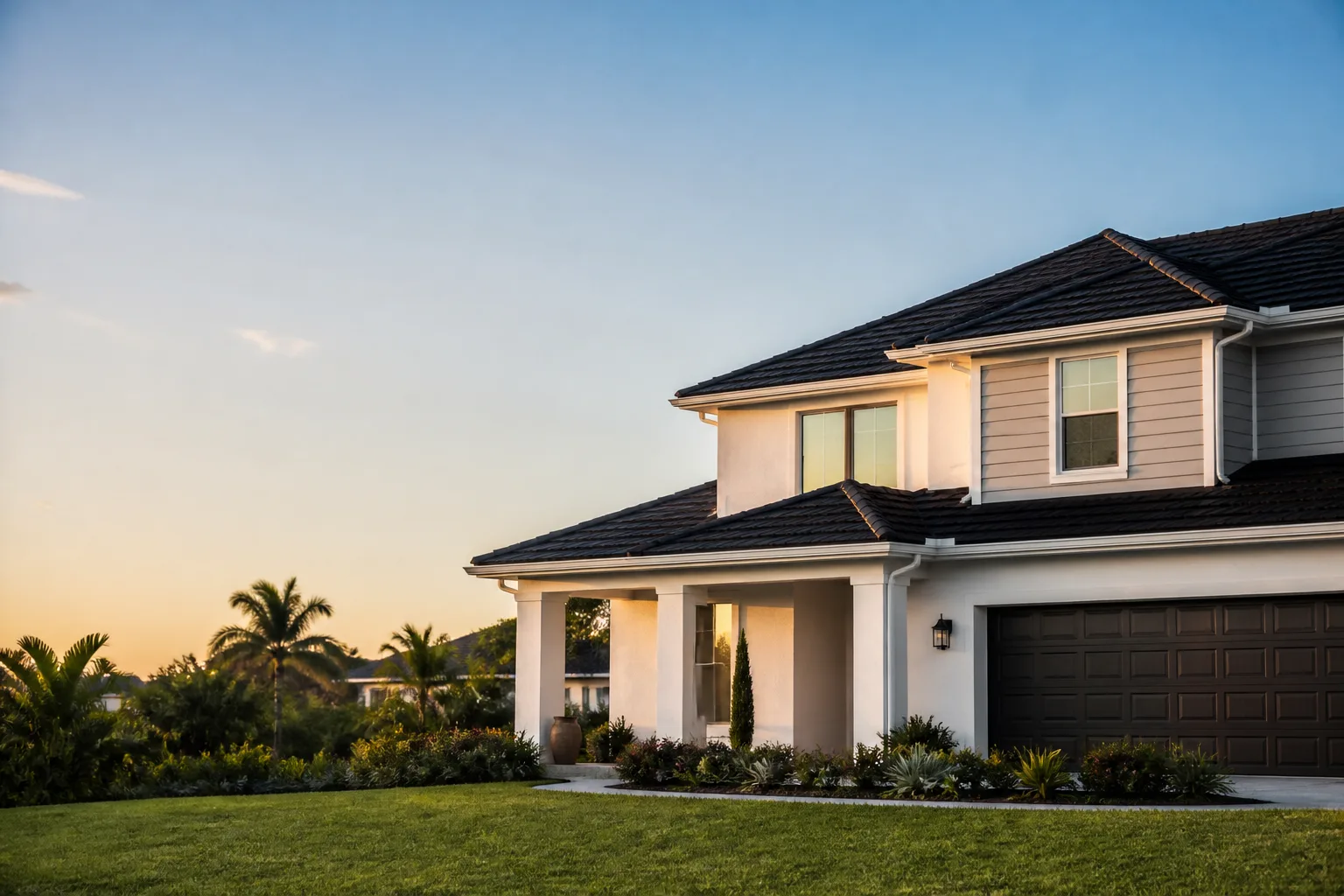
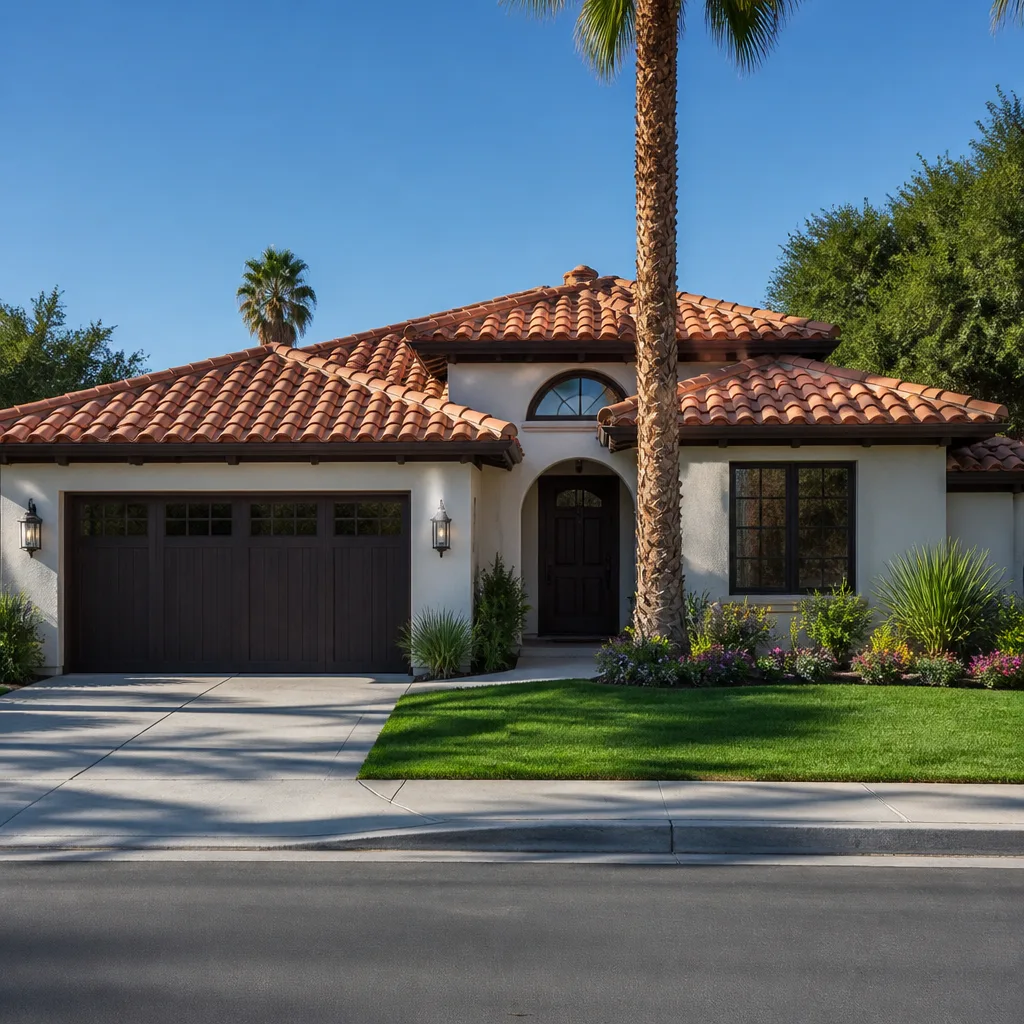
The housing stock reinforces this. On the bay side of the peninsula, 1960s ranch homes and mid-century post-and-beam structures sit under roofs that were framed decades ago. Upgrading to a heavier system is a structural question, not just a cosmetic one. A roofer who quotes metal without checking rafter sizing on one of these homes is quoting you half a job.
Metal vs Shingles: The Honest Side-by-Side
Here’s how the two materials actually compare for a Newport Beach roof, factoring coastal conditions:
| Factor | Standing-Seam Metal | Architectural Shingles |
|---|---|---|
| Typical installed cost (Newport Beach) | $15,000-$40,000 | $8,000-$20,000 |
| Lifespan inland | 40-50 years | 25-30 years |
| Lifespan near salt air, standard fasteners | Often 15 years or less | N/A |
| Lifespan near salt air, marine-grade hardware | 40+ years | N/A |
| Impact rating | Varies by panel gauge | Class 4 (GAF Timberline HDZ) |
| Algae resistance | Not applicable | Built-in warranty (Timberline HDZ) |
| Weight on the structure | Heavier; may need rafter upgrades on older homes | Lighter; often in-kind replacement |
| Coastal Commission design review | Frequently triggered for standing seam | Usually not for in-kind swaps |
Shingles win on cost, weight, and permitting simplicity. Metal wins on longevity and reflectivity, but only when it’s specified for salt air. GAF Timberline HDZ is a brand we stock, and its algae-resistance warranty matters more in Newport Beach than most places. The marine layer keeps roof surfaces damp longer than inland, and damp plus moderate temperature is precisely what feeds moss and algae streaks.
The Permit Reality Nobody Mentions
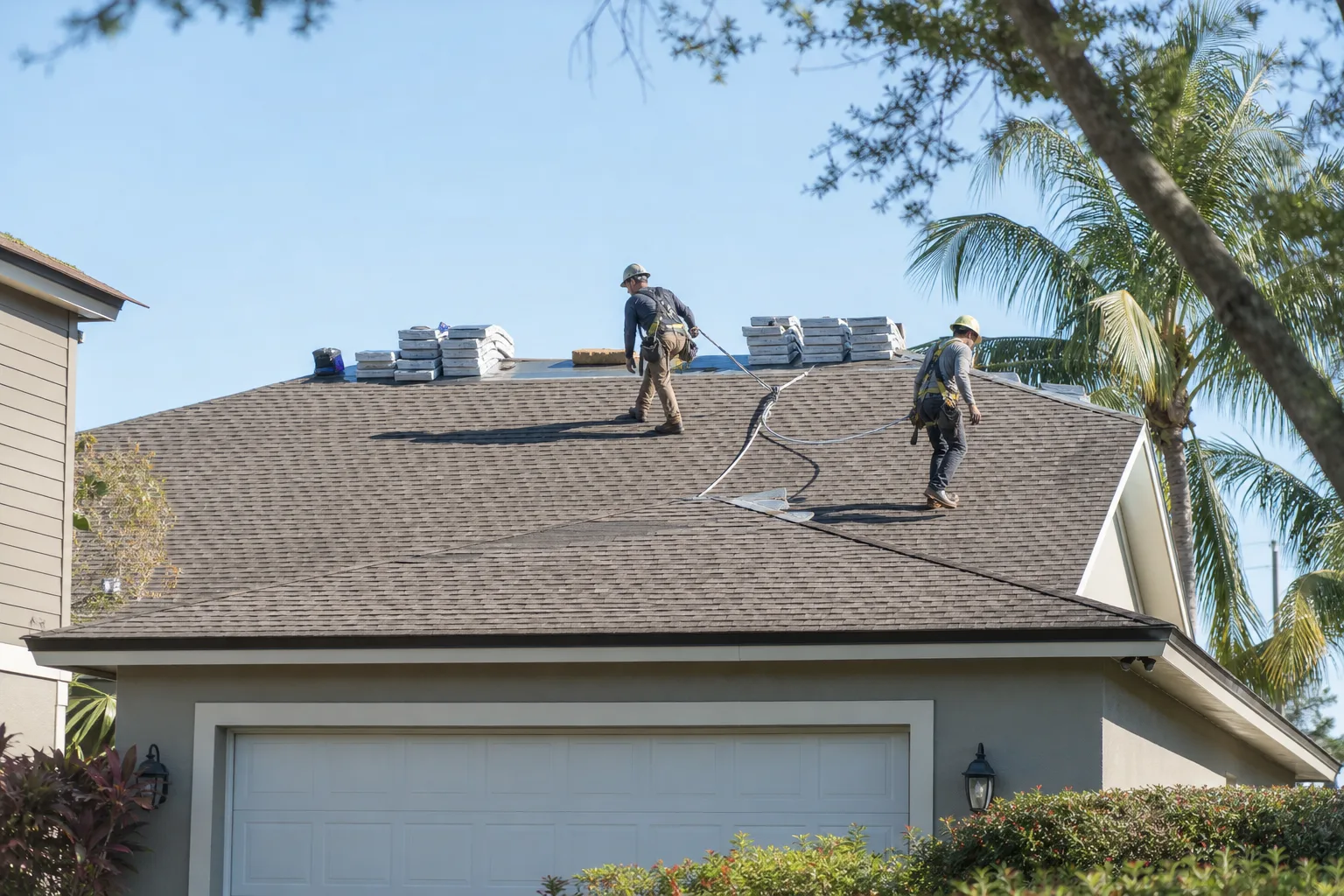
Newport Beach’s Bayfront and Oceanfront overlay zones sit inside the California Coastal Commission’s permitting framework, and those overlays scrutinize rooflines, reflectivity, and profile changes. A standing-seam metal installation changes the roof’s reflectivity and often its profile enough to trigger a coastal development permit condition review. An in-kind shingle replacement typically sails through without that step. Factor in the design review timeline when you’re comparing dollars – the permit review alone can add weeks and, in some cases, a consultant fee a homeowner didn’t budget for.
We handle that permitting coordination on every project, but the homeowner should know it’s coming. Our Newport Beach service area coverage includes the overlay zones, and we’ve navigated enough coastal permits to tell you early whether your address is likely to need one.
Weight Load: The Cost Variable That Erases Metal’s Advantage
A heavy standing-seam metal system on a minimally framed 1960s ranch can require rafter reinforcement before a single panel goes down. That structural work can eat the long-term savings of metal, sometimes significantly. A dimensional shingle swap usually doesn’t require it because the load stays in the same ballpark as the original roof. If your home is a peninsula ranch or a mid-century post-and-beam, get the structural check before you decide. It’s the difference between a straightforward comparison and an expensive surprise.
Warranty: The Playing Field That’s Actually Level
Here’s where the guesswork ends. The 730-Day Done Right Promise covers both material categories with equal accountability – if it’s not done right, we make it right. A homeowner worried that metal is the “safer bet” or that shingles are the “budget gamble” can put that concern down. The workmanship backing is the same either way, so the decision comes down to budget, roof structure, and how long you plan to own the home. Live in the home for the long haul and metal’s lifespan math looks strong. Plan to sell in five years or have an older frame that can’t take the load, and shingles are the honest recommendation.
FAQs
Metal roof installation in Newport Beach runs $15,000-$40,000, while architectural shingle replacement runs $8,000-$20,000. The gap narrows once you factor in marine-grade fasteners and any structural reinforcement a heavier metal system may require on older peninsula homes. Call (833) 749-3967 for an exact quote – estimates are free.
Yes. Standard zinc-plated screws can show rust in under three years in Newport Beach’s salt air, so we spec 316 stainless steel or ceramic-coated fasteners on every coastal metal roof. It’s an upgrade that most shingle crews never mention because it’s not their trade. If you’re weighing metal, ask specifically about fastener metallurgy.
Often, yes, particularly in the Bayfront and Oceanfront overlay zones where standing-seam metal changes roofline reflectivity and profile. An in-kind shingle replacement typically doesn’t. We flag this during the estimate so permit timing doesn’t surprise you mid-project. Call (833) 749-3967 to check your address.
For small leaks and storm damage, roof repair at $400-$1,800 is almost always the right call, and often same-day. But once you’re past 20 years on shingles or seeing widespread corrosion at metal fasteners, replacement wins on cost over time. We’ll give you an honest read at no charge.
If you’d rather have it looked at, Groundwork Construction Co. of Newport Beach offers a no-pressure assessment in Newport Beach – call (833) 749-3967.
Written by the team at Groundwork Construction Co. of Newport Beach, serving Newport Beach, CA.