
Free written scope consultation - allowances, timeline, and change-order rules on paper before a single trade is scheduled
Styles & brands we work with
- Kitchen remodeling
- Bathroom remodeling
- Home additions & ADU
- Roofing
- Windows & doors
- Driveway & pavers
- Fence
See the difference
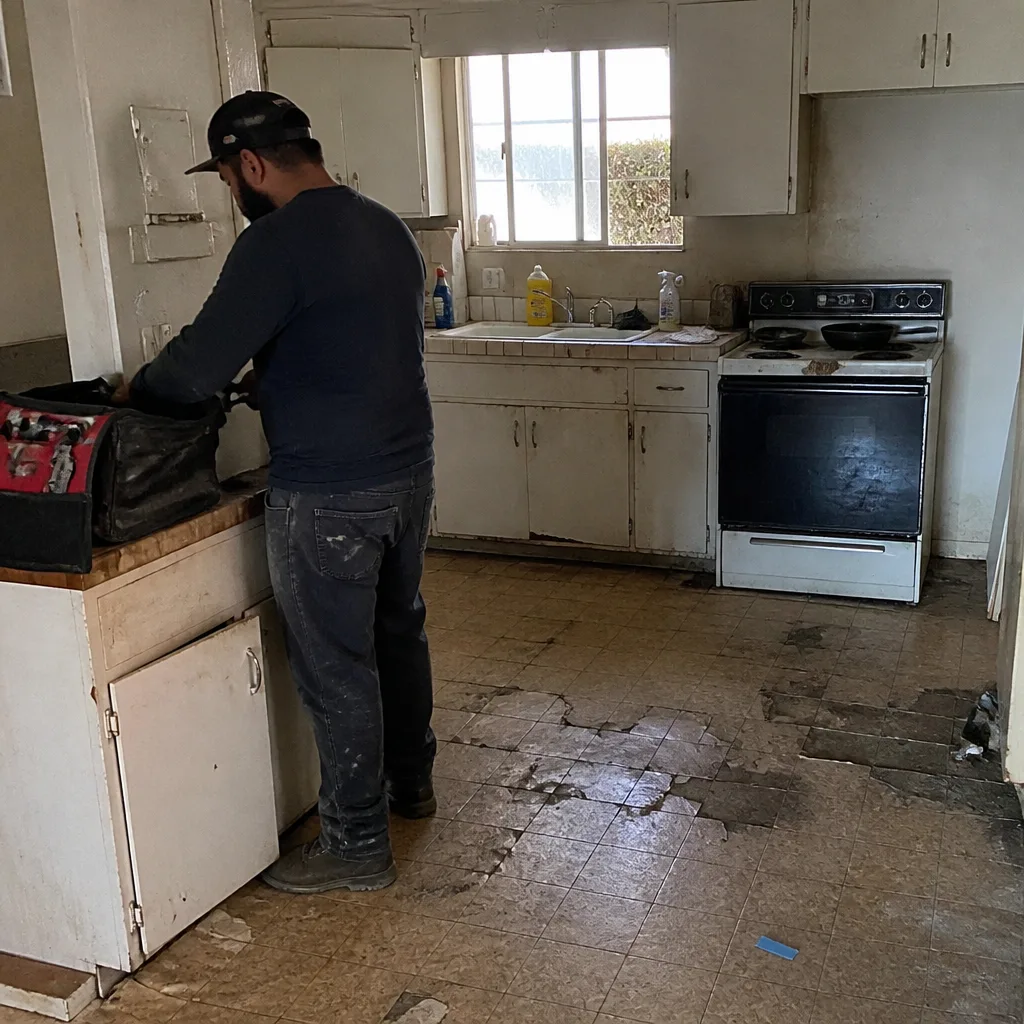 Before
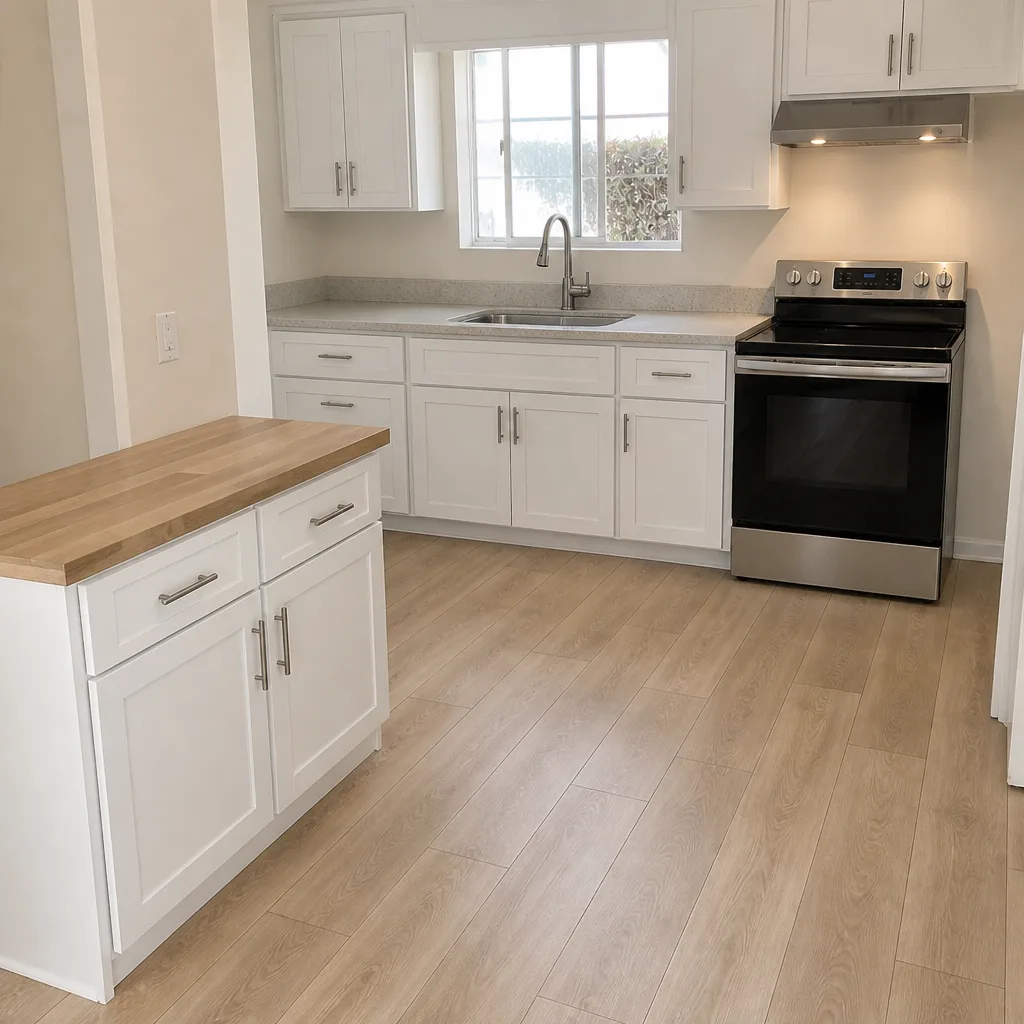 After
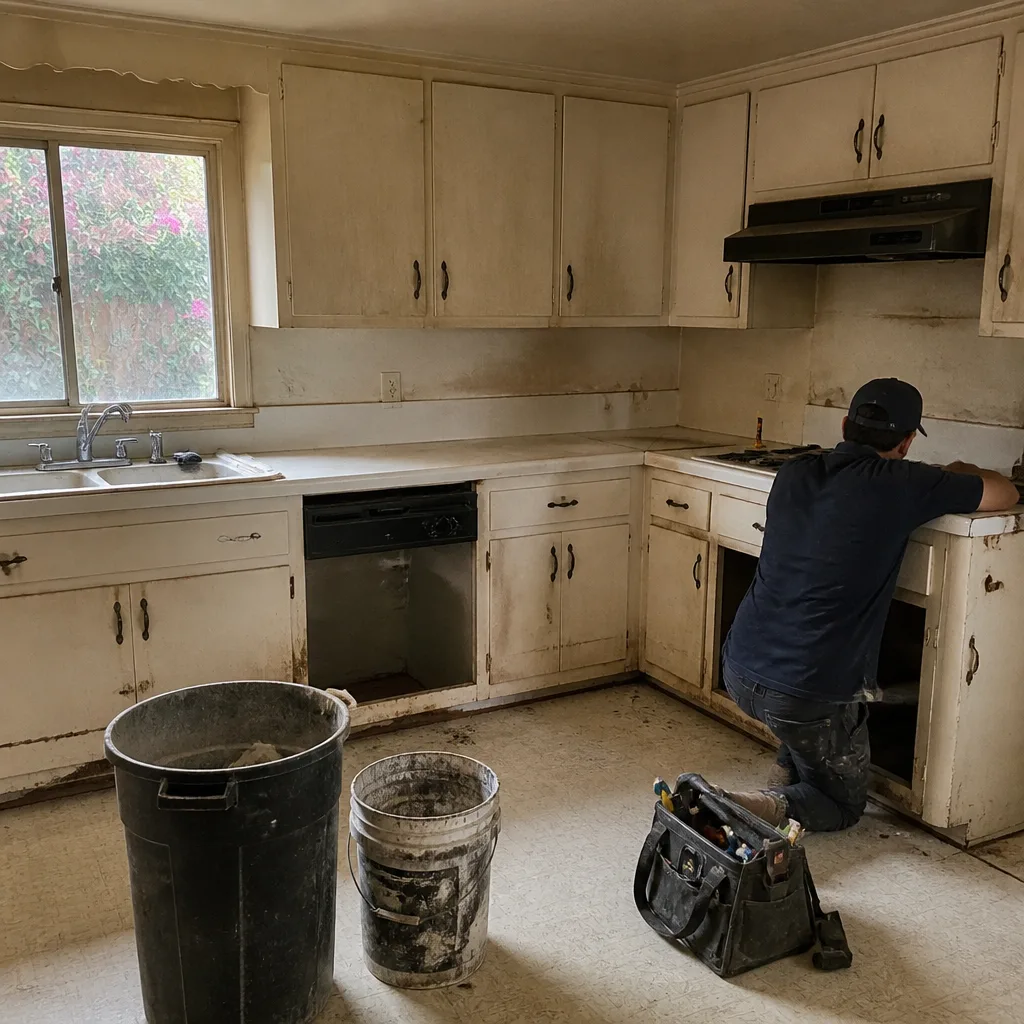 Before
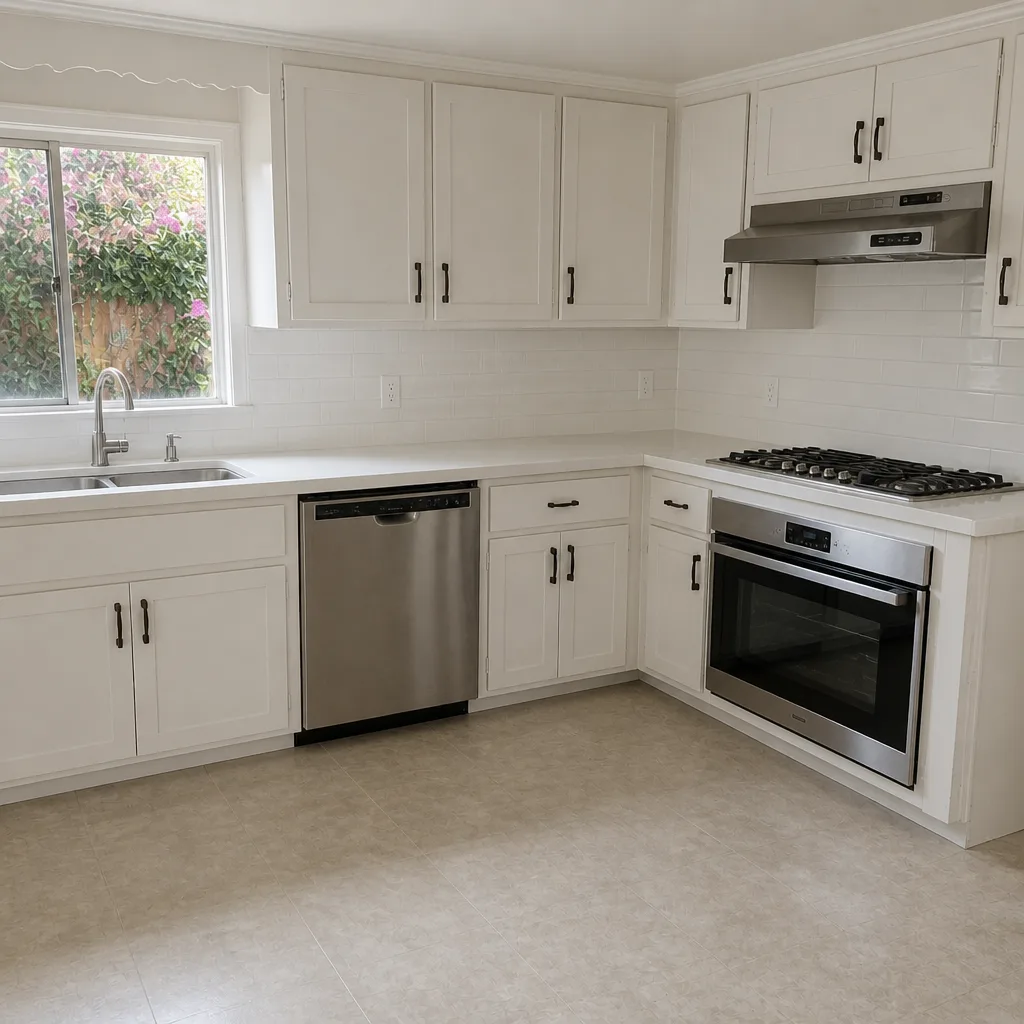 After
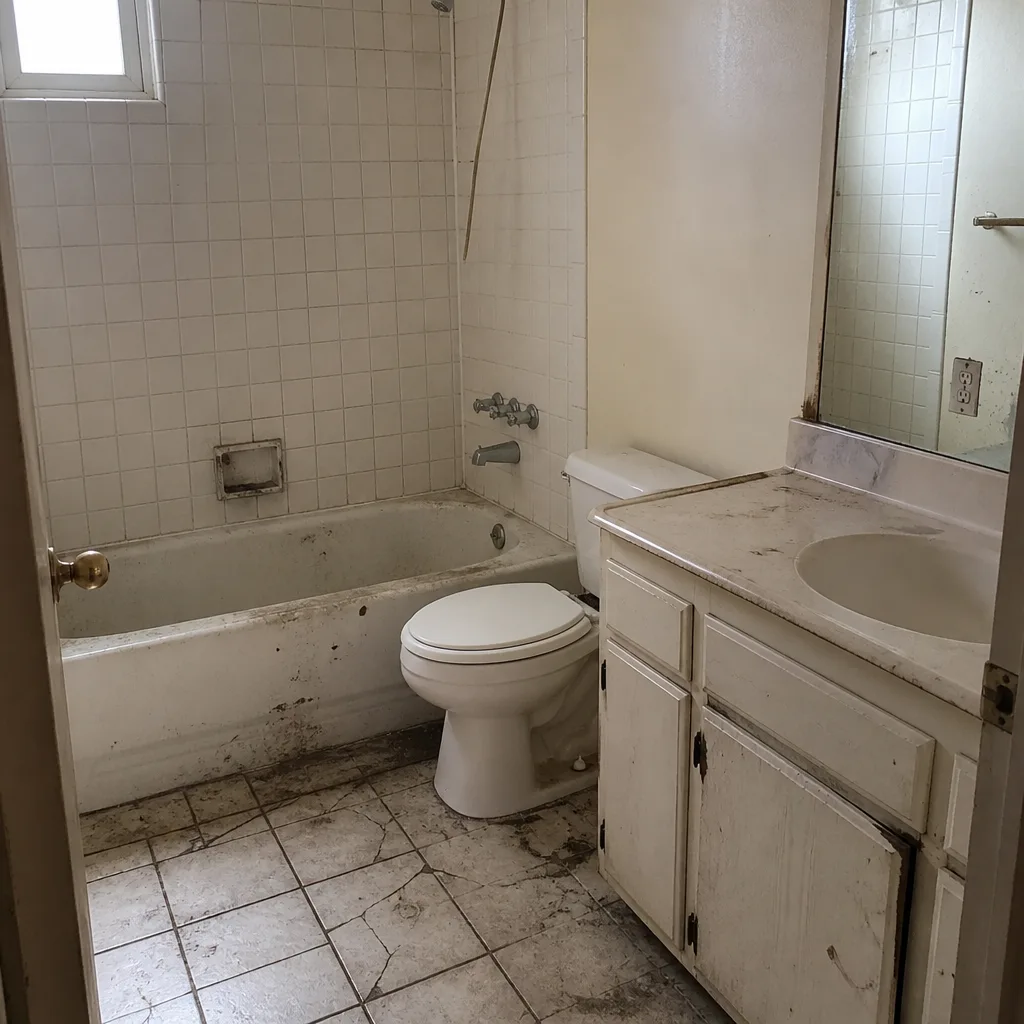 Before
 After
Clay vs Concrete Roof Tiles in Newport Beach, CA: The Weight Question Comes First
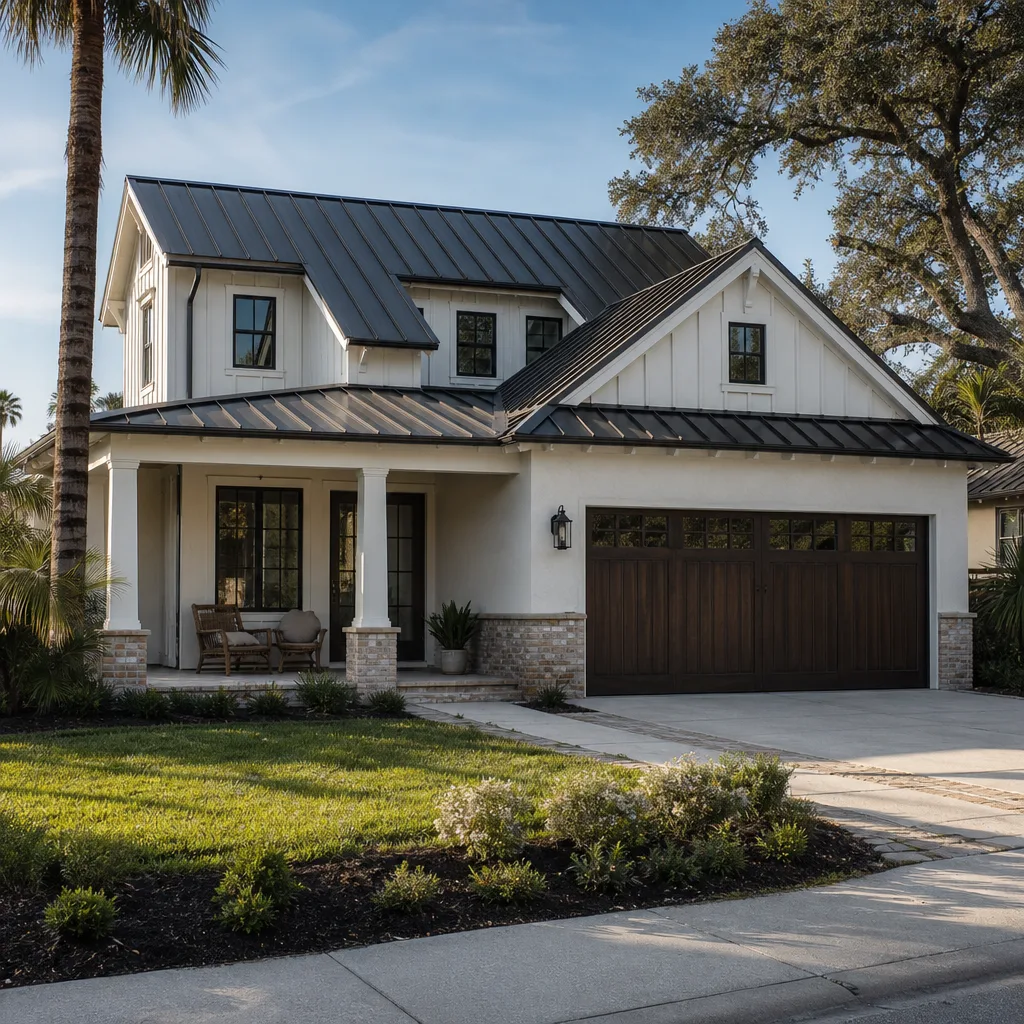
Choose clay if your roof structure can carry the load and you want forever color; choose concrete if you need the lower upfront number and are willing to reseal. That’s the honest bottom line. But in Newport Beach, the real deciding factor is rarely the tile itself. On a Dover Shores estate, a homeowner recently swapped concrete tile for clay assuming it was a straight swap. It wasn’t. The city’s coastal development permit conditions required a structural engineer’s letter because clay adds 25% less load but changes the diaphragm calculation. If you’re weighing clay vs concrete roof tiles in Newport Beach, call (833) 749-3967 and we’ll walk you through the load math before you pick a profile.
What’s the real weight difference, and why does Newport Beach care?
This is the part most comparison articles skip. Standard concrete tile runs 9-12 lbs per square foot. Fired clay runs 5.5-8 lbs. On a 3,000 sq ft roof deck, that swing can exceed 10,000 lbs depending on which spec you land on. That number matters in Newport Beach because the city’s coastal development permit conditions and building code can require a structural review when a re-roof changes the dead load or diaphragm assumptions. A lighter clay tile sounds like an upgrade. It can trigger engineering costs and permit delays the homeowner never budgeted for.
On the ocean-side bluffs and across Dover Shores, we regularly see the opposite problem: a 1960s ranch home originally framed for lightweight shake, where a concrete tile quote comes in cheap because nobody checked whether the rafters were ever upgraded. Our technicians have up to 12 years of experience and they open the attic and read the framing before anyone commits to a tile. That’s the difference between a quote and a real bid.
Clay vs concrete roof tiles: the side-by-side that actually matters here
| Factor | Concrete tile | Clay tile |
|---|---|---|
| Dead load per sq ft | 9-12 lbs | 5.5-8 lbs |
| Color permanence | Surface slurry coat; UV strips it in 15-20 years | Fired through the full body; does not fade |
| Salt-air behavior | More porous; absorbs marine moisture, efflorescence after 10-15 years | Denser; resists moisture absorption |
| Maintenance | Resealing likely | Minimal |
| Structural review risk | Can trigger review if load increases over existing | Can trigger review if diaphragm calculation changes |
| Upfront cost | Lower | Higher |
Concrete tile’s color is a surface slurry coat, and the Southern California sun strips it within 15-20 years. That resealing cycle is a real maintenance line item for second-home owners who aren’t on the property year-round. Clay’s color runs through the entire tile. It doesn’t fade. For a blufftop home that sits empty from October to May, that permanence matters.
Salt air, efflorescence, and the rare cold snap
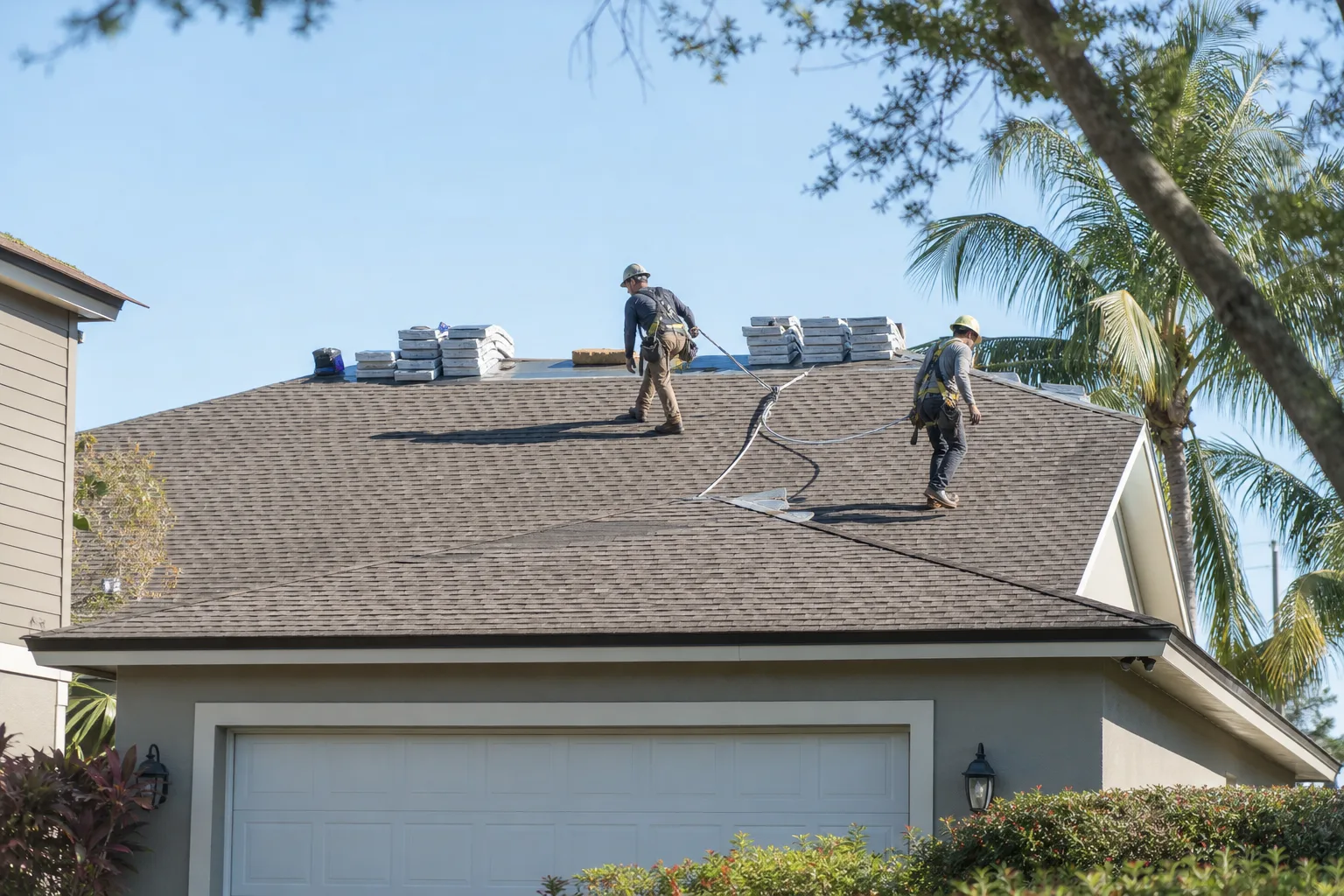
Concrete is more porous than fired clay. It absorbs marine moisture from the morning marine layer, and on peninsula roofs that shows up as efflorescence staining after 10-15 years. During Newport’s occasional cold snaps, absorbed moisture goes through freeze-thaw micro-cracking on the concrete surface. Clay sheds that moisture instead of drinking it. Neither tile is immune to salt air, which is why we spec stainless steel fasteners and marine-grade flashings on every coastal roof regardless of tile choice. For more on how we approach coastal installs, see our Roofing service.
Design review: the color and profile question beyond engineering
Newport Beach’s Oceanfront and Bayfront overlay zones scrutinize tile color and profile to keep the streetscape consistent. Swapping from a Spanish “S” profile concrete to a flat clay can require a design deviation approval even on a re-roof, not just new construction. The California Coastal Commission permitting and the city’s design review boards don’t only look at structural load. They look at the roofline. A re-roof that changes profile can stall over a review that has nothing to do with weight.
Then there’s the material itself. Our curated portfolio includes top-tier tile manufacturers, so the tile spec is matched to the structural and coastal conditions of your property, not whatever the distributor had on the truck last Tuesday. When a client asks us to compare Boral clay profiles against a concrete line from IKO or Atlas, we pull the actual load data and finish warranties, line them up against the framing, and give a straight recommendation. That’s what Newport Beach service area work means here: know the code, know the tile, know the structure.
What roof replacement typically runs in Newport Beach
- Roof replacement (concrete tile): $8,000-$20,000
- Roof replacement (clay tile, higher material cost): expect above the concrete range depending on profile and sourcing
- Tile roof repair: $600-$2,500
- Roof repair (general): $400-$1,800
- Metal roof installation (for comparison): $15,000-$40,000
These are honest market ranges, not teasers. Upfront pricing means the number you see is the number you pay. Every re-roof we do is covered by the 730-Day Done Right Promise: if it’s not done right, we make it right. And projects over $10,000 qualify for $1,000 off plus 0% financing for 18 months, which takes some of the sting out of the higher clay material cost.
So which tile should a Newport Beach homeowner actually pick?
If the framing can carry it without a structural uplift or a diaphragm recalculation, clay wins on longevity and color permanence, especially for second homes where nobody’s watching the roof for eight months a year. If the attic wasn’t built for clay and the engineering letter pushes the project past budget or timeline, concrete with a planned reseal cycle is the sensible answer. And if the home sits in an oceanfront overlay where a profile change means a design deviation, the hassle math may favor staying with the existing profile in a better-made concrete.
The wrong move is letting a distributor or a salesperson pick the tile before anyone looked at the rafters. That’s the mistake the Dover Shores owner nearly made, and it’s the single most common one we see in Newport Beach.
FAQs
A concrete tile roof replacement in Newport Beach typically runs $8,000-$20,000, while clay comes in higher because of material cost and the frequent need for structural review. Call (833) 749-3967 for an exact quote – estimates are free.
Often yes, because the change alters the diaphragm calculation and the city may require a structural engineer’s letter under coastal development permit conditions even though clay is lighter. A lighter tile is not automatically a simpler permit. Call (833) 749-3967 and we’ll tell you up front whether your roof triggers a review.
Clay holds up better to salt air because it’s denser and absorbs less marine moisture, which limits the efflorescence staining and freeze-thaw micro-cracking that show on peninsula concrete roofs after 10-15 years. The fasteners and flashings matter as much as the tile. Call (833) 749-3967 for a coastal assessment.
It can. In Oceanfront and Bayfront overlay zones, a change in tile color or profile – say from Spanish “S” profile concrete to a flat clay – may require a design deviation approval even on a re-roof. Call (833) 749-3967 before you buy tile so the spec clears the board the first time.
If you’d rather have it looked at, Groundwork Construction Co. of Newport Beach offers a no-pressure assessment in Newport Beach. We’ll read the framing, run the load math, and match a tile to the structure and the coast. Call (833) 749-3967 for a free estimate.
Written by the team at Groundwork Construction Co. of Newport Beach, serving Newport Beach, CA.