Free written scope consultation - allowances, timeline, and change-order rules on paper before a single trade is scheduled
Styles & brands we work with
- Kitchen remodeling
- Bathroom remodeling
- Home additions & ADU
- Roofing
- Windows & doors
- Driveway & pavers
- Fence
See the difference
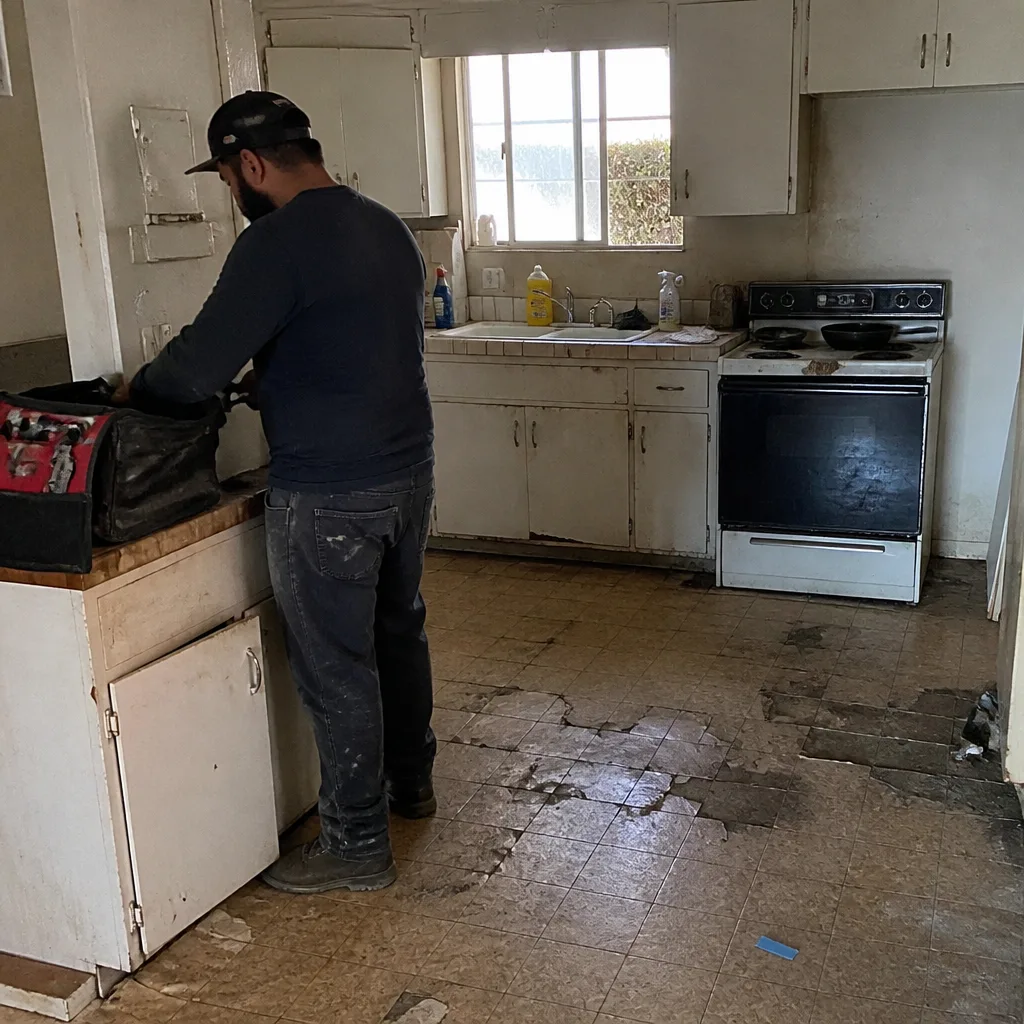 Before
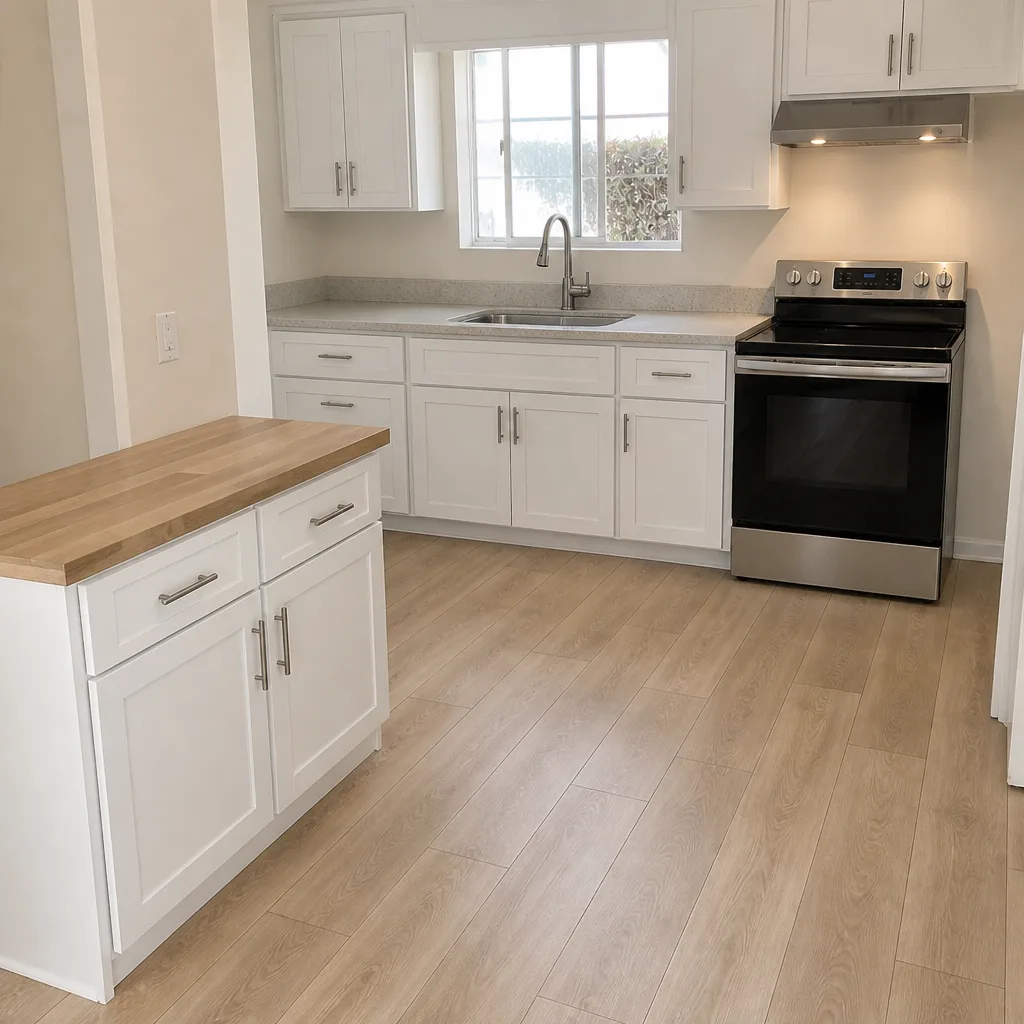 After
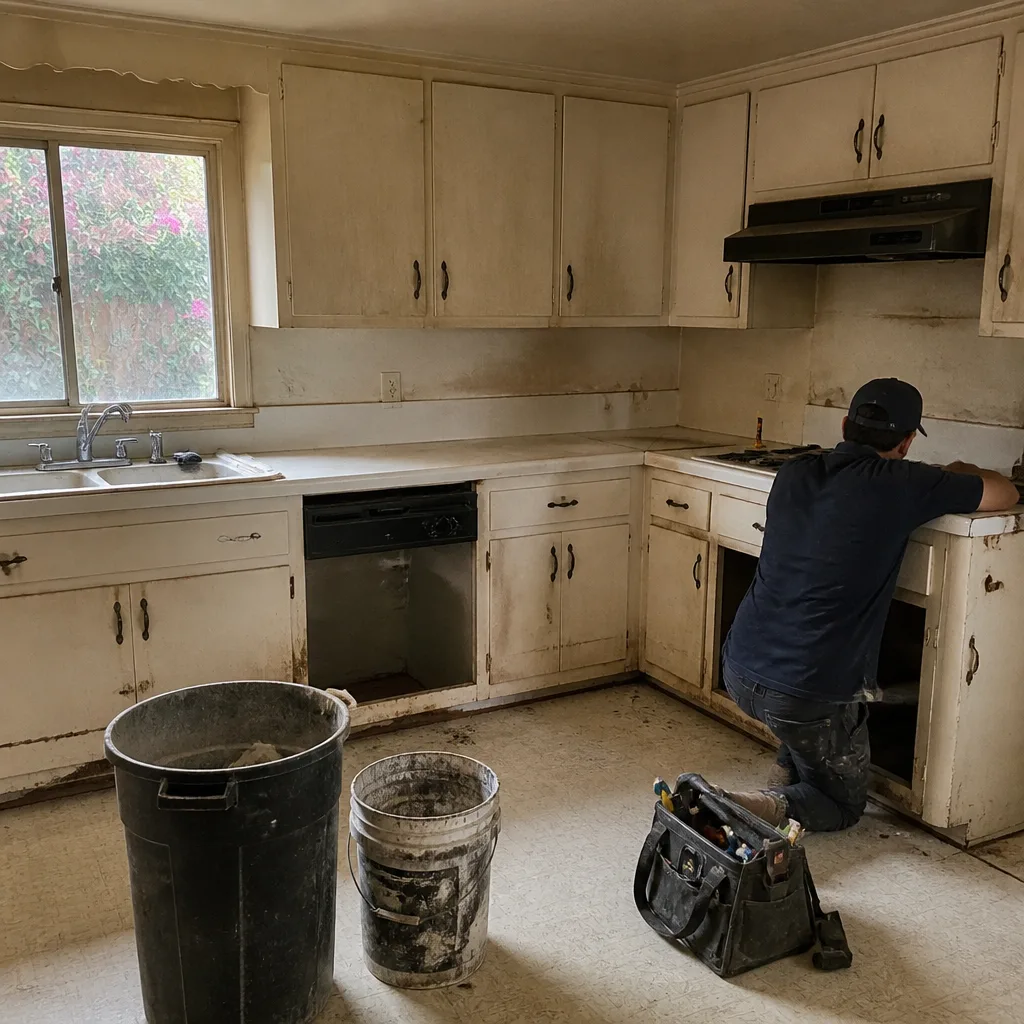 Before
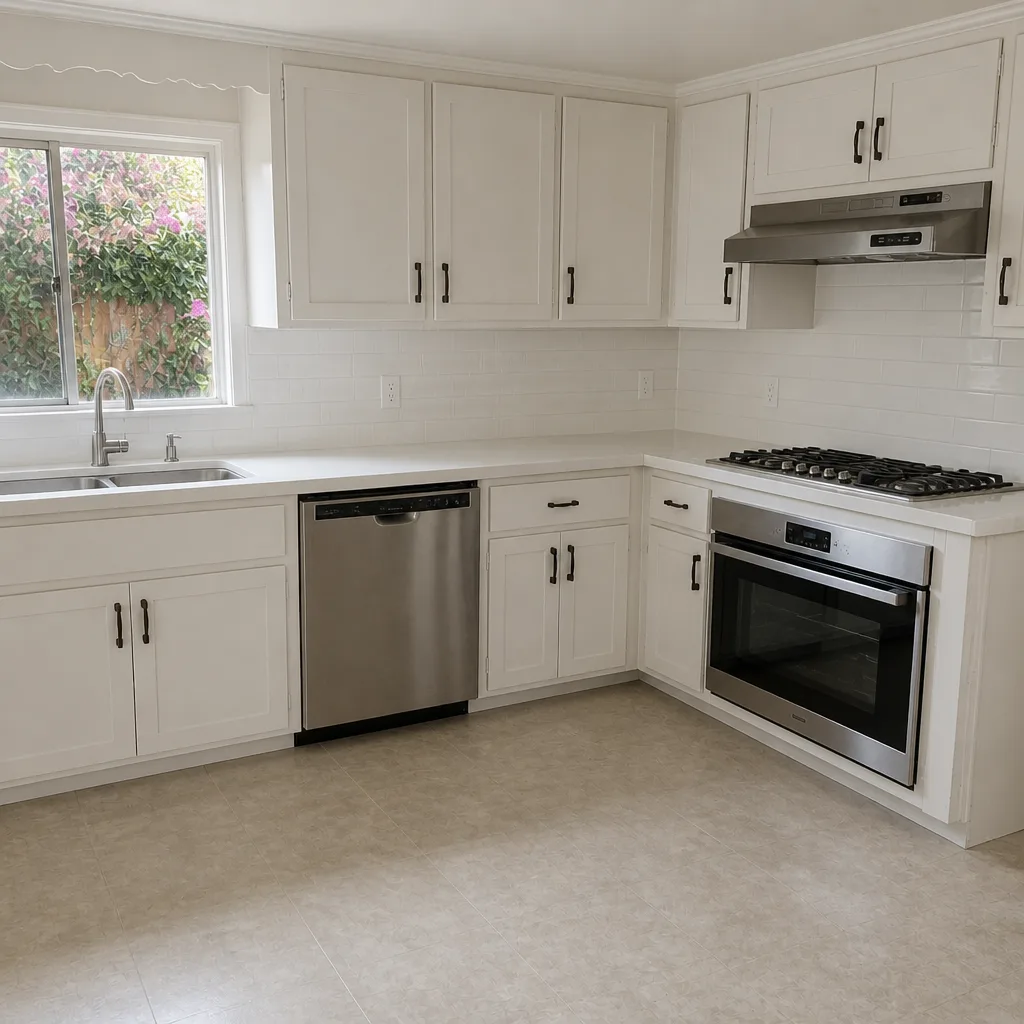 After
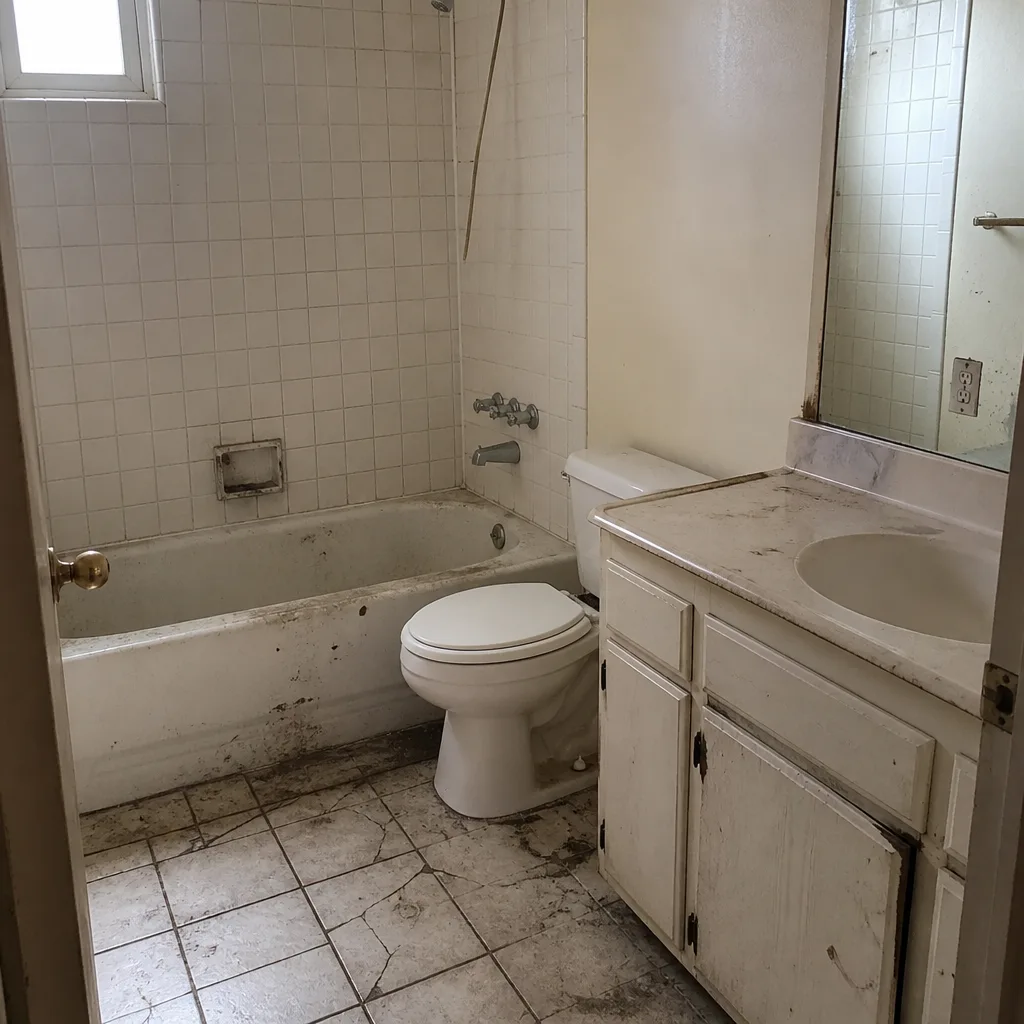 Before
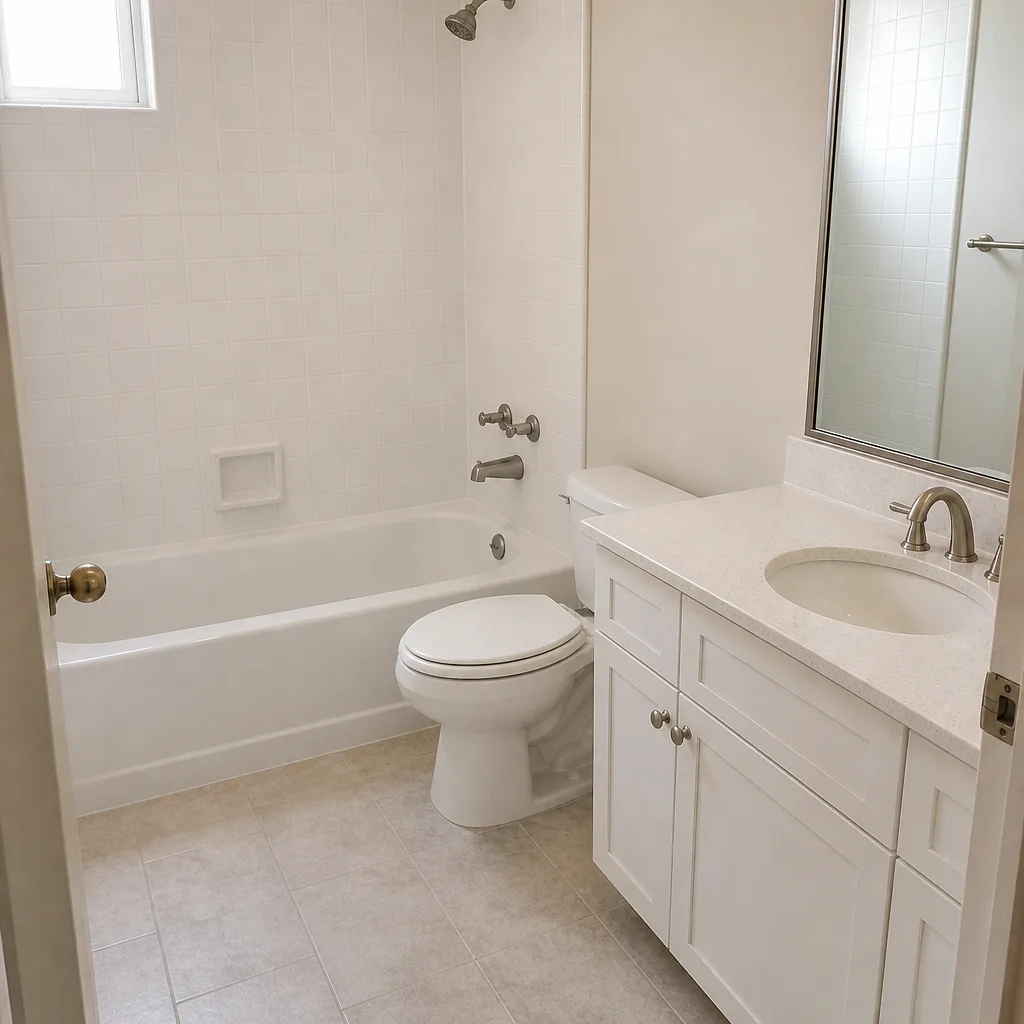 After
Asphalt vs Architectural Shingles in Newport Beach, CA: The Choice Is Mostly Made for You
Choose architectural shingles unless you’re re-roofing a detached shed, garage, or non-habitable structure where wind exposure rules don’t apply. On a Newport Beach house, standard 3-tab asphalt shingles carry a 60 mph wind uplift rating, and most Newport Beach parcels fall under wind exposure requirements that call for 110 to 130 mph rated products. That means 3-tab isn’t a cheaper option here. It’s a non-compliant one. Call (833) 749-3967 and we’ll walk you through what your specific roof actually requires.
Most asphalt vs architectural shingles guides start with price. We’ll get to price, and it matters. But the comparison that actually applies to a Newport Beach roof starts somewhere else: what will the city and your insurer accept on your address.
Why 3-Tab Shingles Are Usually Off the Table on a Newport Beach Roof
Newport Beach’s coastal-adjacent parcels fall under ASCE 7 Wind Exposure Category D, the most severe exposure classification, because wind moving off open water hits a house with almost nothing to slow it down. Roofing products on those homes need to be rated for 110 to 130 mph uplift. A standard 3-tab shingle tops out around 60 mph.
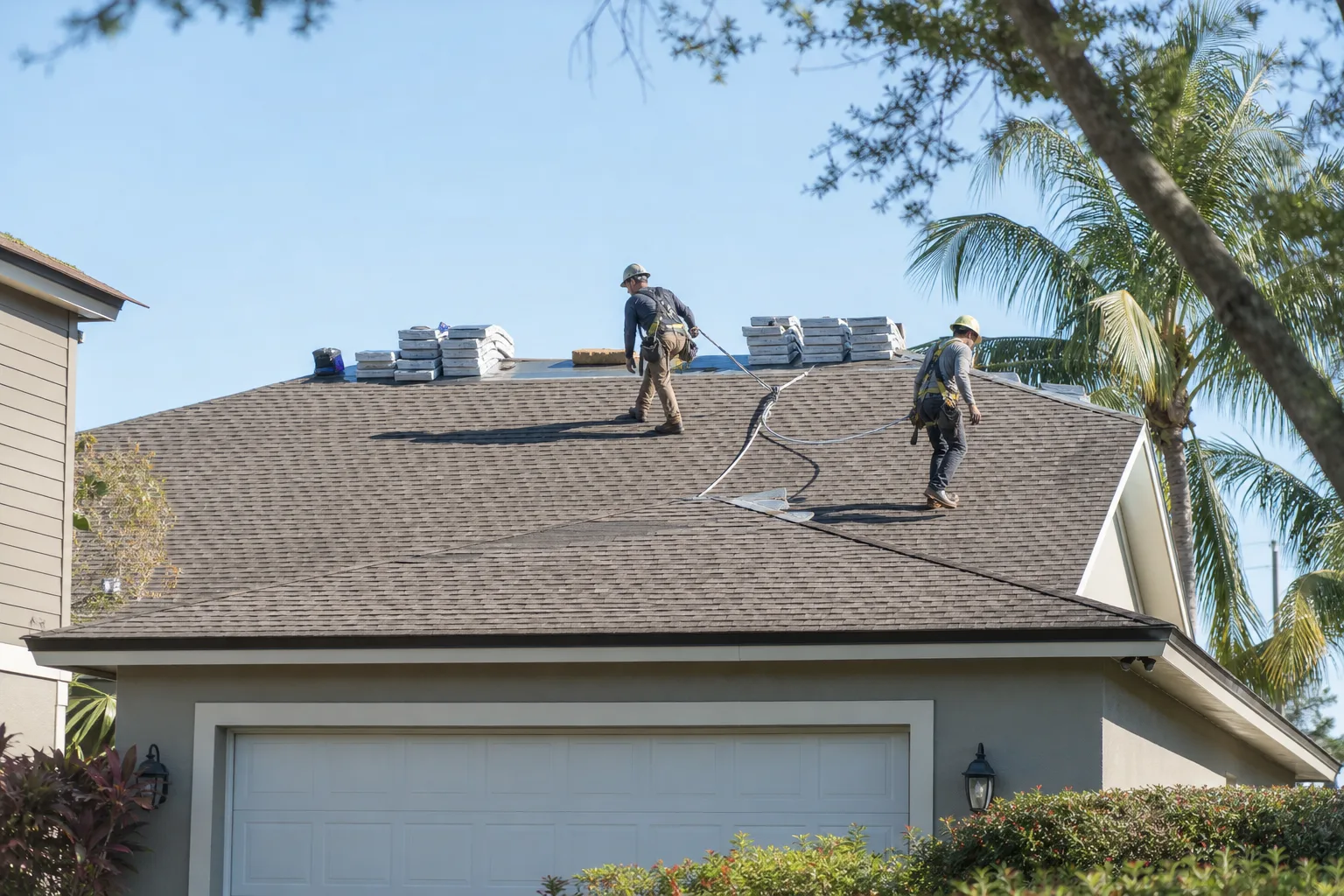
What that looks like in practice: you submit a roofing permit for a bay-side home and the product spec sheet doesn’t clear the wind requirements. The permit stalls, the job restarts, and the “savings” from the cheaper shingle disappears into delay. We’ve seen this pattern more than once around the peninsula’s bay side, where mid-century ranch homes still carry original roof decks and the owners reasonably assume a lighter, cheaper shingle is fine.
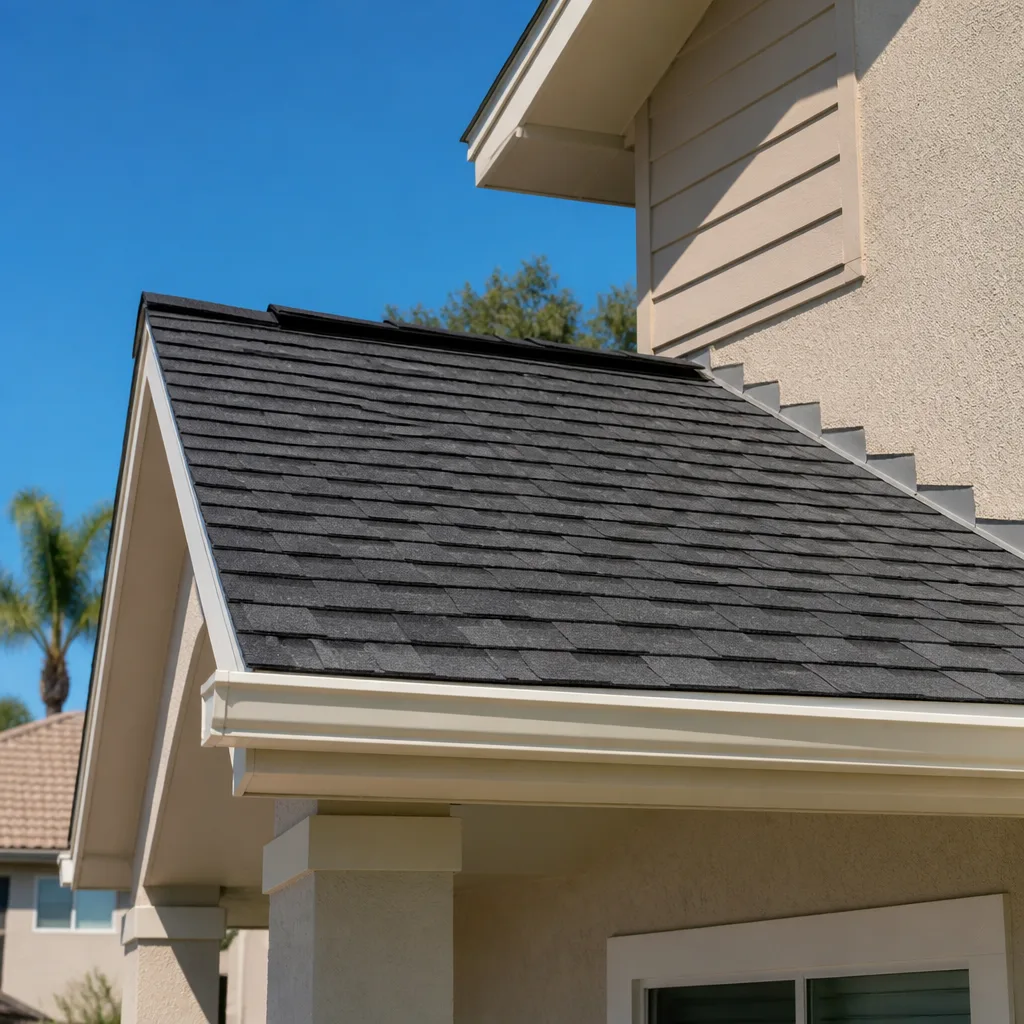
Architectural shingles are built with a heavier fiberglass mat and a multi-layer laminate construction that carries the higher wind ratings as a baseline product characteristic, not an upgrade. And the weight isn’t just a spec sheet number. It’s the difference in how a roof handles a real wind event.
How the Marine Layer Actually Changes the Comparison
Newport Beach’s morning marine layer means daily dew cycles on rooftops. Salt air sits in that moisture. Over years, it does measurable work on any shingle, and it does more on a thinner one.
- Granule loss: Architectural shingles resist granule shedding through sustained moisture exposure better than 3-tab, which shows accelerated loss on dew-cycle roofs. Once the granules go, the asphalt underneath starts breaking down and the fire-rating integrity tends to follow within 8 to 10 years.
- Algae streaking: The damp mornings are near-perfect algae conditions. Standard shingles on peninsula rooftops often show dark streaking within 5 to 7 years. GAF’s Timberline HDZ includes StainGuard Plus algae resistance, and it’s a product we stock because that streaking is a real, visible, resale-relevant problem here.
- Fastener corrosion: Salt air eats standard metal fasteners. We use stainless steel hardware on coastal roofs, and that’s not a line item we’ll quietly drop to hit a number.
None of that is theory. If you’ve looked at a neighbor’s roof and wondered why it looks ten years older than the house, the shingle grade and the fastener spec are usually the answer.
Side-by-Side: What the Two Product Tiers Actually Mean in Newport Beach
| Standard 3-Tab Asphalt | Architectural (Laminate) | |
|---|---|---|
| Wind uplift rating | ~60 mph | 110 to 130 mph |
| Code-compliant on most Newport Beach homes | Usually no | Yes |
| Installed cost (rough) | About $1.50/sq ft less | Higher |
| Algae resistance | Typically none | Available (e.g. GAF StainGuard Plus) |
| Class 4 impact-rated configurations | No | Yes |
| Insurer acceptance on coastal renewals | Often a problem | Meets common requirements |
The Insurance Angle Nobody Puts in the Comparison
Several coastal California homeowners’ insurers now condition policy renewal on Class 4 impact-rated or high-wind-rated roofing. Architectural shingles in a Class 4 configuration clear that bar. Standard 3-tab does not.
So the real question isn’t whether architectural shingles cost more upfront. It’s whether the cheaper shingle leaves you with a coverage problem down the line, on top of the permit problem today. When a homeowner asks us why we push the heavier product, this is the honest answer. It’s not upselling. The math runs against the thin shingle on both ends.
What It Costs, Told Straight
Full roof replacement in Newport Beach runs $8,000 to $20,000 depending on square footage, pitch, deck condition, and product tier. Roof repair, for context, is $400 to $1,800. 3-tab saves roughly $1.50 per square foot in materials, which on a 2,000 square foot roof sounds like $3,000 until you factor the permit restart, the insurer conversation, and a re-roof in 8 to 10 years instead of 20-plus.
Our upward pricing shows the full installed cost difference between tiers, including the code implications, before you commit. No surprise change orders once the deck comes off. You can also explore the full scope of what we handle on our Roofing page, or review the Newport Beach service area for local detail.
A note on the wider neighborhood: the harborfront and blufftop parcels here sit under the California Coastal Commission’s coastal development permit conditions alongside the city’s Bayfront and Oceanfront zoning overlays. A roof replacement on those addresses can pull in design review, so materials selection lands in front of a board, not just your insurer. Architectural shingles in a coastal-rated configuration clear that review far more cleanly than 3-tab. We’re Groundwork Construction Co. of Newport Beach, and we’ve navigated that review enough times to know where the snags live.
Common Local Scenarios We Walk Into
Original 1960s peninsula ranch, bay side. Decking is often older than the current owners expect, and the roof had 3-tab put on decades ago when the rules were looser. Re-roofing means upgrading to architectural as part of the scope, not as an upsell conversation.
Dover Shores and ocean-side estates, often second homes. Roofs sit empty between visits, so small moisture problems run longer before anyone spots them. We check deck integrity and fastener condition carefully because a leak that ran for a season in an empty house is a different repair than one caught early.
Homes that failed a permit review on a cheaper shingle. We’ve picked these up after other contractors and caught them before a re-roof goes in with the right product specified from the start. The restart cost usually exceeds the shingle savings by a wide margin.
Our technicians have up to 12 years of experience, and every job comes with the 730-Day Done Right Promise. If it’s not done right, we make it right. Calls are answered by a live person 24 hours a day, seven days a week. Background-checked, uniformed technicians show up on every job.
FAQs
Yes, about $1.50 per square foot cheaper in materials, but on most Newport Beach homes it isn’t a legal option, since 3-tab’s 60 mph wind rating can’t meet the 110 to 130 mph uplift requirements for coastal-adjacent parcels. Call (833) 749-3967 for a free estimate that shows the real installed cost.
Many coastal California insurers now require Class 4 impact-rated or high-wind-rated roofing as a condition of renewal, and architectural shingles in a Class 4 configuration meet that requirement while 3-tab doesn’t. It’s worth calling your insurer before you pick a product. Call us at (833) 749-3967 and we’ll help you match the spec to the policy.
Architectural shingles typically hold up 20-plus years in this climate, while 3-tab on a dew-cycle roof often shows granule loss and loss of fire-rating integrity within 8 to 10 years. The algae streaking you see on peninsula rooftops shows up within 5 to 7 years on standard shingles. Call (833) 749-3967 for a no-pressure assessment.
Full roof replacement in Newport Beach runs $8,000 to $20,000 depending on size, pitch, deck condition, and product tier, with roof repair at $400 to $1,800. Call (833) 749-3967 and we’ll put together a fixed, upfront number including the code implications.
If you’d rather have it looked at, Groundwork Construction Co. of Newport Beach offers a no-pressure assessment in Newport Beach. We’ll review your roof, your exposure category, and what your insurer needs. Call (833) 749-3967 for a free estimate.
Written by the team at Groundwork Construction Co. of Newport Beach, serving Newport Beach, CA.