


Free written scope consultation - allowances, timeline, and change-order rules on paper before a single trade is scheduled
Styles & brands we work with
- Kitchen remodeling
- Bathroom remodeling
- Home additions & ADU
- Roofing
- Windows & doors
- Driveway & pavers
- Fence
See the difference
 Before
 After
 Before
 After
 Before
 After
The Best Time of Year to Replace Windows in Newport Beach, CA: It’s Late Summer, Not Spring
The best time of year to replace windows in Newport Beach is late summer into early fall, ideally locking in your project between August and October. This city gets roughly 280 sunny days a year, so “wait for good weather” is never the reason to delay a replacement here. The real scheduling variable is the California Coastal Commission’s permit review calendar, and most homeowners don’t know it has one. Call (833) 749-3967 and we’ll tell you honestly whether your address needs coastal review or can move on a faster track.
Key Takeaways
- Weather almost never blocks window work in Newport Beach, so the season that actually matters is the permit season.
- Coastal development permits for bayfront and oceanfront homes can add 6-10 weeks of lead time, which means summer paperwork closes a project before year-end.
- Late October through March brings the heaviest salt-spray events along the oceanfront. You want new sill flashings and exterior seals cured before that stress arrives.
- October through December is off-peak for summer rentals and generous for contractor availability.
Why the Marine Layer Changes the Calendar
Ask most homeowners when to replace windows and you’ll hear spring or fall. That advice comes from cold-climate markets where you need mild temperatures for sealants to cure and no snow blowing into an open rough opening. Newport Beach’s marine-influenced climate means construction is rarely halted by weather. Sun, light morning fog, dry afternoons. A window crew can tear out a slider and set a new one in February just as easily as in June.
So the seasonal question here is not about the sky. It’s about paperwork, salt, and rental calendars. Three clocks run at once, and they rarely agree.
The Permit Clock: Coastal Commission Review Cycles
Newport Beach’s harborfront and blufftop homes have to satisfy two layers at once: the California Coastal Commission’s coastal development permit conditions and the city’s own Bayfront and Oceanfront zoning overlays. Something as ordinary as replacing windows on a home that touches the coastal zone can pull in design review, and additions or changes to glazing patterns sometimes trigger a coastal erosion study or a public access review. No neighboring city combines tide-dependent work windows, salt-air material specifications, and design review boards that scrutinize everything from rooflines to window glazing the way Newport Beach does.
In practice, that adds real lead time. For bayfront and oceanfront properties, budget 6-10 weeks just for the permit path before a crew touches the house. The silver lining: the Coastal Commission and the city’s design review boards process applications on a steady calendar year-round. If you file in mid-summer, you can be installing in early fall and closed out before the holidays. If you file in November, you’re often waiting through the year-end lull and installing in February. Late summer is the strategic window because it converts a holiday-season lull into a productive one.
The Salt Clock: Why Late October Through March Matters Most
Here’s the one genuine climate-based timing consideration, and it surprises people who assume coastal weather is always gentle. Late October through March brings the highest salt-spray events along the oceanfront. Persistent salt air and the daily marine layer accelerate corrosion of metal fasteners and exterior finishes faster than anywhere inland. That’s why marine-grade coatings and stainless hardware aren’t optional on a Newport Beach window job.
New sill flashings and exterior seals need time to cure and seat properly before that corrosive stress peaks. Install in September or early October and the seals have weeks of moderate conditions to settle. Install in December and the first big salt event hits fresh work. It’s a small detail that separates a window job that lasts from one that leaks within a season.
The Rental Clock: Second Homes and Investment Properties
Plenty of Newport Beach homes in Dover Shores and along the ocean side are second homes or investment properties with a summer rental peak from June through September. That makes summer the worst window for a multi-day replacement. You’re displacing guests and paying premium contractor rates at the same time.
October through December flips both variables. Rentals are quiet, so a three or four day install costs nothing in lost bookings. Contractor schedules loosen up too, which often means better pricing and faster start dates. If you’re managing the property from out of state, this is also when a Sunday afternoon call gets you a real answer instead of a Monday voicemail. Our phones are answered by a live person 24/7, so a homeowner in another state can nail down scheduling details whenever it’s convenient for them.
What Window Replacement Costs in Newport Beach
Pricing depends on product line, window count, and whether marine-grade hardware is required. These are the ranges we work from, with no surprises after the estimate:
| Project | Typical Range |
|---|---|
| Window replacement (whole-home, standard) | $4,500-$15,000 |
| Impact window installation | $8,000-$25,000 |
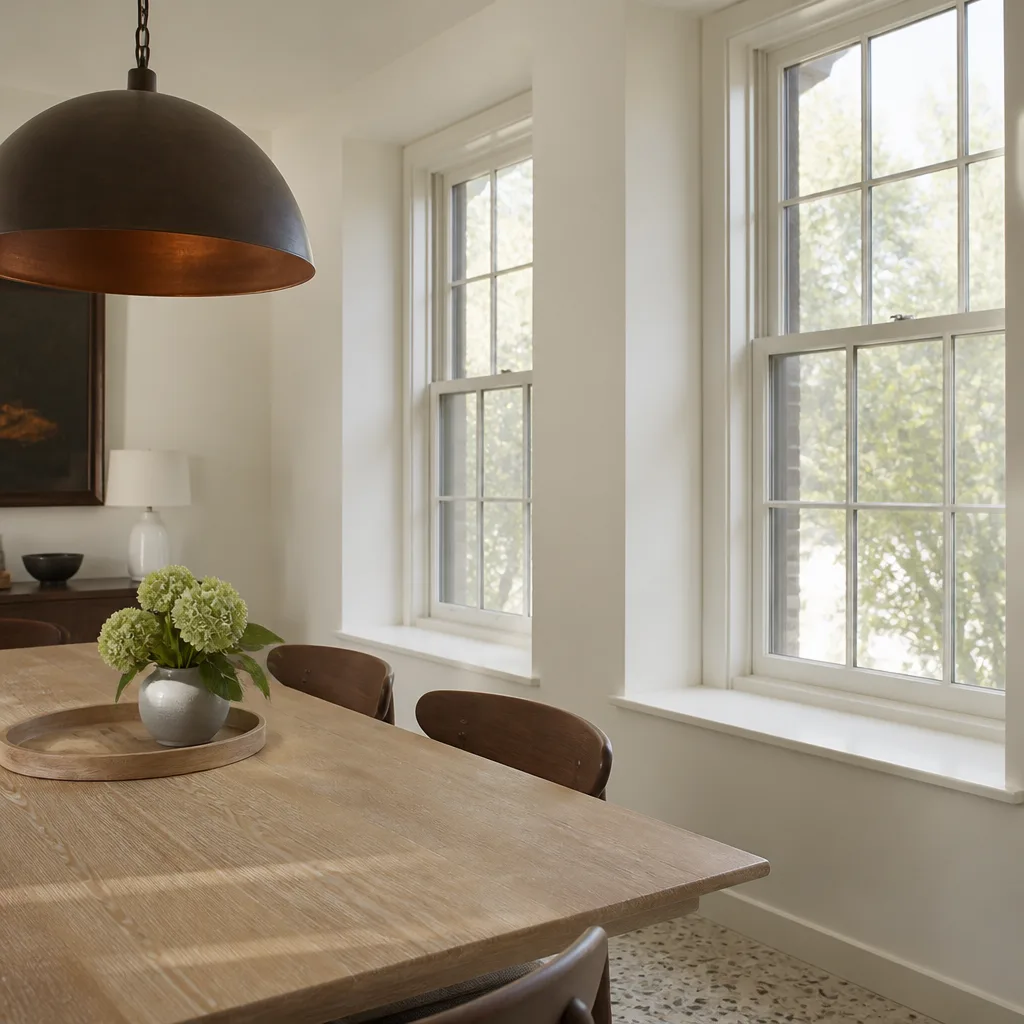
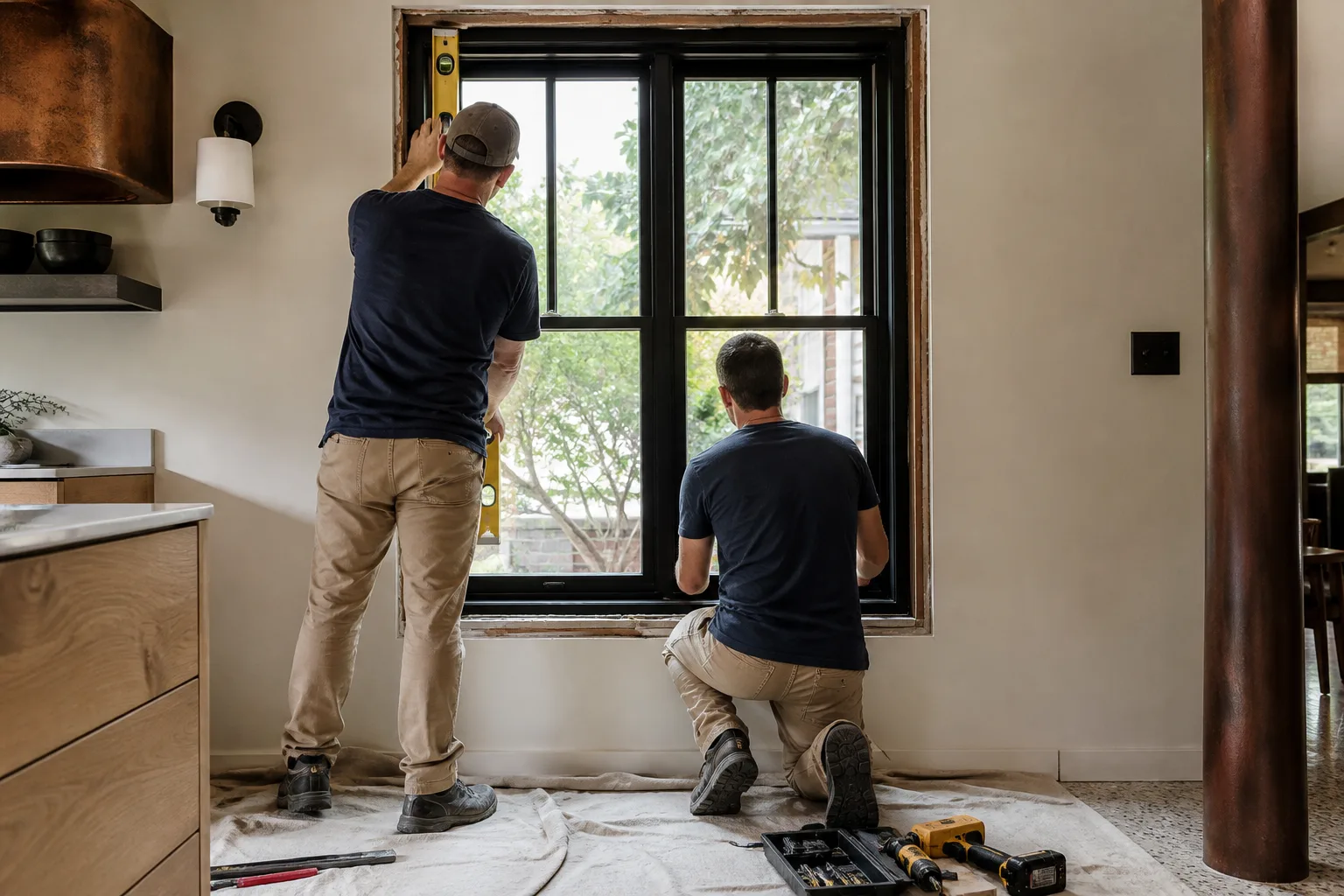
For coastal properties, impact-rated units often make more sense than standard glazing. They hold up to salt stress and coastal code expectations without the constant maintenance of older assemblies. We work with Windows & Doors product lines from Andersen and Marvin, so you’re choosing quality instead of whatever’s on the shelf. If your project runs over $10,000, our $1,000 off promotion applies, and 0% financing for 18 months spreads the cost across tax years if you’d rather not write one large check. Locking scope and pricing before year-end lets you make the financing decision on your terms while the install lands in Q1, when contractor schedules have plenty of room.
A Practical Sequence for Newport Beach Homeowners
- Now through early fall: Get a no-pressure assessment and confirm whether your address sits in the coastal zone, which determines whether the 6-10 week permit path applies.
- Mid-summer: Submit any coastal or design review paperwork. The boards process year-round, so filing early means fall installation.
- September to early October: Install, giving new flashings and seals weeks to cure before the heavy salt-spray season.
- October through December: Ideal for second homes and rentals, since the summer rental peak is over and contractor availability is at its best.
- Q1 after year-end: A clean second install window if you locked pricing in December and want maximum scheduling flexibility.
The housing stock here complicates things further. Peninsula homes range from mid-century single-wall and post-and-beam Eichlers to 1960s ranch homes on the bay side, and many carry original copper plumbing and minimal insulation. On Balboa Island, original 1920s-40s cottages sit on wood pilings that have often never been updated, so a window job can uncover structural issues you’ll want to know about before ordering product. We flag those during the assessment, not after the crew shows up. Our technicians have up to 12 years of experience, and every job is backed by our 730-Day Done Right Promise. If it’s not done right, we make it right. You can learn more about our full home services or jump straight to our Newport Beach service area page.
FAQs
September and early October are the best months. You’re past the summer rental peak, contractor availability is opening up, and new sill flashings and seals have weeks to cure before the heavy salt-spray season arrives in late October. For coastal-zone homes, filing your permit in mid-summer makes a September install realistic. Call (833) 749-3967 for an exact timeline for your address.
It depends on whether your property sits inside the coastal zone and how the project affects the exterior. Bayfront and oceanfront homes under the city’s Bayfront and Oceanfront overlays often do, and the review can add 6-10 weeks of lead time. Standard replacements on inland homes usually move on a faster city track. We confirm this during the free estimate so you’re not guessing.
Yes. Newport Beach’s mild climate means weather almost never halts window work, so the marine layer and even winter installs are entirely workable. The one catch is salt. Installing in December puts fresh seals directly into the heaviest salt-spray events, which is why we prefer late summer through early fall when scheduling allows.
After. The June-September rental peak makes summer the worst time for a multi-day project because you’re displacing guests and paying peak contractor rates. October through December is off-peak for rentals and easier on the schedule. If you can’t wait, call us and we’ll find the quietest window we can.
Standard whole-home window replacement typically runs $4,500-$15,000, while impact-rated installation for coastal properties runs $8,000-$25,000. Final pricing depends on window count, product line, and whether marine-grade hardware is required. Estimates are free and we quote upfront with no surprises. Call (833) 749-3967.
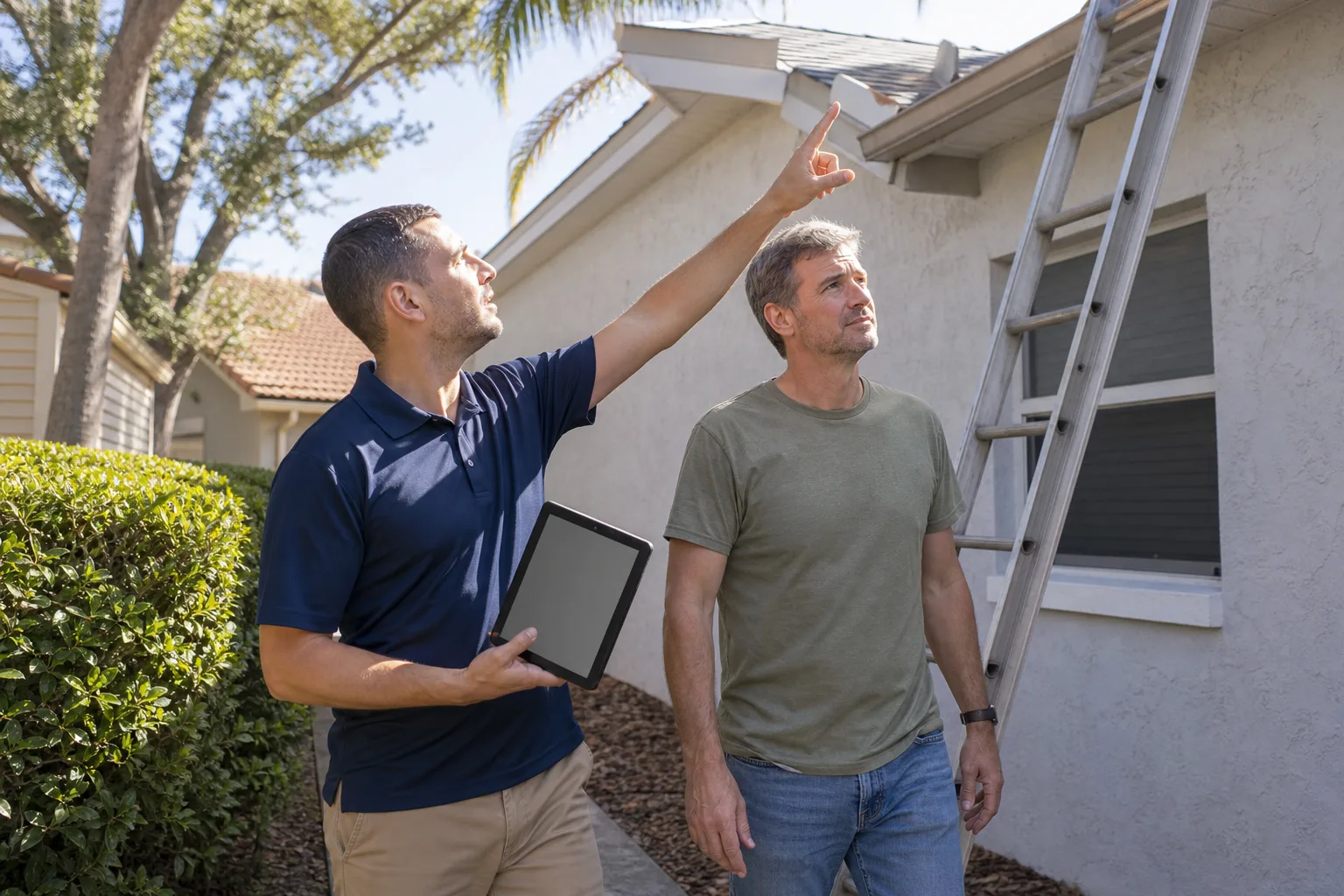
If you’d rather have it looked at in person, Groundwork Construction Co. of Newport Beach offers a no-pressure assessment anywhere in Newport Beach. We’ll confirm your permit path, walk the exterior, and give you an upfront number with no surprises. Call (833) 749-3967 to schedule.
Written by the team at Groundwork Construction Co. of Newport Beach, serving Newport Beach, CA.