Free written scope consultation - allowances, timeline, and change-order rules on paper before a single trade is scheduled
Styles & brands we work with
- Kitchen remodeling
- Bathroom remodeling
- Home additions & ADU
- Roofing
- Windows & doors
- Driveway & pavers
- Fence
See the difference
 Before
 After
 Before
 After
 Before
 After
Sliding Door vs French Door in Newport Beach: What the Permit Reviewer Decides First
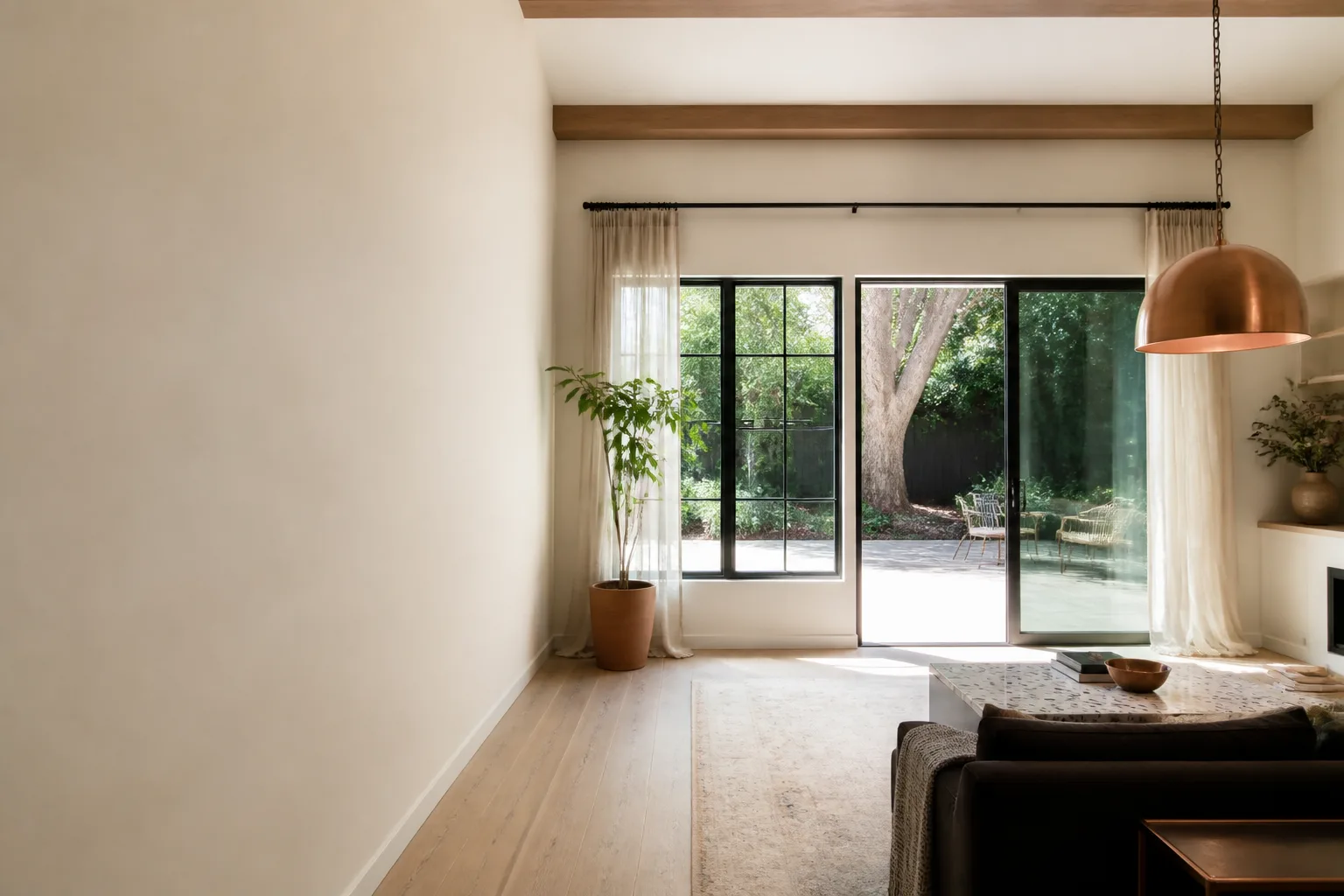
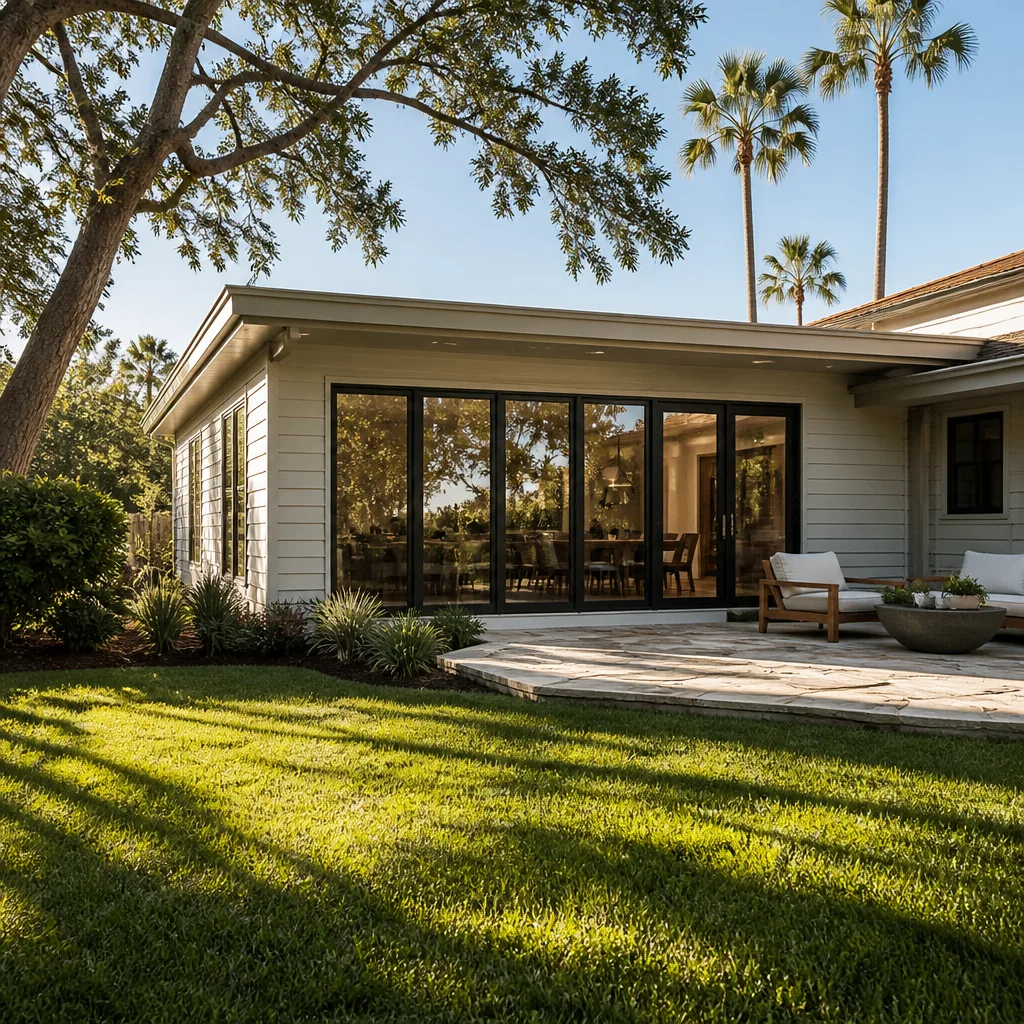
Your contractor picked French doors. Your Coastal Commission permit reviewer may pick sliding. Here’s the bottom line before the debate goes any further: choose sliding doors if your Newport Beach project sits in an Oceanfront or Bayfront overlay zone, opens onto a narrow Balboa Peninsula deck, or needs to clear design review without glare objections; choose French doors if you have the deck depth to spare, want the swing and the operable venting, and your glazing spec passes reflectivity review. For most bay-facing and ocean-facing builds in Newport Beach, sliding wins on approvals and on usable deck square footage. French wins on light, air, and interior drama. The style isn’t the hard part. The glazing, the hardware, and the coastal spec are.
The right installation specification matters more than the style argument, and that’s where we spend our time. Call (833) 749-3967 and a live person answers, day or night, to talk through which door your specific property will actually get approved for.
Why the Coastal Commission Decides Your Door Style Before You Do
Newport Beach isn’t like the neighboring cities. Harborfront and blufftop homes here have to satisfy California Coastal Commission coastal development permit conditions and the city’s Bayfront and Oceanfront zoning overlays. That second layer is the one most design blogs skip. A room addition, a deck replacement, even a new door opening can trigger public access review and, in some cases, a coastal erosion study.
Here’s what that means in practice. Glazing angle and reflectivity get scrutinized during design review. Large outward-swinging French doors put a big pane of glass at an angle that can throw sun glare toward neighboring properties or public view corridors. That glare gets flagged. Low-profile sliding doors sit flatter against the building line and tend to clear review faster because there’s less reflected surface aimed outward.
We’ve watched homeowners fall in love with a French door elevation drawing, then lose weeks reworking it after the reviewer’s comments come back. Not every project hits this wall. But if your property touches either overlay, plan for it on the front end. Newport Beach service area page lays out how the permit timeline shapes the build sequence.
- Overlay zones: Oceanfront and Bayfront properties carry stricter glazing review than inland lots.
- Design review: Rooflines, window glazing, and reflected glare all get looked at together.
- Public access: Additions and new openings near the water can pull in access review.
- Practical call: Sliding doors clear review faster on glare-prone elevations. French doors need a tighter glazing spec.
The Balboa Peninsula Deck Problem: 2 to 3 Feet You Can’t Get Back
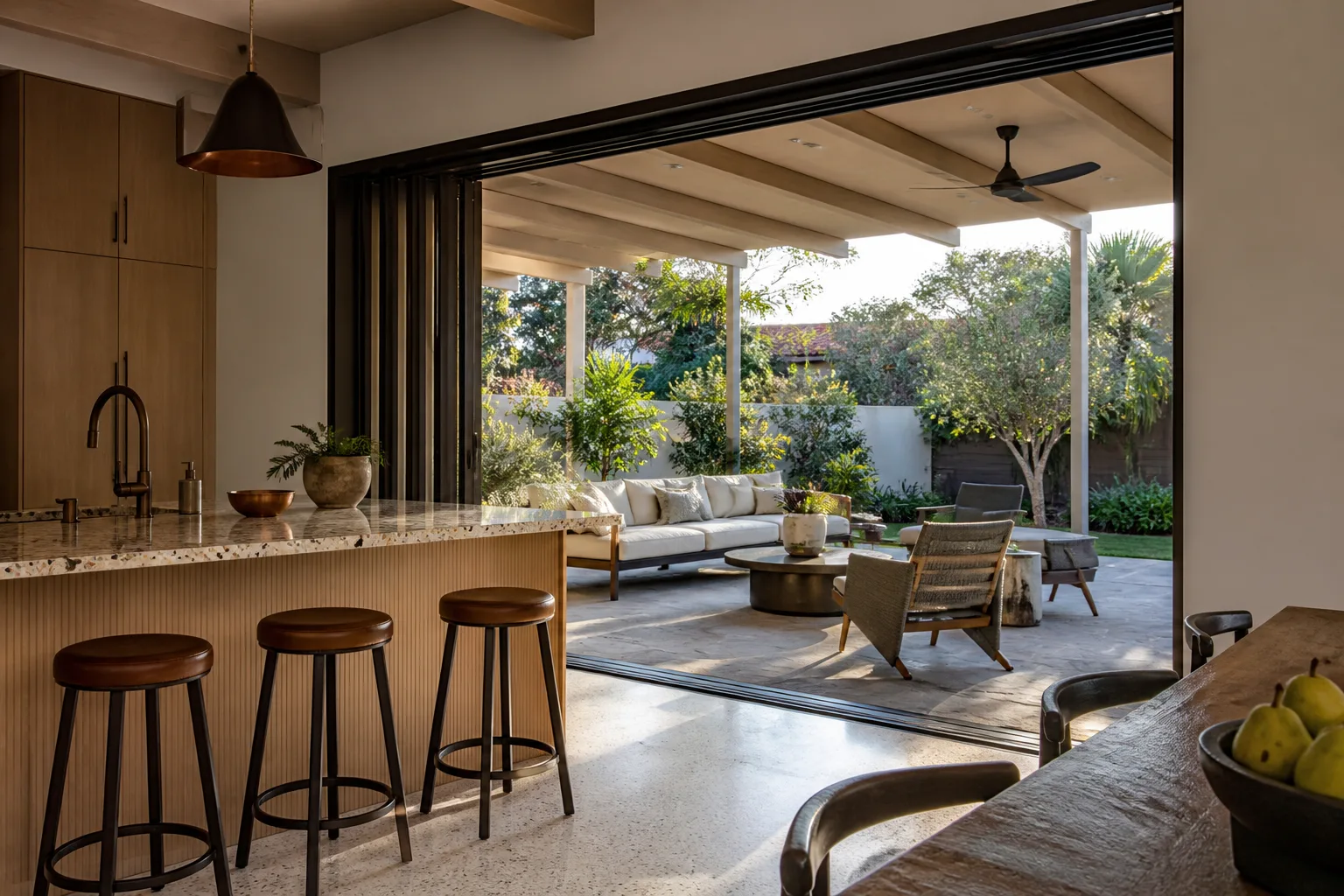
On Balboa Peninsula’s narrow lots, an outward-swinging French door eats 2 to 3 feet of usable deck space every time it opens. That sounds small until you price it. On a property where outdoor square footage directly affects rental income and resale value, losing a 3-foot swath of deck to door swing is a measurable hit, not a rounding error.
Sliding doors run on a track and never intrude on the deck. On a 10-foot-deep bay-facing deck, that’s a third of your usable depth the French door would claim. On a wider ocean-side lot in Dover Shores, the swing doesn’t hurt. On the peninsula’s bay side and the tighter Balboa Island cottages, it usually does.
This is the part of the sliding vs. French door question that generic comparison articles never touch. They compare looks. We measure the deck.
Salt Air Changes the Hardware Spec for Each Door Type
The marine layer and constant salt air in Newport Beach accelerate corrosion on metal fasteners and exterior finishes. That’s true on the water and, to a lesser degree, even a few blocks inland. It hits the two door styles differently.
French doors use a multi-point locking system with more exposed metal contact points around the operating sash and the strike plates. Sliding doors run on a track and roller system with fewer exposed locking interfaces but more moving parts in the track itself. Neither is automatically better. What matters is what the hardware is made of.
For either style on a coastal Newport Beach property, we specify stainless-steel hardware and marine-grade weatherstripping. That’s not a sales upgrade. It’s the difference between a door that still latches cleanly in year five and one that’s sticking because a zinc-plated lock cylinder has pitted. This same salt-air logic drives material choice across our Windows & Doors work and shows up on every coastal exterior we touch.
Andersen and Marvin: Both Styles, Different Frames, Different Coastal Behavior
We work with Andersen and Marvin door lines, and both manufacturers offer impact-rated versions of sliding and French doors. The spec detail that generic guides miss sits in the frame profiles. Each handles thermal expansion differently through Newport Beach’s coastal temperature swings, and that matters because a frame that moves more than the opening it sits in will draft, stick, or both.
Impact-rated glass isn’t optional in coastal builds here. The frame around it has to cooperate with daily marine-layer cycles and the sun that burns through by mid-morning. That’s a joinery and gasket question, not a style question, and it’s where a cheap install goes wrong.
| Factor | Sliding Door | French Door |
|---|---|---|
| Permit review speed (overlay zones) | Faster; flatter against building line | Slower; glare can be flagged |
| Deck space use | No swing intrusion | Eats 2-3 ft on narrow decks |
| Hardware corrosion points | Fewer exposed locks, track rollers | More exposed metal interfaces |
| Impact-rated availability | Yes (Andersen, Marvin) | Yes (Andersen, Marvin) |
| Venting / air flow | Limited | Full operable swing |
| Best Newport Beach fit | Peninsula, bay-facing, overlay lots | Deep decks, Dover Shores, inland lots |
What Does a Newport Beach Door Project Cost?
Door and window replacements in Newport Beach run in a wide band depending on glass, frame, and how much of the opening changes. These are the ranges we work from, and they stay consistent with what we quote across the area.
- Window Replacement: $4,500-$15,000
- Impact Window Installation: $8,000-$25,000
- Home Addition (door openings as part of a larger build): $45,000-$130,000
- ADU Construction (door spec as part of the build): $90,000-$220,000
Upfront pricing, no surprises. The number we give you is the number you pay. We also carry $1,000 off projects over $10,000 and 0% financing for 18 months, which takes the sting out of an impact-rated door package on a coastal build. The door itself often rides along with a broader exterior scope, and a home exterior assessment usually tells us whether the door is the whole job or a piece of a larger one.
Why the 730-Day Done Right Promise Settles the Debate
Here’s the real tie-breaker, and it isn’t the style. Whichever you choose, a misaligned door that drafts, sticks, or shows hardware corrosion within two years is a failure. Our 730-Day Done Right Promise covers that. If it’s not done right, we make it right. That guarantee is why the install spec matters more than the sliding vs. French argument.
Technicians on every project are background-checked, arrive in uniform, and have up to 12 years of experience. We’ve been building in Newport Beach since 2014, from foundation to finish line, and our brand partners include GAF for roofing, Schluter for waterproofing and tile systems, and Grohe for plumbing fixtures, so a door install ties cleanly into the rest of a coastal remodel. Built to last, backed in writing.
Frequently Asked Questions
Sliding doors generally cost less to install in Newport Beach because they need no swing clearance and often clear coastal design review faster, reducing rework and permit delay. French doors cost more when glare mitigation and a tighter glazing spec are required. Call us for an exact quote on your property; estimates are free.
Yes, on overlay-zone properties, large outward-swinging French doors can be flagged for sun-glare and reflectivity during design review. Low-profile sliding doors usually clear faster. If your lot touches the Oceanfront or Bayfront overlay, get the glazing spec reviewed before you buy the door.
French doors have more exposed metal locking contact points, so they can corrode faster without stainless-steel hardware and marine-grade weatherstripping. Sliding doors put the load on the track and rollers instead. Either style survives a Newport Beach marine layer when the hardware is specified for it.
Outward-swinging French doors eat 2 to 3 feet of usable deck space each time they open, which is meaningful on narrow peninsula lots where outdoor square footage affects value. Sliding doors never intrude on the deck. Measure your deck depth before the decision is final.
Let’s Match the Door to Your Property
If you’d rather have it looked at than argued over, Groundwork Construction Co. of Newport Beach offers a no-pressure assessment in Newport Beach. We’ll check your lot’s overlay status, measure the deck, and spec the hardware for the salt air. Call (833) 749-3967 for a free estimate. Live person, 24/7.
Written by the team at Groundwork Construction Co. of Newport Beach, serving Newport Beach, CA.