
Free written scope consultation - allowances, timeline, and change-order rules on paper before a single trade is scheduled
Styles & brands we work with
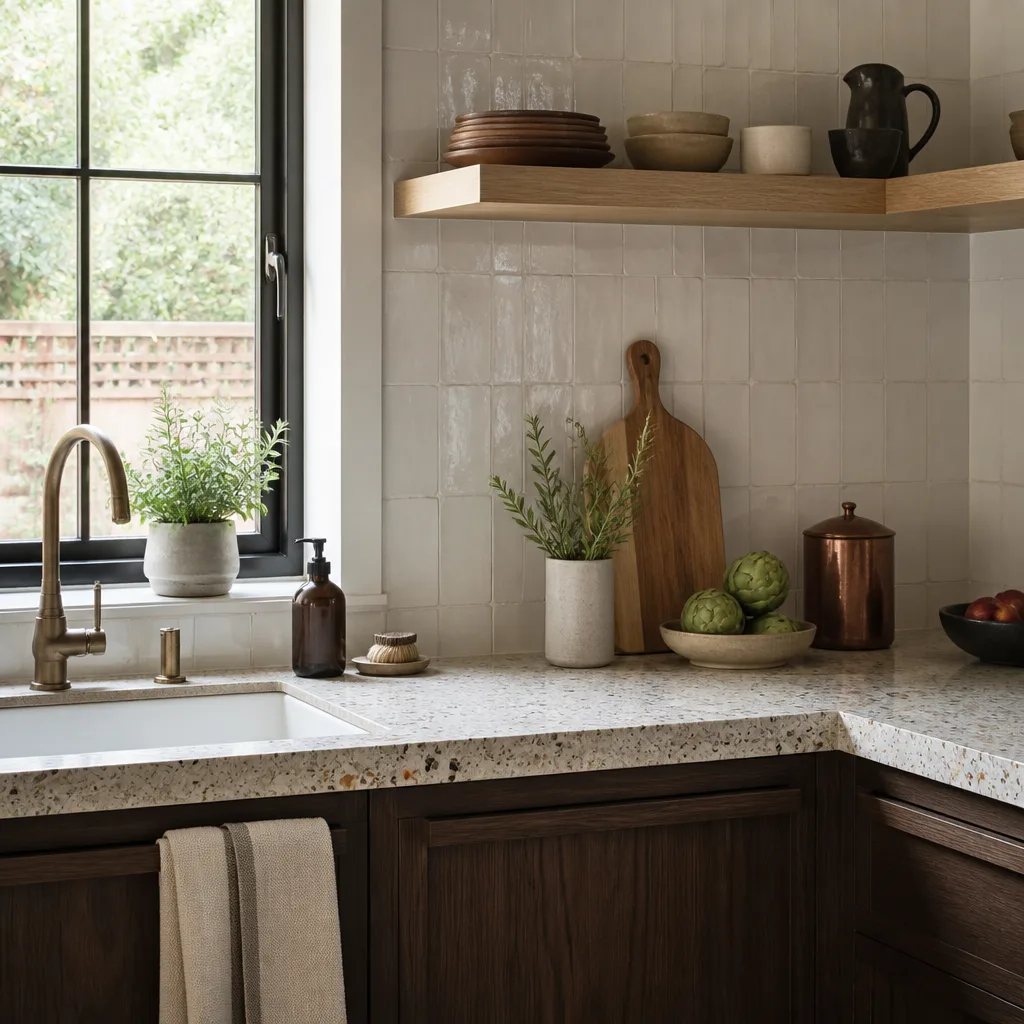
- Kitchen remodeling
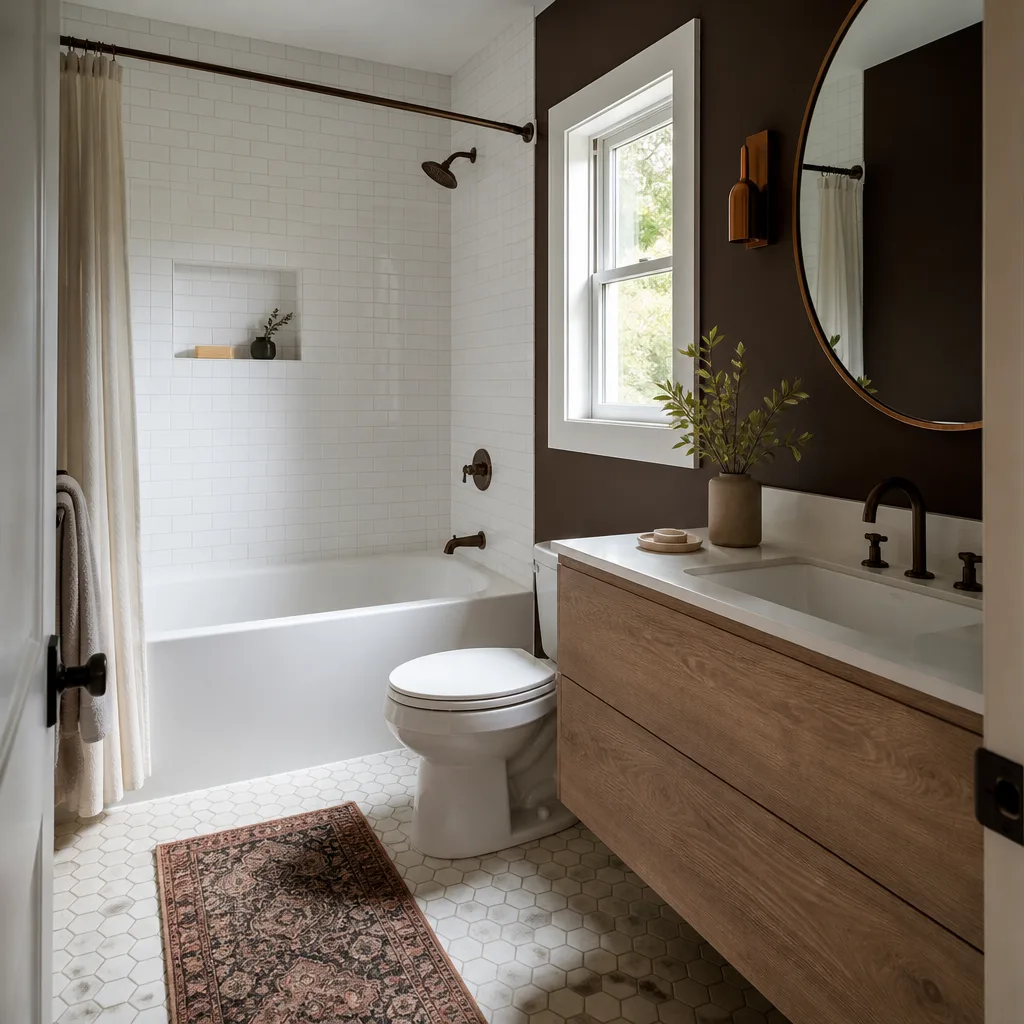
- Bathroom remodeling
- Home additions & ADU
- Roofing
- Windows & doors
- Driveway & pavers
- Fence
See the difference
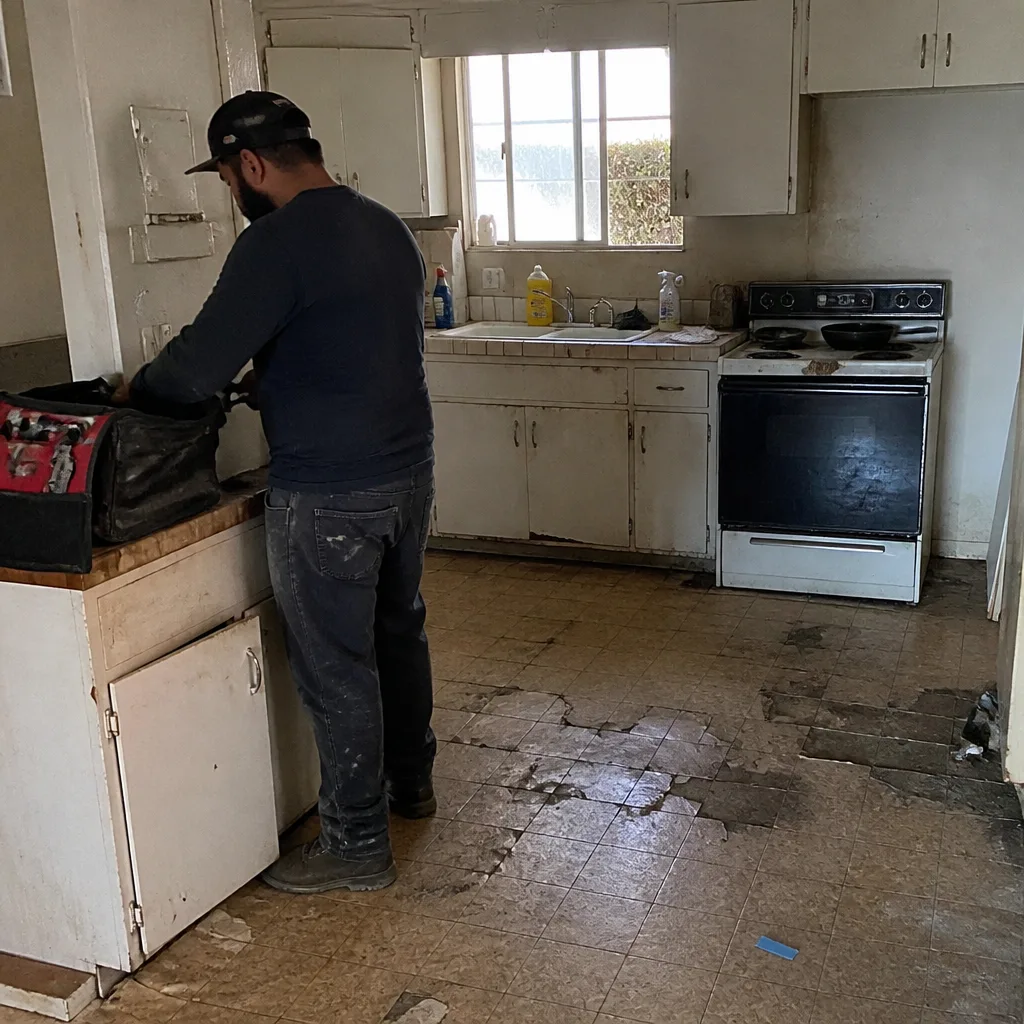 Before
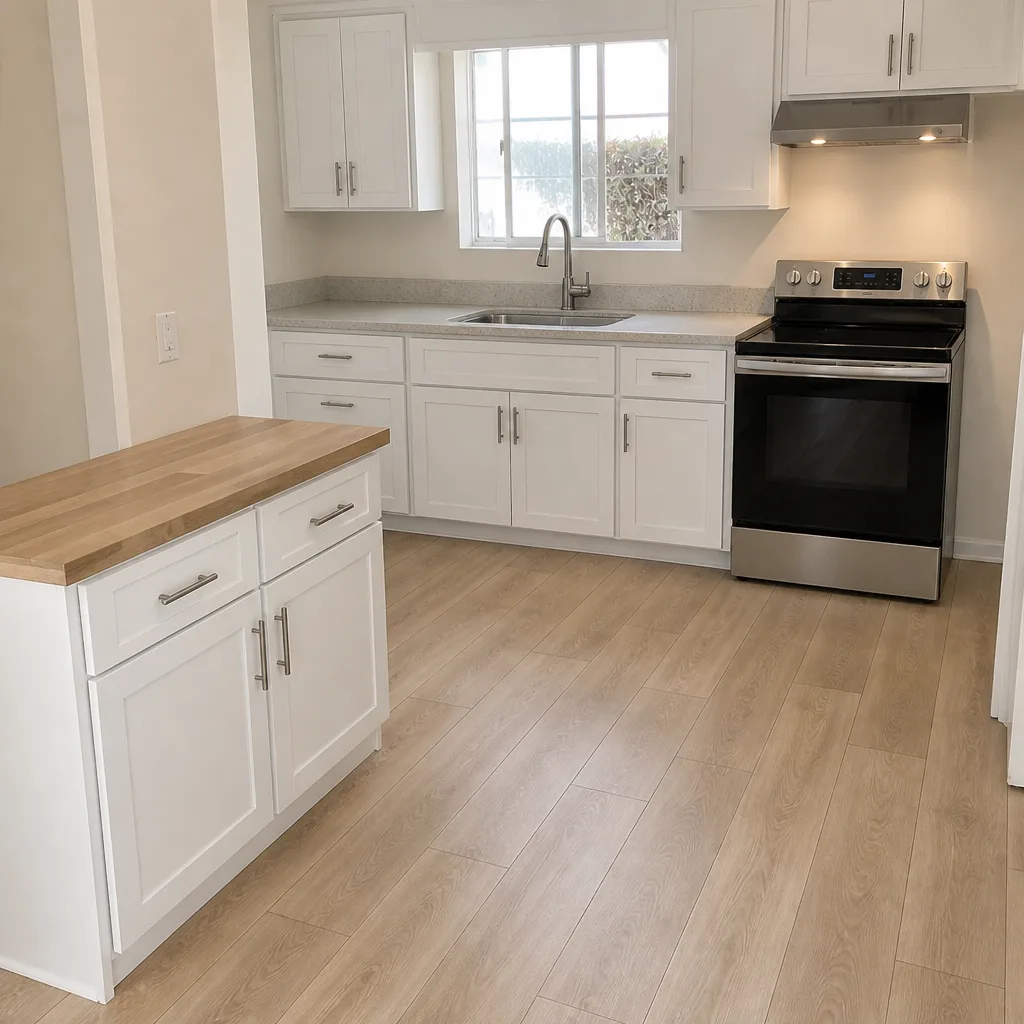 After
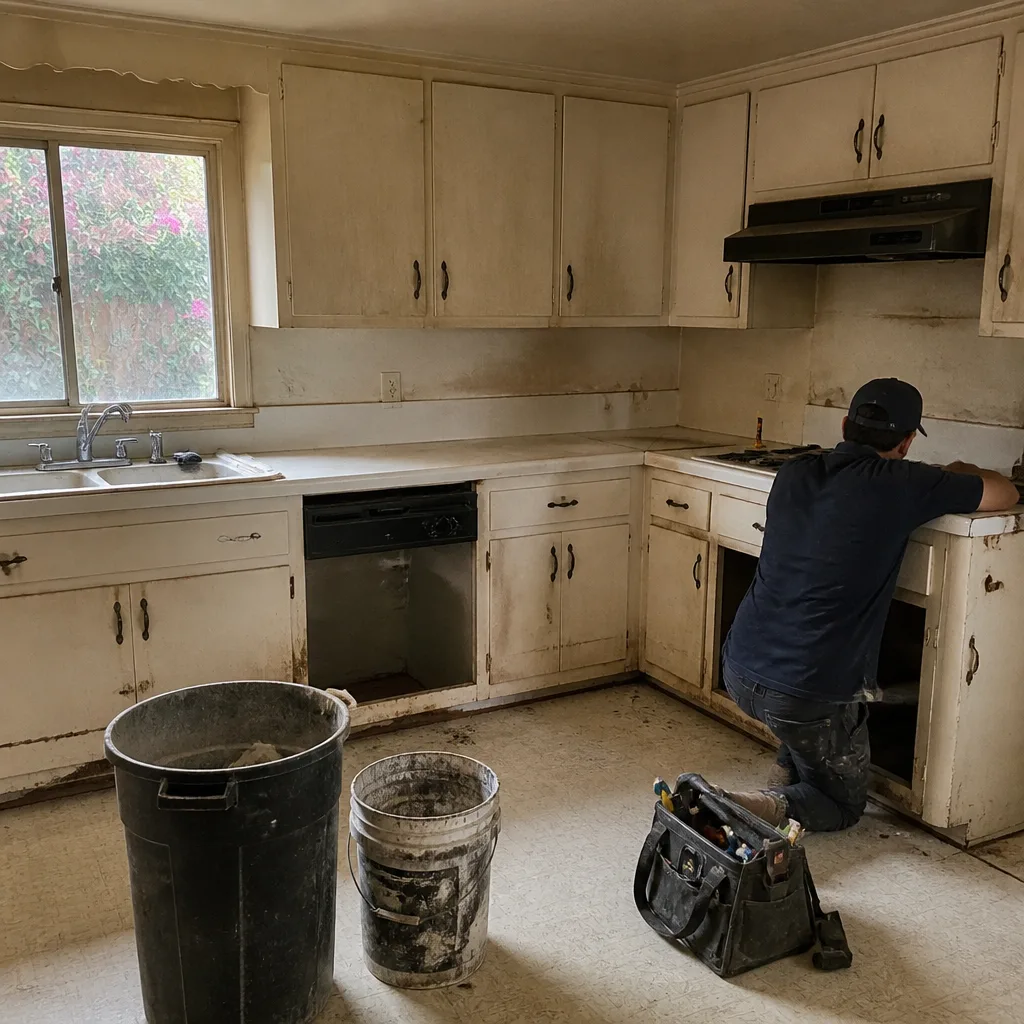 Before
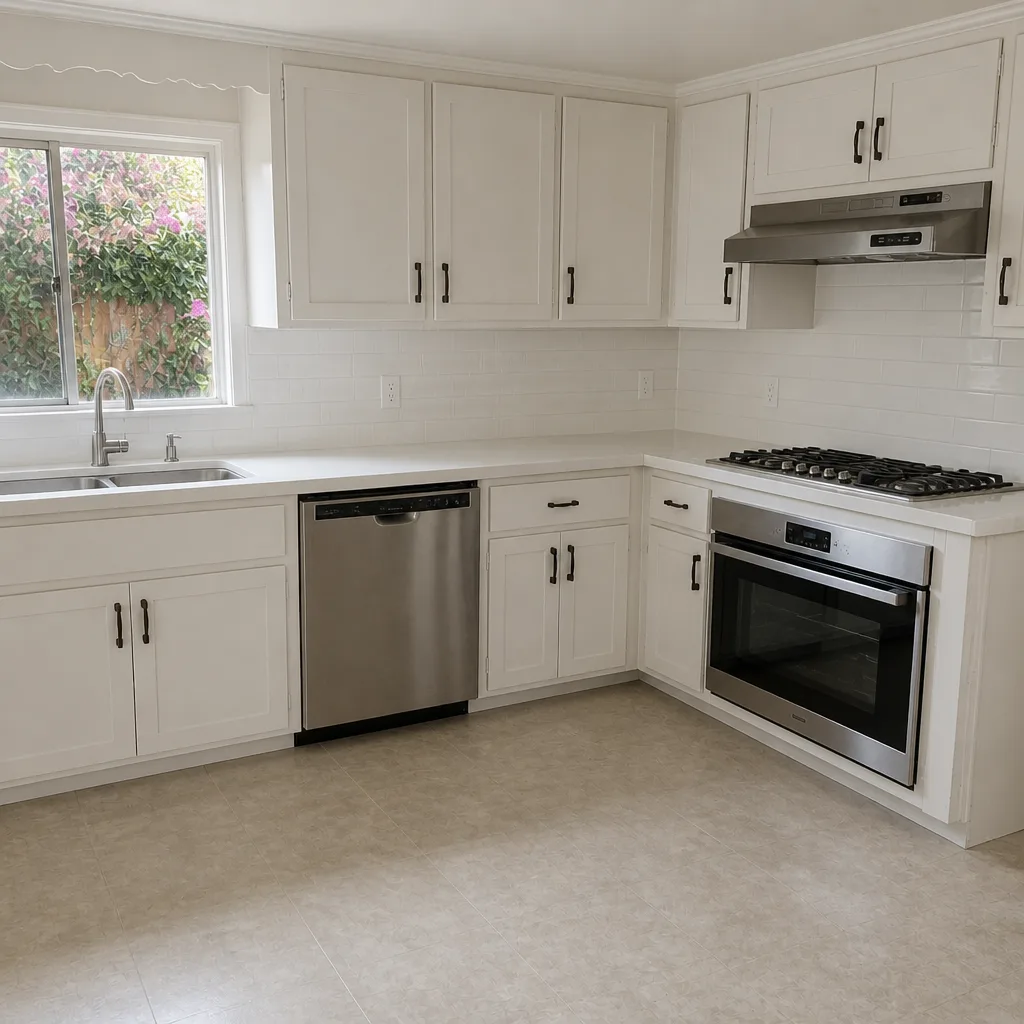 After
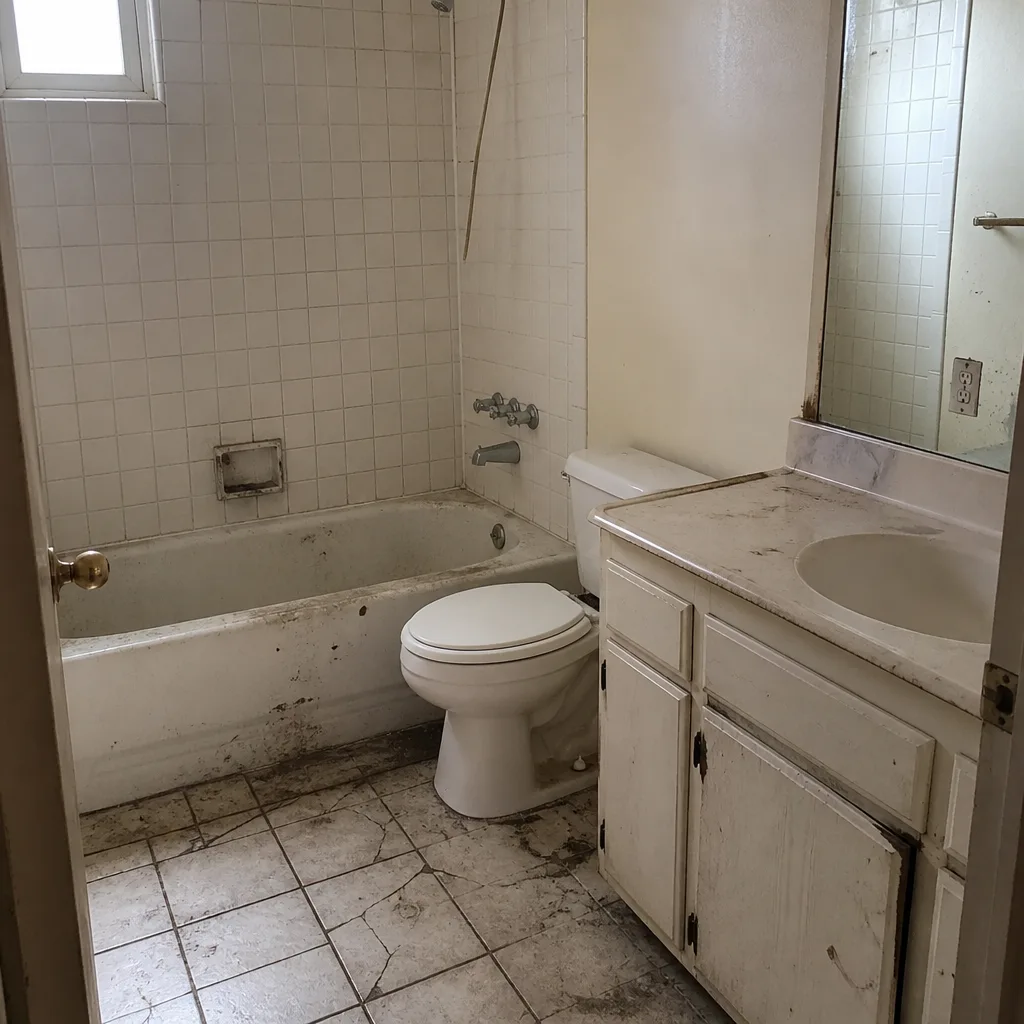 Before
 After
Impact vs. Hurricane Proof vs. Storm Rated Windows in Newport Beach: What the Label Actually Means
They’re not the same thing, and in Newport Beach the label that matters is the one tied to the California test, not the Florida one. “Impact” refers to windows that passed large-missile impact testing under ASTM E1886 and ASTM E1996. “Hurricane proof” is a marketing phrase with no standardized testing behind it. “Storm rated” in California usually points to AAMA 506 or a specific structural wind-load and water-infiltration rating. If you’re planning a window project and want a straight read on which spec your home actually needs, call (833) 749-3967 and we’ll walk through it with you.
A sticker that says “hurricane proof” was likely earned in a Florida lab. A sticker that says “storm rated” may have passed a California standard. A window labeled “impact” could be either, both, or neither, depending on who printed the sticker and what test they’re citing. In Newport Beach, the inspection doesn’t care about the word on the box. It cares about documentation that matches the code the city is enforcing, and that code is the California Building Code, not the Florida Building Code.
Key Takeaways
- “Impact” is a real testing category (ASTM E1886/E1996), originally developed for Florida’s large-missile standards.
- “Hurricane proof” has no standardized test protocol. It’s a marketing term.
- “Storm rated” in California generally means AAMA 506 or a specific wind-load and water-penetration rating.
- Newport Beach falls under California jurisdiction, so HVHZ (High Velocity Hurricane Zone) products are typically over-engineered for our wind loads, though some insurers and lenders still ask for them on coastal properties.
- A window can pass an impact test and still fail Title 24 energy compliance. Both must clear for the permit to issue.
Why Newport Beach Inspectors Care About a Different Certification Than Florida’s
Newport Beach is a California Building Code jurisdiction. Full stop. The Florida Building Code and its HVHZ requirements were written for a different wind climate and a different risk profile. A Miami-Dade NOA (Notice of Acceptance) is a legitimate, rigorous certification, but it was designed to answer a Florida question: can this assembly survive a wind-borne missile in a hurricane zone?
California’s question is different. Here, the window has to satisfy the structural wind-load requirements of the CBC for the specific site, pass water-infiltration testing at the rated pressure, and meet Title 24 energy performance. That’s why a Florida-certified product can arrive in Newport Beach technically overbuilt for wind yet still underspec on energy.
Here’s where it gets more local. On the harborfront and blufftop, coastal development permit conditions and the city’s Bayfront and Oceanfront zoning overlays add a layer. Those overlays can trigger design review that scrutinizes the frame profile, the reflectivity of the glass, and how the window reads against the roofline. A window that passes every performance test on paper can still get bounced at design review if the frame and glass don’t match the guidelines for that zone. That’s a Newport Beach-specific trap. The spec sheet is only half the approval story.
The salt air and morning marine layer matter too. On properties close to the water, we specify stainless steel fasteners and marine-grade finishes because corrosion sets in fast on standard hardware, and a window that’s perfectly rated but corroding at the frame in five years isn’t doing its job. This is the kind of thing we factor into every Windows & Doors project rather than treating the label as the whole conversation.
Where Title 24 and Storm Ratings Collide
Title 24 sets the U-factor and solar heat gain coefficient (SHGC) your windows must hit. Those are energy numbers, completely separate from impact or wind ratings. A window can carry a heavy impact rating and still fail Title 24 because its glass doesn’t hit the required SHGC for your climate zone. In Newport Beach, that window cannot be permitted, no matter how impressive its impact test certificate looks.
So the real work is finding a product that clears both specs at once. This is why our curated brand lineup leans on Andersen and Marvin for window projects. Those manufacturers publish the compliance documentation that pairs the structural and energy performance in one package, which keeps the permit reviewer and the design reviewer from pulling the project in two directions.
How the three terms break down in practice
| Term | What it actually means | Where it’s enforced |
|---|---|---|
| Impact | Passed large-missile impact testing under ASTM E1886 / ASTM E1996 | Florida origin, used as a performance benchmark elsewhere |
| Hurricane proof | No standardized test. Marketing language. | Nowhere officially. Ask for the test certificate. |
| Storm rated | Typically AAMA 506, or a specific CBC wind-load and water-infiltration rating | California jurisdictions, including Newport Beach |
If a salesperson uses “hurricane proof” without handing you a test report, that’s your cue to ask which standard they mean. The honest answer will be one of the first two lines above.
What Window Work Costs in Newport Beach, and What Drives the Number
Because the spec decision is more involved here, the price spread reflects it. Impact window installation in Newport Beach runs $8,000-$25,000 depending on the count, sizes, and certification requirements. Standard window replacement runs $4,500-$15,000. The gap between those two ranges usually comes down to the performance documentation and the glazing package, not just the frame.
Our process keeps the pricing visible up front, the number you see is the number you pay, and it’s why we verify the Andersen and Marvin spec sheets against both the coastal-zone performance requirement and the Title 24 compliance paperwork before a single window is ordered. The last thing you need is to be caught between two specs that fight each other after the product is already on site. Our technicians bring up to 12 years of experience to that verification step, and every project is backed by the 730-Day Done Right Promise. Financing options, including 0% for 18 months and $1,000 off projects over $10,000, make a full-house upgrade easier to budget for.
For homeowners weighing this across the broader Newport Beach service area, the code question stays the same block to block, but the design review question changes the closer you get to the water. Want a plain-language read on your own windows before you spend? Our team answers the phone 24/7 and can talk through which spec your address actually requires.
Frequently Asked Questions
Not always. Newport Beach does not sit in a Florida-style high-velocity hurricane zone, so the state’s baseline structural and water-infiltration requirements, plus Title 24 energy compliance, are usually what the permit enforces. Some insurers or lenders on coastal properties still ask for an impact-rated product, which is a decision worth confirming before you order anything. Call (833) 749-3967 and we’ll help you figure out what your address actually requires, and the estimate is free.
No. “Hurricane proof” has no standardized testing protocol, so it means whatever the manufacturer decides it means. The real certifications to ask for are ASTM E1886 and ASTM E1996 for impact, and AAMA 506 or a stated CBC wind-load rating for California storm performance. If a window is marketed to you, request the test certificate that names the standard. That’s the only language a Newport Beach inspector recognizes.
Yes. Impact testing and Title 24 energy compliance are separate requirements, and a window that clears the impact test but misses the required U-factor or solar heat gain coefficient for our climate zone cannot be permitted here. Both specs have to clear. A code-knowledgeable contractor verifies this before ordering. Call (833) 749-3967 and we’ll review the spec sheet with you so you’re not surprised at permit review, and there’s no charge for the estimate.
It can. The design review process looks at appearance, including frame profile and glass reflectivity, not just performance specs, and the Bayfront and Oceanfront overlays scrutinize these closely. A window that passes every test can still be bounced if it doesn’t match the design guidelines for its zone. That’s why we check the appearance guidelines before recommending a product. If you’re not sure where your address falls, call (833) 749-3967 and we’ll talk it through.
Get a Straight Answer on Your Windows
Reading a window label shouldn’t require a code book. If you’d rather have it looked at, Groundwork Construction Co. of Newport Beach offers a no-pressure assessment in Newport Beach, call (833) 749-3967. We’ll confirm what your address needs, pair the performance and energy specs, and keep the pricing upfront from the first call to the final walkthrough.
Written by the team at Groundwork Construction Co. of Newport Beach, serving Newport Beach, CA.