

Free written scope consultation - allowances, timeline, and change-order rules on paper before a single trade is scheduled
Styles & brands we work with
- Kitchen remodeling
- Bathroom remodeling
- Home additions & ADU
- Roofing
- Windows & doors
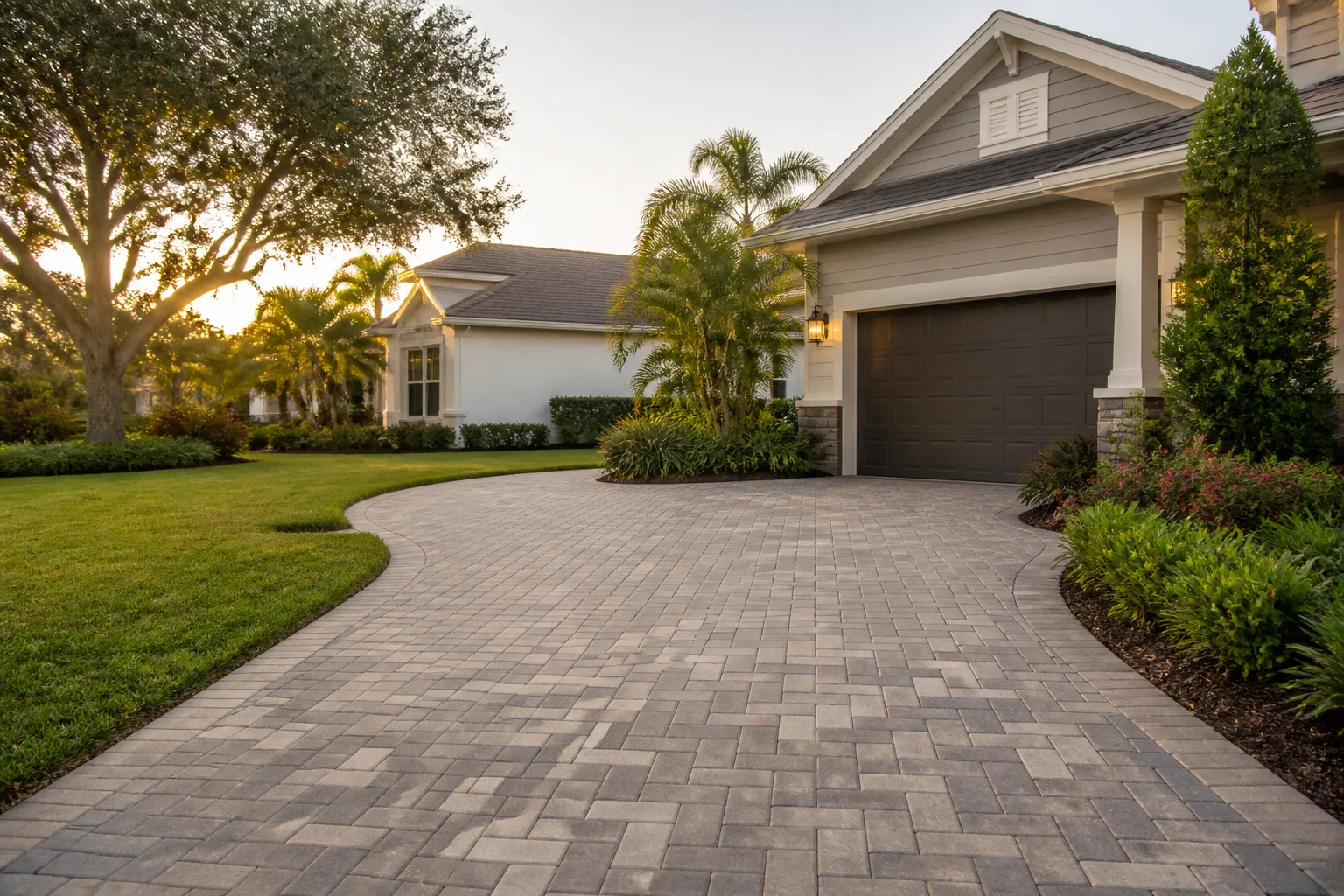
- Driveway & pavers
- Fence
See the difference
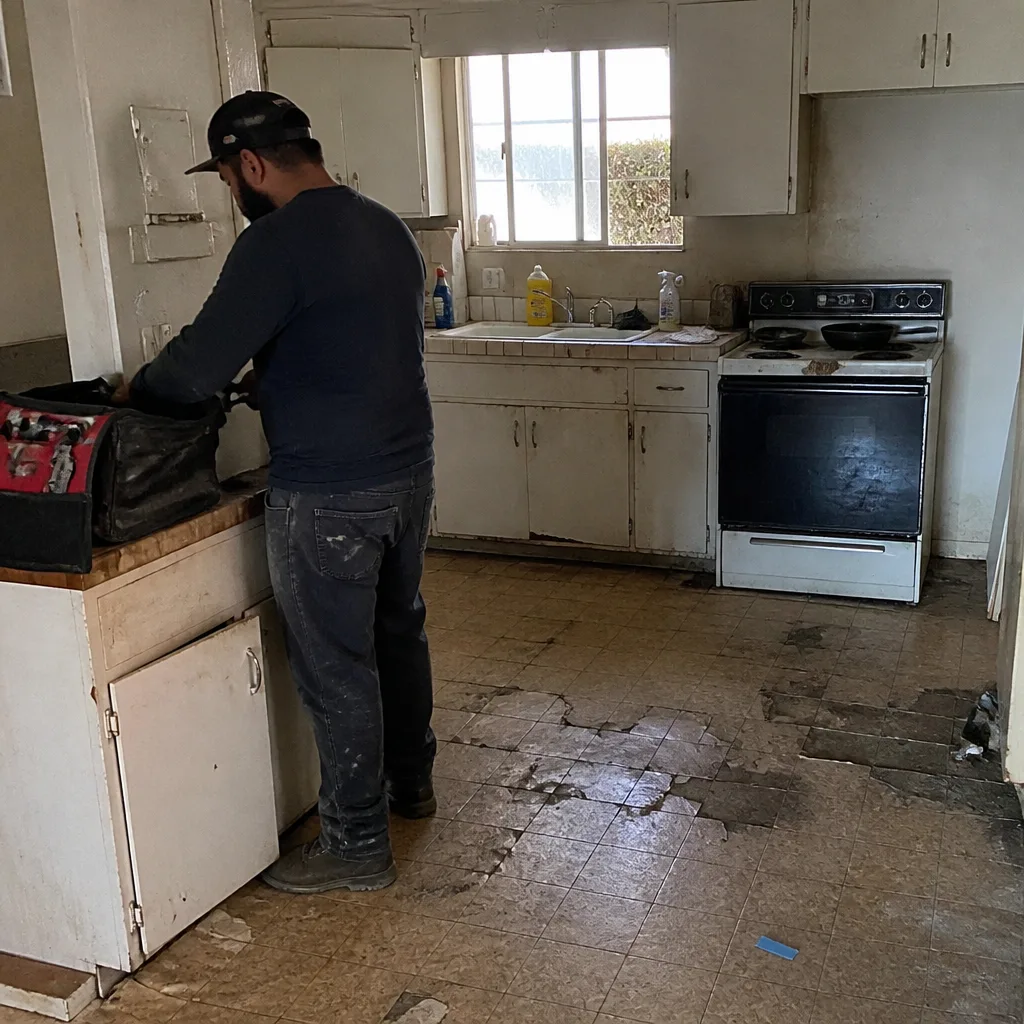 Before
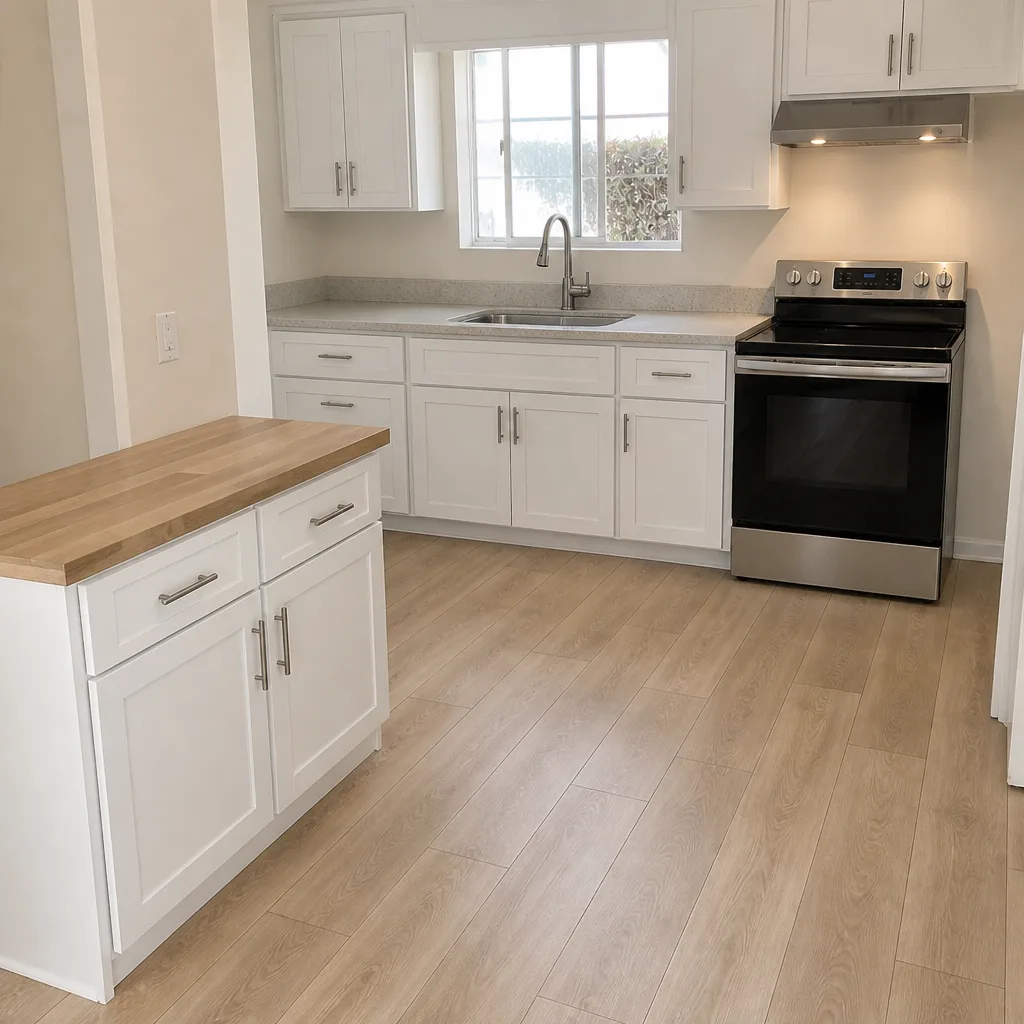 After
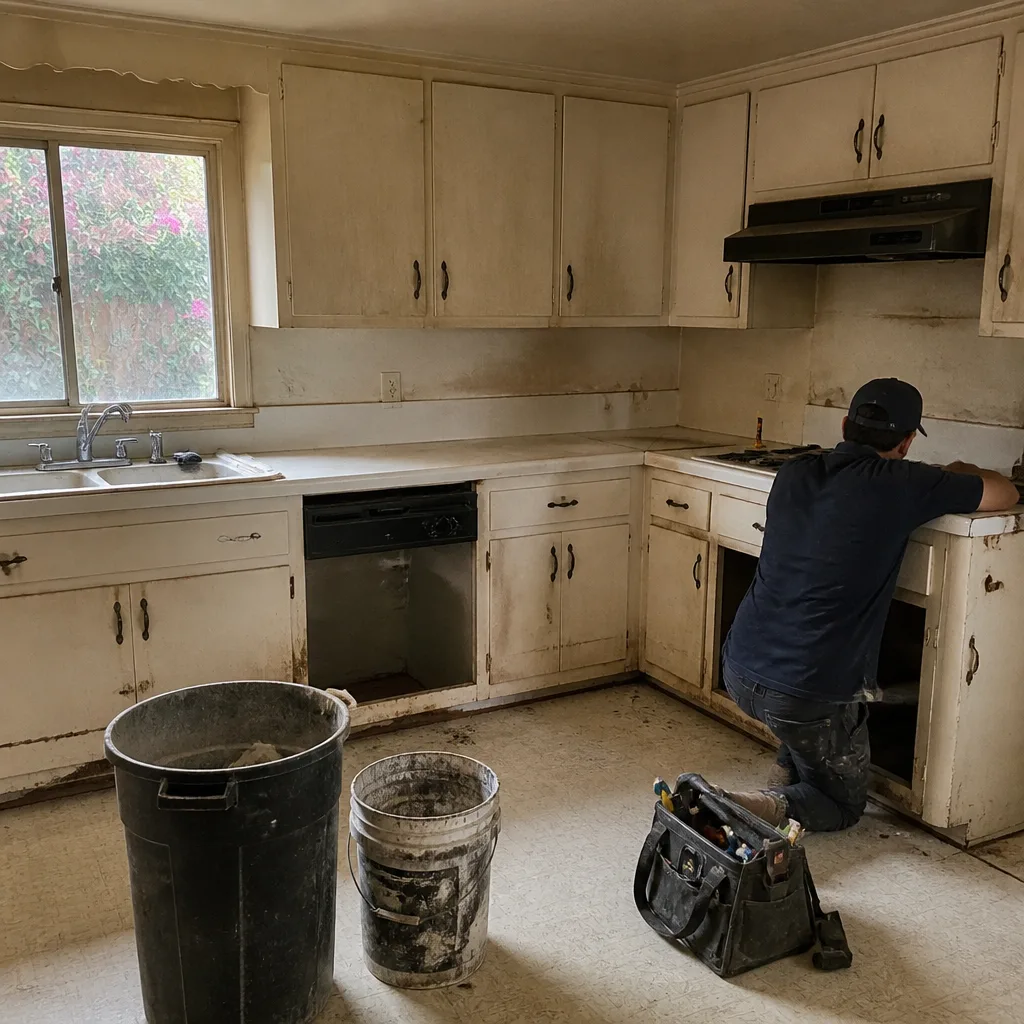 Before
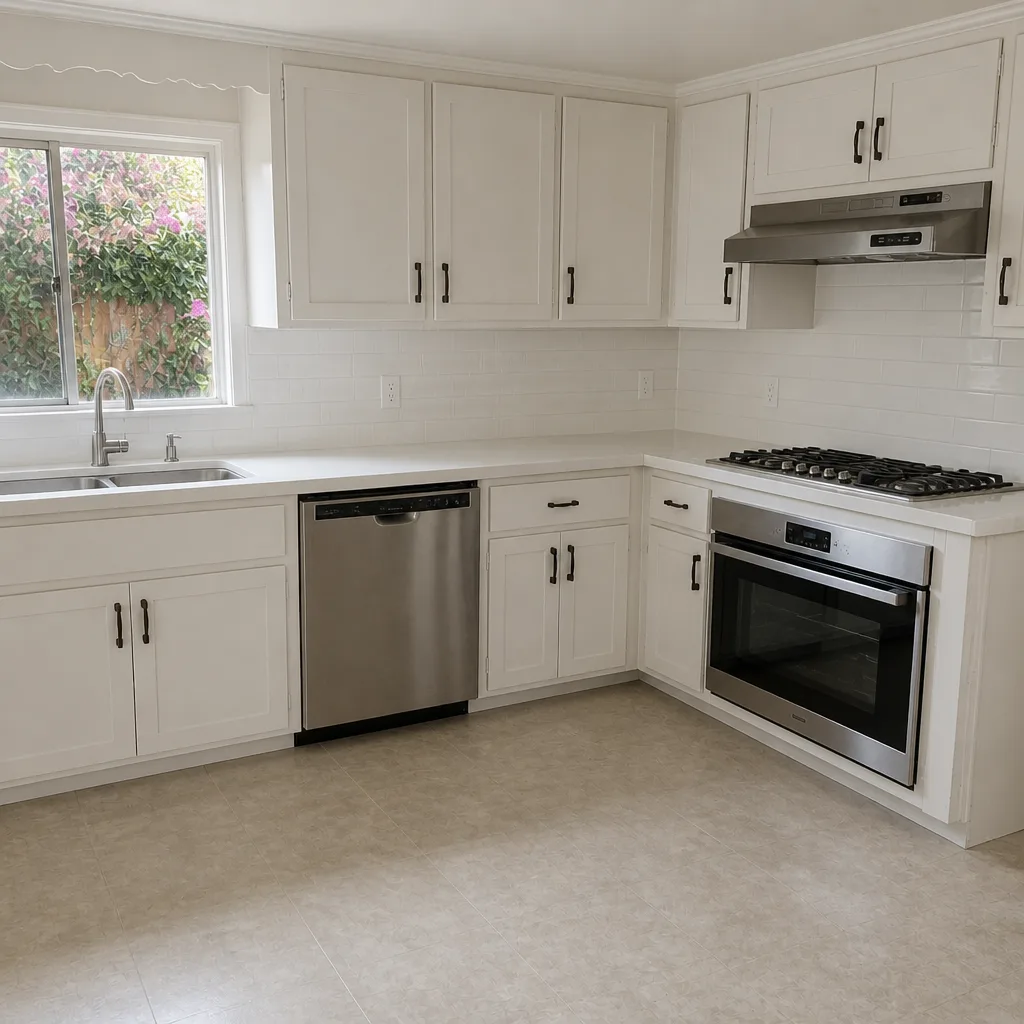 After
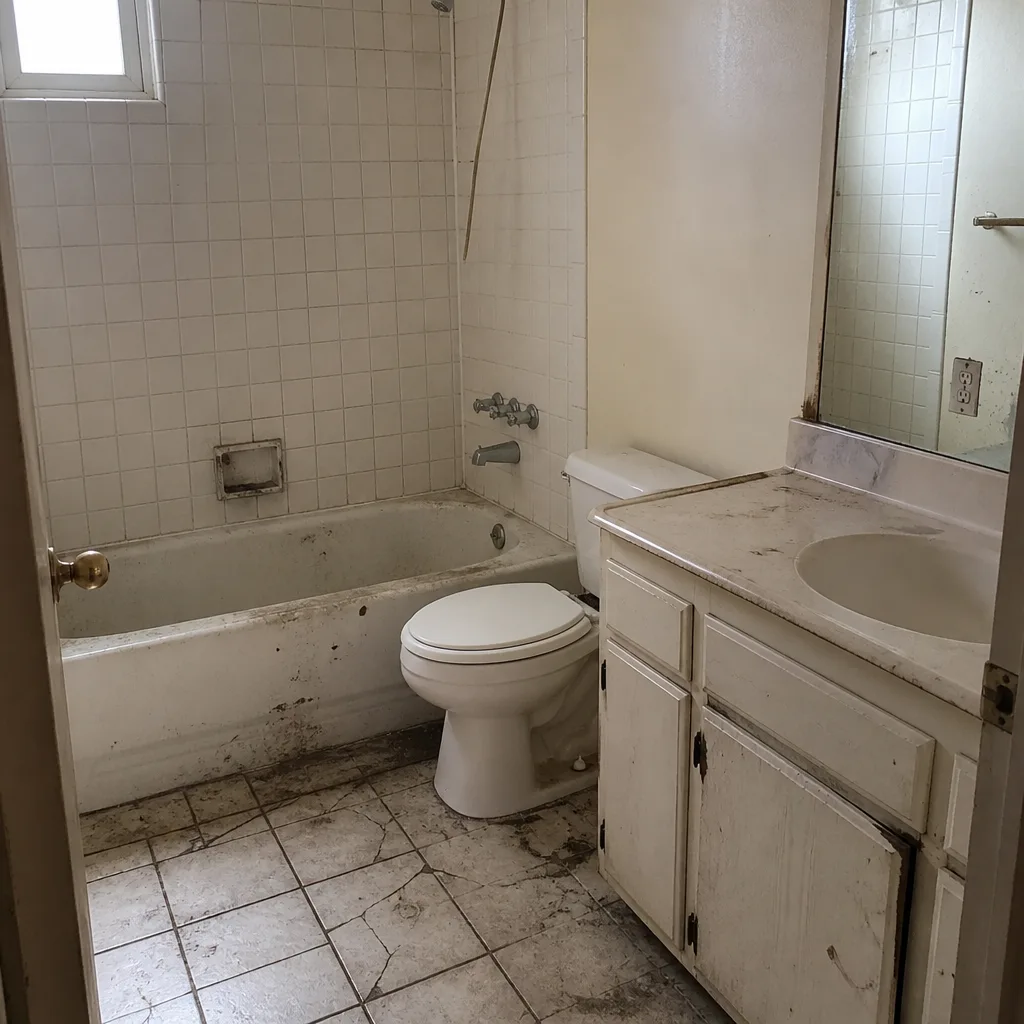 Before
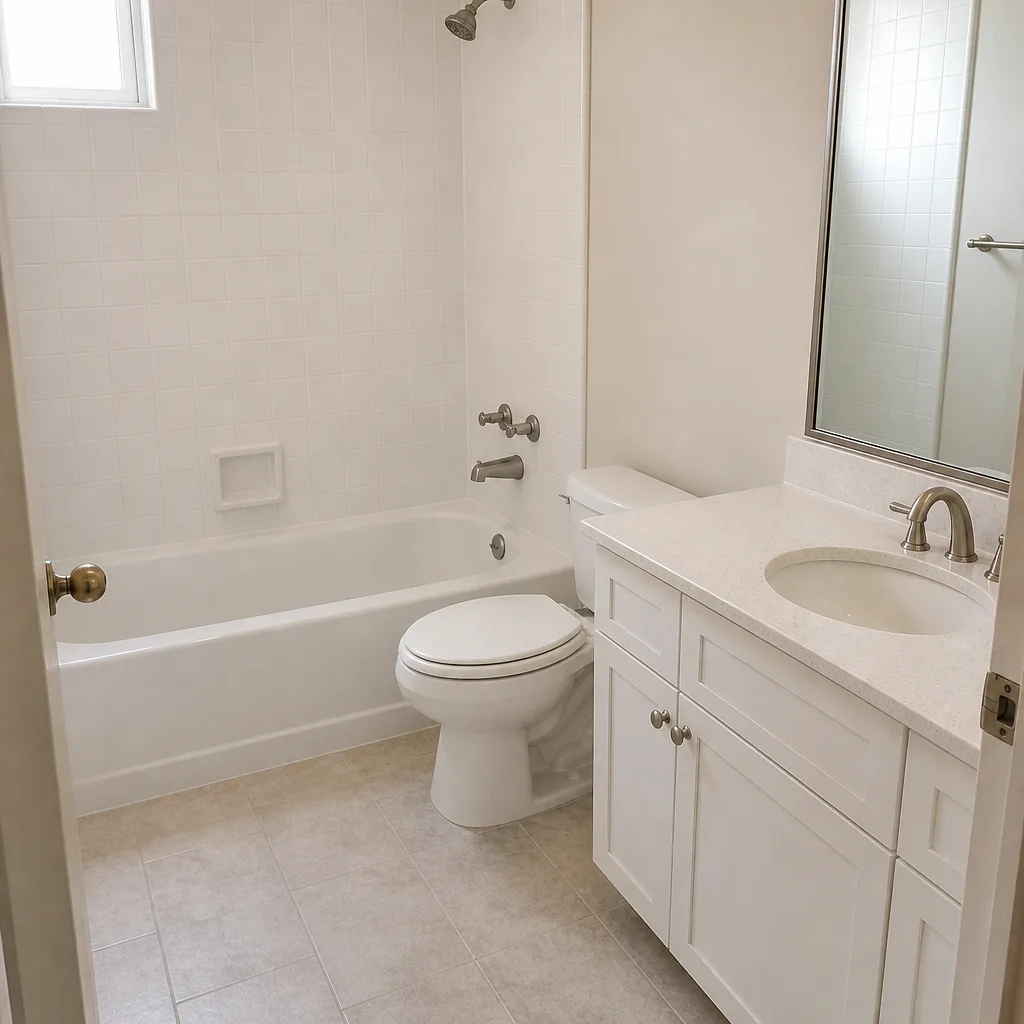 After
Paver Installers Near Me in Newport Beach, CA: What Separates a 25-Year Job From a 5-Year Callback
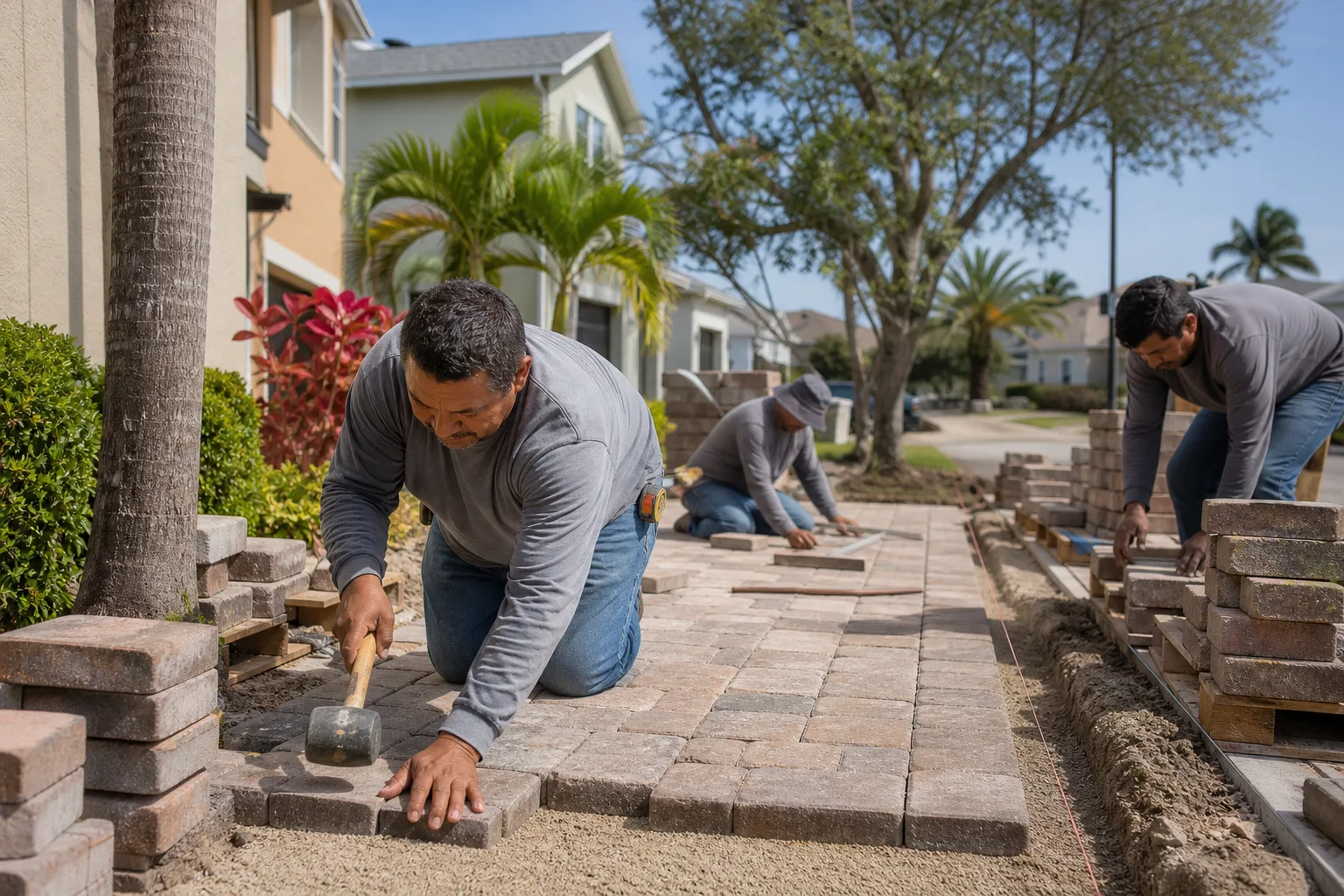
If you’re searching “paver installers near me” in Newport Beach, the short answer is this: the installer you want is the one who can tell you, before signing anything, exactly which coastal-rated polymeric sand, which edge restraint system, and which compacted base depth your specific property needs. Paver installation looks simple until year three, when the joints wash out, the edge restraints heave, and the whole field shifts. Not because the pavers failed. Because the installer used inland sand and hardware on a coastal site where the morning marine layer keeps the base perpetually damp. Groundwork Construction Co. of Newport Beach specifies all of it in writing before the first paver is set. Call (833) 749-3967 for a free estimate and design consult.
Key Takeaways
- Standard polymeric sand designed for dry inland climates can re-activate and wash out under Newport Beach’s persistent marine-layer moisture. Coastal-rated high-resin formulas are the fix.
- Plastic spike-driven edge restraints lose holding power in sandy, saturated coastal soils within 2-3 years. Stainless steel spikes driven into a compacted Class II base last decades.
- FEMA AE-zone properties around the low-lying bayfront need a deeper compacted base that satisfies both the city’s grading standards and the flood elevation advisory.
- HOA communities like Harbor Ridge and Pelican Hill often require Architecture Review Committee approval of paver color, pattern, and material before installation starts.
- Our technicians have up to 12 years of experience, and every project carries the 730-Day Done Right Promise.
Why Coastal Newport Beach Punishes the Wrong Paver Spec
Newport Beach doesn’t have weather that stops work. It has weather that quietly destroys shortcuts. The morning marine layer rolls in, wets the surface, and burns off by mid-afternoon. Under a paver field, that moisture cycle never fully dries out the joint. Standard polymeric sand, the kind sold in most big-box aisles and stocked by most regional installers, is engineered for a dry inland climate. Reintroduce repeated moisture and the binder re-activates, softens, and eventually rinses out of the joint. Once the joints open, water gets under the pavers, and the base starts to move.
The fix is a coastal-rated, high-resin polymeric sand. It’s a different formula with a higher resin content that cures harder and resists re-activation. Most installers in the region don’t stock it because most of their work is inland, and it costs more per bag. We specify it on every Newport Beach paver job, whether that’s a bay-side driveway off Balboa Boulevard or a patio in Dover Shores. It’s the difference between joints that look tight after five winters and joints that are still locked in place.
Salt air compounds the problem. It accelerates corrosion of any metal fastener in the system, which is why stainless steel hardware shows up in our specs even on properties a mile inland. If a paver contractor near you hands you a bid with no mention of sand type or fastener grade, that bid is telling you something.
Where Edge Restraints Fail in Newport Beach’s Sandy Bayfront Soils
Pavers don’t hold themselves in place. The edge restraint does. And in Newport Beach’s sandy, moisture-saturated coastal soils, the wrong restraint system fails fast. Plastic spike-driven restraints, the default on cheap installations, lose holding power within 2 to 3 years. The spikes work loose as the soil moves, the edge creeps outward, and the field opens up at the perimeter. That’s the heave and shift homeowners notice first.
Stainless steel spike restraints driven into a properly compacted Class II base hold their line. The base is the other half of the equation. Coastal soil moves with moisture and tide cycles, and a base that isn’t compacted in lifts to spec will telegraph that movement straight up through the pavers.
What to look for in any paver installer’s written scope, coastal or not:
- The exact restraint type and material (stainless steel spikes into compacted base, not plastic into loose soil).
- Base depth and compaction method, stated in inches and lifts.
- The brand and product name of the polymeric sand, not just “polymeric sand.”
- Fastener grade for any drain grates, step hardware, or wall caps.
- The paver manufacturer named, with a specific product line. We work with top-tier paver manufacturers, including Belgard, and we put the product on the page before you sign.
Base Depth in Newport Beach’s Coastal Flood Zones
Low-lying bayfront properties here sit in FEMA AE zones, and that changes the math on base depth. The compacted base on those properties has to meet both the city’s grading permit standards and the flood elevation advisory, which means a deeper base than a standard inland installation would call for. It adds material cost. It also prevents the entire installation from heaving during a king tide or a 100-year flood event, which is a much bigger bill.
This is where the cheap bid falls apart. A contractor who doesn’t ask about your flood zone, or doesn’t know Newport Beach has flood zones, is going to under-dig the base. The installation looks perfect in year one and fails in year five, usually right after the first serious winter rain event off the harbor.
Local construction here also runs through the California Coastal Commission’s coastal development permit conditions, plus the city’s Bayfront and Oceanfront zoning overlays. Even a room addition can trigger a coastal erosion study. For a driveway or patio, the practical translation is simple: permits and grading standards get checked, so the base spec has to be right on paper before a shovel hits the ground. Our Driveway & Pavers work is scoped with that in mind.
HOA Design Review: The Step That Saves Weeks
Much of Newport Beach is HOA-governed, and paver color, pattern, and material frequently need Architecture Review Committee sign-off before installation begins. Harbor Ridge, Pelican Hill, and Balboa Island cottages all come with their own layers of design review and, on Balboa, some genuinely particular rules about what belongs on a historic streetscape. Get this wrong and the job stalls for weeks while paperwork bounces back and forth.
An installer who has navigated that process before can help you build the submittal right the first time: product cut sheets, color samples, pattern layout drawn to the committee’s requirements. We build that package into the estimate so the approval clock starts early, not after the crew is already scheduled.
What Does Paver Installation Cost in Newport Beach?
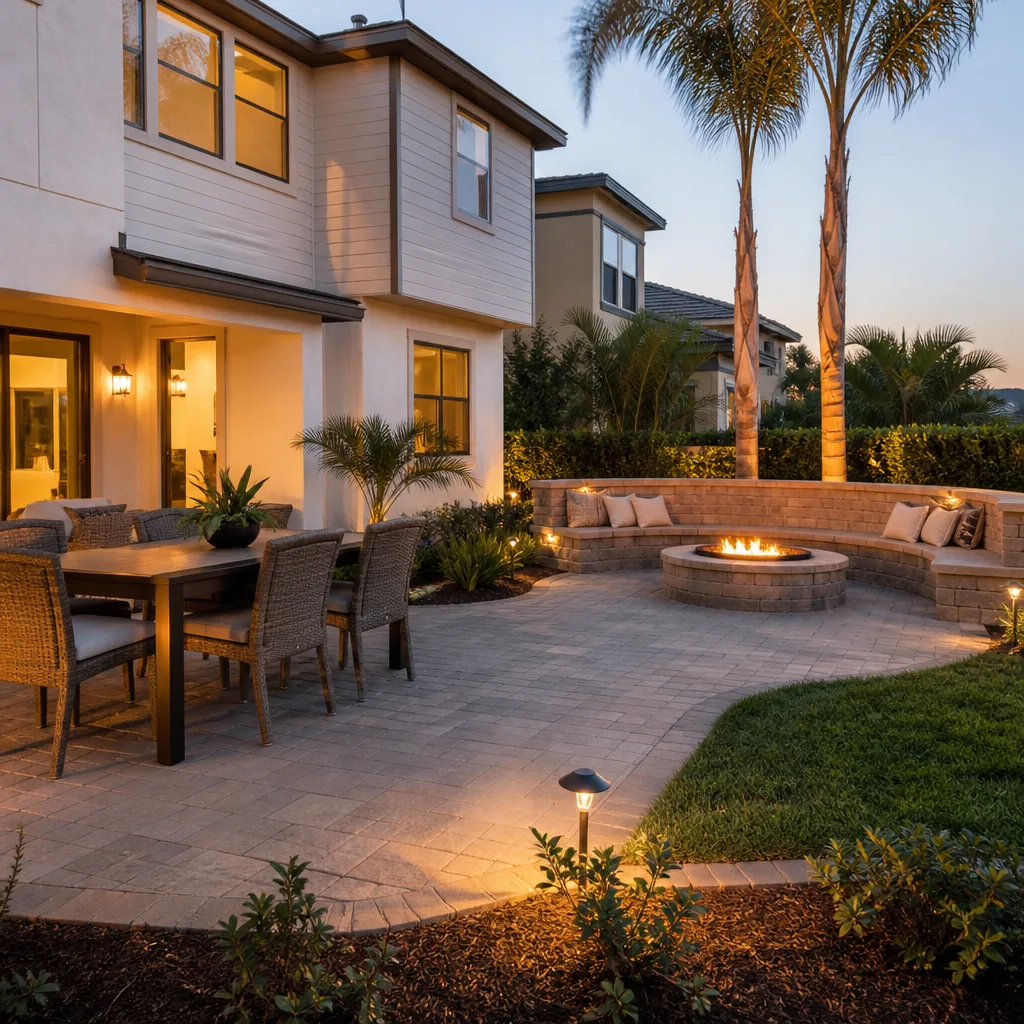
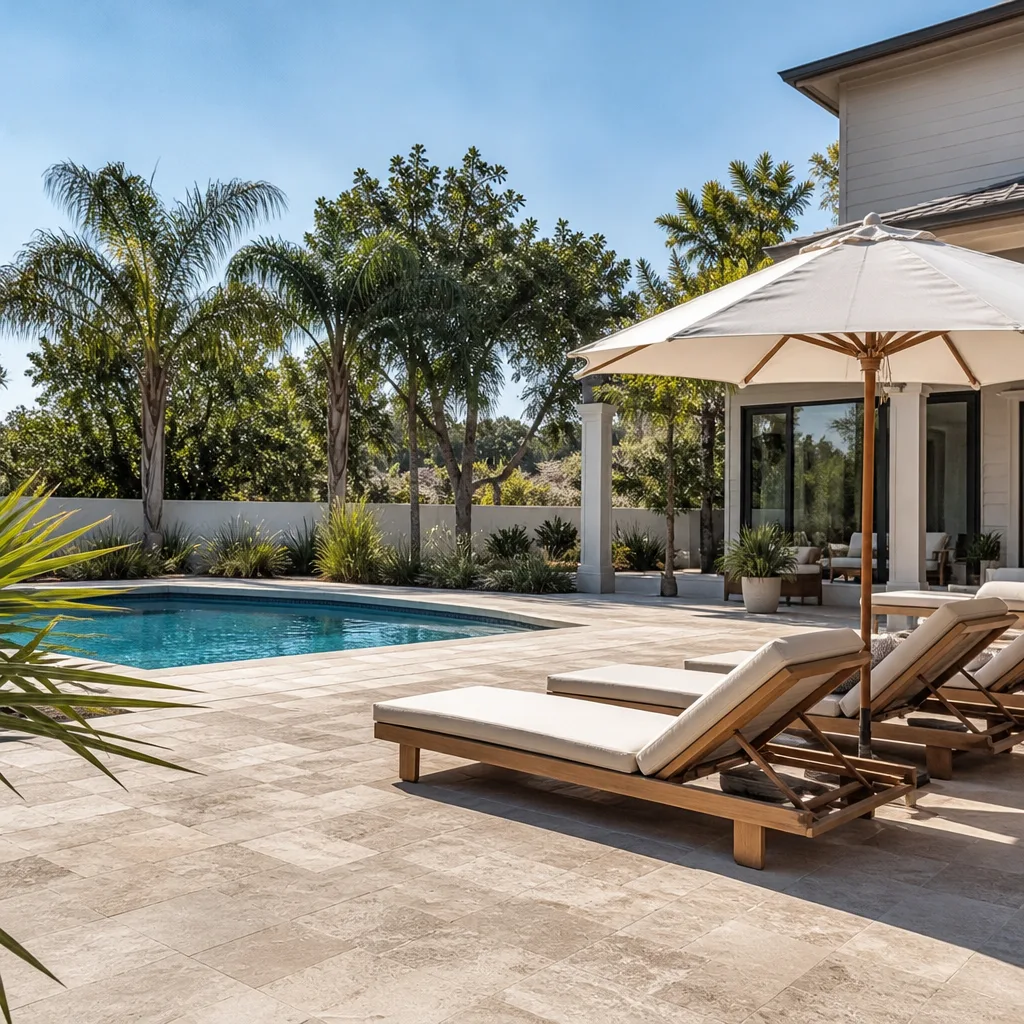
Paver installation in Newport Beach runs $7,000-$18,000 for a driveway and $3,500-$11,000 for a patio, and coastal specs land toward the higher end because of the sand formula, stainless hardware, and deeper flood-zone base. Here’s how the numbers break down for typical local work:
| Project Type | Typical Range | Notes |
|---|---|---|
| Paver driveway installation | $7,000-$18,000 | Coastal-rated sand and stainless restraints included |
| Paver patio installation | $3,500-$11,000 | Deeper base in FEMA AE zones adds material cost |
| Driveway replacement | $5,000-$14,000 | Includes removal and haul-off of existing surface |
| Concrete driveway installation | $4,500-$12,000 | Comparison option if you’re weighing materials |
| Driveway sealing | $250-$700 | Maintenance for existing hardscape |
We price with no-hassle upfront pricing: the number you see is the number you pay. We also offer $1,000 off projects over $10,000 and 0% financing for 18 months, which makes a full driveway and patio rebuild easier to budget without draining reserves. And if you’re weighing pavers against other surfaces, we’ll give you the honest comparison on Driveway & Pavers in Newport Beach rather than pushing the pricier option.
FAQs
Ask for the polymeric sand brand and product name in writing, and check whether it’s a coastal-rated high-resin formula rather than the standard dry-climate product. Any installer who can’t name it, or who says “polymeric sand is polymeric sand,” hasn’t installed enough coastal work to know the difference. We put the exact product into every Newport Beach scope before work starts. Call (833) 749-3967 and we’ll walk you through the spec for your property.
Plastic spike-driven restraints lose holding power in our saturated coastal soil within 2 to 3 years, the edge creeps, and the paver field opens up at the perimeter. Stainless steel spikes driven into a compacted Class II base are the fix, and we specify them on every job here. If your existing driveway is already spreading at the edges, that’s the failure you’re seeing. Call us for an assessment before it gets worse.
Yes. AE-zone properties need a compacted base deep enough to meet both the city’s grading permit standards and the flood elevation advisory, and we build that depth into the estimate from the start. It costs more up front and prevents heaving during a king tide or a 100-year flood event. Estimates are free, so call (833) 749-3967 for an exact quote on your property.
Usually yes, if your property sits in an HOA community like Harbor Ridge or Pelican Hill. Paver color, pattern, and material often need Architecture Review Committee sign-off before installation, and we’ll help prepare the submittal package so approval doesn’t stall the job. Call (833) 749-3967 to get started on the estimate and the review package together.
Book Your Paver Estimate
Newport Beach paver work either lasts 25 years or fails in five, and the difference is in the spec: sand formula, restraint type, base depth, and flood-zone compliance. We put all of it in writing, back it with the 730-Day Done Right Promise, and answer every call with a live person, 24/7. Call (833) 749-3967 for a free estimate and design consult.
Written by the team at Groundwork Construction Co. of Newport Beach, serving Newport Beach, CA.
What Our Customers Say
"The schedule he gave me at the start was accurate to within four days on a three month job. Anyone who has done a renovation knows how unusual that is."
- Laura Bennett"He told me one part of what I wanted was a bad idea structurally and offered an alternative instead of just taking the money."
- Angela Wong"He pulled the permits himself, scheduled every sub and ran the inspections. I made one decision a week and otherwise stayed out of it, which is exactly what I was paying for."
- Robert Sullivan