
Free written scope consultation - allowances, timeline, and change-order rules on paper before a single trade is scheduled
Styles & brands we work with
- Kitchen remodeling
- Bathroom remodeling
- Home additions & ADU
- Roofing
- Windows & doors
- Driveway & pavers
- Fence
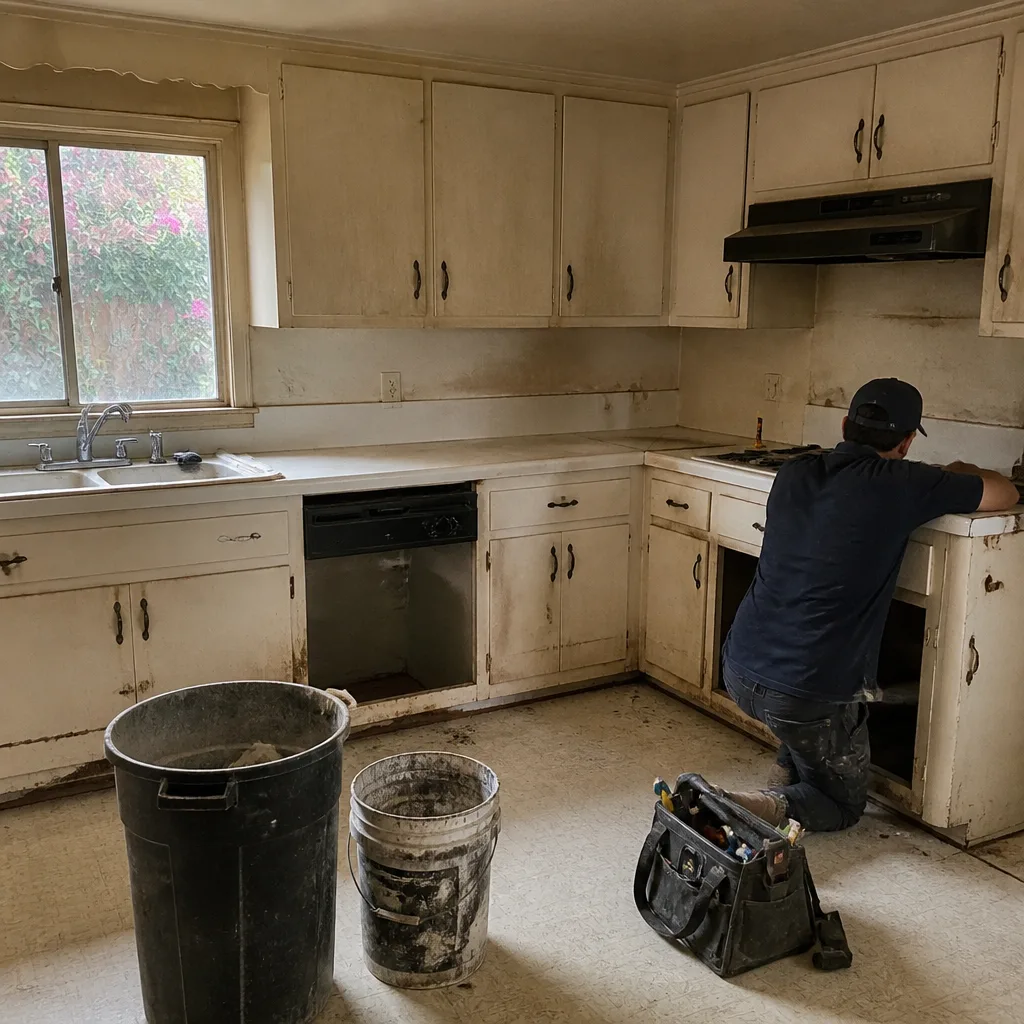
See the difference
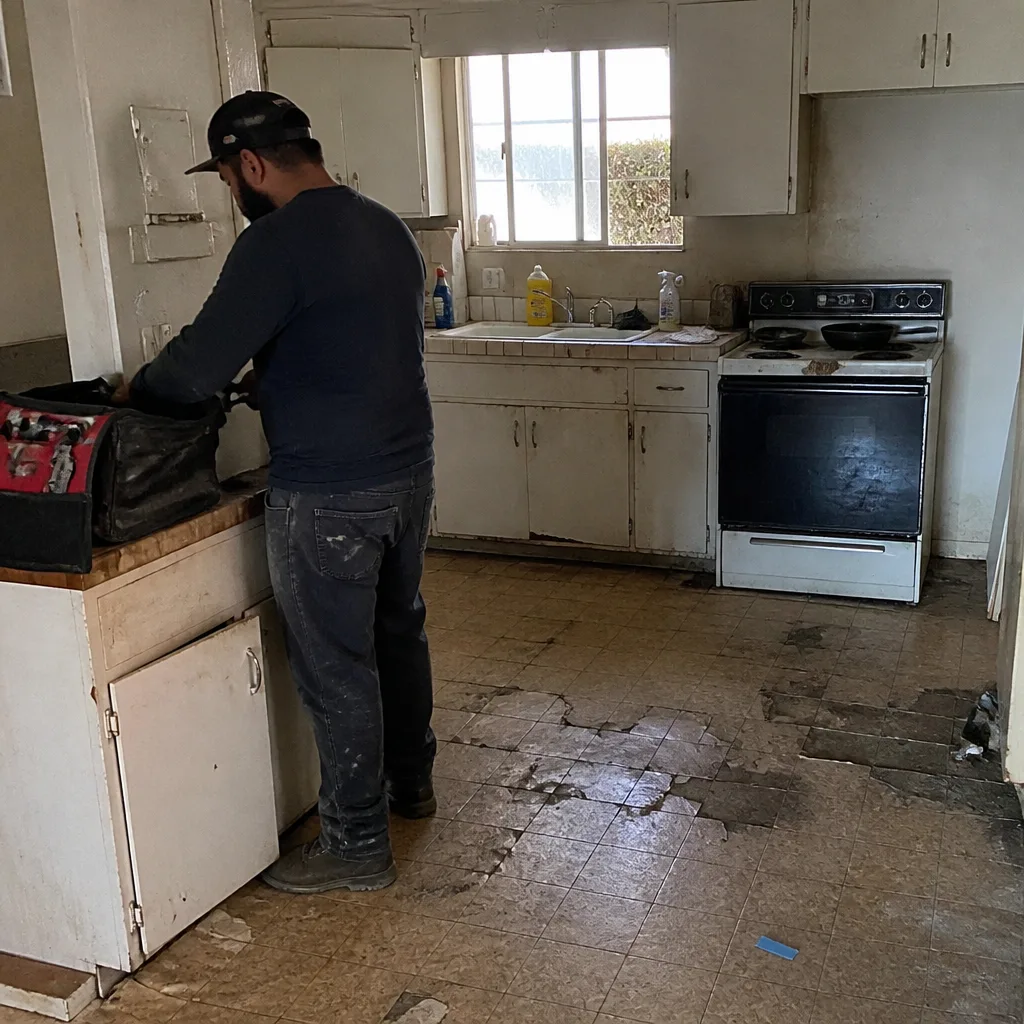 Before
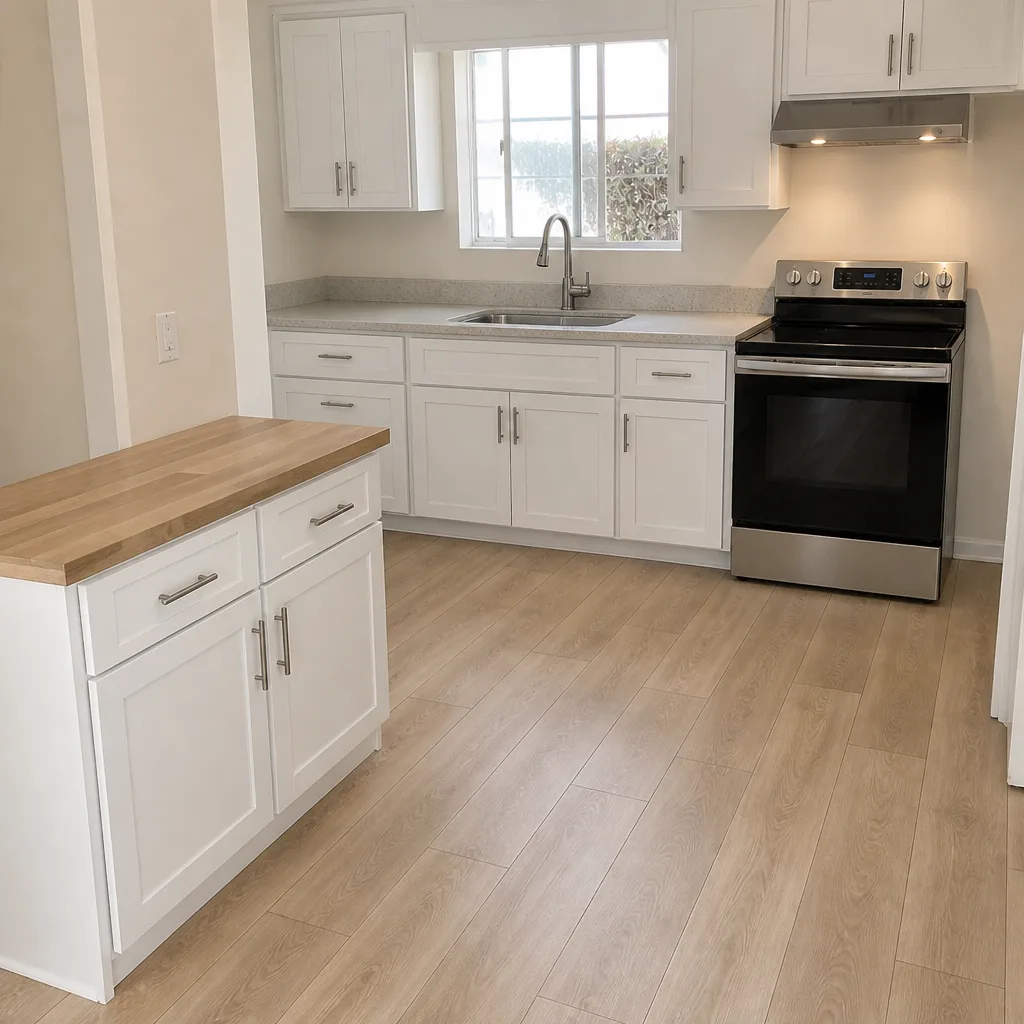 After
 Before
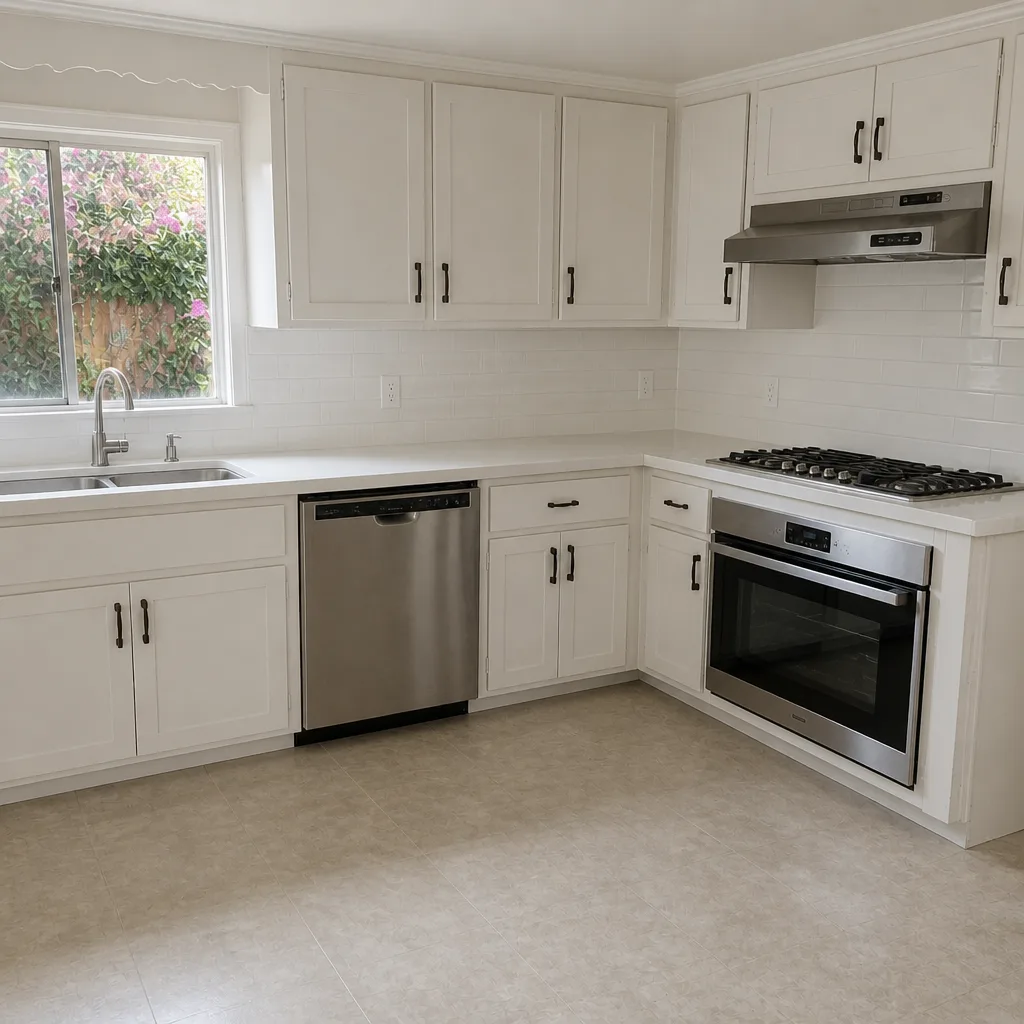 After
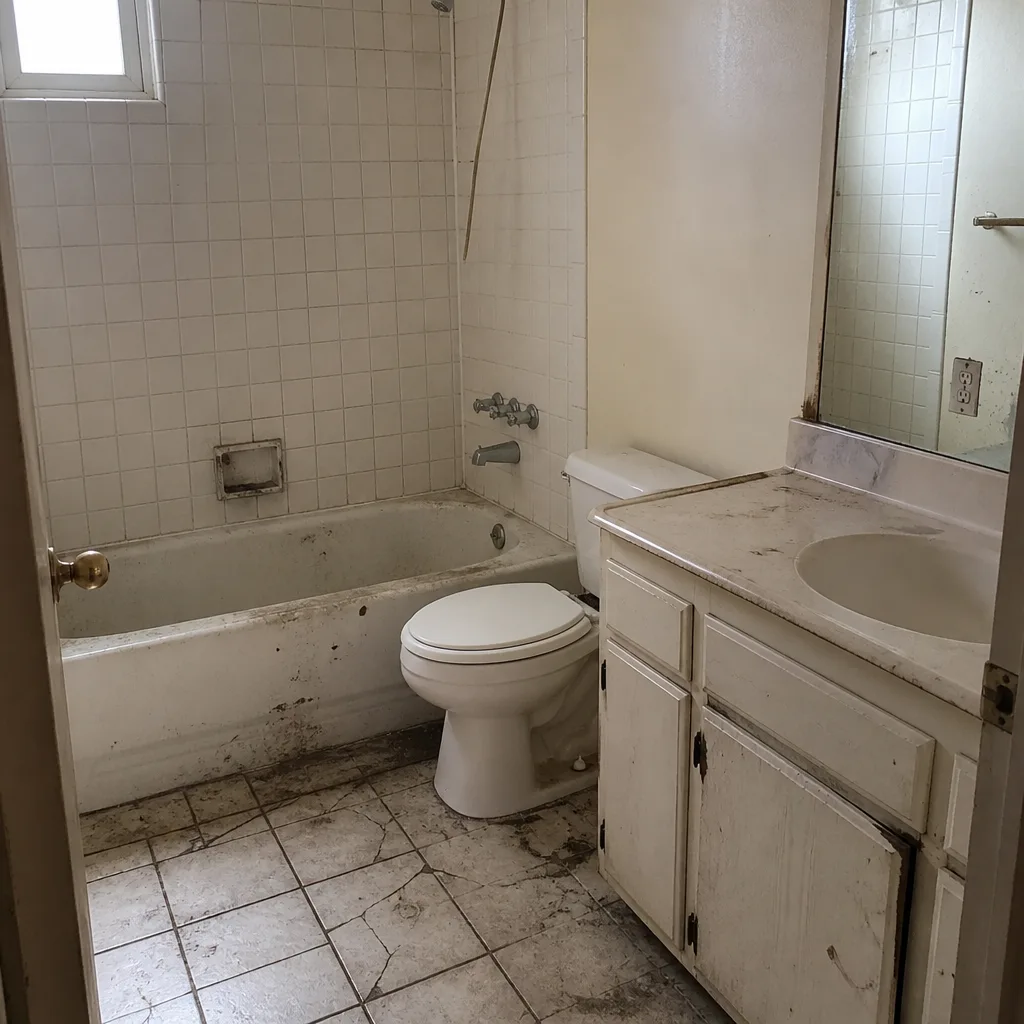 Before
 After
ADU Permit Requirements in Newport Beach: The Two-Track System Most Owners Miss
ADU permit requirements in Newport Beach run on two parallel tracks, not one. The first is the standard city Building Division ADU permit, which California law requires the city to review on a ministerial, roughly 60-day timeline. The second applies only if your parcel sits inside the California Coastal Zone: a separate Coastal Development Permit (CDP) that is not ministerial, involves design review and public comment windows, and can add months on its own. Satisfy both before a shovel goes in, and the project moves. Conflate them, and you’re the reason your own build stalled. For a straight read on your parcel, call (833) 749-3967.
Why Newport Beach ADUs Take Longer Than the State Handbook Promises
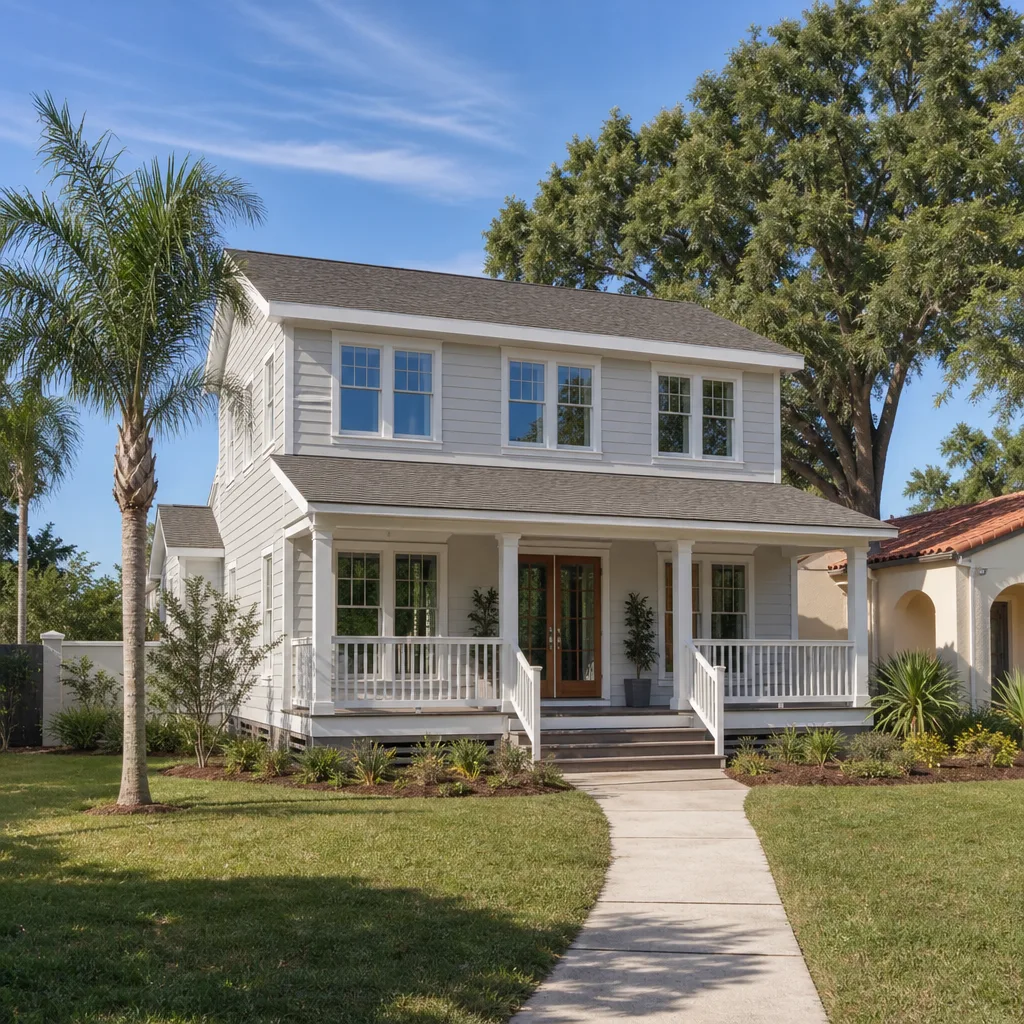
Since 2020, California has pushed cities to approve ADUs fast. The state handout makes it sound like a formality. Newport Beach is different because a large chunk of the city sits inside the coastal zone, where the California Coastal Commission holds a second set of rules that the state’s fast-track does not override. Your project has to clear the city’s building requirements and the Commission’s design and access criteria. Two agencies, two checklists, one build.
We see it constantly: an owner gets a city ADU permit approved, breaks ground, and learns weeks later that the CDP was never filed. That’s not a paperwork hiccup. It can mean a stop-work order and a redesign. The fix is to run both tracks at once, which is a scheduling discipline more than anything else. You can read more about how we sequence this work on our Home Additions & ADU in Newport Beach page.
Track 1 vs. Track 2: What Actually Differs
Track 1 is the city permit. It’s the one the state reformed. Review is targeted at about 60 days, the process is administrative, and the city can’t hold you up over subjective design opinions or require a public hearing. You submit plans, the Building Division checks them against code, and you pull the permit.
Track 2 is the Coastal Development Permit. It is not ministerial. That single word is the whole story: it means the project is subject to discretionary review, and discretion opens the door to design scrutiny, neighbor input, and a public comment window. Here’s the short version of what the CDP adds on top of the city checklist:
- Setback compliance under the Oceanfront and Bayfront zoning overlays. These overlays set their own rules on how close to the water and how tall a structure can go, and they don’t always match the base zone.
- Public coastal access documentation. You have to show the ADU won’t block a view corridor or a public path to the water. On the peninsula’s ocean and bay side, that review is real.
- A coastal erosion or geologic stability report in some cases, particularly on bluff-edge parcels and low-lying bayfront lots where sea-level rise projections shape floor-height and foundation decisions.
The CDP checklist is the part of the Newport Beach process that neither the state’s ADU guide nor the city’s standard building handout lays out in one place. That gap is where projects bleed time.
Is Your Newport Beach Address Inside the Coastal Zone?
Most homeowners don’t actually know their own parcel’s status until they pull the maps, and the boundary doesn’t follow a clean line. Here’s how the coastal zone breaks down across the neighborhoods we work in:
| Neighborhood | Coastal Zone Status |
|---|---|
| Balboa Peninsula | Inside the coastal zone |
| Balboa Island | Inside the coastal zone |
| Corona del Mar coastal strip | Inside the coastal zone |
| Lido Isle | Largely inside the coastal zone |
| Dover Shores | Partially inside; parcel-specific |
| Inland Newport Beach (Costa Mesa border, Santa Ana Heights side) | Typically outside the coastal zone, city track only |
Dover Shores is the one that trips people up. Parts of it are in, parts are out, and the difference decides whether your project needs a CDP at all. We check the parcel with the city before we draw a single line, because getting that answer wrong changes the whole schedule.
When the City’s Design Review Touches Your Materials
Here’s something the fast-track narrative leaves out. Newport Beach’s design review board scrutinizes window glazing and rooflines even on ADUs. That means material and design specs become a permit requirement, not just a quality preference. On properties near the water, stainless steel fasteners and marine-grade exterior finishes are effectively mandatory given the salt air and morning marine layer, even though that’s not written into every checklist. Owners who specify marine-grade windows and corrosion-resistant hardware up front clear review faster. We work with window lines like Andersen and Marvin, and we match specs like these to what the overlay actually asks for. That’s what “built to last, backed in writing” means when the coastline is doing the writing.
What a Newport Beach ADU Actually Costs to Build
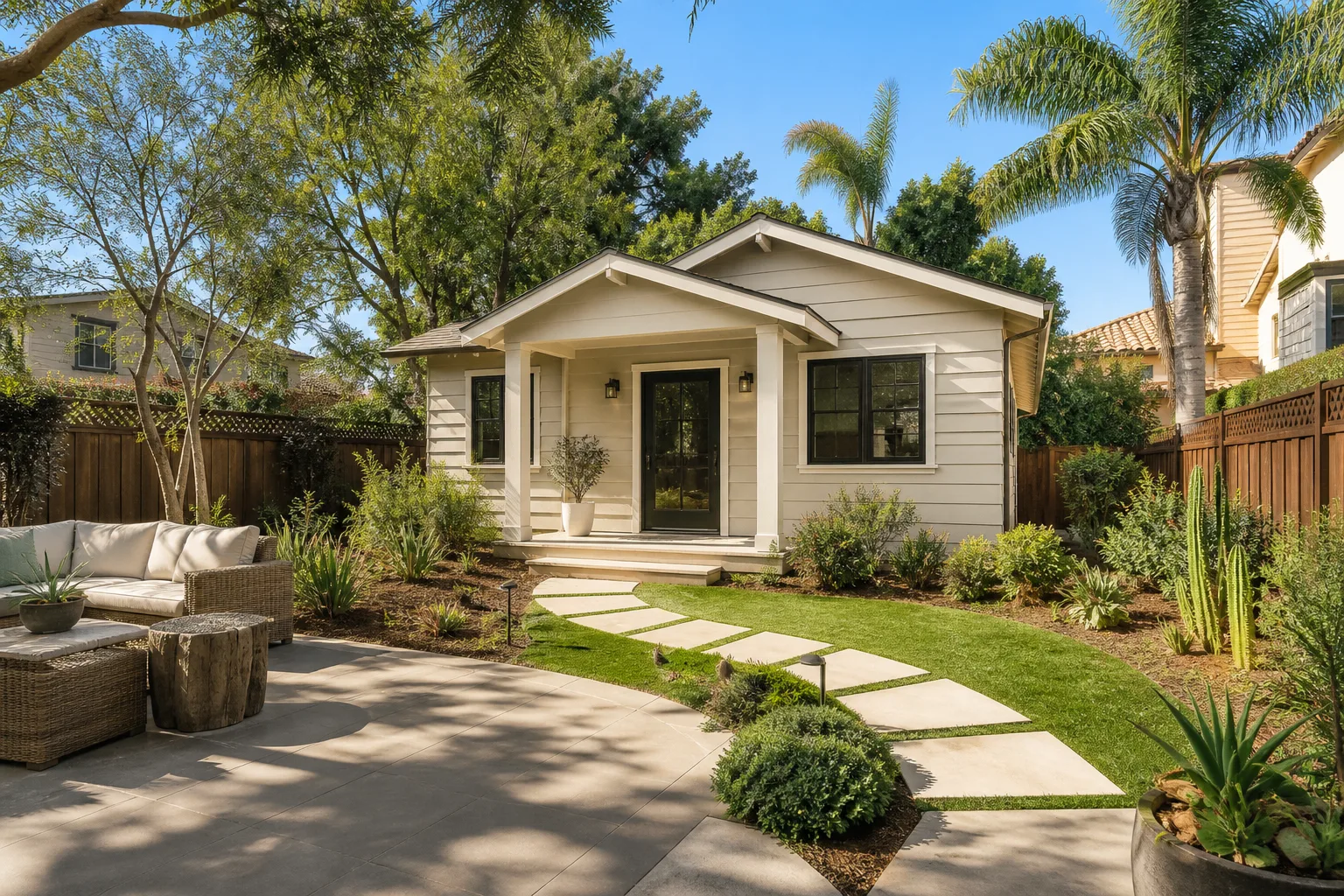
Before you weigh permits, weigh the budget, because the two shape each other. ADU construction in Newport Beach runs $90,000-$220,000 depending on whether you’re renovating existing space or building new. A garage conversion sits lower, at $30,000-$80,000. For the full build picture, see our Home Additions & ADU service page.
Concrete structural surprises move that number. On Balboa Island, original 1920s-40s cottages often sit on wood pilings that were never updated. We’ve opened walls expecting a simple garage conversion and found the structure needed re-piling before the first cabinet could go in. Budget conversation, meet foundation reality. Our team offers no-hassle upfront pricing, so the number you see is the number you pay, plus 0% financing for 18 months and $1,000 off projects over $10,000. Every build is covered by the 730-Day Done Right Promise.
How We Handle Both Permit Tracks Without Losing Weeks
Our project managers are fluent in both the city ADU permit and the CDP, and they run them simultaneously. When the Coastal Commission’s reviewer requests a clarification, that request lands on someone who answers the phone. Calls to us are answered by a live person 24/7, so an agency callback window during the CDP process never slips because nobody picked up on a Friday afternoon. With our technicians bringing up to 12 years of experience, we know where these reviews stall.
What to Have Ready Before You File
- Your parcel’s coastal zone status, confirmed with the city
- Site plan showing setbacks against the Oceanfront or Bayfront overlay
- Design specs for windows, rooflines, and exterior finishes
- Public coastal access documentation, where the parcel requires it
- Erosion or geologic report, if you’re on a bluff or low-lying bayfront lot
ADU Permit Questions We Hear Most
Do all Newport Beach ADUs need a Coastal Development Permit?
No. Only ADUs on parcels inside the California Coastal Zone need a CDP. Neighborhoods like Balboa Peninsula, Balboa Island, the Corona del Mar coastal strip, and much of Lido Isle are inside it, while most inland Newport Beach addresses are not. Because Dover Shores is split, the only reliable answer comes from checking your specific parcel. Call us for a free estimate and we’ll help you confirm where you stand.
How long does ADU permitting take in Newport Beach?
The city track typically moves within the state’s roughly 60-day window. The CDP track adds time on top of that, because it involves design review and a public comment period and isn’t bound to the same clock. Run one behind the other and you lose months; run both at once and the timelines overlap. That’s the single biggest scheduling decision on a coastal-zone ADU.
Can the design review board really reject my ADU over window materials?
The board can require design changes, and window glazing and rooflines are within what it reviews. So the windows you want to install can become the windows you’re required to install. Specifying corrosion-resistant, marine-grade materials up front avoids a back-and-forth at review. Our bathroom remodeling in Newport Beach and window replacement work follows the same coastal spec discipline.
What if my contractor doesn’t file the CDP?
That’s the most common and most expensive mistake on a coastal-zone ADU. An unfiled CDP can trigger a stop-work order and a redesign after construction has started. Ask up front whether your contractor runs both tracks. We do, and we’ve built our process around it.
If you’d rather have it looked at, Groundwork Construction Co. of Newport Beach offers a no-pressure assessment in Newport Beach - call (833) 749-3967. We’ll confirm your parcel’s coastal status, lay out both permit paths, and give you a straight price before anything is filed.
Written by the team at Groundwork Construction Co. of Newport Beach, serving Newport Beach, CA.