Free written scope consultation - allowances, timeline, and change-order rules on paper before a single trade is scheduled
Paver Driveways in Newport Beach, CA: What the Job Actually Involves
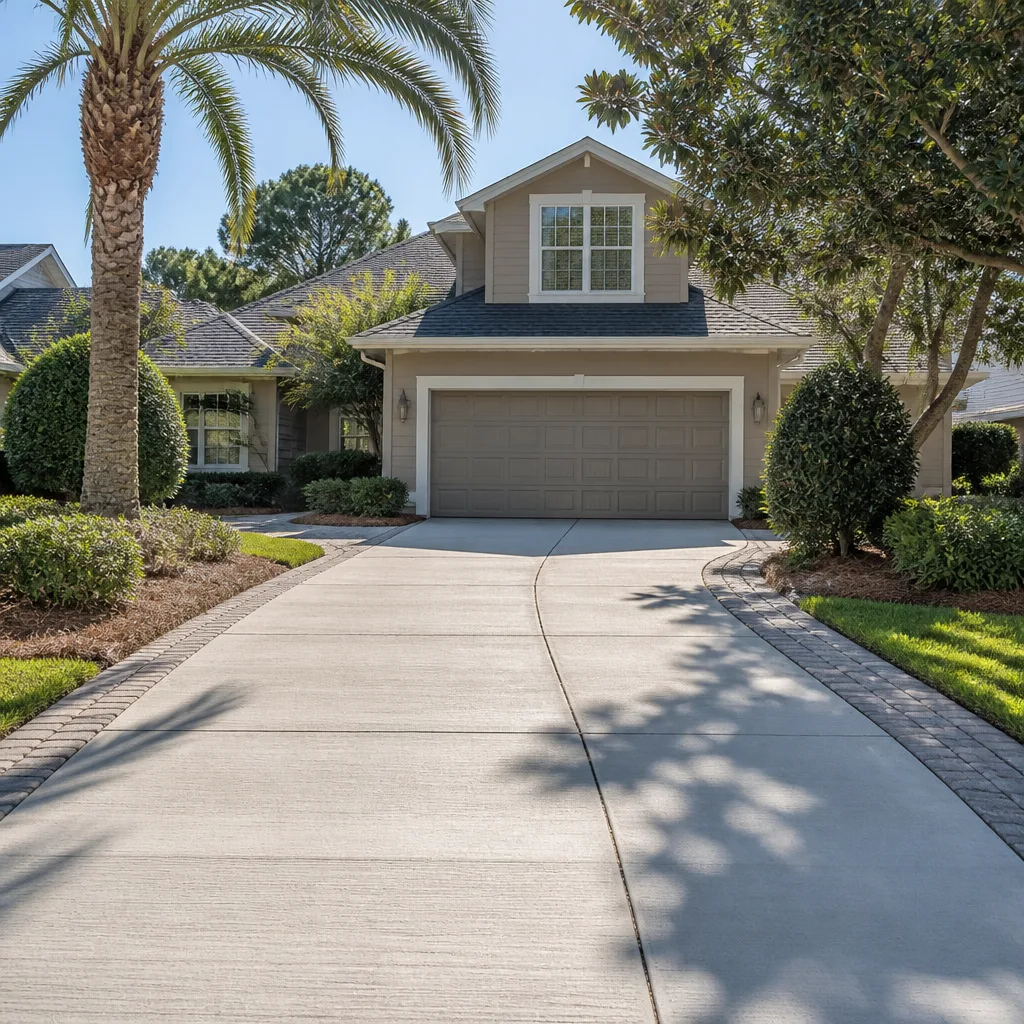
Paver driveways in Newport Beach run $7,000 to $18,000 for a typical residential driveway, and most projects wrap in 3 to 5 working days once materials land on site. The work means removing the old surface, rebuilding a compacted base that can handle the load, setting edge restraints, laying the pavers, and finishing with joint sand and a vibratory plate pass. Call (833) 749-3967 and we’ll walk your driveway, measure it, and give you a written line-item number.
Stage by Stage: How We Build a Paver Driveway
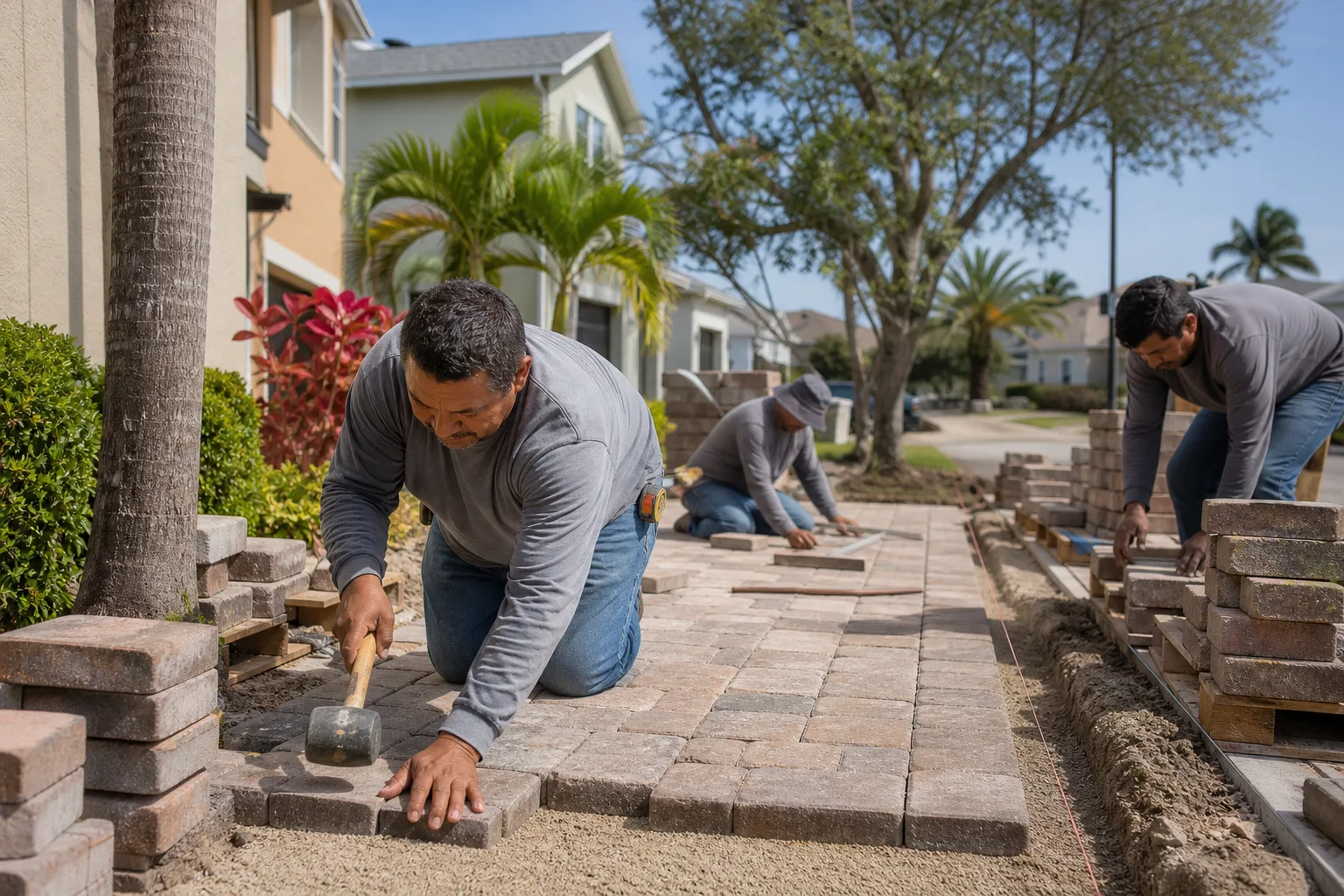
Paver work fails or holds up almost entirely on what happens under the pavers, so the process is front-loaded toward excavation and base. Here’s the real sequence.
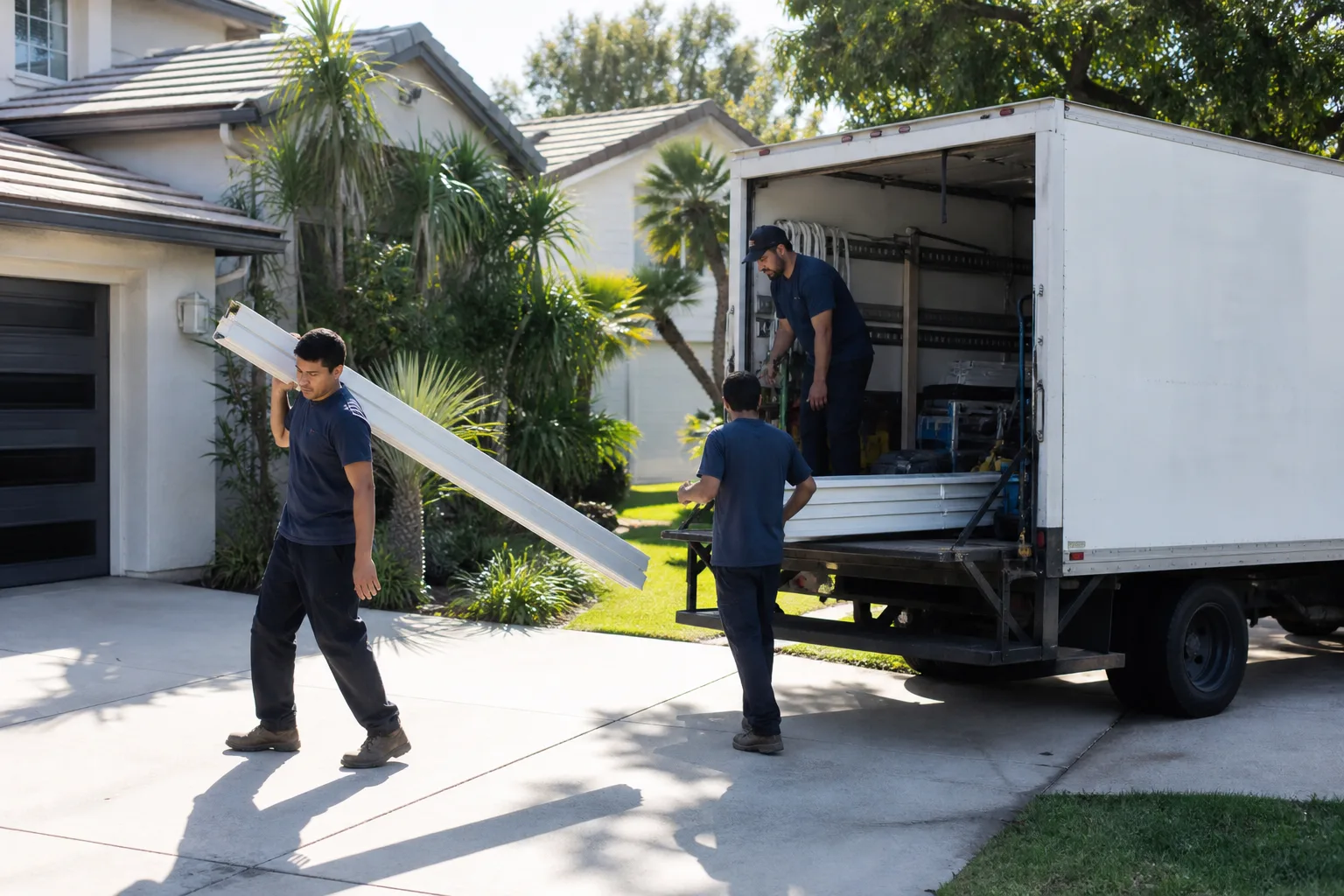
Day 1, demolition and haul-off. We pull out the existing concrete, asphalt, or old paver field and the material goes straight to a hauler. On Newport Beach lots where the driveway meets the garage apron and the sidewalk, we protect the curb and the adjacent landscaping while we cut and lift. The homeowner’s one decision here: do we widen the drive while we’re demoing, or hold the existing footprint? Widening means a new edge condition and, on a slope, drainage you can’t ignore.
Days 1 and 2, excavation and base. This is the part nobody sees and the part that decides whether you’re resetting pavers in five years. We excavate to depth, lay a woven geotextile over the subgrade to stop fines from pumping up, then build the compacted aggregate base in lifts, usually 4 to 6 inches depending on the existing soil and your vehicle load. Each lift gets compacted and checked before the next. On the bay side, where lots were graded decades ago, we sometimes find fill or loose material that won’t take compaction, and the base build has to go deeper.
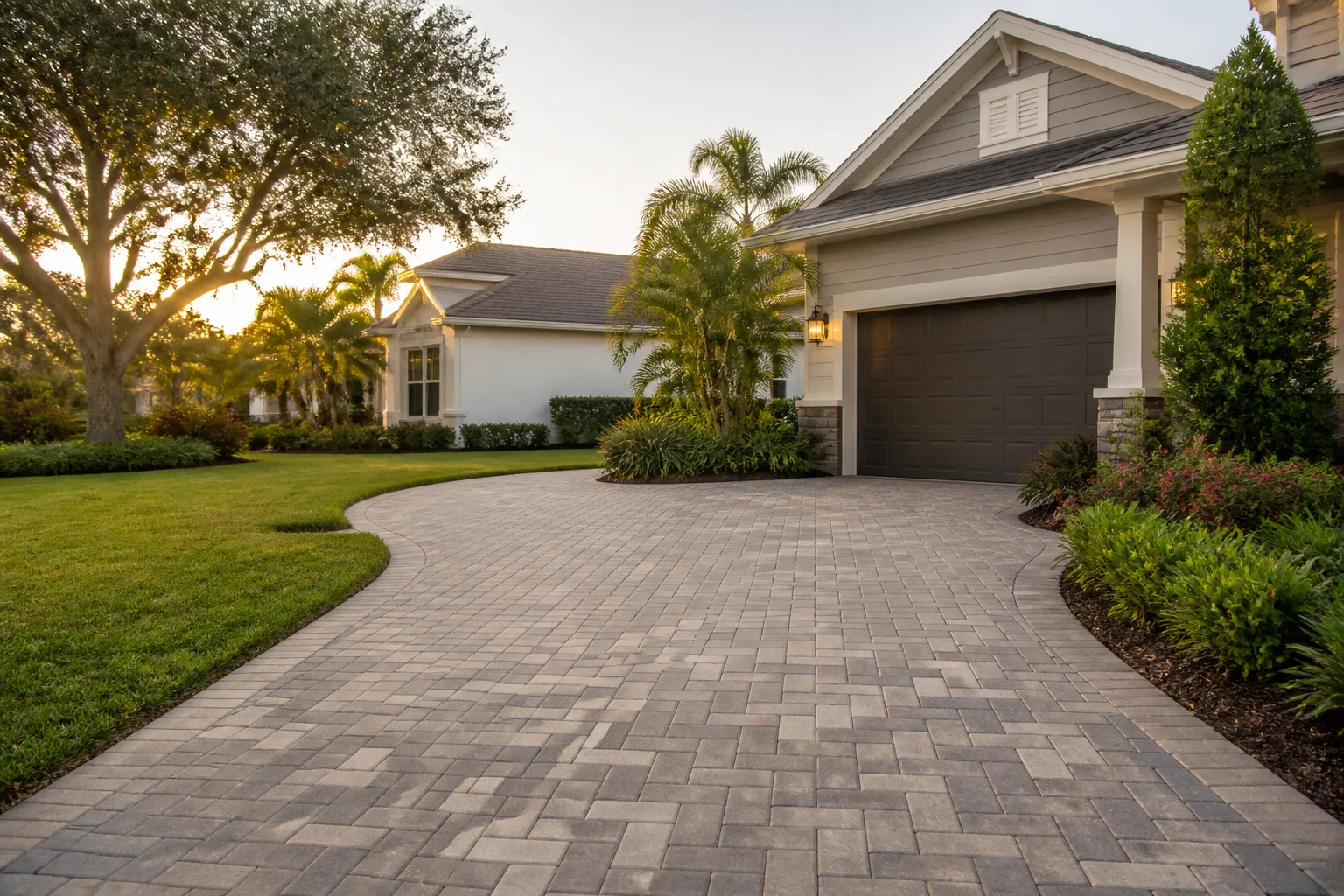
Day 2 or 3, edge restraints, bedding, and setting. We set solid edge restraints along both sides and against any garage wall, then screed a thin bedding layer and start laying pavers to your chosen pattern. Your call at this point: running bond, herringbone, or a large-format layout, and whether you want a soldier course border. Herringbone interlocks better under tire traffic; a clean running bond reads more modern. Both work; they just behave differently.
Day 3 or 4, cuts, joint sand, and compaction. Perimeter and angle cuts get made with a wet saw for clean edges, then we sweep polymeric or regular joint sand into the joints and make the final passes with a plate compactor to seat everything and lock the field together. If you chose a sealer, it goes on after the surface is clean and dry.
Day 5, walkthrough and cleanup. We clean the site, pull any construction debris, and walk the finished drive with you to point out the edge restraints, the drainage slope, and where to look for settling over the first season. Your only decision left: whether to schedule a first sealing pass after the joints settle.
Styles & brands we work with
- Kitchen remodeling
- Bathroom remodeling
- Home additions & ADU
- Roofing
- Windows & doors
- Driveway & pavers
- Fence
The Options You’ll Choose Between
- Pavers: clay brick vs. concrete – Clay brick is the heritage choice and holds color well in salt air, but costs more and came in fewer sizes. Concrete pavers are the volume workhorse and come in more sizes, colors, and finishes. Both need stainless or rust-resistant fasteners at any metal intersection.
- Standard vs. tumbled texture – Tumbled pavers look broken-in from day one, which suits the older peninsula cottages. Standard pavers look crisper and read more contemporary for Dover Shores and the ocean-side estates.
- Running bond vs. herringbone vs. large-format – Herringbone locks a field best under tire turning. Large-format pavers need a firmer base and closer edge restraints to stay flat, but give the cleanest look for wide driveways.
- Permeable vs. closed-joint – Permeable pavers with open graded joints and a stone reservoir manage runoff better on tight lots, which matters on the bay side where drainage has nowhere to go. Closed-joint runs cheaper and gives a smoother drive.
- Sealed vs. unsealed – Sealing enhances color and resists stains but needs redoing every couple of years. Left natural, the pavers age more evenly and cost you nothing to maintain beyond a sweep and rinse.
- Edge and border detail – A soldier course or contrasting border adds material and labor for a finished look; a plain edge keeps the budget tight without sacrificing anything structural, as long as the restraints are solid.
On material brands, we work with Belgard pavers for a lot of this work and pull in James Hardie for adjacent trim where a garage face gets redone in the same project.
What Paver Driveways Cost in Newport Beach, CA
Expect $7,000 to $18,000 for paver driveway installation in Newport Beach. A tight 400-square-foot drive with standard concrete pavers runs near the low end; a wide, curved drive with high-end clay brick, permeable base design, and a border lands at the top. Five things move the number:
- Square footage and layout – Bigger fields cost more, and curves and reveals cost more than straight runs because of cuts.
- Existing surface and base condition – Thick concrete slabs and soft or filled subgrade mean more demo, haul-off, and deeper base, pushing $2,000 to $4,000 onto a job.
- Paver grade and format – Clay brick and large-format pavers sit above standard concrete units. Herringbone adds a bit of labor over running bond.
- Drainage and slope work – Regrading to move water off the drive or tying in a drainage channel adds cost but can’t be skipped on low lots.
- Permits and inspections – If the driveway ties to street access or affects drainage, a permit may be required. We pull it and pass the inspection.
A written estimate should spell out demo, haul-off, base depth, geotextile, edge restraints, pavers, joint sand, compaction, and cleanup as separate lines. Sealing and any drainage amendment usually aren’t included unless you ask. We give upfront pricing with no change orders, and projects over $10,000 qualify for $1,000 off, plus 0% financing for 18 months.
See the difference
 Before
 After
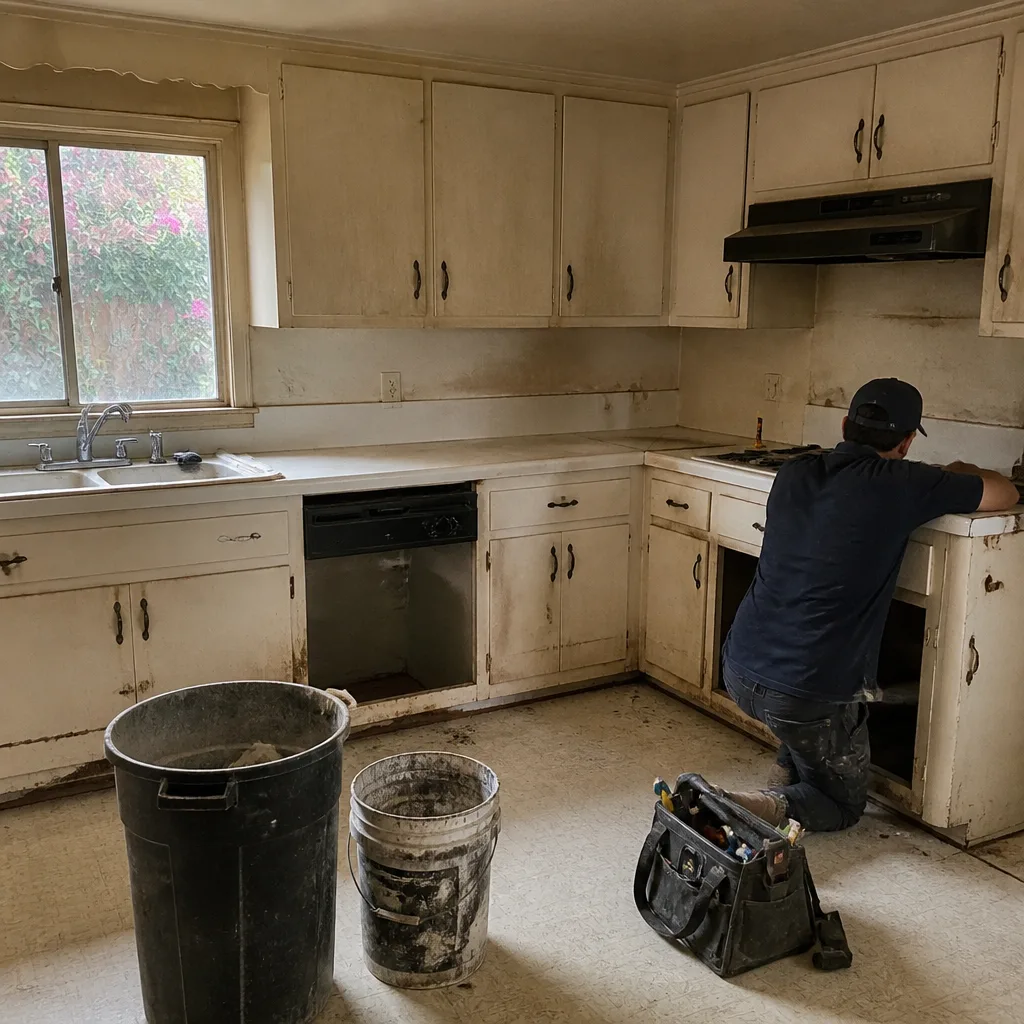 Before
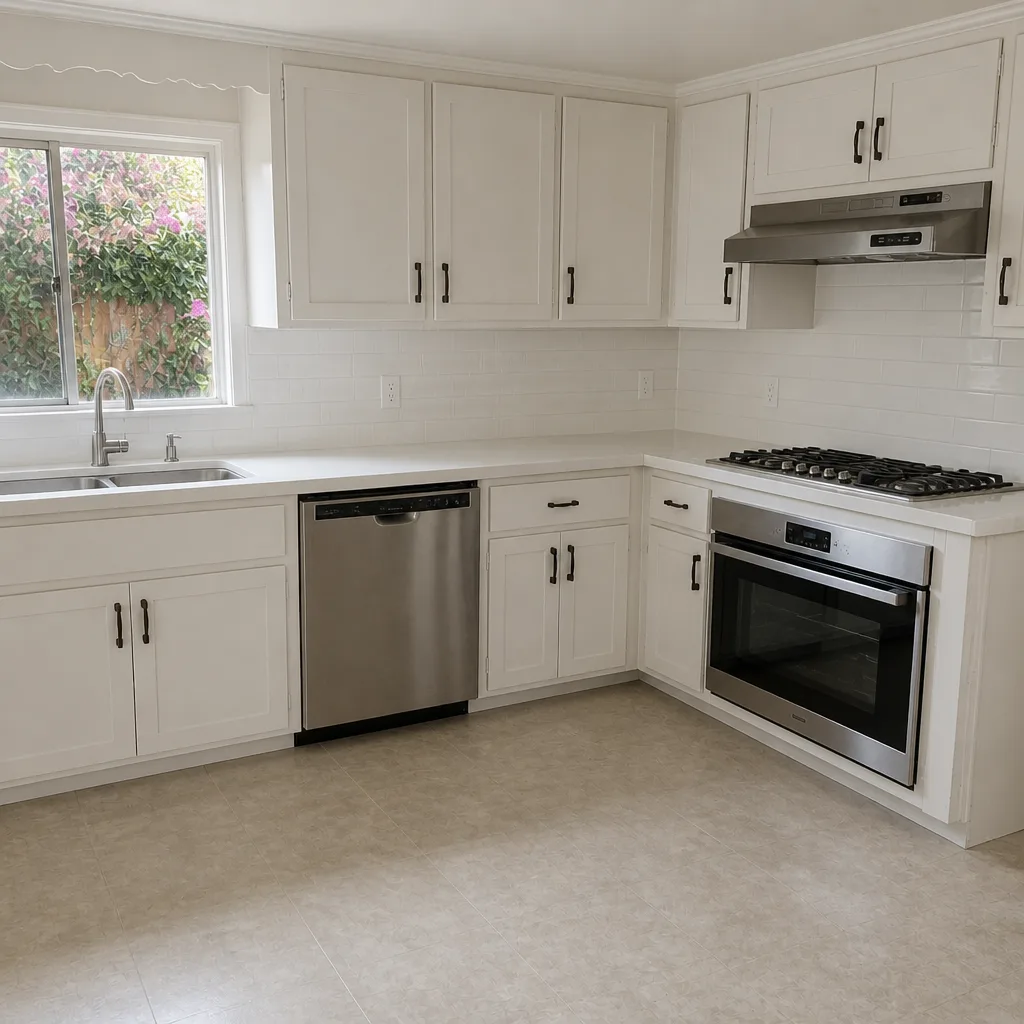 After
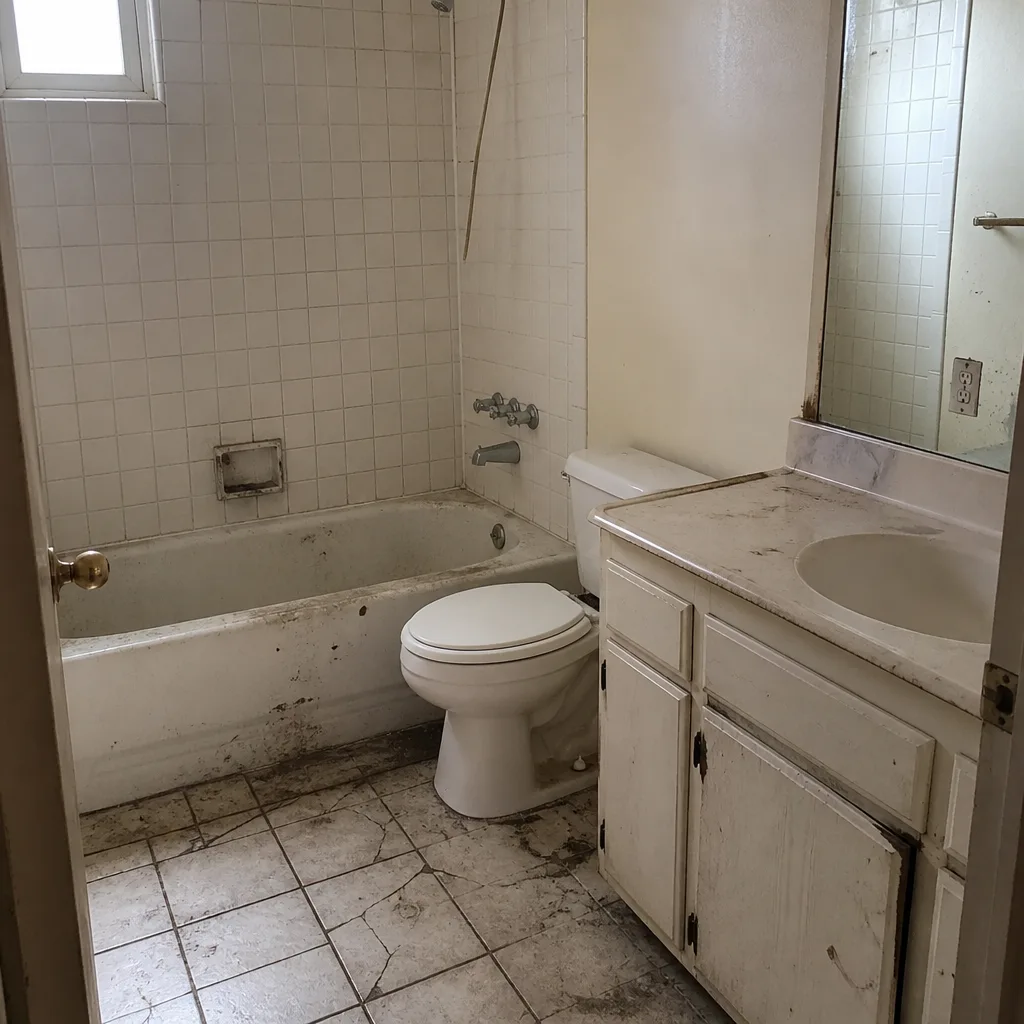 Before
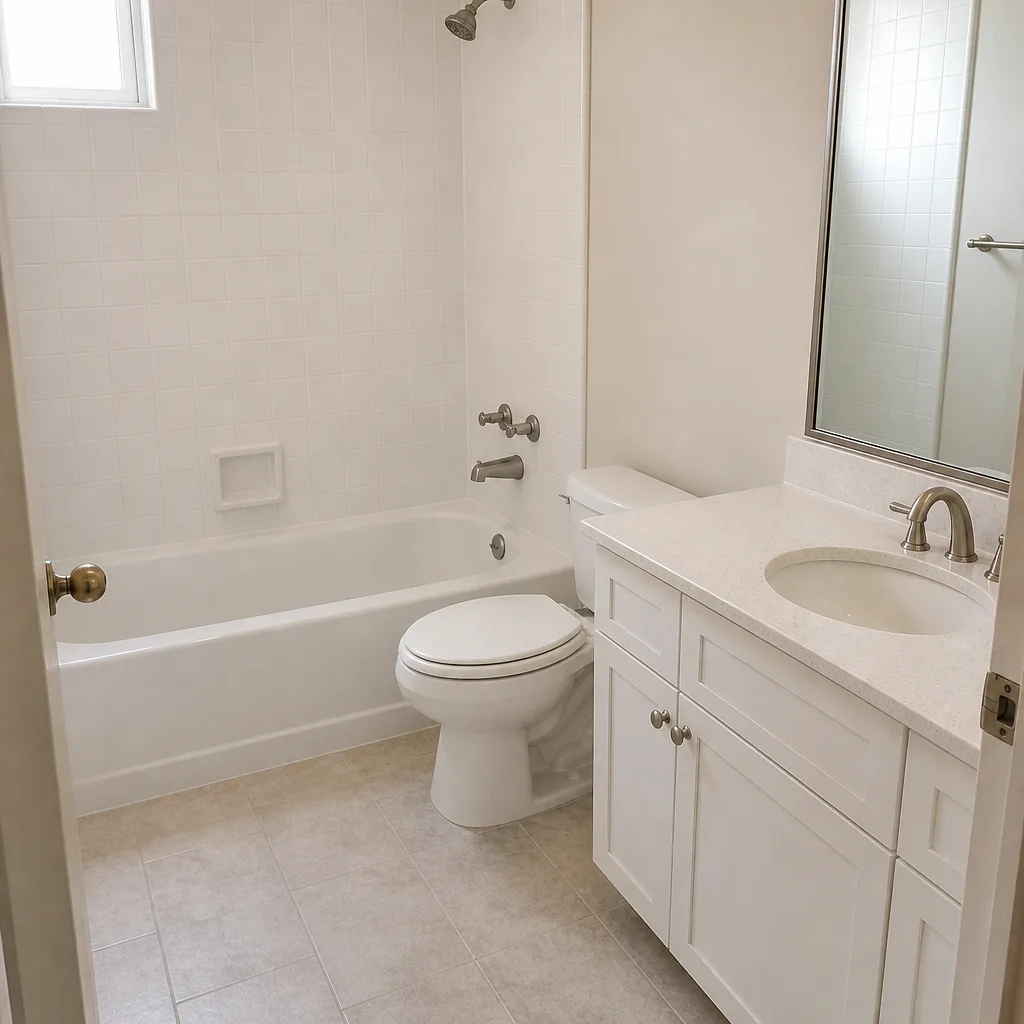 After
What Newport Beach Homes Do to This Job
On the ocean side and on the harbor, the constraint isn’t weather, it’s regulation and salt. Newport Beach’s blufftop and harborfront properties sit under coastal development permit conditions and the city’s oceanfront and bayfront overlays, and hardscape changes that touch grading or drainage can trigger design review even when no structure is involved. Add persistent salt air and the morning marine layer, and any metal edge, drain grate, or fastener we set has to be stainless or marine-grade or it rusts out within a few years.
The housing stock shapes the job too. On the peninsula’s bay side and on Balboa Island, where many original 1920s – 40s cottages sit on wood pilings, a failing driveway often signals a grading or drainage problem that’s been quietly working the subgrade for years. Fix the pavers without fixing the water and you’ll be back. In Dover Shores and the newer estates, most driveways we tear out are 1980s or 1990s concrete that’s cracked along the apron or heaved at the street break.
We treat pavers as part of the full Driveway & Pavers in Newport Beach scope, and homeowners often pair a driveway rebuild with Garage Conversion ADU in Newport Beach work when the garage is being repurposed, or with ADU Design & Permitting in Newport Beach when the drive has to serve a new detached unit. If you’re weighing pavers against concrete, that’s exactly the conversation our Driveway & Pavers team has with homeowners across Newport Beach every week.
Serving Newport Beach, CA – Our Local Coverage Area
We serve Newport Beach and nearby communities. Use the map below to see the area we cover. If you’re nearby, we can almost certainly help.
Frequently Asked – Paver Driveways in Newport Beach
A typical paver driveway takes 3 to 5 working days once materials are on site. Demo and base take the first two days, setting and compaction take two more, and the walkthrough is quick. Larger drives, deeper base, or clay brick push toward the longer end. Call (833) 749-3967 for a project timeline on your actual driveway.
Often, yes, especially if the driveway affects drainage, grading, or street access, and coastal properties can trigger an additional review. We handle permitting and inspections as part of the job and won’t start without knowing what the city requires. Call (833) 749-3967 and we’ll tell you what your property triggers.
Yes, in most cases. A driveway rebuild is a surface and subgrade job, not a structural one, and we rarely touch plumbing or framing. The exceptions are older peninsula cottages where the subgrade turns out to be failing, and that gets found during demo, not after. We flag it before proceeding. Call (833) 749-3967 for a site walk.
Most residential paver driveways land between $7,000 and $18,000. Size, base depth, paver grade, drainage work, and permit scope drive where in that range you sit. We give a written line-item estimate with no surprises. Call (833) 749-3967 for a free estimate on your driveway.
Every paver driveway we install is backed by our 730-Day Done Right Promise: if it’s not done right, we make it right. That covers our workmanship, with background-checked, uniformed technicians on every job. Call (833) 749-3967 to schedule your free estimate.
Get a Free Paver Driveway Estimate in Newport Beach
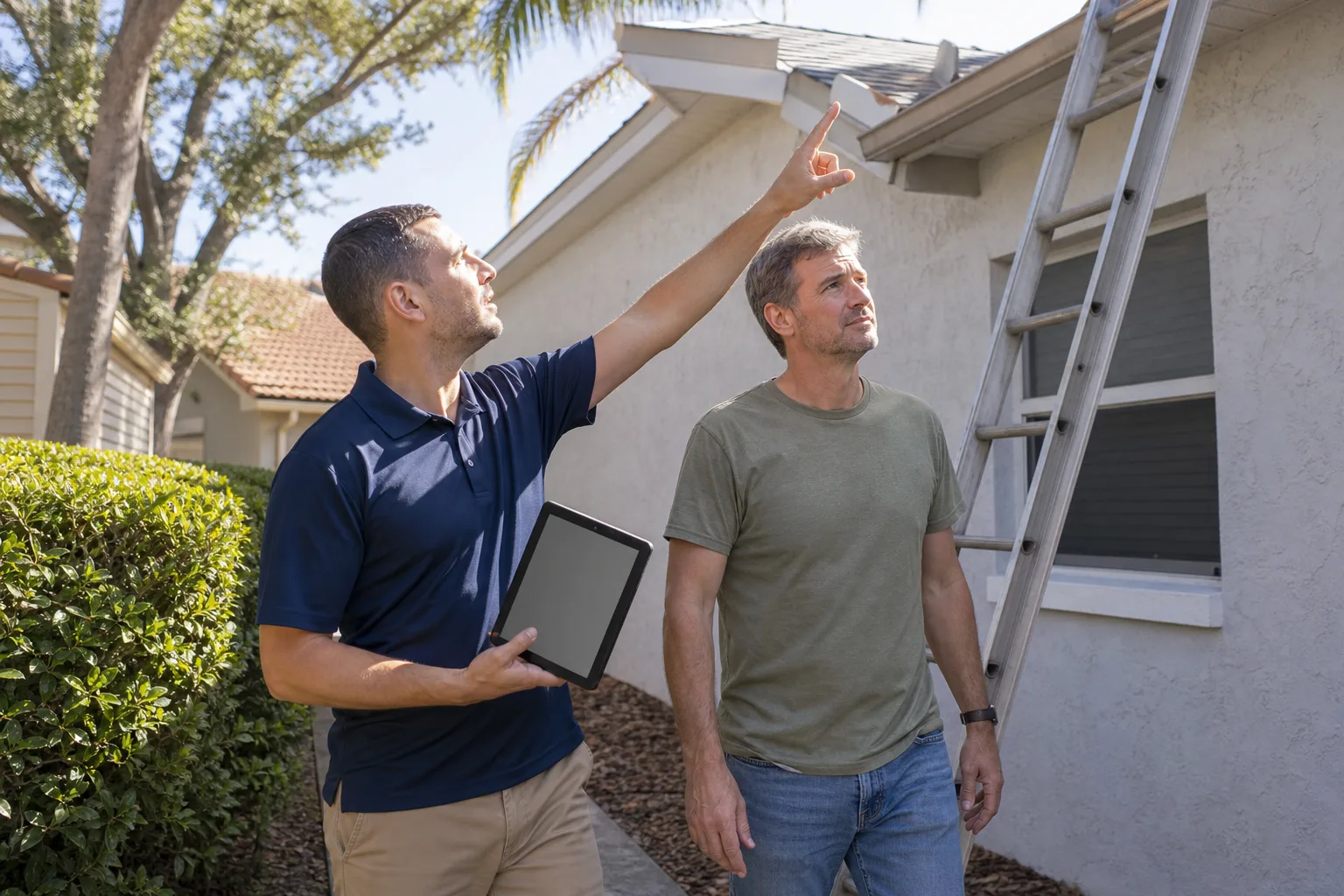
A free on-site estimate for paver driveways in Newport Beach takes about 30 minutes. We measure the drive, check the existing base and drainage, and talk through paver options and a realistic timeline. You get a written line-item quote, upfront pricing, and a crew that answers when you call. Reach us at (833) 749-3967 any hour, any day.
Written by the team at Groundwork Construction Co.