Last updated November 17, 2026


Free written scope consultation - allowances, timeline, and change-order rules on paper before a single trade is scheduled
Choosing the Right Construction Brand: A Buyer’s Guide for Newport Beach
Any contractor can claim to use “premium materials.” The question worth asking is whether those materials were specified because they perform best on a Newport Beach lot – salt air, harsh UV, cool marine nights and hot inland afternoons – or because they carry the highest contractor margin. The difference shows up years after the crew leaves. This guide gives you a framework to tell the two apart: how to read a warranty for coastal exclusions, what performance numbers actually matter here, how to spot a premium-sounding name on a mid-tier product, and the exact questions to ask before you sign.
Quick Answer
The right construction brand for a Newport Beach project is the one that stacks three proofs: an authorized or certified installer relationship with the manufacturer, materials rated for a coastal environment (UV stability, salt spray resistance, thermal cycling), and a written workmanship guarantee that runs long enough to outlast installation defects. A brand partnership only matters if it carries training, accountability and warranty backing – not just a logo on a proposal. If a contractor can’t explain why a specific product fits your application, that’s your answer.
Styles & brands we work with
- Kitchen remodeling
- Bathroom remodeling
- Home additions & ADU
- Roofing
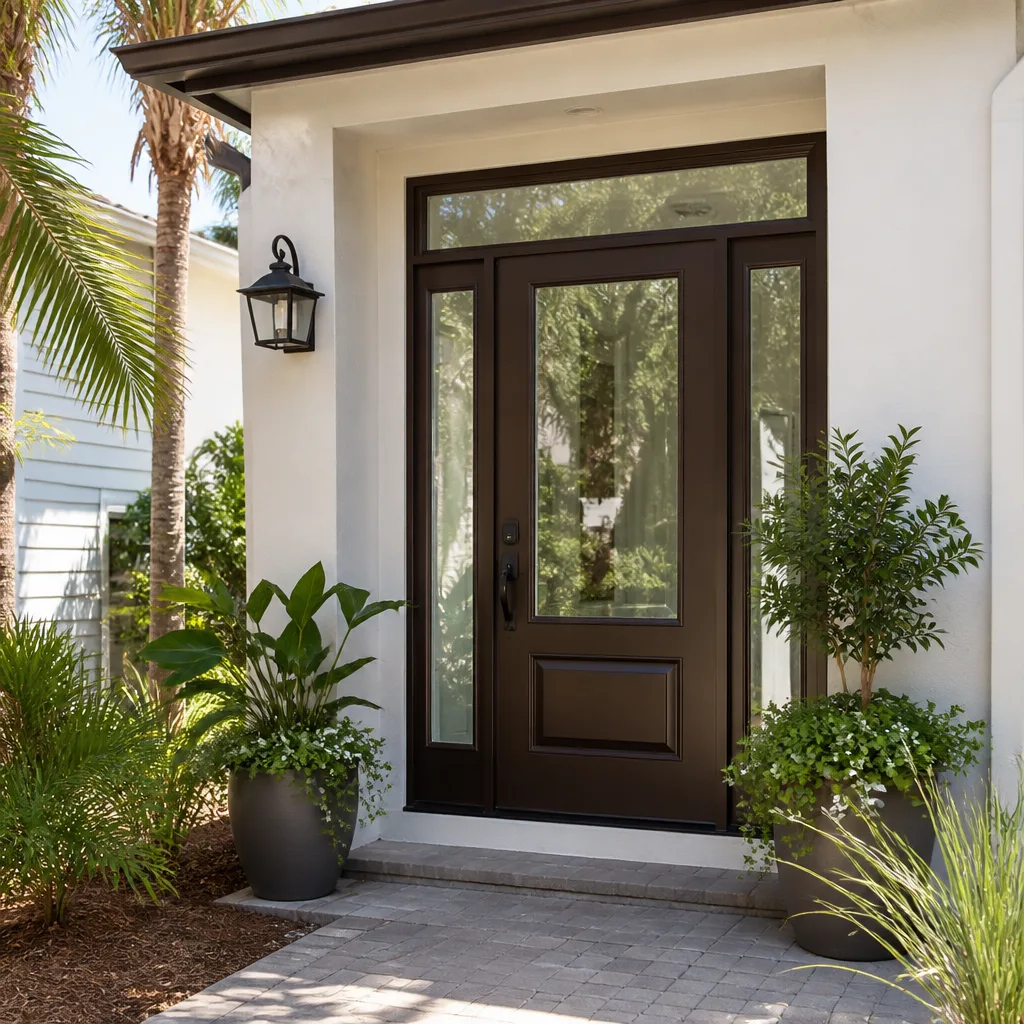
- Windows & doors
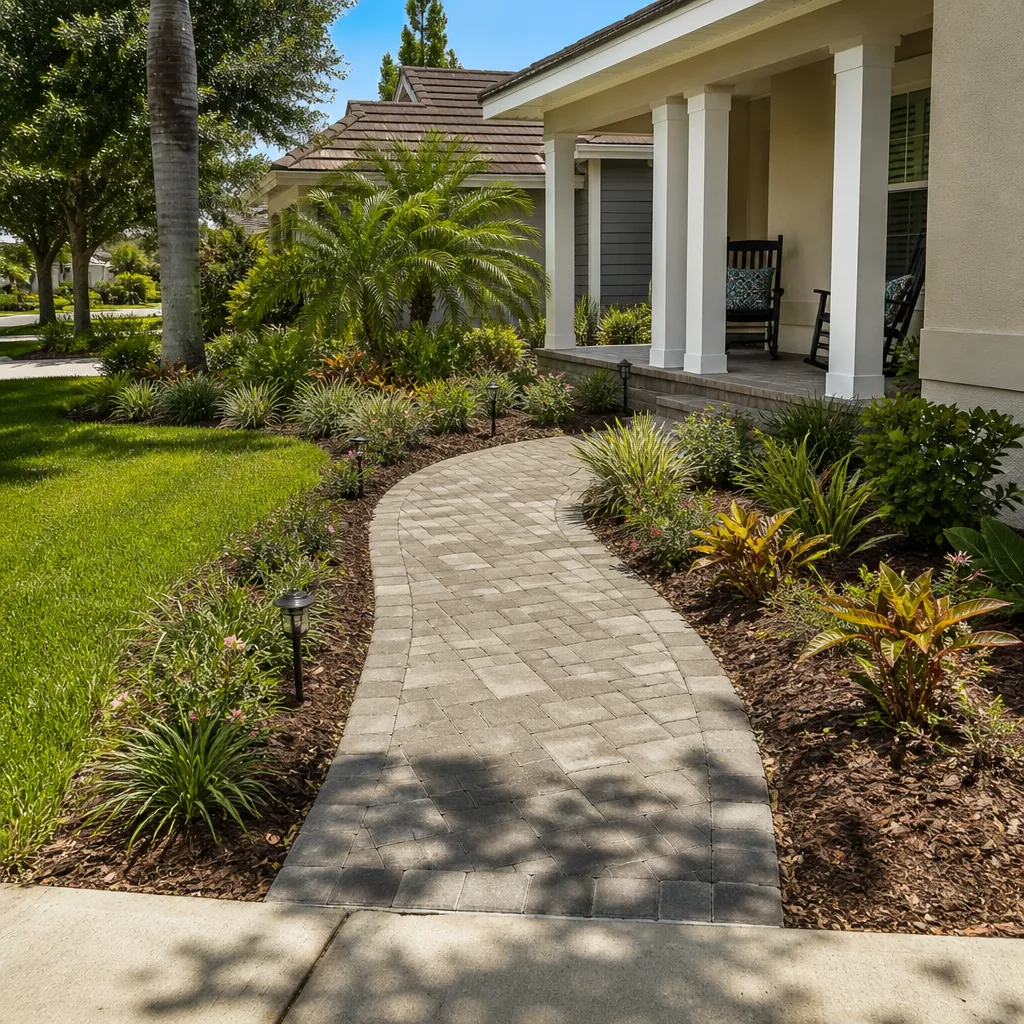
- Driveway & pavers
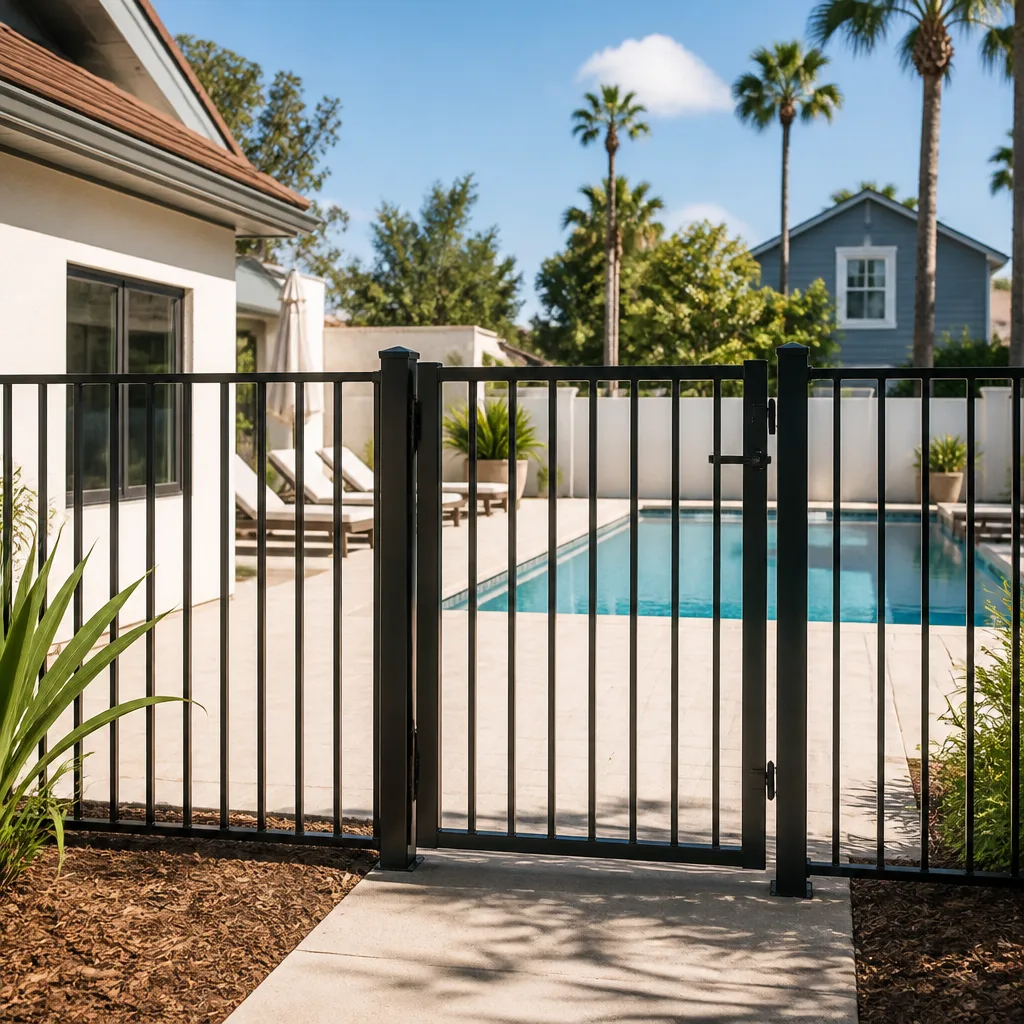
- Fence
Table of Contents
- Why coastal construction in Newport Beach demands different material criteria
- The performance criteria that actually matter here
- How to read a manufacturer warranty in a marine environment
- Brand tier reality check: premium line vs. premium-sounding name
- What “authorized installer” status really means
- Seven questions to ask about any material specification
- Where the workmanship warranty fits in
- Common mistakes to avoid
- When to call a professional
Why Coastal Construction in Newport Beach Demands Different Material Criteria
Air in Newport Beach carries salt. That single fact reshapes the material selection checklist for every roof, window, fence and paver plane you install. Fasteners that pass a lifetime in Denver corrode in a few years a few blocks from the water. Bare steel corrodes. Aluminum grades without a proper protective finish pit. Even concrete takes on a different wear pattern when humidity cycles between marine fog and dry Santa Ana wind.
Then there’s the thermal swing. A roof or paver surface heats up in the afternoon sun and drops twenty or thirty degrees overnight when the marine layer rolls in. Multiply that daily expansion-and-contraction over five thousand cycles a year. Materials with poor thermal cycling performance crack at joints, open at seams, and de-bond from the substrate. Thermal cycling is the most common failure mechanism we see on coastal Newport Beach projects, and it doesn’t appear on a spec sheet unless you ask for it.
UV exposure rounds out the picture. Coastal California sun is intense, and it hits the top of a house all day. Products without solid UV stability ratings chalk, fade, embrittle and lose structural performance. Fences turn gray. Paver finishes erode. Vinyl windows take on a chalky haze. The Newport Beach market rewards buyers who screen for these three factors before they compare price.
Where you sit in the city also matters. A home near the harbor at Balboa sees more salt spray than one up on Spyglass Hill, and inland edge neighborhoods closer to Costa Mesa get more of the hot inland pull. Material specs that make sense on a windward beach lot can be overkill two miles inland. Ask any contractor to explain the microclimate on your block before you accept a material list.
The Performance Criteria That Actually Matter Here
Material choices get emotional because most buyers compare visible finishes, not performance numbers. In Newport Beach, the numbers matter more than the finish, because the finish depends on the numbers. Here’s what a written material specification should show you before you sign.
- UV stability rating. Look for a manufacturer-published figure under a recognized weathering test (ASTM G154 or G155 is the usual reference in the US). A product with a rating in the mid-to-high range against color shift and gloss loss will hold up. A spec sheet with no UV comment is a red flag.
- Salt spray resistance certification. Metals, coatings and hardware should be qualified to an ASTM B117 salt spray standard. Ask for the test duration. A window frame or a fastener finish with a several-hundred-hour rating is standard for coastal installations.
- Thermal cycling performance. Roofing, pavers and window assemblies should carry a documented expansion and contraction behavior. Rigid materials that fail to allow for movement open at joints.
- Wind rating for roofing. Newport Beach sits in a wind-exposed coastal zone. A roof system rated to at least 110 mph wind uplift, with the correct nailing pattern and underlayment, is the baseline for local roofing.
- Impact and durability grades on windows. Windows facing the water get driven rain and windborne debris. A high DP (design pressure) rating on the window and a proper coastal install detail on the flashing are what keep water out.
- Sealant and fastener compatibility. The best roof will fail if the mastic at the penetrations isn’t rated for a marine environment, or if stainless fasteners got swapped for zinc-plated.
Every number above should appear in a line-item specification, not a marketing brochure. When a contractor hands over a proposal for a Newport Beach roofing or window job and it lists brands without performance data, ask them to put the number in writing.
How to Read a Manufacturer Warranty in a Marine Environment
A “limited lifetime” warranty is a marketing phrase until you read the exclusions. In a coastal market, the exclusions are what matters. This is where most Newport Beach homeowners get surprised, and it’s the section most contractors don’t walk through.
What “limited lifetime” actually covers
Most manufacturer warranties split into two periods: a full-coverage window (often a few years) followed by a prorated tail (which can run decades). During the full-coverage period, the manufacturer replaces the product. During the prorated tail, they typically cover a declining percentage of the cost, and you cover the rest plus labor. Labor for a re-roof or window replacement usually dwarfs the material cost. The workmanship warranty – the contractor’s obligation – is the piece that covers labor, and that’s why it matters as much as the manufacturer warranty.
How marine exclusions get written
Coastal exclusions show up in three common places in a warranty document. Look for language that voids coverage within a certain distance of salt water, warranty terms that exclude damage from salt spray or airborne chlorides, and coastal-specific installation requirements that, if not followed, void the claim. If a roofing or window product has a coastal exclusion and you’re within it, no authorized installer status will save the claim. The manufacturer will point to the installation instructions.
The documentation that makes a claim possible
Warranties get denied over paperwork, not over product failure. To make a claim stick, you’ll want the purchase receipts showing the exact spec of product used, the installation documentation (including photos of the install before the top layer goes on), the original signed contract that names the product, and proof that an authorized installer did the work. Every one of these should be handed to you at project close. If a contractor doesn’t volunteer install photos and a product-as-installed list, ask for them. We hand over the full package at close on every project, and we back the workmanship on top of the manufacturer warranty with the 730-Day Done Right Promise – so if the install wasn’t done right, we come back and make it right, no fine print to argue over.
Brand Tier Reality Check: Premium Line vs. Premium-Sounding Name
The material world has more brands than it needs, and price largely stopped signaling quality when manufacturers started launching tiered product lines. A few manufacturer groups sell a premium line and a mid-tier line under related names. The premium-sounding name and the mid-tier product can land within a few dollars of each other per square foot or per unit. The way to tell them apart is to read the published spec, not the showroom card.
Three places to separate a true premium line from a mid-tier one:
- The warranty length and structure. Premium lines almost always carry longer full-coverage periods and fewer coastal exclusions. Mid-tier products show up with shorter coverage and more carve-outs.
- The published test data. Premium lines publish UV, salt spray and impact numbers. Mid-tier lines publish less, sometimes nothing.
- The professional installation requirement. Manufacturers with strong authorized-installer networks require certified installation. That requirement is a quality signal: the manufacturer knows that the product’s performance depends on the install, and it’s willing to hold contractors accountable.
Sanitaryware is a clean example. American Standard makes a broad range of faucets and fixtures across price tiers, and the product codes and finish warranties distinguish the ranges. Toto’s premium lines carry specific performance claims you can read. Schluter’s shower waterproofing systems are specified more often than mid-tier membranes because installers can point to published testing. When a contractor names a product without the model line and the warranty, price comparison is meaningless.
The most useful question about a “premium” material claim isn’t the brand name. It’s the code. Ask the contractor to name the exact product code they’re specifying, then read the warranty on that code yourself. In our experience, the top-tier materials we specify for Newport Beach projects have a written spec sheet a page long, not a slogan. Good brand partnerships – through the full scope of our Newport Beach construction work – come with that level of specification, and they include the alternative the contractor considered and rejected.
What “Authorized Installer” Status Really Means
Any homeowner can buy a premium product from a supply house, and any licensed contractor can install it. Authorized installer status is a different relationship, and it changes the warranty and training footprint of a project. Here’s how to separate the two.
- Training requirement. Authorized installers complete manufacturer training on the correct install detail for the product, updated periodically. A contractor who simply buys at a supply house has no such training obligation.
- Installation standards. Authorized installers follow manufacturer-written installation instructions and can point to those instructions on request. Substitute details (a different underlayment, extra or missing flashing) can void the warranty claim.
- Warranty registration. Manufacturers back authorized installers with a warranty that can include labor coverage during the full period. Non-authorized installs get material-only coverage, and the labor claim usually dies.
- Accountability loop. Authorized installers work within a program that tracks complaints and project outcomes. If a program sees repeated install failures, it has a way to pull the installer’s status. That review cycle helps you as a homeowner.
When a contractor says “we’re authorized installers for the brands we use,” ask for the actual program name and what the warranty terms are under that program. A contractor who can walk you through the difference between authorized and non-authorized installs, without hesitation, is telling you something about how they run a job.
Seven Questions to Ask About Any Material Specification
These are the questions we’d want answered if someone else were building our house. Ask them in the same order on every proposal you consider, and write the answers down.
- Why this product for this application? “It’s what we use” is not an answer. The right answer names the performance criteria that drove the choice.
- What’s the alternative you considered, and why did you rule it out? A real spec has a runner-up. If a contractor can’t name a second option, they haven’t compared.
- What’s the exact product code, and can I see the spec sheet? Product line names are marketing. Product codes are truth.
- How does it perform in a coastal environment? Ask specifically about UV stability, salt spray and thermal cycling. A “we use it all over Southern California” answer doesn’t count.
- What happens to my warranty if you substitute mid-project? Materials backorder. Ask the question up front and have the substitute spelled out in writing with the warranty terms for the substitute.
- Which manufacturer warranty covers this, and what’s excluded? See the coastal exclusions discussion above. Get the warranty document itself, not a summary.
- What documentation do I get at close? Receipts, install photos, warranty registrations, signed contract with product codes. If any of those are missing, the warranty claim is weaker.
When we run a design consult for a Newport Beach kitchen or roof project, those seven questions are, in practice, the conversation. That’s why we spell out the material for each trade and each application and put the spec in the estimate. Ask any contractor to do the same. The best proposal you receive will be the one that answers all seven without you having to push.
Where the Workmanship Warranty Fits In
The manufacturer’s warranty covers materials. The workmanship warranty covers the labor. On every project, the install is where defects appear, and that’s why a long workmanship guarantee is the meaningful signal of a contractor’s confidence in their crews. Short workmanship warranties (often the industry default) leave you responsible for the labor cost to fix a material defect that shows up at year three or year four.
For a coastal Newport Beach project, a workmanship warranty needs to run long enough to cover the first three failure windows: the first wet season (leaks), the first full thermal cycle (movement), and the slow start of UV degradation (at least two years in most materials). Our 730-Day Done Right Promise runs two full years on the workmanship side of every project. That’s one of the longest windows in the residential construction space, and it’s written, not aspirational. We hand the guarantee to every homeowner at signing.
Pair this with the manufacturer warranty structure and you have a two-layer protection: the material gets its own manufacturer warranty, and the labor gets the workmanship promise. If a manufacturer claim skips the labor, the workmanship warranty catches it. Read both documents before you sign, and check that they name the same product code.
If you’re evaluating a proposal for a larger build – an addition or ADU on a Newport Beach lot – the workmanship warranty covers the finish trades as well as the structural work. Ask for the covered scope explicitly.
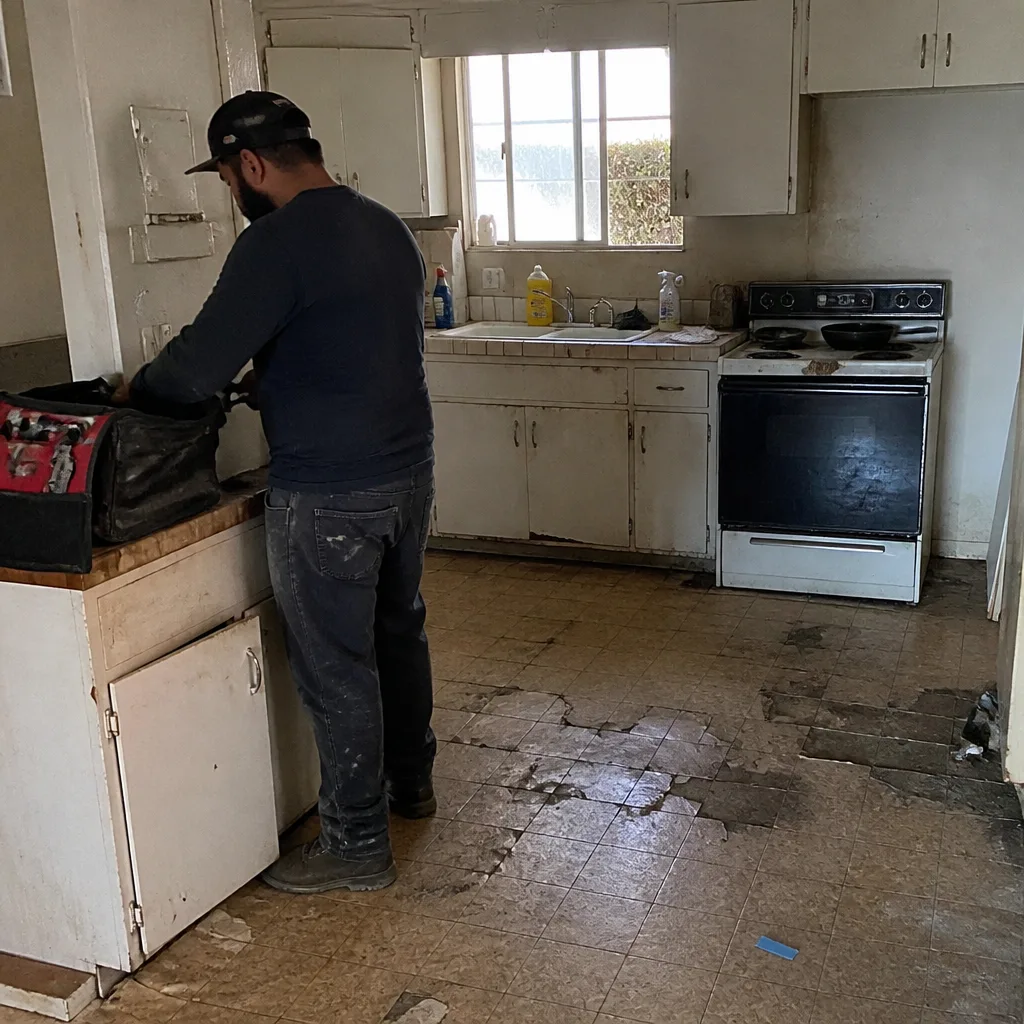
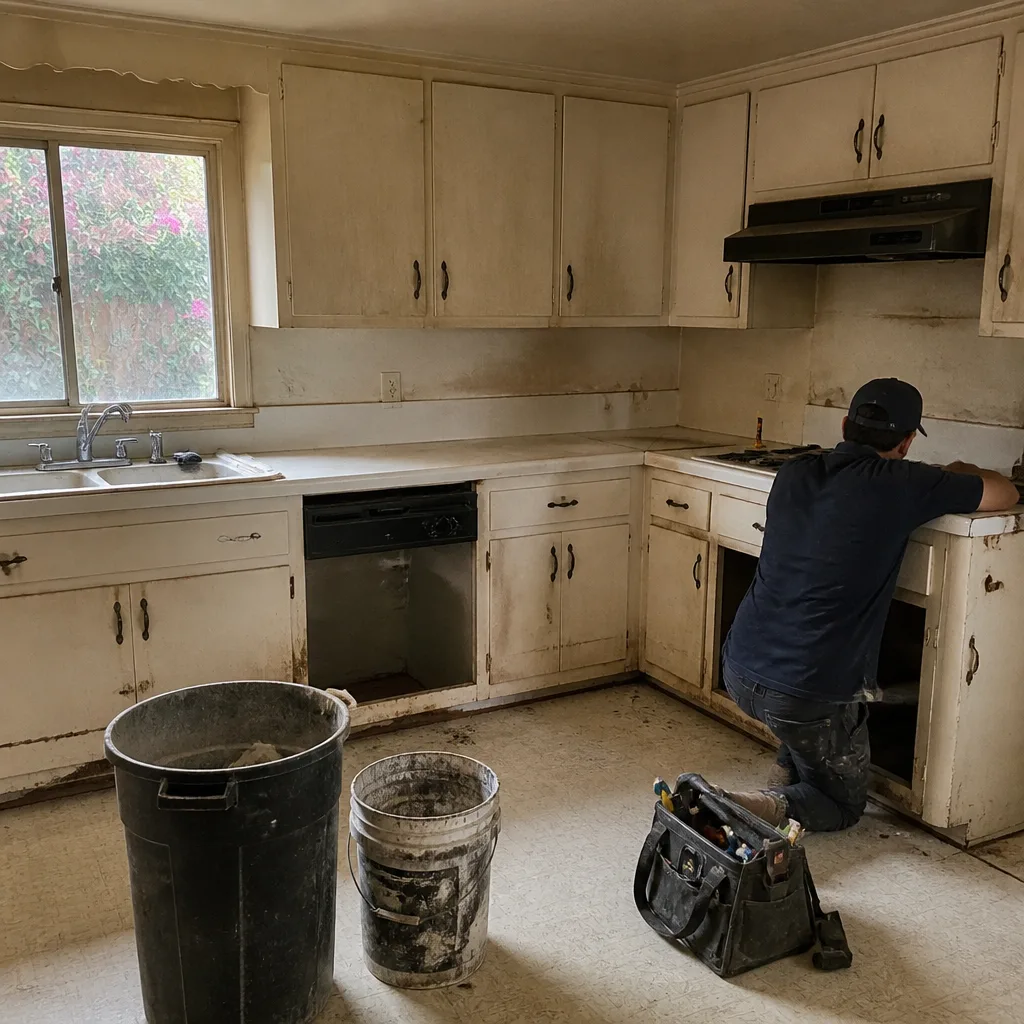
See the difference
 Before
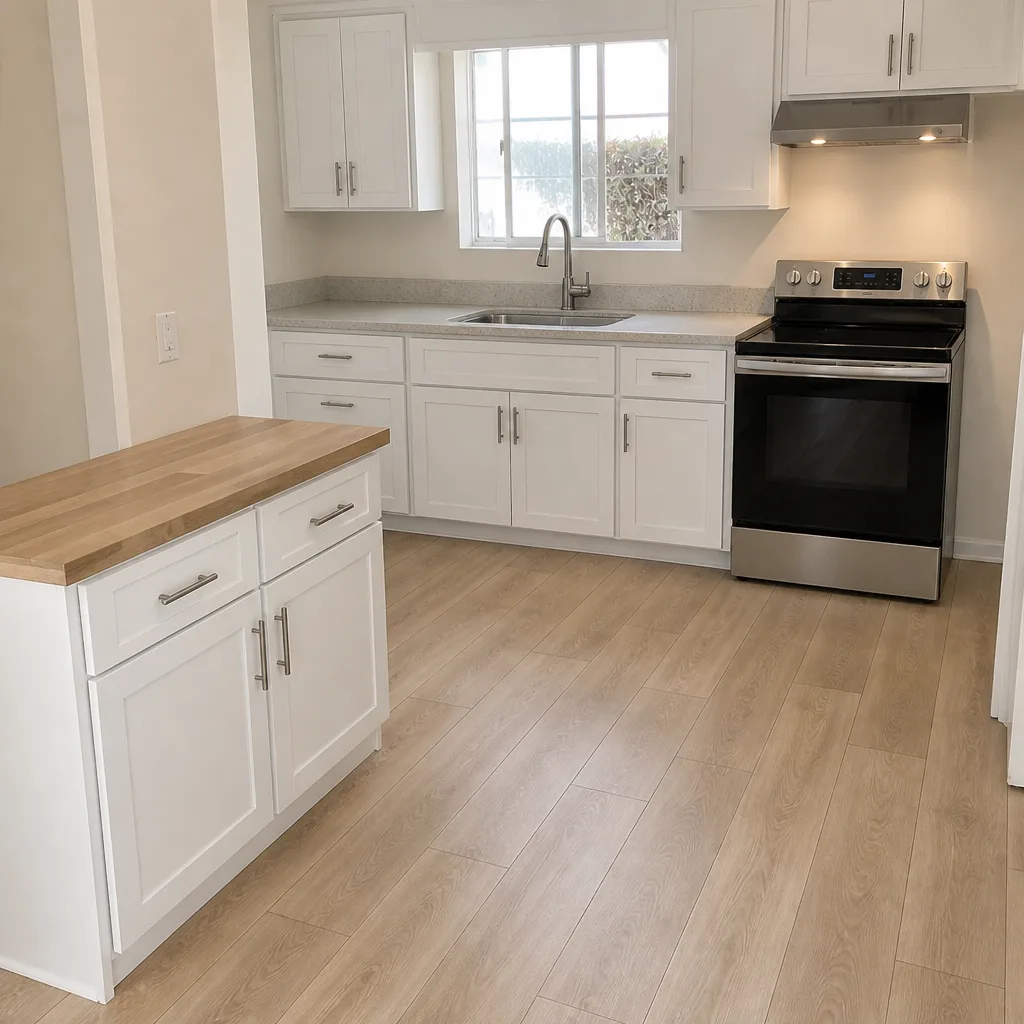 After
 Before
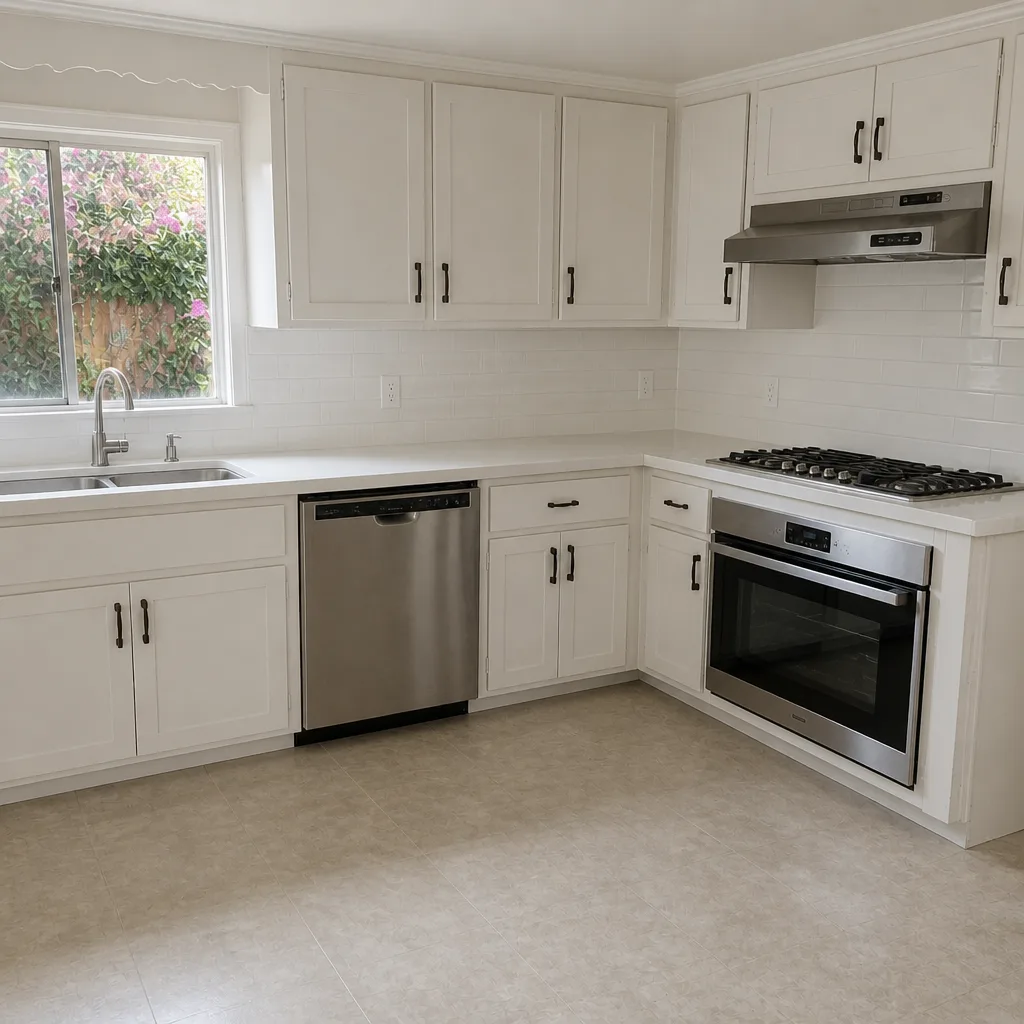 After
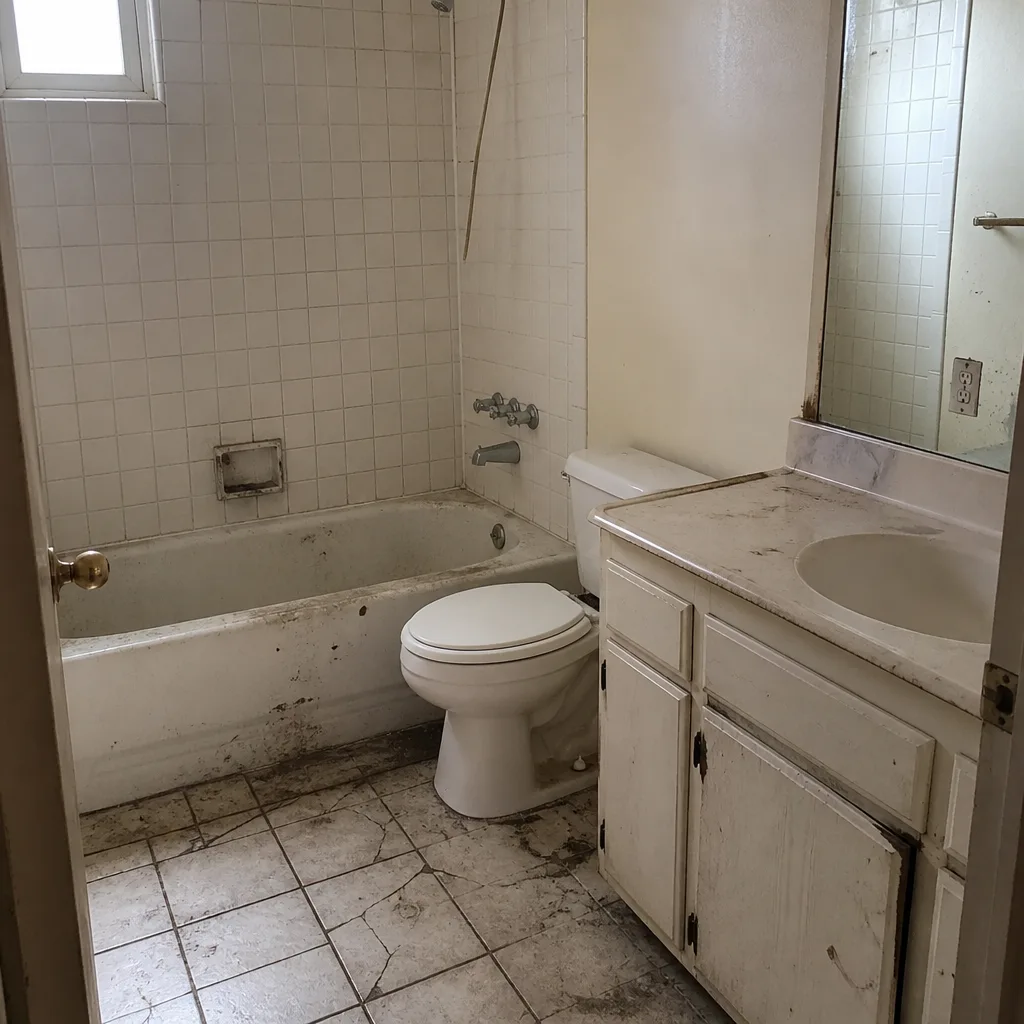 Before
 After
Other Material Categories Worth Vetting the Same Way
The framework above isn’t just for roofs and windows. Every trade has a coastal specification checklist, and every trade has the same brand-tier trap.
Driveways and pavers
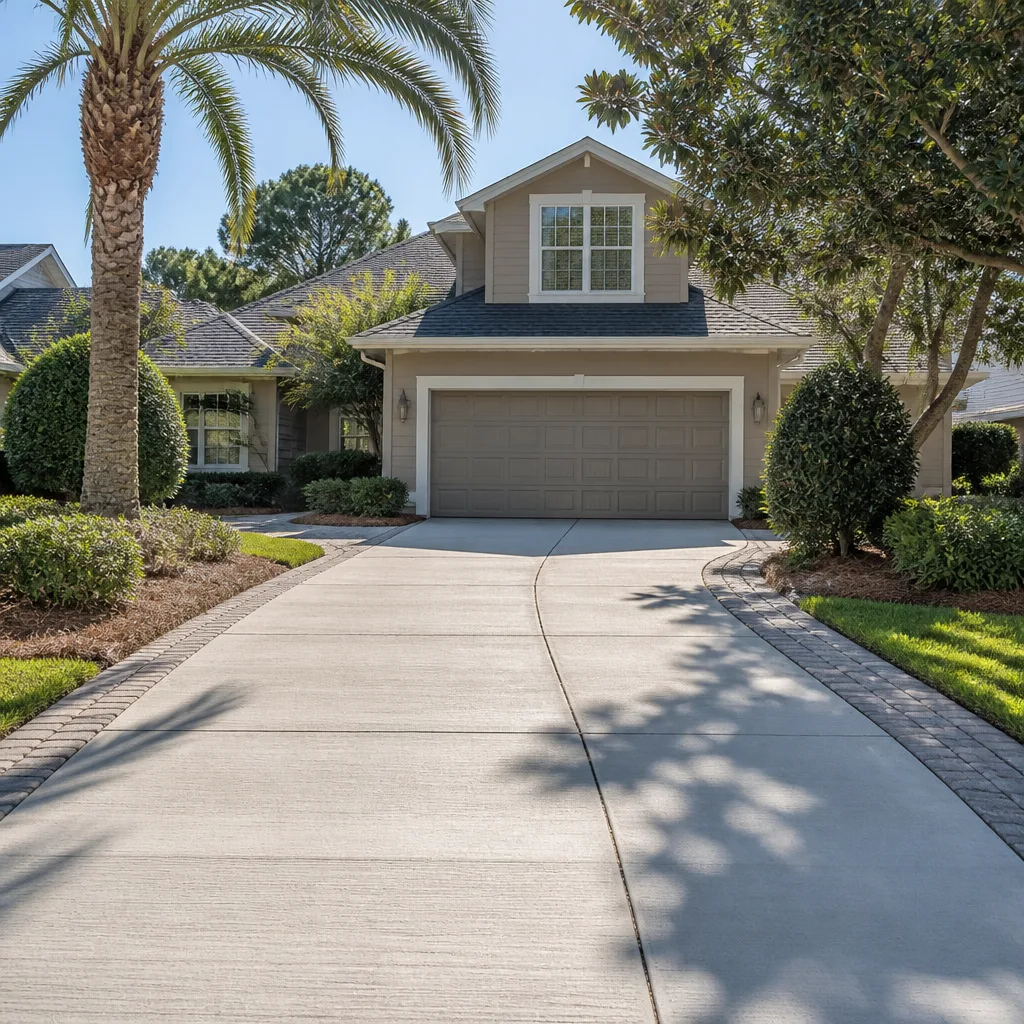
Belgard pavers hold up well to thermal cycling when they’re installed on a proper base with correct edge restraint. Cheap pavers plus a shallow base will shift and crack through the first winter. Ask about base depth (usually six to eight inches of compacted aggregate for a driveway in this market), joint sand type, and whether the paver line is rated for coastal installs. More on this in our guide to driveway and paver work in Newport Beach.
Fencing
Vinyl fencing performs well if it has UV inhibitors and a decent thickness (a hollow, thin vinyl picket will sag through the summer). James Hardie composite fencing has strong performance in coastal environments because the fiber cement doesn’t degrade from salt. Wood requires marine-grade fasteners and a periodic stain. See our page on fence installation in Newport Beach for the coastal detail.
Kitchens and baths
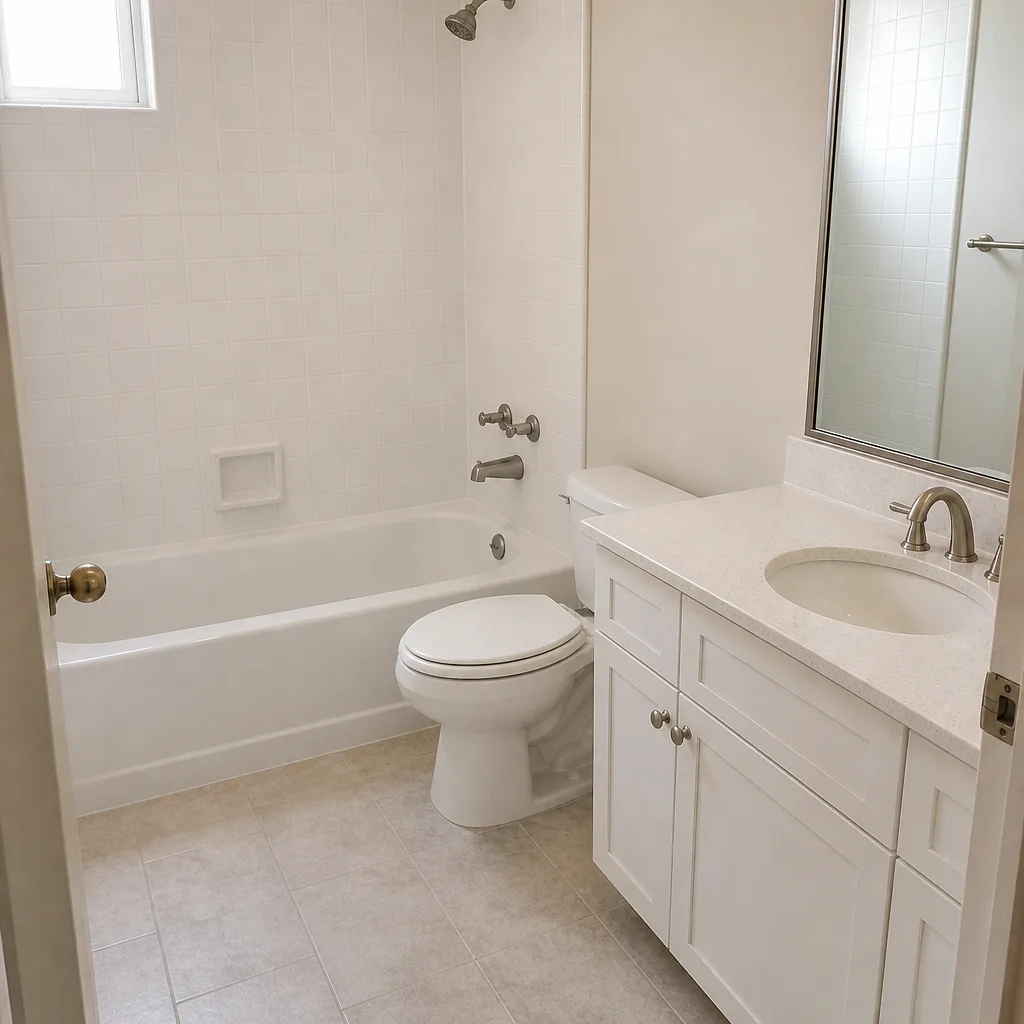
KraftMaid cabinetry, Cambria quartz counters, Kohler fixtures and Schluter shower systems are strong choices in this market because each carries a written performance claim the installer can point to. The performance criteria shift from weather to humidity and daily wear. Look for moisture-resistant substrates, proper shower waterproofing, and cabinetry finishes rated for high humidity.
Roofing
GAF, CertainTeed and Owens Corning all publish coastal wind ratings, and the top-tier lines carry longer coverage than the entry-level lines. The detail to ask about is the install spec: nailing pattern, underlayment type, and flashing material. A top-tier shingle installed with substandard underlayment and zinc-plated flashing will fail.
Common Mistakes to Avoid
- Comparing brand names without product codes. “Andersen Windows” and “a Marvin window” can describe products from wildly different tiers. Get the exact model and finish, then compare.
- Accepting a limited lifetime warranty on the brochure alone. Read the coastal exclusion section yourself. If you’re within the exclusion zone and the manufacturer knows it, the warranty may not apply.
- Skipping the workmanship warranty as a separate document. The manufacturer’s warranty covers product. The contractor’s promise covers labor. You need both in writing.
- Letting the contractor substitute a material mid-project without re-spec. Material backorders happen. What matters is that the substitution is approved in writing with the warranty terms attached.
- Ignoring the marine microclimate of your block. A spec that’s correct on a Spyglass Hill home may be overkill for a Harbor View lot and under-specified for a Balboa Peninsula waterfront.
- Paying a premium for a name that appears on a mid-tier product. Some trade brands sell the same product under two labels at nearly the same price. Compare the spec sheet, not the name.
- Not asking what documentation you’ll receive at close. The cleanest coat warranty claim is the one where you have install photos, receipts, product codes and the signed contract on file.
- Skipping a live conversation to save a phone call. The best projects start with a call, not a text quote. When you call, you want a live person on the line, not voicemail. We answer 24/7.
When to Call a Professional
You should call a professional any time the material spec affects structural performance, waterproofing or wind rating. Roof work sits in that category because the install detail on a Newport Beach roof (underlayment, flashing, nailing pattern) is a wind and water barrier that no homeowner can verify once the shingles are down. Windows sit in the same category because the flashing detail around the opening is where coastal leaks start. Fence installation involves setting posts into a base, and a shallow-set post will fail within a season or two on a lot with sand or clay. Driveway and paver work involves base prep and compaction, and the visible finish depends on the hidden layer. Larger builds – additions, ADUs, full kitchen remodels – need a contractor who can coordinate trades and hold the warranty on the whole scope.
Groundwork Construction Co. of Newport Beach offers free project estimates and design consults for Newport Beach. Call (833) 749-3967 to schedule. A live person answers 24 hours a day, seven days a week, and their material specifications and warranty scope are put in writing before any work begins.
Frequently Asked Questions
There isn’t one “best” brand across all trades. The best choice depends on the trade and the microclimate on your lot. In practice, the brands that perform well in Newport Beach are the ones that publish UV stability, salt spray and thermal cycling data and back it with a written warranty. Strong names that hold up here include KraftMaid for cabinetry, Cambria for quartz counters, GAF, CertainTeed and Owens Corning for roofing, Andersen, Pella and Marvin for windows, James Hardie for fencing and siding, Belgard for pavers, and Kohler, Toto and American Standard for fixtures. Read the warranty on the exact product code before you accept any of them. Call (833) 749-3967 for a free estimate on your project – we’ll walk you through the material spec for each trade.
Read the exclusions section, not the headline. Coastal exclusions usually appear as distance-from-saltwater clauses, salt spray carve-outs, and installation requirements that void the claim if not followed. Ask the contractor to hand you the actual warranty document for the product they’re specifying, then read the exclusions for the words “coastal,” “marine,” “salt” and “installation instructions.” If those words appear in a way that limits the claim, treat the warranty as conditional. If the contractor can’t produce the document, that’s the answer. Call (833) 749-3967 for a free estimate and a walkthrough of the warranty terms before you sign anything.
Authorized installers go through manufacturer training, follow written install instructions, and can register a warranty that includes labor coverage for the full period. Contractors who buy the product from a supply house have no training requirement, and the install warranty defaults to material-only. Ask for the program name and the labor coverage terms – that’s how you tell the two apart. Call us for a free estimate if you want the difference spelled out on your own project.
Yes. Groundwork Construction Co. of Newport Beach offers 0% financing for 18 months on projects and $1,000 off any project over $10,000. Both are standing offers, not limited-time promotions, and they apply to projects in Newport Beach. Pair the financing with the free project estimate and design consult and you can plan the project on a fixed budget without hidden surprises. Call (833) 749-3967 to schedule the estimate and talk through the financing terms.
Coastal-rated roof systems in Newport Beach typically price in the per-square-foot range quoted by the contractor’s line-item estimate. Exact pricing depends on roof size, pitch, underlayment type, flashing material and the shingle line. Ask for a written estimate with the shingle product code, underlayment type and flashing material named. That’s the only way to compare two quotes fairly. Call (833) 749-3967 for a free estimate; we give a written line-item quote on every roof project.
Usually, yes. Fences over a certain height, any paving work that changes drainage, and window replacements that alter the opening or egress all typically require a permit in Newport Beach. Requirements shift based on the specific project scope, so the contractor should check with the city before work starts and pull the permits. Ask any contractor whether they pull permits and whether they include permit costs in the estimate. If they answer “we don’t bother,” that’s a warning sign. Call (833) 749-3967 for a free estimate; permits and inspections are part of the scope on every project we quote.
It’s a written workmanship guarantee that runs 730 days from project completion. If something on the workmanship side fails during that window, we come back and make it right at no labor cost to you. It sits on top of the manufacturer warranty on the material, so the manufacturer covers the product and the promise covers the labor. That’s one of the longest workmanship windows in the residential construction space, and it’s in writing. Call (833) 749-3967 for a free estimate and we’ll review the promise before you sign.
The Bottom Line
The right construction brand for your Newport Beach project is the one that shows you the performance numbers – UV stability, salt spray resistance, thermal cycling – the exact product code, and a written workmanship guarantee that runs long enough to expose installation defects. Brand partnerships matter only when they carry training, warranty registration and labor coverage, not just a logo on a proposal. Ask the seven questions. Read the warranty exclusions. Get everything in writing at close. If you want a contractor who hands you the spec, the warranty document and the install photos in one package, call (833) 749-3967 to schedule a free estimate and design consult.
Written by the team at Groundwork Construction Co. of Newport Beach.