Last updated November 17, 2026


Free written scope consultation - allowances, timeline, and change-order rules on paper before a single trade is scheduled
The Complete Fence Installation Guide for Newport Beach Homeowners
Newport Beach has some of the highest rates of neighbor fence disputes in Orange County. Not because people here are difficult – because property lines along older coastal lots often don’t match where either neighbor assumes they are. A fence that looks correct on a plat map can end up six inches onto your neighbor’s side of a 1950s lot in Newport Heights, and that six inches is where a friendship and a few thousand dollars go to die. This guide covers what Newport Beach specifically adds to an otherwise straightforward project: view ordinances, salt air, HOA approvals, survey gaps, and the paperwork that separates a fence that lasts from one you tear out next spring.
Quick Answer
A fence installed in Newport Beach typically runs $4,500 to $14,000 for a standard residential lot, and the biggest variables have nothing to do with the panels you pick. Survey verification, Coastal and HOA approval, and view-corridor restrictions determine whether your project moves forward on schedule or stalls for weeks. Get the property line surveyed and the HOA packet approved before anyone digs a post hole. Skip those steps and you’ll pay twice.
Styles & brands we work with
- Kitchen remodeling
- Bathroom remodeling
- Home additions & ADU
- Roofing
- Windows & doors
- Driveway & pavers
- Fence
Table of Contents
- What Are Newport Beach’s Fence Height Limits by Zone?
- What Is the View Protection Ordinance – And Does It Apply to You?
- How Do You Handle Survey Discrepancies on Older Coastal Lots?
- Which Fence Material Actually Holds Up in Salt Air?
- How Long Does HOA Fence Approval Take in Newport Beach?
- What Should Be in Writing Before Installation Begins?
- What Does Fence Installation Cost in Newport Beach?
- Step-by-Step: What the Installation Process Should Look Like
What Are Newport Beach’s Fence Height Limits by Zone?
Newport Beach’s baseline residential fence rules are straightforward on paper: front-yard fences max out at 42 inches, and side and rear-yard fences run 6 feet, with an additional 2 feet permitted if the top 2 feet are open-work (like lattice or a see-through panel) and the fence sits along a side or rear lot line. Anything taller needs a permit and, frequently, a variance. That’s the simple version.
Where it gets complicated is that height limits are applied by zone, not uniformly across the city. The residential zones most homeowners actually live in – R-1 and R-2 – follow the standard 6-foot side/rear rule. But lots in the coastal zone, within the Bayview Overlay, or on properties adjacent to public right-of-way have tighter rules on what you can build toward the street. Fences in front-yard setbacks in the Balboa Peninsula, Balboa Island, and parts of Lido Isle are subject to additional review because they affect public viewshed corridors. The Community Development Department reviews these on a case-by-case basis.
Here’s the practical translation:
- R-1 and R-2 residential lots (interior streets): 6 feet side/rear, 42 inches front. Standard path.
- Front-yard fences along public streets: 42 inches, unless you’re using open-work construction for the top portion, in which case 6 feet may be allowed with a permit.
- Coastal zone lots (Balboa, Lido, Peninsula): Often face additional view-corridor and public-access review. Get a pre-application check with the city before designing.
- Corner lots: Height limits drop near the corner sight triangle – typically 3 feet within 20 feet of the corner – for visibility of cross-traffic and pedestrians.
The most common mistake we see in Newport Beach is homeowners who measure their neighbor’s 6-foot fence and assume theirs can match, without checking whether the neighboring property is on a corner lot, backs to a coastal bluff, or sits within a view corridor. Those are the ones that get flagged during inspection. Pull your zone designation and parcel map first – it’s free at the city counter or online – then build the design around what the zone actually permits.
What Is the View Protection Ordinance – And Does It Apply to You?
Newport Beach has a View Protection Ordinance that goes further than most cities’ fence rules and is the single most misunderstood piece of the local code. In simple terms: if your fence (or hedge, or landscape screen) blocks a neighbor’s protected view, the neighbor can file a complaint and the city can require you to modify, lower, or remove what you’ve built. This applies regardless of whether your fence meets the height limit for your zone. Height compliance and view protection are two separate tests – you need to pass both.
In practice, the ordinance bites hardest in three situations:
- View-corridor lots above the coastline, particularly along the bluff-top streets in Corona del Mar, the hillside streets in Newport Coast, and the elevated sections of Spyglass Hill. If your property is uphill of a row of homes that have historically enjoyed ocean or bay views, a taller or denser fence can trigger a complaint.
- Hedges and screen plantings treated as fences, which is where many people get surprised. A 10-foot-tall podocarpus hedge blocks a view just as effectively as a 10-foot wall, and the city reviews the two the same way.
- Fence replacements that increase solid height, even when the original fence was already at the limit. If the previous fence was semi-open (chain link, wrought iron) and you’re replacing it with a solid board-on-board wood panel, that counts as a new obstruction and can be reviewed as such.
The best preventive move is to talk to the neighbors whose views could be affected before you finalize the design. A brief conversation – “we’re planning a 6-foot solid cedar fence along the east side, want to see the design?” – has saved more Newport Beach projects than any other single step. If there’s a disagreement, both the city’s process and the realities of living next door get easier when the discussion happens early. A solid fence contractor in Newport Beach will factor this conversation into the pre-construction checklist, not treat it as an afterthought.
How Do You Handle Survey Discrepancies on Older Coastal Lots?
This is the step most homeowners skip, and it’s the leading cause of expensive redo’s on Newport Beach fence projects. Lots in the older neighborhoods – Newport Heights, Balboa Island, Lido Village, the Peninsula, parts of Corona del Mar – were platted decades ago and sometimes re-established or adjusted when the coastline moved, streets were widened, or small parcels were subdivided. What’s stamped on the assessor’s plat map and what’s physically marked on the ground are frequently two different things.
Before we install a fence anywhere in Newport Beach, we walk through this sequence:
- Pull the most recent recorded survey. You may already have one from your home purchase. Check the date – if it’s more than 10 years old and any work was done on adjacent properties since then, plan to update it.
- Commission a boundary survey if there’s any ambiguity. A licensed surveyor will physically mark the corners with stakes and a flag. In Newport Beach coastal lots, that runs $600 to $1,800 depending on lot size, terrain, and how much monument recovery the surveyor needs to do.
- Walk the line with both neighbors if possible. Showing the stakes and a copy of the survey to the person on the other side of the fence does two things: it establishes agreement in writing if you sign a note, and it prevents a “we thought the line was over there” objection six months after install.
- Document the fence placement with photos and the survey date. Store this. If a dispute ever arises, the paper trail matters.
- Adjust the design around the actual line, not the plat map. Sometimes that means a fence along a line that doesn’t run parallel to the house. It looks odd from above. It looks fine from the ground. Build to the survey.
One more Newport Beach-specific wrinkle: on bayside properties where the lot line meets the water, the question of where private property ends and where the tidelands or harbor-side easement begins has been litigated across the county for decades. If your fence is going anywhere near the water’s edge, get the surveyor’s opinion in writing before you build. The city will ask for it during permit review.
Which Fence Material Actually Holds Up in Salt Air?
Salt air is the great equalizer. Every material oxidizes, corrodes, warps, or fades faster on the coast than a manufacturer’s lab data suggests, and Newport Beach sits squarely inside that coastal zone. Here’s what we actually see from installed fences across Newport Beach neighborhoods – realistic lifespans, not marketing sheets.
- Western red cedar: The best natural option for the coast. Cedar’s own oils resist moisture and insects, and it weathers to a silvery gray that most Newport Beach homeowners either love or stain back to warm brown. Realistic coastal lifespan: 12 to 18 years for the boards, longer for posts if they’re set properly in concrete. Use stainless or hot-dipped galvanized fasteners – ordinary steel screws will fail at the heads within a few years in salt air.
- Pressure-treated pine: The budget choice. Holds up for 8 to 12 years with regular sealing, but it’s more prone to warping and checking than cedar in the marine layer. Not the best choice for a 15-year-horizon project.
- Vinyl (PVC): No rot, no painting, no insects. But standard-grade vinyl fades and can chalk in direct UV, and cheap vinyl goes brittle and cracks in temperature swings. Premium architectural-grade vinyl (the kind rated for coastal installs) performs well – 20 to 25 years is realistic – but if it’s less than $60 per linear foot installed, it’s likely not the coastal-grade product.
- Powder-coated aluminum: The best performer for ornamental and semi-privacy fencing along the coast. It won’t rust, won’t warp, won’t fade under UV. Lifespan is 25 to 30 years with occasional rinsing. The higher upfront cost (typically $75 to $120 per linear foot installed) is offset by near-zero maintenance. We use aluminum widely on the bluff-top lots in Corona del Mar and Newport Coast.
- Composite: Wood-look without wood’s maintenance. Quality composite runs 20 to 25 years on the coast. Watch the wood-grain line closely – lower-end composites can look plasticky after a few years of full sun.
| Material | Realistic Coastal Lifespan | Installed Cost per Linear Foot | Best For |
|---|---|---|---|
| Cedar | 12-18 years (boards) | $45-$90 | Privacy fences, traditional look |
| Pressure-treated pine | 8-12 years | $35-$60 | Budget projects, temporary screens |
| Premium vinyl | 20-25 years | $60-$110 | Low-maintenance privacy, HOA-friendly |
| Powder-coated aluminum | 25-30 years | $75-$120 | View corridors, ornamental, coastal bluff lots |
| Composite | 20-25 years | $65-$115 | Wood look, no staining, harbor-side lots |
Whichever material you choose, fasteners matter more than homeowners expect. Stainless steel or hot-dipped galvanized hardware is non-negotiable in Newport Beach. It adds a small percentage to material cost and saves the whole fence.
How Long Does HOA Fence Approval Take in Newport Beach?
The HOA timeline is the single biggest source of “the fence was supposed to be done three weeks ago” stories we hear. Newport Beach has more than 60 active HOAs across its housing stock, and each one runs its architectural review process on its own clock. Realistic timelines we’ve seen:
- Smaller HOAs (under 100 units) – 2 to 4 weeks from submission to decision, assuming a complete packet. Monthly board meetings constrain the calendar.
- Mid-size HOAs (100-300 units) – 3 to 6 weeks. The architectural committee often reviews first, then the board ratifies at the next meeting.
- Larger master associations (Newport Coast, parts of Big Canyon, Lido Isle, the Peninsula’s larger communities) – 4 to 8 weeks. Some require neighbor notice, some require a published noticing period, some require board-level sign-off at specific meetings.
- Adversarial or complex cases – 2 to 3 months. If your fence design draws objections from a neighbor with voting leverage on the board, expect calendar drift.
The packet an HOA typically wants:
- Project description (fence type, height, material, color, and length)
- Site plan drawn to scale, showing the fence in relation to the property line and neighbors’ lots
- Photographs of the current fence if there is one
- Manufacturer specification sheets for the material
- Color samples (especially for painted/stained wood or colored vinyl)
- Contractor’s license and insurance certificate
- Neighbor acknowledgment form, if the HOA requires it
The smart play is to draft the packet before you ever sign a construction contract. HOA approval delays can kill a project’s budget if you’ve locked in material pricing with a contractor and then spend two months waiting on a board vote. In our experience, projects that start the HOA process in parallel with the design phase finish 4 to 6 weeks faster than projects that do them sequentially.
Something to budget for: even after HOA approval, most Newport Beach associations still require a city permit for anything over the standard height, and some require both. The city and the HOA are two separate approval paths – you’ll need both.
What Should Be in Writing Before Installation Begins?
Cut-rate fence quotes leave things out. Not maliciously, always – sometimes because the contractor genuinely doesn’t know the local process, sometimes because they’re not licensed to do the part that requires permitting. Here’s what a full-scope fence project in Newport Beach should specify in writing, and what a “we’ll just get it done” quote tends to miss.
- Permit responsibility and cost. Permits are required for fences over the standard height and fence-walls in many Newport Beach zones. A legitimate quote states who pulls the permit, who pays the fee, and who attends the inspection. Cut-rate quotes frequently omit this and then add it as a change order mid-project.
- Neighbor notification in writing. Not a legal requirement for all projects, but a smart step. The quote should state whether the contractor will handle the notification, who drafts it, and what happens if a neighbor objects.
- Post depth and setting method. This is the single most important technical spec, and it’s the one most often left vague. Newport Beach soil varies widely – sandy near the beach, clay-heavy inland. Posts should be set at least 2 feet below the surface (24 to 36 inches, deeper for taller fences or gates), below the frost line, in concrete poured to the manufacturer’s spec. The quote should state the depth in writing.
- Fastener material. Stainless steel or hot-dipped galvanized. Ordinary screws rust through in coastal air. Any quote that doesn’t specify should be sent back.
- Removal and disposal of the old fence. Often skated over. State whether haul-off is included.
- Gate hardware and adjustment. If gates are part of the project, the quote should specify hinges, latches, and a post-install adjustment visit.
- Workmanship warranty in writing. Not “we stand behind our work” – an actual written duration. At Groundwork Construction Co. of Newport Beach, all projects are covered by our 730-Day Done Right Promise, one of the longest workmanship guarantees in the residential construction space. If the fence fails within that window due to our installation, we make it right.
- Fixed price with no change orders. Upfront, no-hassle pricing means the number on the quote is the number you pay. If a contractor quotes low and reserves “allowances” for common items, ask for a fixed number before signing.
Read the quote as if it were a legal document, because it is. Ambiguity on any of the above items costs more than a couple of percentage points on the total – it costs a second fence.
What Does Fence Installation Cost in Newport Beach?
Fence installation in Newport Beach runs $4,500 to $14,000 for a typical residential lot, depending on linear footage, material, and the extent of site prep. That range assumes between 100 and 180 linear feet of fencing, standard-height installs, and a project without unusual survey or HOA complications. Heavily sloped lots, bluff-top properties, and waterfront installs push above the top end.
Breakdown by component:
- Survey (if required): $600-$1,800
- Permit fees (when applicable): $150-$650
- Old fence removal and haul-off: $300-$900
- Fence material and installation: $35-$120 per linear foot depending on material choice
- Gate install (per gate): $250-$650
- Permit-required inspection corrections (rare): $0-$500
The variables that push a Newport Beach project toward the top of the range are:
- Linear footage on corner lots – corner properties often need fence on more sides than interior lots
- Coastal zone view-corridor analysis – if your fence needs documentation of a view-impact study, that adds hundreds to low thousands of dollars depending on complexity
- Material choice – cedar versus premium aluminum can be a $3,000-$5,000 swing on the same 150-foot lot
- HOA modification requests – architects and structural reviews add professional hours
A fixed-price quote in Newport Beach should itemize these components. If the quote is one big number, ask for the breakdown. If you’re comparing contractors and one number is dramatically lower, check whether they’ve omitted the survey, permit, and removal items – they’re frequently the ones that show up as change orders six weeks later. Groundwork Construction Co. of Newport Beach offers 0% financing for 18 months and $1,000 off any project over $10,000, which changes the cash-flow picture on replacement-plus-upgrade projects.
Step-by-Step: What the Installation Process Should Look Like
The right sequence of steps protects the project from delays and rework. Here’s what a well-run fence installation looks like in Newport Beach, from first call to final walkthrough:
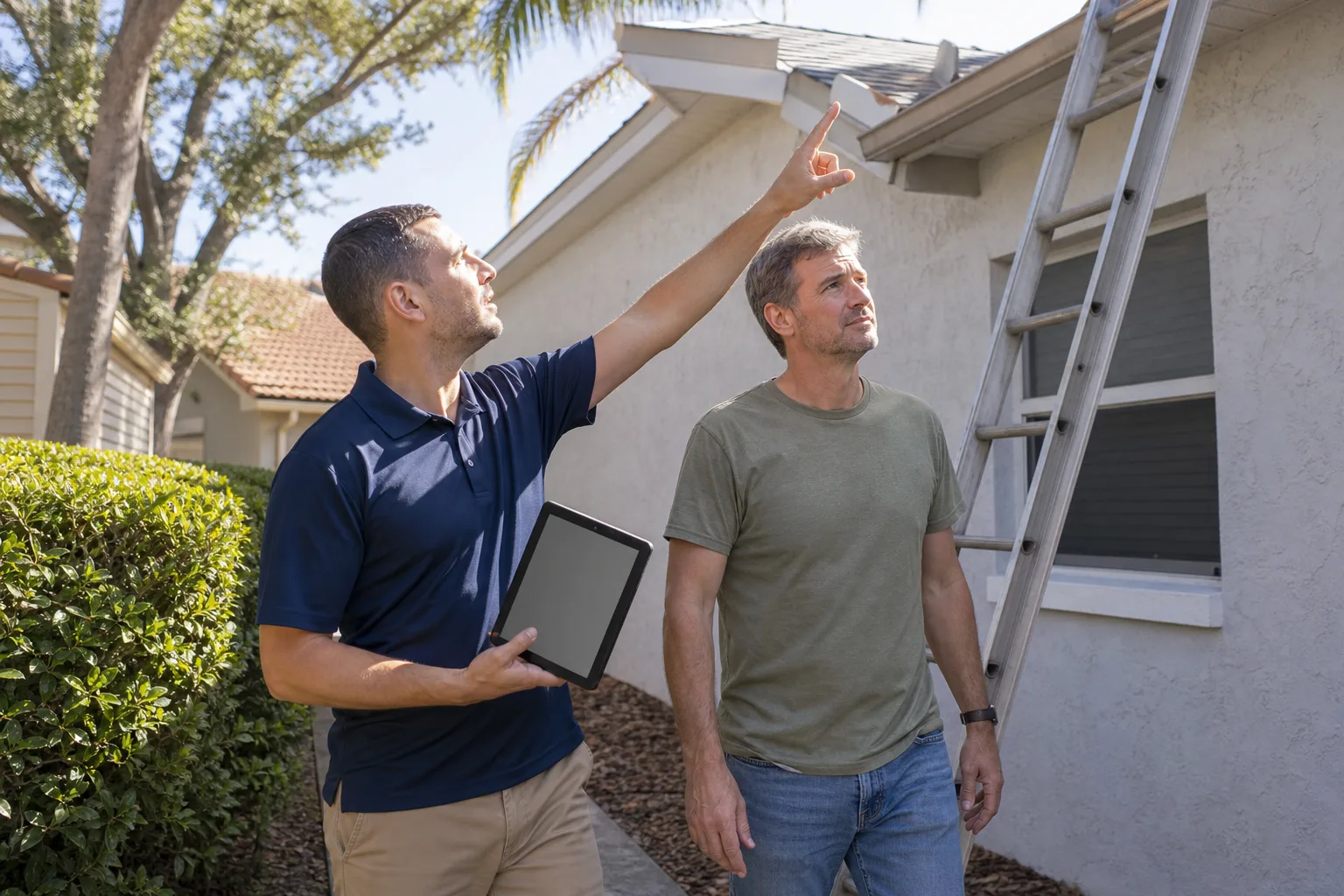
- Free estimate and site walk. The contractor walks the property with you, checks the fence line, notes obstacles (irrigation, trees, hardscape), and measures. You get a fixed-price quote with the itemization above.
- Survey verification. Either existing survey is confirmed valid, or a new one is commissioned. Stakes flag.
- HOA packet submission (if applicable). In parallel with the survey. The packet goes in early to minimize calendar drag.
- City permit application (if required). Over-height fences, view-corridor properties, and fence-walls need permits. This step usually runs 2-4 weeks in Newport Beach.
- Neighbor notification. A short written note with the design, timeline, and installer name. Not legally required everywhere, always smart.
- Material confirmation. Confirm the fence panels, fasteners, posts, and hardware are the specified items before installation begins. Avoid last-minute substitutions.
- Installation. Posts set first, cured, then panels and rails. 2 to 5 days for most residential projects.
- Cleanup and walkthrough. Haul-away, gate adjustment, and a final walk with the installer to check every hinge and post.
For related projects, our guide to Driveway & Pavers in Newport Beach covers the grading and hardscape prep that often runs alongside fence installation, particularly on older lots in Newport Heights and Lido Village. And if a fence project is part of a larger renovation – say, adding a detached structure along the back line – our team handles that too under Home Additions & ADU in Newport Beach.
Common Mistakes to Avoid
- Building to the assessor’s plat map instead of the recorded survey. The plat map is a tax document, not a legal boundary record. Lines on older Newport Beach coastal lots drift by inches to feet – build to the survey or you’ll correct the whole fence later.
- Skipping the view protection check on bluff-top or hillside lots. A fence that complies with your zone’s height limit can still be required to come down if it blocks a neighbor’s protected view. Corona del Mar, Newport Coast, and Spyglass Hill properties run into this most often.
- Buying cheap steel fasteners. Ordinary screws rust through at the heads within 2-3 years in salt air. The savings on hardware is a few hundred dollars; re-fastening a 150-foot fence costs 10x that.
- Starting the HOA packet after signing the contract. HOA approval timelines stack on top of permit timelines, and a two-month wait on the packet plus a month on the permit can move the start of install by a full quarter. Get the packet in early.
- Replacing a semi-open fence with a solid panel without re-checking the code path. A chain-link or ornamental fence replaced with a solid board fence is often treated as a new obstruction, and the height allowed under semi-open rules may not carry over to the solid design.
- Ignoring corner lot height reductions. Within 20 feet of a corner, height often drops to 42 inches for sight-line visibility. Fencing straight through at 6 feet will fail inspection on a corner lot every time.
- Accepting one-dimension quotes. Any quote that doesn’t specify post depth, fastener material, and gate hardware is an incomplete quote. Make them put it in writing or send it back.
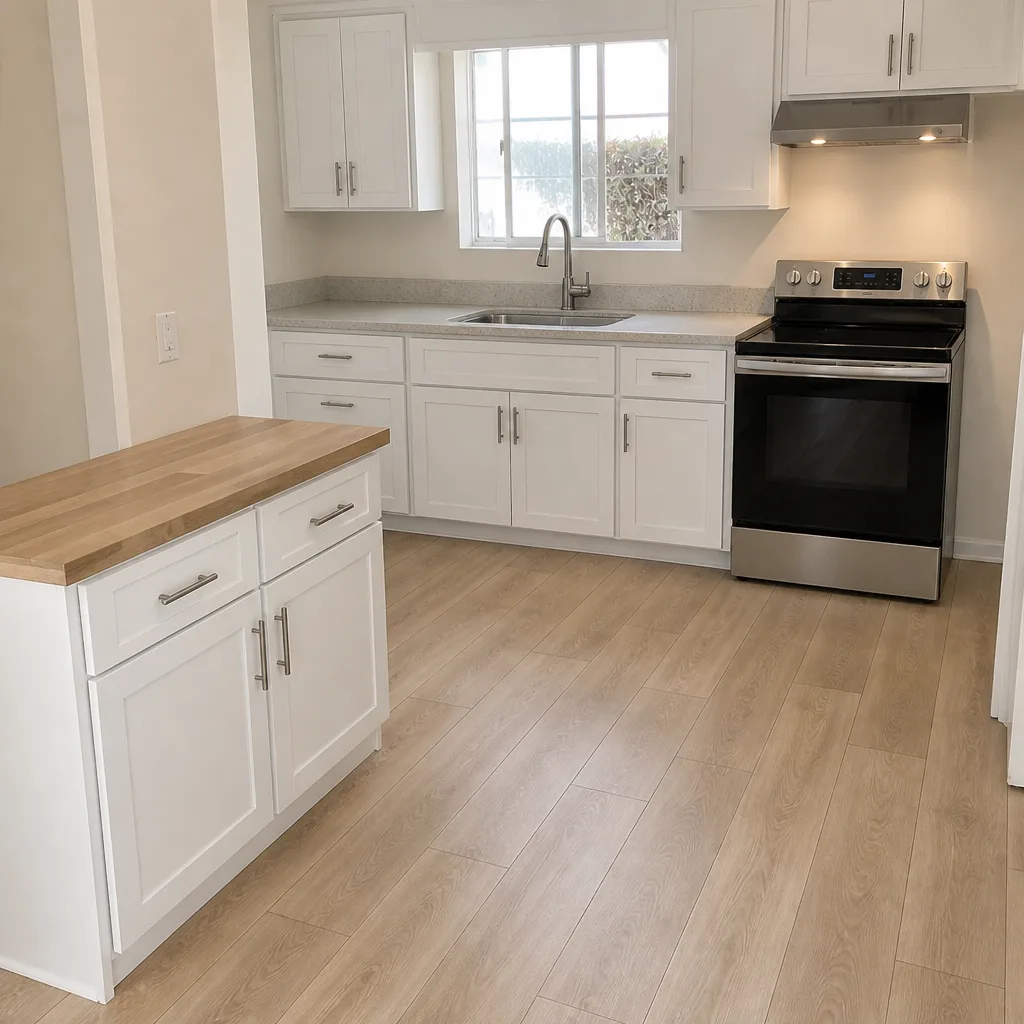
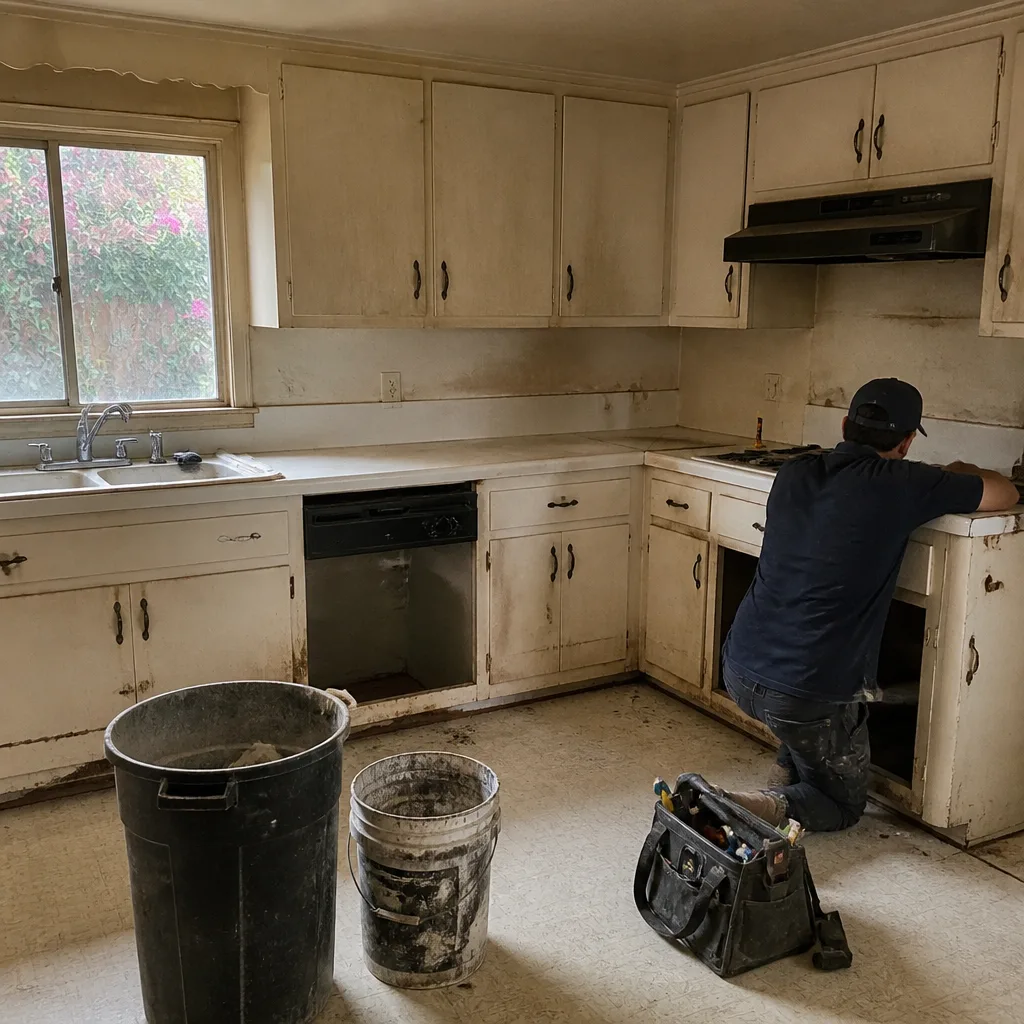
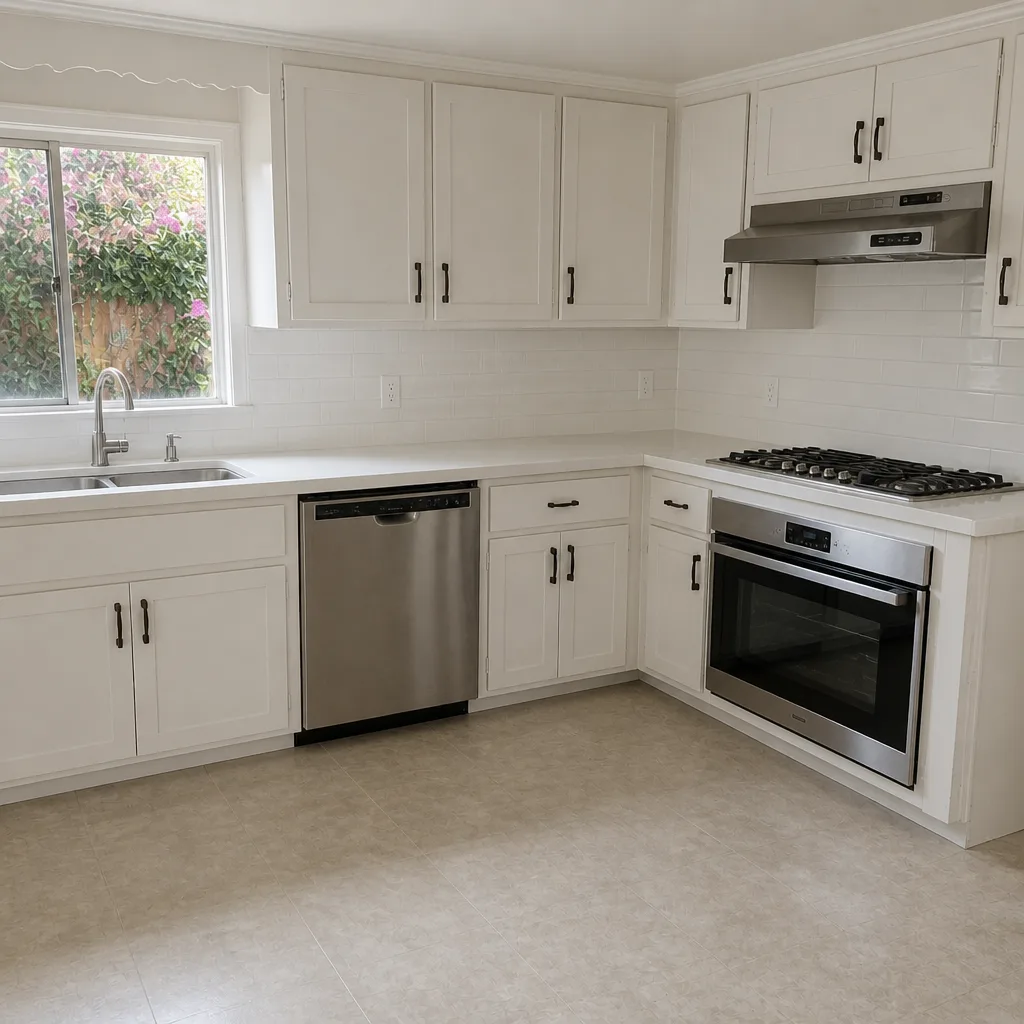
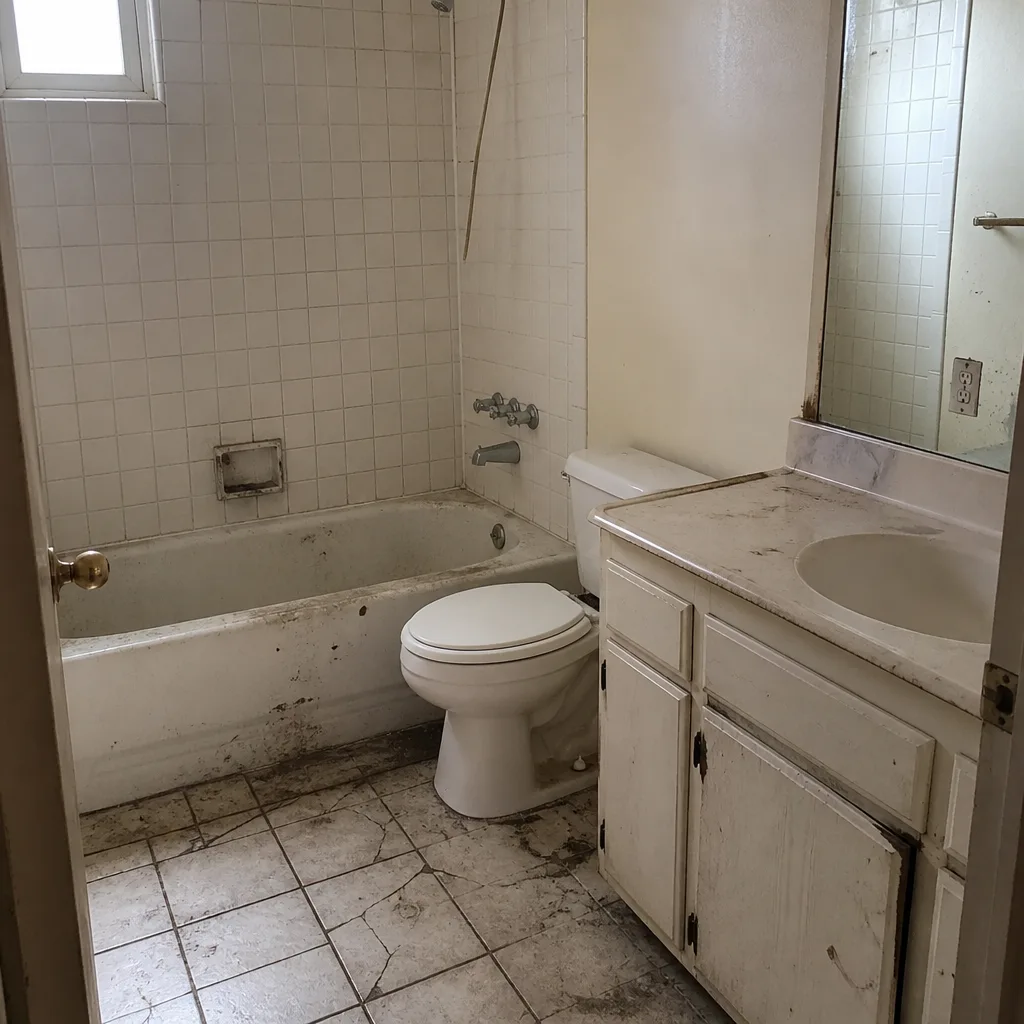
See the difference
 Before
 After
 Before
 After
 Before
 After
When to Call a Professional
Any fence project involving a permitted height, HOA approval, a survey question, or a view-corridor consideration is not a weekend project. The legal exposure is real – a fence built on a neighbor’s property can be subject to removal at your cost, regardless of who paid to build it – and the construction quality matters more on the coast than inland. Post depths, fastener materials, and drainage details need an experienced hand. A 730-Day Done Right Promise is worth more in writing than any verbal reassurance, and getting the paperwork, permits, and survey lined up front is what separates a project that finishes on schedule from one that stalls. Groundwork Construction Co. of Newport Beach offers free estimates in Newport Beach – call (833) 749-3967 to schedule yours. A live person answers, 24 hours a day, seven days a week.
Frequently Asked Questions
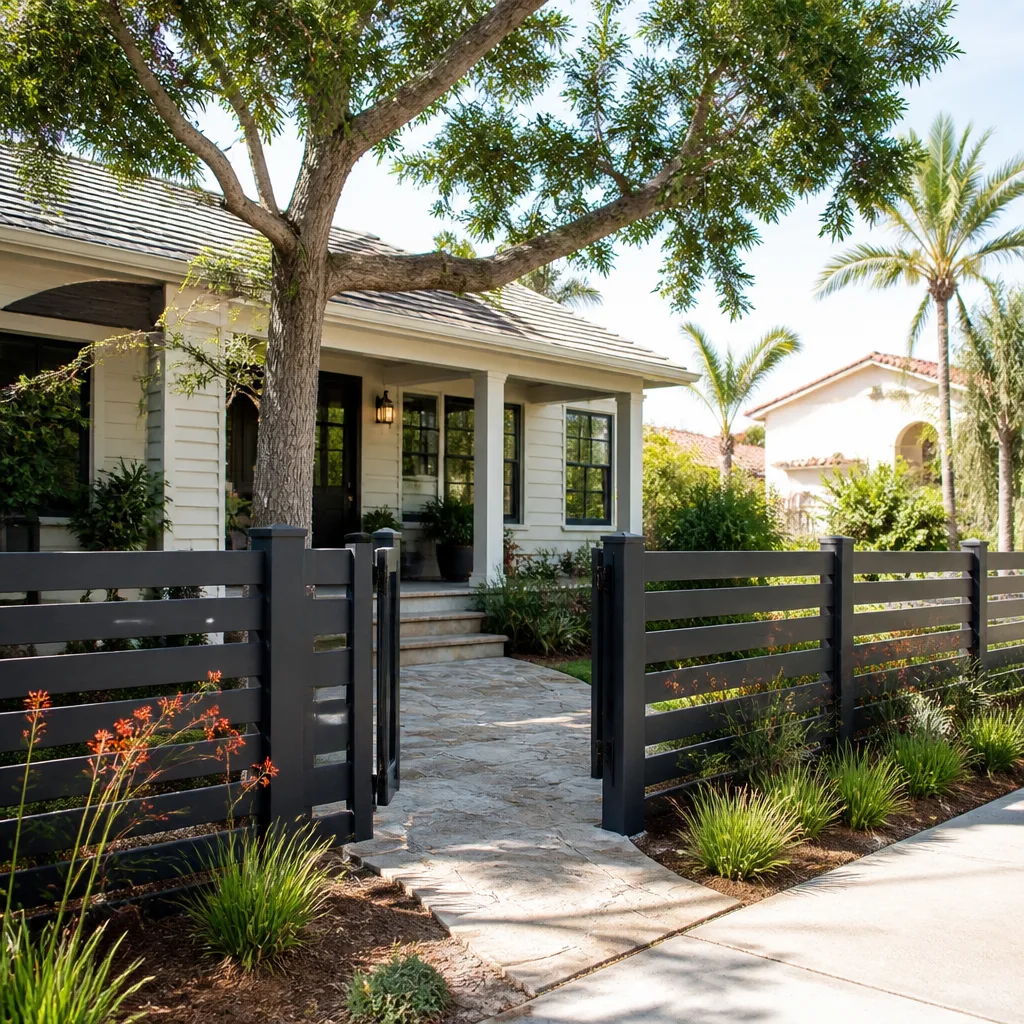
Fence installation in Newport Beach typically costs between $4,500 and $14,000 for a standard residential lot, with the biggest variables being linear footage, material choice (cedar versus premium aluminum can be a $3,000-$5,000 swing on the same lot), and whether survey, permit, or HOA fees apply. A corner lot with coastal-zone view-corridor review pushes toward the top end. Call (833) 749-3967 for an exact quote – estimates are free and you’ll get a fixed price with no change orders.
Yes, in many cases. Standard-height fences (6 feet side/rear, 42 inches front) may not require a permit in some R-1 and R-2 zones, but any fence over the standard height, fence-walls, view-corridor properties, and fence designs in the coastal zone generally do. Permit review in Newport Beach runs two to four weeks. A full-scope contractor should state in writing who pulls the permit and who pays the fee. Call (833) 749-3967 and we’ll walk you through whether your specific property needs one.
Hire a licensed surveyor if you don’t have a recent recorded survey – usually $600 to $1,800 in Newport Beach depending on lot size and terrain. A boundary survey will flag corners and stake the line physically. On older coastal lots in Newport Heights, Balboa Island, or the Peninsula, this step is non-optional: the plat map frequently doesn’t match the physical line by inches to feet, and building to the wrong line is the leading cause of fence redo’s in Newport Beach. Call (833) 749-3967 to discuss the survey status before you sign a construction contract.
Powder-coated aluminum performs best in salt air with a 25-30 year lifespan, followed by premium vinyl and quality composite (20-25 years), and cedar (12-18 years for the boards). Pressure-treated pine lasts 8-12 years and needs annual sealing. Whichever material you choose, the fasteners must be stainless steel or hot-dipped galvanized – cheap hardware fails within 2-3 years on the coast. Call (833) 749-3967 for a quote tailored to your specific property and material preference.
Possibly. Newport Beach’s View Protection Ordinance can require you to lower or modify a fence – even one that complies with your zone’s height limit – if it blocks a neighbor’s protected view. The rule bites hardest on bluff-top and hillside properties in Corona del Mar, Newport Coast, and Spyglass Hill, and it applies to hedges and landscape screens the same as solid fences. Talk to affected neighbors before finalizing the design, and check with the city if you’re in a view corridor. Call (833) 749-3967 if you want our team to assess whether your project needs a view-impact review.
The construction phase of a typical Newport Beach residential fence project runs 2 to 5 days on site. The real timeline drivers are survey (1-2 weeks if commissioned new), HOA approval (2-8 weeks depending on the association), and city permits (2-4 weeks for applicable fences). Projects that start the HOA packet and permit application in parallel with the survey typically finish 4-6 weeks faster than projects that run them sequentially. Call (833) 749-3967 to build the realistic timeline for your property.
The Bottom Line
A fence installation in Newport Beach is half construction project, half paperwork project. The line you build to must be the surveyor’s line, not the plat map’s. The height you build to must clear both the zone limit and the view protection check. The design must clear your HOA before it clears your contractor’s schedule. Do those three things early, use stainless fasteners, set posts deep enough to hold through thirty winters of marine-layer moisture, and pick a material rated for the salt air you actually live in – not the lab conditions the marketing sheet describes. And get the workmanship warranty in writing before a single post goes in. That last point is where the difference between a fence that lasts fifteen years and one that needs replacement in five years usually lives.
For the parent service page, see our Fence Installation in Newport Beach overview for scope, materials, and pricing. To see the full menu of services Groundwork Construction Co. of Newport Beach provides under one roof – from foundation to finish line – visit the Groundwork Construction Co. of Newport Beach home page.
Ready to start your fence project? Call (833) 749-3967 for a free estimate. Groundwork Construction Co. of Newport Beach answers with a live person 24/7, uses background-checked and uniformed technicians, offers upfront pricing with no surprises, 0% financing for 18 months, and $1,000 off projects over $10,000. Every project is backed by our 730-Day Done Right Promise – built to last, backed in writing.
Written by the team at Groundwork Construction Co. of Newport Beach.