Last updated November 17, 2026



Free written scope consultation - allowances, timeline, and change-order rules on paper before a single trade is scheduled
Fence Installation Maintenance Schedule: What to Do and When
The number one cause of premature fence replacement in coastal Southern California isn’t storm damage or a car backing into a panel. It’s a missed re-sealing window. Every year, we watch homeowners in Newport Beach pour money into fence repairs that would have been preventable with a few well-timed hours of maintenance, because once moisture establishes itself inside the wood grain, no surface treatment reverses the decay. It simply slows what’s already happening below the surface. This guide lays out a precise, climate-aware maintenance calendar built specifically for Newport Beach properties, where the marine layer, UV intensity, and salt exposure age a fence roughly twice as fast as the same fence would age ten miles inland. You’ll learn what to do each season, what to inspect, and when to stop patching and start planning a replacement.
Quick Answer
In Newport Beach, a wood fence should be inspected twice a year and re-sealed or re-stained every 18 to 24 months, not the 3 to 5 years you’ll see in generic national guides. Vinyl needs a wash-down and hardware check once a year, while aluminum or ornamental metal fencing needs an annual rinse and touch-up of any scratched powder coat. The coastal schedule is shorter because marine-layer moisture and salt air break down finish systems faster than inland sun alone.
Styles & brands we work with
- Kitchen remodeling
- Bathroom remodeling
- Home additions & ADU
- Roofing
- Windows & doors
- Driveway & pavers
- Fence
Table of Contents
- Why Newport Beach Fences Need a Shorter Maintenance Cycle
- The Newport Beach Fence Maintenance Calendar
- Re-Sealing and Staining: Timing and Frequency
- Inspecting Post Bases for Early Rot
- Gate Hardware: The Maintenance Most Homeowners Skip
- After a Santa Ana Wind Event: Your Inspection Checklist
- Material-Specific Maintenance: Wood vs. Vinyl vs. Aluminum
- Repair or Replace? Reading the Signs
Why Newport Beach Fences Need a Shorter Maintenance Cycle
If you’ve ever pulled a national fence-maintenance article and followed its advice to re-seal every three to five years, you’ve probably wondered why your fence looks gray and rough within 18 months. The answer is environmental.
Newport Beach sits close enough to the ocean that most properties east of Pacific Coast Highway get a measurable daily dose of salt-laden moisture, often referred to as the marine layer. In neighborhoods like Balboa Peninsula, Corona del Mar, and parts of Lido Isle, that marine layer lingers well into morning and returns early evening during much of the year. Wood absorbs moisture through its end grain and micro-cracks in the finish, swelling slightly, then drying as the sun comes out. That swell-shrink cycle, repeated hundreds of times per year, breaks down the finish from the inside out.
Add strong UV exposure (Newport Beach gets roughly 280 sunny days per year) and salt haze, and the finish on a standard wood fence takes a beating a fence in Riverside or Tustin never faces. Inland fences deal mostly with dry heat and UV. Newport Beach fences deal with UV plus moisture plus salt, which is why re-sealing windows shrink so dramatically.
What does this mean in practice?
- A cedar or redwood fence in Newport Beach needs assessment at the 18-month mark, not the 3-year mark.
- Finish systems that work for 5 years inland often fail in 2 years on the coast.
- Post bases, which sit in soil and get direct ground moisture plus salt air, are the highest-risk zone on the entire fence.
- Properties within three blocks of the water, or in canyons where morning fog banks, warrant the shorter end of every range.
This isn’t sales pressure to re-seal more often. It’s physics. Ignore the physics and you’ll be paying for a full replacement several years earlier than necessary. When we quote Fence Installation in Newport Beach, we always walk the homeowner through this schedule up front, because a fence that’s maintained properly outlasts its cheaper counterpart by years.
The Newport Beach Fence Maintenance Calendar
Here’s the schedule we recommend for most Newport Beach homeowners. It’s built around the local climate, not a generic national template. Print it, pin it in the garage, and use it as your baseline.
January – February: Post-Winter Inspection
After the winter rains, walk the fence line looking for ground settling, water pooling at post bases, and any popped fasteners. Winter rain is when most rot begins in Newport Beach, because water sits against post bases and into end grain. If you can push a key into the base of any post, that’s a sign of rot, not just weathering.
March – April: Pre-Santa Ana Season Prep
Tighten every hinge screw on gates. Check that panels are seated firmly against posts. Test gate swing. This is the calm window before winds pick up, and it’s the cheapest time to catch loose fasteners.
May – June: Re-Seal Window (Every Other Year)
This is the most important maintenance window of the year for wood fences in Newport Beach. Early summer, before peak UV hits, is the ideal time to re-seal or re-stain. Finish applied in June lasts significantly longer than finish applied in November.
July – August: Mid-Summer Inspection
Quick visual walk. Check for finish fading (especially on south and west-facing panels), gate sag, and any boards pulling away from rails. High-UV months are when the finish breaks down fastest on the coast.
September – October: Santa Ana Wind Season Readiness
Before the first Santa Ana event, verify fence posts aren’t moving in their footings. Walk every post checking for wobble. Inspect gate latches and hinges for play. A loose gate during a Santa Ana gust can be a serious safety issue.
November – December: Post-Wind Cleanup and Prep for Rain
After peak winds subside, inspect fasteners, straighten any leaning panels, and clear debris from fence lines. Make sure drainage away from post bases is functional before winter rain arrives.
That’s the calendar. It doesn’t take long (an annual inspection is an afternoon), but the timing matters as much as the work itself.
Re-Sealing and Staining: Timing and Frequency
The re-sealing question is where most Newport Beach homeowners get into trouble, and it’s the single most common cause of premature fence replacement we see. Here’s how to think about it.
How often should you re-seal a wood fence in Newport Beach?
Every 18 to 24 months for a fence within a mile of the water, and every 24 to 36 months for a fence in a more inland Newport Beach canyon. Inland fences in Riverside or Corona can stretch to 3 to 5 years. The shorter window on the coast isn’t a recommendation to spend more; it’s how the material actually behaves.
How to tell if your fence needs re-sealing now
- Water bead test. Flick a cup of water at a panel. If the water beads up and rolls off, the finish is intact. If it soaks in and darkens the wood, it needs re-sealing.
- Color check. Faded, gray, or uneven finish (especially on south and west panels) is a warning sign, not just cosmetic. Fading means the UV-blocking layer has degraded.
- Surface feel. If the finish feels rough or starts to lift off in flakes, moisture is already getting underneath. Re-sealing window is now, not next year.
- Grain texture. When you can feel the wood grain “standing up” to the touch, that’s moisture swelling, and it needs sealing before the cycle repeats through another season.
Timing within the year
Re-seal in late spring or early summer, ideally late May through June. Avoid applying finish when rain is forecast for 48 hours, and avoid the hottest part of the day (surface temperatures over 90°F cause the finish to flash-dry before it penetrates).
What re-sealing actually protects against
A good penetrating oil or quality stain blocks UV, slows moisture absorption, and reduces salt damage. It doesn’t waterproof the fence. Wood still breathes. What it does is slow the swell-shrink cycle enough that the wood itself lasts decades rather than years. That’s the whole point.
Inspecting Post Bases for Early Rot
Post bases are where nearly every fence failure in Newport Beach begins. Posts are set in soil or concrete, they take direct ground moisture, they get splashed by irrigation and rain runoff, they’re in the shade most of the day, and salt air reaches them from every direction. If you only inspect one part of your fence, inspect the post bases.
How to inspect a post base
- Visual check. Look for dark staining, discoloration, or softening at the base of each post up to about 6 inches above grade.
- Probe test. Push a screwdriver into the wood at the base. If it sinks in easily or feels spongy, there’s rot.
- Wobble test. Push each post firmly. Any movement beyond a small flex is a problem. A fence post should be rigid in its footing.
- Grade check. Is soil piled up against the base of the post? If so, moisture can’t drain, and rot accelerates. Clear the soil back to grade.
- Drainage check. Is water pooling at the base after rain? That’s a rot factory. Redirect drainage.
Signs that post rot is already structural
- Wobble in the post itself (not just the panel)
- Visible cracking or mushrooming at the base
- Panels leaning or sagging on one post
- Gate latch no longer lining up (very common sign of post settling or rot)
- Soil settled around the post, with a visible gap at grade
Post base rot is fixable if caught early. Once a post’s structural cross-section is compromised, the post has to be replaced. On a Newport Beach fence, this often means digging out the footing. It’s not a simple two-hour job, which is why annual inspection matters.
One more thing: when we install a fence, we set posts with proper drainage considerations for the specific property, which matters more in Newport Beach than most homeowners realize. On a Balboa Peninsula lot with close spacing to the neighbor, drainage is almost always a consideration.
Gate Hardware: The Maintenance Most Homeowners Skip
Gate hardware gets almost no attention in most fence-maintenance guides, but it’s one of the highest-impact maintenance items on a Newport Beach fence. Here’s why.
Gates are the only part of a fence that’s constantly in motion. Every opening and closing cycle puts stress on hinges, latch assemblies, and the two posts the gate spans. A tired hinge or a latch that no longer aligns isn’t just annoying; it accelerates wear on the posts and the frame.
What happens when hardware fails
- Hinge screws pull loose. As screws back out, the gate hangs, which transfers weight to one post.
- The post the gate is attached to takes on torque it wasn’t designed for, leading to post movement or footing stress.
- A misaligned latch means the gate has to be forced shut, which compounds the strain.
- On coastal Newport Beach properties, salt air corrodes hinge and latch hardware faster than on inland fences. Most gates need hardware attention annually on the coast.
Annual gate hardware checklist
- Tighten hinge screws. If a screw spins freely, replace it with a slightly larger screw or a threaded insert. A spinning screw means the hole is stripped.
- Test gate swing. The gate should open freely, close on its own (if it’s self-closing), and not bind or drag.
- Check the latch. Does the latch engage cleanly without force? If you’re lifting or pushing the gate to get it to latch, the alignment is off.
- Inspect hardware for corrosion. Salt air eats through cheap hardware quickly. If the finish is flaking or the metal is pitting, replace it before it fails.
- Check the diagonal brace. A gate that sags is usually missing a functioning diagonal brace. Verify the brace is tight and doing its job.
- Lubricate hinges annually. A drop of penetrating lubricant keeps hinges moving smoothly and prevents the strain that leads to post damage.
Ten minutes of gate maintenance once a year saves hundreds of dollars in post and frame repairs down the line. In Newport Beach’s salt air, this is the single most skipped piece of home maintenance we see.
After a Santa Ana Wind Event: Your Inspection Checklist
Santa Ana winds are the single biggest acute stressor on a Newport Beach fence. Sustained winds of 40 to 60 mph with gusts over 70 aren’t unusual during peak events, and fences take the brunt of it. Here’s what to do in the 48 hours after a Santa Ana wind event passes.
Post-Wind Inspection Checklist
- Walk the entire fence line. Look for panels that have popped nails, pulled loose from rails, or twisted out of alignment.
- Check every fastener. Look for popped nails, backed-out screws, and hardware that’s pulled through the wood. Go panel by panel; it’s slow but worth it.
- Test each post. Push every post. Any post that moves or has lost rigidity is a priority repair.
- Re-seat any loose panels. A panel that popped during the wind event but is still intact may just need re-fastening. Don’t force it; if it won’t reseat cleanly, that’s a professional call.
- Inspect gate alignment. Gates are the first component to show structural problems after wind. Open and close each gate slowly, checking for drag, alignment, and play.
- Look for loosened post hardware. Post caps and decorative hardware can rattle loose during high wind.
- Photograph anything questionable before you touch it, in case you need to file an insurance claim or discuss with a contractor.
What to do if a post has moved
If any post has visibly moved out of vertical, or has lost rigidity in its footing, don’t drive screws back into the panel and hope for the best. A post that’s lost its footing needs resetting or replacement, and covering it with panel repairs just delays the failure. Get a professional assessment before the next wind event.
When to just re-seat panels versus when to call
If panels are intact and only fasteners have popped, most homeowners can reseat them with a few screws. If a panel has cracked, if the post has moved, or if the gate no longer closes cleanly, that’s beyond a DIY fix. Call us and we’ll take a look; the assessment is free.
Material-Specific Maintenance: Wood vs. Vinyl vs. Aluminum
One of the biggest maintenance mistakes homeowners make is applying the wrong routine to the wrong material. A vinyl fence needs a completely different care approach than a wood fence, and an aluminum fence needs a different approach than either. Here’s how to tell them apart.
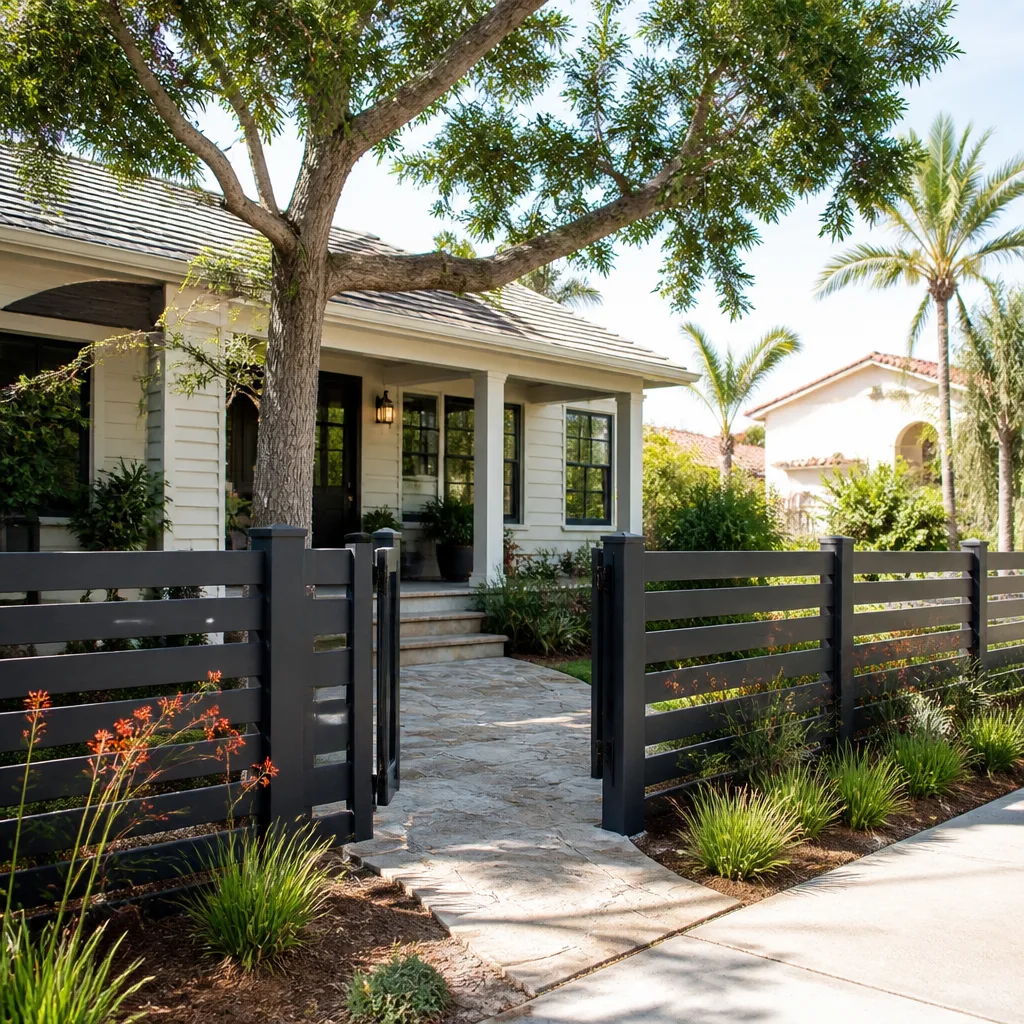
Wood fence maintenance
- Inspection: twice per year (annual minimum, and after any significant wind event)
- Re-seal/re-stain: every 18 to 24 months near the water in Newport Beach; every 24 to 36 months inland
- Deep clean: annual (soft wash with a mild detergent, no pressure washer above 1,500 PSI)
- Post base inspection: annual probe test; rot here is the killer
- What NOT to do: don’t apply latex paint over an oil finish that’s still intact; the paint will peel
Vinyl fence maintenance
- Inspection: annual
- Deep clean: annual or semi-annual in salt-air zones. Rinse with a garden hose, spot-clean with a soft cloth and mild soap
- Hardware: check annually; some vinyl systems use aluminum or steel internal reinforcement, which is worth inspecting for corrosion if you’re within a half-mile of the water
- What NOT to do: don’t pressure-wash heavy stains into vinyl; harsh cleaners can damage the surface finish. Keep lawn mowers and string trimmers away from the panel; vinyl scuffs easily
- Best-in-class: premium vinyl brands like Bufftech and ActiveYards hold their finish substantially longer on the coast
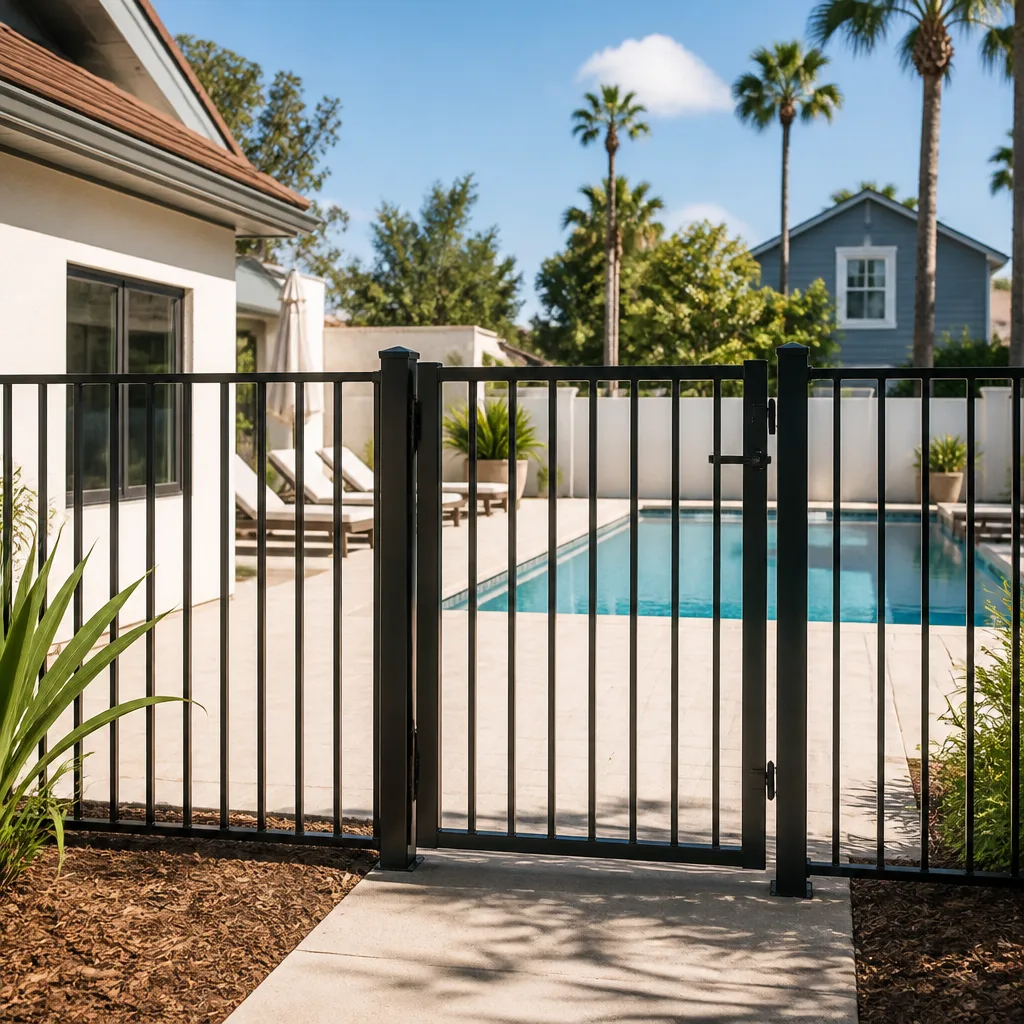
Aluminum and ornamental metal fence maintenance
- Inspection: annual
- Deep clean: rinse with fresh water annually (more often within a half-mile of the ocean); spot-clean with mild soap
- Finish touch-up: any scratch that goes through the powder coat should be touched up with matching paint to prevent corrosion at the scratch point; salt air accelerates this
- Hardware: check gate hinges annually; stainless or coated hardware is a must on the coast
- What NOT to do: don’t use abrasive cleaners or cloths; powder coat is durable but scratches permanently
For reference, the material brands we install are chosen with coastal Newport Beach conditions in mind. Bufftech and ActiveYards vinyl, in particular, hold up notably well to salt air. When we quote a fence in Corona del Mar or Balboa Island, we’re making those choices with the local climate in mind, not reading from a national catalog. If your driveway and hardscape sit under the same salt-and-UV load, that’s a separate maintenance conversation covered in Driveway & Pavers in Newport Beach, but the underlying environment is the same.
Repair or Replace? Reading the Signs
At some point the maintenance question becomes a repair-or-replace question. Here’s how to think about it honestly. We’ve seen plenty of fences that were still in the first third of their lifespan but being replaced, and plenty that were pushed well past their useful life because no one wanted to have the conversation.
Signs it’s still a repair
- One or two rotted posts, with the rest of the fence still solid
- Panels in reasonable shape but faded or in need of new stain
- Gate hardware that needs replacing (fixable)
- Localized damage from a wind event or impact
Signs it’s time to replace
- More than roughly a quarter of the posts show rot or loss of rigidity
- Multiple panels are twisting, warping, or pulling away
- The footer or footing (which we’d need to inspect) has failed for multiple posts
- The fence has already been re-sealed regularly and the wood grain is still gray and soft
- You’re paying for repairs every year, and total repair costs are crossing roughly 30 to 40% of replacement
What to expect during replacement
Replacing a fence is a planned project, not an emergency. If you’re considering replacement, we’ll do a walkthrough, confirm the issue is actually the fence rather than something adjacent (many fence issues turn out to be drainage problems that need fixing first), and quote a clear, upfront price. Whether you’re re-fencing the yard or building something that ties into a larger project like an Home Additions & ADU in Newport Beach, the fence timing works best when it’s coordinated with the rest of the site plan rather than rushed in as a last step.
Common Mistakes to Avoid
- Following a national 5-year re-seal schedule in Newport Beach. Coastal fences need 18-24 months, not 3-5 years. Every year you stretch it accelerates the decay.
- Skipping gate hardware. Gates are the most-stressed part of the fence. Ten minutes a year on hinges and latches prevents post and frame damage that runs into the hundreds.
- Pressure-washing wood at high PSI. A pressure washer above 1,500 PSI will strip finish and blast soft wood fibers, leaving you worse off than before. Soft wash with mild detergent, or have it professionally cleaned.
- Ignoring post bases until they fail. By the time a post visibly wobbles, the structural damage is done. The annual probe test is the difference between replacing a post and replacing a section of fence.
- Using heavy paint over an existing penetrating-oil finish. The paint won’t adhere properly and will peel within a year. Match the new finish to what’s on the fence.
- Not touching up metal scratches. On aluminum or ornamental fencing near the water in Newport Beach, an unaddressed scratch becomes a corrosion point within a season. Match the paint and touch up every inspection.
- Skipping the post-wind-event inspection. Most fence failures we see in Newport Beach happened in a wind event the homeowner assumed “wasn’t that bad.” A 48-hour walkthrough prevents that.
See the difference
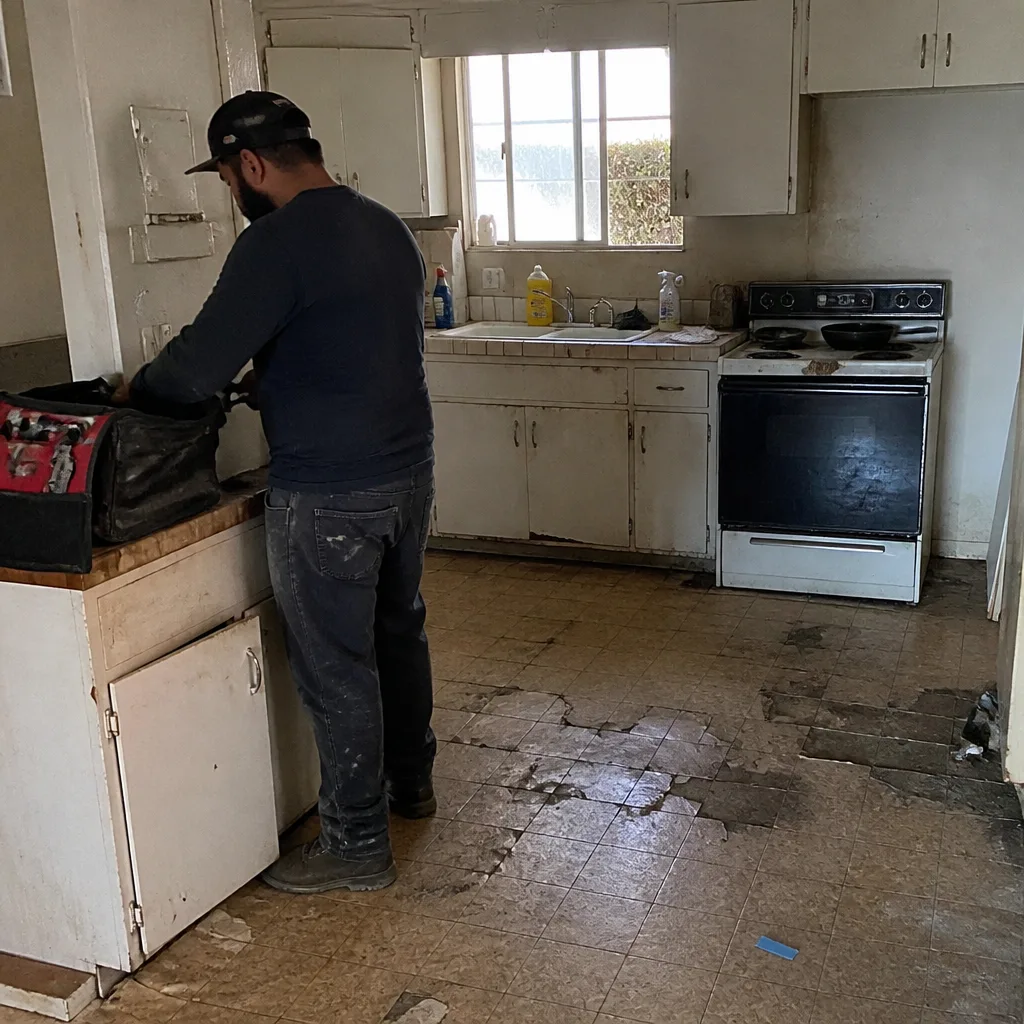 Before
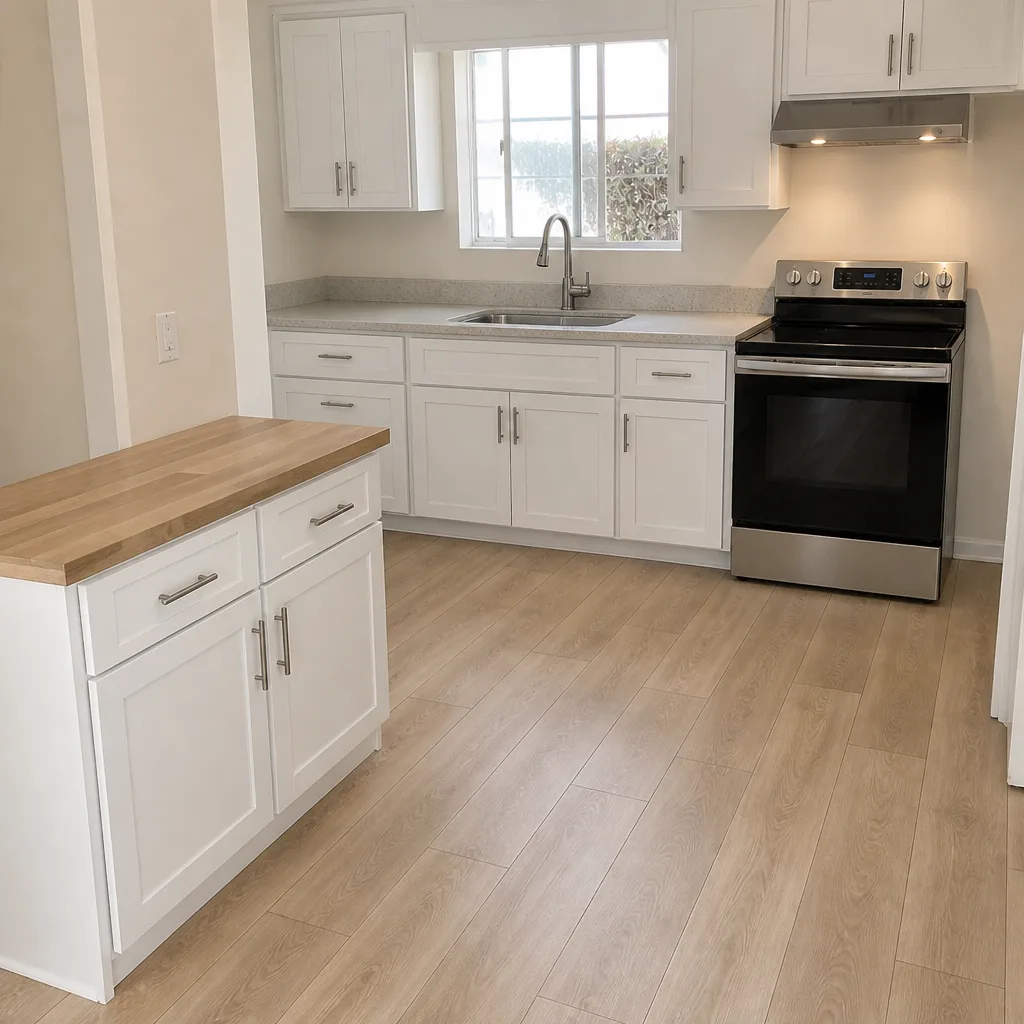 After
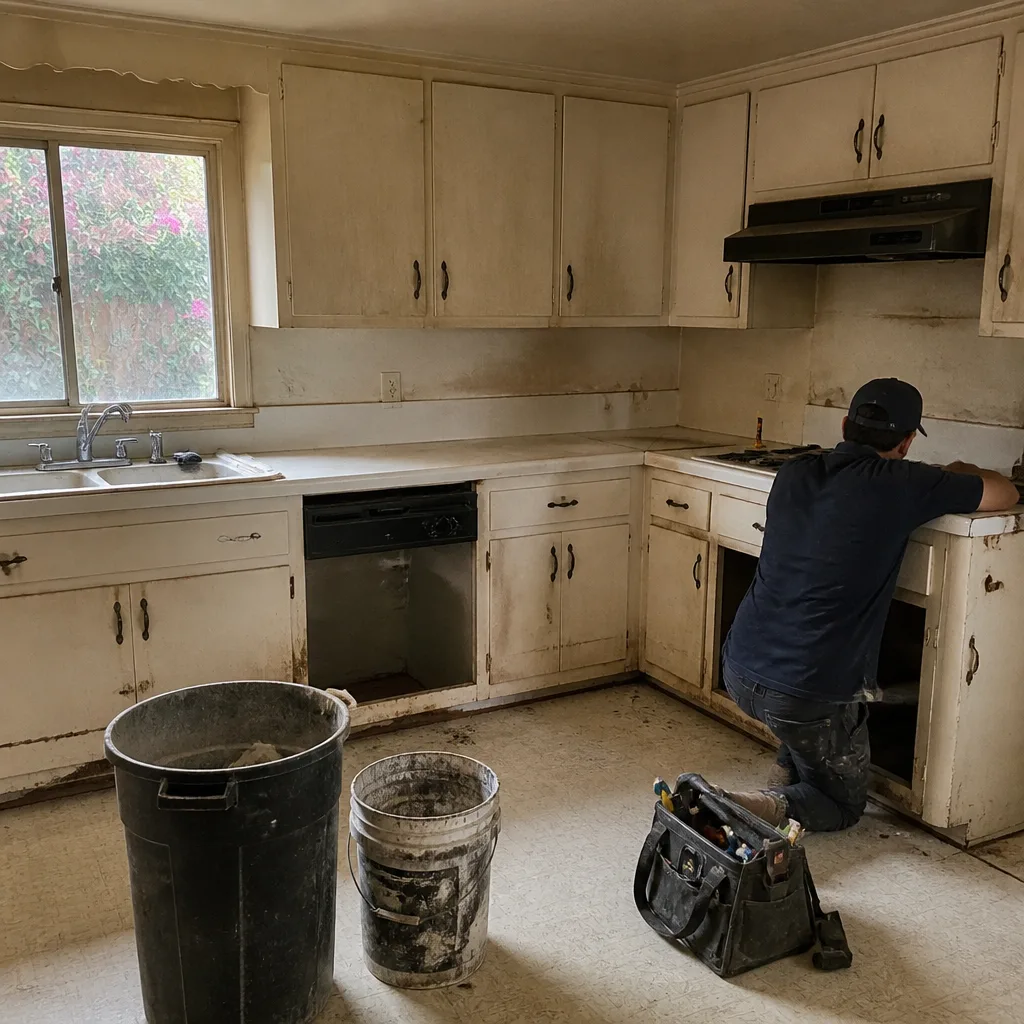 Before
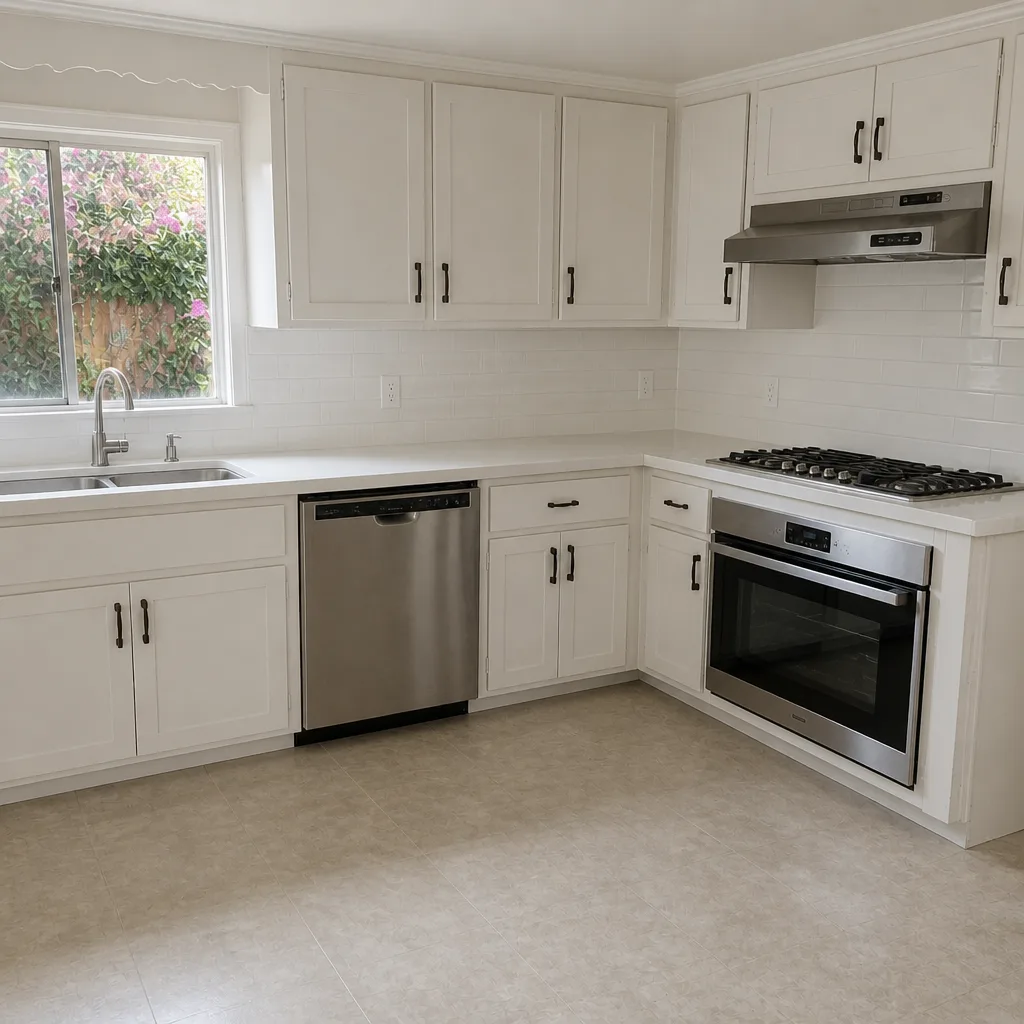 After
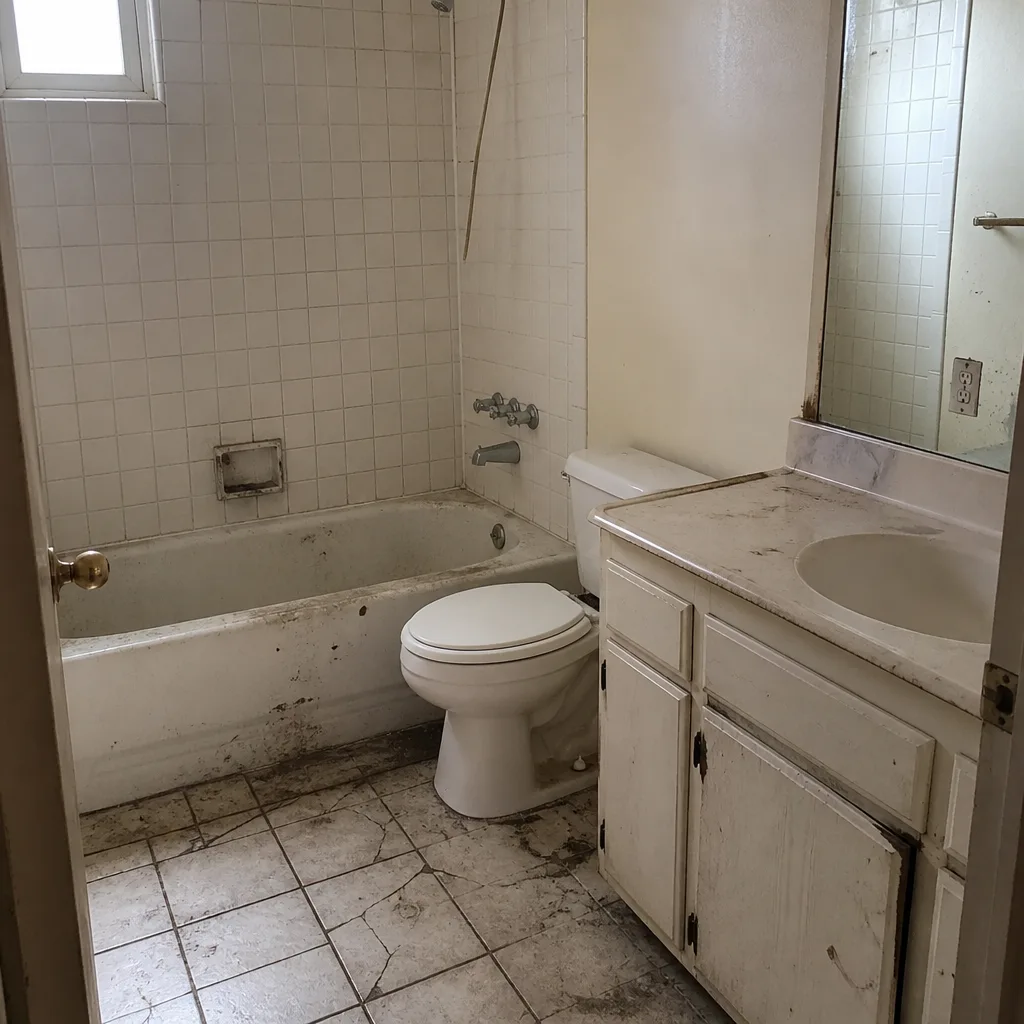 Before
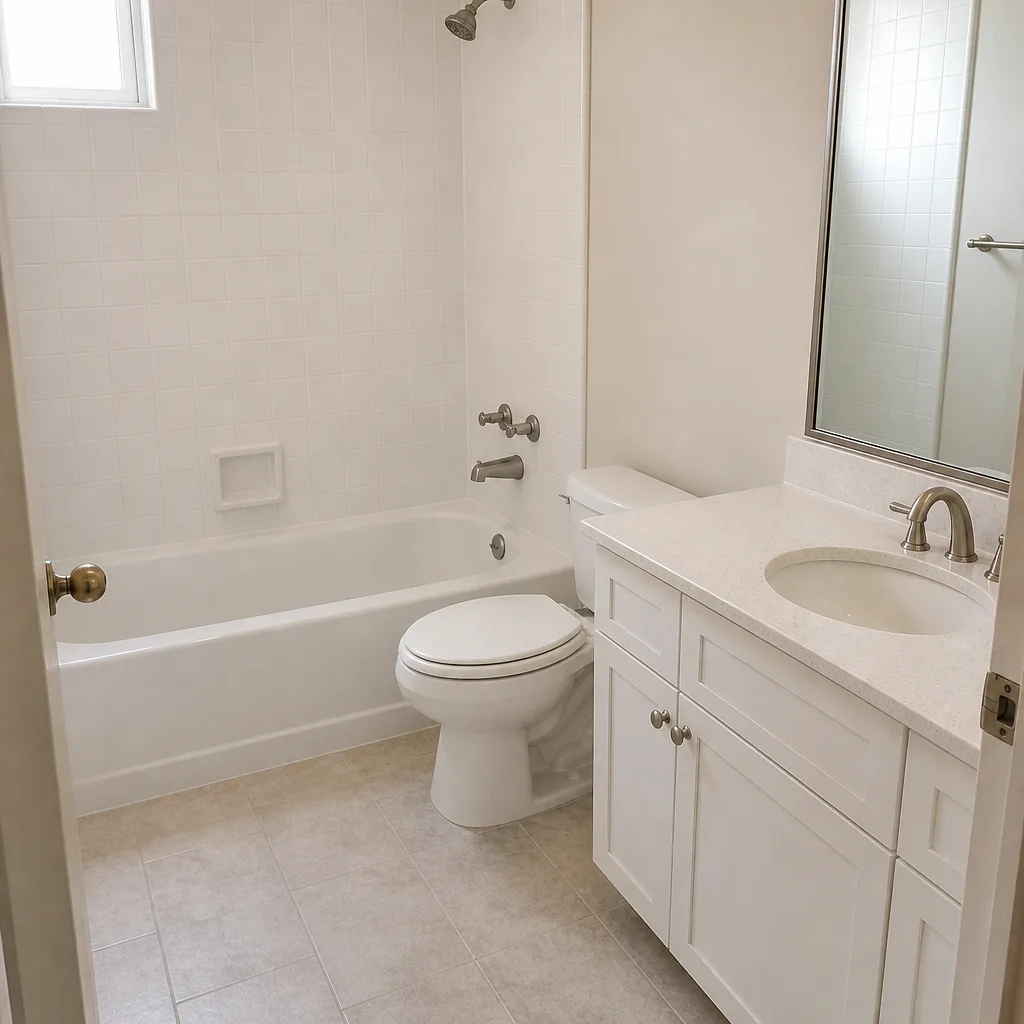 After
When to Call a Professional
Most of the annual maintenance on this list is safe for a homeowner to handle. Some of it isn’t. Call a professional if any of these apply:
- Any post has lost rigidity in its footing. Resetting or replacing a post requires working with the footing and, in some cases, a concrete or soil problem underneath. This isn’t a DIY repair.
- More than one panel shows rot. Rot spreads. If you’re seeing rot on multiple panels or posts, a professional assessment will tell you whether it’s a repair or a replacement.
- The fence has moved or leaned after a wind event. Don’t push it back and hope. Structural assessment matters.
- You’re considering re-sealing a fence that hasn’t been treated in 3+ years. A professional can assess the wood condition first; sealing a decayed fence traps moisture and makes it worse.
- The gate is sagging, dragging, or has hardware that’s pulled loose from the post. Gate hardware failures compound quickly.
Groundwork Construction Co. of Newport Beach offers free estimates in Newport Beach – call (833) 749-3967 and we’ll walk the fence with you.
Frequently Asked Questions
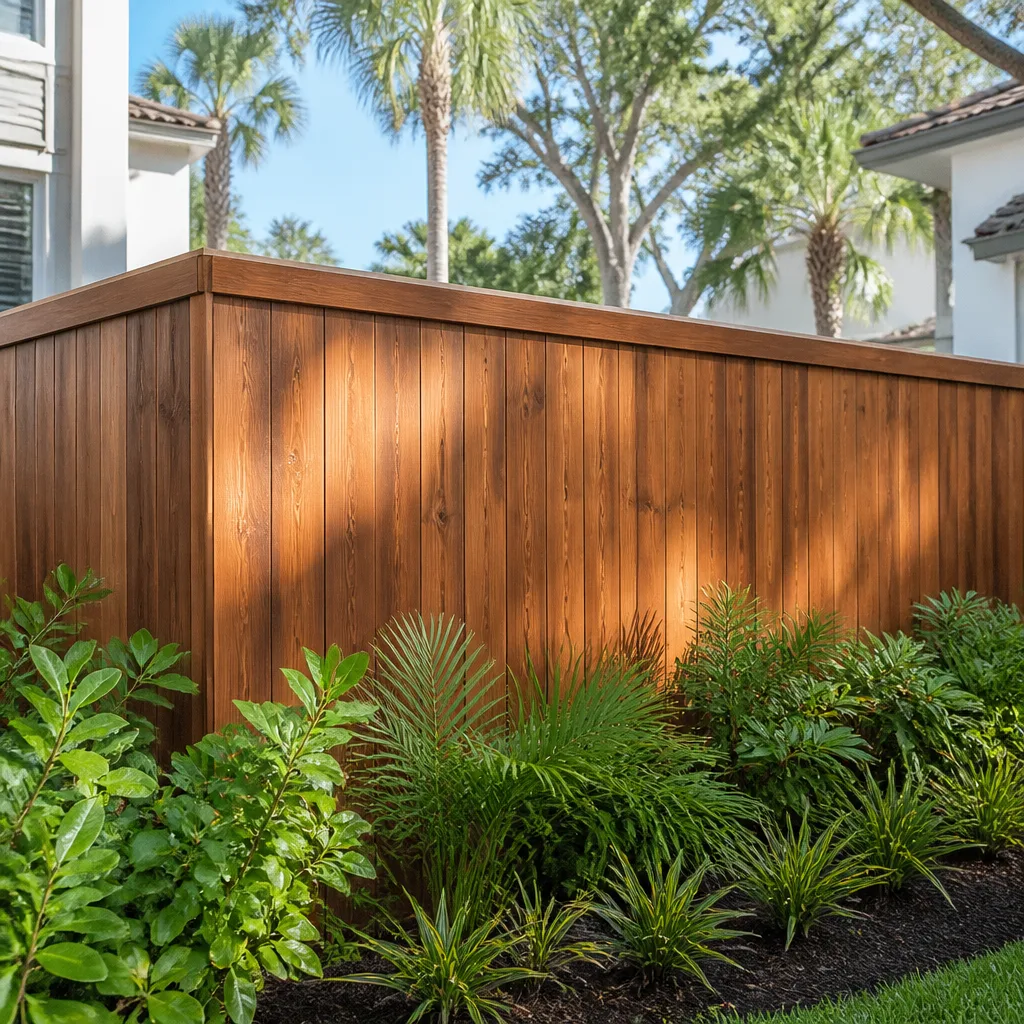
Every 18 to 24 months for a fence within a mile of the water, and every 24 to 36 months for a fence in a more inland Newport Beach canyon. The coastal window is shorter because marine-layer moisture, UV, and salt air break down finishes faster than inland conditions. If you’re unsure when your fence was last sealed, do the water bead test described above. Call (833) 749-3967 for a free assessment if you’re not sure.
Yes, at high pressure. Anything above 1,500 PSI strips finish, opens wood fibers, and can force water into the wood grain. Soft washing with a mild detergent is the safe approach. If a professional is doing the work, they’ll know the right settings for the specific wood species. Call (833) 749-3967 to schedule a professional cleaning and inspection.
Wood needs twice-yearly inspection, 18-24 month re-sealing, and annual post base checks. Vinyl needs a once-yearly wash and hardware check, with no refinishing. Aluminum needs an annual rinse, corrosion checks near the water, and touch-up on scratched powder coat. Different materials, different routines, and the wrong routine damages the fence. Call (833) 749-3967 to confirm the right schedule for your specific fence.
Probe the base of each post with a screwdriver. If it sinks easily into the wood, or if the post wobbles when you push it, that’s a sign of rot. Also look for darkened, spongy wood at grade and soil settled away from the base. Post rot is the number one cause of fence failure in Newport Beach. Call (833) 749-3967 for a professional post inspection before it becomes a replacement.
Repair if panels are intact and only fasteners popped. Replace if posts have moved out of vertical, gates no longer align, or multiple panels show damage. The photograph-first, inspect-second approach catches most of it. If you’re uncertain, a professional assessment is free. Call (833) 749-3967.
Yes. Fence Installation is one of our seven core service lines, and every job is covered by our 730-Day Done Right Promise: if it’s not done right, we make it right. We use material partners like Bufftech and ActiveYards for coastal conditions, quote clear upfront pricing with no surprises, and coordinate fence work with other Groundwork Construction Co. of Newport Beach home services when you’re planning a larger project. Call (833) 749-3967 for a free estimate.
The Bottom Line
Newport Beach fences age faster than the same fence inland, and the reason is specific: marine-layer moisture, high UV, and salt exposure break down finishes in 18-24 months rather than 3-5 years. The maintenance that prevents premature replacement isn’t complicated – twice-yearly inspections, a re-seal on the coastal schedule, annual post base checks, ten minutes on gate hardware, and a post-wind-event walkthrough. Do those things and a wood fence that would need replacing in 10-12 years lasts 20+. Skip them, and you’re paying for a new fence years ahead of schedule. When the maintenance calendar suggests something is beyond preventive care, call the team at Groundwork Construction Co. of Newport Beach at (833) 749-3967. Estimates are free, the schedule is specific to your property, and the 730-Day Done Right Promise backs every install.
Get a Free Fence Estimate in Newport Beach
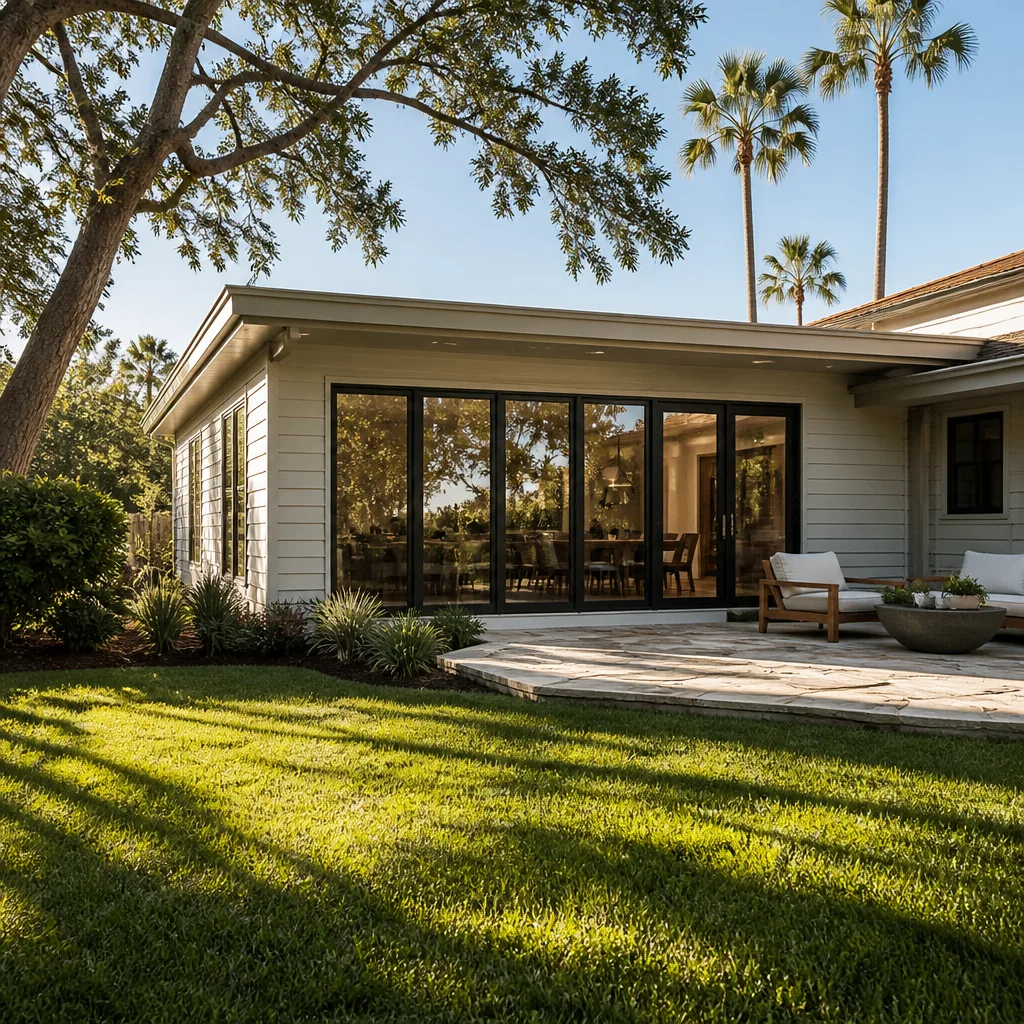
If this guide has you wondering whether your fence’s next step is maintenance, repair, or replacement, don’t guess. Call Groundwork Construction Co. of Newport Beach at (833) 749-3967 to schedule a free estimate. Our technicians have up to 12 years of experience, calls are answered by a live person around the clock, and every estimate comes with upfront pricing – no surprises. We’ll walk your fence line, assess the post bases and finish condition, and tell you honestly whether you’re looking at a maintenance afternoon or a planned replacement. If the answer is replacement, we offer 0% financing for 18 months and $1,000 off projects over $10,000 to make the upgrade easier on the budget. Our portfolio includes trusted brands like Bufftech and ActiveYards, and the 730-Day Done Right Promise applies to every fence we install. From first inspection to final walkthrough, Groundwork is built to last, backed in writing.
Written by the team at Groundwork Construction Co. of Newport Beach.