Last updated November 17, 2026




Free written scope consultation - allowances, timeline, and change-order rules on paper before a single trade is scheduled
Fence Installation Warning Signs Every Homeowner Should Know
Fence contractors have one of the highest complaint rates of any home improvement trade. The reason isn’t shoddy materials. It’s installation shortcuts that look fine at first glance but fail fast under real conditions. A bad fence job doesn’t announce itself on day one. It shows up six months later, when posts lean, gaps open at the rails, and the contractor is long gone. In Newport Beach, where salt air, marine layer moisture, and ocean wind work on a fence every single day, those shortcuts surface faster than almost anywhere else. This guide teaches you to spot the red flags during the job, not after the final invoice is paid, and knowing them before you sign a contract can save you thousands.
Styles & brands we work with
- Kitchen remodeling
- Bathroom remodeling
- Home additions & ADU
- Roofing
- Windows & doors
- Driveway & pavers
- Fence
Quick Answer
The biggest warning signs of a bad fence installation are shallow post holes, swapped-in retail-grade hardware, uneven post spacing, vague contract language with no permit mention, and gates that swing loose or drag before they’re even finished. Most of these failures are invisible at handshake time and obvious within a year. If you can verify post depth, hardware grade, and spacing before concrete goes in, you’ve caught the problems that matter most.
Table of Contents
- Why Post Hole Depth Is the Single Most Critical Quality Indicator
- How to Spot Contractor-Grade vs. Retail-Grade Hardware
- What Improper Post Spacing Looks Like in Coastal Wind
- The Contract Language That Signals a Cutting-Corners Contractor
- Reading a Gate: What Correct Swing Looks and Feels Like
- Material Red Flags Specific to Newport Beach
- The Newport Beach Failure Patterns We See Most
- The Final Walkthrough Checklist
- Common Mistakes to Avoid
- When to Call a Professional
- Frequently Asked Questions
- The Bottom Line
Why Post Hole Depth Is the Single Most Critical Quality Indicator
If you only check one thing on fence installation day, check the post holes before concrete is poured. Post depth is the number one predictor of whether a fence will still be standing plumb five years from now. A fence panel is a sail. The posts are the anchor. When the anchor is shallow, wind and soil movement do the rest, and no amount of good lumber or pretty finish hides it.
In our experience across Newport Beach, the posts that fail first are almost always the ones set too shallow. Crews working a fast schedule save real time by cutting post depth, and the homeowner never sees it because the hole gets filled within hours of the dig. The American Wood Council and most local building departments expect fence posts set below the frost line or at least one-third of their abovegrade height buried, with many jurisdictions pushing deeper for wind-rated installations. Coastal Southern California doesn’t have frost to worry about, but the sandy, sometimes expansive soils near the coast absolutely reward deeper posts.
Here’s how to verify post depth yourself, without touching a shovel:
- Ask the crew leader to state the hole depth out loud before the first pour. A confident crew answers immediately. A crew that mumbles or changes the subject is telling you something.
- Watch one hole go to full depth. Early on day one, before any concrete is mixed, ask to see the first hole at its final depth. Legitimate crews expect this and don’t mind.
- Look at the pile of excavated soil. A 6-foot fence post needs roughly a 2-foot-plus hole with an adequate diameter, which means a visible mound of removed dirt per hole. Tiny dirt piles around a big fence is a red flag.
- Check the concrete crown. Concrete should sit slightly above grade and slope away from the post, so water runs off the post base to the ground, not pooled around it.
- Confirm the diameter, not just the depth. A deep narrow hole with insufficient concrete around the post can’t resist lateral wind load. Ask what diameter is specified in the plans.
If a contractor refuses any of these checkpoints, treat it as a stop-work conversation, not a suggestion. You are about to spend serious money on a fence meant to last decades. Post depth is where that lifespan is decided.
How to Spot Contractor-Grade vs. Retail-Grade Hardware
The mid-job hardware swap is one of the most common bait-and-switch moves in the trade. It’s also one of the easiest to miss, because once a fence is up, nobody looks closely at the brackets and fasteners. The bid was written for galvanized, commercial-grade hardware. The truck shows up with retail blister-pack brackets from a big-box aisle. The difference in cost per piece is small. The difference in corrosion resistance in Newport Beach salt air is enormous.
What “contractor-grade” means in practical terms:
- Galvanized or stainless steel fasteners and brackets, not painted or plain steel. In coastal Newport Beach, anything non-galvanized shows rust staining within a season or two.
- Consistent fitting hardware designed for the exact post and rail dimensions in the plans, rather than generic “one-size” brackets that get twisted to fit.
- Bracket systems rated for the wind load of the install, which matters on open, exposed lots near the water.
- A documented brand or spec on the contract, so you can look up what was promised and identify what gets delivered.
How to catch a swap before it’s buried:
- Ask the crew leader to show you one bracket and one box of fasteners straight from the pallet on day one.
- Compare the marking on the hardware to the spec in your signed contract. If the contract is silent on hardware grade, that’s a different warning sign, addressed below.
- Watch for mixed hardware in different segments of the same fence. If half the run uses brand-name brackets and the other half uses something else, ask.
- Look at the fastener heads. Stamped brand markings that differ across a single fence line mean materials were sourced piecemeal, likely wherever the crew could get them cheap.
We see this pattern most often on fence installations in older Newport Beach neighborhoods where the fence line runs long and a crew is pricing to a tight margin. A quick visual check on day one catches it every time.
What Improper Post Spacing Looks Like in Coastal Wind
Post spacing that’s too wide is a quiet failure. The fence looks fine the day it’s finished. Then the first real Santa Ana wind event rolls through. Wide-spaced posts allow longer unsupported rail spans. Those spans flex, the fasteners work loose, and the panels start racking out of square. In Newport Beach’s coastal wind conditions, that cycle runs on a fast loop.
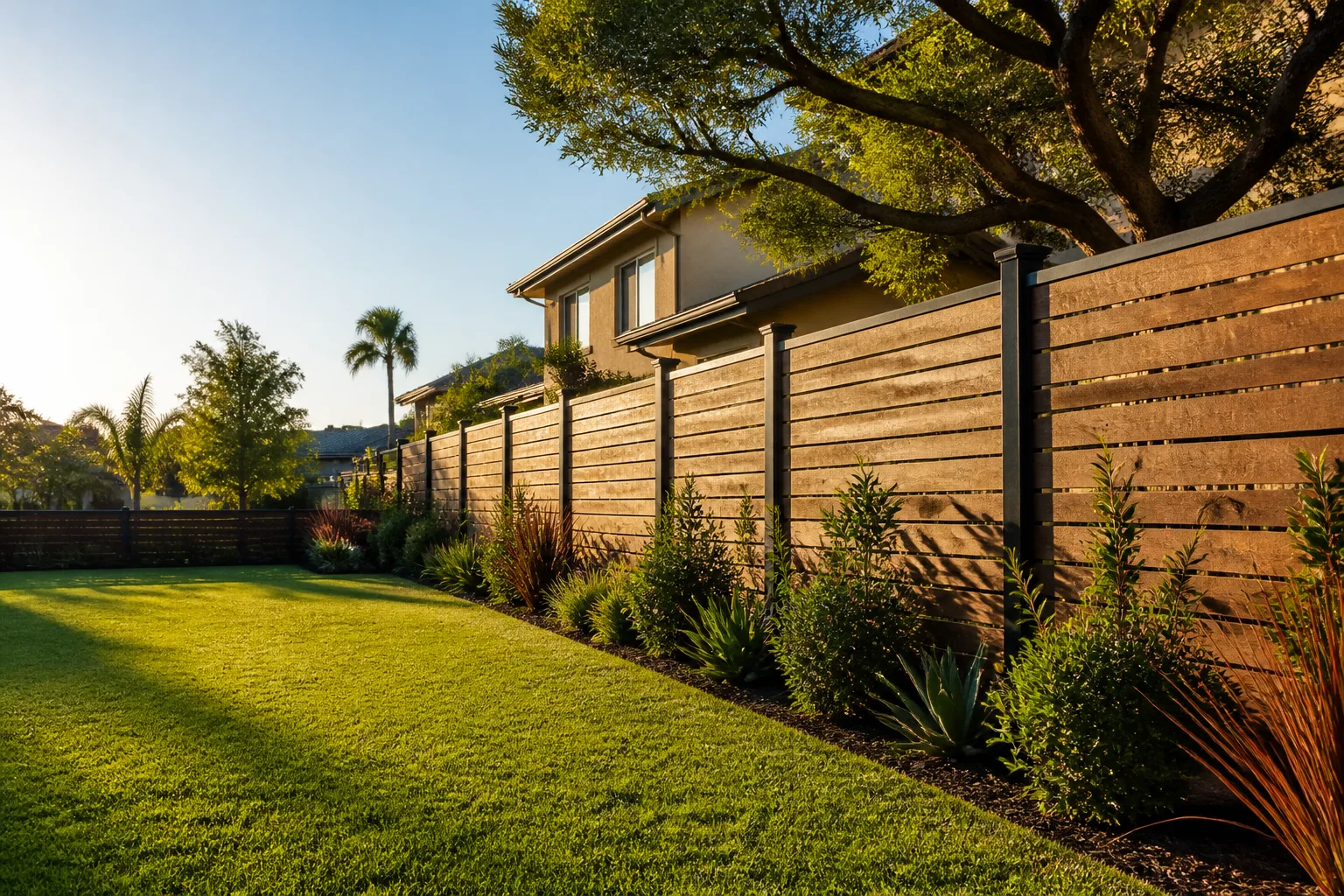
Standard practice for most wood and composite privacy fences is 8-foot post spacing on center for panels up to 6 feet tall, with tighter spacing or deeper posts on taller fences and on exposed lots. Vague or inconsistent spacing is a red flag because it means the crew is improvising rather than following a plan.
What to watch for during the install:
- Posts should be visibly evenly spaced. A tape measure between posts reveals variations in inches, not feet. If two adjacent bays differ noticeably in width, ask why.
- Longer unsupported runs near corners and open areas should have extra supports. If the fence runs twenty feet along an exposed Newport Beach lot with no bracing or intermediate support, that’s a section that will rack in the first wind event.
- Every post should be plumb. A fast check with a level on several posts is fair during the job. If a crew resists this, it’s telling you which way they’ve built.
- Spacing should be tighter near gates and corners, where extra load transfers through the frame. Gaps of the same dimensions everywhere ignore that load.
For homeowners used to looking at finished fences, spacing seems like an invisible detail. It’s the one that decides whether the fence looks and sits the same way in year five as it did in month one. The install detail matters as much on a fence line as it does on a paved driveway and paver project in Newport Beach, where the subbase decides how the surface holds up.
The Contract Language That Signals a Cutting-Corners Contractor
You can often spot a contractor cutting corners legally before anyone shows up with a shovel. It shows up in what’s missing from the contract. Vague warranty language, no permit mention, and undefined finish terms are the two most reliable warning signs we see on paper. If the contract would let a contractor walk away from a failing fence with no obligation to return, it will.
Read the following sections carefully before you sign:
- Warranty language. A credible warranty names what’s covered, the length, what voids it, and how a claim gets resolved in writing. Vague phrases like “materials guaranteed” or a verbal promise mean nothing. In Newport Beach, any contractor working with real warranty standards will write it out for you.
- Permit mention. Most fence replacements and new installs on a Newport Beach property require a permit, especially where the fence sits near property lines or does height-sensitive work near the coast. If the contract doesn’t mention permits or state whether they’re included in the price, ask directly. A contractor who plans to skip the permit is telling you they plan to skip inspections too.
- Exact materials and specs. Species of wood, composite brand, fastener type, post dimensions, post depth, concrete specification, and finished stain or paint should all be documented. “Standard materials” is not a spec.
- Change orders. Legitimate contractors put change order pricing in writing. Contractors who rely on squeezing unexpected charges mid-job leave you with no leverage once posts are set.
- Start and finish terms. A clear schedule and a dispute clause protect you if the crew disappears.
- Insurance and licenses. Always verify these are current. A contract without them is a warning in itself.
If you’re comparing fence bids alongside other projects, the same principle applies. A contractor who won’t put everything in writing on a fence won’t change the habit for a home addition or ADU project in Newport Beach either. Upfront pricing and no-surprise billing aren’t perks. They’re the baseline.
Reading a Gate: What Correct Swing Looks and Feels Like
A finished gate is a diagnostic tool, and most homeowners only half-use it. Look at the swing, feel the latch, watch the gap. A properly built gate feels crisp and stays that way. A gate that sags within a year broadcast the problem on the day it was hung. Learn to read what you’re seeing.
A gate hung correctly includes:
- A diagonal brace that visibly transfers load from the bottom hinge corner to the top latch-side corner on the interior of the gate. If the brace is missing, undersized, or goes the wrong direction, sag is nearly guaranteed.
- Consistent gaps between the gate and the adjoining posts, top to bottom, and along the vertical edges. Uniform gaps look right. Uneven gaps, wider at the bottom latch corner, are an early sag indicator.
- Hinges anchored into a post with real structural depth, not into a face board alone. Hinges on a thin surface plate will pull loose with use.
- A latch that engages easily across the whole throw, not just at the “sweet spot.” Sticky latches usually mean the gate isn’t square.
- Smooth closing without dragging across the grade or mashing into a stop. Dragging on day one becomes a jammed gate by month six.
Test it yourself during the final walkthrough:
- Open the gate to 45 degrees and let go. It shouldn’t swing shut on its own or flop open wider. A gate with a healthy frame and hinge alignment stays where it’s put.
- A fully open gate held at 90 degrees should feel stable. If it wants to fall back or lean, the frame is under-built.
- Close and latch it five times in a row. It should feel identical each time. Variable latch feel means a squareness problem.
- Look at the gap at the latch jamb. If you can see daylight narrowing from top to bottom, the gate will sag.
Gate quality is a fast read on the rest of the fence. If the gate is crisp, square, and braced right, the crew that built it likely got the posts and hardware right too.
Material Red Flags Specific to Newport Beach
Newport Beach is a punishing environment for fence materials. Salt air, marine layer moisture, and regular sun exposure all stress a fence at once. Materials that work fine inland often break down years sooner along the coast. Material substitution mid-job is a warning sign, but so is using substandard grade because it was easier to source.
What to watch for:
- Wood species and grade changes. Cedar, redwood, and pressure-treated pine behave very differently near the coast. If the contract says cedar and the truck delivers pine, that’s a swap. Cedar’s natural oils resist moisture and insects better than most alternatives and holds up well in Newport Beach’s marine layer.
- Composite and vinyl brands. Brand-partner fabrication matters. Quality composite fence boards from established manufacturers in the Boral or CWS family hold color and finish better than generic stock, and they don’t chalk and fade in a season the way cheap composites can.
- Stain and paint timing. A finish applied too early, before wood has had proper time to dry, traps moisture and leads to peeling within a year. Newport Beach marine layer is a real factor here. The finish schedule should be documented in the contract.
- Metal corrosion protection. Anything metal needs hot-dip galvanized or stainless grade. Painted steel in a coastal Newport Beach install is a slow rust problem.
- Hardware branded to a real manufacturer. Generic fasteners and brackets are the quiet killer in coastal installs.
Materials are where good intentions go wrong most often because the substitution is easy to hide. Ask for brand names in writing and confirm the delivered materials match. That’s how you get a fence that looks the same at year one and year ten on a Newport Beach lot.
The Newport Beach Failure Patterns We See Most
Fences on the Newport Beach coast fail differently depending on where in the city they sit. We see distinct patterns by area, and those patterns are worth knowing when you’re vetting an install plan.
In the low-lying neighborhoods near the bay and harbor, moisture is a constant. Posts set shallow in damp soils lean within a season. Staining schedules that work fine inland are too slow here. Fastener corrosion shows up first on the metal, then causes the rails to loosen.
On the exposed lots near the bluffs and open corridors facing the water, wind dominates. Brackets and post depth matter most, and gates hung without proper diagonal bracing tend to sag first on the windward side. Panel racking on long fence runs is our most common repair call in these spots.
In the older neighborhoods inland from the coast, the pattern is quieter. Fences get installed on grade and finish conditions that look easier, so crews get casual on post prep and spacing. Then the first Santa Ana event reveals the shortcuts.
We also see material-specific failures common to Newport Beach installs. Fences where quality composite from established brands like Boral or CWS was specified hold color and structure better than substitutes. When substandard composite was swapped in mid-job, faded panels and chalky surfaces are often the first indicator. These aren’t material defects. They’re substitution problems that a homeowner could have caught in a ten-minute mid-job check.
Understanding the pattern for your lot is the difference between a fence that needs replacing in six years and one that outlasts the mortgage. Coastal exposure has to be baked into the plan, not discovered after the fact. A full-scope contractor that works across roofing, siding, and fence work in a coastal market will know these patterns and build accordingly. That’s part of how we think about the whole property at Groundwork Construction Co. of Newport Beach.
The Final Walkthrough Checklist
The final walkthrough is your one clean chance to catch issues before the contractor leaves the property. Do it during daylight, take photos, and take your time. A rushed walkthrough is exactly what a cutting-corners contractor is counting on.
- Walk the entire fence line with a level. Test every post. Plumb matters.
- Test every gate fully. Swing, latch, gaps, brace. Do the closing sequence five times on each gate.
- Look at concrete crowns at each post. Confirm they slope away from the post and are clear of the ground.
- Check hardware throughout the run. Confirm the same brackets and fasteners appear on every segment.
- Scan the finish. Look for thin spots, missed sections, drips, and any spots where the material under the finish is exposed.
- Confirm all change orders in writing. No verbal add-ons. Get anything agreed during the job documented.
- Confirm the warranty is in writing and covers workmanship, not just materials. Get the warranty standard in writing with your final invoice.
- Photograph the fence from both sides. Date the photos. This is your baseline for any warranty conversation later.
If anything on the list looks off, raise it before final payment. Fixing a gate or resetting a post is easy on day one and hard a year later. That window matters. A strong workmanship guarantee, like our 730-Day Done Right Promise, is written for exactly this moment, because if it’s not done right, we make it right.
Common Mistakes to Avoid
- Not watching the first post hole on day one. The single most important verification happens in the first two hours of the job. Schedule your day around it.
- Assuming the bid language is what the crew will install. Read the contract addendum at delivery. If the material spec isn’t in writing, don’t assume it’s coming. In Newport Beach, materials matter more than most markets.
- Skipping the mid-job hardware check. Ten minutes of comparing delivered hardware to the contract spec catches the most common bait-and-switch in the trade.
- Accepting a verbal warranty. A warranty you can’t read is a warranty you can’t enforce. Get it in writing, with terms, coverage, and a claim process.
- Not confirming permit responsibility. Most Newport Beach fence installs require a permit. If your contract is silent, that’s a red flag, and the consequences land on your property record.
- Treating a gate as a finished prop instead of a load-bearing component. Test it during the walkthrough with the steps above. A gate that doesn’t latch cleanly on day one is sagging by year two.
- Paying in full before the walkthrough is complete. Final payment is your final leverage. Hold it until everything on the checklist is resolved.
When to Call a Professional
Some fence work is genuinely a homeowner project. Post-setting on a long fence line in Newport Beach’s coastal soils, hardware specification in salt-air conditions, and gate bracing on a wind-exposed lot are not those projects. Call a professional if you’ve found any of the following: posts set shallower than spec, retail-grade hardware where contractor-grade was promised, uneven spacing on a long run, a vague contract and no permit mention, or a gate that drags, sticks, or sags on the day it’s finished. Even one of those is enough to raise a hard pause. Fence repairs on a compromised install rarely fix the underlying issue, and a rebuilt fence line needs the same care from the start.
Groundwork Construction Co. of Newport Beach offers free estimates in Newport Beach. Call (833) 749-3967 to talk with a live person any time, day or night, and get a written line-item quote for the full scope. We bring background-checked, uniformed technicians and clear upfront pricing with no surprises. Our technicians have up to 12 years of experience, and every install is backed by the 730-Day Done Right Promise.
Frequently Asked Questions
A 6-foot privacy fence in Newport Beach should have posts set at least 24 inches deep with an adequate concrete diameter around the post, with deeper settings on wind-exposed lots or taller fences. Coastal soils and ocean wind make adequate depth the difference between a fence that stays plumb for decades and one that leans within two seasons. Ask your contractor to state the depth out loud before concrete is poured and confirm it matches the plan. Call (833) 749-3967 for a free written estimate on a proper Newport Beach install.
Compare the delivered hardware against the spec on your signed contract before any of it is installed, and look for consistent brand markings across the whole fence line. Mixed hardware sets, generic blister-pack brackets, and non-galvanized fasteners are the usual culprits, and in Newport Beach salt air they corrode fast. A quick check on delivery day is the cheapest insurance you’ll ever buy on a fence. We document every material and hardware spec in writing on our estimates. Call (833) 749-3967 to schedule yours.
It shouldn’t. A written line-item quote that documents materials, hardware, post depth, permits, and finish should be the binding price, with any change orders agreed in writing before work continues. Mid-job price changes are one of the clearest warning signs that a bid was deliberately low. Upfront pricing means the number you see is the number you pay. Call (833) 749-3967 for a no-surprise written estimate on your Newport Beach fence.
Most fence replacements and new installs on a Newport Beach property require a permit, especially where height, property line, or coastal zone rules apply. A professional install pulls the permit and passes inspection so the work is documented and defensible in a future sale. If a contractor is silent on permits in the contract, treat it as a warning sign. We pull permits and handle inspections as part of the scope. Call (833) 749-3967 to ask what your fence install will require.
A typical residential fence installation in Newport Beach runs from one to several days depending on length, materials, and gate count, with a proper post-setting cure window built into the schedule. The project schedule should be written into the contract with start and finish terms, not left as a handshake. Rushing the post cure is one of the shortcuts that shows up first down the road. Call (833) 749-3967 for a realistic schedule and a fixed written price.
Yes. Fence failures are almost always installation-caused, which means a workmanship warranty covering posts, spacing, and gates is what protects you when something goes wrong a year or two in. A materials-only warranty doesn’t help when the problem was shallow posts or a sagging gate. Get the workmanship warranty in writing with terms, coverage, and a claim process. Every project we install is covered by our 730-Day Done Right Promise. Call (833) 749-3967 for a free estimate with the warranty terms laid out.
The Bottom Line
A fence fails on the install day, not on the failure day. The warning signs are all there if you know to look: post holes that get filled before you can check them, hardware that gets swapped in mid-job, spacing the crew improvises, a contract that never mentions permits or a real warranty, and a gate that drags or sags before it’s even finished. In Newport Beach, where ocean air and wind make every shortcut fail faster, those signs cost more than anywhere else. Watch day one. Verify the three critical details. Hold final payment until the walkthrough is clean. For a fence installation in Newport Beach done right and backed in writing, call (833) 749-3967 for a free estimate. Visit our fence installation page for Newport Beach to see what a proper scope looks like.
Written by the team at Groundwork Construction Co. of Newport Beach.
See the difference
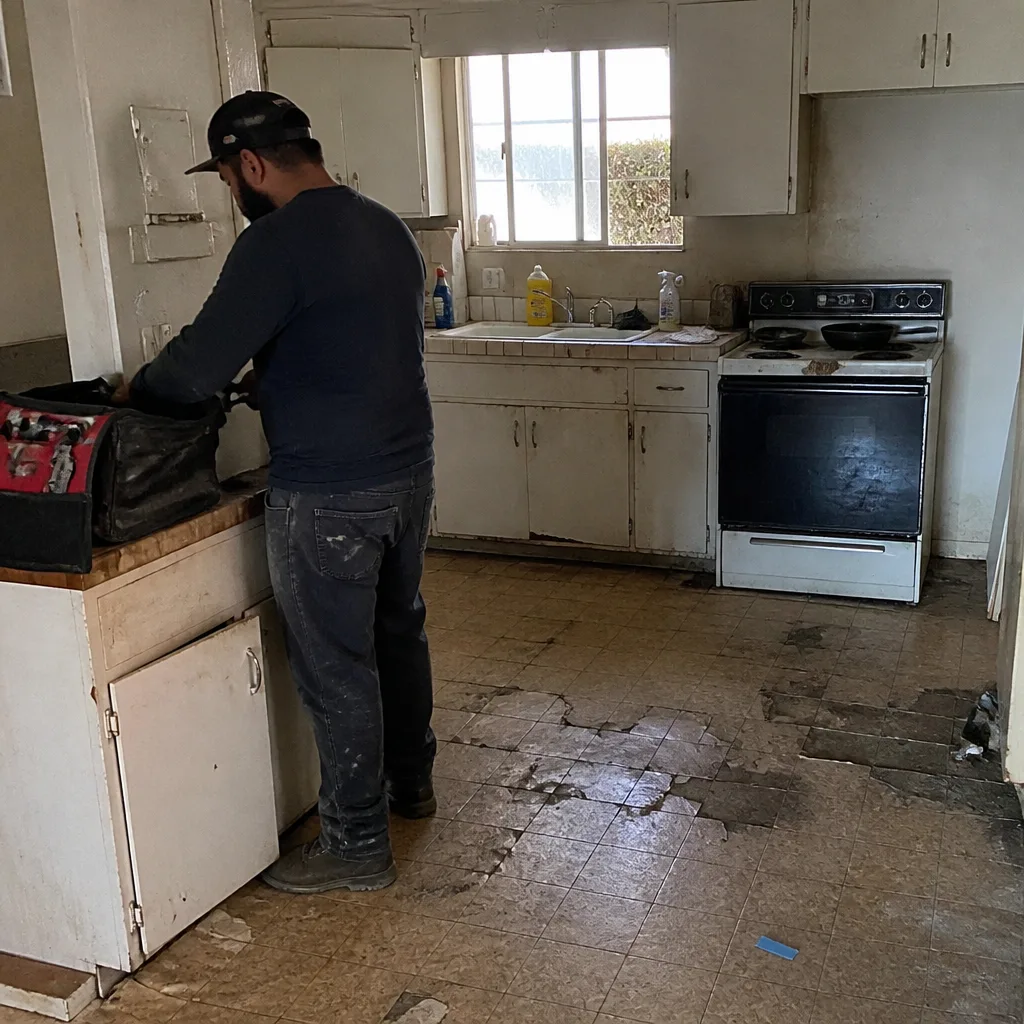 Before
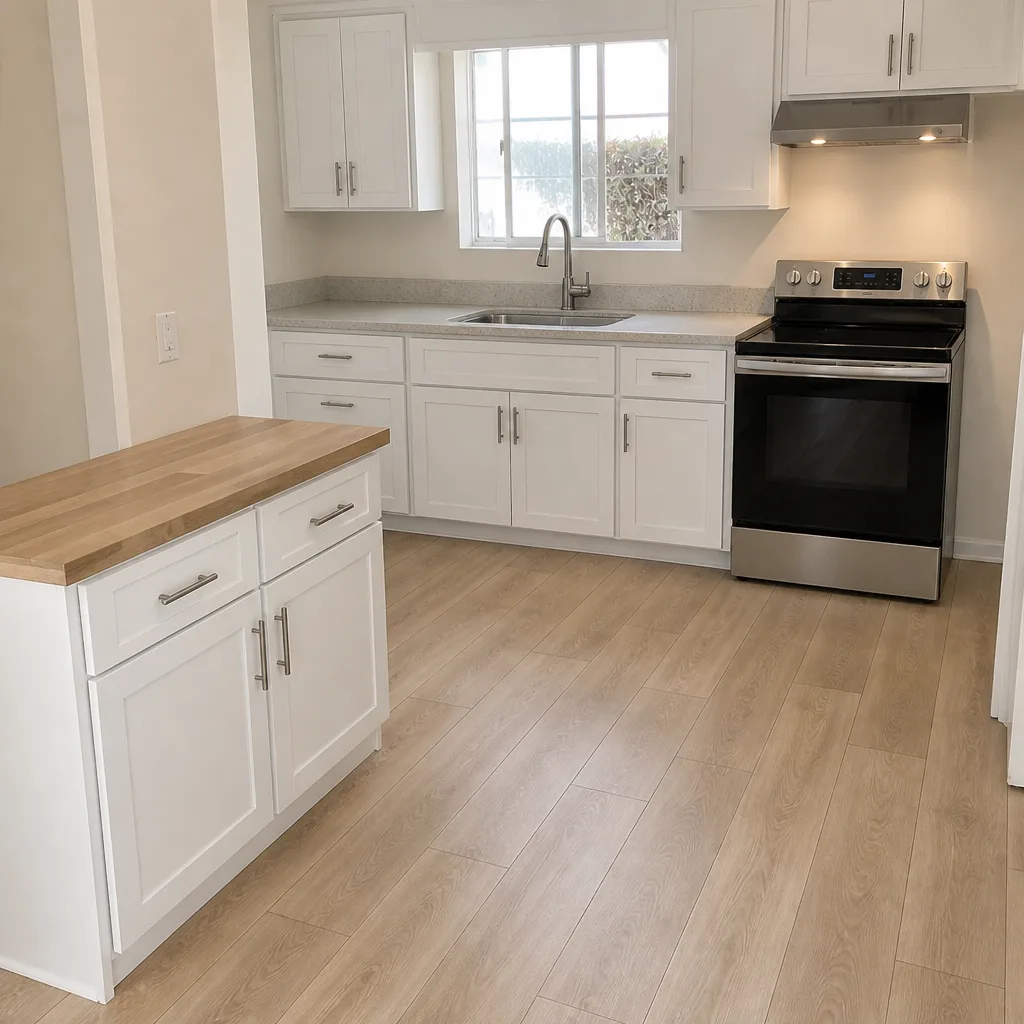 After
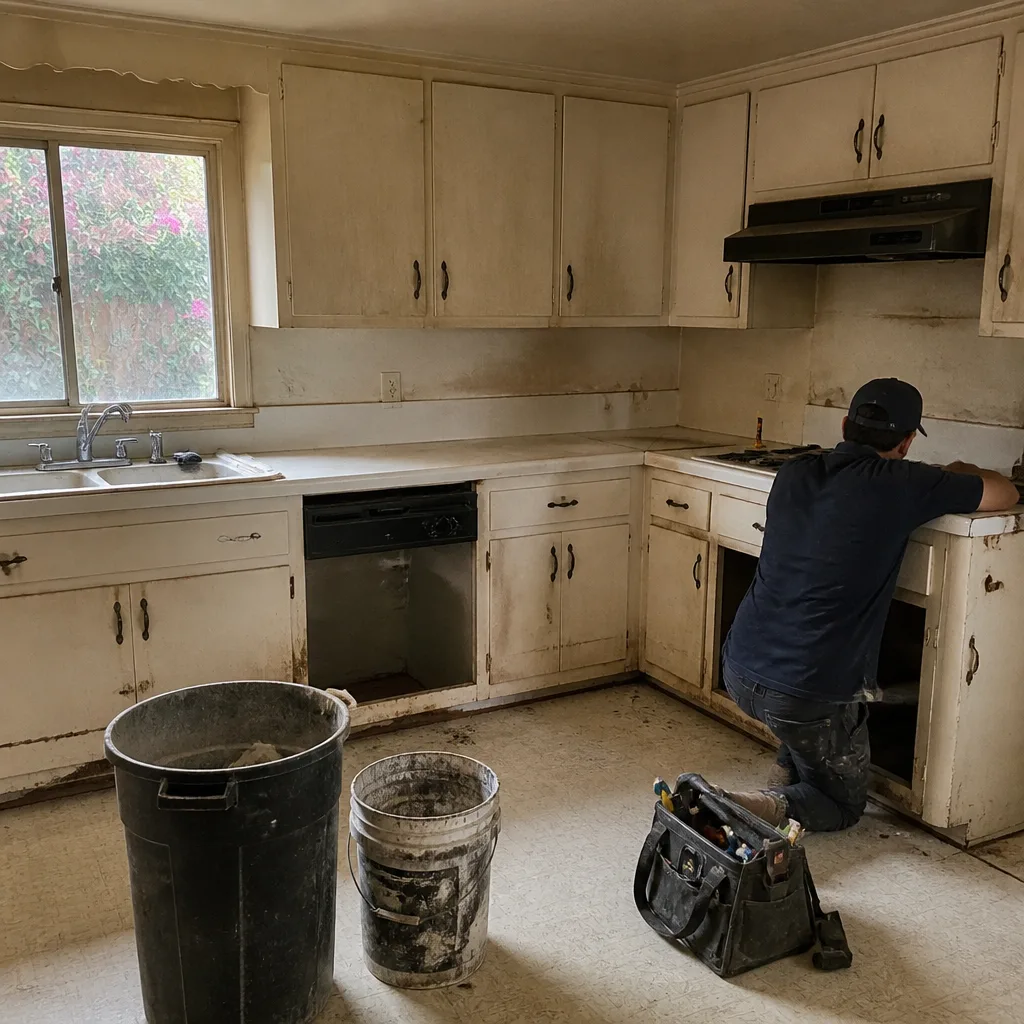 Before
 After
 Before
 After