Last updated November 17, 2026








Free written scope consultation - allowances, timeline, and change-order rules on paper before a single trade is scheduled
Bathroom Remodeling Warning Signs Every Homeowner Should Know
If a contractor is ready to start your bathroom without pulling a permit, that’s not efficiency – that’s your first warning sign, and everything that follows it becomes your legal problem. We’ve walked into Newport Beach homes where a “quick” bathroom refresh turned into a full re-do because nobody caught the signals in time. The tile looked fine. The grout was the right color. And underneath, the waterproofing had been skipped entirely. Most bathroom remodeling disasters were predictable. The homeowner just didn’t know which early signals to trust. This guide walks through the warning signs that show up before, during, and after a remodel – the ones that cost the least to catch early and the most to ignore.
Quick Answer
The biggest bathroom remodeling warning signs are: a contractor who pressures you to skip permits, a bid with no written waterproofing plan, no inspection hold at rough-in, grout or caulk applied before the substrate cures, and soft spots or recurring caulk failure near the shower in year one. Any one of these is a signal to slow down and ask hard questions. Two or more together usually mean the job is being cut short somewhere you can’t see.
Styles & brands we work with
- Kitchen remodeling
- Bathroom remodeling
- Home additions & ADU
- Roofing
- Windows & doors
- Driveway & pavers
- Fence
Table of Contents
- Pre-Construction Warning Signs
- How to Read a Bid for Warning Signs
- Mid-Construction Signals Work Is Being Cut Short
- The Inspection Hold at Rough-In
- Post-Remodel Warning Signs in Year One
- Cosmetic vs. Structural: When to Push Back
- Newport Beach-Specific Red Flags
- Common Mistakes to Avoid
Pre-Construction Warning Signs
The warning signs that matter most show up before a single tile is set. This is the phase where a homeowner has the most leverage and the least information. A contractor who is cutting corners will telegraph it in the paperwork long before the demo starts.
Here’s what to watch for in the pre-construction phase:
- Vague scope of work. “Remove and replace bathroom” is not a scope. A real scope names the substrate, the waterproofing membrane by product, the tile setting method, the shower valve brand, and the linear drain. If the bid can’t tell you what’s behind the tile, it’s not a bid – it’s a guess.
- No written waterproofing plan. Waterproofing is the single most important part of a bathroom remodel and it’s the part you can’t see. A bid that doesn’t specify the waterproofing system – cement board, liquid membrane, sheet membrane – is a bid that will fail somewhere between year three and year eight.
- Pressure to skip the permit. “We can save you two weeks if we don’t pull a permit.” That’s the first warning sign, and it’s a big one. In Newport Beach, bathroom remodels that move plumbing or electrical require permits and inspections. Skipping them shifts legal liability to you and can complicate a future sale.
- No payment schedule tied to milestones. A large deposit up front with no milestone breakdown is a red flag. Payments should track progress: demo complete, rough-in inspected, tile set, fixtures installed, final walkthrough.
- No warranty in writing. Ask for the workmanship warranty in writing before you sign. If it’s verbal, it’s not a warranty – it’s a conversation. Our Groundwork Construction Co. of Newport Beach projects are covered by the 730-Day Done Right Promise, and we put that guarantee in the contract.
- No site visit before the bid. A contractor who bids a bathroom without walking the space is guessing. Every bathroom has quirks – a slightly out-of-level floor, a vent stack that has to be re-routed, a hidden moisture issue behind the old drywall.
In Newport Beach, the pre-construction phase matters more than in most markets. The housing stock ranges from 1950s ranch homes on the Balboa Peninsula to newer builds in Newport Coast, and both come with their own pre-construction surprises. Older homes often have galvanized plumbing that needs to be replaced during the remodel. Newer builds sometimes have waterproofing details that were done to a spec that no longer matches current best practice. Either way, a real bid reflects what’s actually in your wall cavity, not what’s on a template.
We’ve seen homeowners in Newport Beach accept bids that didn’t list a single fixture brand and later discover the “Kohler” they thought they were getting was a builder-grade substitute. Written line-item bids are standard for us, and they should be standard for whoever you hire.
How to Read a Bid for Warning Signs
The single best way to spot a bad contractor is to read the bid line by line. A bid is a document written by someone who either knows exactly what’s going into your bathroom or is hoping you won’t notice what’s missing.
Here are the line items that should always be present in a real bathroom remodeling bid, and what their absence tells you:
- Demolition and haul-away. Should specify what’s being removed (tile, tub, vanity, subfloor) and that debris removal is included. If it’s not listed, expect a change order for haul-away on day two.
- Plumbing rough-in. Should name what’s being moved or replaced: shower valve, drain location, supply lines, and whether the toilet flange is being reset. Missing this line item usually means plumbing scope is being hidden to keep the bid low.
- Electrical and ventilation. A bathroom needs GFCI protection on all receptacles and a properly sized exhaust fan vented to the exterior. A bid without a ventilation line item is a bid for a mold problem nine months from now.
- Substrate and waterproofing by brand. Should name the cement board and the waterproofing membrane by product. Vague language like “waterproof as needed” is a warning sign of the highest order.
- Tile setting method and material. Should specify thinset type (modified vs. unmodified) and grout (epoxy vs. cementitious). The difference matters most in wet areas and floors.
- Fixtures and finishes by brand and model. “Kohler” is not a spec. “Kohler Purist widespread faucet in polished chrome” is a spec.
- Permit fees and inspection coordination. Should be a line item. If a bid doesn’t include permits, it either isn’t pulling them or is planning to bill you later.
- Punch list and final cleaning. Should be in writing.
What’s missing from a bid is more revealing than what’s in it. A bid without a waterproofing line item, a ventilation line item, or a permit line item is telling you something. It’s telling you the contractor knows these things cost money and would rather you find out later.
In Newport Beach, the bids we’ve reviewed for homeowners in neighborhoods like Corona del Mar and Newport Heights often reveal a subtler pattern: the bid is thorough on the parts you can see (tile, vanity, fixtures) and thin on the parts you can’t (waterproofing, substrate, ventilation). That’s how a $28,000 bathroom project becomes a $44,000 project four months in.
Mid-Construction Signals Work Is Being Cut Short
The most expensive corner-cutting happens during construction, in the spaces between the visible milestones. A homeowner walks in on a Friday and sees tile on the wall. Everything looks on track. What they can’t see is the substrate underneath, the cure time the tile setter didn’t wait, or the waterproofing band that was skipped around the shower curb.
Watch for these mid-construction signals:
- No inspection hold at rough-in. In Newport Beach, a plumbing or electrical inspection at rough-in is required before the drywall goes up. If your contractor is covering walls without a scheduled inspection, that’s a hard stop.
- Mortar bed shortcuts. A proper shower pan requires a pre-slope, a liner, and a mortar bed set to the right thickness and pitch. A shortcut skips the pre-slope, which means water can’t find the drain and eventually finds your floor framing instead.
- Grout applied before substrate cure time. Thinset needs to cure before grout goes on. Grout applied too early cracks, and the cracking is usually blamed on “settling” or “house movement.” It almost never is.
- Caulk at the shower pan / wall joint instead of the correct waterproofing detail. Caulk is a sealant, not a waterproofing system. If caulk is being used at the joint between the shower floor and wall tile, the tile assembly behind it is being asked to do something it can’t do.
- Tile set over green board or standard drywall. Green board is moisture-resistant, not waterproof. In a wet area, it’s the wrong substrate and no amount of liquid membrane on top fixes it properly.
- Ventilation fan ducted into the attic instead of to the exterior. This is one of the most common cut-short moves we see. It’s cheaper and faster, and it dumps moisture into your attic, where it condenses and feeds mold growth over the next two or three years.
- No communication about cure times or cure windows. A crew that’s not talking about cure time either doesn’t know it matters or is hoping you don’t.
Newport Beach has an added rhythm issue here. Coastal humidity, even in summer, can extend cure times for thinset and liquid membranes. A contractor who is running a schedule off a template built for a dry inland market sometimes tries to compress the cure window to stay on timeline. That compression is a warning sign, and it’s the kind that shows up two years later as a shower pan failure.
We hear from homeowners in Newport Beach most often after they’ve caught a mid-construction signal and need a second opinion. Sometimes it’s just the wrong detail being installed, and it can be fixed without tearing out the work. Sometimes the walls have already been closed and the waterproofing was skipped entirely. The earlier you push back, the cheaper it is. If you’re not sure what you’re looking at, that’s the moment to call in an experienced eye – a free consultation now will cost less than a shower rebuild in year three.
The Inspection Hold at Rough-In
A rough-in inspection is the moment a bathroom remodel pauses while a city inspector verifies the plumbing, electrical, and framing before the walls close up. In Newport Beach, that’s required on any bathroom remodel that touches plumbing or electrical – and that’s almost all of them. If your contractor is skipping the inspection hold, the rest of the warning signs matter a lot less, because nothing else is going to get caught.
Here’s how a proper inspection hold should go:
- Framing inspection. Verify blocking, nail plates, and any structural changes are correct.
- Plumbing rough-in inspection. Verify drain slope, supply line routing, shower valve rough-in, and vent stack connections.
- Electrical rough-in inspection. Verify GFCI protection circuits, exhaust fan wiring, and outlet placement.
- Sign-off in writing before drywall. The drywall doesn’t go up until the inspector has signed off. Full stop.
If the answer to “when is the inspection?” is vague, that’s your signal. If the answer is “we don’t need one for this size of job,” ask for that in writing – then call the city yourself to verify. Newport Beach residents have that right, and a legitimate contractor will welcome the call.
Every Groundwork bathroom project gets permits pulled and inspections passed as part of the scope. That’s how we sleep at night, and it’s how you avoid inheriting a bathroom that fails an inspection four years from now when you try to sell.
Post-Remodel Warning Signs in Year One
The final walkthrough is not the finish line. The first twelve months after a bathroom remodel are the diagnostic window – the period when waterproofing failures, ventilation problems, and cure-time shortcuts make themselves known. Most homeowners don’t know what to look for, which means they wait until a small signal becomes a big repair.
Here’s what to watch for in year one:
- Soft spots near the shower threshold. A soft spot at the curb or threshold means water is getting past the pan waterproofing. It is almost never a “settling” issue.
- Recaulk needed before 12 months. Fresh caulk should hold a year at minimum in a well-built shower. If you’re recaulking at month six, water is getting behind the caulk and pulling it loose.
- Grout discoloration near floor transitions. Gray or darkening grout at the base of the shower floor or along the floor-to-wall transition is moisture. It may just be surface mold, but it may also be a weep system failure underneath.
- Efflorescence on tile or grout lines. That white powdery bloom is salt migration, and it happens when water is moving through the assembly and evaporating at the surface.
- Musty smell after showers. Usually ventilation. Sometimes it’s the exhaust fan ducted into the attic, sometimes it’s a fan too small for the square footage.
- Tile pop or hollow-sounding tiles near the shower. Adhesion failure. Often a product of tile set over a substrate that wasn’t fully cured or properly prepped.
- Shower pan draining slowly. Sometimes a clog. Sometimes the pre-slope was skipped and water is pooling under the tile instead of flowing to the drain.
Any one of these is worth a call to your contractor. Two or more together, within twelve months of a remodel, is a pattern. That’s when you call for a walkthrough and ask them to open up the inspection access if there is one. If there isn’t one – that’s also a signal. Every well-built bathroom should have an access point, and any failure that requires opening a wall to diagnose is a failure that happened at the waterproofing stage.
In Newport Beach, our coastal climate makes year-one watchfulness more important, not less. Salt air attacks sealant faster than a dry inland climate. Humidity extends drying times. Bathrooms near the coast – especially on the Peninsula and in Balboa – take more of a beating than the same bathroom in Irvine would. The signs show up sooner, and they show up more often.
Cosmetic vs. Structural: When to Push Back
One of the most useful things a homeowner can learn is the difference between a cosmetic imperfection (acceptable, and covered by a punch list) and a structural or waterproofing failure (not acceptable, and a rebuild if ignored). Without that line drawn clearly, homeowners either accept things they shouldn’t, or blow up perfectly fine jobs over a tile that’s 1/16th of an inch out of alignment.
Cosmetic (push for fix, but it’s within the punch list):
- Tile lippage or slightly uneven grout lines
- Caulk line inconsistencies
- Minor paint touch-up needs
- Hardware alignment
- Tile shade variation (natural stone and porcelain both vary by production run – this is a material characteristic, not a defect)
Structural or waterproofing (not acceptable, and needs to be addressed before final payment):
- Any tile set over drywall or green board in a wet area
- Shower floor that doesn’t drain to the weep holes
- No pre-slope under the mortar bed
- Exhaust fan vented into the attic instead of outside
- Missing the rough-in inspection sign-off
- Water damage or soft substrate anywhere in the assembly
- Grout or caulk applied before the substrate was fully cured
The line is clear once you know it. A cosmetic issue shows on the surface. A structural issue shows up two years later inside the wall. Push back on both, but never let a contractor talk you out of the second category by calling it the first. “That’s just how tile sets” is never an acceptable answer for a shower floor that doesn’t pitch to the drain.
Our 730-Day Done Right Promise exists precisely because this line matters. If a bathroom we built has a waterproofing failure inside the 730-day window, we make it right – not with a callback that patches the symptom, but with a repair that fixes the cause. That’s one of the longest workmanship guarantees in the residential construction space, and it’s written into every project we take on.
Newport Beach-Specific Red Flags
Some warning signs are universal. Others show up in Newport Beach specifically, tied to the local housing stock, the coastal climate, and the way the local permit process works. Knowing which is which can save a homeowner weeks of confusion.
Here’s what we watch for on the coast:
- Waterproofing details designed for an inland climate. Newport Beach bathrooms sit in a marine environment. Salt air and humidity stress sealants and cure times in ways an inland contractor may not account for. If a bid doesn’t mention the specific products being used in the wet areas, ask why.
- Framing retrofits ignored in older homes. A 1950s Balboa Peninsula bathroom on a raised foundation often needs joist repairs and subfloor replacement that a surface-level bid won’t catch. A bid that doesn’t include a subfloor inspection line item is a bid for a change order.
- Galvanized plumbing left in place. Older Newport Beach homes frequently have galvanized supply lines that are already corroding. If a remodel bid omits a plumbing replacement line item, ask directly whether the existing supply lines were inspected.
- Coastal Commission and permit overlays. Some Newport Beach properties sit in coastal overlay zones where remodel scope and exterior work face additional review. A contractor who says “we don’t need a permit for this size job” without checking the specific address is skipping due diligence.
- Ventilation sized for an inland bathroom. Ventilation fans need to move air based on square footage and humidity load. A coastal bathroom with a smaller fan sized off a template will underperform in the first summer.
- Tile selected for looks, not performance. Natural stone in a shower is beautiful and demanding. If a bid includes natural stone without a waterproofing and sealing plan specific to that material, ask how the installer intends to protect it.
None of these are impossible to work around. They’re just details that a Newport Beach contractor with real local experience knows to put in the bid. If those details aren’t showing up in the paperwork, the contractor either doesn’t know the local market or is keeping the bid thin on purpose.
Common Mistakes to Avoid
- Accepting a verbal scope of work. If it’s not in the contract, it doesn’t exist. Every detail – from the shower valve brand to the exact exhaust fan model – should be written down before demolition starts.
- Skipping the permit to “save time.” In Newport Beach, skipping the permit doesn’t save time. It saves the contractor time and shifts the liability to you. It can also complicate a future sale when the buyer’s inspector flags the unpermitted work.
- Choosing the lowest bid without reading the line items. A bid that’s $8,000 under the others usually isn’t a deal. It’s a bid with the waterproofing line, the ventilation line, and the permit line missing. You’ll pay for those later, usually at a markup.
- Not scheduling the rough-in inspection. The rough-in inspection is the single most important checkpoint in a bathroom remodel, and it’s the one most easily skipped. If your contractor is “just going to cover it up,” that’s your signal to stop the job.
- Accepting grout applied before the cure window. Thinset needs to cure, and the number on the bag is a minimum, not a target. If grout goes on the day after tile set, ask whether the cure window was respected.
- Ignoring year-one signals. Soft spots, recurring caulk failure, and grout discoloration are the bathroom telling you something. Waiting until year three to call about them turns a $600 repair into a $6,000 shower rebuild.
- Not asking for the workmanship warranty in writing. A verbal “we stand behind our work” is not a warranty. Ask for the term, the coverage, and the process in writing before you sign. Our 730-Day Done Right Promise is standard on every bathroom project we build – that’s what a real written guarantee looks like.
See the difference
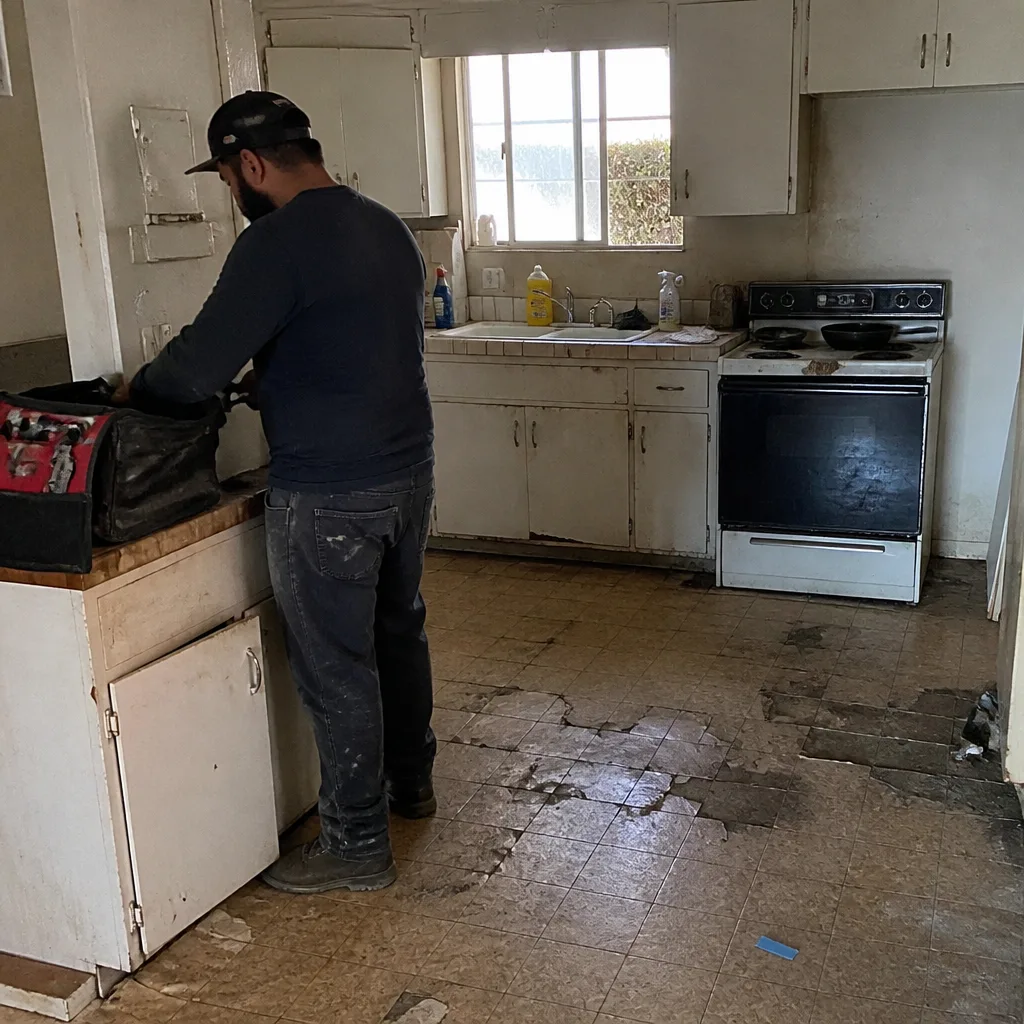 Before
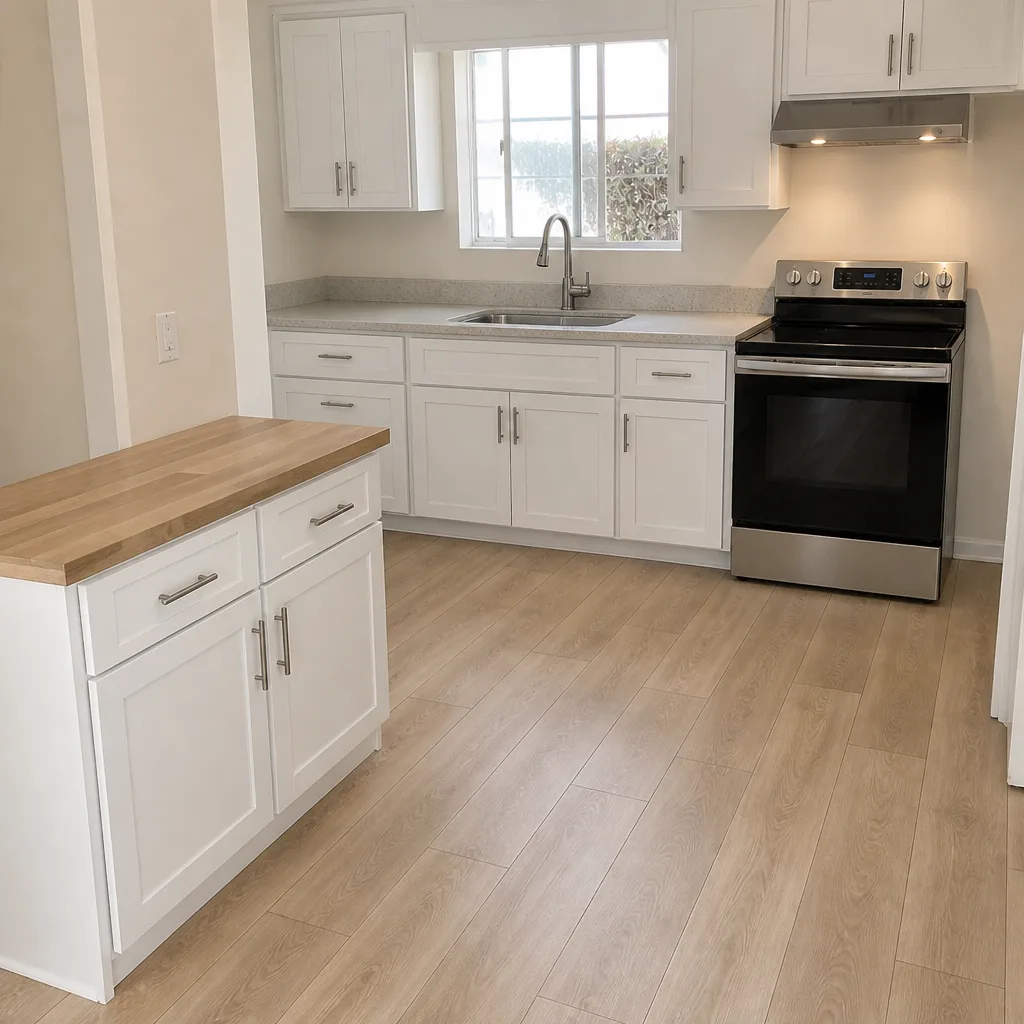 After
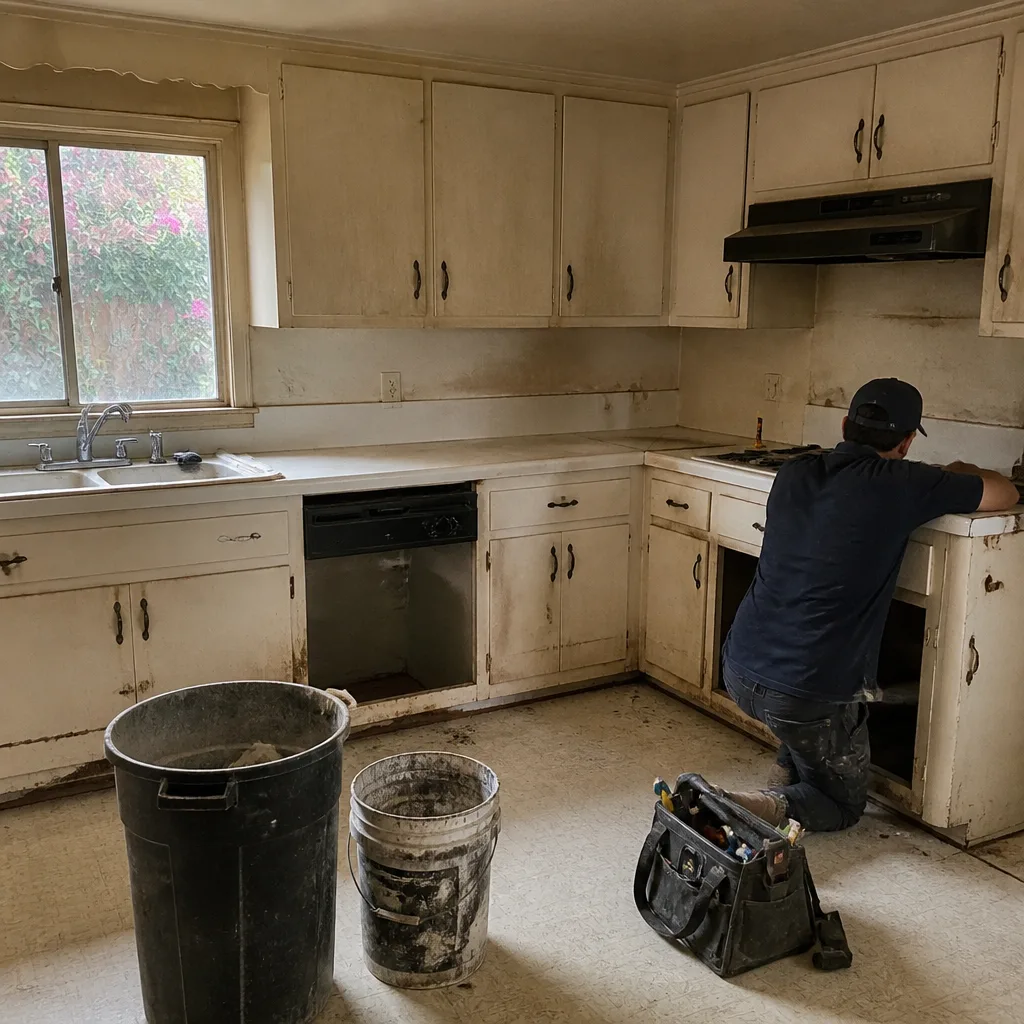 Before
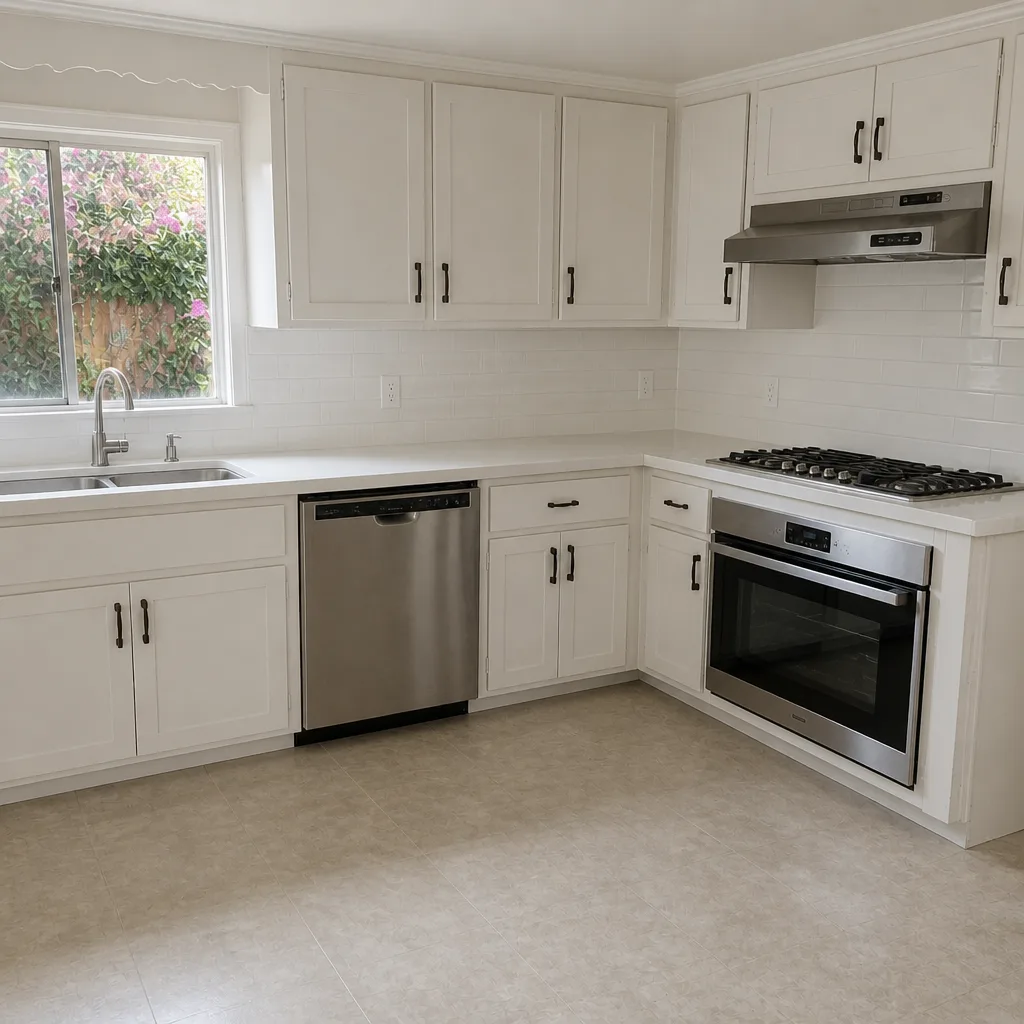 After
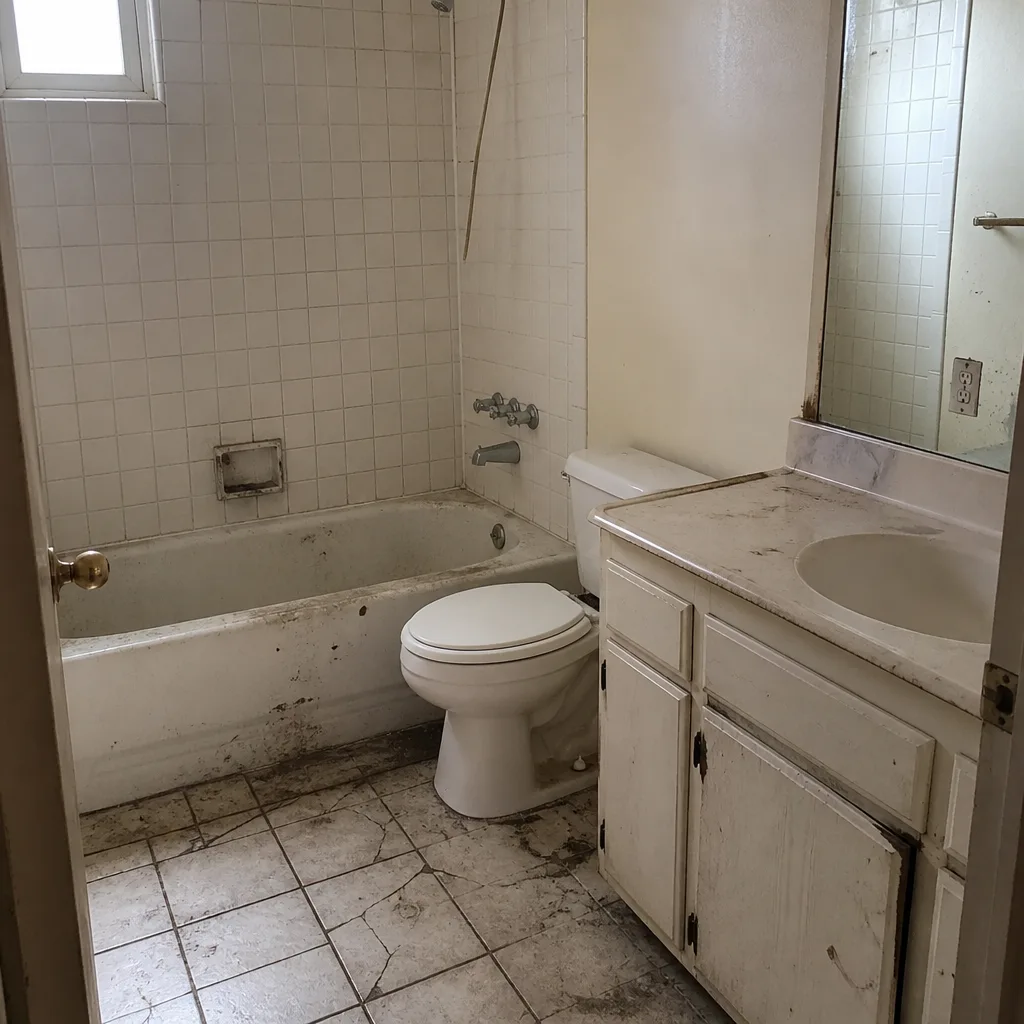 Before
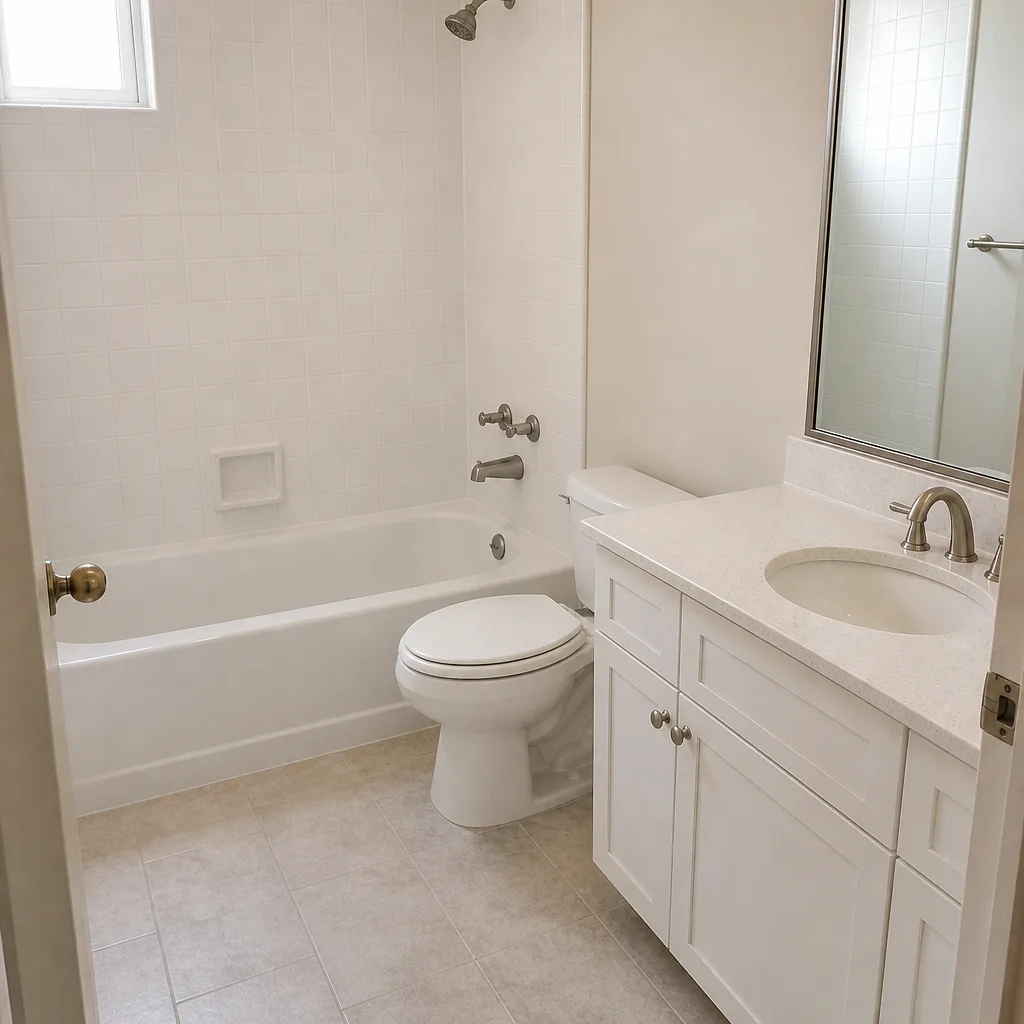 After
When to Call a Professional
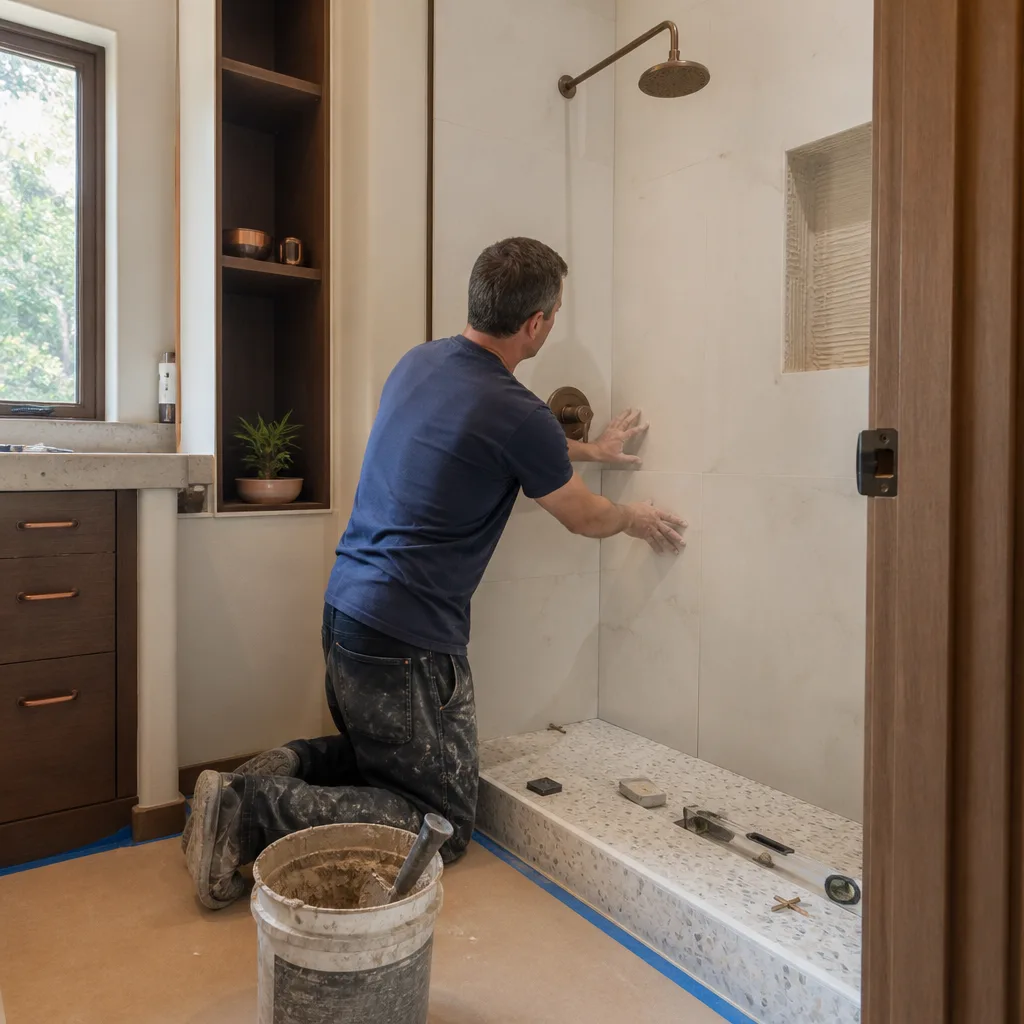
Some things in a bathroom remodel are worth watching for a week. Others need a call today. If you’re seeing water staining on your ceiling below the bathroom, soft substrate anywhere in the shower, evidence of standing water under the tile, or a contractor covering walls without an inspection, stop the work and get a professional opinion before anything else happens. The same goes for any signal of structural damage – a sagging subfloor, movement at the shower curb, or a floor tile that sounds hollow when you tap it near the drain.
Even when nothing is actively failing, an experienced eye can catch a warning sign in twenty minutes that a homeowner would miss for a year. Groundwork Construction Co. of Newport Beach offers free estimates and design consults in Newport Beach – call (833) 749-3967 to schedule a walkthrough of your bathroom, whether it’s pre-remodel or post-construction and worth a second opinion. Calls are answered by a live person around the clock, and there’s no charge for the first conversation.
Frequently Asked Questions
Yes. Any bathroom remodel that moves plumbing or electrical – which is almost all of them – requires a permit and inspections in Newport Beach. The permit protects you, not just the contractor. It documents that the rough-in plumbing, electrical, and framing were checked by an inspector before the walls closed up, and it’s a critical part of any future home sale. Skip the permit and the entire project becomes your legal problem.
The top pre-construction warning signs are a vague scope of work, no written waterproofing plan, pressure to skip the permit, no milestone-based payment schedule, and no written workmanship warranty. Any one of those is worth pushing back on. Two or more together is a signal to find another contractor. Call (833) 749-3967 for a free bid review if you’re not sure what you’re looking at – estimates and consults are free.
You should not need to recaulk a well-built shower within the first twelve months. If you’re reaching for the caulk gun at month six, that’s a warning sign that water is getting behind the existing caulk and is failing the joint. A properly built shower should hold its caulk line a year at minimum, and in most cases two or three. If it doesn’t, call the contractor and ask them to open the access panel and check the shower pan.
Yes, and it should be checked within days. A soft spot near the shower threshold almost always means water has found a way past the waterproofing at the shower curb or floor transition. It rarely gets better on its own. Caught early, the repair is often limited to the threshold area. Caught a year or two in, it usually means tearing out the shower floor and rebuilding the pan.
A real Newport Beach bathroom bid should include demolition and haul-away, plumbing rough-in, electrical and ventilation, substrate and waterproofing by brand, tile setting method and material, fixtures by brand and model, permit fees and inspection coordination, and a written punch list and final cleaning clause. If any of those are missing, ask why before you sign. The absence of a waterproofing or ventilation line item is the biggest warning sign. Call (833) 749-3967 for help reading a bid you’re not sure about.
Cosmetic defects are surface-level issues on the punch list: tile lippage, uneven grout lines, paint touch-ups, hardware alignment. They need fixing, but they don’t affect how the bathroom performs. Waterproofing failures happen underneath: tile set on drywall instead of cement board, no pre-slope under the shower pan, ventilation fan ducted into the attic instead of outside, or grout and caulk applied before the substrate cured. Push back on both, but never let a contractor talk you out of the second category by calling it the first. Our Home Additions & ADU in Newport Beach projects are backed by the same 730-Day Done Right Promise that covers every bathroom we build – if the waterproofing fails, we make it right.
The Bottom Line

Most bathroom remodeling disasters are predictable. The warning signs are there before the demo starts, in the paperwork, and they’re there during construction, in the details behind the tile. The homeowner’s job isn’t to catch every technical misstep. It’s to ask the right questions early, insist on the permit and the inspection, and know the difference between a cosmetic issue worth fixing and a waterproofing failure worth stopping the job for. If your bathroom is pre-remodel, mid-remodel, or a year out from a remodel and something feels off, call Groundwork Construction Co. of Newport Beach at (833) 749-3967 for a free estimate or a second opinion. Live person, 24/7. Upfront pricing, no surprises. Built to last, backed in writing.
If your upcoming project stays on track and you’re ready to scope the rest of the home, our teams also handle Driveway & Pavers in Newport Beach and Fence Installation in Newport Beach – same guarantee, same standard of paperwork, same transparent bid.
Written by the team at Groundwork Construction Co. of Newport Beach.