Last updated November 17, 2026

Free written scope consultation - allowances, timeline, and change-order rules on paper before a single trade is scheduled
DIY vs Professional Driveway & Pavers: What’s Safe to Do Yourself
YouTube will teach you to lay pavers. It won’t teach you to calculate whether your existing sub-base can carry a 6,000-pound SUV turning into your garage on a wet February morning. That gap, between the surface you can see and the structure you can’t, is where most DIY driveway projects in Newport Beach succeed or fail. We’ve watched homeowners lay a beautiful herringbone pattern over a base that was never compacted properly, then watch the same driveway heave and shift within two winters. This guide draws an honest line: which parts of a paver project are genuinely safe to take on yourself, which parts carry real structural or legal risk, and how to split a project with a pro without getting cheated on the split.
Quick Answer
You can safely DIY paver layout, cutting, and sand-setting on walkways, patios, and light-traffic flatwork if you’re methodical and rent the right compactor. You should not DIY the structural sub-base, load calculations, drainage grading, or the transition points near your garage apron and street connection, because a failure there means tearing up the entire surface and starting over. Most Newport Beach homeowners save more by hiring out base and drainage work and finishing the visible surface themselves than by doing the whole thing solo.
Styles & brands we work with
- Kitchen remodeling
- Bathroom remodeling
- Home additions & ADU
- Roofing
- Windows & doors
- Driveway & pavers
- Fence
Table of Contents
- Where the DIY Line Actually Falls
- Structural Risk vs. Surface Risk: A Task-by-Task Breakdown
- The Three Zones That Demand a Professional Assessment
- Doing the Real Cost Math: Will DIY Actually Save You Money?
- Newport Beach Permits and the Resale Liability No One Warns You About
- The Hybrid Model: Hiring Out Base Work, Doing the Surface Yourself
- Newport Beach Climate and Why It Punishes Bad Base Work
- Material Choice and the Compromises DIYers Make Under Pressure
Where the DIY Line Actually Falls
The line isn’t about skill. Plenty of Newport Beach homeowners have the patience and eye to set pavers beautifully. The line is about consequence. A misaligned paver looks wrong; you can lift it and reset it. A miscalculated base fails six inches below the surface where lifting pavers won’t help you. That’s the distinction we draw throughout this guide: tasks where a mistake is visible and cheap to fix versus tasks where a mistake is buried and expensive to fix.
Driveway pavers are a load-bearing structure disguised as a surface decoration. The pavers themselves are the top 2 to 3 inches. Under them you’ve got a bedding layer, a compacted aggregate base that should run 4 to 8 inches deep on a residential driveway, and the native soil beneath. That base is what distributes the point load of a tire, a jack, or a loaded trailer. Get the depth wrong on clay-heavy soil, and the pavers stay flat for a season or two, then start rocking.
Walkways, garden paths, and patio flatwork that never sees a vehicle are a different animal. The loads are so light that a well-compacted 2-inch base with good edge restraint will last decades in Newport Beach’s mild climate. That’s why we tell homeowners to sort their project into two categories before deciding anything:
- Light-load flatwork (walkways, patios, garden paths): realistically DIY-able end to end if you’re careful.
- Vehicle-load flatwork (driveways, aprons, parking pads, any surface a car will sit on): the base work is not a good place to learn by trial.
If you want to see the full scope of what professional driveway work looks like in our market, our Driveway & Pavers in Newport Beach page covers the process step by step. But read the rest of this guide first, because the honest answer to “can I DIY this?” depends on which side of that line your project sits on.
Structural Risk vs. Surface Risk: A Task-by-Task Breakdown
Here’s the honest map. This is the section we wish every homeowner read before renting a plate compactor. We’ve assigned a risk rating to each task in a typical driveway paver project, based on what it costs when it goes wrong rather than how hard it is to perform.
Tasks with real structural or safety risk (hire these out)
- Sub-base excavation and depth calculation. Getting the excavation depth right depends on the native soil, the expected vehicle loads, and the drainage plan. A 4-inch base is fine over well-draining sandy soil; the same base over clay will heave. This is engineering judgment, not labor.
- Drainage grading and slope. Pavers need to shed water at a specific slope. A surface that sheds toward the house in a Newport Beach winter storm is a foundation problem, not a driveway problem.
- Direct-to-garage apron transitions. The apron connects your driveway to your garage floor, and it has to shed water away from the structure while meeting the garage slab at a consistent height. Get it wrong and you get water intrusion into the garage.
- Street-connection transitions. The point where your driveway meets the public curb and sidewalk in Newport Beach is subject to city construction standards. The grade has to be right or your car scrapes, and the transition has to hold up under street sweeping and traffic.
- Drainage channel installation. Any channel, trench grate, or linear drain needs proper fall and outlet planning. An under-sized channel turns a driveway into a wading pool.
- Edge restraint engineering. Without proper edge restraint, pavers creep and spread under vehicle load. The restraint is invisible and load-critical.
- Electrical or gas stub encounters. Excavation can hit buried lines. If you’re digging anywhere near your service entry, this is a call-the-utility-before-you-dig territory.
Tasks that are genuinely DIY-friendly
- Picking the paver pattern. Layout decisions are reversible and visual. Do the ones you love.
- Layout and cutting. Renting a wet saw and cutting pavers well is a learned skill, but a mistake here costs you one paver, not your foundation.
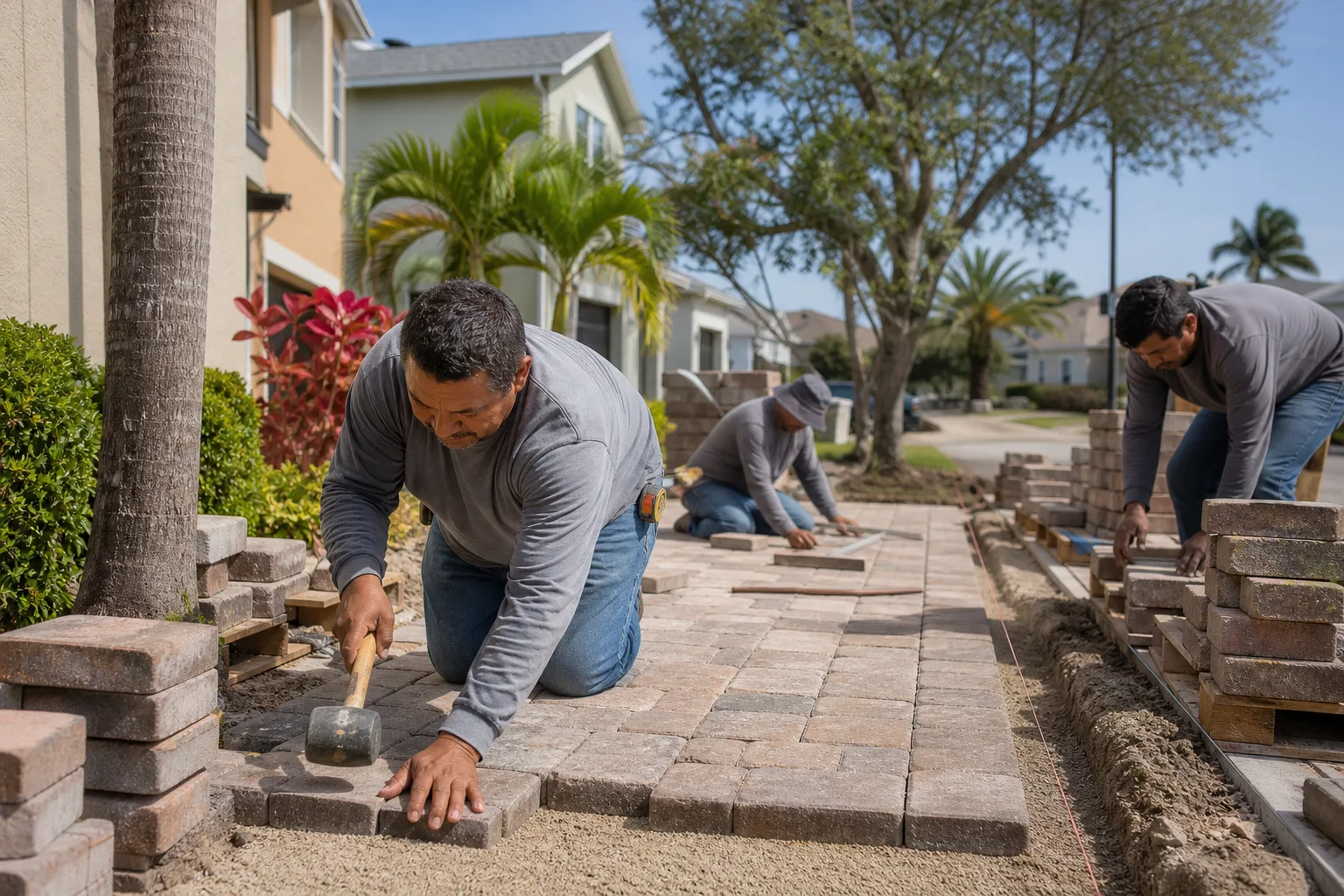
- Setting and bedding pavers on a properly prepared base. This is the visible craft, and it’s the part most homeowners are proudest of.
- Polymeric sand application and finishing. Straightforward technique, low failure consequence, and honestly one of the most satisfying stages.
- Sealing. Cosmetic and repeatable. If you get it wrong, you can redo it next year.
Notice how the DIY-friendly list is all surface and the high-risk list is all structure. That’s not an accident. The paver surface is forgiving. The structure beneath it is not.
How many pavers you actually need
One of the few calculations that’s safely DIY is material quantity. Here’s the formula we use:
- Measure the project area in square feet (length × width).
- Add 7 to 10 percent for cuts and waste (higher if the layout has curves or lots of cuts).
- Multiply by the paver coverage per square foot (typically 4 to 5 paver count for a standard profile).
- Round up to the nearest full pallet.
Order the waste allowance. Running short mid-project in Newport Beach means a second delivery, and paver color varies by production run. Mixing runs on the same driveway is one of the most common regrets we see.
The Three Zones That Demand a Professional Assessment
Even if you plan to do most of the work yourself, there are three specific zones where the failure consequence is high enough that a professional assessment is worth the money. These aren’t upsells. They’re the points where an amateur mistake manifests months later, far from where you made it.
Zone 1: The garage apron transition
The apron is the strip of paving that meets the garage floor. It has a hard job: shed water away from the garage while meeting the slab at a consistent height, under vehicle loads, without settling underneath the garage wall line. Water that pools on the wrong side of the apron finds its way into your garage and eventually into your framing. In Newport Beach, where we get wet winters and dry summers, this transition gets tested every rain. An apron that was laid without proper consideration of the garage slab elevation and the driveway slope will announce itself the first time it rains hard.
Zone 2: The street connection
The sidewalk and curb line meet your driveway. Any paving that touches the public right-of-way in Newport Beach is subject to city construction standards, and the transition must be graded so vehicles don’t scrape, so surface water doesn’t pool at the connection, and so the pavers hold up under traffic. Adjusting the street-to-driveway grade after the fact is invasive and expensive. This is one of the places where the line between “driveway” and “street” is legally significant.
Zone 3: Any drainage channel or trench drain
If your design includes a channel, catch basin, or linear drain, the outlet planning and slope calculation become load-bearing decisions. A channel that empties to the wrong spot sends water toward your neighbor’s patio, or worse, toward your own house. A channel that’s under-sized for the drainage area becomes a maintenance headache from day one. Drainage planning is design work, not layout work, and it’s the part of a paver project we see go wrong more than any other when homeowners go it alone.
All three zones fail quietly, then expensively. That’s the reason we advise homeowners to bring in a professional for these specific points even if they’re doing the surface themselves. A targeted consultation on transitions and drainage costs far less than the re-do.
Doing the Real Cost Math: Will DIY Actually Save You Money?
The honest answer for most Newport Beach homeowners: the savings are real but smaller than they look, and almost completely erased if the base work has to be redone. Let’s put numbers on it rather than vibes.
Here’s what a typical 400-square-foot residential driveway paver project in the $35,000 to $60,000 dollar range looks like when broken out. (These are illustrative ranges for planning, not a quote; your exact pricing depends on site conditions, paver selection, and drainage scope.)
- Paver material: 30 to 40 percent of project cost. DIY doesn’t change this much, though you may pay more per square foot on small orders because you lose the volume break.
- Base material (aggregate): 5 to 10 percent. DIY doesn’t change this either, and you may waste more by miscalculating volume.
- Labor for excavation, base, compaction, grading: 25 to 35 percent. This is where the DIY savings are real, and this is also where the risk is highest.
- Labor for layout, cutting, setting, sanding: 20 to 30 percent. This is the most DIY-friendly labor cost to capture, and the safest.
- Edge restraint, drainage hardware, bedding sand, polymeric sand: 5 to 10 percent. DIY doesn’t change this materially.
Now price the hidden line items that no YouTube video mentions.
The tool bill
You’ll need a plate compactor (rental), a wet saw (rental or purchase), a laser level or transit (rental), hand tools, wheelbarrows, and a truck or trailer to haul materials. For a 400-square-foot project, expect $400 to $900 in tool rental for the week, more if you’re slow.
The waste bill
Professional crews order tight. DIYers over- or under-order, and paver reorders almost never match the original production run. Extra pallets and mismatched reorders add 5 to 15 percent.
The redo bill
This is the number that erases the savings. If the base has to come out, you pay for the pavers you already bought twice, the base material twice, and the labor twice. A base failure on a 400-square-foot Newport Beach driveway can add $15,000 to $25,000 to a project that hasn’t even been finished yet. We’ve watched homeowners absorb that.
The honest formula
Rough DIY savings = (labor you’d have paid a pro) − (tool rental) − (material waste) − (probability of redo × redo cost). For a confident homeowner on a light-load patio, that formula comes out clearly positive. For a first-timer on a full driveway, the math is far closer to even, and the downside risk is bigger than the upside.
Newport Beach Permits and the Resale Liability No One Warns You About
Paver work doesn’t always require a permit, but it can, and the line between permit-required and not is not intuitive. That matters more at resale than most homeowners realize. When your buyer’s inspector finds unpermitted work, they don’t just flag it. They ask for permits, and you either produce them, pay retroactive permit fees and possible penalties, or credit the buyer. We’ve seen unpermitted paver work cause stalled closings in Newport Beach.
Two things to sort out before you dig:
1. Does your project trigger a permit?
Cosmetic resurfacing of an existing driveway usually doesn’t. But a driveway that’s being widened, re-graded, connected to a new drainage channel, or extended into the public right-of-way almost certainly does. Projects that change the impermeable surface area of your lot may also factor into stormwater and drainage requirements, particularly in Newport Beach neighborhoods sensitive to runoff. If you’re unsure, call the city’s building department and ask a real question in plain language. That five-minute call is free and saves thousands later.
2. Will it create title or disclosure issues?
California’s disclosure requirements for sellers are broad. Work that was done without permits and without proper warranty of workmanship can surface in a buyer’s inspection and become negotiable leverage against you. That risk is invisible the day the pavers go down and real the day you list the house.
Permitted work is documented work. A contractor who pulls permits and schedules inspections protects you at resale. A homeowner doing DIY work that required a permit but was completed without one inherits the entire risk. This is one of the reasons we advise homeowners to keep the permit-required work on the professional side of the line even when the physical labor is DIY-accessible.
Coordinate with other exterior work
If you’re considering a driveway project alongside other exterior work, timing matters. Driveways and Fence Installation in Newport Beach often overlap in scope because both involve grading near property lines and both benefit from one excavation pass. If you’re planning an addition, coordinate the driveway design with the addition footprint so you’re not tearing up new pavers a year later. Our page on Home Additions & ADU in Newport Beach covers how to sequence exterior projects with structural work, and it’s worth reading before you commit paver money to a layout you might change.
The Hybrid Model: Hiring Out Base Work, Doing the Surface Yourself
Here’s the approach we recommend most often to homeowners who want to be hands-on but don’t want to gamble the structure: split the project at the surface. The pro handles everything below and around the pavers. You handle layout, cutting, and setting. It’s a legitimate cost split, not a watered-down version of full-service work.
Here’s how it works in practice.
- Scope-write the split before anyone quotes. The pro’s scope should include excavation, base material supply and installation, compaction, grading, drainage channels, apron and street transitions, edge restraint, and inspection sign-off. Your scope should include layout, cutting, setting, sanding, sealing, and cleanup. Write both lists down.
- Confirm interpretation of the split. Both of you should agree in writing on what “surface” means, where the pro’s responsibility ends, and who pays for material waste during setting. If a paver gets cut wrong, whose cost is it? The answer should be in writing.
- Ask the pro for handoff criteria. A good professional will hand you a surface-ready base that’s compacted to spec and properly graded. Ask what compaction standard they’re hitting so you don’t have to guess. This is one of the questions that separates a real pro from someone who’s winging it.
- Schedule the handoff so you’re not leaving an excavated driveway open. Your base shouldn’t sit uncovered for weeks during Newport Beach’s wet season. Even a light rain on a prepared base changes it. Aim for a tight handoff window.
- Get the workmanship warranty in writing. If your base fails after you’ve set the pavers on it, whose problem is it? A workmanship warranty on the base is what protects you. At Groundwork Construction Co. of Newport Beach, every project carries the 730-Day Done Right Promise: if it’s not done right, we make it right. That guarantee covers our work under the hybrid model the same as any full-scope project.
The hybrid model lets confident homeowners capture 20 to 30 percent of the labor cost on the surface work while transferring the structural and code risk to a professional. It’s the split we’d choose ourselves.
Remember: this piece matters more than any short-term savings. A properly licensed and background-checked crew, arriving in uniform and working to a written workmanship warranty, has something to lose. A neighbor’s cousin doesn’t. That’s why the base work belongs on the professional side of the line.
Newport Beach Climate and Why It Punishes Bad Base Work
Newport Beach is kind to pavers most of the year and unforgiving when the base is wrong. We get warm, dry summers that pull moisture out of clay-heavy soil, then wet winters that push it back in. That cycle is the enemy of a poorly compacted base. A driveway that sits flat in September can rock by March.
Here’s how the cycle plays out:
- Dry season expansion and shrinkage. Clay soils shrink in the dry months. If the base wasn’t compacted properly or the sub-soil wasn’t assessed, that shrinking opens voids under the pavers. Then the vehicle loads crush the voids.
- Wet-season saturation. Newport Beach winters bring concentrated rain events. A base that wasn’t graded to drain correctly holds water, and clay-heavy soil expands with moisture. The pavers lift.
- Marine layer moisture. Coastal Newport Beach properties live in the marine layer. Base material that’s not specified for the local moisture profile can break down over time. The pavers themselves are durable; the base is where the lifetime is decided.
- Salt air and paver selection. Salt air doesn’t hurt pavers structurally but does affect color over decades on some materials. This isn’t a base risk, but it’s why material choice in coastal neighborhoods matters more than inland ones.
This is why the base depth and compaction spec matter so much more in Newport Beach than in, say, Palm Springs. The failure mode isn’t load. It’s moisture cycling over soil that wasn’t properly assessed. A pro who works in Newport Beach regularly knows to spec the base for the local soil profile. A homeowner following a generic YouTube tutorial will use generic numbers that are wrong for this market.
If you want the local market color on drainage patterns and paver selection in this city, our related coverage on the Groundwork Construction Co. of Newport Beach home page gives you context on how we think about exterior work in this specific climate.
Material Choice and the Compromises DIYers Make Under Pressure
One thing we consistently notice with DIY driveway projects in Newport Beach: material selection gets compromised under the pressure of learning everything at once. Homeowners focused on mastering installation technique reach for the fastest-available paver at the big-box store instead of the right paver for their yard. The pavers outlast the driveway’s base, so material decisions compound over time.
Here’s what we’d consider in a Newport Beach driveway:
- Techo-Bloc and Cambridge Pavers both make excellent vehicle-rated pavers with strong color consistency across production runs. Color consistent runs matter because reorders become expensive when shade matching fails. If you’re DIYing, ask your supplier about the production-run consistency before you commit to a large order.
- Oldcastle carries a broad range that works well for mid-market projects. The product line is broad, so confirm vehicle-rating on the specific SKU before buying.
- Quikrete for polymeric sand and bonding materials is a solid choice and widely stocked. Getting the polymeric sand right on day one prevents joint sand washout in the dry season.
If you’re doing the surface work yourself, use these choices as a starting point and confirm vehicle ratings against your actual traffic. Residential driveways see a different load profile than commercial parking. A paver rated for foot traffic will fail on a driveway no matter how well it’s laid.
Our standing recommendation is to source through a supplier who knows the local ground conditions and can advise on vehicle rating and freeze-thaw resistance. The savings from cutting material corners are almost never worth the risk on a driveway. Buy once, install once.
One more thing to keep in perspective: our technicians have up to 12 years of experience, and even at that experience level, material selection for a Newport Beach project is a conversation, not a snap decision. If the choice feels uncertain, treat that as a signal to get the opinion of someone who’s installed hundreds of these driveways in this market.
Common Mistakes to Avoid
- Under-compacting the base. This is the number one redo cause we see. Plate compactor passes in thin lifts, not one thick layer, is the rule. A poorly compacted base looks fine until the first wet season, then it fails.
- Ordering pavers without a waste allowance. Running short on a Newport Beach project means a second delivery, and the second pallet almost never matches the first. Order 7 to 10 percent extra, more if there are cuts.
- Ignoring the drainage slope. A driveway that sheds water toward the garage or toward the neighbor’s property is a legal and structural headache. Water pools on the wrong side of the pavers is a red flag for shade matching; water shooting under the edge restraint is a bigger one.
- Installing pavers without edge restraint. Without proper restraint, pavers creep and the pattern opens up. This is the least-visible structural mistake and one of the most common DIY failures.
- Setting the street connection grade wrong. A low-clearance car scraping on your own driveway apron is embarrassing; a street connection that doesn’t drain is a city notice waiting to happen. The connection needs a professional eye for grade.
- Skipping the permit conversation. Homeowners often assume paver work is permit-free. Widening, re-grading, and drainage changes all can trigger a permit. Ask the city before you dig, not after.
- One-shot sealer application. Sealer applied too thick in one coat looks great for six months and then hazes. Two thin coats, correctly spaced, is the standard.
See the difference
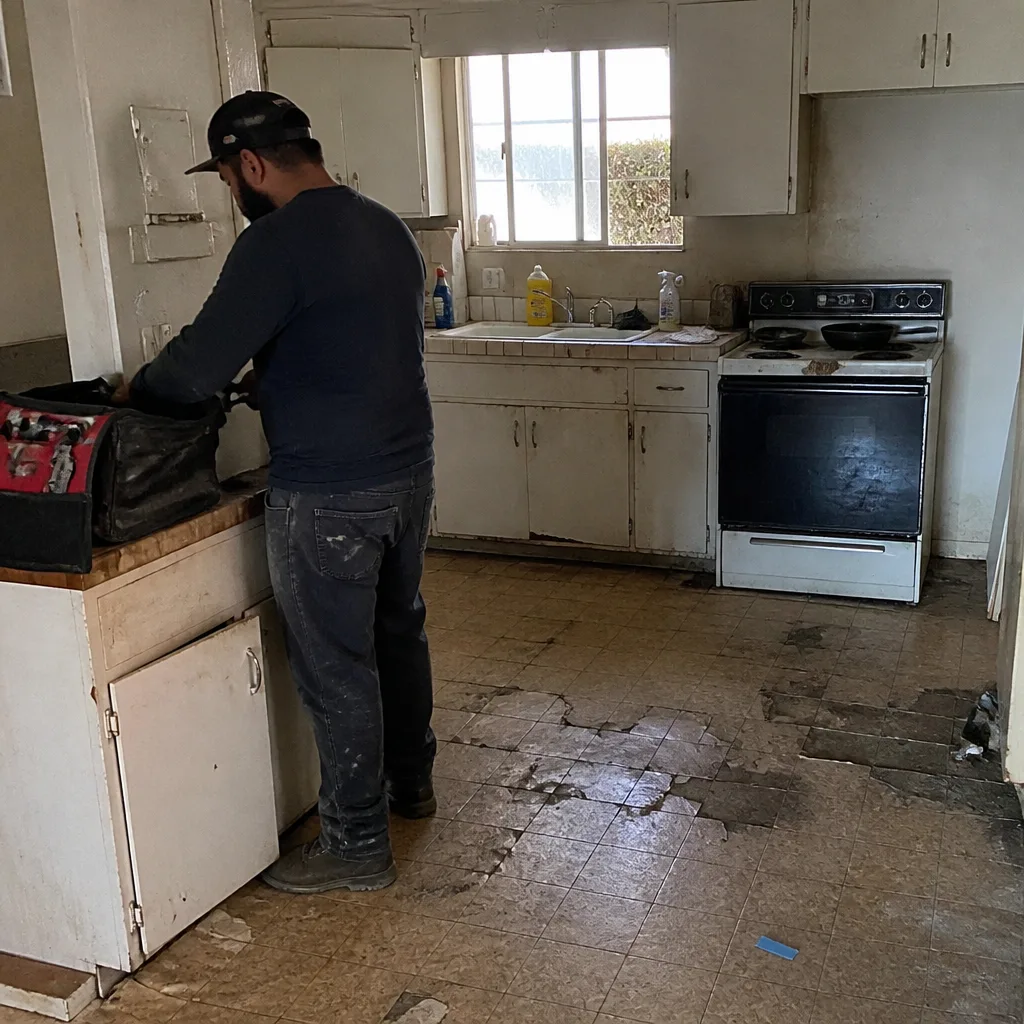 Before
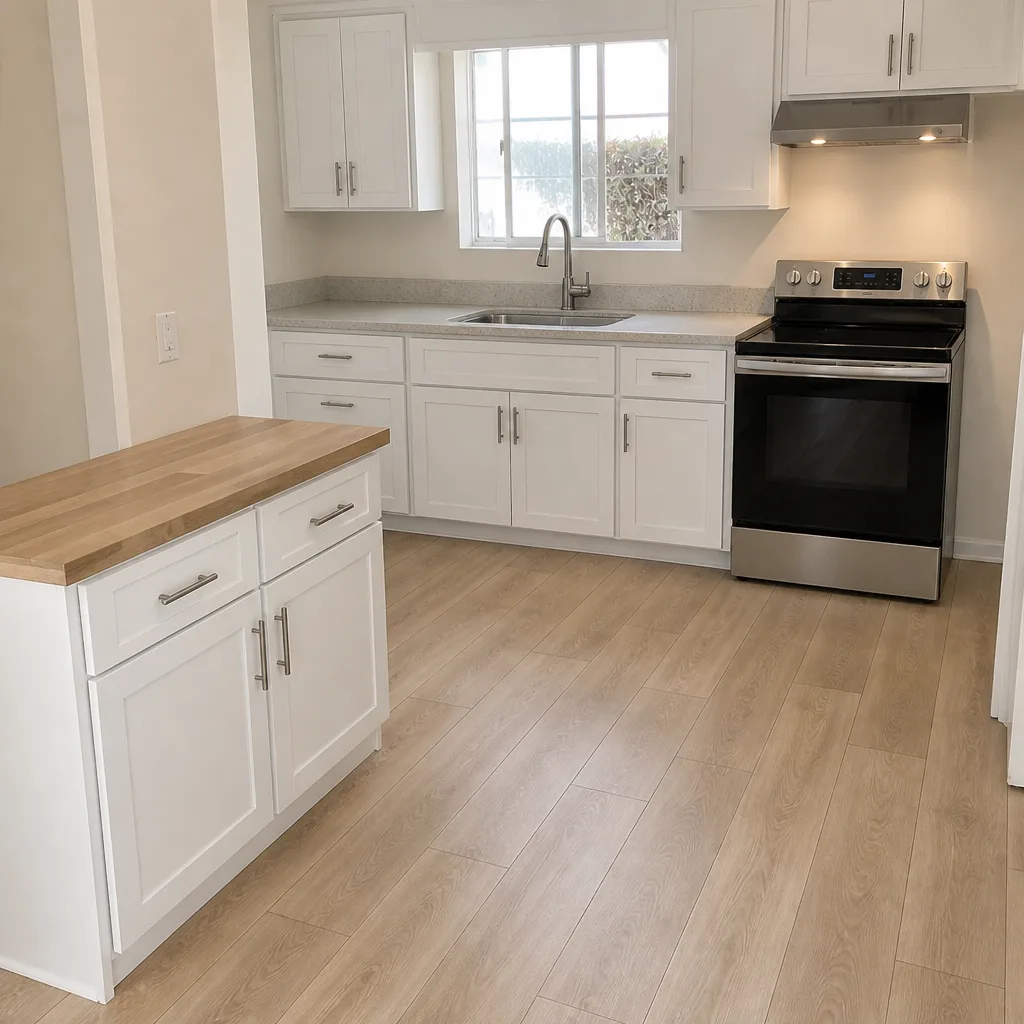 After
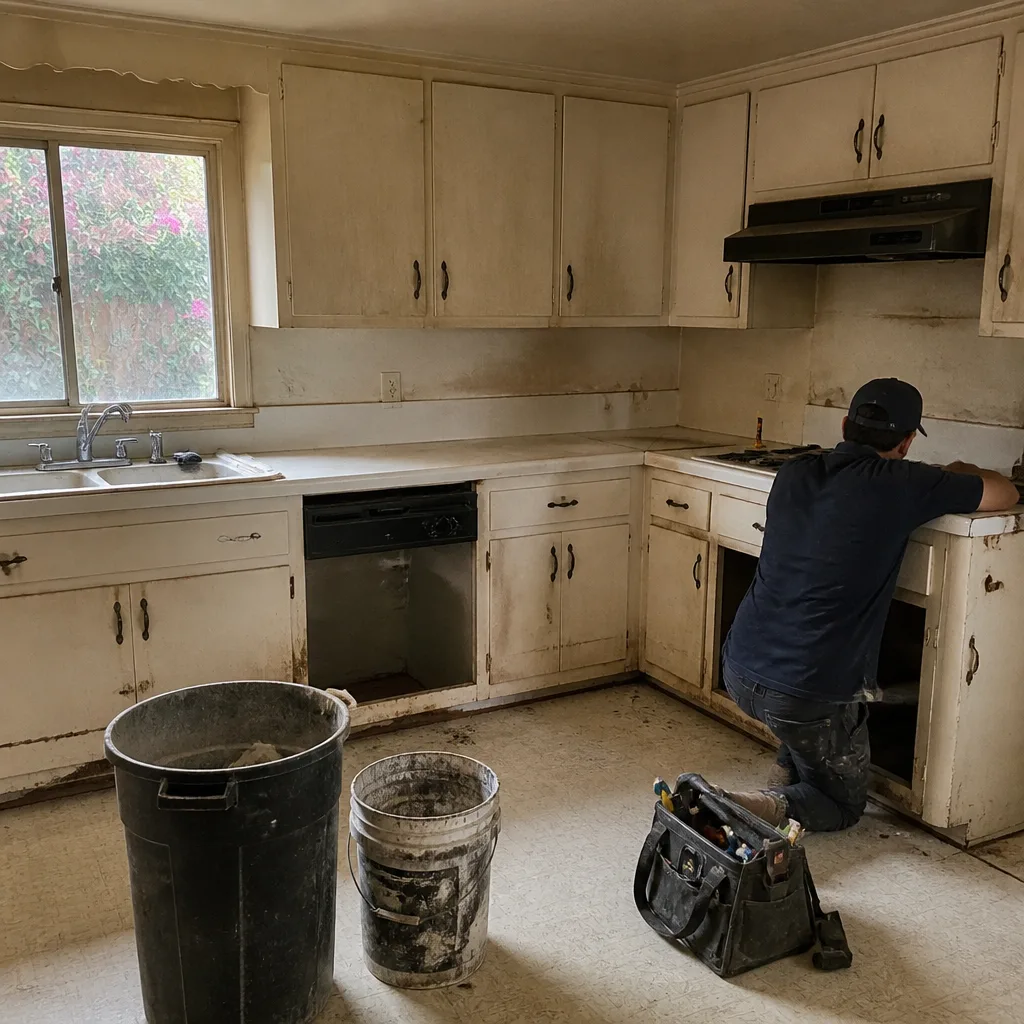 Before
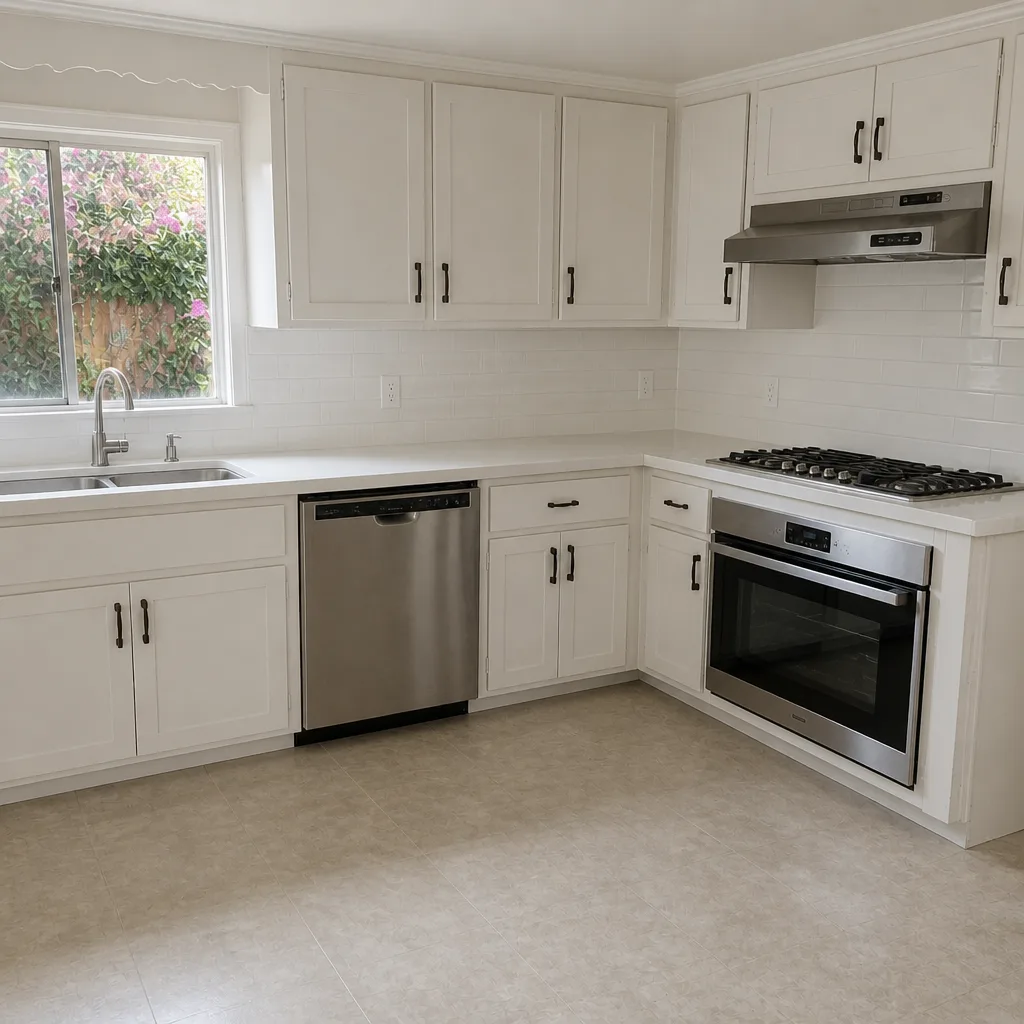 After
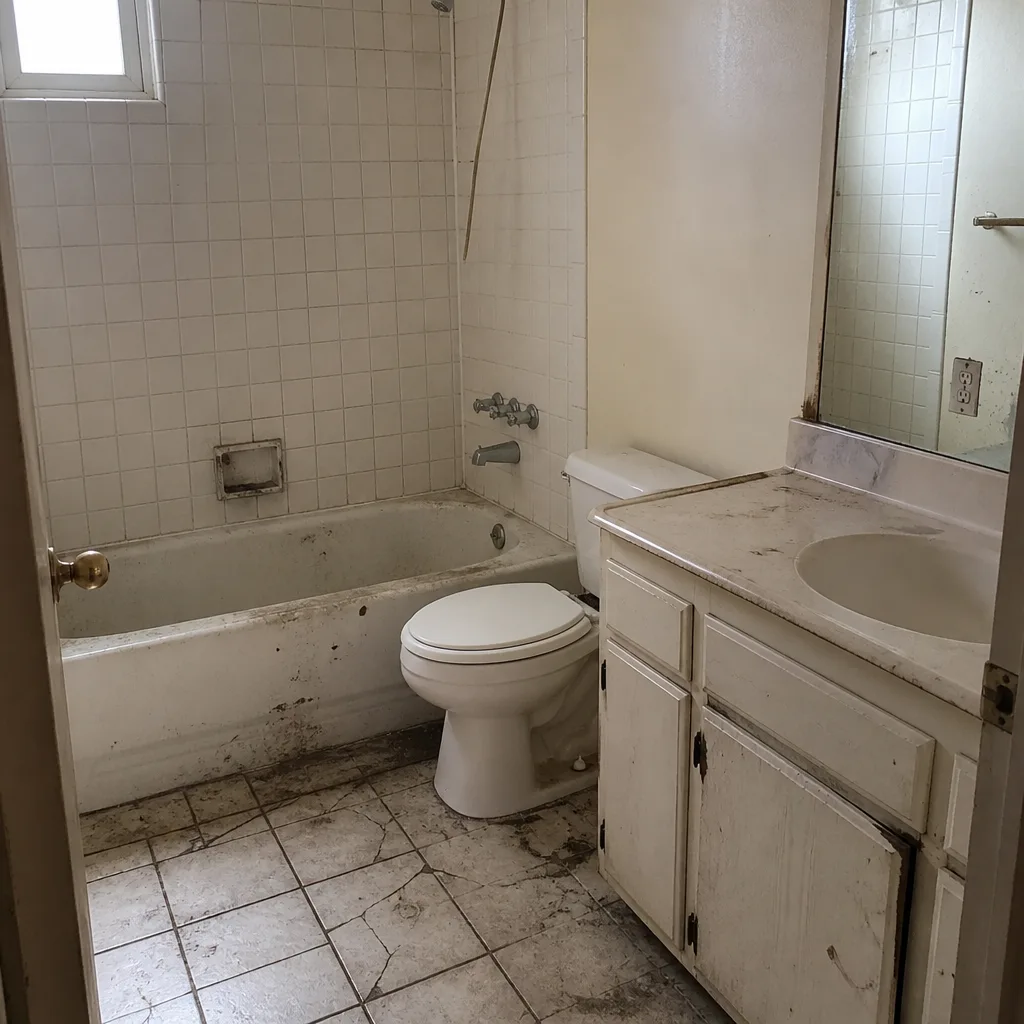 Before
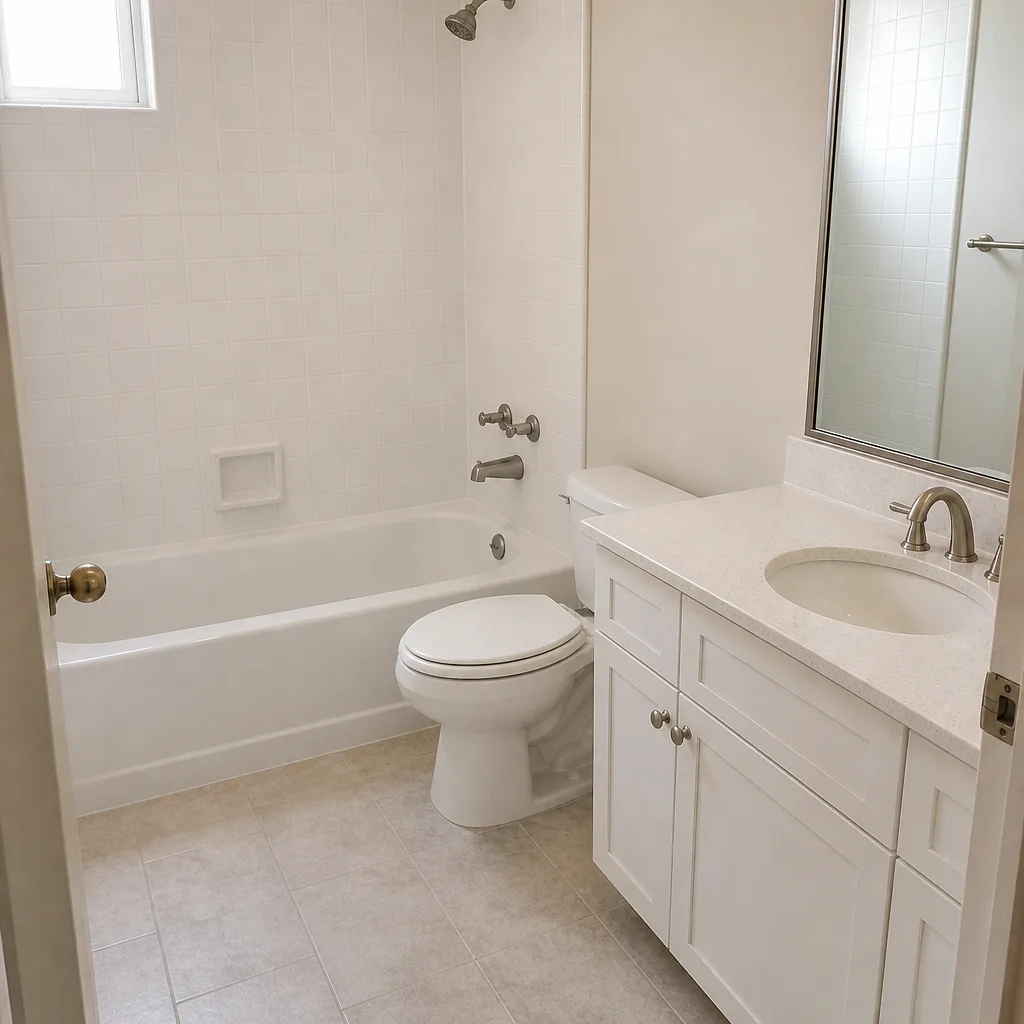 After
When to Call a Professional
You should call a professional when any of these apply to your project: the surface will carry vehicle loads, the project touches the garage apron, street connection, or any drainage channel, you’re unsure whether permits are required, the existing base has any signs of movement or settlement, or you want workmanship coverage that protects your investment. Any one of those is enough. You don’t need all of them.
For DIY-able walkway or patio projects, most homeowners don’t need us at all. For anything load-bearing or anything that touches the transitions we flagged earlier, a free estimate from Groundwork Construction Co. of Newport Beach gives you a clear scope and a written quote. We pull permits where required, keep the work under the 730-Day Done Right Promise, and offer upfront pricing so the number you see is the number you pay. If you’re weighing hybrid or full-service options, call us at (833) 749-3967 to schedule a free estimate in Newport Beach.
Frequently Asked Questions
You can lay the paver surface yourself, but you shouldn’t build the structural base, grading, or drainage on your own for a driveway. Those are the load- and water-critical parts where a mistake shows up a season or two later and costs thousands to correct. If your project is a walkway or patio that never sees a vehicle, self-installing the whole thing is realistic.
Expect professional paver work in Newport Beach to fall in a wide range depending on square footage, base conditions, paver selection, and drainage scope. Material is typically 30 to 40 percent of project cost, base and compaction labor 25 to 35 percent, and surface setting labor 20 to 30 percent. Call (833) 749-3967 for an exact quote on your specific driveway; estimates are free and we itemize the line items so you can see where the money goes.
Cosmetic resurfacing usually doesn’t require a permit, but work that widens the driveway, changes grading, connects to the street, adds a drainage channel, or extends into the public right-of-way almost certainly does. Verify with the city’s building department before you dig. Unpermitted work that should have been permitted can stall a resale and cost more to remedy than the original permit would have.
At Groundwork Construction Co. of Newport Beach, no. Our pricing is upfront and itemized, and the number you see is the number you pay. If site conditions turn out to differ from what a free estimate revealed, we talk to you before the job proceeds rather than handing you a surprise invoice. That’s the whole point of no-hassle upfront pricing.
A typical residential driveway paver project takes several days to a couple of weeks depending on square footage, base conditions, drainage scope, and weather. Base preparation and compaction are the slowest and most critical stages, and rushing them is the most expensive mistake we see. Our written timeline in your estimate includes weather allowances for Newport Beach’s wet season.
Yes, and it’s a legitimate way to save money. The split works when the scope is documented before anyone quotes, the handoff criteria are clear, and the professional covers the base with a written workmanship warranty so you’re protected if it fails. Ask for the split in writing. If a contractor won’t put it in writing, don’t do it.
The Bottom Line
The honest line on DIY driveway pavers is this: the surface is yours if you want it. The base, drainage, and transitions are not. That’s not a sales pitch, it’s a summary of where the failure costs actually land. Walkways and patios are realistically DIY-able end to end if you’re methodical. Driveways are not. The math that decides whether DIY saves you money is not the labor you skip, it’s the redo you avoid. Tool rental, waste, and a base redo eat the labor savings on a full driveway; capturing the surface labor while a professional handles the structure keeps the savings and offloads the risk. If your project is load-bearing, drainage-sensitive, or permit-uncertain, get a free estimate before you dig.
Call (833) 749-3967 to schedule your free estimate. Groundwork Construction Co. of Newport Beach answers calls with a live person 24/7, gives you upfront pricing with no surprises, and covers every project under the 730-Day Done Right Promise: if it’s not done right, we make it right. From foundation to finish line, that’s how we build. Start with a $1,000 off projects over $10,000 credit and 0% financing for 18 months if you decide to go full-service; we’ll walk you through both when you call.
Written by the team at Groundwork Construction Co. of Newport Beach.