Last updated November 17, 2026

Free written scope consultation - allowances, timeline, and change-order rules on paper before a single trade is scheduled
How Long Does Windows & Doors Take? Timelines and What to Expect
A single window replacement takes about four hours of actual field time. The eight-week lead time on the unit nobody mentioned is what pushes your project into the rainy season. That gap between the work and the wait is where most window projects in Newport Beach go sideways, and it’s almost always a scheduling surprise rather than a labor problem. In this guide we’ll walk through the real sequence – measure and order, factory lead time, delivery inspection, permit, installation day, and inspection sign-off – plus how long each stage actually takes by product type. You’ll finish knowing how to plan a window and door project around the calendar instead of against it.
Quick Answer
Most window replacement projects take 3 to 6 weeks from signed contract to finished install for stock vinyl units, and 10 to 18 weeks for custom aluminum-clad wood or impact-rated coastal windows. The installation itself is usually one to three days for a whole house; the wait is dominated by factory lead time, not field labor. Door replacements follow a similar pattern, with entry doors often running two to four weeks longer than windows because of finishing and hardware lead times.
Styles & brands we work with
- Kitchen remodeling
- Bathroom remodeling
- Home additions & ADU
- Roofing
- Windows & doors
- Driveway & pavers
- Fence
Table of Contents
- The Complete Timeline Anatomy of a Window Project
- Lead Time Reality by Product Type
- How Whole-House Replacement Is Sequenced
- What Drives Installation Day Time Estimates
- Orange County Permit Timelines and Title 24
- Doors: Why They Run on a Different Clock
- Coastal Newport Beach Factors Nobody Warns You About
- Common Mistakes to Avoid
- When to Call a Professional
The Complete Timeline Anatomy of a Window Project
Window replacement is never one event. It’s six discrete stages that each have their own clock, and the total project length is the sum of whichever stage runs longest. Understanding that structure is what separates a homeowner who plans well from one who’s caught off guard by a rainy-season install.
- Measure and order (1 to 2 weeks). A technician measures every opening, confirms the rough opening, notes stucco depth, and orders from the factory. This is faster than most people think. The real variable is how quickly you can finalize color, grille pattern, glass package, and hardware – selections that take some Newport Beach homeowners a week longer than the measure appointment.
- Factory lead time (1 to 16 weeks). The stage that surprises everyone. Stock vinyl can ship in under two weeks. Custom aluminum-clad wood or impact-rated glass can take 16 weeks or more. Covered in detail in the next section.
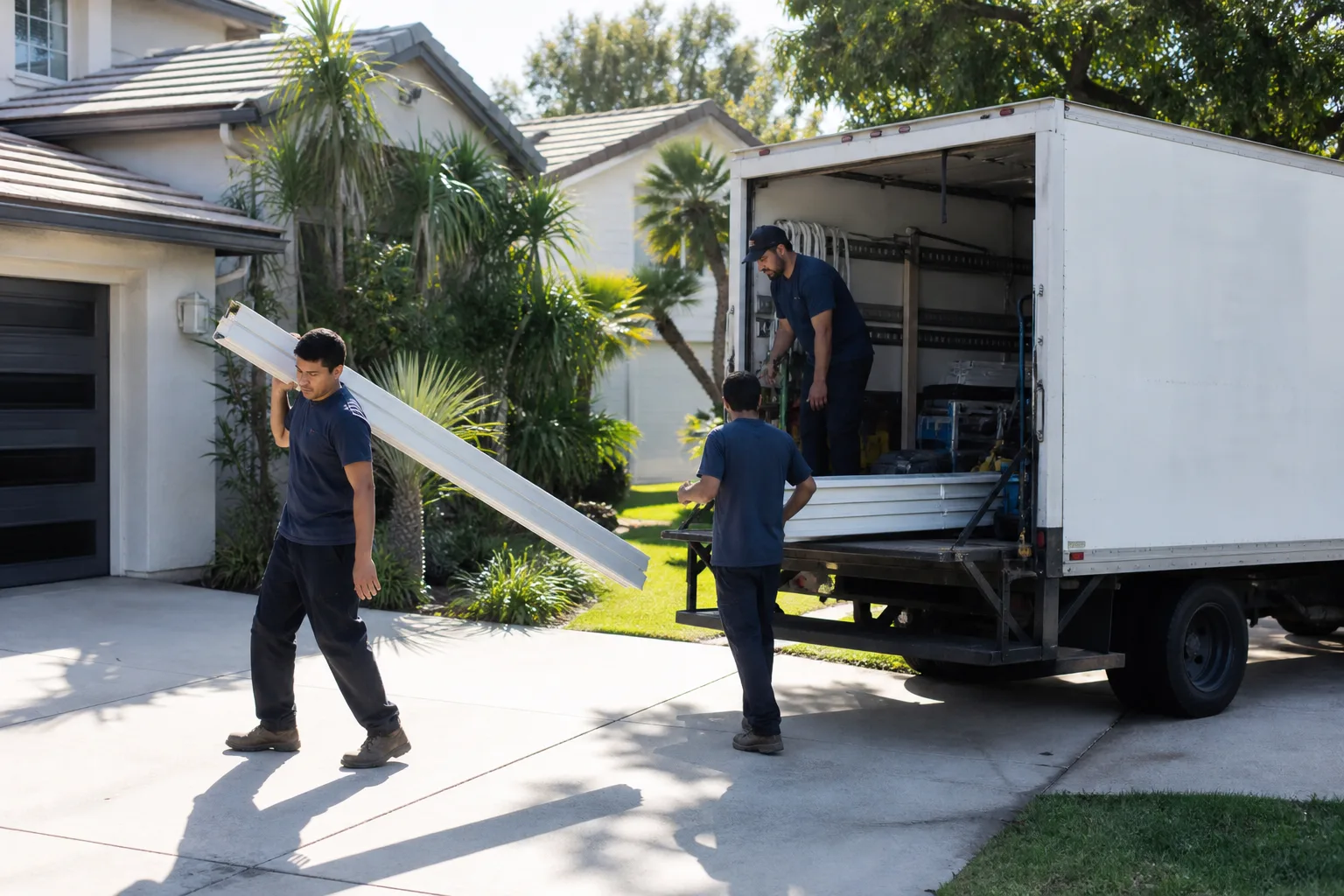
- Delivery and inspection (1 day, plus rescheduling risk). Units arrive on a truck, get inspected for damage, and get staged. A single damaged sash can add two to four weeks if the factory has to remake it.
- Permit issuance (0 to 6 weeks, depending). Many like-for-like replacements don’t require a permit in Orange County, but any change in size, glazing that triggers Title 24, or structural modification will. Covered below.
- Installation day (half a day to three days). Depends heavily on pocket replacement versus full-frame tear-out and how much stucco patching is required.
- Inspection sign-off (1 to 2 weeks). Final inspection closes the permit. Not every project triggers it, but any permitted job needs the sign-off before the file is closed.
The practical takeaway: on a Newport Beach project, the field time is 5% to 10% of the total timeline. Everything else is waiting on a factory, a city plan checker, or a delivery truck. Plan the install window around the 90% you can’t compress.
Lead Time Reality by Product Type
Lead time is where window projects live or die. We’ve watched clients choose a beautiful custom unit in March and then realize the install date lands in July – right when the marine layer burns off and every crew in Newport Beach is booked. Here’s the honest picture by product category:
- Stock vinyl windows: 1 to 2 weeks factory lead time. These are the fast movers. If your openings are standard sizes and you’re replacing like-for-like, you can realistically be installed within 3 to 4 weeks of signing.
- Semi-custom vinyl or fiberglass: 3 to 6 weeks. You get color and grille customization, but not full custom sizing. This is the sweet spot for most Newport Beach homes built between 1970 and 2000.
- Custom aluminum-clad wood: 8 to 14 weeks. The Andersen and Marvin lines anchor this category for a reason. Every unit is built to the opening, so nothing ships until your specific dimensions and finishes are on the factory floor.
- Impact-rated coastal windows: 10 to 16 weeks. Impact glass is thicker, the frames are heavier, and the factory testing is more involved. On the Newport Beach coast, this category is increasingly common even outside formal high-velocity hurricane zones, because impact-rated units have excellent thermal performance and quiet the coastal wind noise.
- Custom wood or steel doors: 6 to 12 weeks. Doors often outpace windows on the lead-time clock because hardware, finish, and sidelight configuration all add steps.
- Sliding glass and multi-panel doors: 8 to 14 weeks. The larger the panel count, the more factory fabrication time.
The 8-week surprise
The single most common client reaction in our experience is “wait, eight weeks?” Yes. A custom Marvin or Andersen window ordered for a Balboa Island or Newport Heights home will not appear next Tuesday. During your in-home consultation we give you the current factory lead time in writing before you sign, so the surprise is scheduled out, not dropped on you mid-project. That written expectation is part of what “upfront pricing, no surprises” actually means on a window job.
Why lead times stretch in spring and summer
Factory capacity tightens from March through August as builders across Southern California ramp up. A 10-week lead time in November can become a 14-week lead time in May. If your project targets a specific finish date – a family event, a rental turnover, a school year – build in a two-week buffer on any custom order placed after March 1.
How Whole-House Replacement Is Sequenced
A whole-house window replacement is not one long open hole in your wall. Every window you remove is a temporary exposure to weather, security, and dust. We sequence whole-house projects to shorten that exposure to the minimum, and the approach matters more than most homeowners realize.
The section-by-section method
Rather than tearing out every window on the second floor and installing in one pass, we work section by section – typically one side of the house per day, or one floor per day. Each section gets fully installed, flashed, sealed, and interior trim complete before we move to the next.
- Day 1: North side or front elevation. Remove, install, seal, trim, clean. Done.
- Day 2: South side or back elevation. Same sequence.
- Day 3: Remaining sides, plus final touch-up and stucco patching if any full-frame replacements were done.
Why it matters:
- Security. You never go to bed with twelve openings in your exterior walls. At the end of each day, every window on that section is functional and lockable.
- Weather. Newport Beach’s coastal drizzle can arrive unannounced in the morning. Section-by-section means we can tarp a single section quickly rather than covering an entire elevation.
- Livability. You can actually use the rooms that aren’t being worked on. A whole-house tear-out in one pass turns your home into a construction site for three days straight.
- Inspection. If a permit is pulled, sequencing lets the inspector see completed sections while the next is in progress, which shortens the sign-off timeline at the end.
Room-by-room for interior-sensitive homes
If you’re doing a Groundwork Construction Co. of Newport Beach home remodel that includes windows alongside other trades, the sequencing often flips to room-by-room. That’s because the window install needs to happen after framing and insulation but before any wallpaper, paint, or millwork closes the opening. Coordinating windows with the broader remodel schedule is one advantage of using a single contractor from foundation to finish line rather than hiring the window company separately.
What Drives Installation Day Time Estimates
Installation day is the only part of the project most homeowners can actually picture, and it’s the part that gets misquoted the most. A single window replacement is genuinely a four-hour job. A whole-house can be three days. Here’s what moves the number.
Single window replacement: 2 to 4 hours
A pocket replacement – sliding the new window into the existing frame with minimal disruption – runs two to four hours for a standard double-hung or slider. Add an hour if the old unit has failed seals or is stuck, and another hour if interior trim needs to be rebuilt.
Full-frame replacement: 4 to 8 hours per window
When we fully remove the existing frame and replace with a new construction window, the timeline expands significantly. There’s interior casing to remove, sheathing to inspect, flashing to install correctly, and interior trim to rebuild. Stucco patching is often required, and stucco needs to cure before it can be painted – which means the finish color may not match until a follow-up visit.
Whole-house replacement: 1 to 3 days
A typical Newport Beach home with 14 to 22 windows lands in the one-to-three day range. Larger homes with 30+ openings, mixed replacement types, or significant stucco work can run longer. We schedule whole-house projects with the understanding that day two is usually slower than day one – the easiest windows come out first, the trickier ones (arched, fixed transoms, second-story units requiring fall protection) come later.
What else moves the clock
- Second-story access. Ladders, scaffolding, or a lift add setup and teardown time on each elevation.
- Stucco patching. Every full-frame replacement leaves a stucco seam. Patching is quick, but the cure time on the patch delays final paint.
- Interior trim. Replacing casing and stool/sill is a carpentry job on top of a window job, and it adds half a day to a day on a whole-house.
- Coastal sealant work. Newport Beach homes within a half mile of the water need a higher-grade sealant package that takes longer to apply correctly. Skipping this step is the number one cause of leaks we see on re-work.
- Retrofit vs. replacement. Retrofit inserts are the fastest. Full tear-out is the slowest. Choose based on condition, not just cost.
Orange County Permit Timelines and Title 24
Permits are where window projects stall, and where the difference between a smooth install and a six-week delay gets decided. Newport Beach and the surrounding Orange County cities have reasonably efficient window permitting, but only if the submittal is complete and accurate the first time.
When a permit is required
Like-for-like replacements that don’t change the opening size or trigger Title 24 may not need a permit. Anything else usually does:
- Any change to rough opening dimensions
- Any structural modification to the wall
- Adding a window where none existed
- Conversions to egress windows
- Glazing changes that trigger Title 24 compliance (which is most of Orange County)
- Window replacement in a historic district or HOA-governed property with specific design requirements
Title 24 and why it matters
California’s Title 24 energy code applies to most window replacements in Orange County. New units must meet specific U-factor and solar heat gain coefficient thresholds, and the compliance paperwork has to be filed correctly. If the paperwork is wrong, the plan check kicks it back – and that’s a two-to-four week delay that has nothing to do with your windows.
Two ways to avoid the stall:
- Order units that come with factory Title 24 documentation. Any reputable manufacturer including Andersen, Marvin, and Pella supplies the NFRC labels and performance data you need. Get those labels in hand before the permit is submitted.
- Let the contractor handle the submittal. A missing NFRC label, a wrong U-factor, or an incomplete address list is the kind of thing that gets flagged at plan check. If your contractor is pulling the permit, the paperwork is their problem to get right the first time.
Realistic Orange County permit timelines
Over-the-counter permits for straightforward replacements can issue same day. Plan-check permits typically take two to four weeks. Historic or HOA-governed properties are usually four to six weeks. Build these numbers into your total project timeline. On a Newport Beach custom order that’s already 10 weeks out, a four-week permit is absorbed during the wait. On a stock vinyl order that could install in two weeks, the permit is the critical path and drives the schedule.
If your window project is part of a larger remodel – a Home Additions & ADU in Newport Beach build, for example – the window permit often tucks into the larger permit package, which is one schedule advantage of sequencing trades under one contractor.
Doors: Why They Run on a Different Clock
Door projects share the same basic sequence as windows, but the timeline arithmetic is different. Doors are heavier, more mechanical, and more likely to involve custom finishing, which stretches both the lead time and the install day.
Entry doors: 6 to 12 weeks total
A stock fiberglass or steel entry door can ship in 2 to 3 weeks. A semi-custom with a specific paint color, hardware, and sidelight configuration runs 5 to 8 weeks. A full custom wood door – mahogany, oak, or a specific millwork – can run 10 to 12 weeks or longer. Add two to four weeks for install and finish work if you’re staining on site.
Slider and multi-panel doors: 8 to 14 weeks
Large opening doors – the kind that go on a back patio facing the bay or the ocean – take longer because each panel is fabricated separately and the whole assembly has to be track-tested. Factory lead time is the dominant factor. The install itself is fast – usually one to two days – but the framing and threshold work can add another day.
Install day: what moves the estimate
- Stock door, existing frame: 3 to 5 hours.
- Stock door, new frame: 6 to 8 hours.
- Custom entry with sidelights: 1 to 2 days, plus finish work.
- Multi-panel slider: 1 to 2 days, plus patching and trim.
Doors also trigger inspection items windows don’t always – egress requirements on bedroom doors, weather-stripping and threshold inspection on exterior doors, and in Newport Beach, occasionally HOA approval on front door finish and hardware. Plan for the door to be the last installed item on a whole-house project because the finish work is visible and you want it done last, by the most experienced technician on the crew.
Coastal Newport Beach Factors Nobody Warns You About
Newport Beach has a specific climate profile that changes window and door timelines compared to inland Orange County builds. The marine layer, the salt air, the wind exposure on bay-front and ocean-front properties, and the design review requirements on several neighborhoods all bend the schedule in ways that generic timeline guides miss.
Marine layer and install windows
The marine layer sits heavy over Newport Beach through much of the morning, especially from May through September. Sealants and stucco patches don’t cure well in ambient coastal moisture. We schedule exterior sealant work for mid-morning to early afternoon on most coastal projects, which means the same install takes slightly longer wall-clock time than it would five miles inland. It’s not a big deal, but it’s why install day estimates for a Corona del Mar or Balboa Peninsula job often land a half-day longer than for a comparable Costa Mesa job.
Salt air and hardware
Standard window hardware corrodes fast on the coast. We specify coastal-grade hardware packages – stainless steel and marine-rated finishes – on any Newport Beach property within about a mile of the water. This can add a week to the order because not every factory stocks the marine-rated option, but skipping it means replacing hinges and locks within three or four years. Factory lead time for coastal-rated hardware is worth building into your schedule up front.
Impact glass and coastal code
Newport Beach doesn’t sit in a formal high-velocity hurricane zone, but a growing number of bay-front and bluff-top properties are choosing impact-rated glass anyway – for wind-borne debris protection, thermal performance, and noise reduction from the marine wind. Impact-rated units add 4 to 6 weeks to lead time versus standard units. If you’re replacing windows on a bay-front or ocean-front property, plan for the longer lead time from the outset.
Design review and HOA
Several Newport Beach neighborhoods have active HOAs and some have design review requirements for exterior changes – window style, color, grille pattern, mullion layout. Approval can add one to four weeks. Get the HOA paperwork in motion before the factory order goes in. The install can’t start until the approval is in writing anyway, and you can’t un-order a custom window if the HOA later says no.
If you’re coordinating a window package with other exterior work – say, the perimeter of the property – the Fence Installation in Newport Beach and Driveway & Pavers in Newport Beach schedules can often run in parallel with the window lead time, which tightens the whole project by weeks.
Common Mistakes to Avoid
- Ordering custom units before HOA approval. We’ve seen homeowners order $30,000 in custom aluminum-clad windows for a Lido Isle property and then discover the HOA required a different grille pattern. The units can’t be returned. Get written approval first, every time.
- Assuming the lead time is the install time. A homeowner reading “two-week lead time” on a stock vinyl window often thinks the whole project is two weeks. The lead time is the wait for the unit; the install is a day. Plan the full calendar, not just the factory number.
- Skipping Title 24 documentation. Ordering a window without NFRC labels in hand is the fastest way to a four-week plan-check delay in Newport Beach. Get the performance data before the permit is submitted.
- Choosing the cheapest sealant package on a coastal property. Standard sealant on a Balboa Peninsula home will fail within a few seasons. Coastal-grade sealant costs more and takes a half-day longer to apply correctly. The re-work it prevents runs into four figures.
- Sequencing windows after interior paint. If you’re doing windows and interior finishes together, windows go first, then drywall and paint. Doing it the other way means re-painting every opening.
- Installing in a rainy-season window without a weather plan. Newport Beach’s wet months are December through March. A section-by-section install allows tarping at any point; a full-tear-out install doesn’t. Schedule around the weather, or at minimum demand a weather plan in the contract.
- Booking install for the week of a holiday or a community event. Newport Beach’s summer calendar fills up – the Fourth of July, the US Open of Surfing, the boat parade. Crews and inspectors are less available, and your stucco patching may not get its cure window. Plan around the calendar, not against it.
See the difference
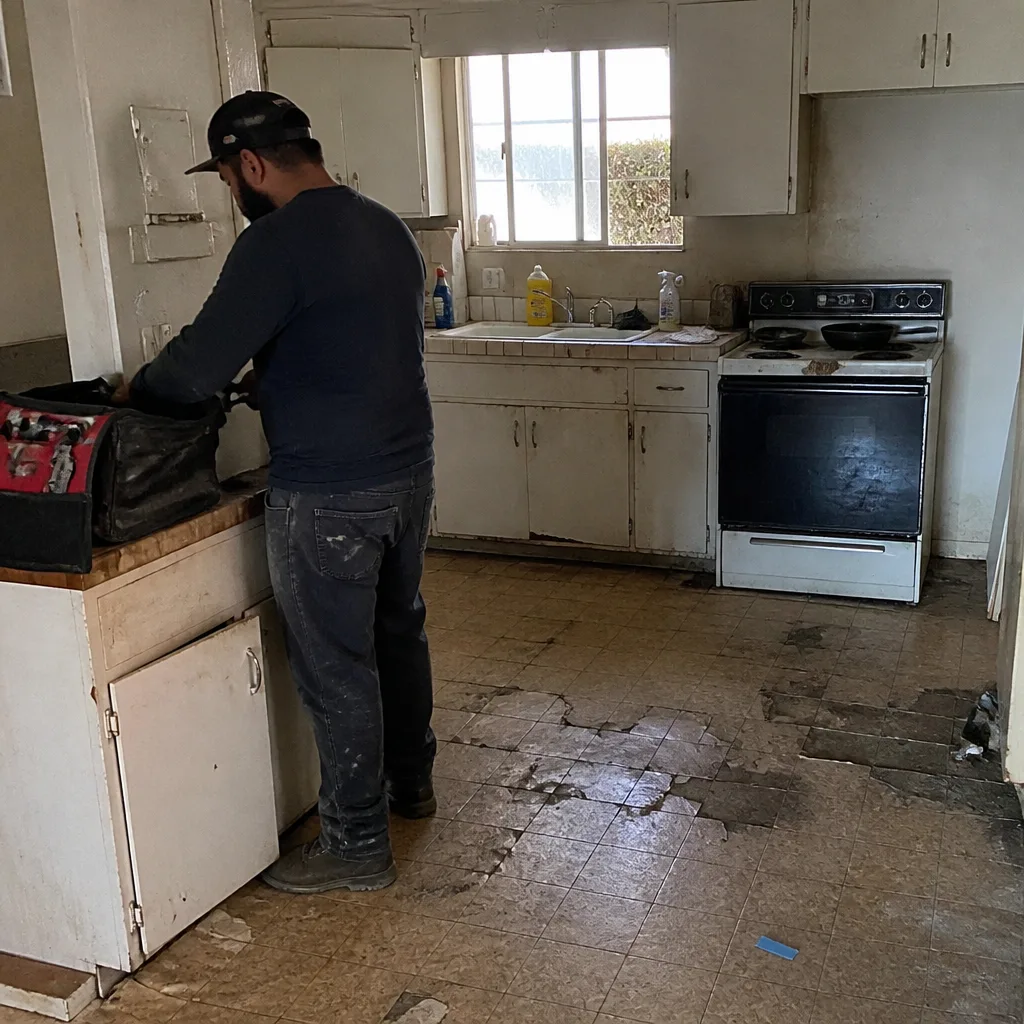 Before
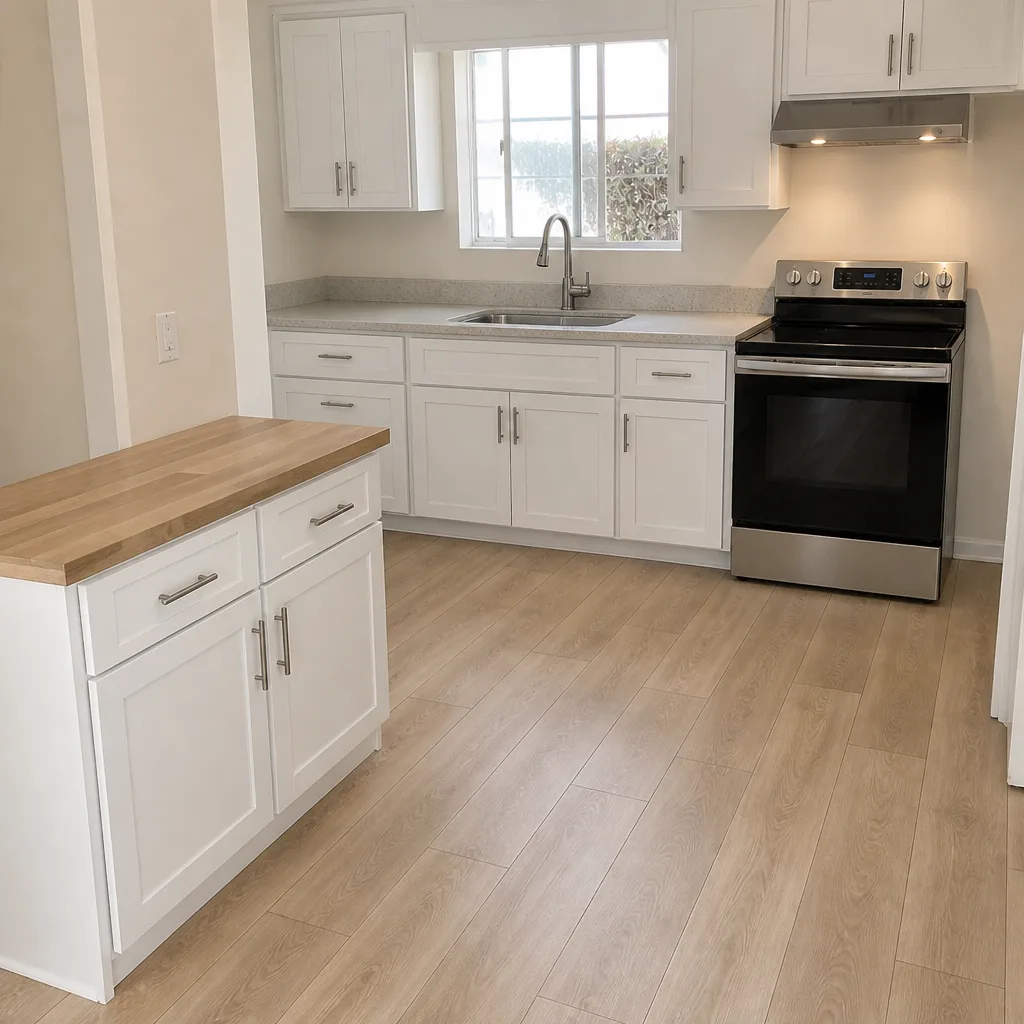 After
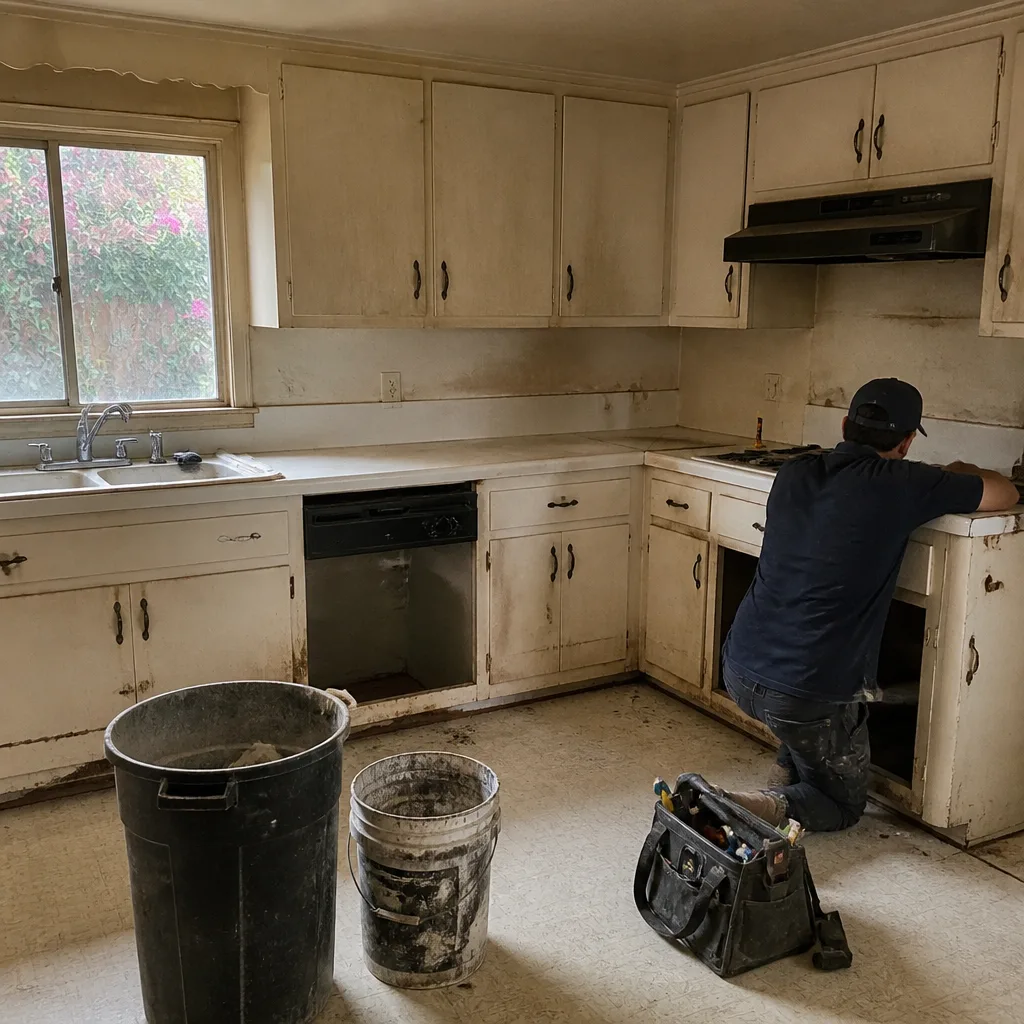 Before
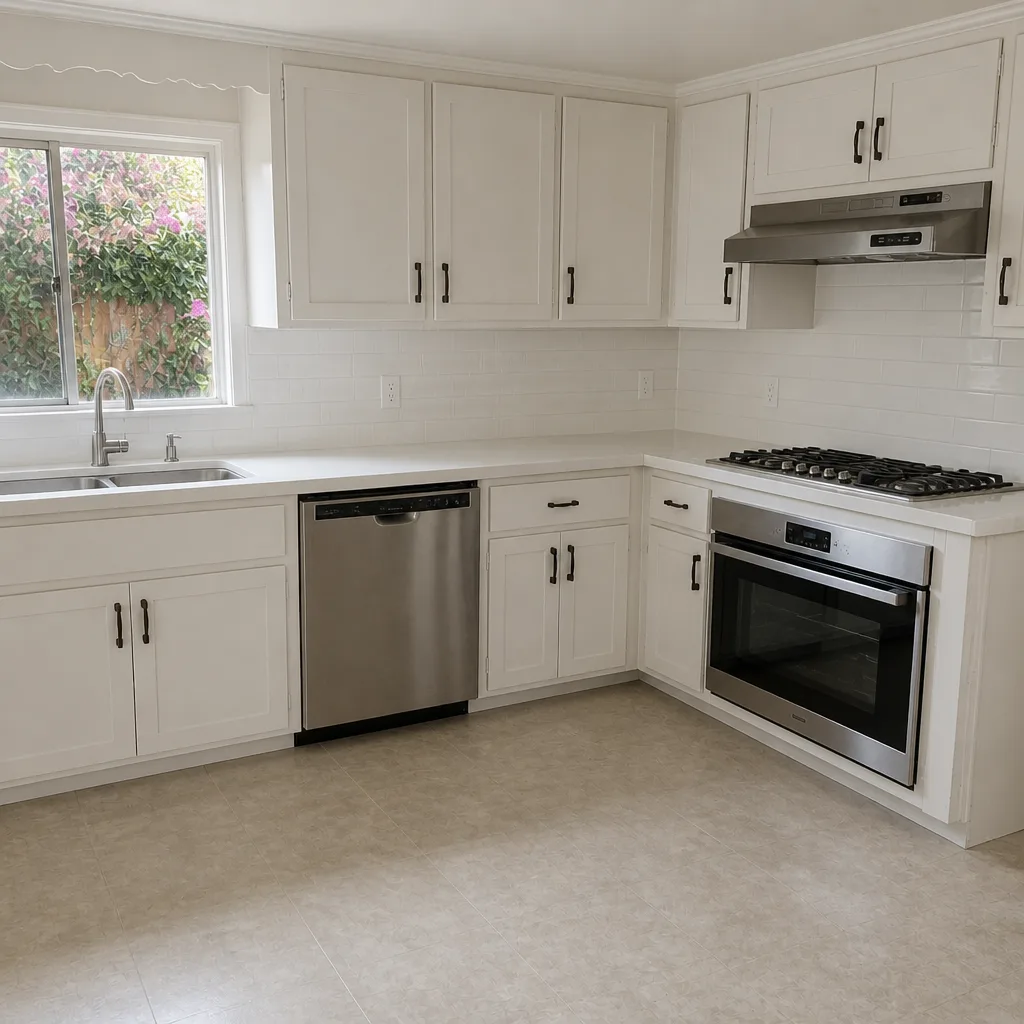 After
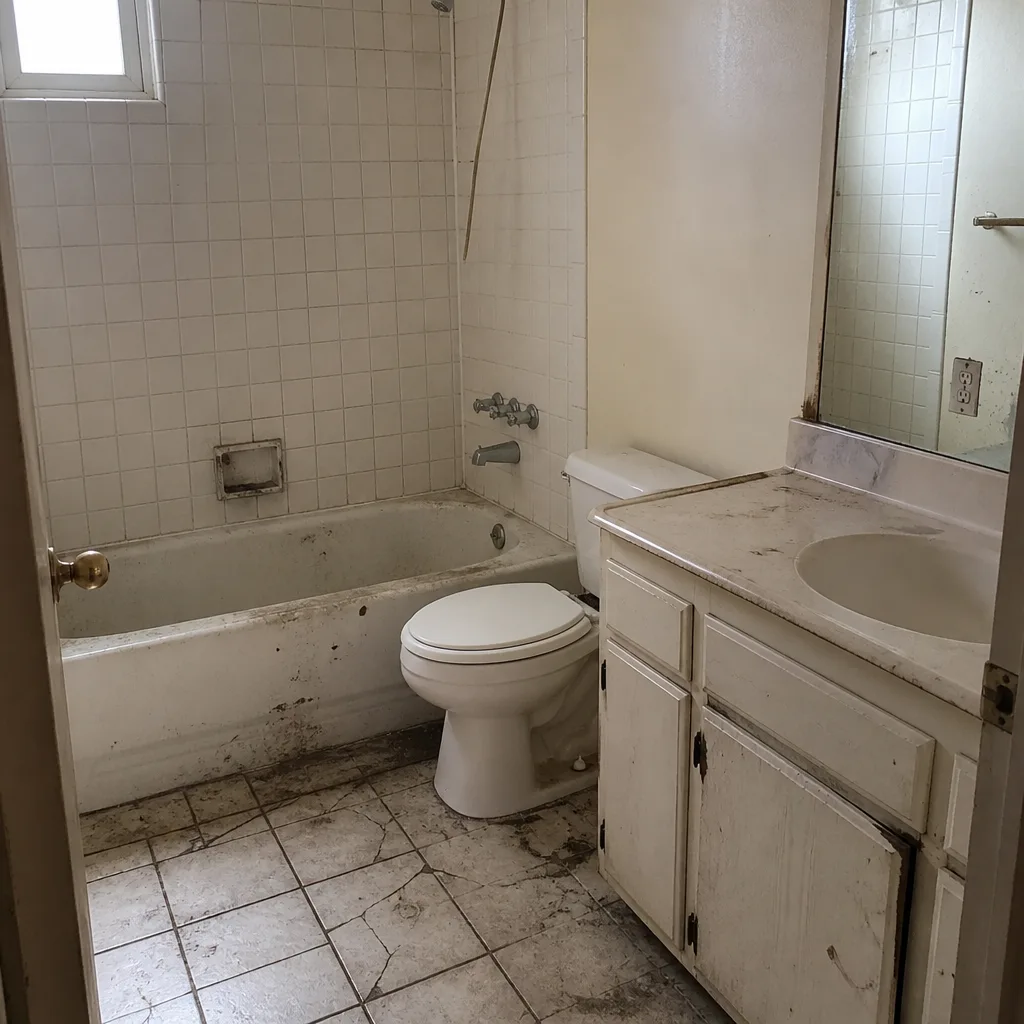 Before
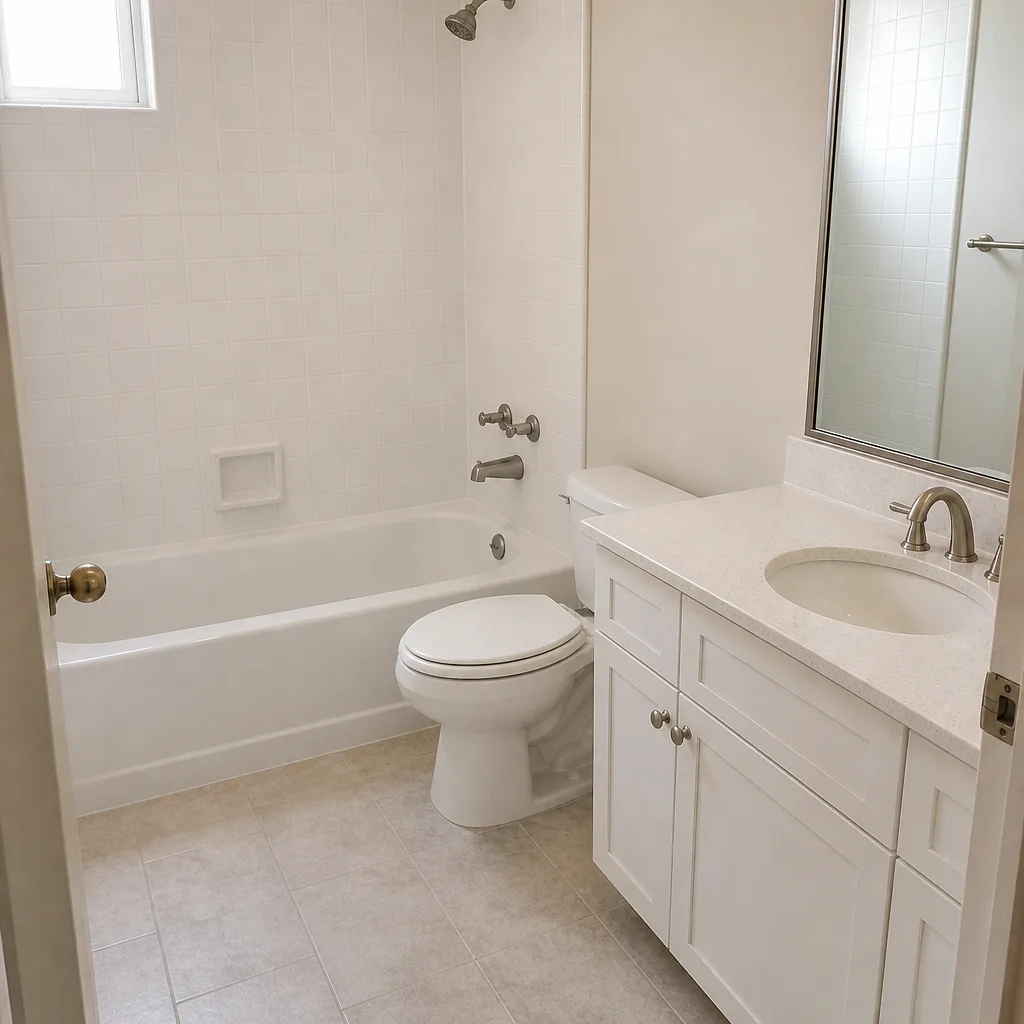 After
When to Call a Professional
Window and door work sits at a specific intersection of trades – carpentry, waterproofing, glazing, and code compliance – and small mistakes on any of those show up as leaks or failed inspections two years later. Call a professional if any of these apply:
- You’re replacing more than two units, or coordinating across multiple elevations
- The opening size needs to change, or the wall needs structural work
- Your home is on the Newport Beach coast within a mile of the water
- The project requires Title 24 compliance, a permit, or HOA approval
- You’re replacing entry doors, sliders, or any unit with significant hardware
- You’ve had a leak around an existing window and you don’t know if it’s the window, the flashing, or the stucco
Groundwork Construction Co. of Newport Beach offers free estimates in Newport Beach – call (833) 749-3967. We come out, measure your openings, walk you through current factory lead times in writing, and quote the whole project with upfront pricing so you know the number you’re planning around. Every install is covered by the 730-Day Done Right Promise, so if it’s not done right, we make it right – well past the point most crews have moved on. Calls are answered by a live person, 24/7, and every technician on your job is background-checked and arrives in uniform.
Frequently Asked Questions
Most Newport Beach window replacement projects take 3 to 6 weeks for stock vinyl units and 10 to 18 weeks for custom or coastal-rated units, measured from signed contract to finished install. The installation itself is usually one to three days for a whole house. Call (833) 749-3967 for a current lead time quote – estimates are free.
Yes, but with a weather plan. Newport Beach’s wet season runs roughly December through March, and a section-by-section install (one elevation per day) allows tarping at any point if rain arrives mid-project. A full-tear-out install done all in one pass is riskier during the wet months. Coordinating with the contractor’s weather plan is the difference between a clean install and a wet-wall disaster.
Not always. Like-for-like replacements that don’t change opening size and don’t trigger Title 24 may not require a permit in most Orange County cities. Any change in size, egress conversion, structural work, or Title 24 compliance usually pulls a permit. Over-the-counter permits can issue the same day; plan-check permits take two to four weeks. Call (833) 749-3967 and we’ll tell you whether your specific project needs one.
Custom aluminum-clad wood and impact-rated coastal windows run 8 to 16 weeks because every unit is fabricated to your specific dimensions, glazing, and finish – none of it exists until the order is placed. Factories stretch lead times from March through August as builder demand peaks across Southern California. A 10-week lead time quoted in November can become 14 weeks quoted in May.
Whole-house window replacement in Newport Beach typically runs $18,000 to $45,000 for 14 to 22 openings, with custom aluminum-clad wood at the upper end of the range and stock vinyl at the lower. Impact-rated coastal units and stucco patching add cost, and Title 24 compliance is included in the base scope on most installs. Call (833) 749-3967 for a written line-item quote – estimates are free.
Not with an upfront pricing contract. The number you see is the number you pay – which means no surprise charges for stucco patching, trim rebuild, or permit fees that should have been in the original bid. If we find hidden damage after tear-out (rotten sheathing, failed flashing, termite) we stop, photograph it, and give you a written change order before any extra work happens. Groundwork Construction Co. of Newport Beach also offers $1,000 off projects over $10,000 and 0% financing for 18 months, so the final number is worth planning around.
The Bottom Line
Window and door projects are schedule-variable because the real clock is factory lead time, not field labor. Stock vinyl can install in weeks; custom aluminum-clad or impact-rated coastal units run 10 to 18 weeks. The installation itself is one to three days for a whole house – and section-by-section sequencing protects your home’s security and weather tightness while it happens. Plan the HOA approval, Title 24 documentation, and permit submittal in parallel with the factory order to avoid stacking delays, and don’t sign anything until you have lead times in writing. A written timeline is the difference between a project that fits your calendar and one that owns it.
If you want to plan a Newport Beach window or door project with real lead times, written upfront pricing, and a 730-Day Done Right Promise behind the work, call Groundwork Construction Co. of Newport Beach at (833) 749-3967 for a free estimate. Our technicians have up to 12 years of experience, every install is background-checked and uniformed, and a live person answers the phone any hour of the day.
Written by the team at Groundwork Construction Co. of Newport Beach.