Free written scope consultation - allowances, timeline, and change-order rules on paper before a single trade is scheduled
Styles & brands we work with
- Kitchen remodeling
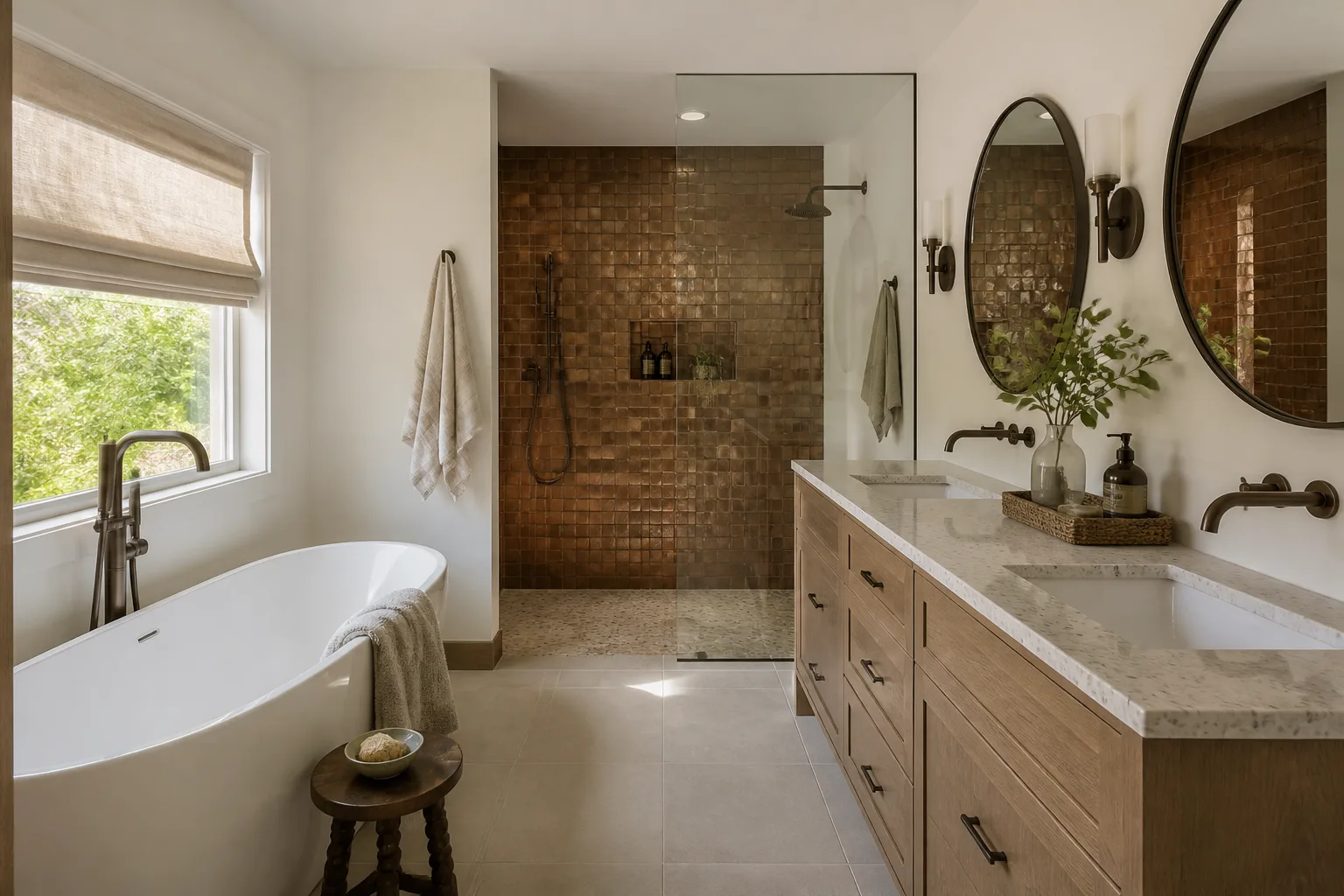
- Bathroom remodeling
- Home additions & ADU
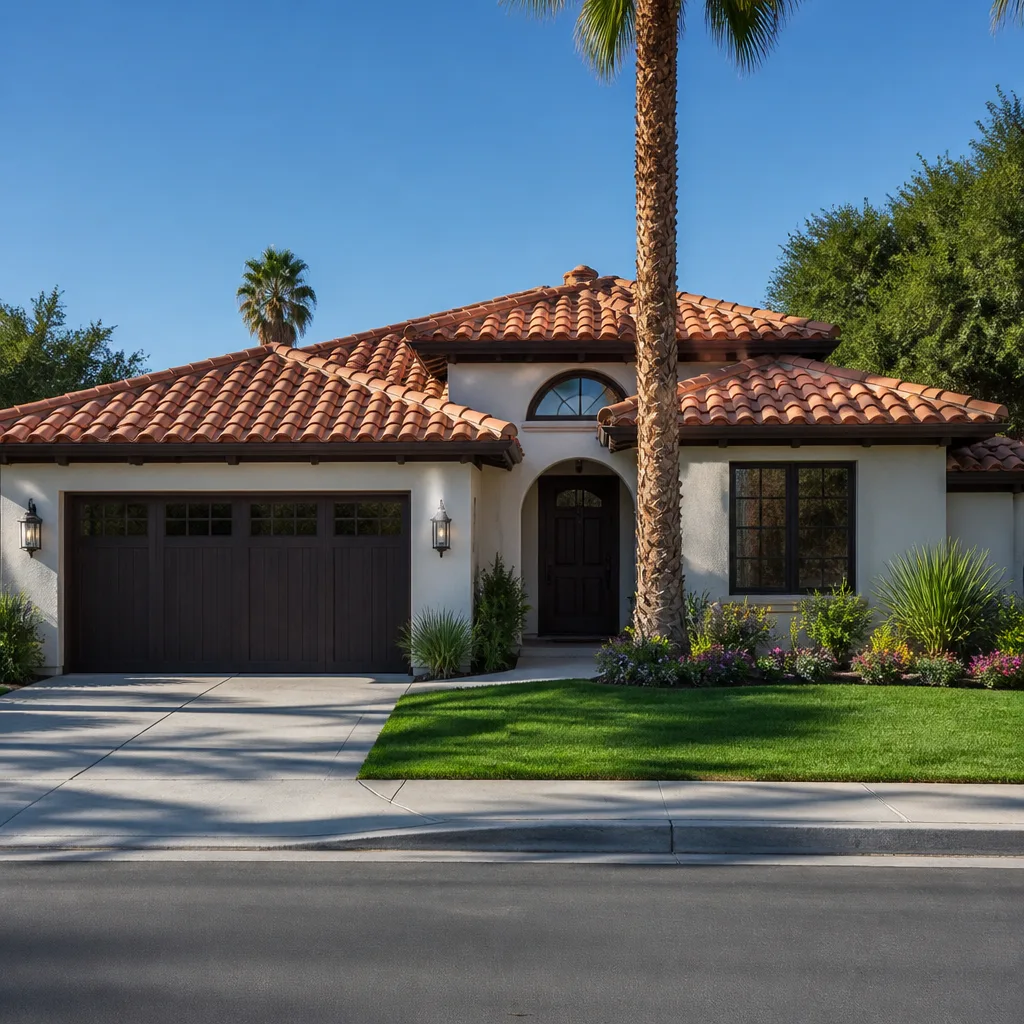
- Roofing
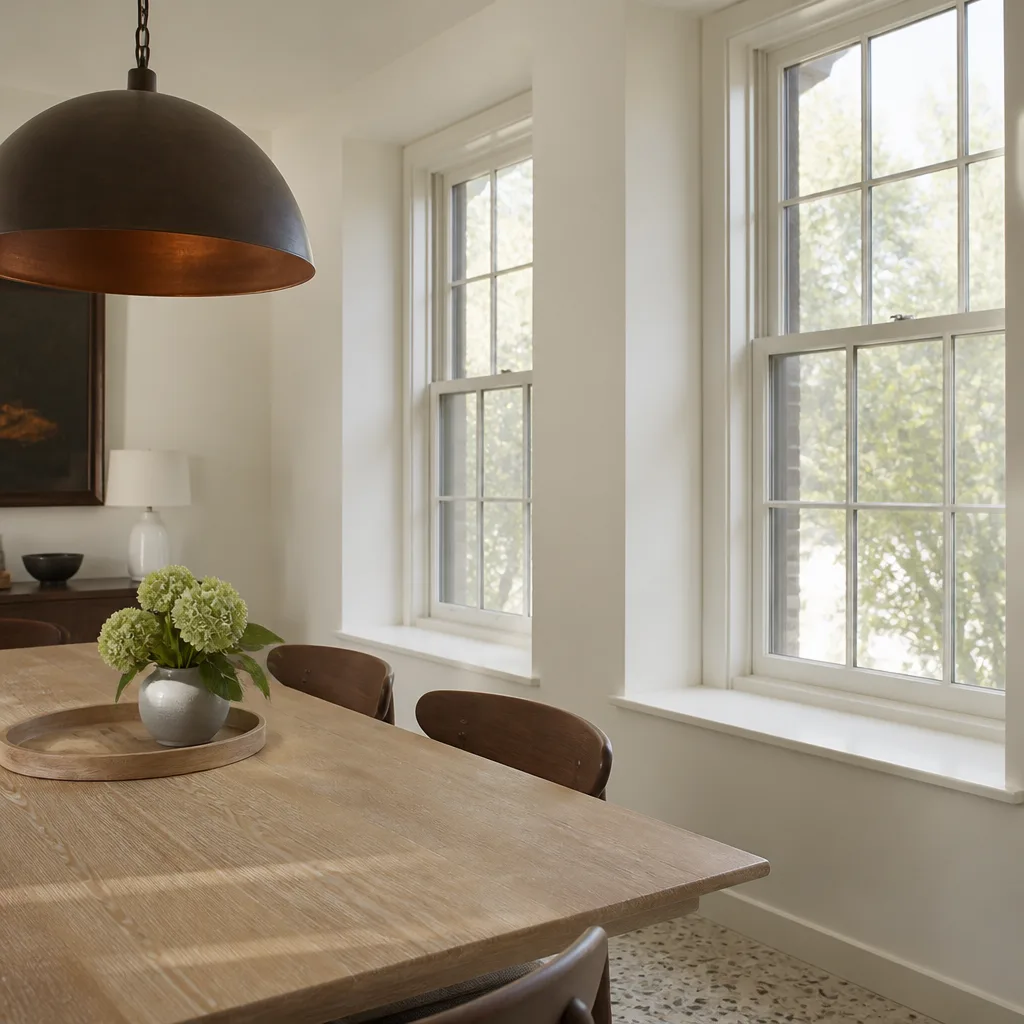
- Windows & doors
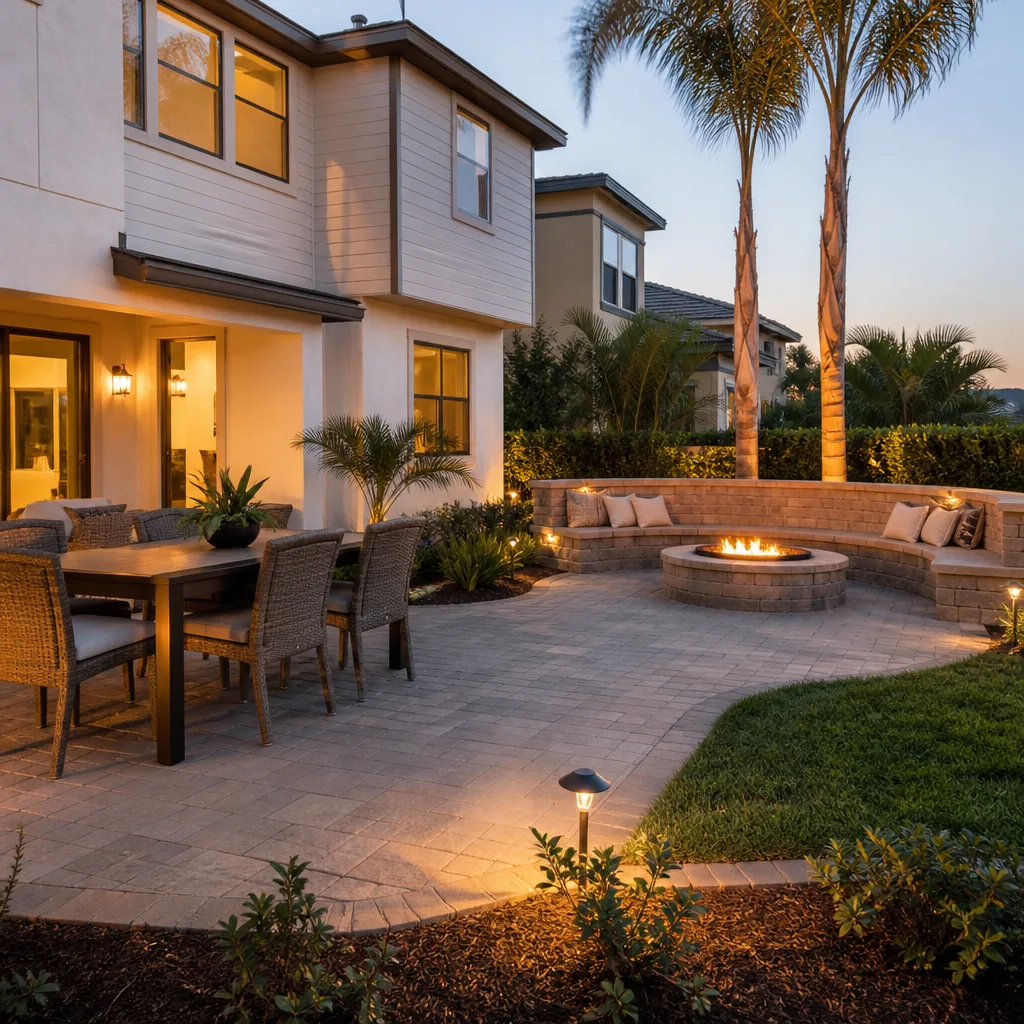
- Driveway & pavers
- Fence
See the difference
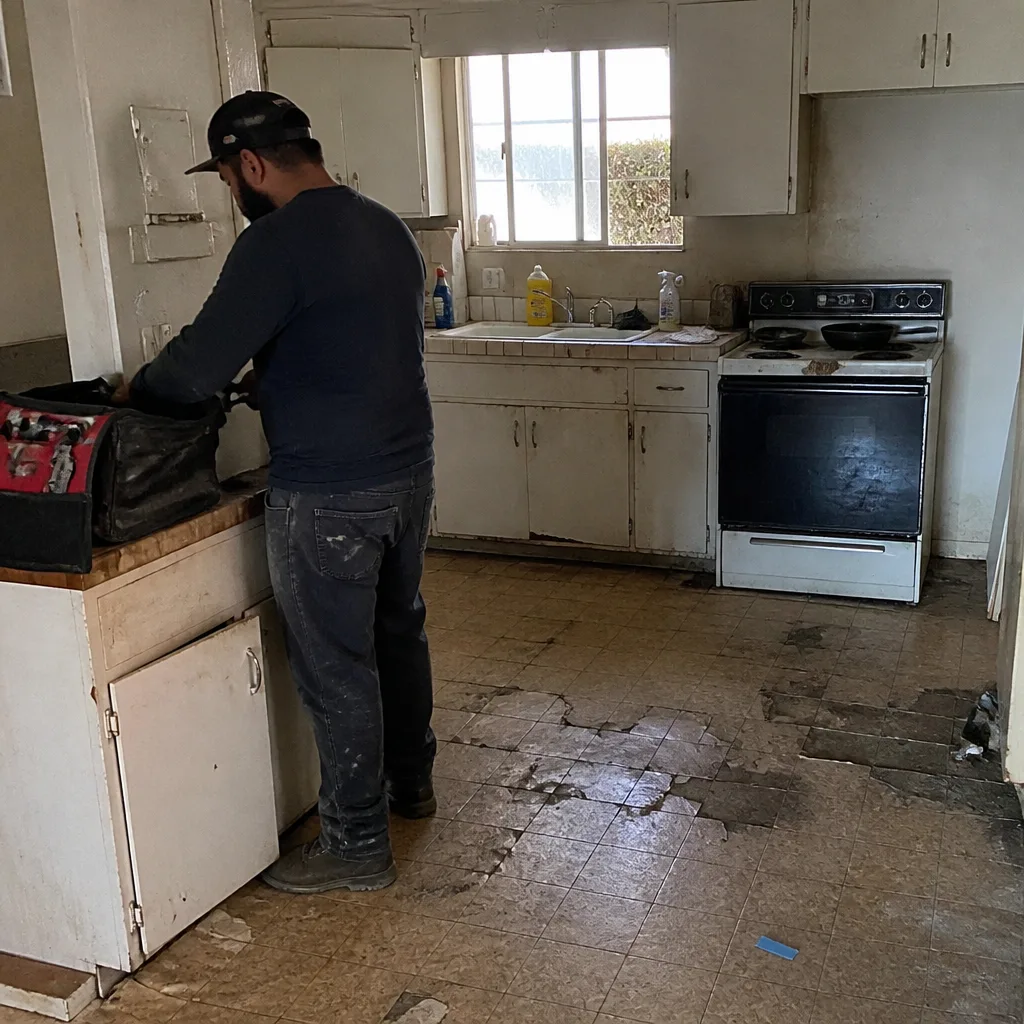 Before
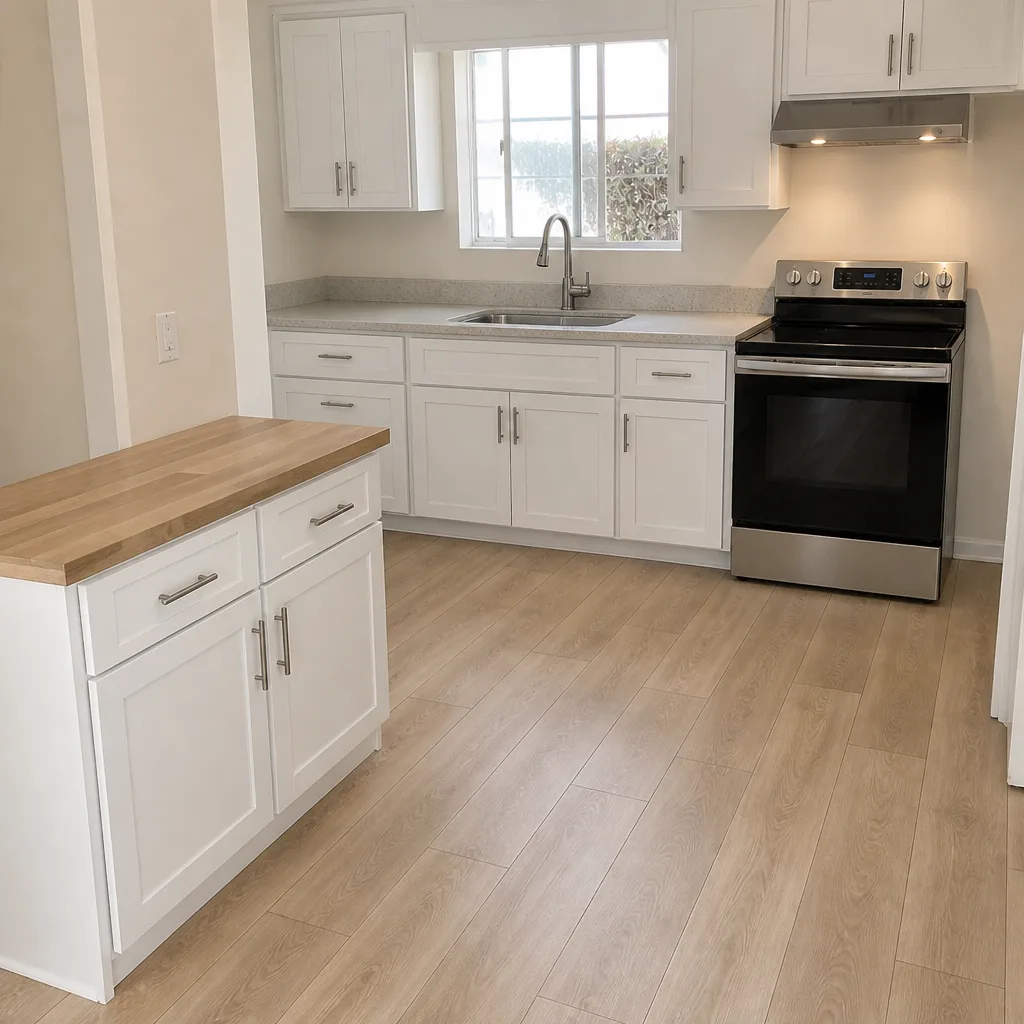 After
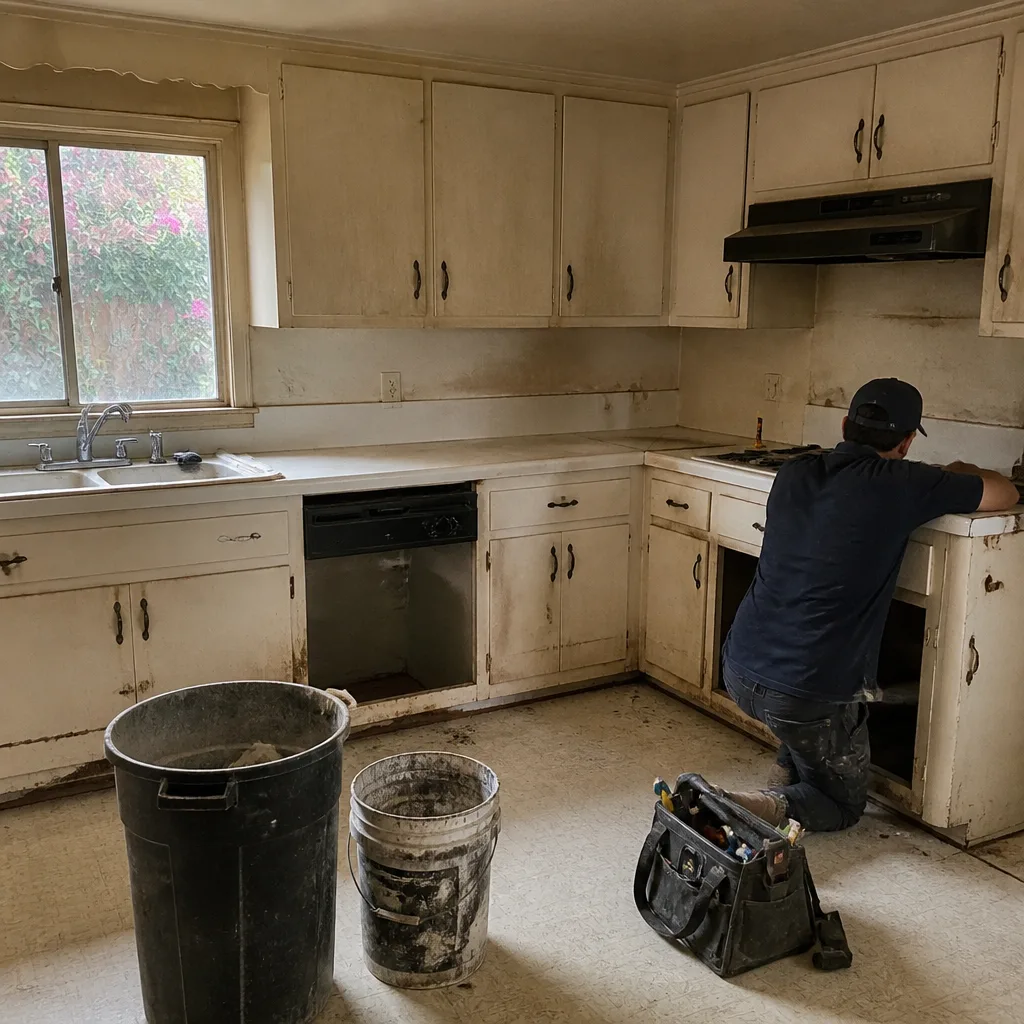 Before
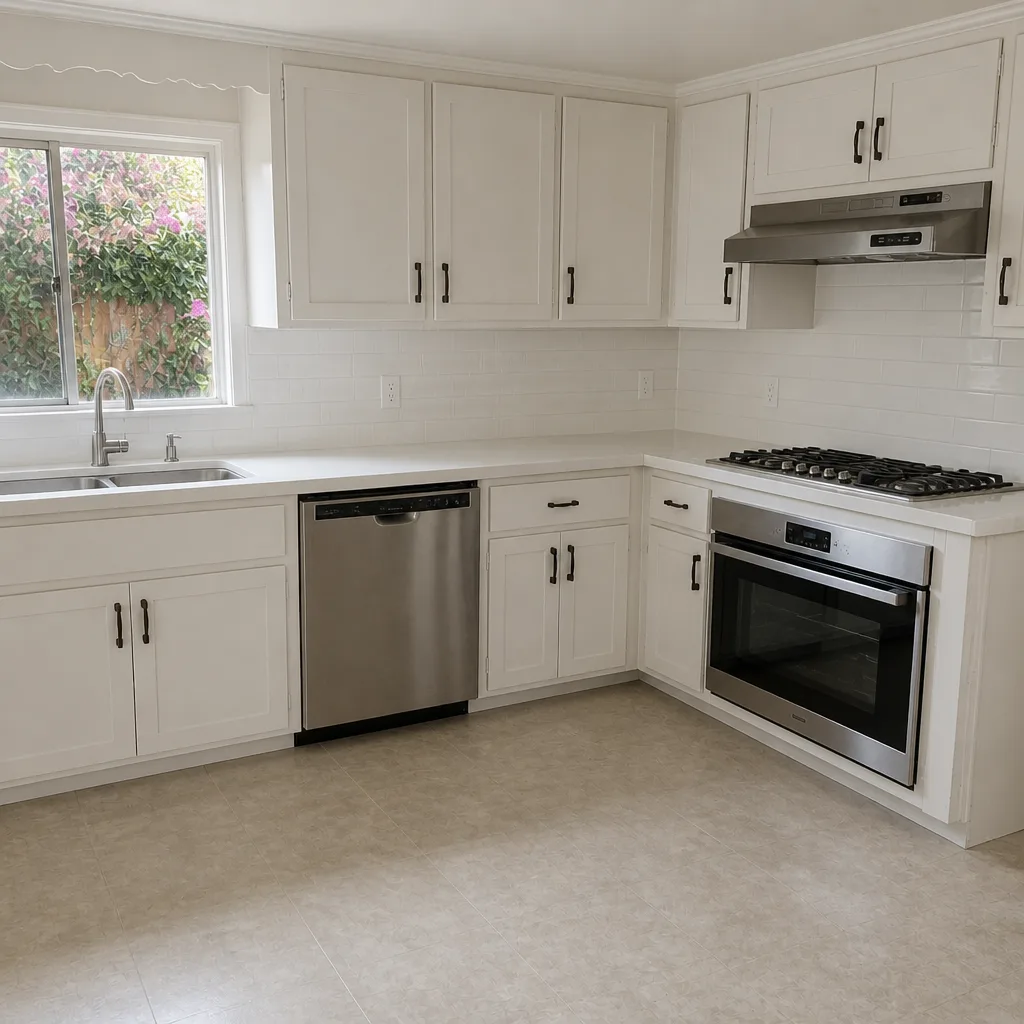 After
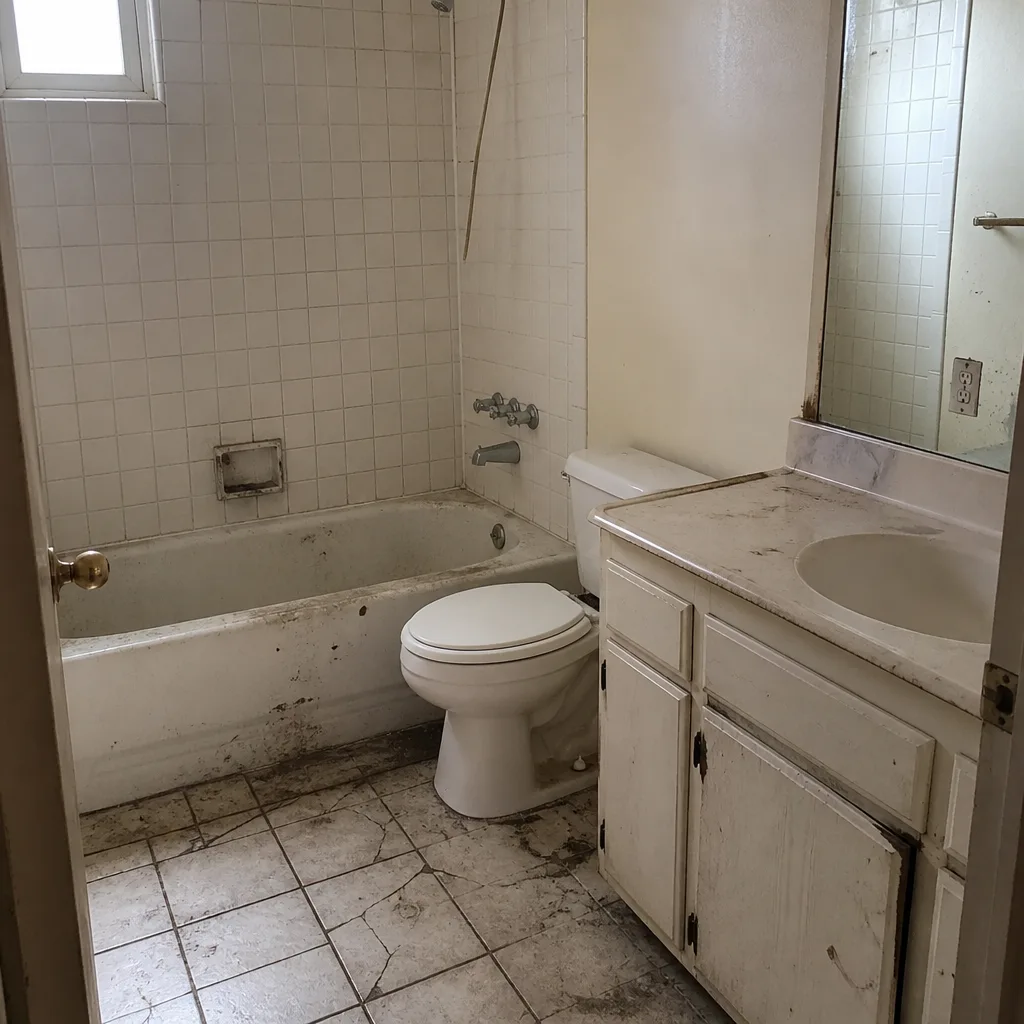 Before
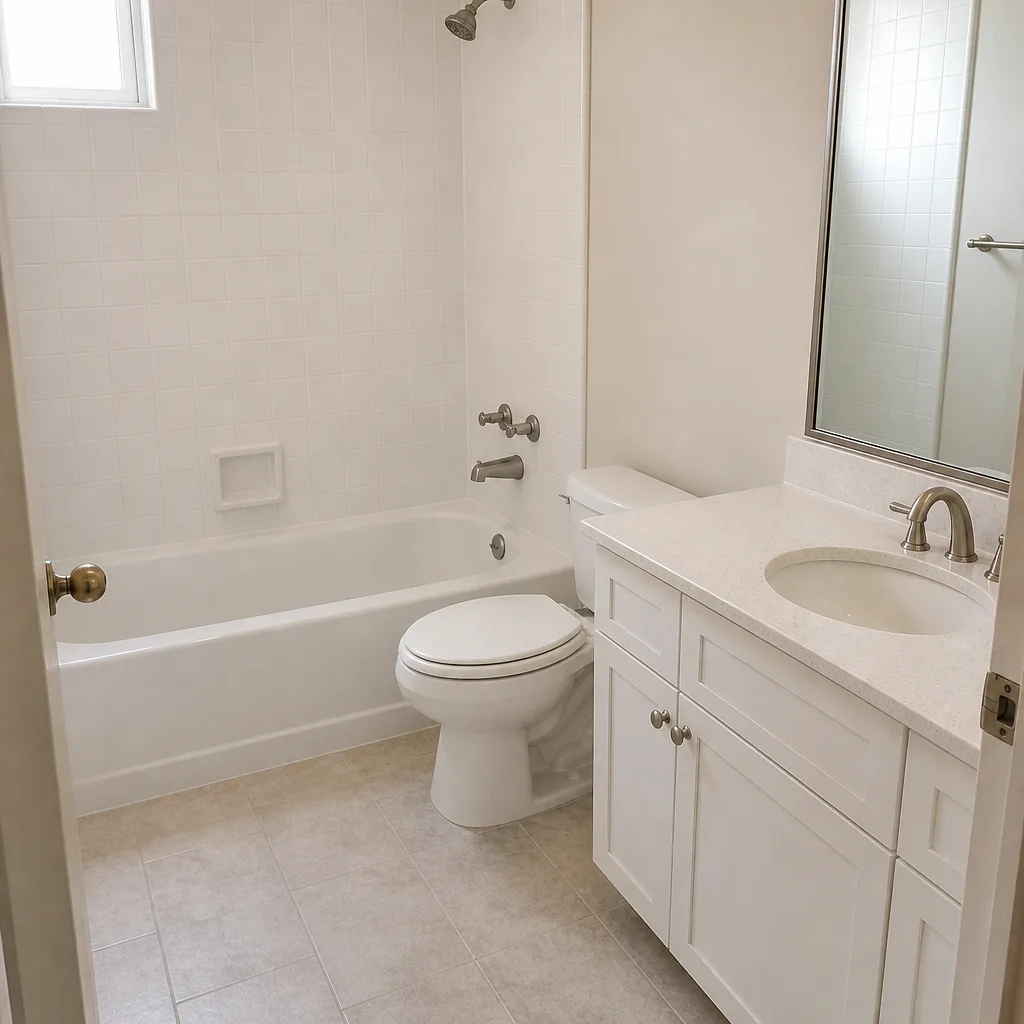 After
Can You Build an ADU on Your Newport Beach Property? The Honest Three-Layer Answer
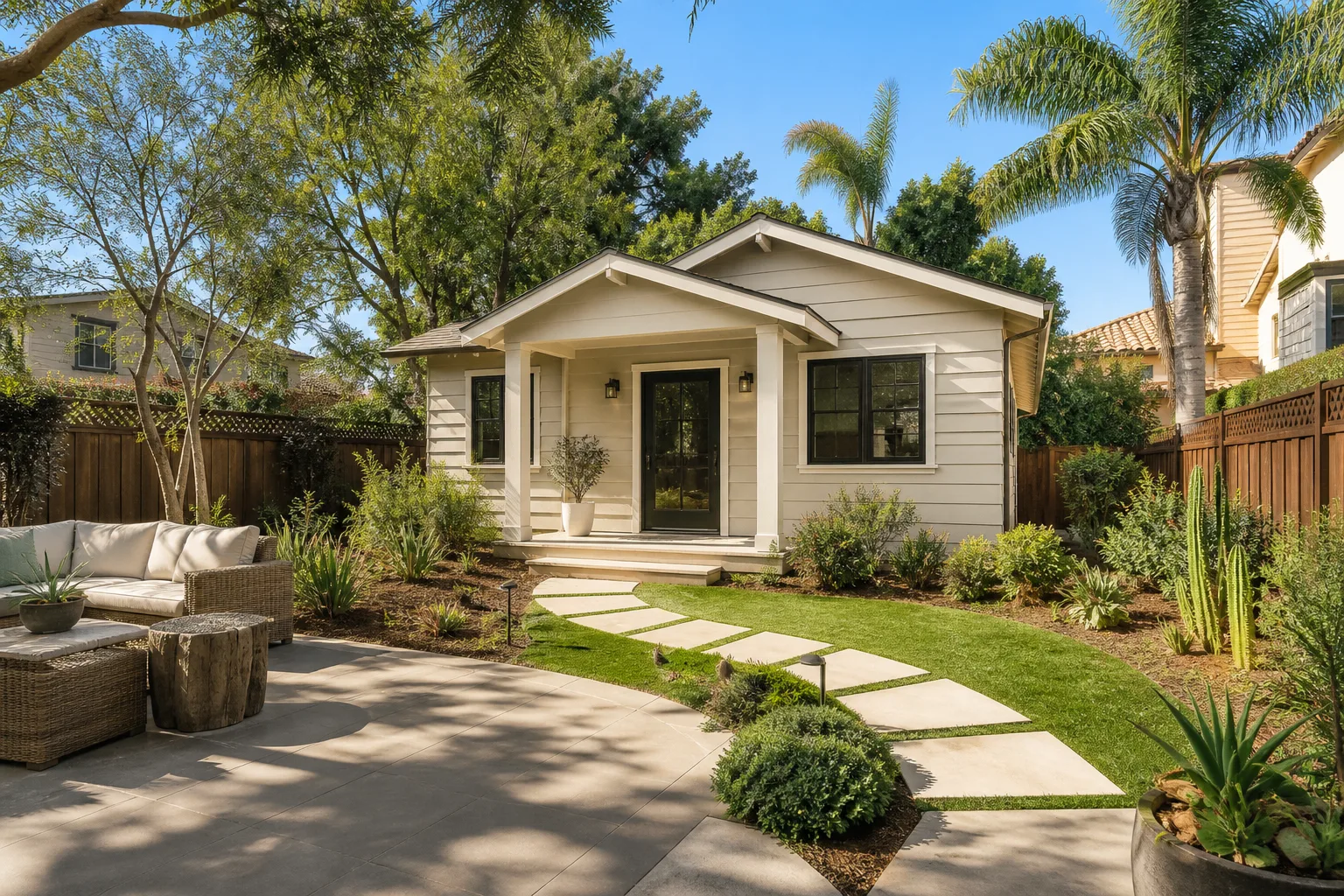
Yes - in almost every case, California state law lets you build an ADU on a Newport Beach property. But “can I” here is really three separate questions stacked on top of each other: does state law allow it (almost always yes), does the city’s coastal zoning overlay restrict it (sometimes), and does the California Coastal Commission have jurisdiction over your parcel (frequently yes, and that changes the whole path). If your address ends in “Bayfront” or sits within 300 feet of the mean high-tide line, you get to your ADU through a different door than your neighbor in Irvine does. Call (833) 749-3967 and we’ll tell you which door is yours.
We’re Groundwork Construction Co. of Newport Beach, and the question we answer most often isn’t “is an ADU allowed” - it’s “is an ADU allowed on my specific parcel.” Those are not the same question, and treating them as one is where most homeowners burn time and design money before they’ve pulled a single permit.
Key Takeaways
- State ADU law is permissive for nearly every single-family lot in Newport Beach - the real gates are city zoning overlays and Coastal Commission jurisdiction.
- If you’re an absentee or second-home owner, the JADU owner-occupancy rule makes a standard ADU your only viable route.
- On Balboa Island, small lots and aging wood pilings mean structural pre-feasibility should come before any permit application.
- Some HOA CC&Rs in communities like Harbor View Hills and Big Canyon predate state ADU preemption - worth a real conversation, not an assumption.
Layer 1: Does State Law Allow an ADU Here?
Almost always, yes. California’s ADU statutes are deliberately permissive, and they preempt most local barriers to a standard detached or attached ADU on a single-family lot. Minimum lot size, parking minimums near transit, and owner-occupancy for standard ADUs are all things the state has largely stripped away as blockers. For the overwhelming majority of Newport Beach single-family parcels, this first layer is a green light, and it’s the one layer a statewide guide can actually answer for you.
The two exceptions worth knowing: you can’t stack a JADU and an ADU in ways the statute doesn’t permit, and second units still have to meet building code for habitable space. Neither of those is a Newport Beach problem specifically - they’re statewide rules that apply everywhere from Dover Shores to the peninsula’s bay side.
Layer 2: Does Newport Beach Zoning Add Restrictions?
This is where Newport Beach gets its own personality. The city’s “Bayfront” and “Oceanfront” overlays and its R-1 coastal districts carry height, setback, and design-review constraints that go beyond what a standard lot in an inland Orange County city would face. A room addition can trigger design review that scrutinizes everything from rooflines to window glazing, and an ADU is judged by the same boards.
What that looks like in practice, from job sites rather than paperwork:
- Height and setback: A two-story ADU that’s routine elsewhere may need to step back or drop a level to clear the overlay’s massing limits.
- Design review: Coastal overlays often pull the ADU into a review process even when a standard lot wouldn’t require it.
- Elevated floor heights and flood-resistant materials: Low-lying bayfront parcels are held to sea-level-rise projections and flood design standards that add cost and spec requirements up front.
None of that makes an ADU impossible. It makes it parcel-specific. The overlay that governs your lot depends on exactly where your property line sits relative to the waterfront and the district boundaries - which is why a checklist can’t answer it and a site-specific read can.
Layer 3: Is Your Parcel in the California Coastal Commission’s Zone?
Frequently, yes - and this is the layer most statewide ADU guides skip entirely. If your parcel falls inside the coastal zone, a Coastal Development Permit (CDP) enters the process, and the Commission’s conditions can reach into erosion studies, public access review, and material and siting requirements that the city alone wouldn’t impose. A CDP isn’t a rejection; it’s a parallel approval track with its own timeline and its own set of reviewers.
Two practical consequences worth flagging before you spend design dollars:
- Timeline: Coastal Commission review adds steps and calendar time to an ADU that a purely inland parcel would never see. Budget for it.
- Materials: Salt air and the morning marine layer accelerate corrosion of fasteners and exterior finishes, so marine-grade coatings and stainless hardware aren’t optional niceties on a coastal ADU - they’re what keeps the structure from aging out early.
That’s the combination no neighboring city has: tide-dependent work windows, salt-air specs, coastal erosion review, and design boards all applying to the same small structure. It’s also why a parcel-specific feasibility read comes before a floor plan, not after.
Second Homes, Investment Properties, and the JADU Trap
Newport Beach has a high share of non-primary residences - bay-side and Dover Shores properties that owners hold as second homes or investments. If you’re one of those owners, one distinction decides your whole path: the JADU owner-occupancy rule. A junior ADU requires the owner to live on the property. A standard ADU does not. So for absentee owners, a standard ADU is the only viable route, and any plan that points you toward a JADU as a cheaper option is a plan that won’t clear its own requirements.
Get this right at the feasibility stage and you avoid designing, permitting, and partially building a unit you can’t legally hold as a rental.
The Balboa Island Catch Most Guides Miss
On Balboa Island, many original 1920s-40s cottages sit on wood pilings that have often never been updated. Add that to lot sizes that are frequently under 2,500 square feet, and the real constraint on an ADU often isn’t zoning at all - it’s whether the ground and the existing structure can carry additional living space. We’ve seen cosmetic remodel plans turn into full re-piling projects before the first cabinet goes up, and an ADU on a small island lot raises the same question earlier.
So on Balboa Island, structural pre-feasibility should come before the permit application. Confirm the foundation can support an additional structure, then design, then permit. Doing it in that order saves the most money of any decision on this page.
What About HOAs?
Portions of Newport Beach - including some Harbor View Hills and Big Canyon communities - have CC&Rs that predate state ADU preemption law. State law generally overrides HOA restrictions on ADUs, but the legal ground is contested enough in practice that it deserves a real conversation before design begins, not a confident one-line answer. If your property sits under an HOA, raise it early. A designer who doesn’t know about a CC&R conflict finds out during review, which is the expensive time to find out.
How Much Does an ADU Cost in Newport Beach?
A standard ADU in Newport Beach typically runs $90,000-$220,000 depending on size, site, and coastal conditions - and full home additions of this scope sit in the $45,000-$130,000 range for the addition work itself. Our Home Additions & ADU in Newport Beach service is built around exactly this scope, and you can read more about how we handle the whole build on our Home Additions & ADU page. Representative line-item ranges for the work that surrounds an ADU project:
| Project | Typical Newport Beach Range |
|---|---|
| ADU construction (full scope) | $90,000-$220,000 |
| Home addition | $45,000-$130,000 |
| Garage conversion to living space | $30,000-$80,000 |
| Bathroom remodel (inside the ADU) | $9,000-$28,000 |
| Window replacement (coastal spec) | $4,500-$15,000 |
| Impact window installation | $8,000-$25,000 |
Upfront pricing means the number you see is the number you pay - no surprise line items appearing after the permit is pulled. Projects over $10,000 take $1,000 off, and 0% financing for 18 months spreads the build over time. Ask for current promotions when you call. Choose fittings like Delta, American Standard, or Toto, and know the bathroom inside your ADU will hold up over the long horizon - home finishes built to last, backed in writing.
We back every project with our 730-Day Done Right Promise - if it’s not done right, we make it right - one of the longest workmanship guarantees in residential construction. Our technicians have up to 12 years of experience, are background-checked, and arrive in uniform.
Why a Parcel-Specific Feasibility Review First
Our project managers provide a feasibility review built around your parcel - not a generic checklist. That means checking which of the three layers applies to your specific lot, confirming coastal zone jurisdiction and CDP exposure, identifying HOA CC&R conflicts, and flagging structural pre-feasibility on small island lots before a single design dollar is spent. The same upfront-pricing commitment that governs the full build governs the review.
If you’d rather your neighbor’s answer be your answer, we can’t give you that - but we can tell you yours. Calls are answered by a live person 24/7, so there’s no voicemail wait and no Monday-morning delay.
FAQs
Yes, in nearly all cases - California state law allows an ADU on almost every single-family lot in Newport Beach, and the remaining gates are city zoning overlays and California Coastal Commission jurisdiction, both of which are parcel-specific. That means the answer is “yes, through a specific door,” not “yes, exactly like your neighbor.” Call (833) 749-3967 for a free feasibility review of your lot.
Yes, but you’ll need a standard ADU rather than a JADU. The JADU owner-occupancy rule means a junior ADU requires the owner to live on the property, so a property held as a second home or investment can only use a standard ADU. Getting that distinction right at the feasibility stage prevents designing a unit that won’t clear its own requirements. Call (833) 749-3967 to confirm which route fits your property.
A standard ADU in Newport Beach typically runs $90,000-$220,000, with full home additions in the $45,000-$130,000 range for the addition scope; coastal overlay requirements and elevated floor heights push some projects toward the upper end. The number you see in your upfront quote is the number you pay, and projects over $10,000 take $1,000 off with 0% financing for 18 months available. Call (833) 749-3967 for an exact quote - estimates are free.
Often yes, but structural pre-feasibility has to come first. Many Balboa Island lots are under 2,500 square feet and the original 1920s-40s cottages sit on wood pilings that have sometimes never been updated, so confirming the foundation can support additional living space should happen before any permit application. Call (833) 749-3967 to schedule a pre-feasibility look at your island lot.
Talk to Us About Your Specific Parcel
If you’d rather have it looked at, Groundwork Construction Co. of Newport Beach offers a no-pressure assessment in Newport Beach - call (833) 749-3967 for a free estimate. We’ll sort out which of the three layers applies to your property and tell you plainly whether an ADU pencils out - and we answer around the clock, so we’re ready when you are.
Written by the team at Groundwork Construction Co. of Newport Beach, serving Newport Beach, CA.