



Free written scope consultation - allowances, timeline, and change-order rules on paper before a single trade is scheduled
Emergency & Storm Damage in Mission Viejo, CA: What It Costs and Who to Call
Emergency & storm damage in Mission Viejo usually means water coming in where it shouldn’t after a hard winter rain, a roof deck or fascia torn loose by wind, a slope that let go above a retaining wall, or a garage door that won’t close because the opening racked. Most stabilization work runs from a few hundred dollars for a targeted repair up to $8,000 – $20,000 when a storm forces a full roof replacement, and the honest answer is that the first 24 to 72 hours decide which end of that range you land on. Call (833) 749-3967 and a live person picks up, day or night, to get a crew scheduled and an estimate on the books.
How we handle storm damage from first call to final walkthrough
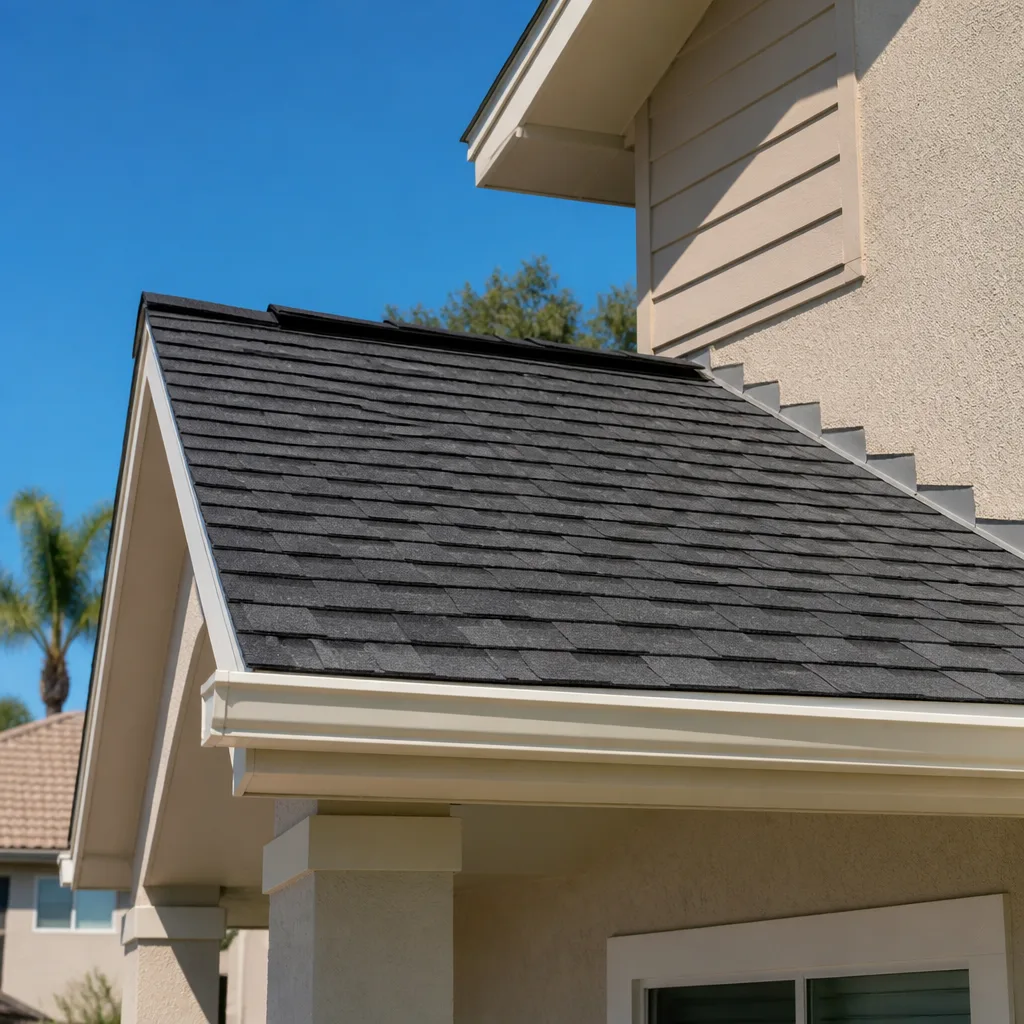
Storm damage isn’t a tidy project. It’s a triage, then a repair, then a paper trail. Here’s the actual sequence we run in Mission Viejo.
Stage 1: Stabilize and stop the intrusion (same day to 48 hours)
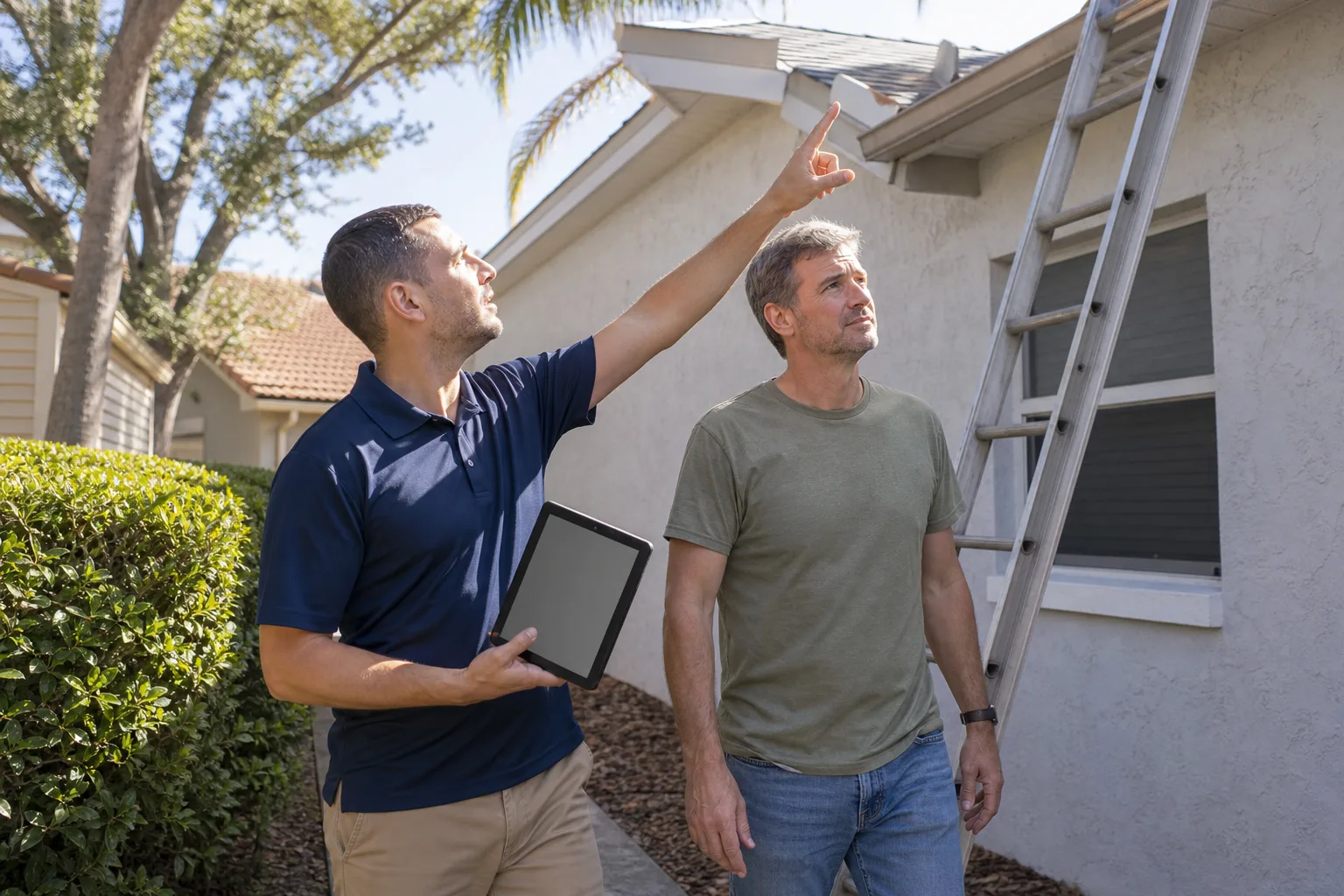
When water is actively entering, the goal is to stop it, not to fix it. We tarp or shrink-wrap the affected roof plane, pull wet insulation and drywall to let the cavity breathe, and photograph everything before anything gets removed. You decide at this stage whether you want us to document for an insurance claim – that changes how much we photograph and how we write the scope. On the graded hillside lots above Lake Mission Viejo, we also check the drainage path and any retaining wall above the house, because a saturated slope is a different emergency than a leak.
Stage 2: Dry-out and moisture verification (days 2 through 5)
Framing and sheathing have to read dry before anything gets closed back up. We meter the wet assemblies and confirm the readings before we schedule the rebuild. This is the stage homeowners are most tempted to skip, and it’s the one that prevents mold from showing up two months later. Expect 3 to 5 days depending on how much material got saturated and how the weather behaves.
Stage 3: Written scope and line-item estimate (days 3 to 7)
Once it’s dry, we write the repair as line items: sheathing replacement by square footage, underlayment, flashing, fascia, paint, and any structural sistering. Upfront pricing means the number you sign is the number you pay – no change orders because the deck turned out worse than the tarp suggested. If insurance is involved, this is the document your adjuster works from.
Stage 4: Rebuild and inspection (typically 2 to 6 days of work)
Repair, replace, flash it correctly, then get it inspected if a permit was pulled. Mission Viejo requires permits for structural repair and full reroofs, and the inspection has to pass before we call the job done. You decide the material grade here – more on that below.
Stage 5: Final walkthrough and the 730-Day Done Right Promise
We walk the repair with you, show you the photos of what was underneath, and hand over the warranty in writing. If anything we touched fails inside 730 days, we make it right. That covers workmanship, not acts of weather – but a flashing detail that leaks after the next storm is squarely on us.
Styles & brands we work with
- Kitchen remodeling
- Bathroom remodeling
- Home additions & ADU
- Roofing
- Windows & doors
- Driveway & pavers
- Fence
The choices you’ll be making on a storm repair
- Match-the-existing vs. upgrade the assembly. Patching one roof plane with the same underlayment keeps the cost near $400 – $1,800. Rebuilding the plane to current standards costs more but ends the cycle of repeat leaks. On late-1960s tract homes, the original assembly is often past its service life anyway.
- James Hardie fiber cement vs. stucco for the exterior patch. Hardie holds up to the inland heat and matches most of the tract detailing in the area once painted; stucco patch is cheaper to blend but cracks along the seam if the substrate moves.
- Fascia and trim: primed wood vs. composite. Wood is the cheaper match; composite costs more and doesn’t rot after the next wet winter.
- Drainage: regrade vs. add a channel drain. Regrading the soil away from the foundation is the low-cost fix. A channel drain or French drain at the low corner costs more but solves the problem on the canyon-edge lots where water has nowhere to go.
- Insurance route vs. self-pay. Filing keeps cash out of pocket but adds an adjuster cycle and can affect your policy. Self-paying gets the work moving in days. You decide, and we’ll price it either way.
If the storm took out a garage door or opener, or you’re already planning to upgrade glazing while the walls are open, homeowners often pair this with Impact Garage Doors in Mission Viejo so the whole envelope gets brought up to standard in one pass.
What emergency & storm damage costs in Mission Viejo, CA
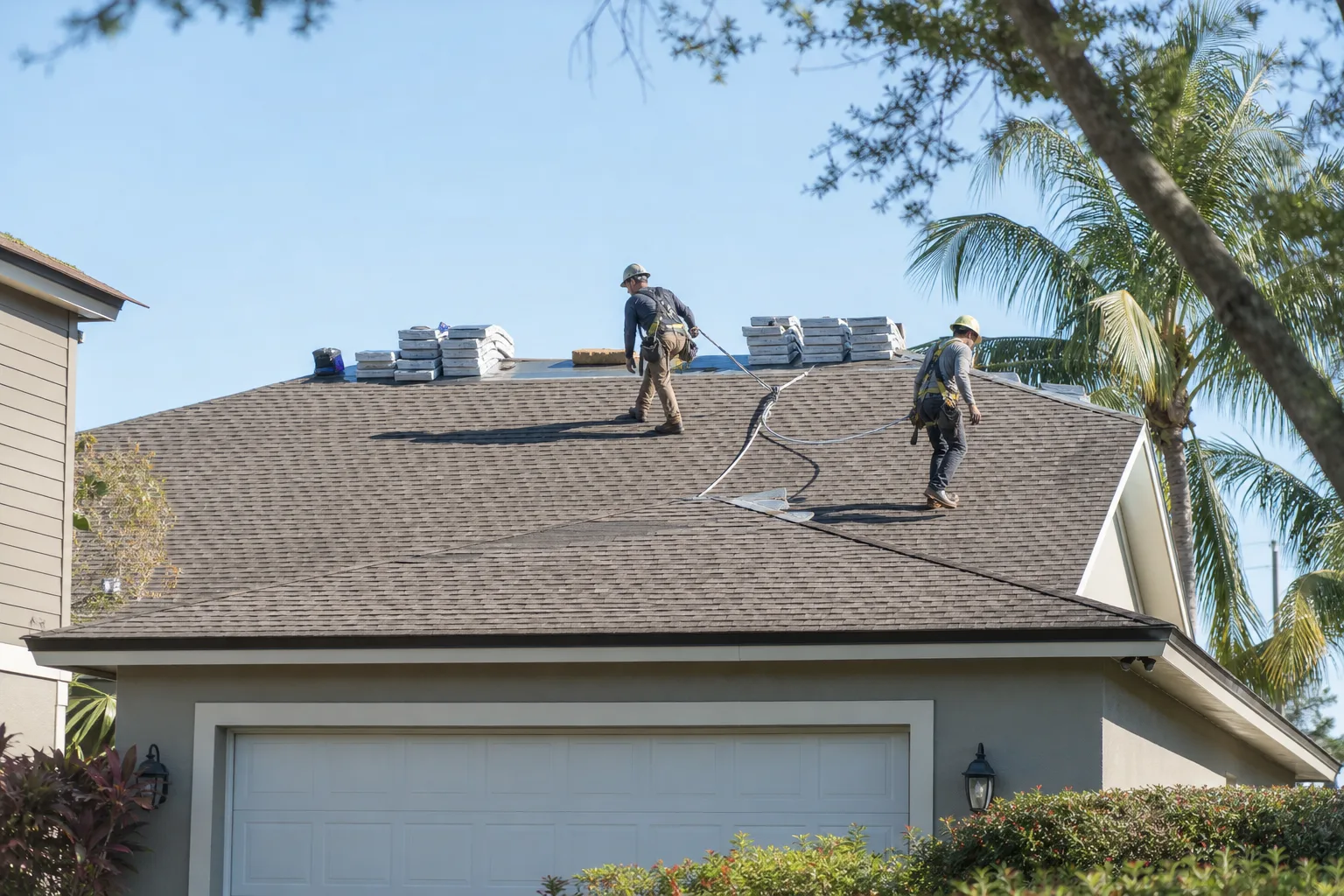
Plan on $400 – $1,800 for a targeted storm repair, $600 – $2,500 for tile roof repair where individual tiles cracked or slipped, and $8,000 – $20,000 if the storm pushed a full roof replacement. Emergency stabilization and dry-out typically runs a few hundred to a couple thousand depending on how much material has to come out.
Four things push a job toward the high end:
- How much got wet. One plane of sheathing is a repair. Sheathing plus framing plus interior drywall is a reconstruction.
- Roof material. Tile repairs cost more per square because the tiles have to be lifted and reset without breaking the field; asphalt shingles are the cheapest to patch.
- Access. Hillside and canyon-edge parcels with steep pitches, limited staging, or a long carry from the street add labor.
- Permit scope. Structural repair and reroof permits add plan check time and inspection scheduling. It’s not optional work, but it does move the number.
A written estimate covers labor, materials, tear-off and disposal, flashing, and the permit when one is required. It typically does not cover interior drywall and paint, personal property, or landscape repair – we list those as separate line items so nothing shows up as a surprise later.
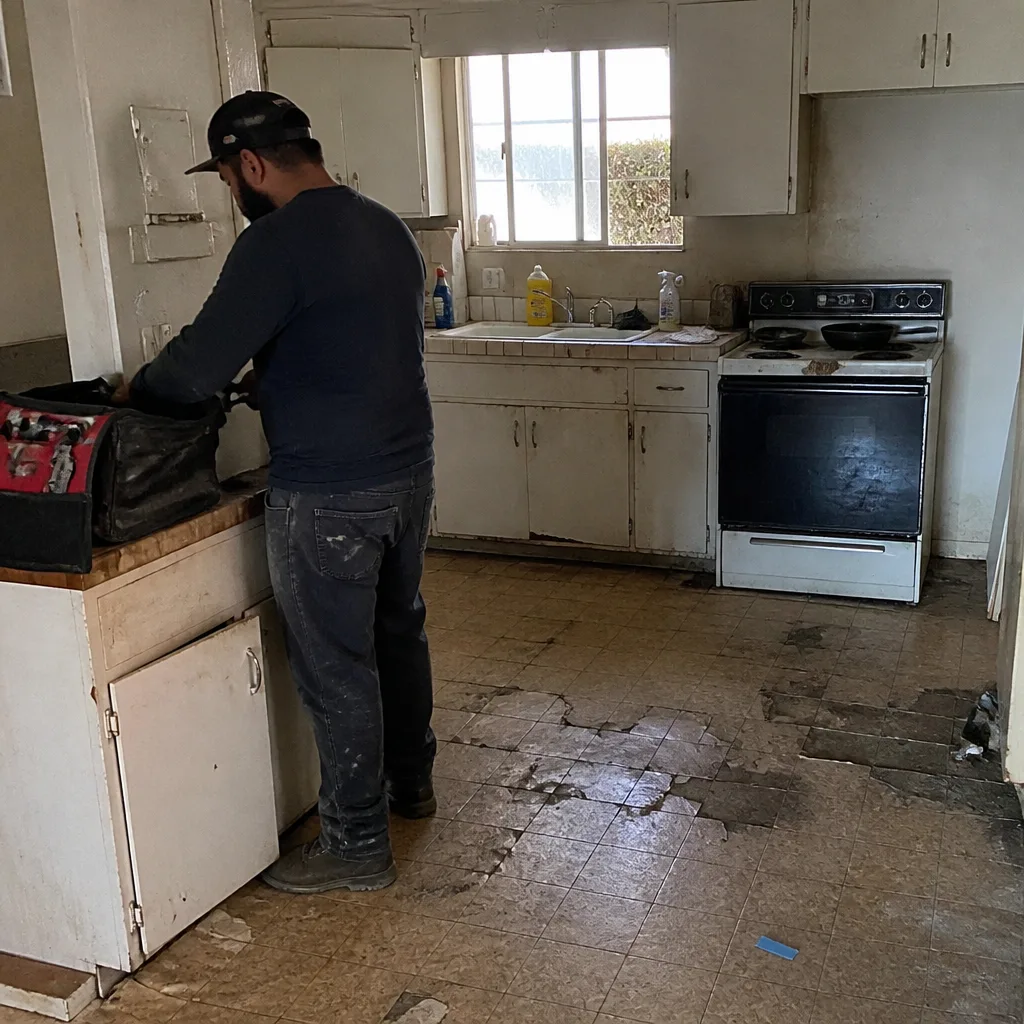
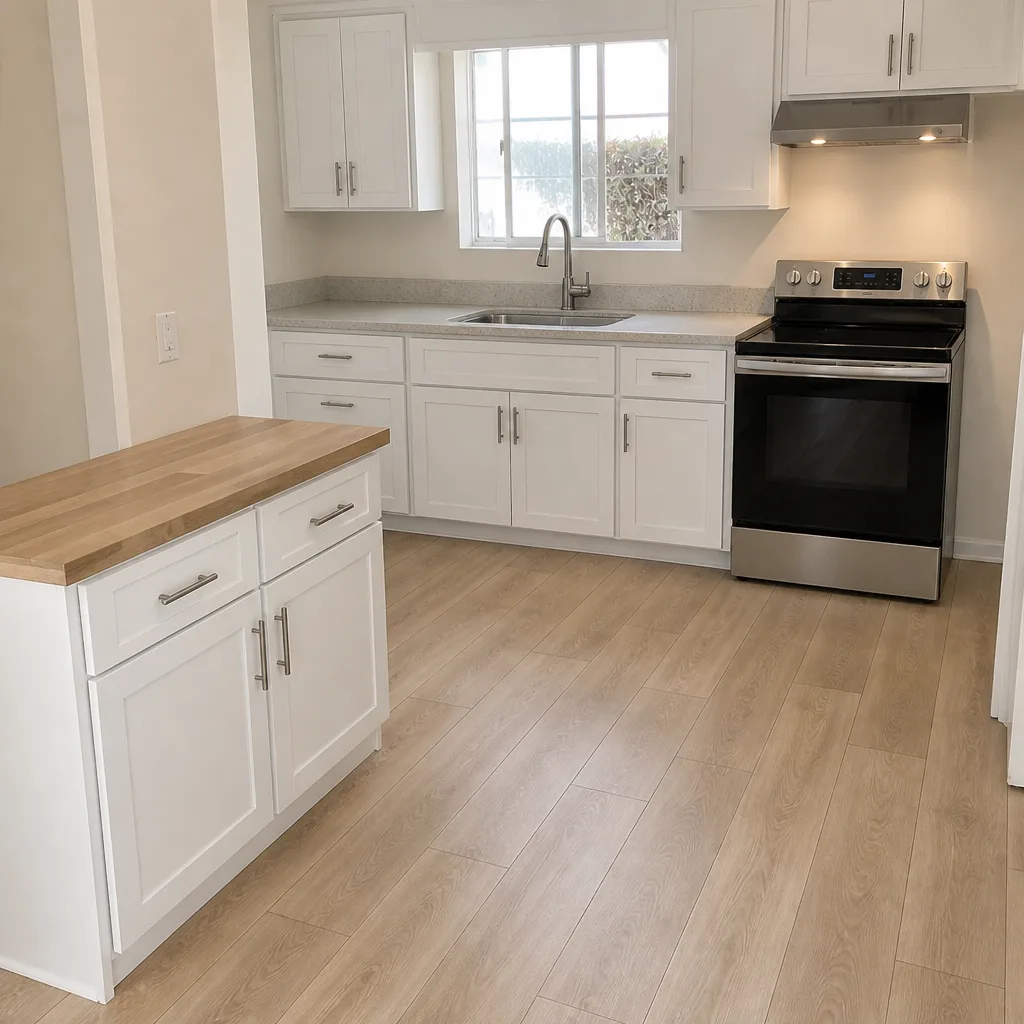
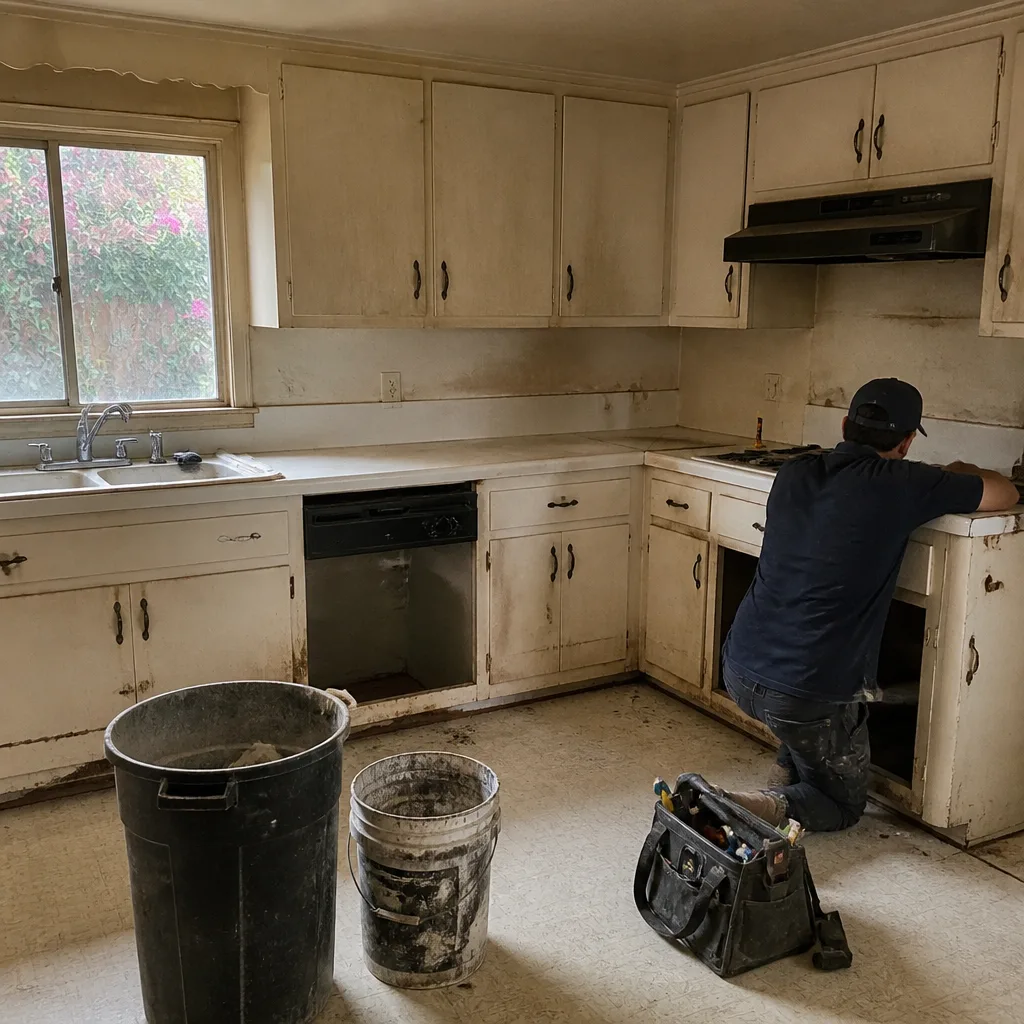
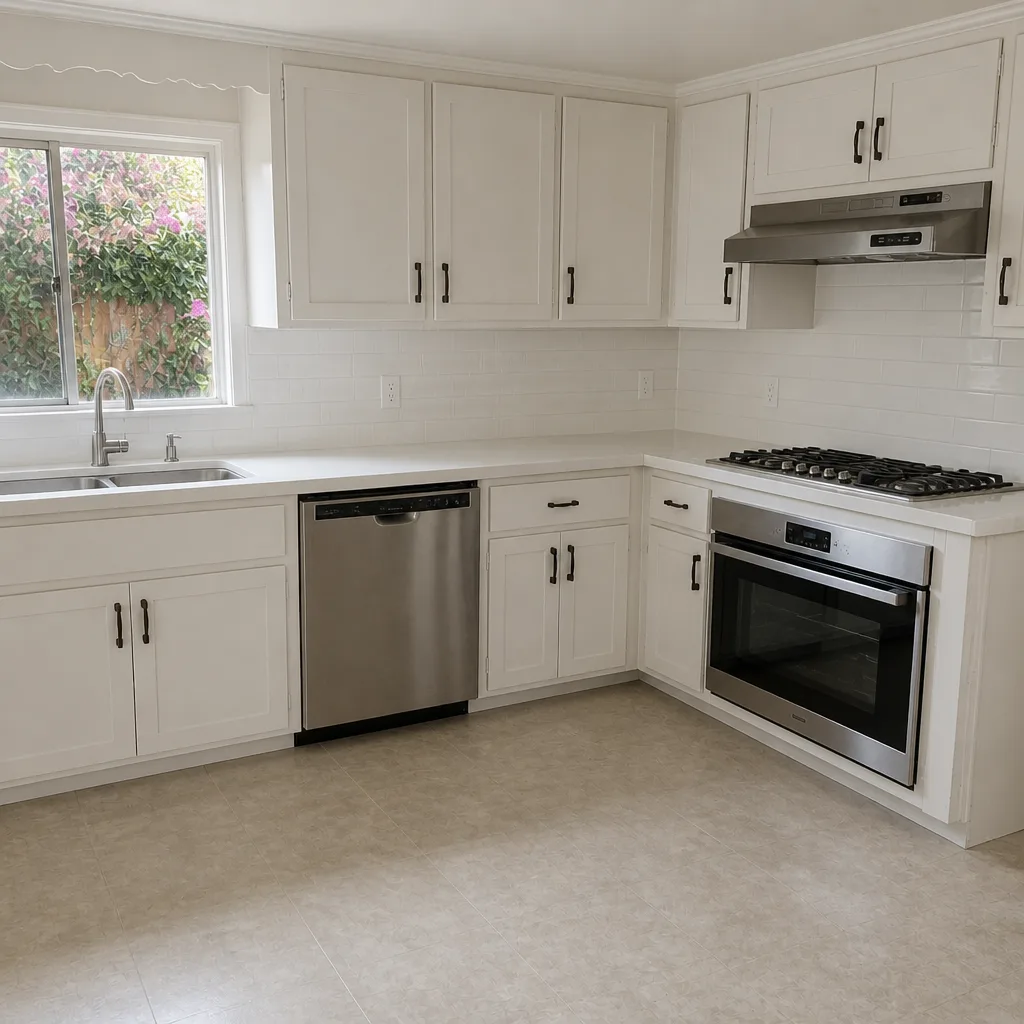
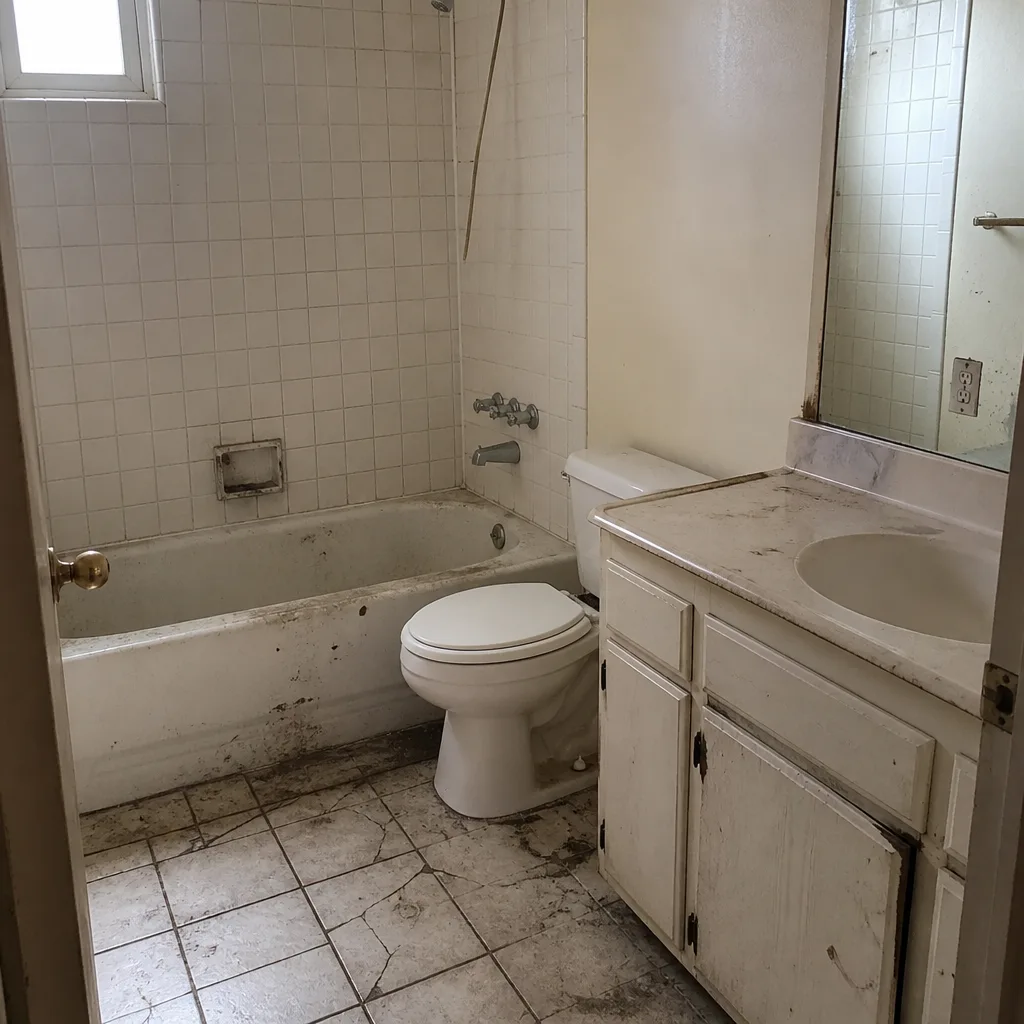
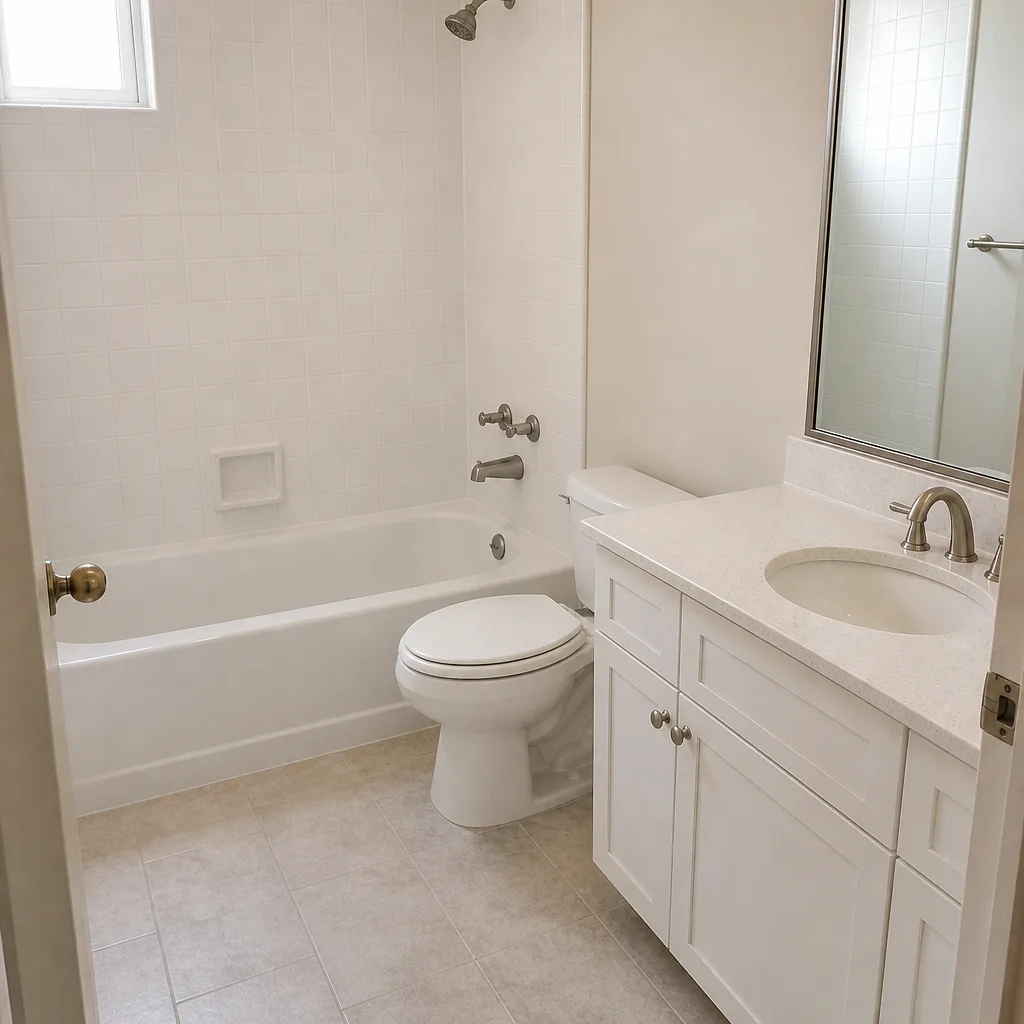
See the difference
 Before
 After
 Before
 After
 Before
 After
What Mission Viejo homes specifically do to this job
Mission Viejo was built as one of the largest master-planned communities in the country, developed by the Mission Viejo Company starting in the late 1960s under strict design guidelines. That matters for storm work in two ways. First, most of the housing stock in ZIP codes 92691 and 92692 is now 40 to 55 years old, so a storm that would be a minor inconvenience on a newer house finds original fascia, original sheathing, and original flashing that’s already at the end of its life. Second, any exterior change that shows from the street has to clear HOA architectural review before the city permit gets pulled, and that review adds real days to a timeline. On the graded hillside parcels near Lake Mission Viejo and up against the Saddleback foothills, saturated soil is the actual emergency – water finds the low corner, the retaining wall above the house takes the load, and the repair is as much drainage and grading as it is roofing. The semi-arid climate here means long dry stretches that crack sealant and shrink caulk, then a hard winter storm tests every one of those failures at once. If you’re already looking at the wider scope, our roofing service covers the full envelope, and the Roofing in Mission Viejo page covers the bigger picture. We handle storm work across Mission Viejo and the surrounding communities. Homeowners often pair a storm repair with Custom & Geometric Windows in Mission Viejo when the wind has also compromised older glazing.
Serving Mission Viejo, CA – Our Local Coverage Area
We serve Mission Viejo and nearby communities. Use the map below to see the area we cover. If you’re nearby, we can almost certainly help.
Frequently asked questions about emergency & storm damage in Mission Viejo

Stabilization happens the same day to 48 hours, dry-out takes 3 to 5 days, and the rebuild itself typically runs 2 to 6 days of active work once the scope is signed. Add 1 to 3 weeks if a permit and HOA architectural review are both required. Call (833) 749-3967 for an exact timeline on your property – estimates are free.
Yes, for structural repair and for any full reroof. Cosmetic patching and like-for-like repairs below the structural threshold usually don’t require one. We pull the permit and manage the inspection when one is needed. Call us and we’ll tell you before any work starts whether your repair crosses that line.
Often, yes, if the damage came from a covered event like wind or a storm rather than deferred maintenance. We photograph and document the full scope so your adjuster has what they need, and we can price the job either for insurance or for self-pay so you’re comparing apples to apples.
Targeted repairs run $400 – $1,800, tile roof repair $600 – $2,500, and a full roof replacement forced by storm damage $8,000 – $20,000. The variables are how much got wet, the roof material, site access, and whether a permit is required. Call (833) 749-3967 for a written line-item quote – the number you see is the number you pay.
Every storm repair is covered by our 730-Day Done Right Promise – if it isn’t done right, we make it right, for two years after the final walkthrough. That’s one of the longest workmanship guarantees in the residential construction space. Ask for it in writing when we hand over the estimate.
Get a free estimate for emergency & storm damage in Mission Viejo
Call (833) 749-3967 and a real person answers, day or night. We’ll take the details of what happened, tell you what’s genuinely urgent versus what can wait for a scheduled visit, and set a free on-site estimate. You’ll get a written line-item quote, a fixed price, and the 730-Day Done Right Promise. Live person, 24/7 – no voicemail, no waiting until Monday.
Written by the team at Groundwork Construction Co..