Free written scope consultation - allowances, timeline, and change-order rules on paper before a single trade is scheduled
Emergency & Storm Damage in Newport Beach, CA: What It Takes to Make a Home Weathertight Again
Emergency and storm damage work in Newport Beach almost always starts with water getting in where it shouldn’t: blown-back roof tiles, failed flashing at a chimney, wind-driven rain pushed under a patio cover, or a marine-layer-soaked fascia that finally gave way. Most repairs we scope land between $400 and $2,500 for the initial stabilization and fix, with larger structural work climbing from there. Call (833) 749-3967 and a live person answers, day or night, and we’ll talk through what you’re seeing before we ever put a number on it.
How We Handle Emergency & Storm Damage, Stage by Stage
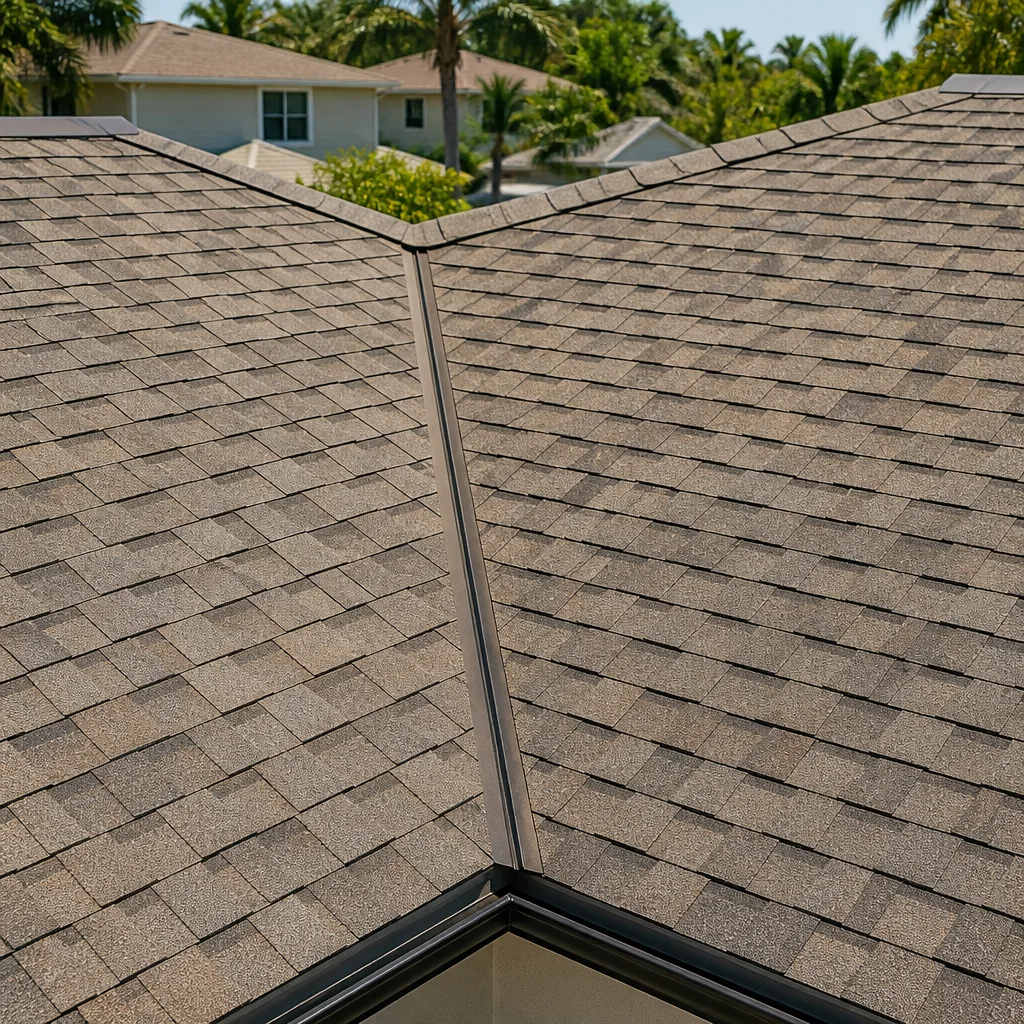
Storm damage isn’t a single visit, it’s a sequence. Here’s how it actually plays out on a Newport Beach job, with the decisions you’ll make along the way.
Stage 1: Stabilize and stop the water (day 1, usually 2 – 4 hours on site)
The first call is about stopping active damage, not fixing the whole thing. We tarp, secure, and get water moving away from the structure. If there’s standing water in an attic or a wall cavity, we set drying equipment and pull wet insulation. You’ll decide at this stage whether to file an insurance claim, and we can document the loss with photos and measurements either way.
Stage 2: Full inspection and written scope (day 2 – 3)
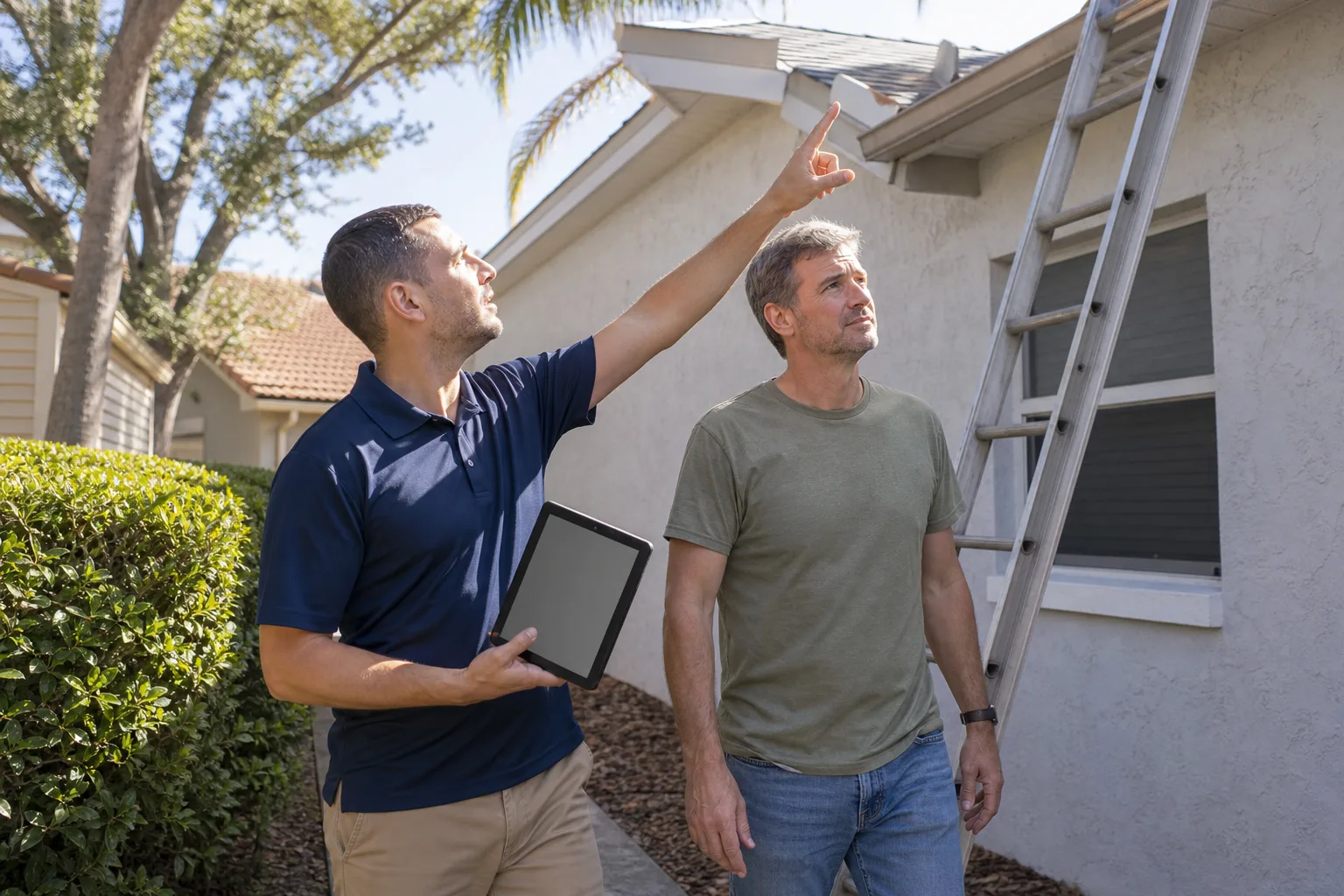
Once things are dry enough to see straight, we get on the roof, into the attic, and along the exterior. This is where the real story shows up: a soft spot in the sheathing, a rusted fastener pulling loose, a window flashing that’s been leaking quietly for a season. You get a line-item written scope, not a verbal guess. Nothing gets demoed until you’ve approved the scope and the number.
Stage 3: Teardown and prep (day 3 – 5 for most jobs)
We remove what’s failed, down to sound material. On a Newport Beach roof that often means pulling damaged tile or shingles back to the underlayment and checking the deck. Decking that’s delaminated or rotted gets replaced with like-for-like material. We cover exposed areas at the end of every workday, because a marine layer moving in overnight can find any open seam.
Stage 4: Rebuild to spec (varies, 2 – 7 days)
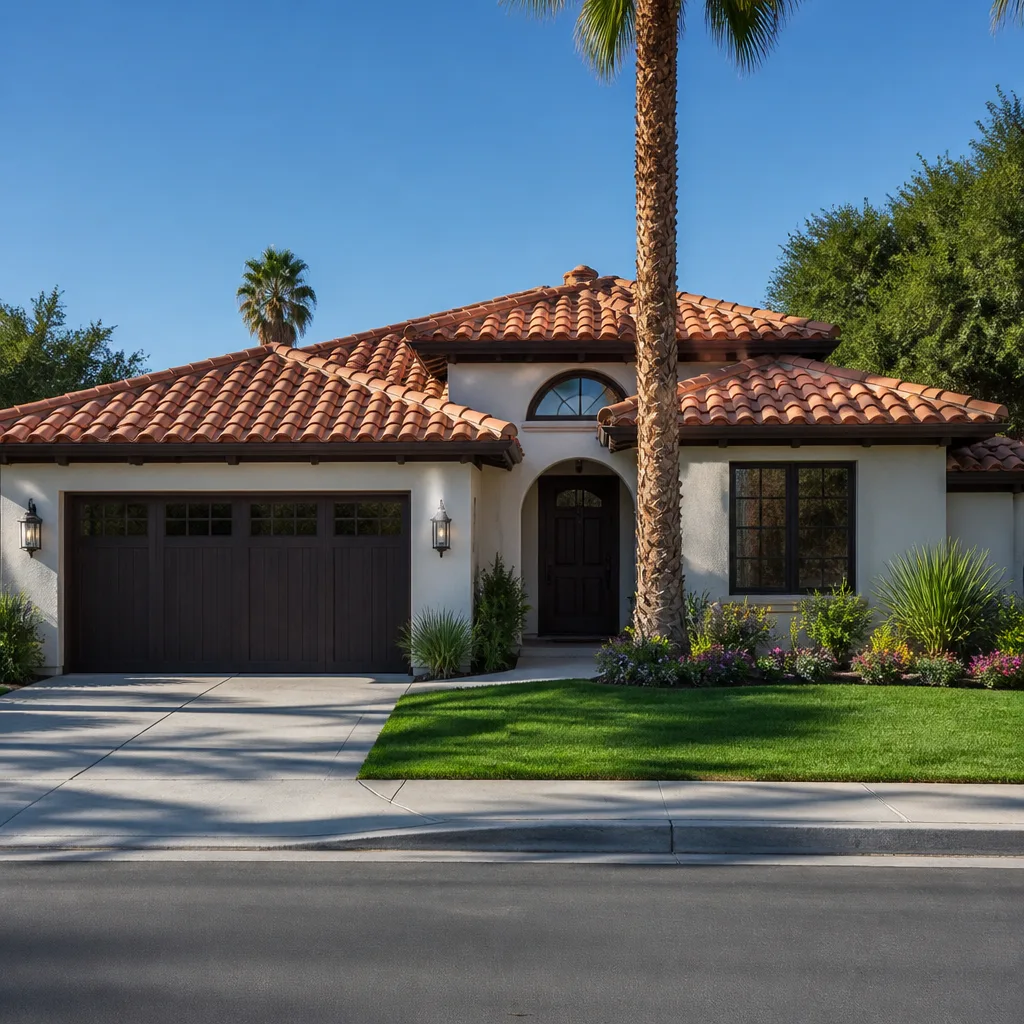
This is the part where material choice matters. We replace flashing, underlayment, and fasteners with corrosion-rated hardware, then match the original finish as closely as the supply allows. Matching a 20-year-old Mediterranean tile or a specific James Hardie lap profile takes time and the right supplier. You’ll decide at the front end how close a match you want versus how much you want to spend on it.
Stage 5: Final inspection and paperwork (1 – 2 days)
We walk the work with you, confirm the repair holds against a hose test where relevant, and hand over the written workmanship guarantee. Every job we do carries the 730-Day Done Right Promise, and that includes storm repairs. If something we touched fails inside that window, we come back and make it right.
Styles & brands we work with
- Kitchen remodeling
- Bathroom remodeling
- Home additions & ADU
- Roofing
- Windows & doors
- Driveway & pavers
- Fence
The Options You’ll Choose Between on a Storm Damage Repair
Storm work forces a few real decisions. Here’s the honest trade-off on each, so you’re not guessing.
- Match the existing material vs. upgrade the damaged section: Matching keeps the look seamless and the cost down, but if the original tile or shingle is discontinued, you’re hunting a close substitute. Upgrading the repaired area to a heavier underlayment or impact-rated product costs more now but resists the next storm better.
- Spot repair vs. full replacement of the affected plane: A spot repair is cheaper and faster, but if the failure traces to age across a whole slope, you’ll be back next season. A full plane replacement costs more upfront and buys years of quiet.
- Standard fasteners vs. stainless and marine-grade hardware: Salt air eats standard fasteners fast. Stainless hardware and marine-grade coatings add cost but stop the slow corrosion that causes repeat leaks.
- Cosmetic patching vs. structural rebuild: If a fascia or soffit carried water long enough to soften the framing, patching hides the symptom. Rebuilding the framing costs more and takes longer, but it’s the difference between a fix and a band-aid.
- Synthetic underlayment vs. traditional felt: Synthetic holds up better to wind-driven rain and UV, costs a bit more, and suits coastal exposures. Felt is cheaper and fine on a sheltered inland slope.
What Emergency & Storm Damage Costs in Newport Beach, CA
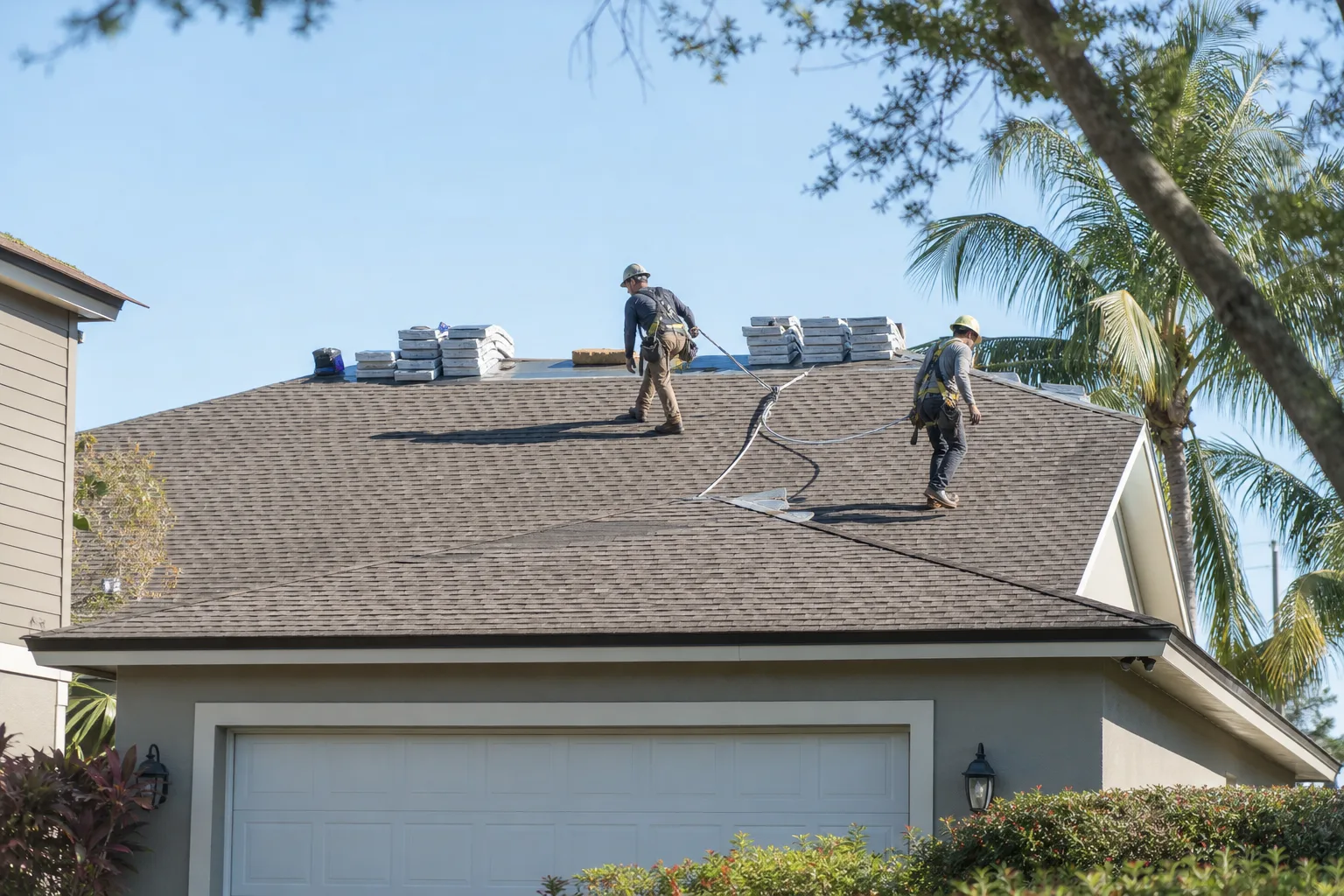
A storm damage repair in Newport Beach runs $400 to $2,500 for the typical fix, and a full replacement of a damaged roof plane lands in the $8,000 to $20,000 range depending on size and material. Those numbers aren’t guesses; they track the labor, materials, and access realities of this market. Five things push a job toward the high end:
- Roof size and pitch: A steep ocean-side slope or a large custom footprint takes more hours and more fall protection.
- Existing condition: Rot in the sheathing or framing turns a $600 repair into a multi-day rebuild.
- Material match difficulty: Discontinued or imported tile and specialty shingles add sourcing time and cost.
- Access: Tight blufftop lots and harborfront properties can limit equipment access, which adds labor.
- Permit scope: A minor repair may not need a permit; a structural rebuild or replacement does, and that adds inspection steps and fees.
A written estimate from us lists labor, materials, and permit costs line by line. Upfront pricing means the number you see is the number you pay. What’s typically not included: hidden damage found after demo begins (we document it and get your approval before touching it) and any code upgrades the city requires that weren’t visible at the initial inspection.
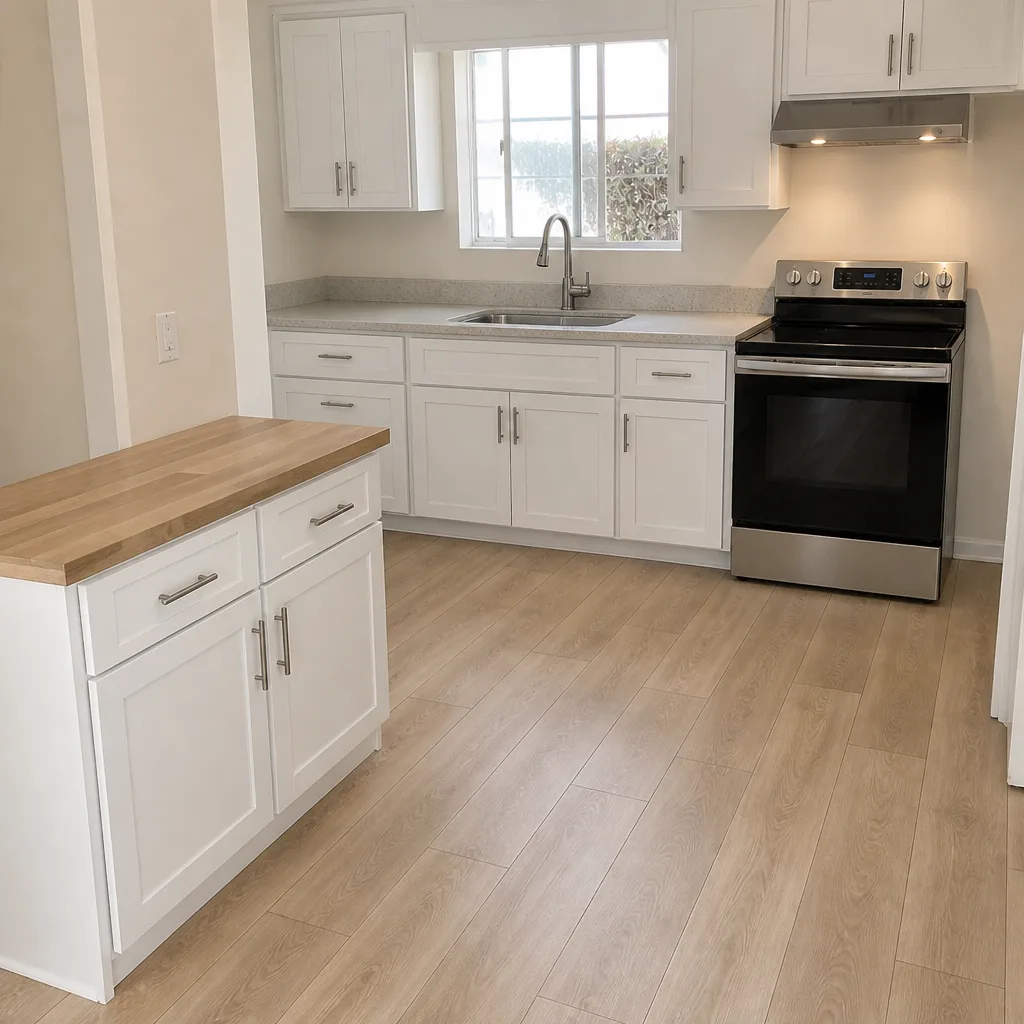
See the difference
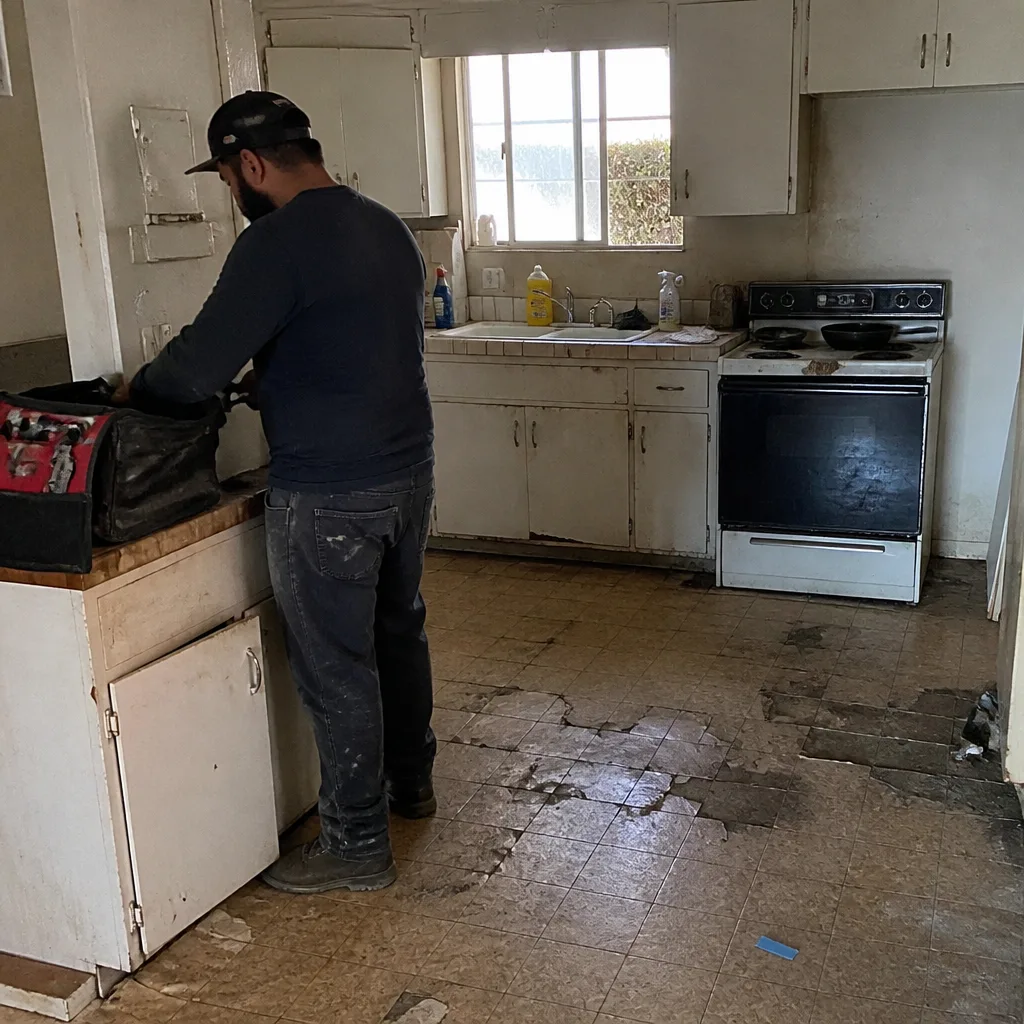 Before
 After
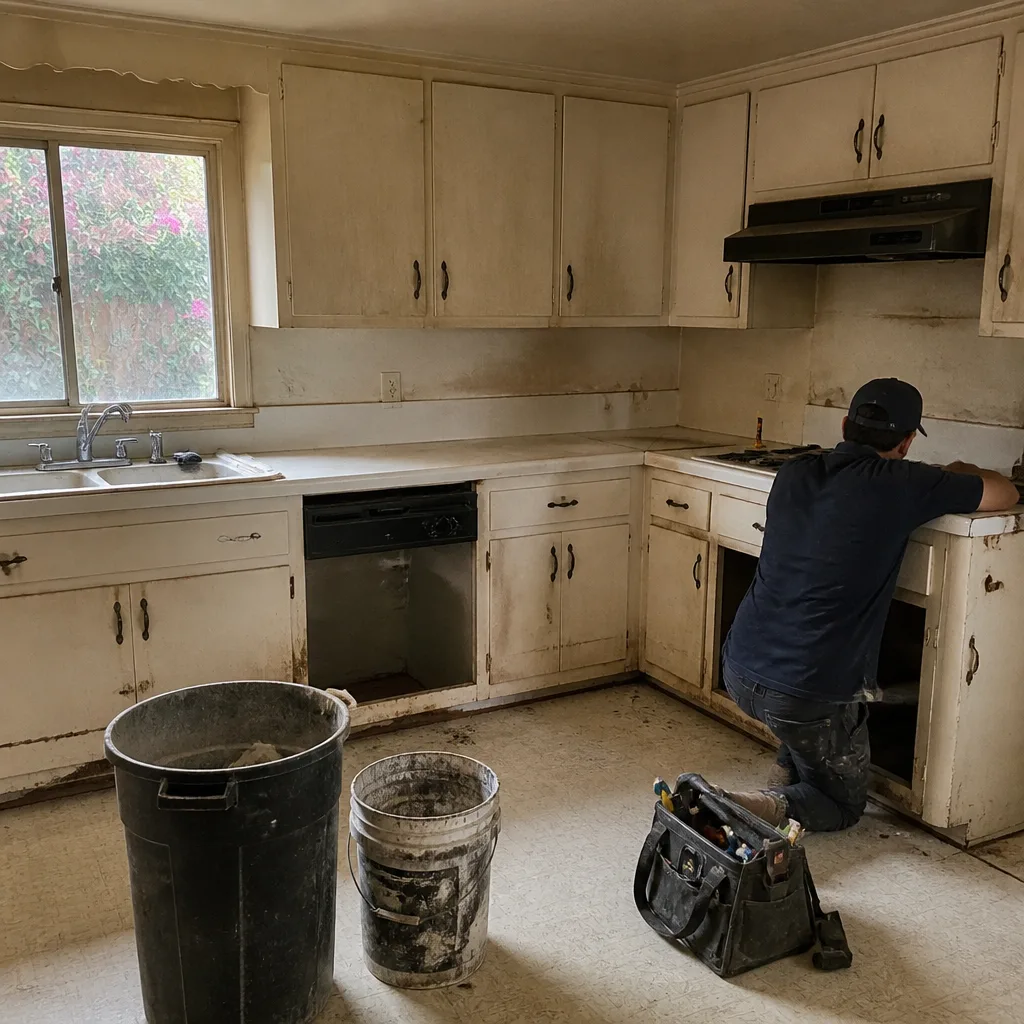 Before
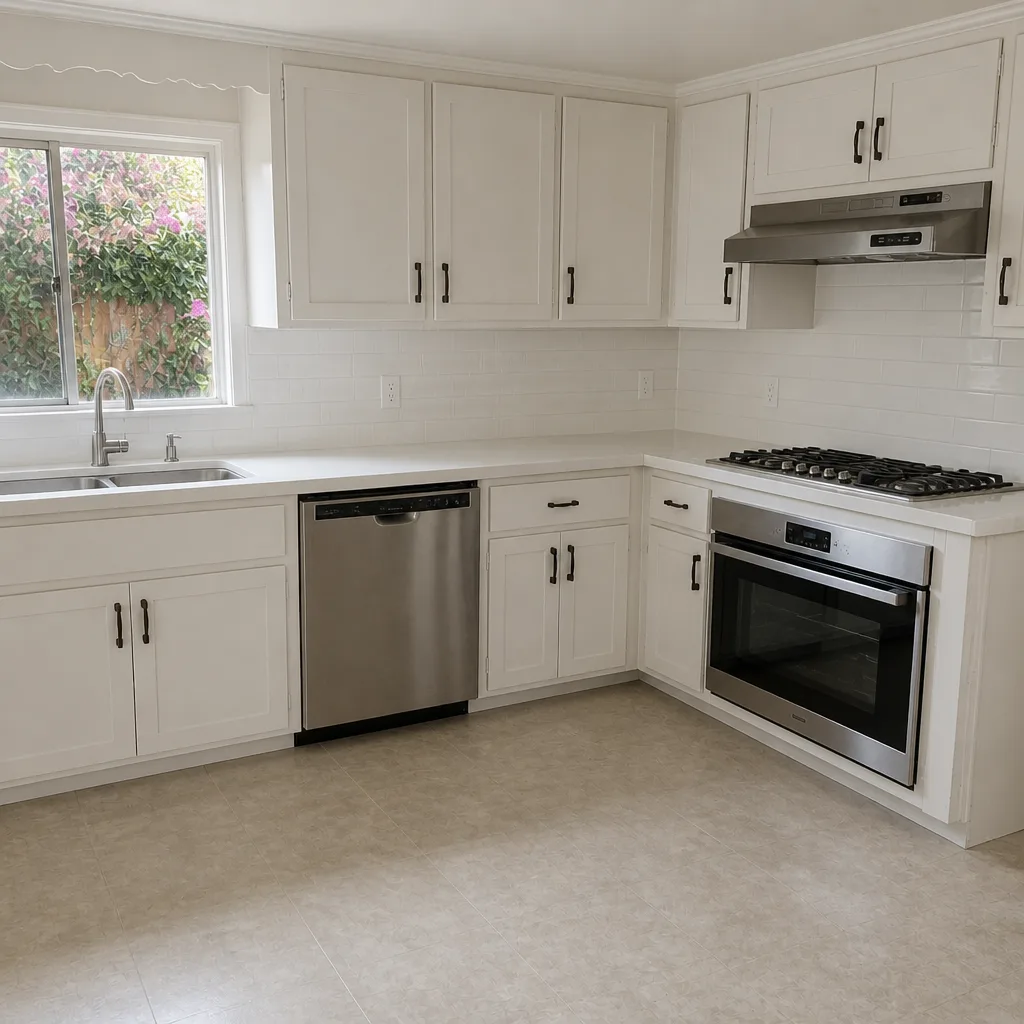 After
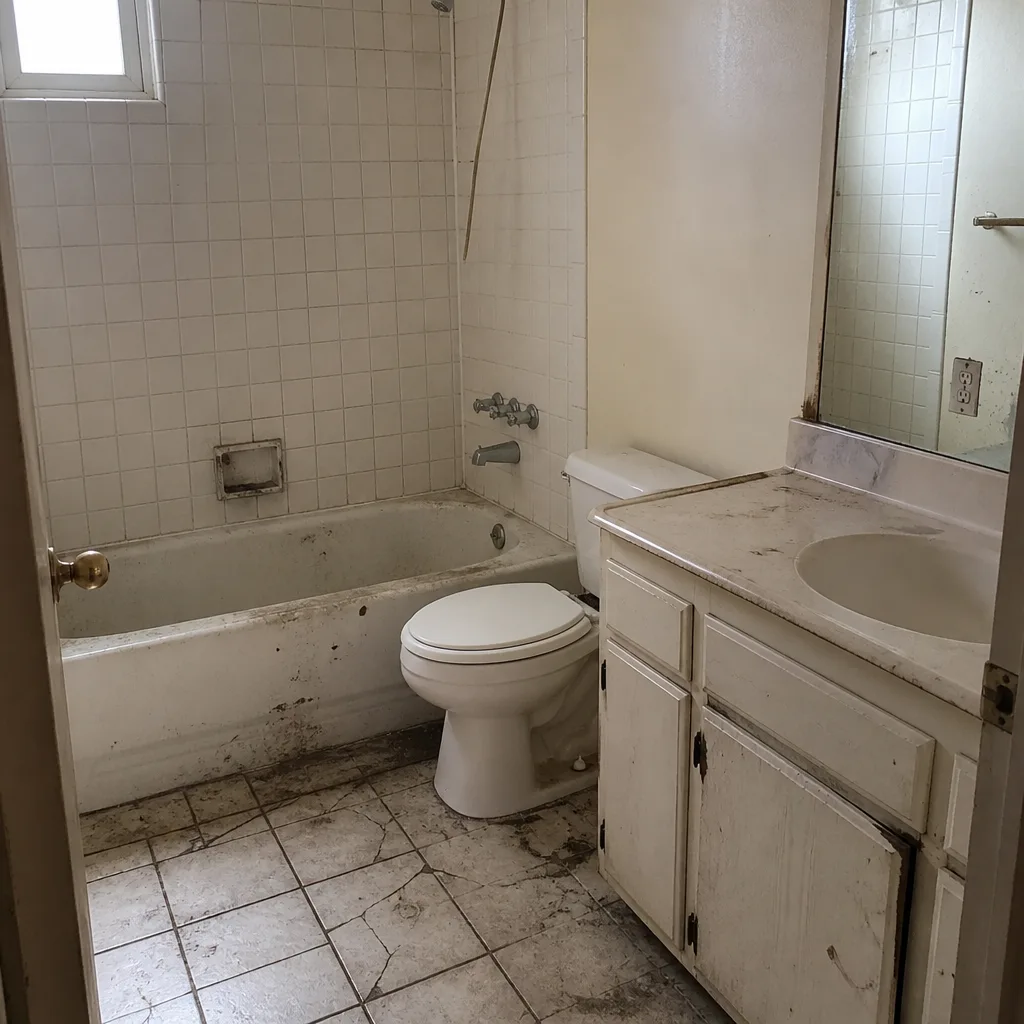 Before
 After
What Newport Beach Homes Specifically Do to This Job
The housing stock here shapes storm damage in ways you won’t see in Irvine or Santa Ana. The peninsula’s bay side is full of mid-century single-wall and post-and-beam homes, plus 1960s ranch houses, while the ocean side and Dover Shores hold custom Mediterranean and contemporary estates, many of them second homes. On Balboa Island, original 1920s – 40s cottages sit on wood pilings that are often decades past their service life, so a storm that wets a floor can reveal a foundation problem underneath. The coastal overlay adds another layer: harborfront and blufftop properties sit under California Coastal Commission permit conditions and the city’s Bayfront and Oceanfront zoning overlays, so even a repair that touches the exterior envelope can trigger design review. Persistent salt air and the morning marine layer corrode fasteners and exterior finishes faster than inland buyers expect, which is why we spec stainless hardware even on properties a mile from the water. This is the same coastal reality that drives demand for Impact Garage Doors in Newport Beach and weather-tight Custom & Geometric Windows in Newport Beach, and it’s why we treat every storm repair as part of the wider envelope rather than an isolated patch. When a storm takes out a section of roof, we frequently find the homeowner also needs a full look at the whole assembly, which is where our Roofing in Newport Beach work comes in. We cover the full Newport Beach coastline and the neighborhoods inland of it, and our Roofing service handles the broader scope when the damage goes past a single repair.
Serving Newport Beach, CA – Our Local Coverage Area
We serve Newport Beach and nearby communities. Use the map below to see the area we cover. If you’re nearby, we can almost certainly help.
Frequently Asked – Emergency & Storm Damage in Newport Beach

Most storm damage repairs are stabilized the same day you call and finished within 3 to 7 days, depending on how much hidden damage turns up. Stabilizing the leak is a few hours; the full repair depends on material sourcing and whether a permit is required. Call (833) 749-3967 and we’ll give you a realistic window for your specific situation.
Small repairs like replacing flashing or a few damaged tiles usually don’t require a permit, but structural repairs and full replacements do. Because many Newport Beach properties sit under coastal overlays, exterior work can also need design review even when the repair itself is minor. We pull the permits and handle the inspection so you’re not chasing the city.
Often yes, and we try to repair rather than replace when the damage is isolated to one area. If the failure traces to age across a whole slope, though, a repair will just postpone the inevitable, and we’ll tell you that straight. Call (833) 749-3967 for a free estimate and we’ll show you which situation you’re in.
Typical repairs run $400 to $2,500, with full plane replacement at $8,000 to $20,000 depending on size and material. The main drivers are roof size, existing condition, material match difficulty, site access, and permit scope. Call (833) 749-3967 for a written line-item quote, free of charge.
Every repair we complete is backed by our 730-Day Done Right Promise, one of the longest workmanship guarantees in residential construction. If something we repaired fails inside that window, we return and make it right at no cost. Our technicians arrive background-checked and in uniform, and most repairs are completed in a single visit.
Get a Free Estimate for Emergency & Storm Damage in Newport Beach
When a storm has opened up your home, the fastest path is a real conversation with someone who can tell you what it takes to make it right. Call (833) 749-3967 and a live person answers, any hour. We’ll ask what you’re seeing, schedule a free on-site estimate, and hand you a written line-item scope with upfront pricing. No voicemail, no waiting until Monday.
Written by the team at Groundwork Construction Co..