Free written scope consultation - allowances, timeline, and change-order rules on paper before a single trade is scheduled
Styles & brands we work with
- Kitchen remodeling
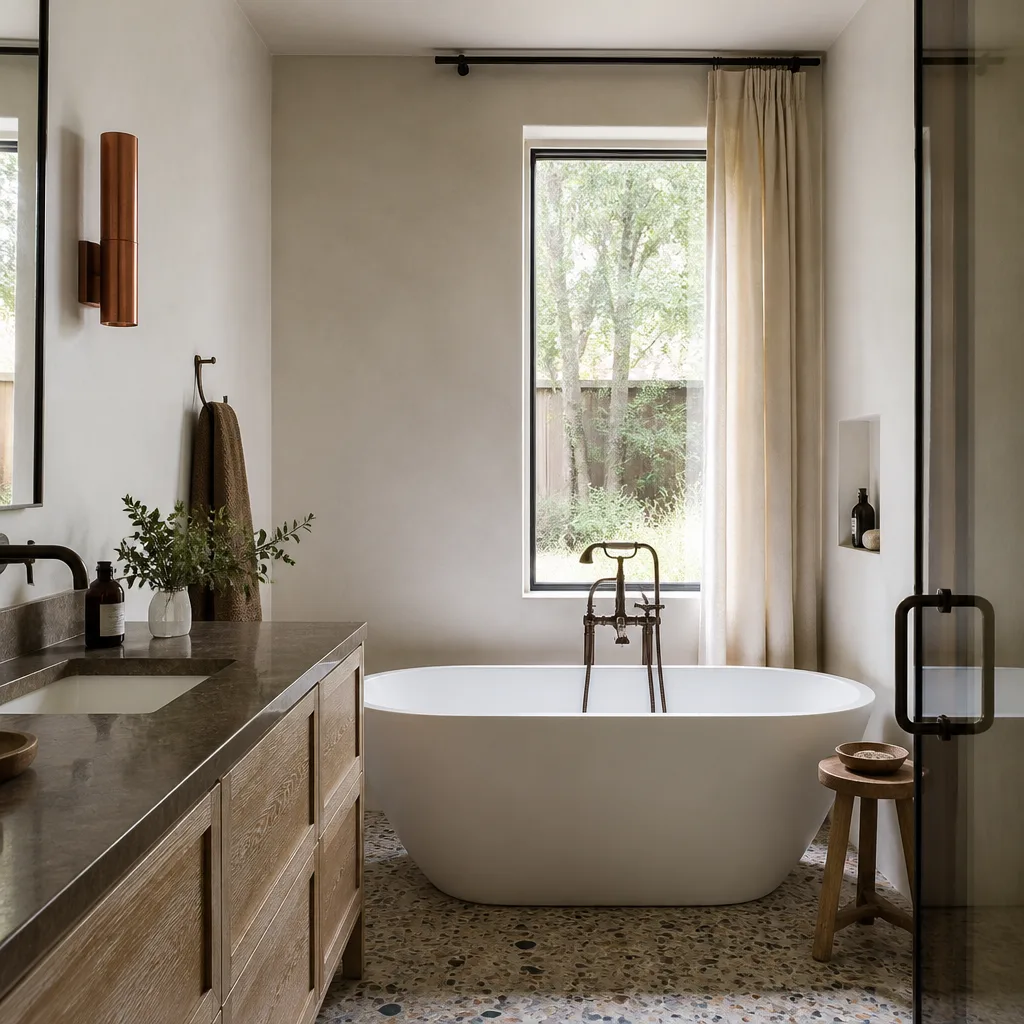
- Bathroom remodeling
- Home additions & ADU
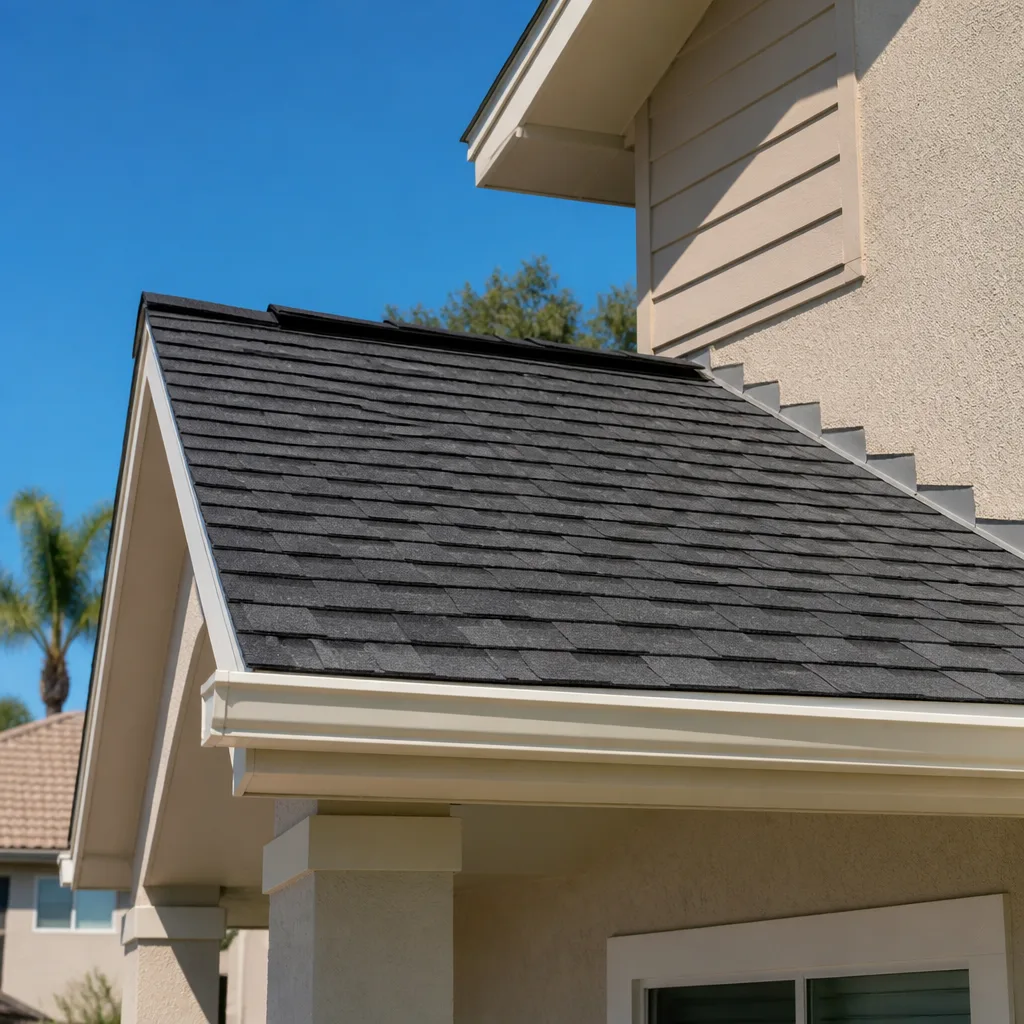
- Roofing
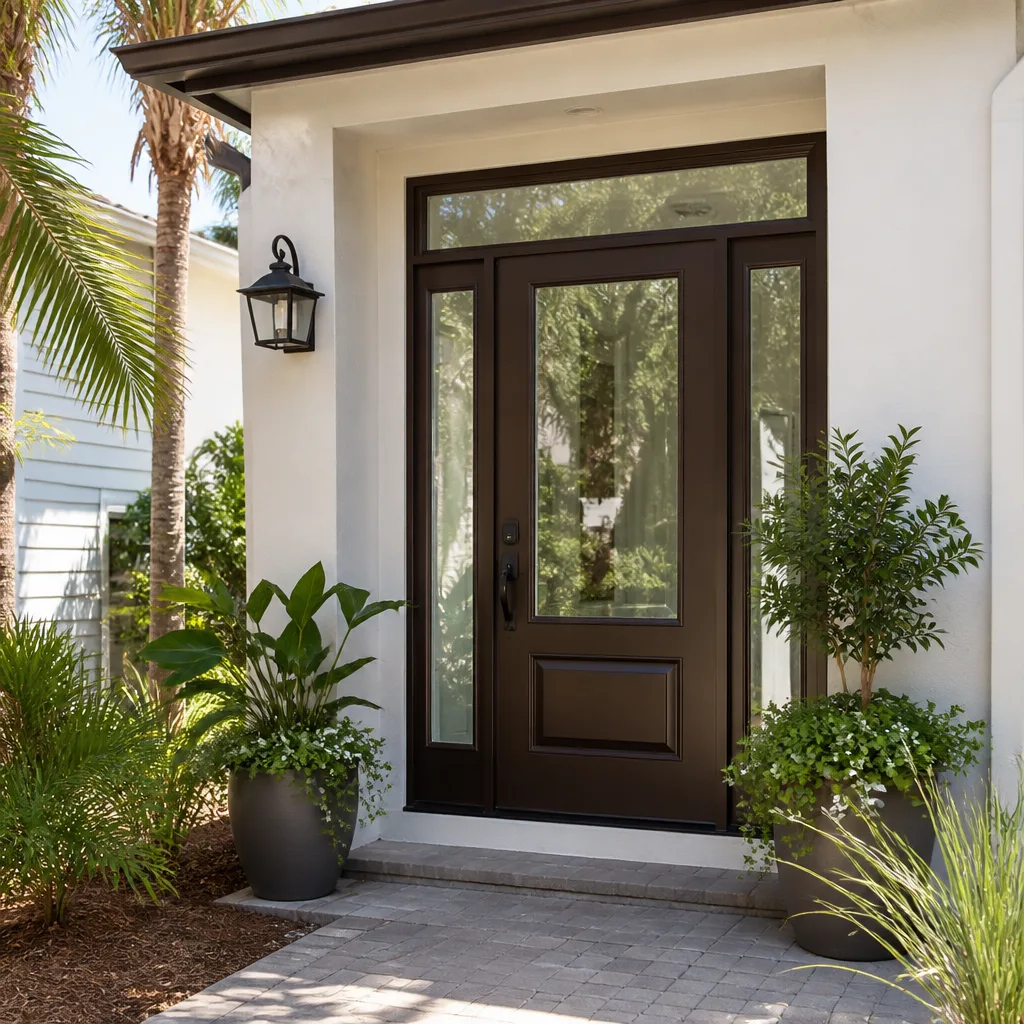
- Windows & doors
- Driveway & pavers
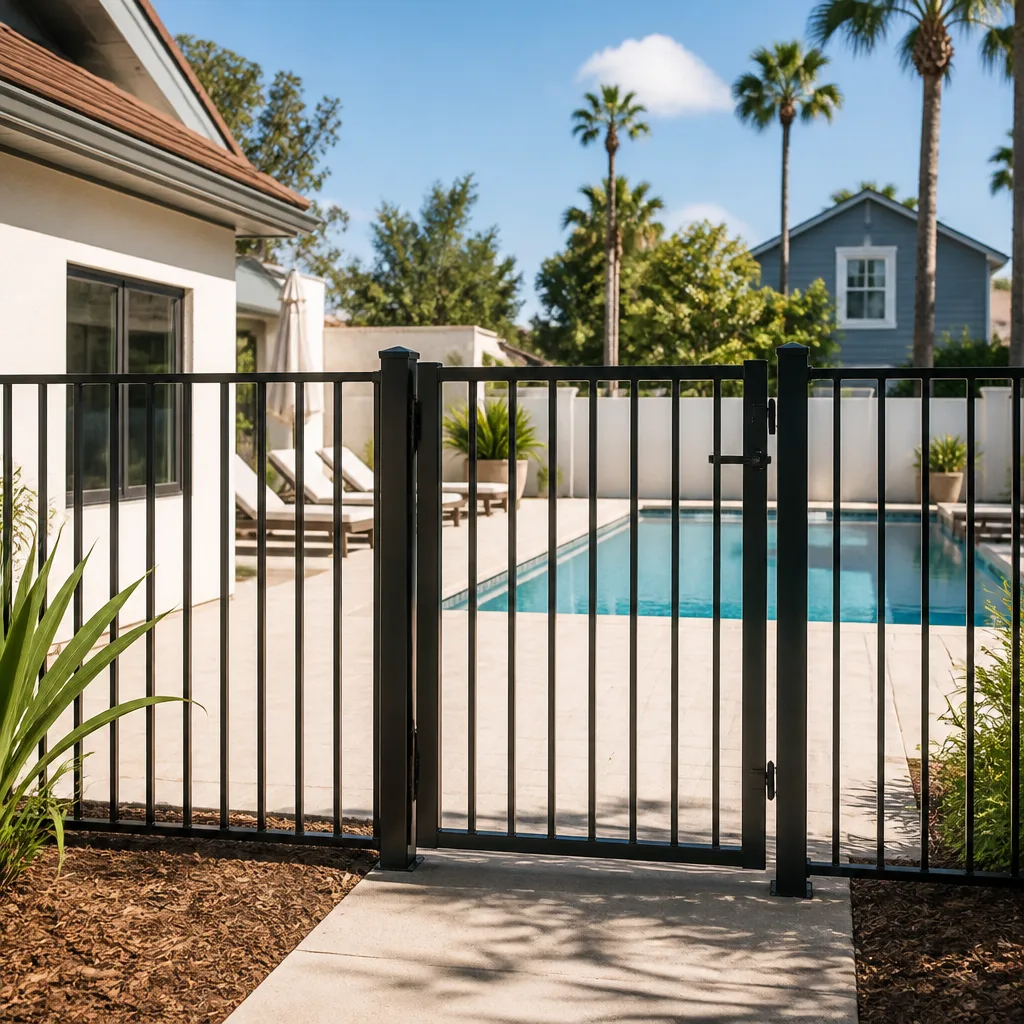
- Fence
See the difference
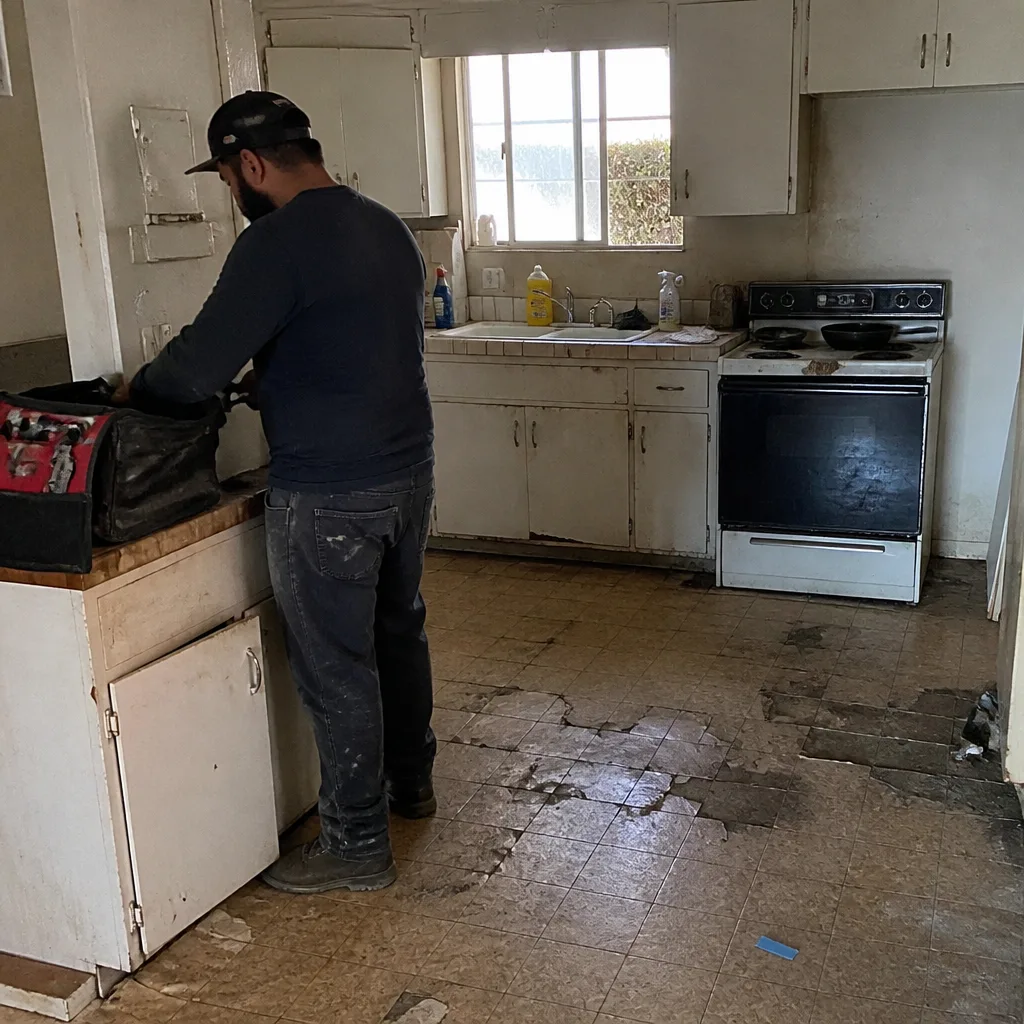 Before
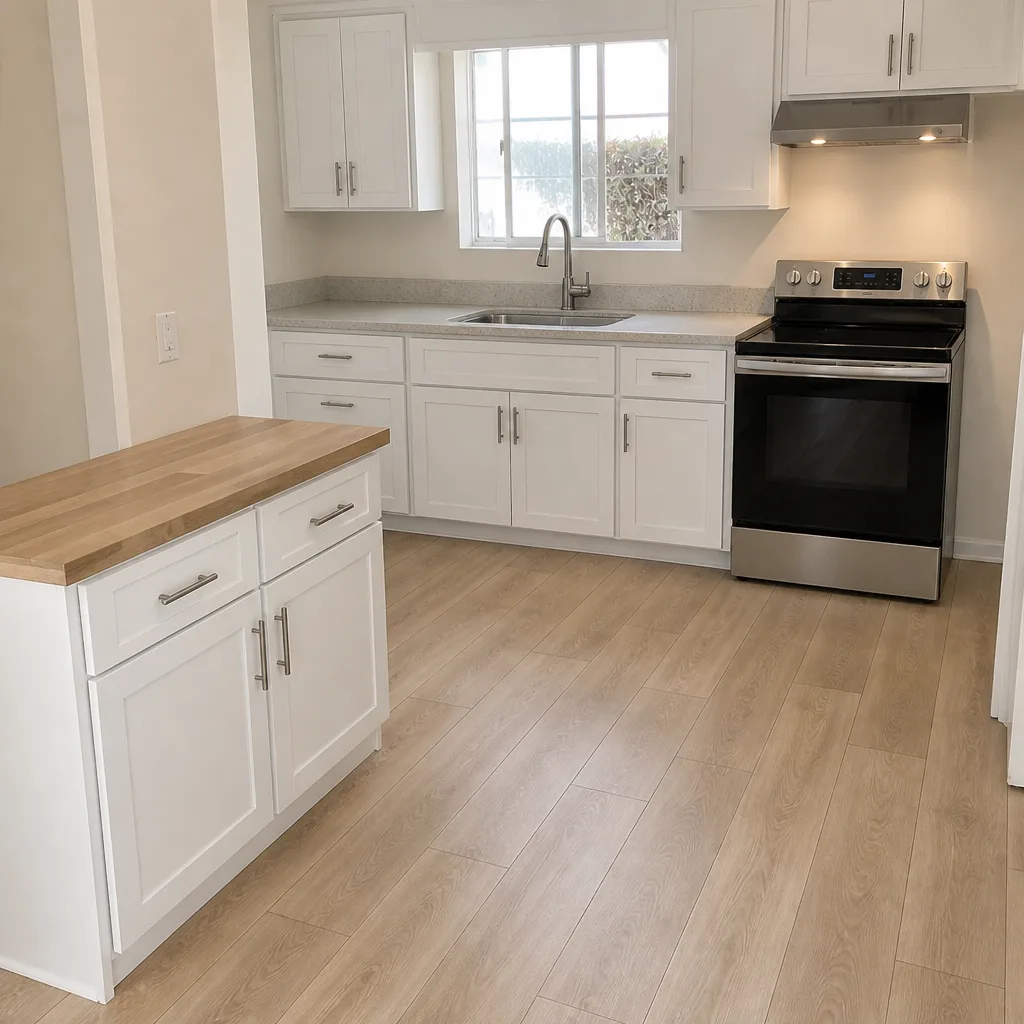 After
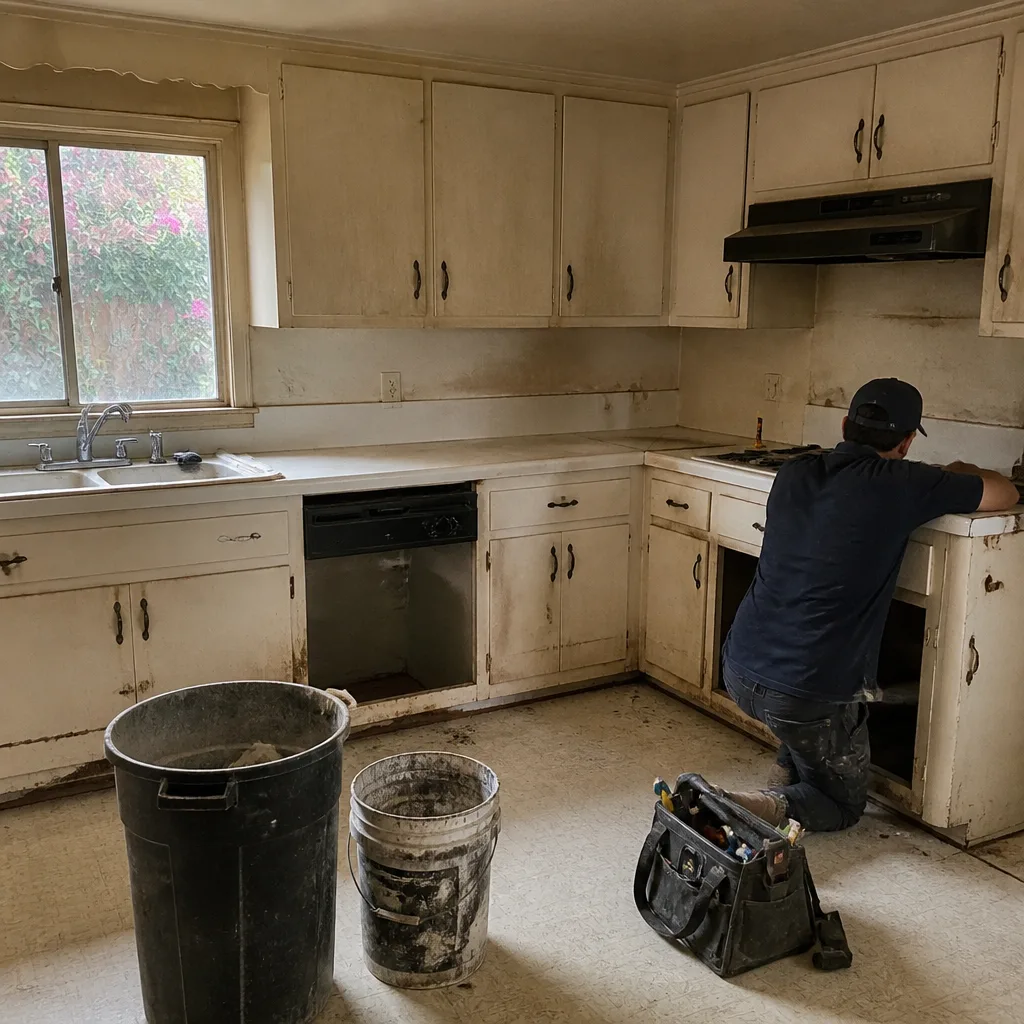 Before
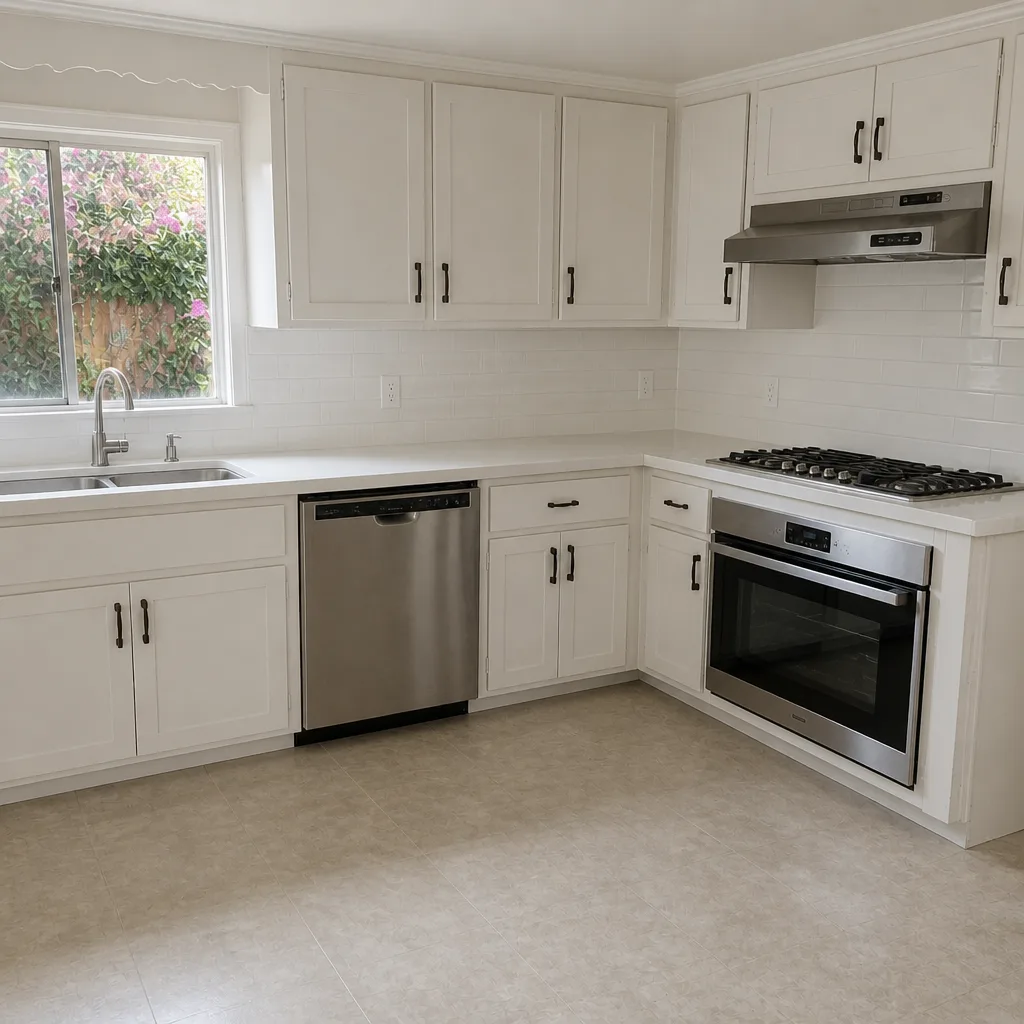 After
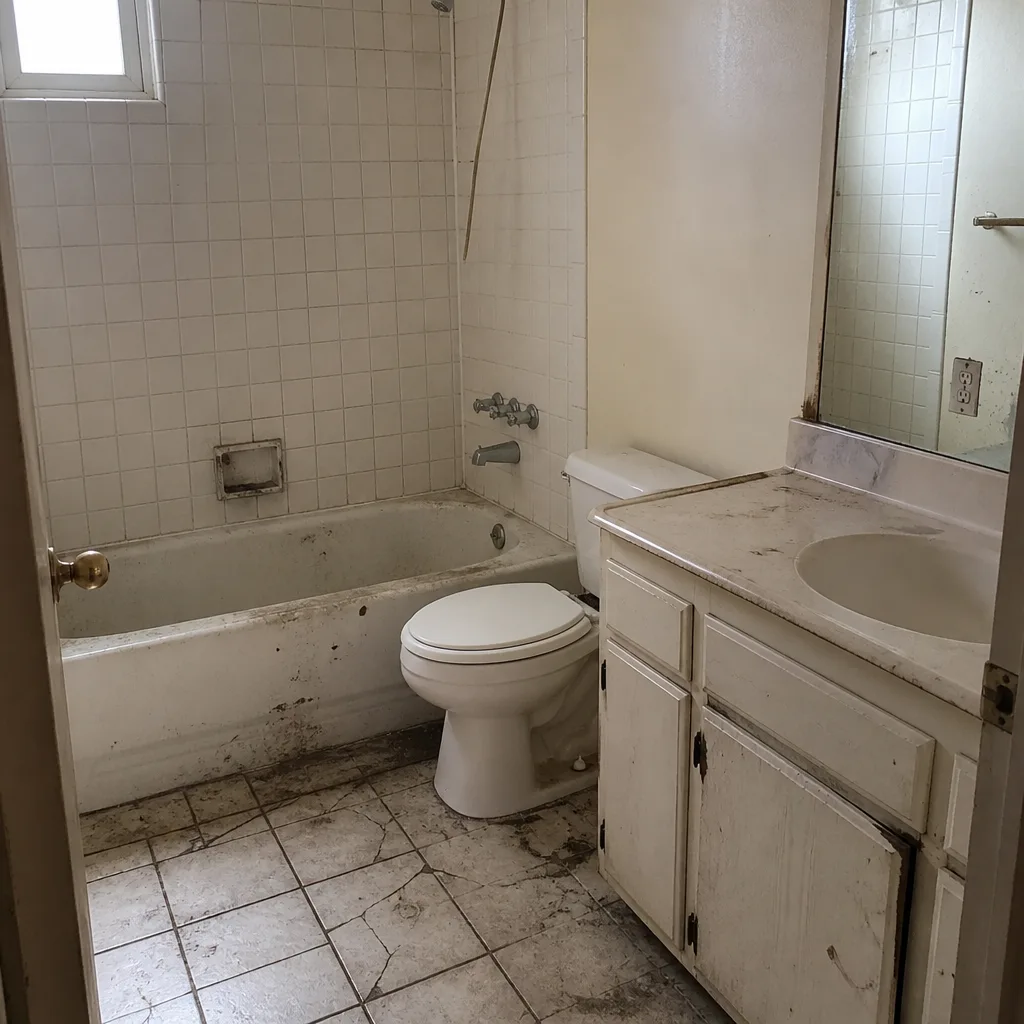 Before
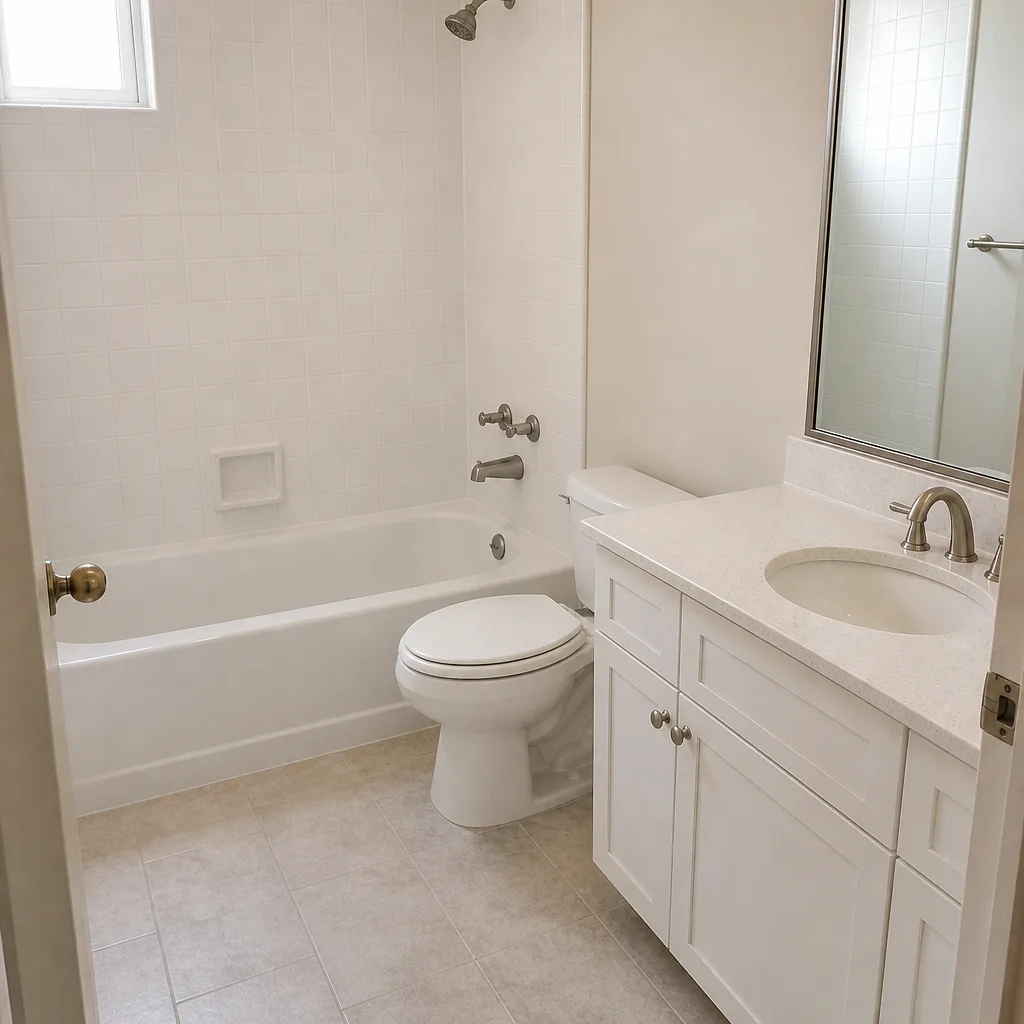 After
Home Addition vs ADU in Newport Beach, CA: Which One Will the Coastal Commission Actually Let You Build?
Choose a detached ADU (Accessory Dwelling Unit) first unless your plan genuinely needs the space tied to the main house. In Newport Beach, the decision hinges less on lifestyle than on approvals: a traditional addition that alters the roofline or massing of the primary structure in the Oceanfront or Bayfront overlay faces coastal development permit conditions, design review, and sometimes a coastal erosion study, while a detached ADU is classified differently under state law and often clears a cleaner path. Both paths start around $45,000-$130,000 for an addition and $90,000-$220,000 for an ADU here. To talk through your lot, call (833) 749-3967.
Most homeowners pick between an addition and an ADU based on how they want to use the space: a guest suite, a home office, rental income, room for aging parents. Fair enough. But in Newport Beach, the smarter first question is which one the California Coastal Commission and the city’s own zoning overlays will actually let you build, and in what timeframe. Answer that, and the lifestyle conversation gets a lot simpler.
Key takeaways
- Detached ADUs usually move through review faster than an addition that changes the main home’s roofline or footprint, especially in the Oceanfront and Bayfront overlays.
- Newport Beach construction costs run well above state averages, which makes ADU rental income a genuine offset in a market full of investment properties.
- Older peninsula and Balboa Island homes carry aging plumbing, electrical, and sometimes wood pilings. A detached ADU can sidestep some of that infrastructure; an addition often cannot.
- On low-lying bayfront lots, flood-resistant construction and elevated floor heights affect ground-floor additions in ways a second-story addition or a well-sited ADU may avoid.
Why the Coastal Zone changes the whole comparison in Newport Beach
Newport Beach sits inside the coastal zone, and that single fact reshapes a decision most homeowners think is about square footage. A room addition that bumps out the front of the house, raises a ridge line, or changes how the structure reads from the water can trigger coastal development permit conditions, public access review, and design review board scrutiny over everything from rooflines to window glazing. On a Bayfront or Oceanfront lot, we’ve seen an addition that looked simple on paper draw an erosion study before a single permit was issued.
A detached ADU is treated differently. Because it’s a separate structure classified under state ADU law, it can sometimes clear review that an addition to the primary massing would not, particularly when it’s tucked toward the rear of the lot and out of the public view corridor. That’s not a loophole. It’s the reality of how the two projects are categorized, and it’s the first thing we map out with a homeowner before anyone draws a floor plan.
Salt air and the morning marine layer add a materials layer on top of the approval layer. Metal fasteners and exterior finishes corrode faster here than inland, so we specify stainless steel hardware and marine-grade coatings even on properties set back from the water. On windows and doors that means looking at lines like Therma-Tru and ViewLux rather than whatever’s on the shelf.
Side-by-side: how an addition and an ADU compare in Newport Beach
| Factor | Home Addition | Detached ADU |
|---|---|---|
| Typical cost range | $45,000-$130,000 | $90,000-$220,000 |
| Coastal review friction | Higher when roofline or massing changes; erosion study possible on bluff and bayfront lots | Often lower when sited toward the rear and out of public view |
| Infrastructure exposure | Ties into original plumbing and electrical; can trigger a full upgrade | Own systems; can leave aging main-house infrastructure largely untouched |
| Flood-zone impact | Ground-floor additions on low bayfront lots may need flood-resistant construction and elevated floors | Placement on the lot can reduce flood exposure |
| Income potential | None (primary use) | Rental income offsets cost over time |
| Best fit | You need the space connected to the main house | You want flexibility, rental potential, or a faster approval path |
The recommendation is straightforward: if your lot allows a detached ADU and your goal is income, guest space, or multigenerational living, the ADU is usually the cleaner project in Newport Beach. If you need the square footage married to the main house (an expanded kitchen that opens to a new family room, a primary suite that has to share the home’s systems), an addition is the right call, and we plan for the coastal review early instead of discovering it mid-permit.
The financial math for Newport Beach investment properties
Newport Beach has a high concentration of second homes and investment properties, and that tilts the calculus. An ADU produces rental income that chips away at construction cost on a timeline a primary-use addition can never match. When construction costs in this coastal market run well above state averages, a self-contained unit that earns every month is a different kind of investment than an extra bedroom that doesn’t.
For an addition, the honest financial risk isn’t the construction number. It’s what’s hiding behind the drywall. On the peninsula’s bay side and up through Dover Shores, homes range from mid-century single-wall and post-and-beam Eichlers to 1960s ranch homes to multimillion-dollar Mediterranean estates. When an addition connects to original copper plumbing and minimal insulation from that era, current coastal codes can require bringing the whole system up to spec. That’s why transparent, upfront pricing matters more on an addition than almost any other project: the scope can grow once walls open. Our Home Additions & ADU team builds the estimate around those discovery points so the number you see is the number you pay, backed by the 730-Day Done Right Promise on both paths.
The infrastructure and flood-zone realities nobody mentions
Balboa Island tells the story better than any spreadsheet. Many original 1920s-40s cottages sit on wood pilings that have never been updated, and we’ve seen a cosmetic kitchen remodel turn into a full re-piling project before the first cabinet could hang. An addition to a home like that inherits every one of those problems. A detached ADU with its own foundation and its own systems can sometimes leave the main structure’s aging infrastructure alone.
Low-lying bayfront lots add a second layer. Sea-level rise projections and the city’s flood requirements push new ground-floor construction toward elevated floor heights and flood-resistant materials. A second-story addition or a detached ADU sited strategically on the same lot can reduce that exposure and the cost that comes with it.
Tide-dependent work windows and design review boards that scrutinize window glazing mean the schedule matters as much as the budget. We plan the trades around those windows, specify hardware that survives the salt, and keep homeowners updated. Background-checked, uniformed technicians handle every job, calls reach a live person 24/7, and projects over $10,000 qualify for $1,000 off plus 0% financing for 18 months. Windows and doors across either project can draw on names like Andersen, Marvin, Therma-Tru, and Mr-Glass; roofing and exterior work can pull from GAF and James Hardie. From foundation to finish line, one contractor carries it.
Ready to see which path your property allows? Start with the home page for our full scope, and we’ll map the coastal review, infrastructure, and budget before you commit to a direction.
FAQs
An addition is generally cheaper to build, at roughly $45,000-$130,000 versus $90,000-$220,000 for a detached ADU, but the ADU can earn rental income that offsets its higher sticker price over time. The cheaper choice depends on whether you need the space connected to the main house or want a unit that pays part of its own way. Call (833) 749-3967 for an exact quote on your lot – estimates are free.
Often yes, especially if the addition changes the roofline, footprint, or massing of the primary structure in the Oceanfront or Bayfront overlay, and a coastal erosion study or public access review may come with it. A detached ADU is classified differently under state law and frequently faces a lighter path when sited toward the rear of the lot. Every property is different, so the fastest way to know is a site review – call (833) 749-3967 and we’ll walk your lot’s constraints with you at no cost.
Sometimes, yes. An ADU with its own systems can leave original copper plumbing and minimal insulation in the main house largely untouched, while an addition that ties into 1960s-era infrastructure may trigger a full upgrade under current coastal codes. That difference can swing the total project cost significantly on peninsula and Balboa Island properties. Call (833) 749-3967 for a free estimate that accounts for what’s likely behind the walls.
Weather rarely halts construction here thanks to the mild, marine-influenced climate, so the bigger schedule drivers are coastal review timelines and tide-dependent work windows rather than rain. Approval sequencing typically decides the calendar more than the build itself, which is why we map permits first. Our technicians bring up to 12 years of experience, and every project carries the 730-Day Done Right Promise. Call (833) 749-3967 for a no-pressure assessment and a realistic timeline.
If you’d rather have it looked at, Groundwork Construction Co. of Newport Beach offers a no-pressure assessment in Newport Beach – call (833) 749-3967. We’ll review your lot’s coastal status, infrastructure, and budget, give you a straight answer on which path fits, and put the pricing in writing.
Written by the team at Groundwork Construction Co. of Newport Beach, serving Newport Beach, CA.