
Free written scope consultation - allowances, timeline, and change-order rules on paper before a single trade is scheduled
Styles & brands we work with
- Kitchen remodeling
- Bathroom remodeling
- Home additions & ADU
- Roofing
- Windows & doors
- Driveway & pavers
- Fence
See the difference
 Before
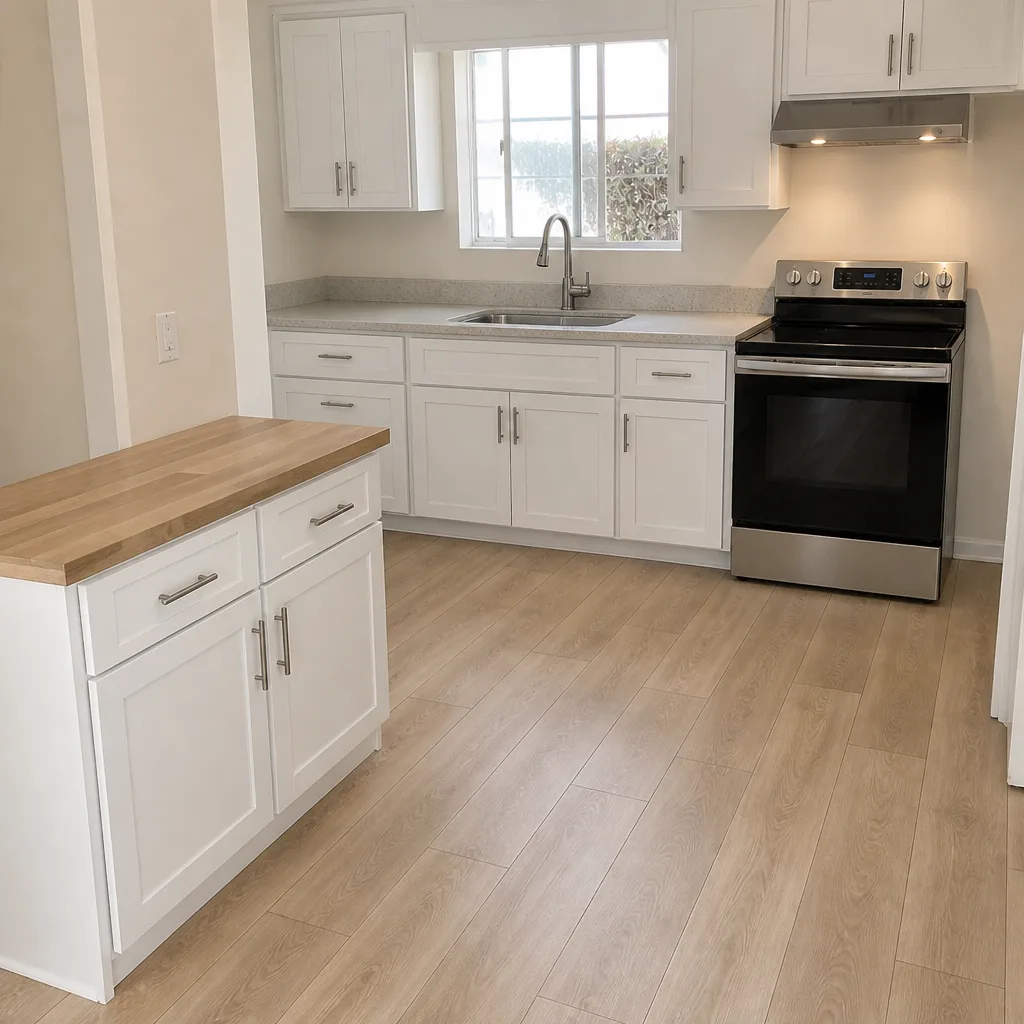 After
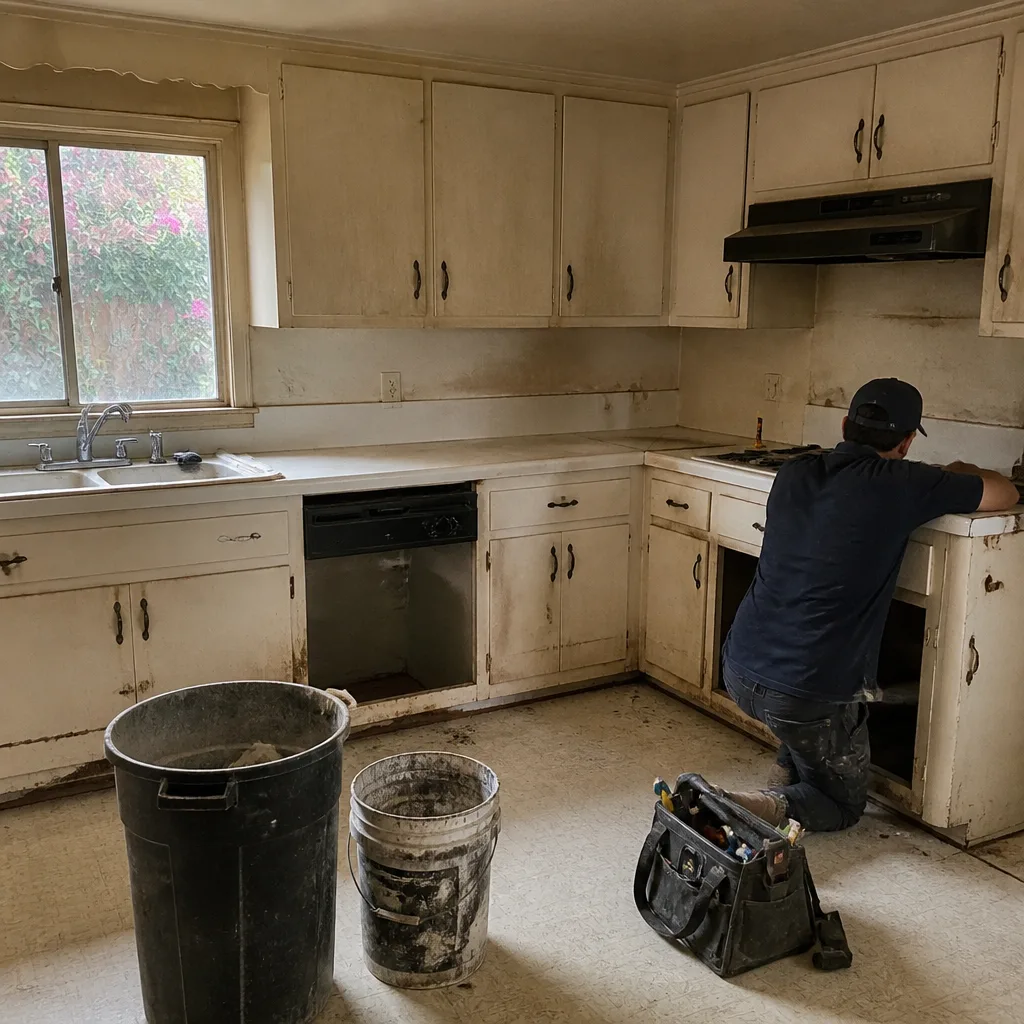 Before
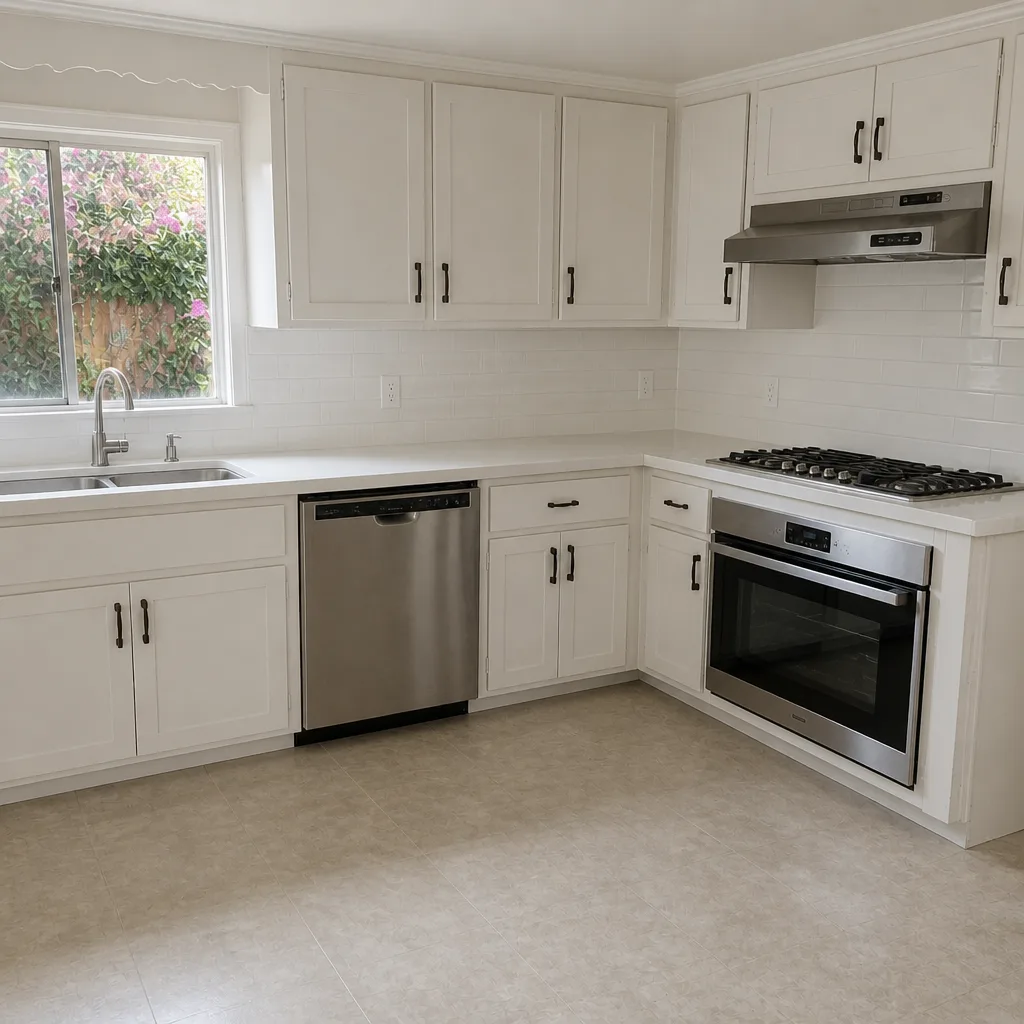 After
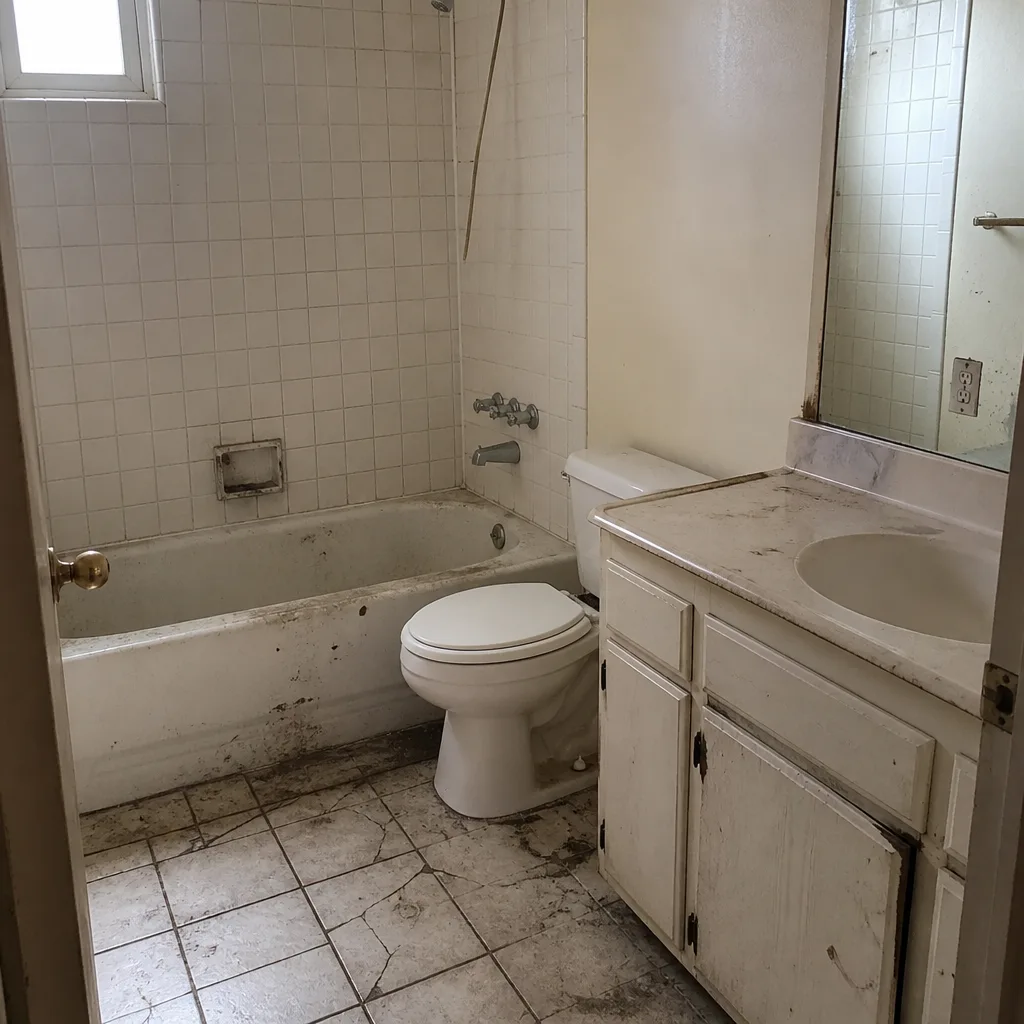 Before
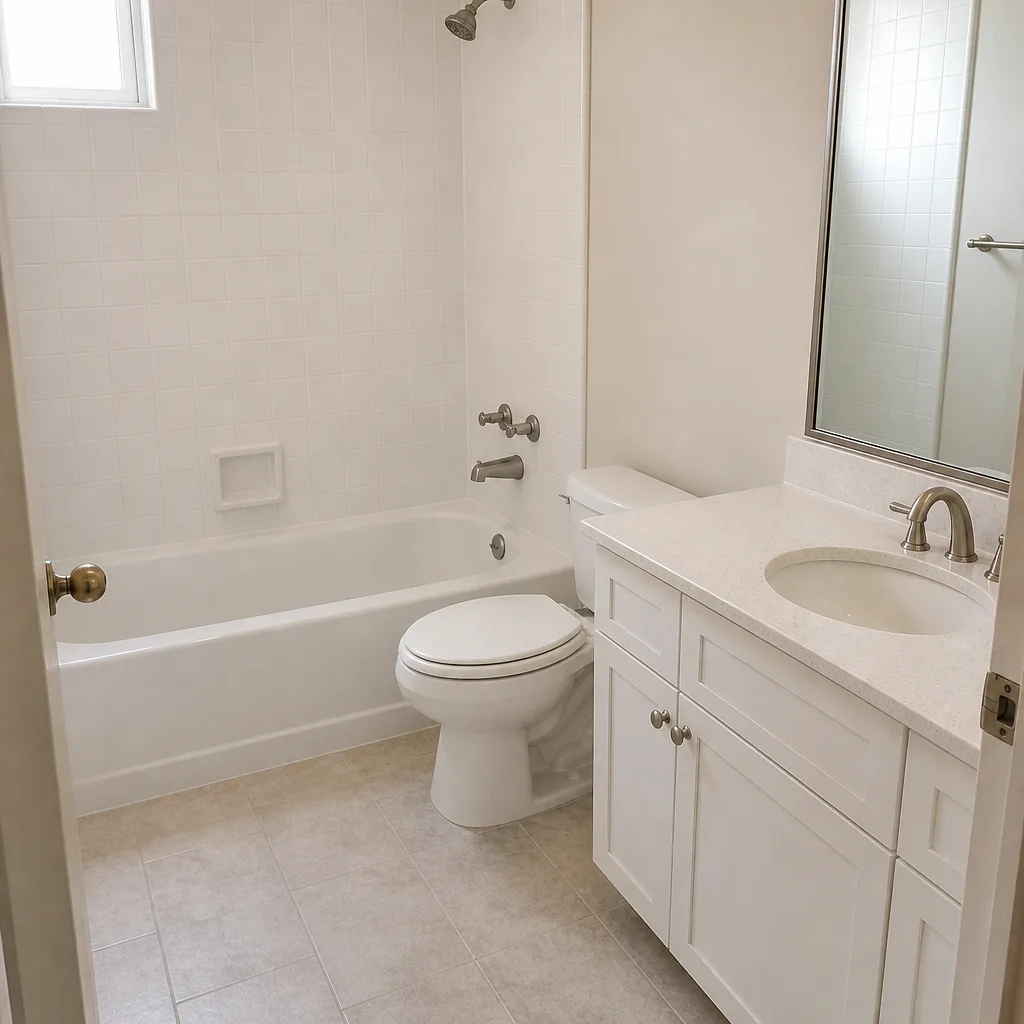 After
How Long Does a Tile Roof Last in Newport Beach, CA?
The clay tiles on a Newport Beach blufftop home can last 75 years. The felt underlayment beneath them? Often 20. That gap is where water damage starts – silently, invisibly, while the roof still looks fine from the street. The short answer to “how long does a tile roof last” is 50 to 100 years for fired clay tile and 30 to 50 years for concrete tile, but the tile isn’t what tells you when the roof needs work. The layer underneath does. Call (833) 749-3967 and we’ll walk you through what to check before the next rain.
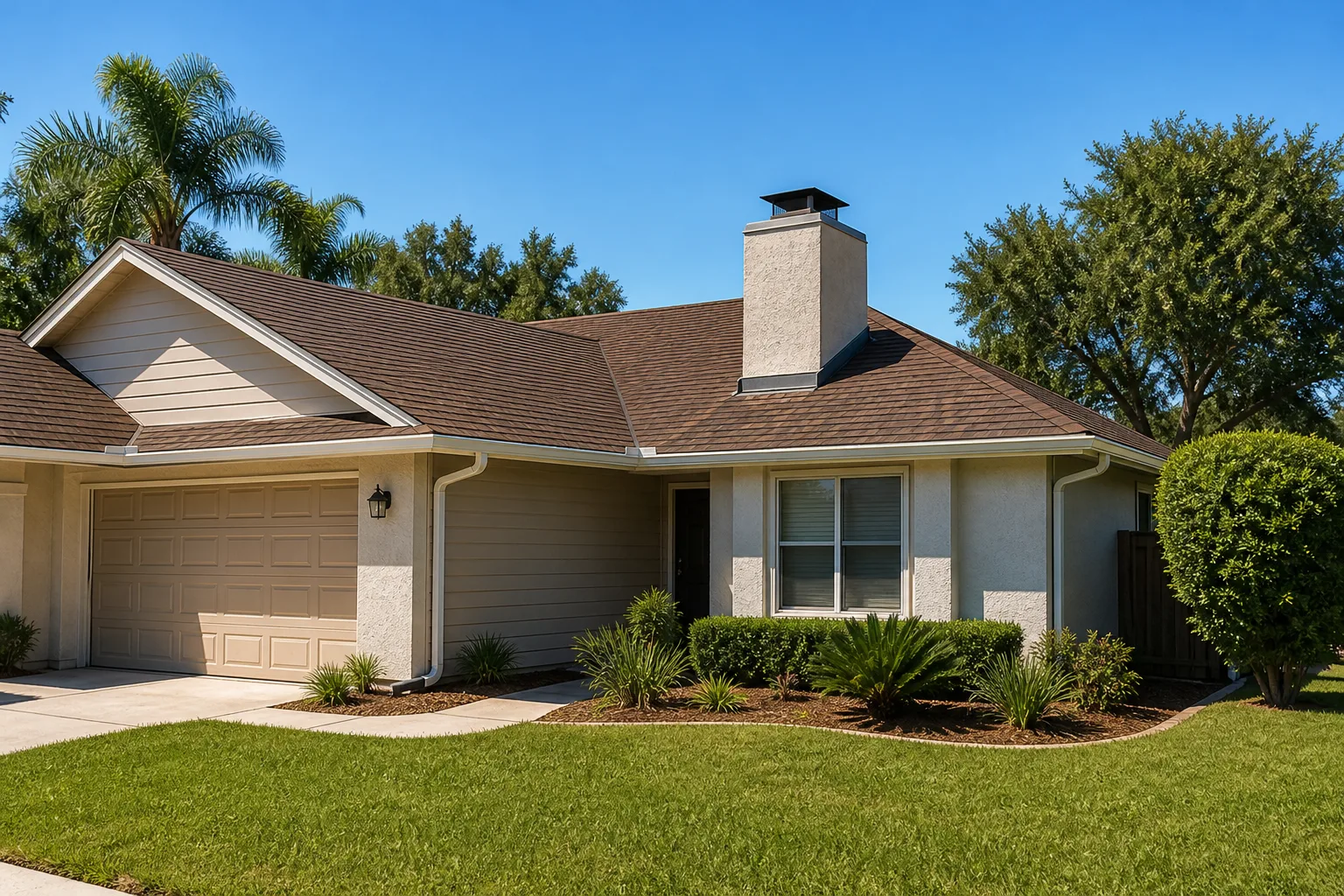
Tile Lifespan vs. Underlayment Lifespan: The Distinction That Changes Everything
Nearly every consumer guide stops at the tile. That’s the easy part. The tile is a rain screen – a beautiful, heavy, UV-resistant rain screen – but it doesn’t do the waterproofing. The underlayment does. And the underlayment is what fails first.
How long each layer actually lasts
- Fired clay tile: 50 to 100 years. High-fire clay in a salt-air environment holds color and structure well. Cracks and chips happen, but the tile itself outlives most of us.
- Concrete tile: 30 to 50 years. Composition varies widely by manufacturer; the older the tile, the more variable the batch quality.
- Traditional 30# felt underlayment: 20 to 30 years. On a Newport Beach roof under marine-layer conditions, we often see the low end.
- Synthetic underlayment: 25 to 40 years. Better vapor management, better heat tolerance, still not immune to prolonged deck moisture.
Read those numbers again in sequence. A concrete tile roof installed in 1996 on a Dover Shores estate has a tile course rated for 30 to 50 years and an underlayment rated for 20 to 30. The underlayment has been done for years. The tile looks brand new from the street. That’s the erosion of trust that catches second-home owners off guard.
Why Newport Beach Tile Roofs Age Differently Than Inland Roofs
The marine layer is the culprit. Newport Beach sits under a persistent morning moisture blanket for much of the year, and that dampness holds on roof decks longer than it does twenty miles inland. A roof in Irvine gets a full midday dry-out cycle. A roof on the ocean side may not. Felt underlayment degrades when it stays damp, and it stays damp here more than the manufacturer’s rating suggests.
Salt air compounds it. Metal fasteners, drip edge, valley metal – all of it wants to corrode faster than the spec sheet promises. When we open up a failing tile system in Newport Beach, we frequently find the fasteners have gone long before the tile has. That’s why stainless hardware and marine-grade flashing aren’t upsells on this coastline; they’re baseline. The same salt air that shortens the life of exterior finishes across the peninsula works on a roof from the underside out.
Coastal permitting adds another layer. Newport Beach’s “Bayfront” and “Oceanfront” overlays, layered with California Coastal Commission conditions, mean a tile-for-tile replacement on an oceanfront property can require an engineer-of-record sign-off on both the tile substitution and the rafter system below. Rafter capacity assumptions from the original 1990s design may not match the replacement tile you want. We’ve seen homeowners plan a simple re-roof only to discover the deck structure needs an evaluation first – before a single tile comes off.
The Second-Home Blind Spot
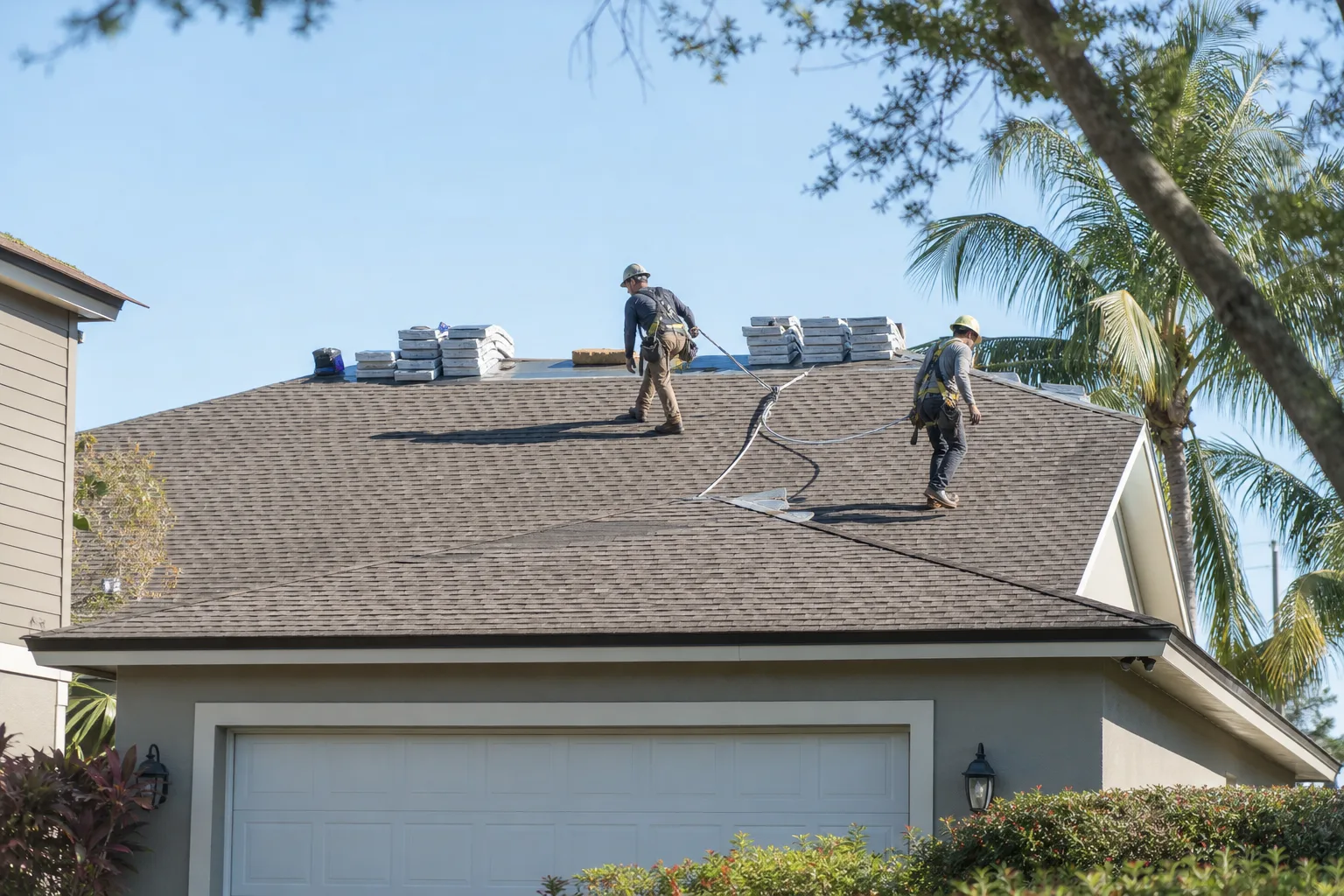
A significant share of Newport Beach tile roofs sit over properties used seasonally or leased as vacation rentals. That changes the failure timeline in a way generic longevity guides never mention. An occupied primary home has someone looking at the ceiling every week. A seasonal home has a property manager checking in monthly at best, and a holiday-weekend renter who notices a ceiling stain on a Saturday night.
Underlayment failure doesn’t announce itself. It starts as a small breach, wicks into the deck, and surfaces as a ceiling stain, a musty smell, or worse – a soaked subfloor discovered on a Monday morning after a voicemail. By then, the damage has usually moved past the roof.
That’s the reason our phone is answered by a live person 24/7. If you’re in the mountains, out of state, or just on the other side of the bay and a renter texts you a photo of a ceiling stain on a Sunday, you can reach a real human who can get eyes on it – not leave a message and find out Tuesday.
For the diagnosis itself, our Roofing team handles tile, underlayment, flashing, and everything in between. Full assessments are covered by our 730-Day Done Right Promise once work is done – if it’s not done right, we make it right – and every project starts with a free estimate and design consult so you know the number before you decide.
What a Re-Roof Actually Involves, and What It Costs in Newport Beach
A tile re-roof isn’t a “lay new paper and reset the tile” job. The tile comes off, the deck is inspected, failed sheathing is replaced, new underlayment goes down, and the tile goes back – often with new flashings, new valley metal, and new batten. On the old system, we’re typically looking at a full deck rebuild; on a well-maintained one, we’re replacing the membrane and auditing the structure. Both add to the budget.
| Scope | Typical Newport Beach Range |
|---|---|
| Tile roof repair (spot flashing, cracked tile, small leak) | $600 - $2,500 |
| Roof repair (general) | $400 - $1,800 |
| Roof replacement (tile system, including underlayment) | $8,000 - $20,000 |
| Metal roof installation (for comparison) | $15,000 - $40,000 |
Upfront pricing is our standard – the number we quote is the number you pay, absent a deck surprise you approve before we touch it. For larger scopes, 0% financing for 18 months and $1,000 off projects over $10,000 make the timing easier. We use GAF and Owens Corning products across our roofing work, and the same brand-partner discipline applies whether you’re re-roofing with tile or comparing systems.
Key Takeaways
- Tile lifespan: 50-100 years (clay), 30-50 years (concrete). Underlayment lifespan: 20-30 years (felt), 25-40 (synthetic).
- The first layer to fail is almost always the membrane, not the tile. That’s when water intrusion begins.
- Newport Beach’s marine layer keeps roof decks damp longer than inland climates, shortening underlayment life.
- Second homes and vacation rentals miss the early warning signs because no one is looking at the ceiling weekly.
- Coastal re-roofs may require engineer-of-record sign-off on tile substitutions and rafter adequacy.
- Groundwork Construction Co. of Newport Beach answers the phone 24/7, in person, with background-checked, uniformed technicians on every job.
FAQs
A tile roof on a Newport Beach home lasts 50 to 100 years for fired clay tile and 30 to 50 years for concrete tile – but the underlayment beneath it typically lasts 20 to 30 years, and that’s what actually determines when the roof needs work. Call (833) 749-3967 for a free assessment – estimates are free.
Not always – the tile itself can usually be salvaged if it’s in good condition. When the underlayment fails, we remove the tile, replace the membrane and any failed underlayment, audit the deck and flashings, and reset the original tile. That’s a much smaller job than a full tile replacement, but it isn’t something to postpone once water is getting through. Call (833) 749-3967 for a no-pressure inspection.
The earliest signs are interior – ceiling stains, musty smells in the attic, tiny drip marks near recessed lights. From the roof, you’d look for displaced tile, crumbling mortar at hip and ridge caps, and visible sag between rafters. Ceiling stains in an upstairs bedroom of a Newport Beach second home are the most common signal we get called about. If you’re seeing any of it, call us at (833) 749-3967 – same-day response is typical.
Yes – our phone is answered by a live person 24 hours a day, 7 days a week. Property managers and second-home owners reach a real human the same day a stain appears, so small breaches don’t become soaked subfloors by Monday. Call (833) 749-3967 any day, any hour, for a free estimate on the repair.
Talk to Groundwork About Your Tile Roof
Tile roofs in Newport Beach are a two-layer story, and the layer that matters most is the one you can’t see. If you’d rather have it looked at, Groundwork Construction Co. of Newport Beach offers a no-pressure assessment in Newport Beach – call (833) 749-3967. Our team answers around the clock and serves the broader Newport Beach service area from home-base, with a 730-Day Done Right Promise behind every job.
Written by the team at Groundwork Construction Co. of Newport Beach, serving Newport Beach, CA.