Free written scope consultation - allowances, timeline, and change-order rules on paper before a single trade is scheduled
Styles & brands we work with
- Kitchen remodeling
- Bathroom remodeling
- Home additions & ADU
- Roofing
- Windows & doors
- Driveway & pavers
- Fence
See the difference
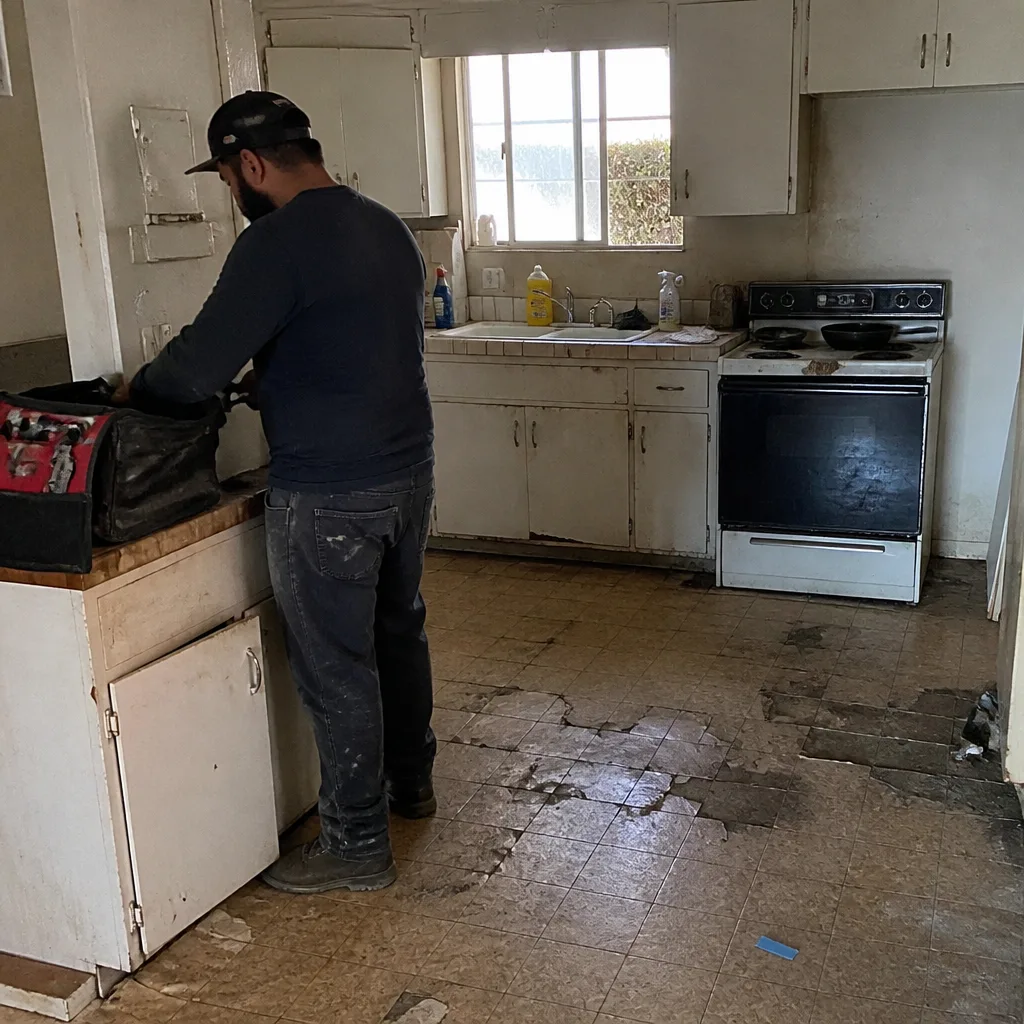 Before
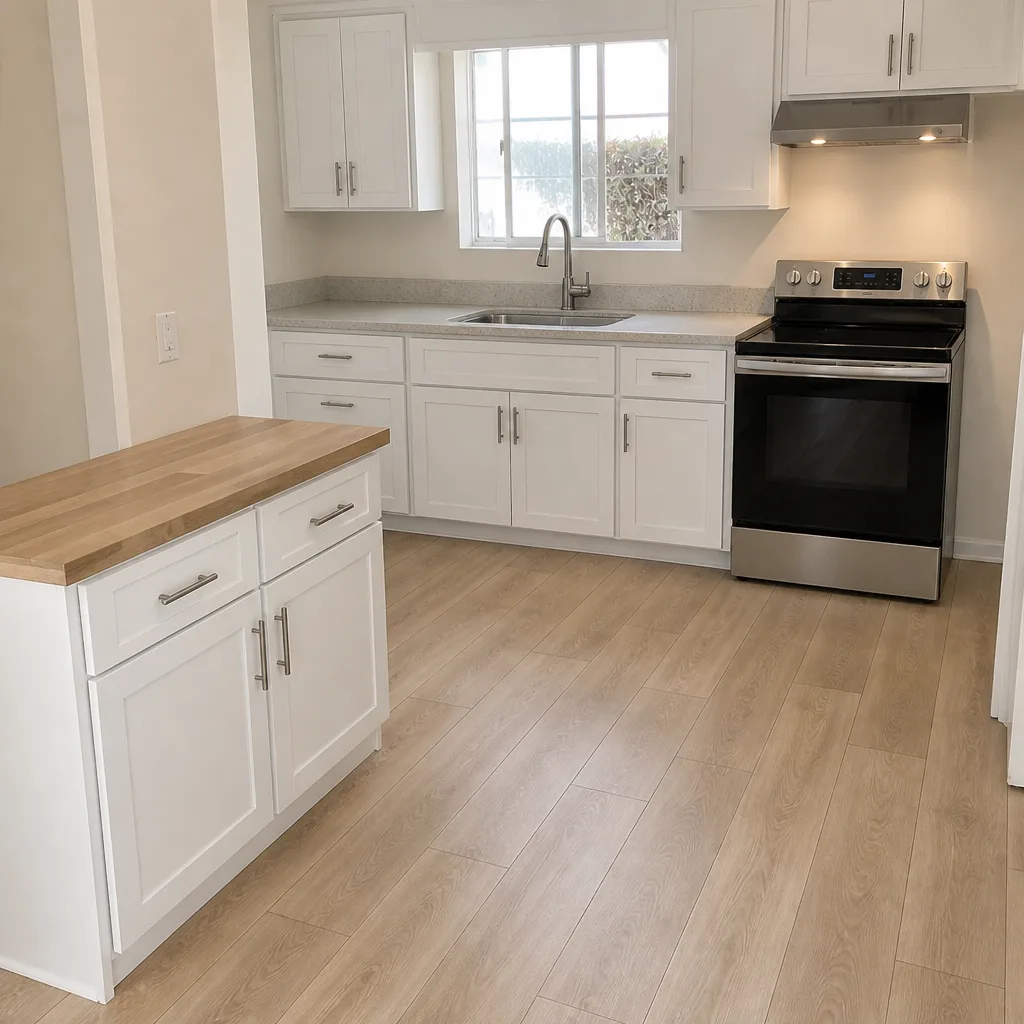 After
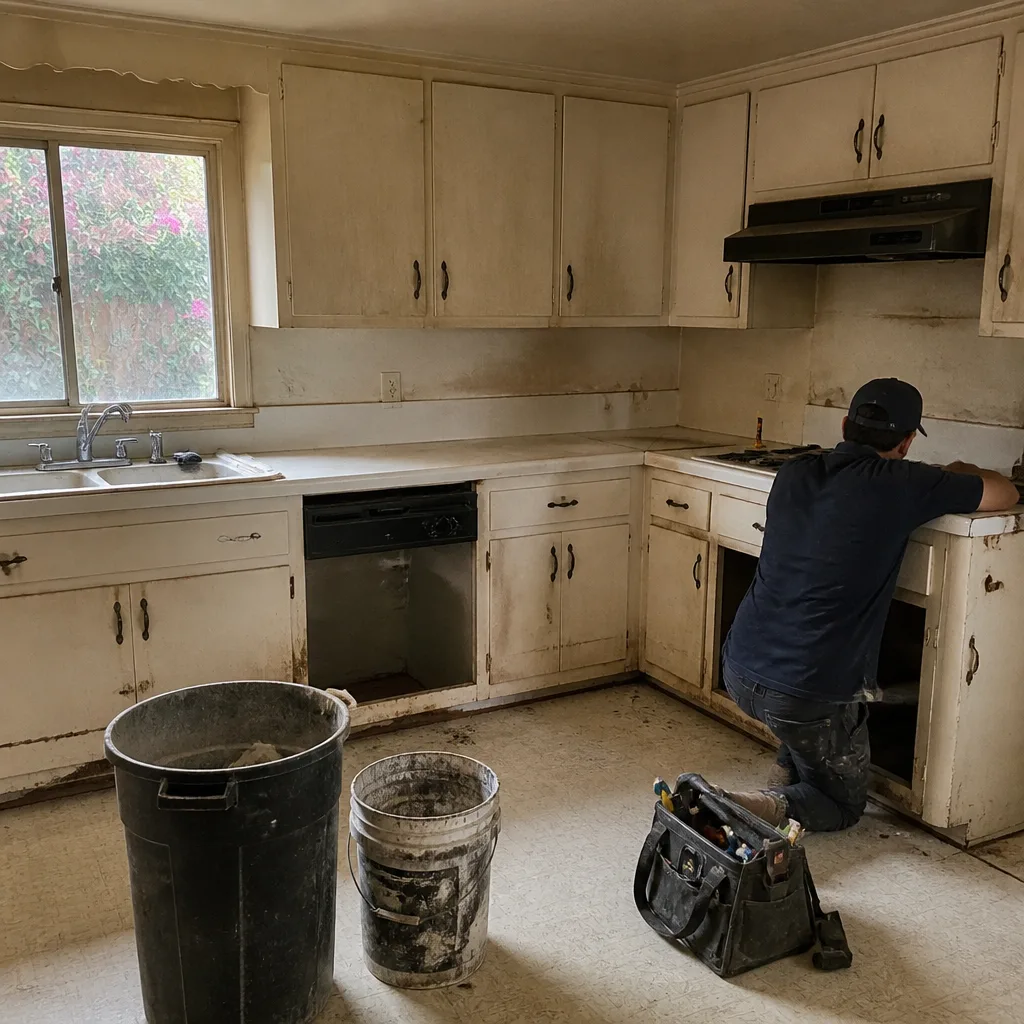 Before
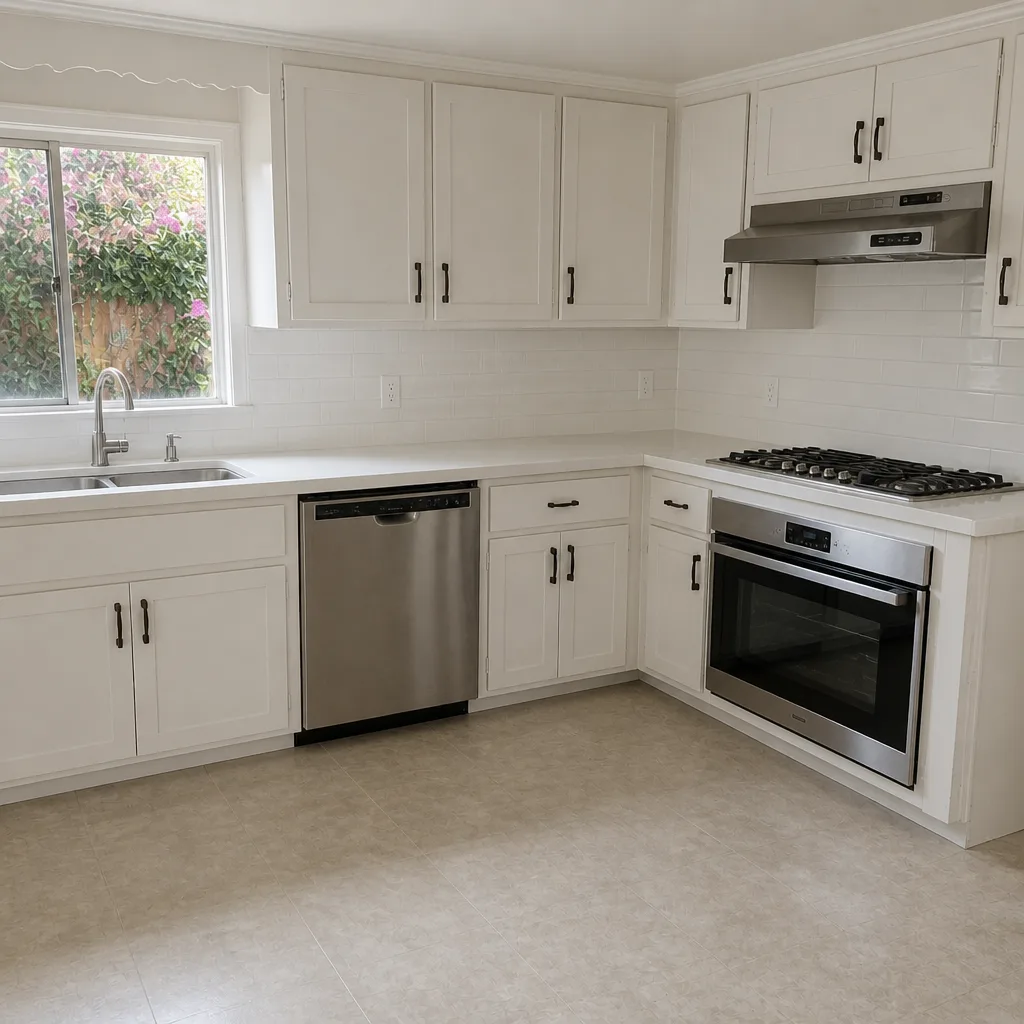 After
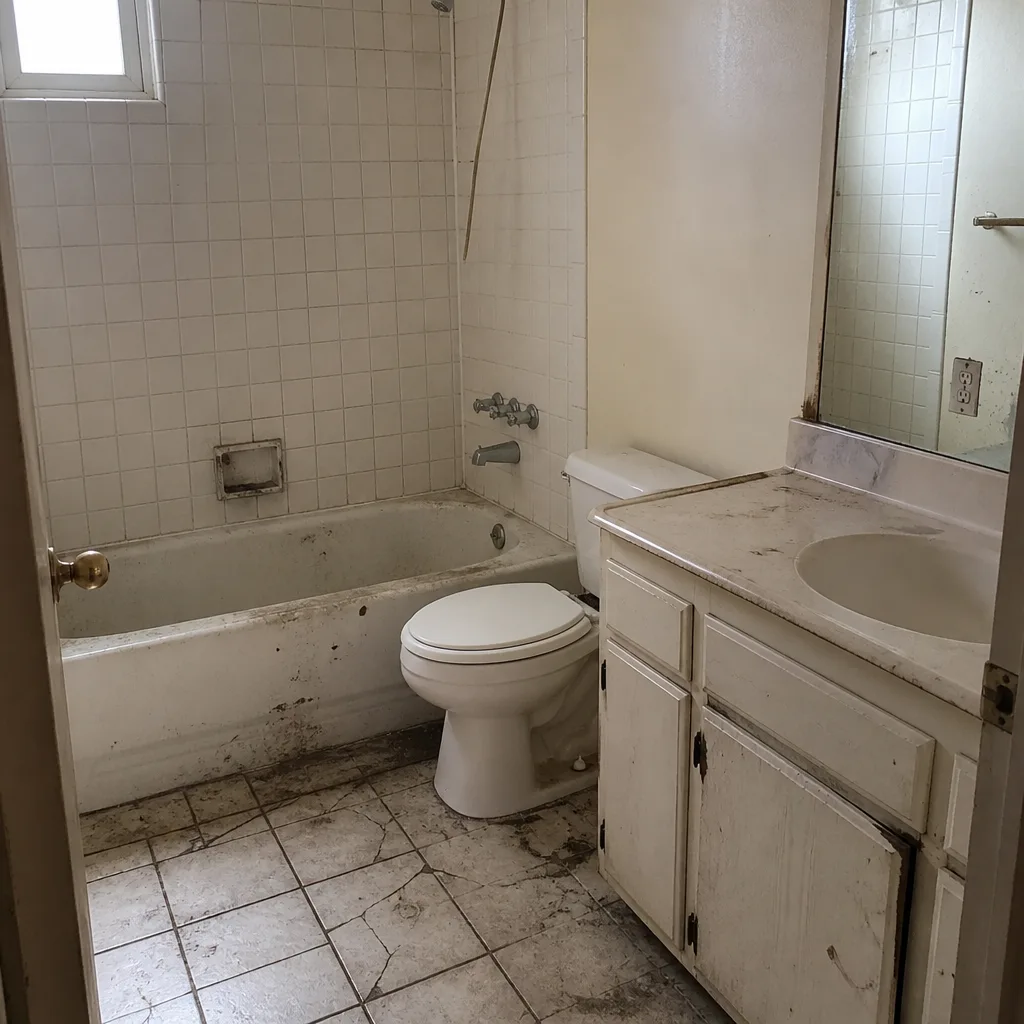 Before
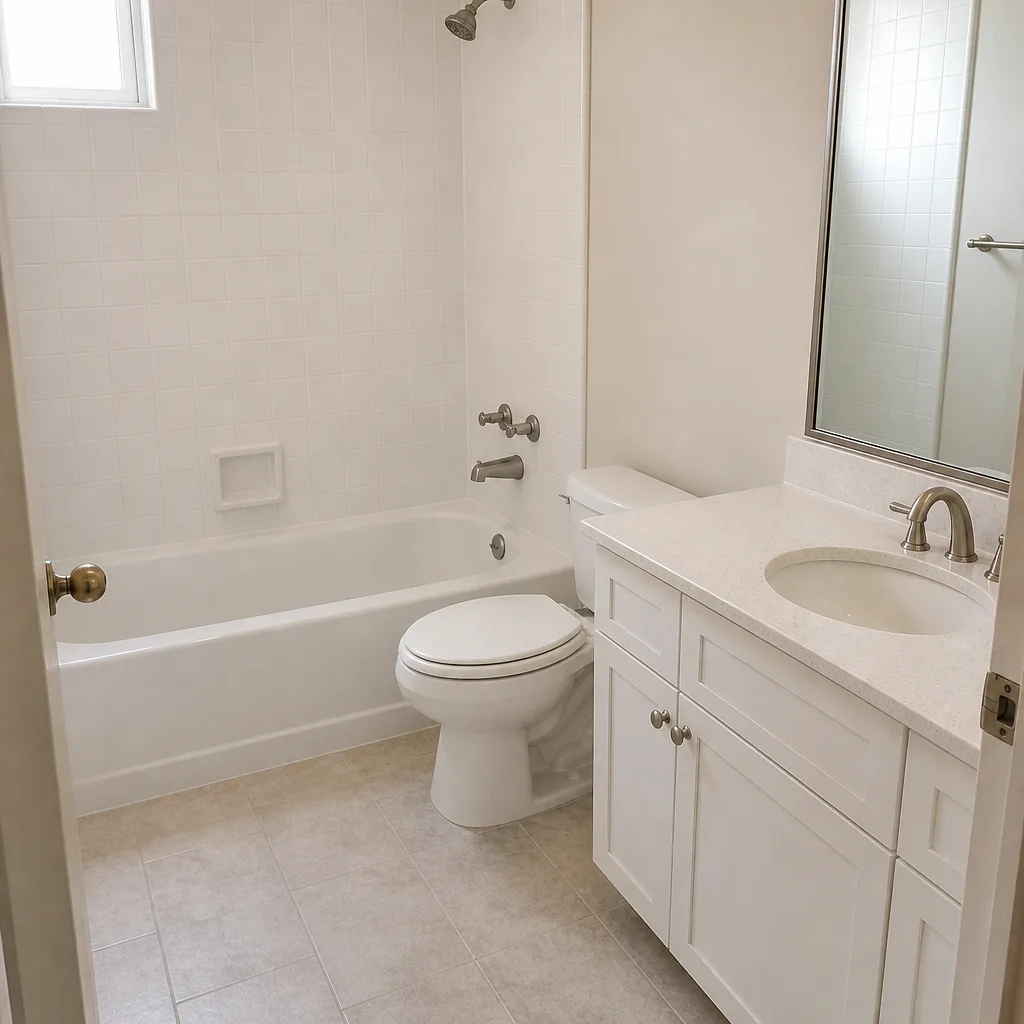 After
Junior ADU vs Standard ADU in Newport Beach, CA: Which One Actually Fits Your Property?
Choose a standard ADU unless you live on the property full time, the lot can’t take a new footprint, and your existing floor plan can accept a separate entrance without gutting the main house. If any one of those three conditions fails, a junior ADU isn’t the cheaper option – it’s an unavailable one. In Newport Beach, where a large share of the housing stock is second homes and rental investments, that owner-occupancy rule disqualifies more properties from the JADU path than most comparison guides admit. If you want a straight read on your own parcel, call Groundwork Construction Co. of Newport Beach at (833) 749-3967.
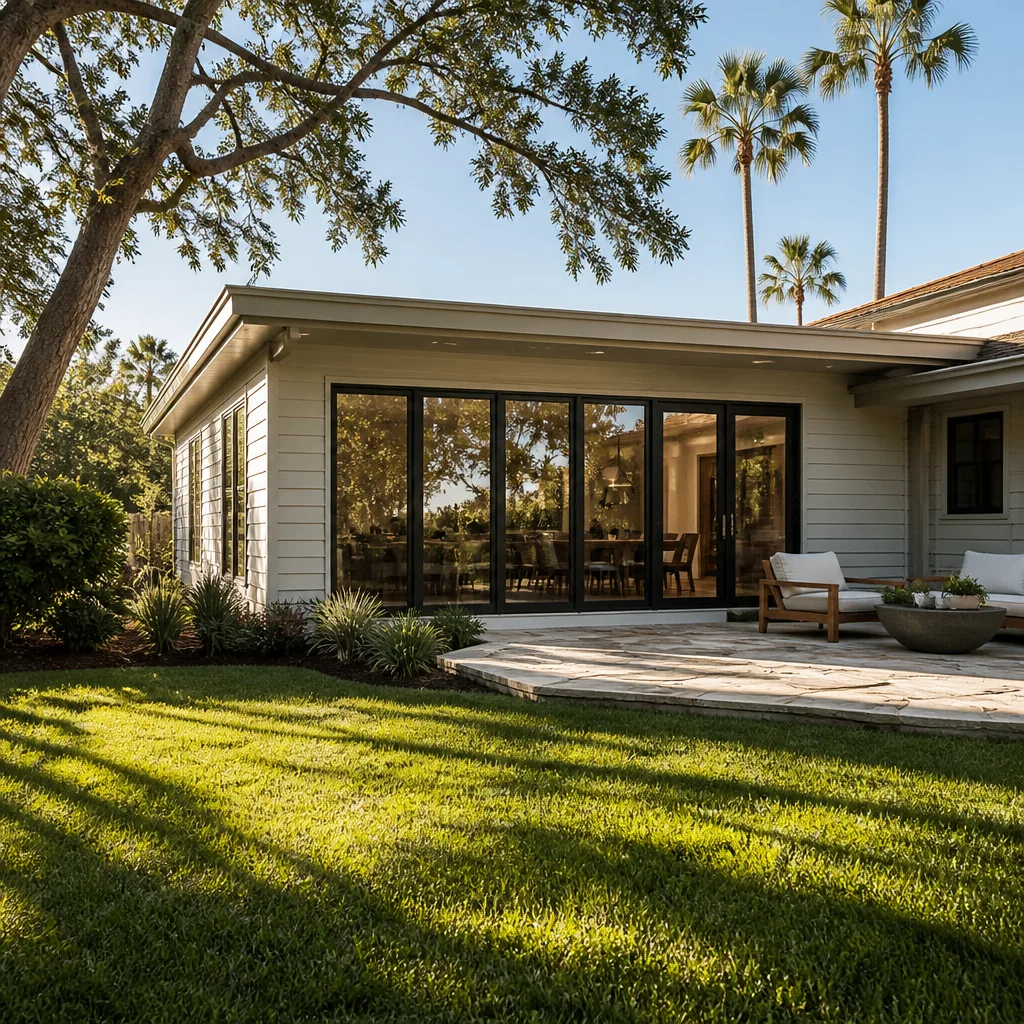
The rule the standard comparison skips: someone has to live there
California law requires the owner of a parcel with a JADU to occupy either the primary residence or the JADU itself. That’s a legal condition of the permit, not a preference you can waive at closing. And it doesn’t lift when you rent the main house out or move to a place in Palm Desert for the winter.
Newport Beach carries an unusually high concentration of non-primary residences. The peninsula’s bay side, the ocean side, and the Dover Shores custom estates all hold a meaningful share of homes owned as second residences or long-term investments. For those owners, the JADU conversation ends at the first sentence. A standard ADU, by contrast, carries no owner-occupancy string attached – it can be built and rented by an absentee owner, which is exactly what a lot of Newport Beach property owners need.
What each option actually enables on a Newport Beach lot
The coastal zone adds a layer the size-and-cost comparison ignores. Newport Beach sits under California Coastal Commission jurisdiction in many areas, and the city applies its own Bayfront and Oceanfront zoning overlays on top. That matters for which path is realistically cheaper.
A JADU can avoid a coastal development permit review entirely if it sits completely inside the existing building envelope – no new footprint, no new roofline. That’s the JADU’s one real structural advantage: it stays within what’s already there. A standard ADU triggers the full permit stack, including coastal review where it applies, and that stack costs both money and calendar time.
What you get on the other side of that stack is a fully independent unit. Its own utilities, its own address designation, its own certificate of occupancy as a separate dwelling. No strings about who lives in the main house.
- JADU: Inside the existing envelope, up to 500 square feet, shared or upgraded kitchen and bath, owner-occupancy required, cannot be sold separately from the main home.
- Standard ADU: Detached, attached, or converted, typically larger than a JADU, full kitchen and bath, no owner-occupancy rule, its own utility meters and address, sellable as part of the parcel with measurable resale value.
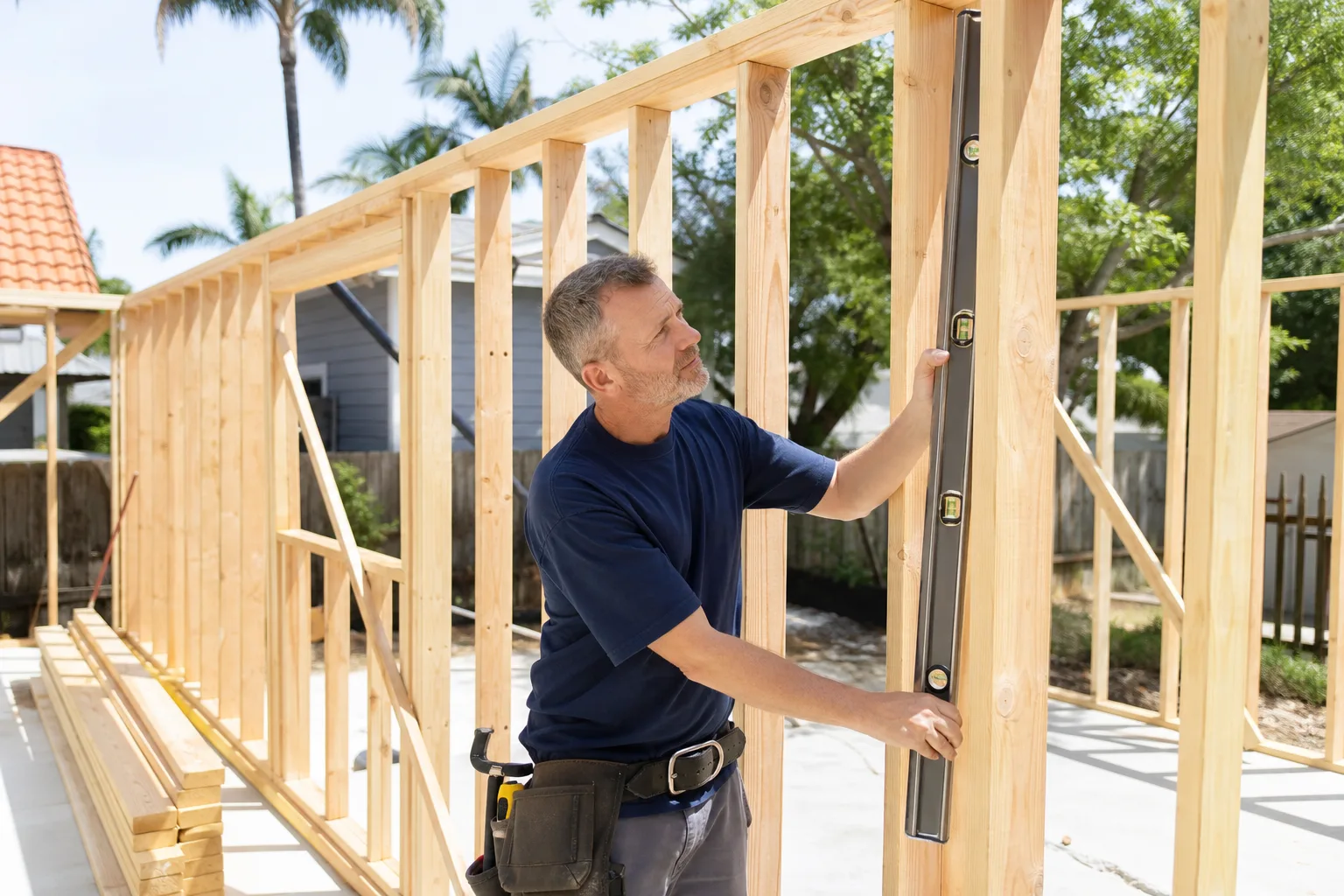
Why the JADU’s cost edge often evaporates in mid-century Peninsula homes
The JADU pitch sounds simple: smaller, faster, cheaper. Then you open the wall. Newport Beach’s 1960s Peninsula ranch homes and the mid-century single-wall and post-and-beam stock scattered through the city often have interior floor plans that won’t accept a JADU without reconfiguring the main home’s living area. You need a separate entrance, and you need the JADU to function independently enough to be legal. On a ranch plan with a tight central hallway and a bathroom shared across two bedrooms, creating that entrance can mean moving walls, rerouting plumbing, and rebuilding a slice of the primary residence.
Add in the aging infrastructure these homes carry – often original copper plumbing and minimal insulation – and the “cheaper” JADU starts stacking labor that has nothing to do with the JADU itself. Meanwhile, salt air and the morning marine layer push every exterior decision toward stainless hardware and marine-grade coatings, whether you build new or reconfigure the interior. The premium for coastal durability doesn’t shrink because the unit is smaller.
One more operator detail that shows up on jobs: on Balboa Island, original 1920s-40s cottages sit on wood pilings that frequently have never been updated. We’ve seen a cosmetic remodel turn into a full re-piling project before the first cabinet could be hung. That same risk applies to any ADU project on an old pier-and-beam foundation, and it’s why we price the foundation condition before the finish schedule. You can see how we structure the full build path on our Home Additions & ADU in Newport Beach page.
Appraisal and resale value: the gap is bigger than the square footage
A standard ADU with its own utilities, address designation, and certificate of occupancy as an independent unit appraises as measurable rentable area. It adds to the parcel’s income story and shows up in a valuation. A JADU stays legally tied to the main home. It can’t be sold separately, so an appraiser treats it as an accessory feature, not a separate income property.
For an absentee owner in Newport Beach, that distinction drives the whole decision. A standard ADU can produce a documented rent stream the property can be valued against. A JADU produces rent too, but the ownership condition means only a live-in owner can use it – which narrows your buyer pool at resale to people who intend to occupy.
Side-by-side: junior ADU vs standard ADU in Newport Beach
| Factor | JADU | Standard ADU |
|---|---|---|
| Owner-occupancy | Required by law | Not required |
| New building footprint | No (inside existing envelope) | Yes, or a conversion |
| Coastal development permit | May be avoided if fully internal | Typically triggered |
| Utilities and address | Shared or upgraded | Independent |
| Resale value | Tied to main home | Measurable, independent unit |
| Typical project cost | Lower on paper, can rise with host-home reconfiguration | $90,000-$220,000 for ADU construction; $30,000-$80,000 for a garage conversion |
On the additions side of the ledger, a larger home addition with or without an ADU runs $45,000-$130,000 depending on footprint and finish. Standalone ADU construction is $90,000-$220,000, and a garage conversion runs $30,000-$80,000. Those are real ranges, not teaser numbers, and they’re shaped by the permit stack, coastal material specs, and the foundation condition we find once we open things up.
Upfront pricing on either path, so you can compare real numbers
Groundwork Construction Co. of Newport Beach presents both options with the full cost laid out: permit fees, material specs for coastal durability, and the same 730-Day Done Right Promise on either path. We use brand partners like ActiveYards and Belgard where fencing and hardscape tie into the ADU work, and we build the bid so the number you see is the number you pay. Calls are answered by a live person, 24/7, and our technicians bring up to 12 years of experience to each project. For the full ADU scope, see our Home Additions & ADU overview, or start from home to see every trade we cover.
FAQs
No. California law requires the property owner to occupy either the primary residence or the JADU on a parcel with a JADU, so a second home or rental investment cannot legally carry one. That’s the disqualifier most comparison guides leave out. If you own a Newport Beach property but don’t live in it, a standard ADU is your path – call (833) 749-3967 for a free estimate.
Not always once the host home needs reconfiguring. A JADU looks cheaper on paper because it stays inside the existing envelope, but Peninsula ranch homes often need structural changes to create a compliant separate entrance, and that labor can erase the savings. Standard ADU construction runs $90,000-$220,000, and a garage conversion runs $30,000-$80,000. Call (833) 749-3967 and we’ll price both against your actual floor plan.
It can avoid coastal development permit review if the JADU is built entirely within the existing building envelope – no new footprint, no roof changes. A standard ADU usually triggers the full permit stack, including coastal review where it applies. Because Newport Beach carries the Bayfront and Oceanfront overlays on top of Coastal Commission conditions, the permit calendar is worth pricing before you commit. Call (833) 749-3967 for a permit-side read on your lot.
A standard ADU adds more measurable value because it has its own utilities, address designation, and certificate of occupancy as an independent unit, and it appraises as separate rentable area. A JADU stays legally tied to the main home and can’t be sold separately. If resale is part of your plan, call (833) 749-3967 and we’ll walk through both options against your property’s appraisal picture.
If you’d rather have it looked at, Groundwork Construction Co. of Newport Beach offers a no-pressure assessment in Newport Beach – call (833) 749-3967 for a free estimate and design consult on your ADU decision.
Written by the team at Groundwork Construction Co. of Newport Beach, serving Newport Beach, CA.