Free written scope consultation - allowances, timeline, and change-order rules on paper before a single trade is scheduled
What does a new detached ADU in Laguna Hills cost and how long does it take?
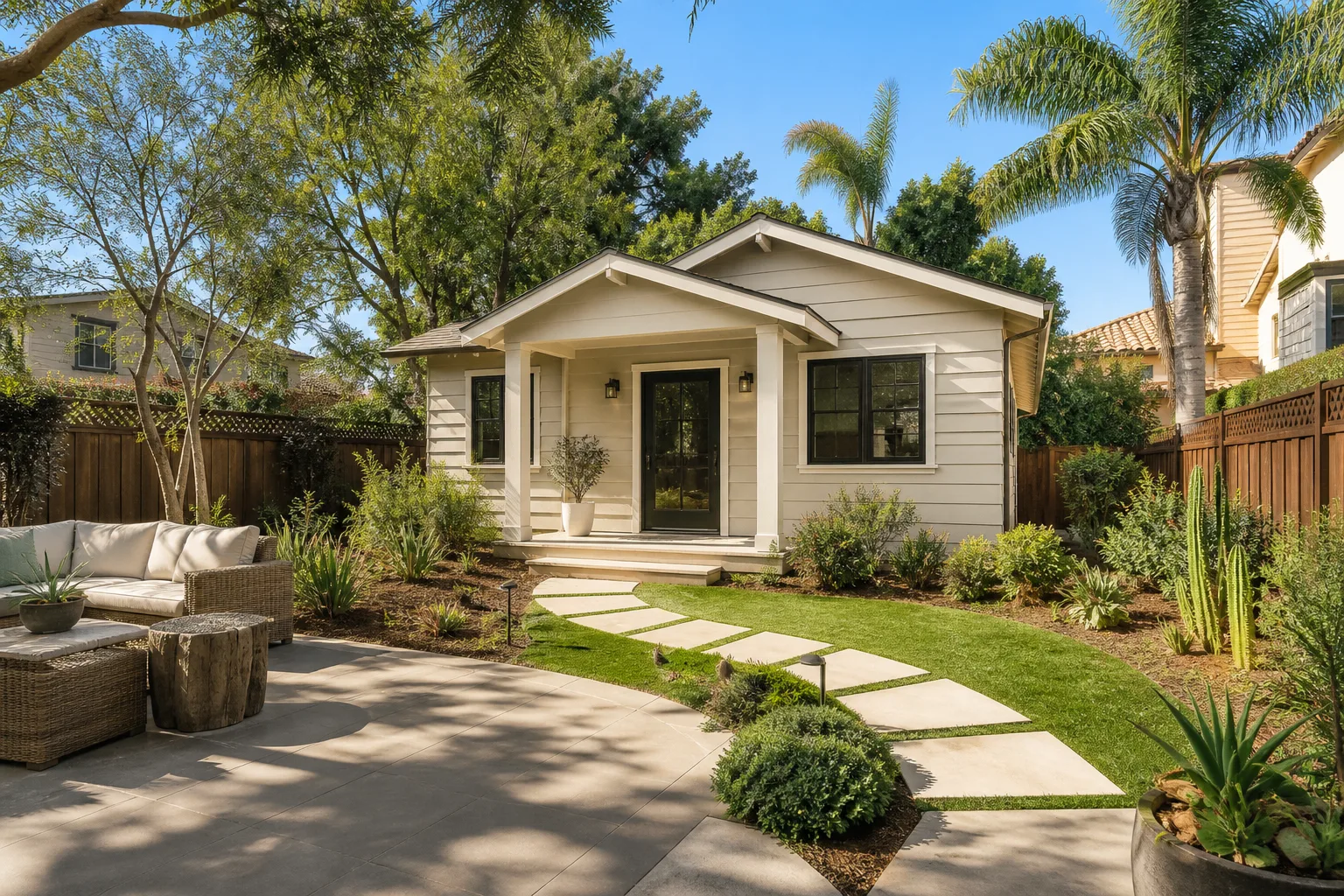
A new detached ADU in Laguna Hills typically runs $45,000 – $130,000 for the base build, with full ADU construction landing in the $90,000 – $220,000 range once site work, utilities and finish selections are added. Plan on 8 to 14 months from the first site visit to move-in day, most of which is permitting and HOA approval before a single form gets set. Call (833) 749-3967 to talk through your lot and get a real number instead of a guess.
Here’s what that timeline actually looks like, and why Laguna Hills is a slower build than most of south Orange County.
How a detached ADU gets built here, stage by stage
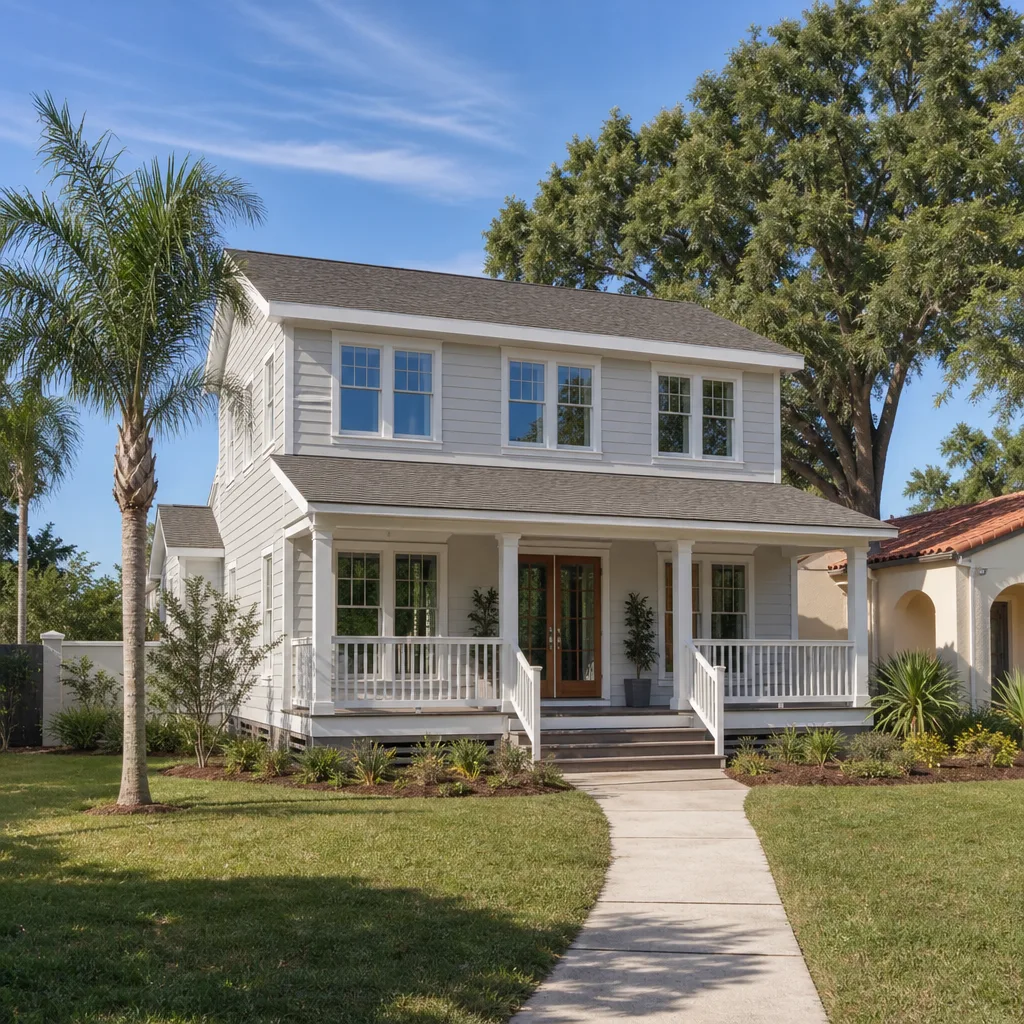
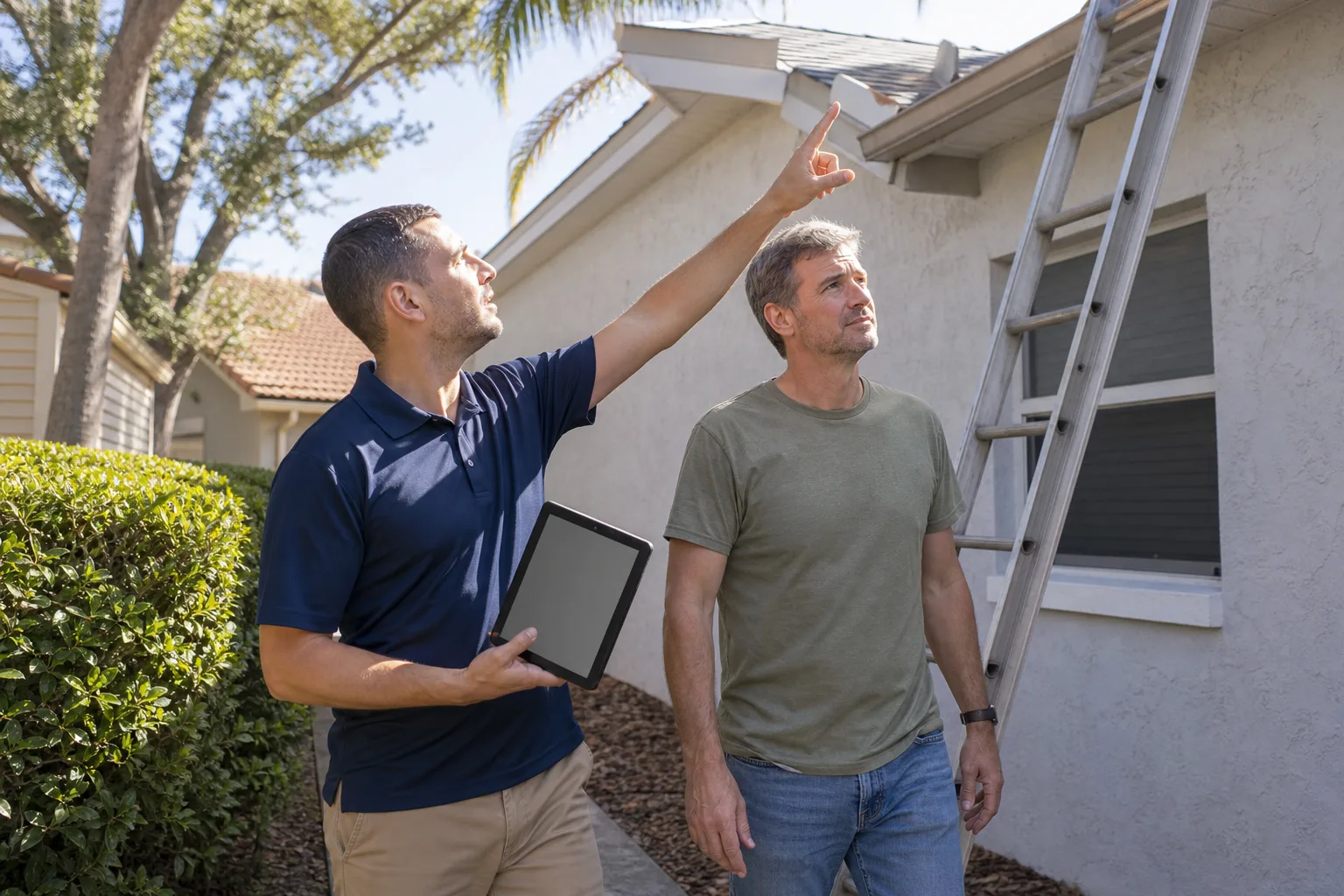
Stage 1: Site visit and feasibility (week 1 – 2). We walk your lot and measure setbacks, existing utilities, slope and access. You’ll decide where the unit sits and how big it goes – studio, one-bedroom, or two-bedroom footprint. That single decision drives 60% of the total cost, so we don’t rush it.
Stage 2: Design and parallel approvals (month 1 – 6). This is the stretch that catches people who hired the wrong contractor. Your HOA architectural submittal and the City of Laguna Hills plan check run at the same time, not one after the other. Both need a full drawing set, and the HOA review often moves slower than the city. We build that approval lead time into the schedule from day one, so you’re not sitting on an approved permit waiting on a neighbor-facing design review.
Stage 3: Site prep and foundation (month 6 – 7, roughly 3 – 4 weeks). Grading, trenching for the new sewer, water and electrical runs, then the concrete pour. You’ll decide at this point whether to run utilities from the main house or bring them in from the street – on older Laguna Hills lots near the 1960s and ’70s subdivisions, a new dedicated lateral is often cleaner and cheaper than tapping into aging original lines.
Stage 4: Framing, rough-in and inspections (month 7 – 10). Structure goes up, then plumbing, electrical and HVAC rough-in, then the rough inspection. You’re choosing windows, doors and exterior finishes during this window so nothing stalls at the drywall stage.
Stage 5: Finish-out and final walkthrough (month 10 – 14). Insulation, drywall, cabinetry, flooring, fixtures, paint, then the final inspections and your punch walk. Our technicians have up to 12 years of experience, and every project is covered by the 730-Day Done Right Promise – if something isn’t done right, we make it right, in writing.
Styles & brands we work with
- Kitchen remodeling
- Bathroom remodeling
- Home additions & ADU
- Roofing
- Windows & doors
- Driveway & pavers
- Fence
The choices that make or break a detached ADU
Most of the decisions land in your lap between contract signing and framing. Here’s where buyers actually spend their time:
- Footprint size: A studio keeps you near the low end. A two-bedroom adds square footage, a second bath and more foundation – it’s the single biggest cost lever you control.
- Sewer and water connection: Tapping the existing house line is cheaper up front. A new dedicated lateral costs more but protects the ADU from the cast-iron or galvanized plumbing common in these older homes.
- Exterior cladding: Stucco matches the surrounding tract architecture and reads as original to the neighborhood. James Hardie lap siding holds up well against Santa Ana wind exposure and needs less repainting – it runs more per square foot but pays back over time.
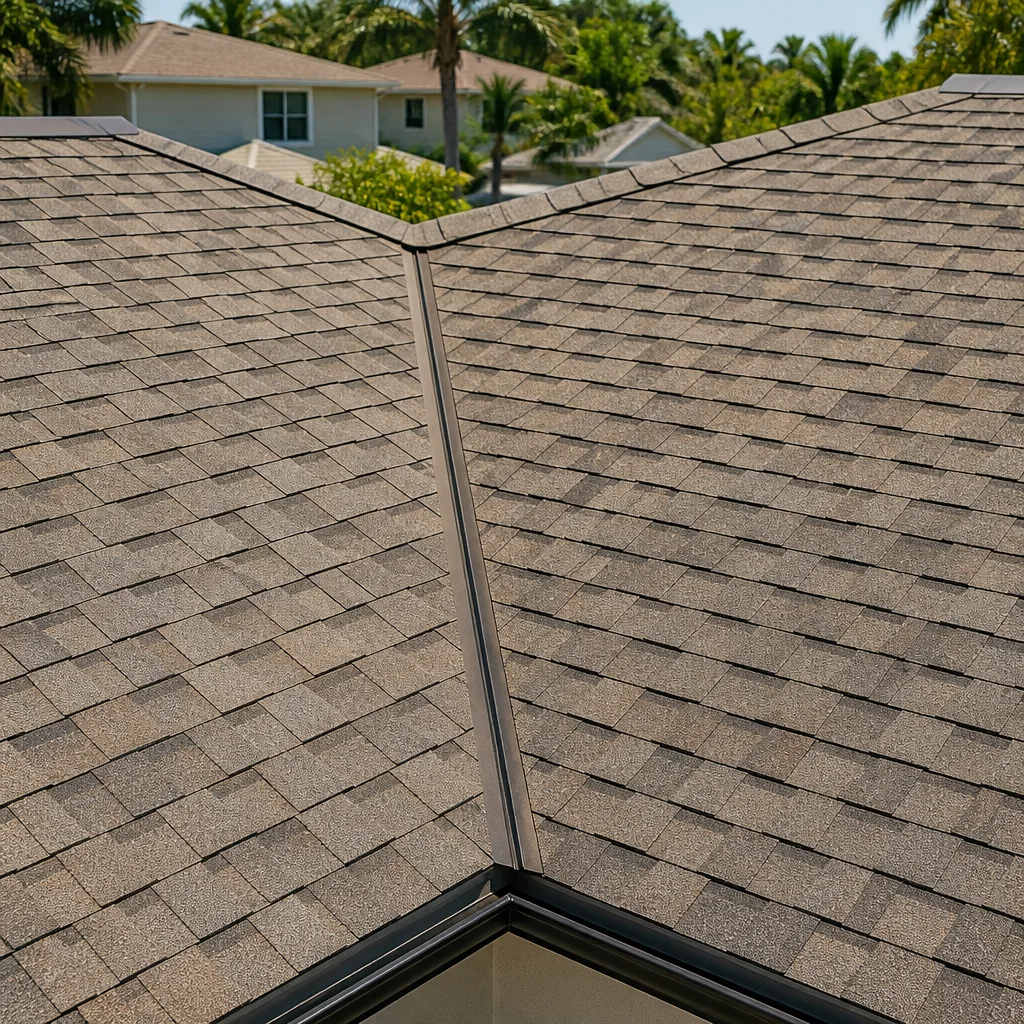
- Roofing: GAF architectural shingles hit the sweet spot for cost and wind performance on the foothill-facing edges of the city. Standing-seam metal costs more and lasts longer, a reasonable call if you’re building this as a forever-rental.
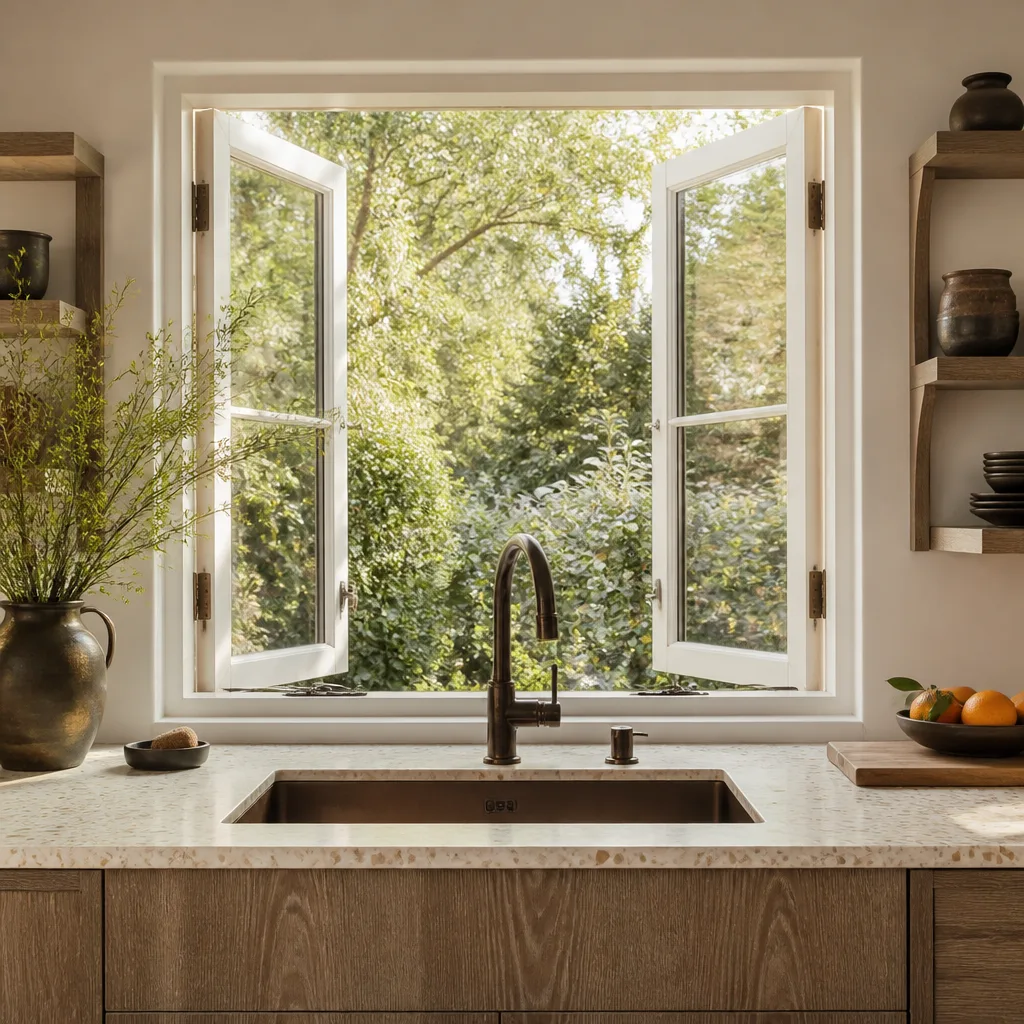
- Windows and doors: Standard vinyl is the budget path. Upgrading to Andersen or Marvin buys better noise control and tighter seals, which matters if the unit sits near a busy street or will house family long term.
- Interior finishes: A simple galley kitchenette and a walk-in shower with Schluter waterproofing keeps the budget tight and the unit durable. Full kitchens and freestanding tubs push you toward the high end without adding rental value.
- Separate metering: A second meter lets tenants pay their own utilities and simplifies rental accounting. It’s a modest add that saves years of awkward math.
What a new detached ADU costs in Laguna Hills, CA
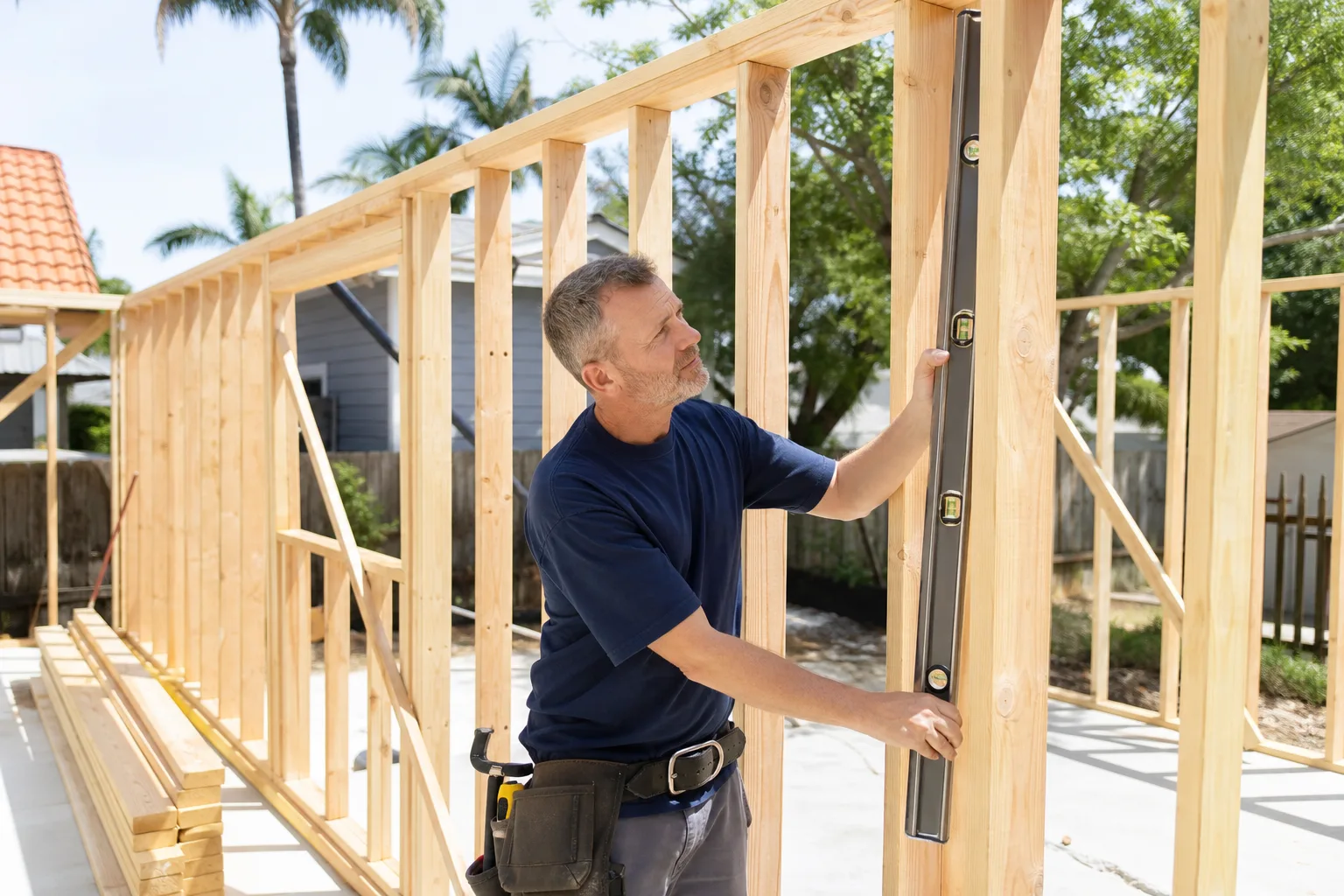
Base build on a straightforward lot sits at $45,000 – $130,000 depending on size and finish level. Bring site work, utility trenches and permit fees into the picture and full ADU construction lands at $90,000 – $220,000. Those are honest ranges for this market, not teaser numbers.
Five things move you from the low end to the high end:
- Square footage and bedroom count. A studio and a two-bedroom are different projects, not the same project at different prices.
- Lot conditions. Slope, poor soil, or a long utility run from the street adds excavation and trenching cost. Flat, level lots stay cheap.
- Relocating or extending utilities. Running new sewer, water and electrical from the main house versus a fresh tap changes the electrical and plumbing line items significantly.
- Material grade. Standard builder-grade finishes versus upgraded cabinetry, flooring and windows can swing the interior budget by tens of thousands.
- Permit and HOA scope. A design review that requires significant plan revisions adds cost and, more often here, months.
A written line-item estimate from us spells out foundation, framing, mechanical, electrical, plumbing, finishes, permits and site work separately. What it doesn’t include unless we list it: landscaping beyond grading, furniture, and any work on the main house itself – if the ADU is part of a full Home Additions & ADU in Laguna Hills scope, we quote that separately so nothing gets buried. For more on our broader work, see our Home Additions & ADU service.
See the difference
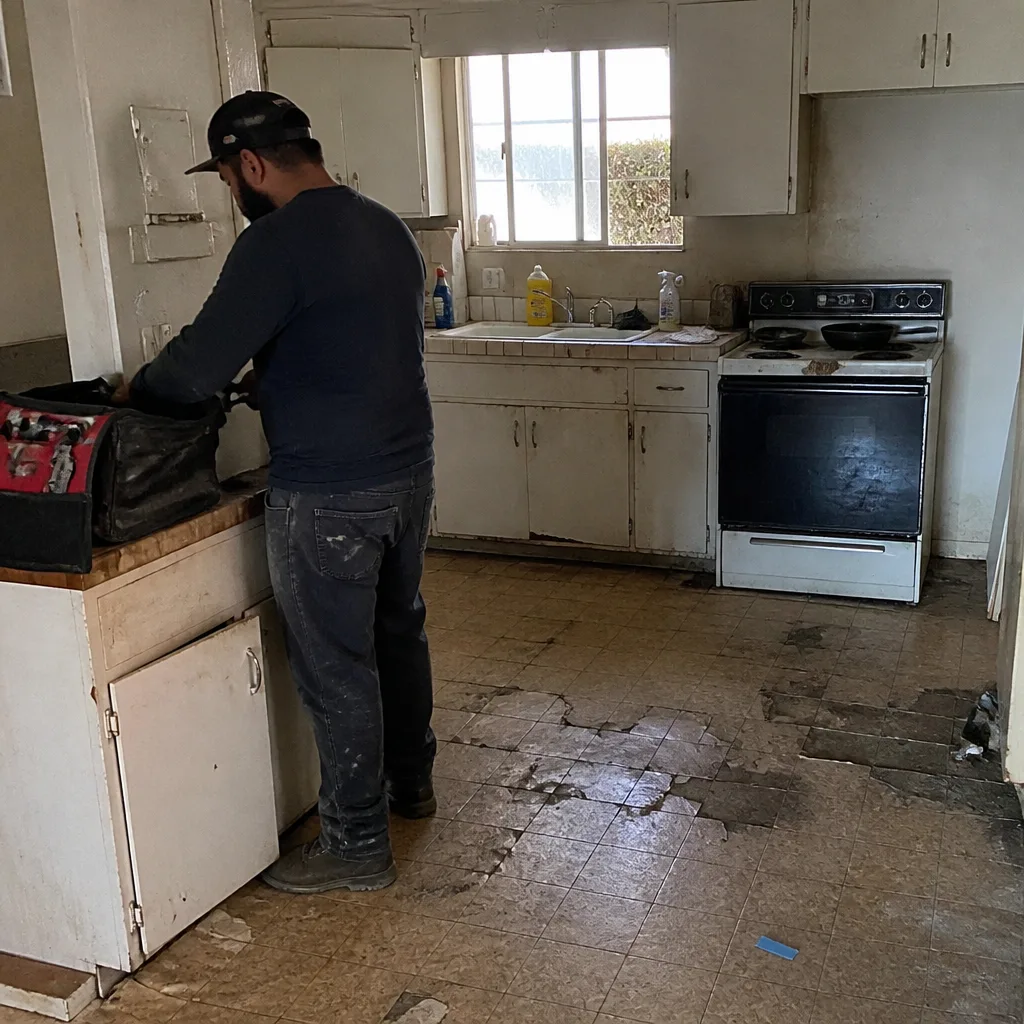 Before
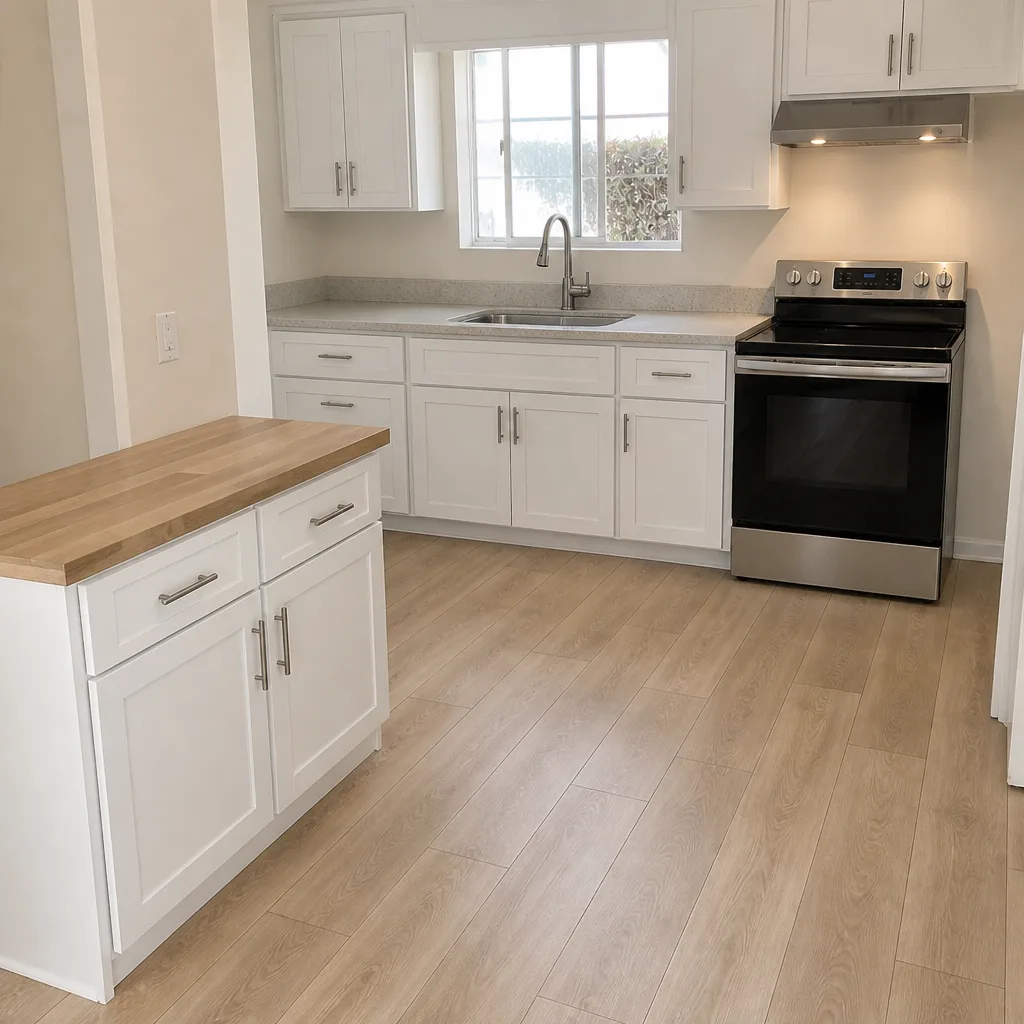 After
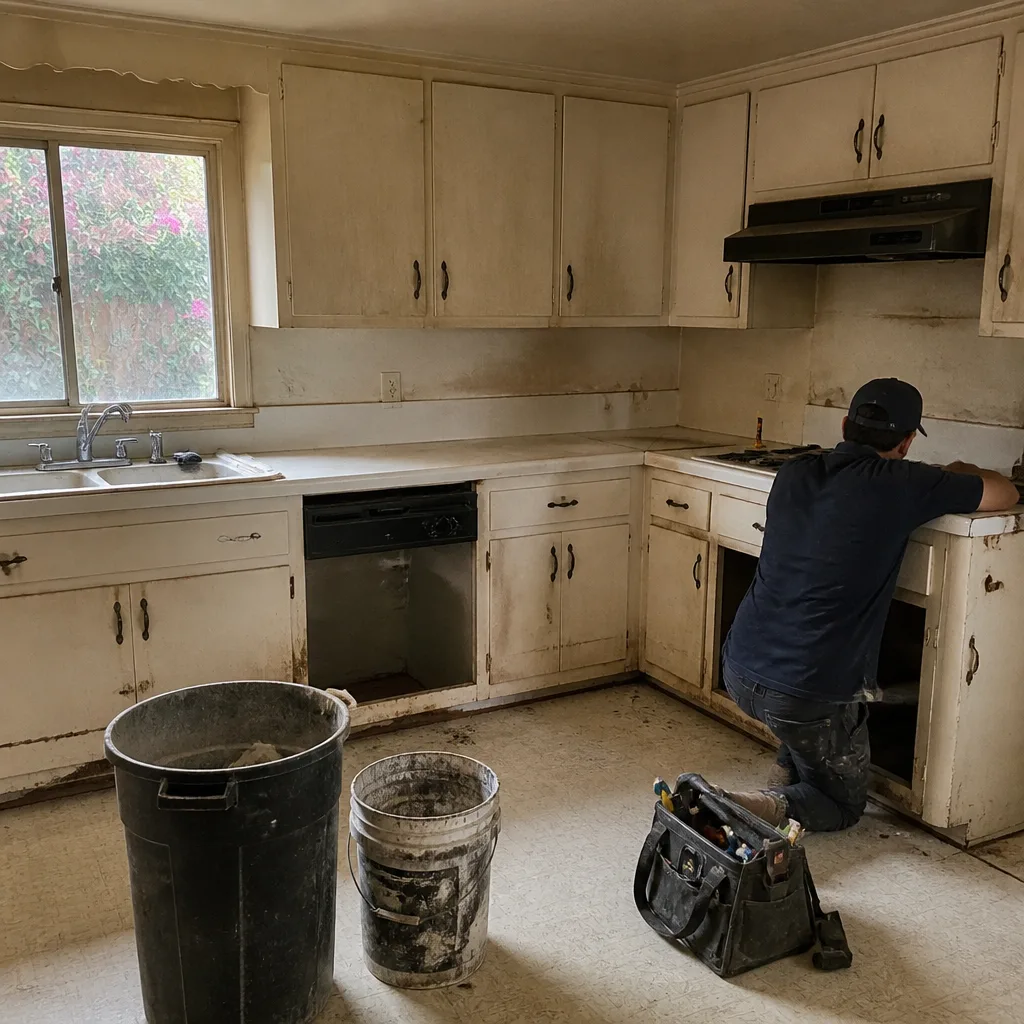 Before
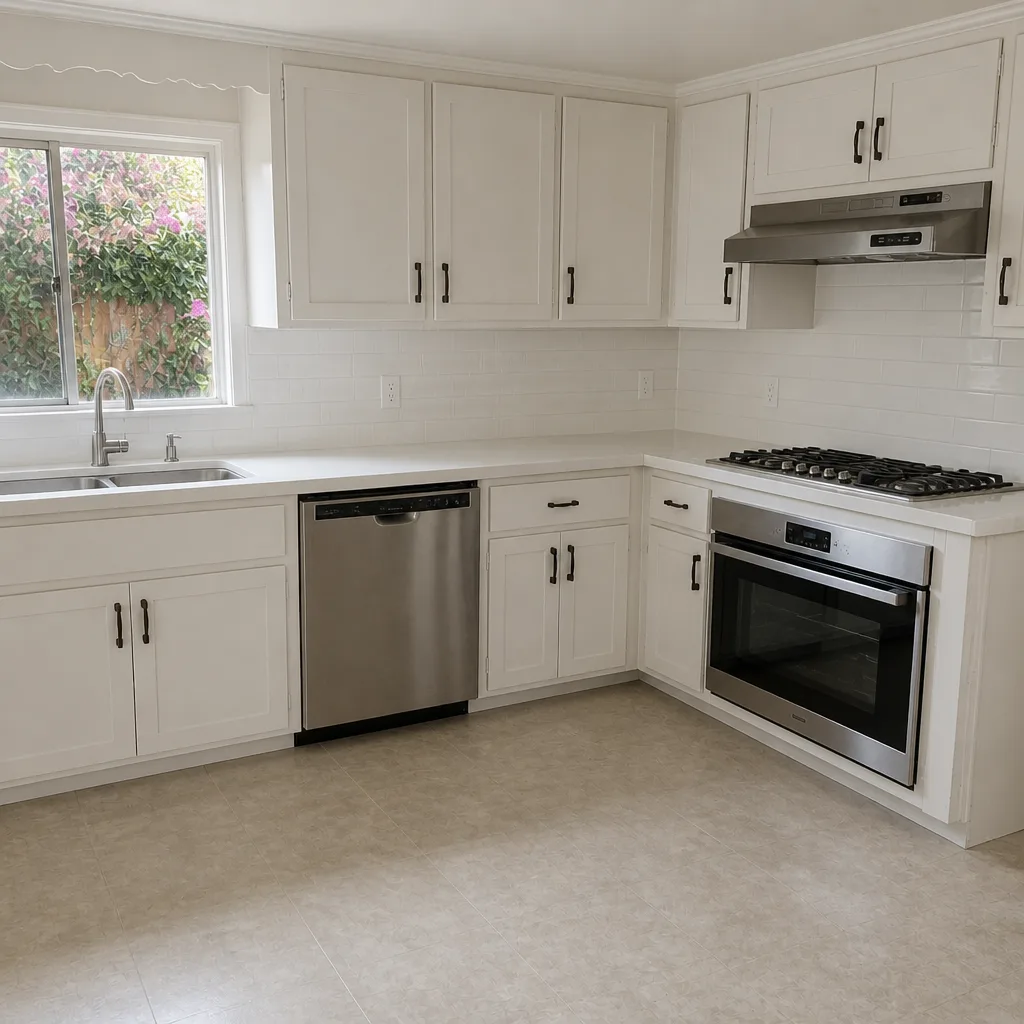 After
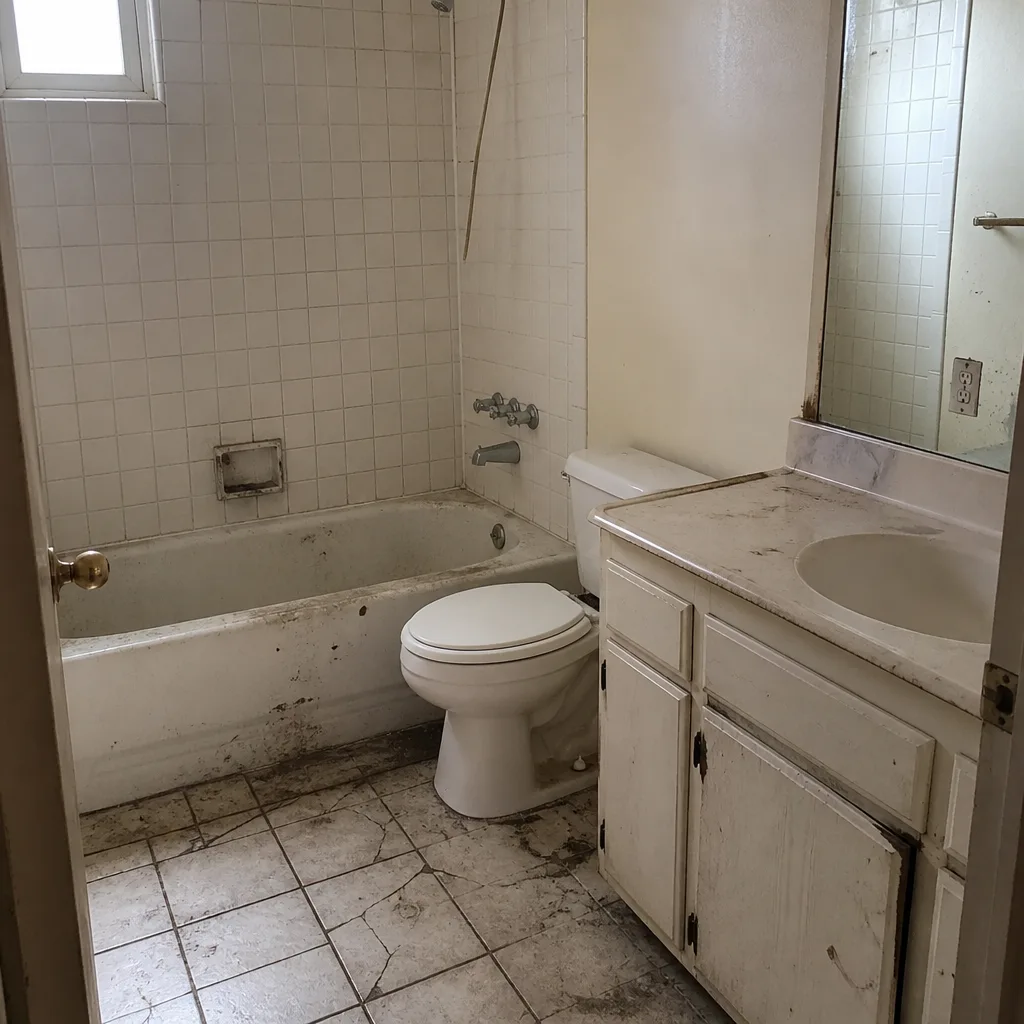 Before
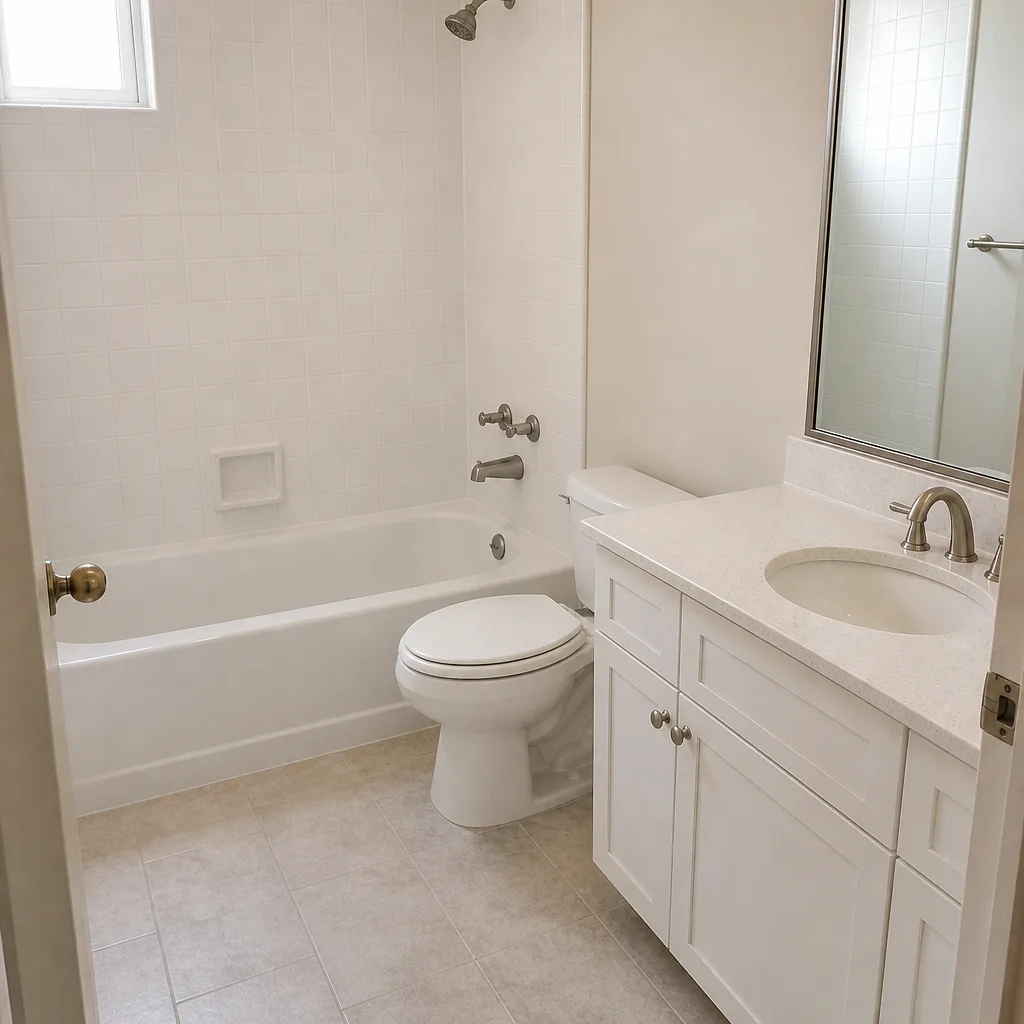 After
What Laguna Hills lots and rules do to this job
Laguna Hills was built out largely through the 1960s and ’70s as a planned community – Leisure World and the surrounding subdivisions filled in most of the available land. That means almost every ADU project here starts on a lot that’s already fully developed, with an existing single-family home, mature landscaping, and original infrastructure. We’re not building on virgin ground; we’re threading a new structure into a 50-year-old yard.
Two realities follow from that. First, the HOA architectural submittal and the City of Laguna Hills permit run in parallel, and the HOA review is often the longer of the two – especially in the townhome communities where exterior changes need neighbor-facing design review. Build the approval window into your schedule or you’ll be waiting. Second, the original cast-iron or galvanized plumbing and older electrical panels on these homes frequently can’t carry an ADU load. We check the panel and the main line during the site visit, and sometimes the ADU project becomes a re-pipe or panel upgrade too – better to know that before you sign than after framing.
Climate matters less here than in the foothills, but the warm, dry summers and Santa Ana wind events do put a premium on shade structures, drought-tolerant landscaping and tight roofing details. On the eastern edges of town, wildfire-defense roofing and defensible space are worth a conversation. We cover Laguna Hills and the surrounding communities – see our Laguna Hills service area page for the full picture.
Serving Laguna Hills, CA – Our Local Coverage Area
We serve Laguna Hills and nearby communities. Use the map below to see the area we cover. If you’re nearby, we can almost certainly help.
Frequently asked – New Detached ADU in Laguna Hills
Plan on 8 to 14 months from the first site visit to move-in, with 4 to 6 of those months spent on permits and HOA approval before construction starts. Actual build time runs 4 to 6 months on a typical lot. Call (833) 749-3967 for a timeline specific to your property.
Yes. A detached ADU requires a City of Laguna Hills building permit and, on most properties, an HOA architectural approval as well. We pull the permits and manage the inspections, and we build both approval tracks into the schedule so they don’t run back to back.
Usually yes – the ADU gets its own utility runs, so the main house stays intact. On older Laguna Hills homes, though, the existing panel or main sewer line may need upgrading to carry the added load, which we flag during the site visit. Call (833) 749-3967 and we’ll assess your panel and main line before you commit to anything.
Base build runs $45,000 – $130,000 depending on size and finish, with full ADU construction at $90,000 – $220,000 once site work and utilities are included. Size, lot conditions, utility runs, material grade and permit scope are the five factors that move the number. Call (833) 749-3967 for a written line-item estimate – the number you see is the number you pay, with no change orders for scope we already quoted.
Every ADU we build is covered by our 730-Day Done Right Promise – one of the longest workmanship guarantees in residential construction. If something isn’t done right, we make it right for two full years after completion, and we put that in writing before the first shovel hits the ground.
Homeowners planning a detached unit often pair it with a refresh inside the main house – our Kitchen Design & Layout in Laguna Hills and Backsplash, Tile & Flooring in Laguna Hills teams handle those scopes when the timing lines up.
Ready to price your detached ADU?
We come to your Laguna Hills property, walk the lot, check the panel and main line, and talk through setback options and realistic size before anyone commits to a plan. You’ll get a written line-item estimate and a clear timeline, and a live person answers the phone 24/7 – no voicemail, no waiting until Monday. Financing is available at 0% for 18 months, plus $1,000 off projects over $10,000. Call (833) 749-3967 to schedule your free on-site estimate and design consult.
Written by the team at Groundwork Construction Co.