
Free written scope consultation - allowances, timeline, and change-order rules on paper before a single trade is scheduled
Styles & brands we work with
- Kitchen remodeling
- Bathroom remodeling
- Home additions & ADU
- Roofing
- Windows & doors
- Driveway & pavers
- Fence
See the difference
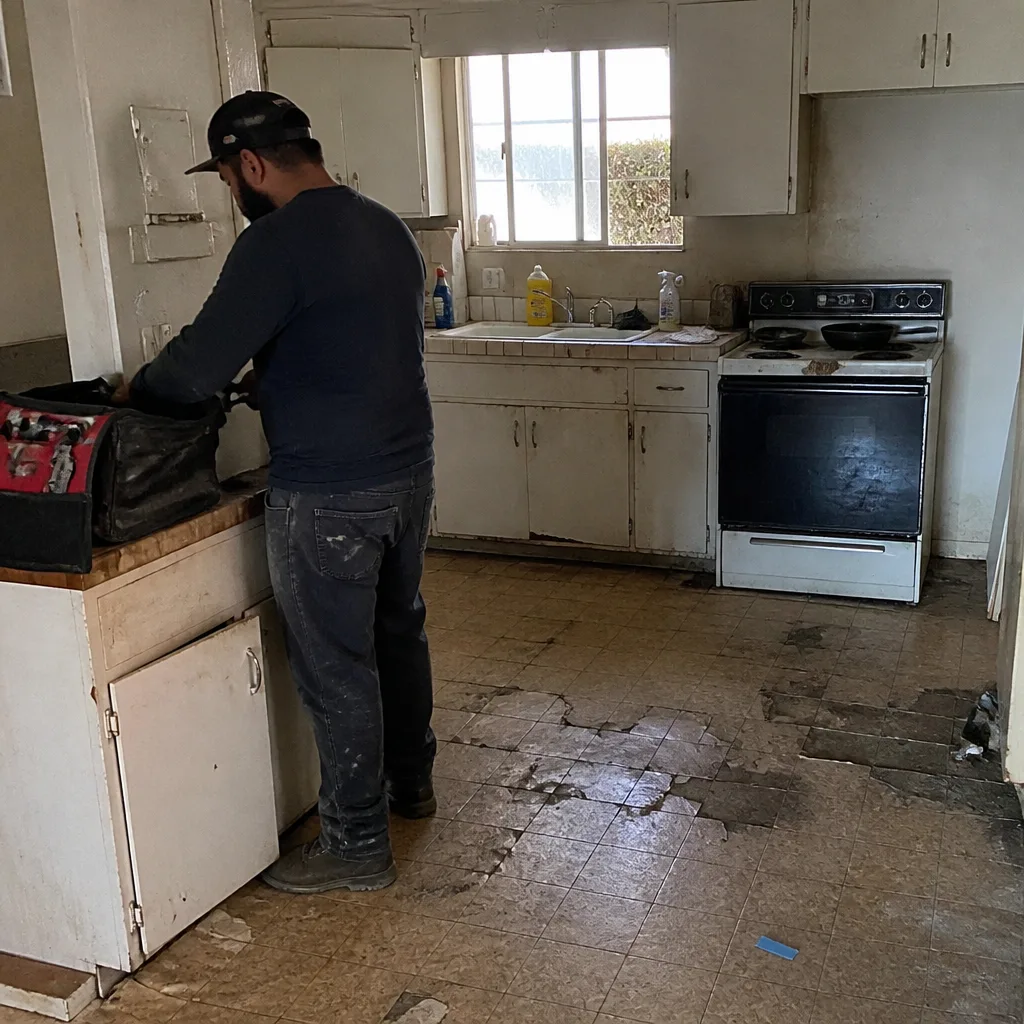 Before
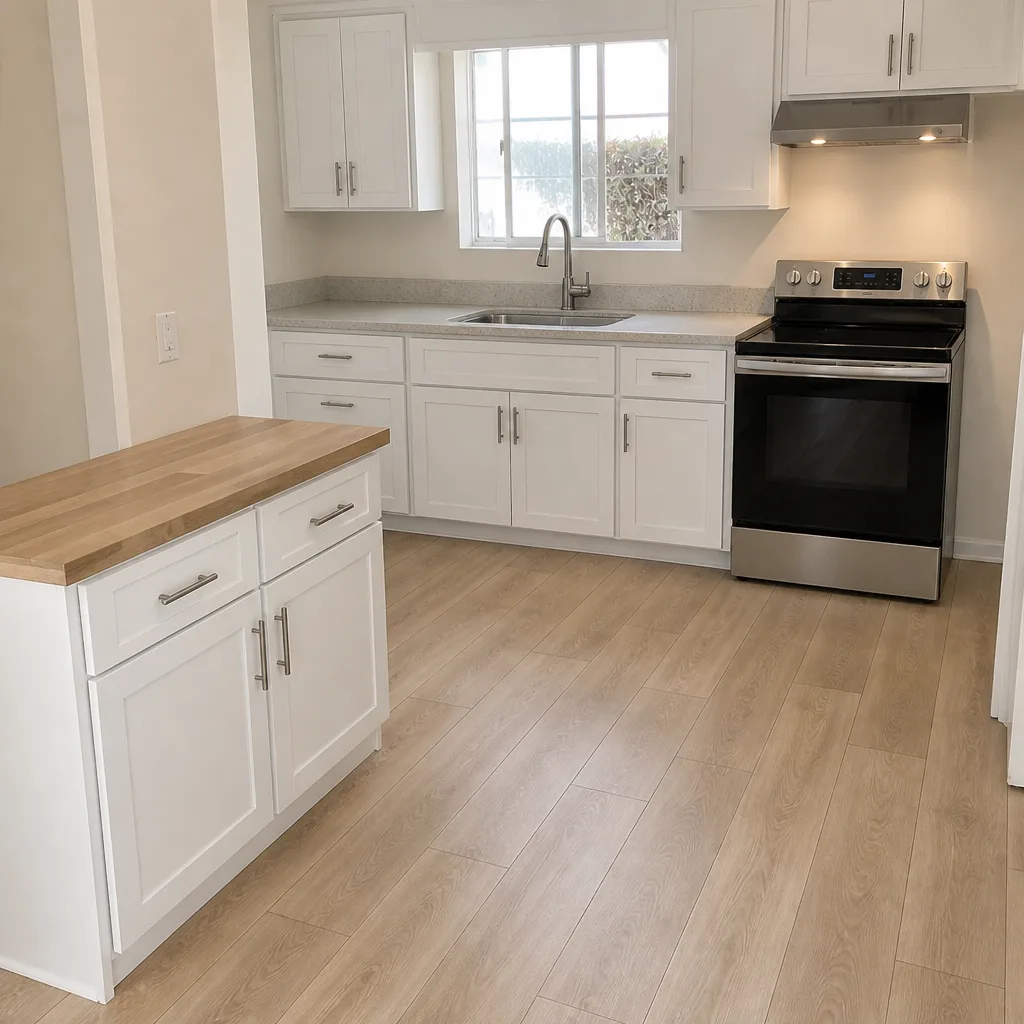 After
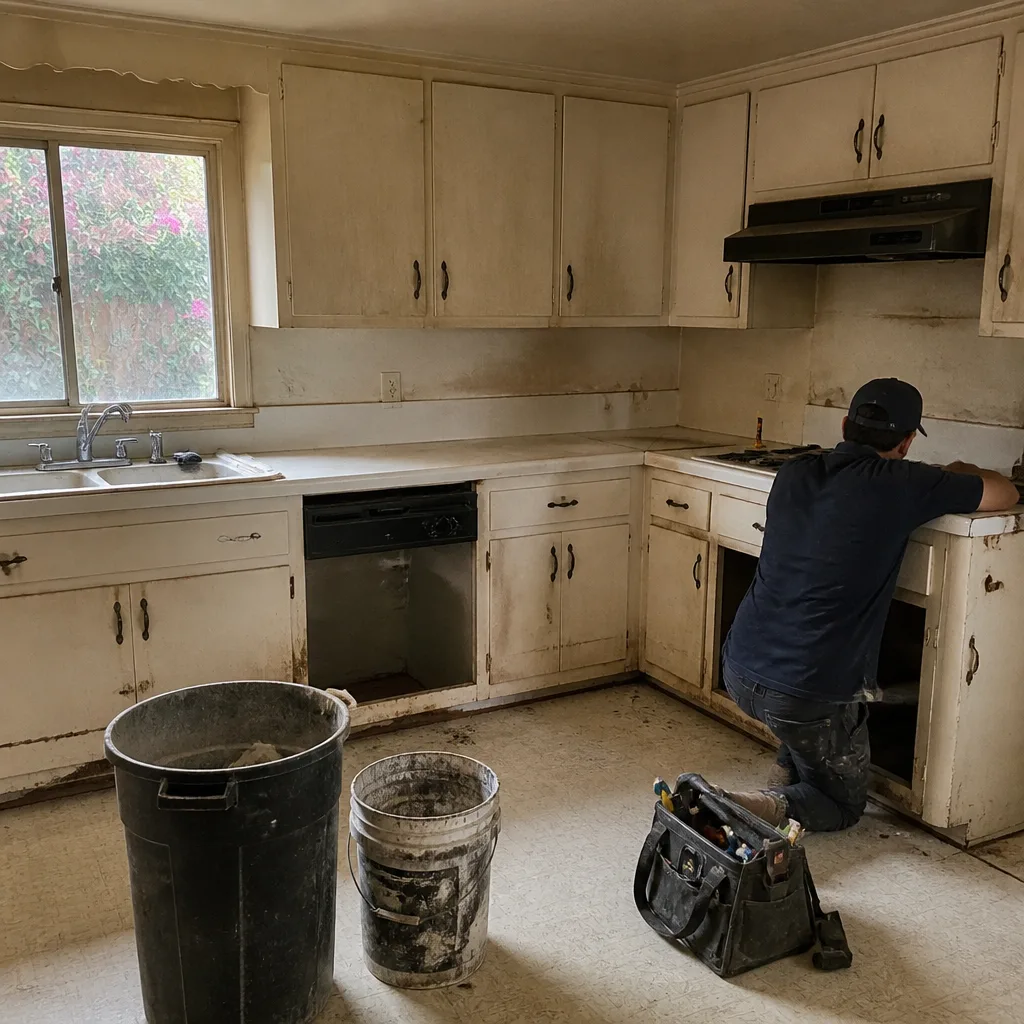 Before
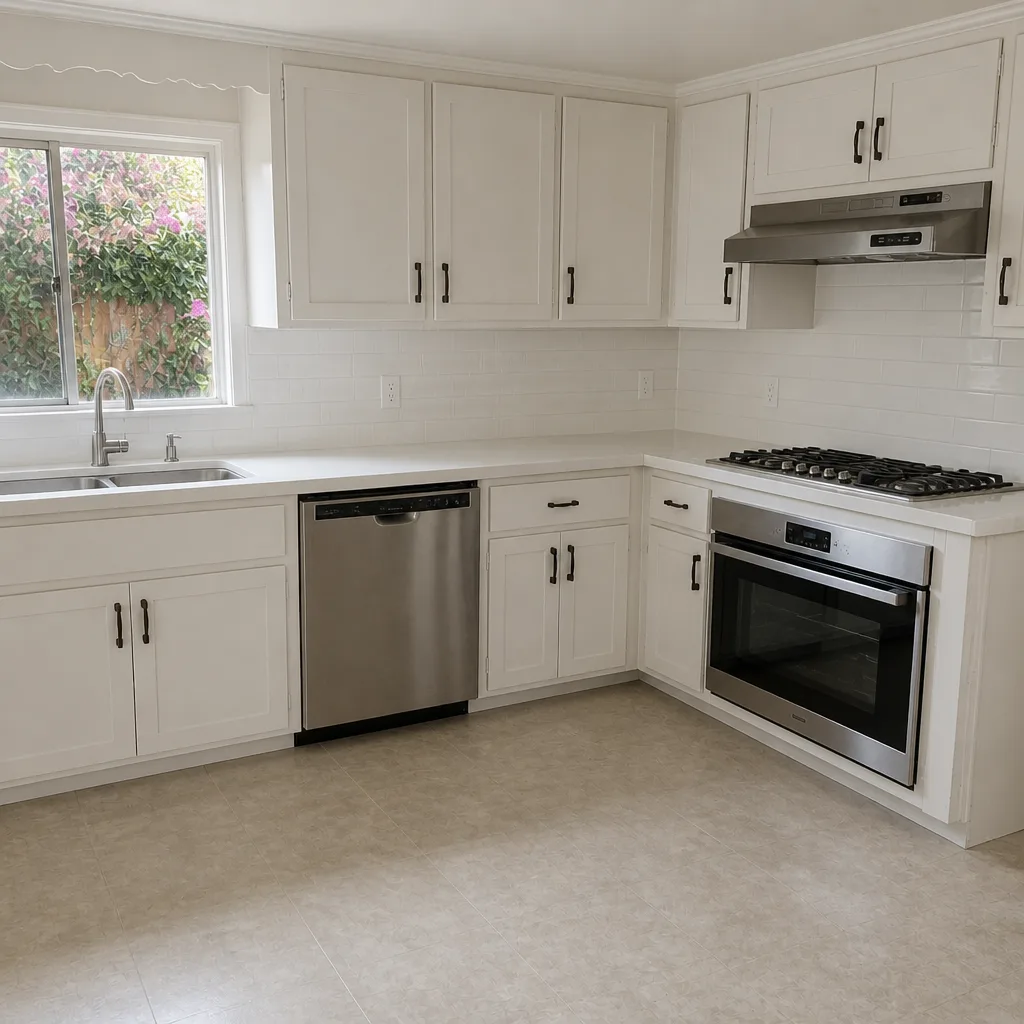 After
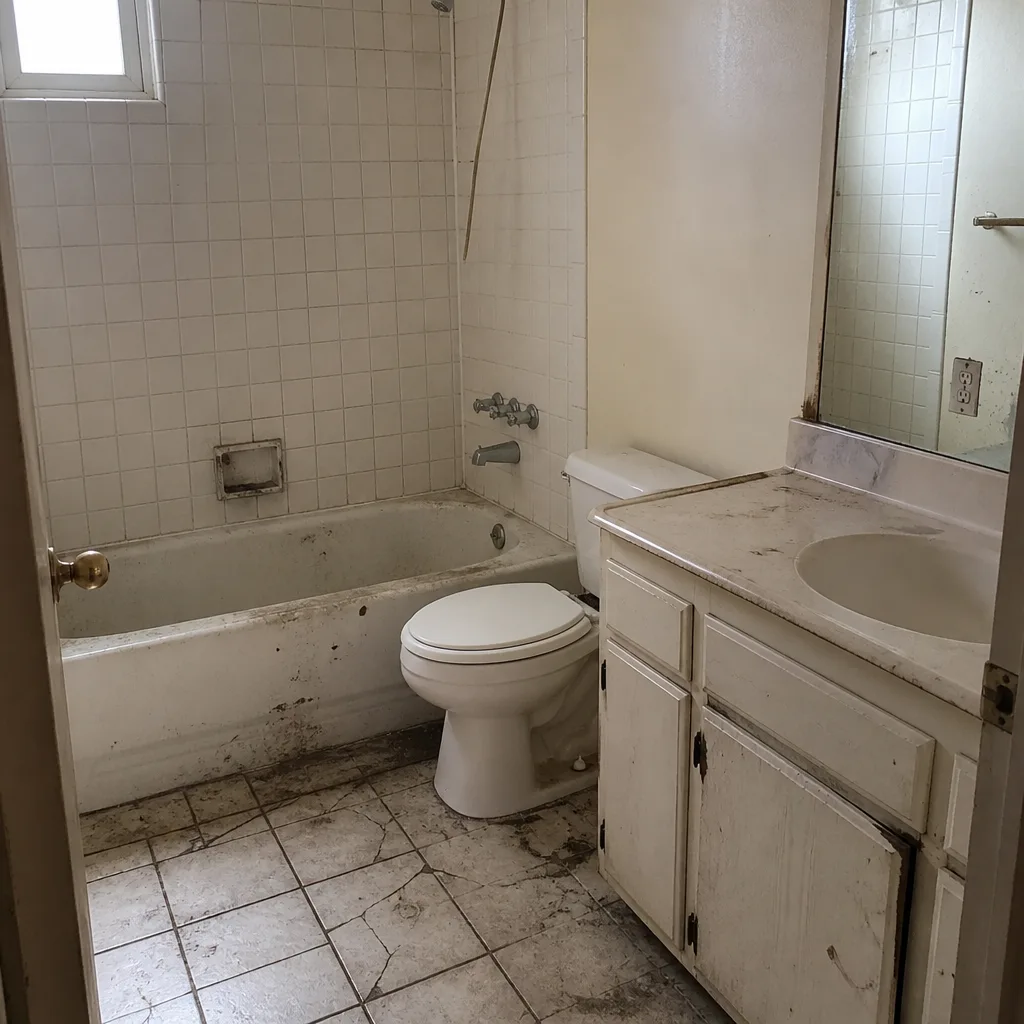 Before
 After
Signs You Need a New Roof in Newport Beach, CA: What the Standard Checklist Gets Wrong
The clearest sign you need a new roof in Newport Beach is rust-stained streaking running from the roof surface down to the fascia, because that stain means the steel fasteners holding your roof together are corroding – and the connection points you can’t see from the ground are failing at the same rate. A close second is moss or algae blooming on north-facing slopes and valley channels, which in a marine-layer climate signals depleted granules and damp underlayment. Call Groundwork Construction Co. of Newport Beach at (833) 749-3967 if either shows up: a free estimate costs nothing, and a winter storm on a compromised roof costs a lot.
A roof here doesn’t warn you the way a Phoenix roof does. It won’t buckle in summer heat or shed granules in a hailstorm. It just quietly corrodes its fasteners, rots its underlayment from condensation on the underside, and ends up one January storm away from a ceiling collapse that looked fine from the sidewalk all year.
Key takeaways
- Rust streaks on the roof or fascia are the strongest local indicator of corroded fasteners and failing flashing.
- Moss and algae on damp north slopes point to granule loss and moisture reaching the underlayment, not just a cosmetic stain.
- On Balboa Island cottages and Peninsula ranch homes, the roof is often the only moisture barrier – which shortens the decision timeline.
- If your roof is 15+ years old within a mile of the harbor, pulling one ridge cap to check fastener condition tells you more than any walk-around.
Why Newport Beach Roofs Fail Differently Than the Checklist Predicts
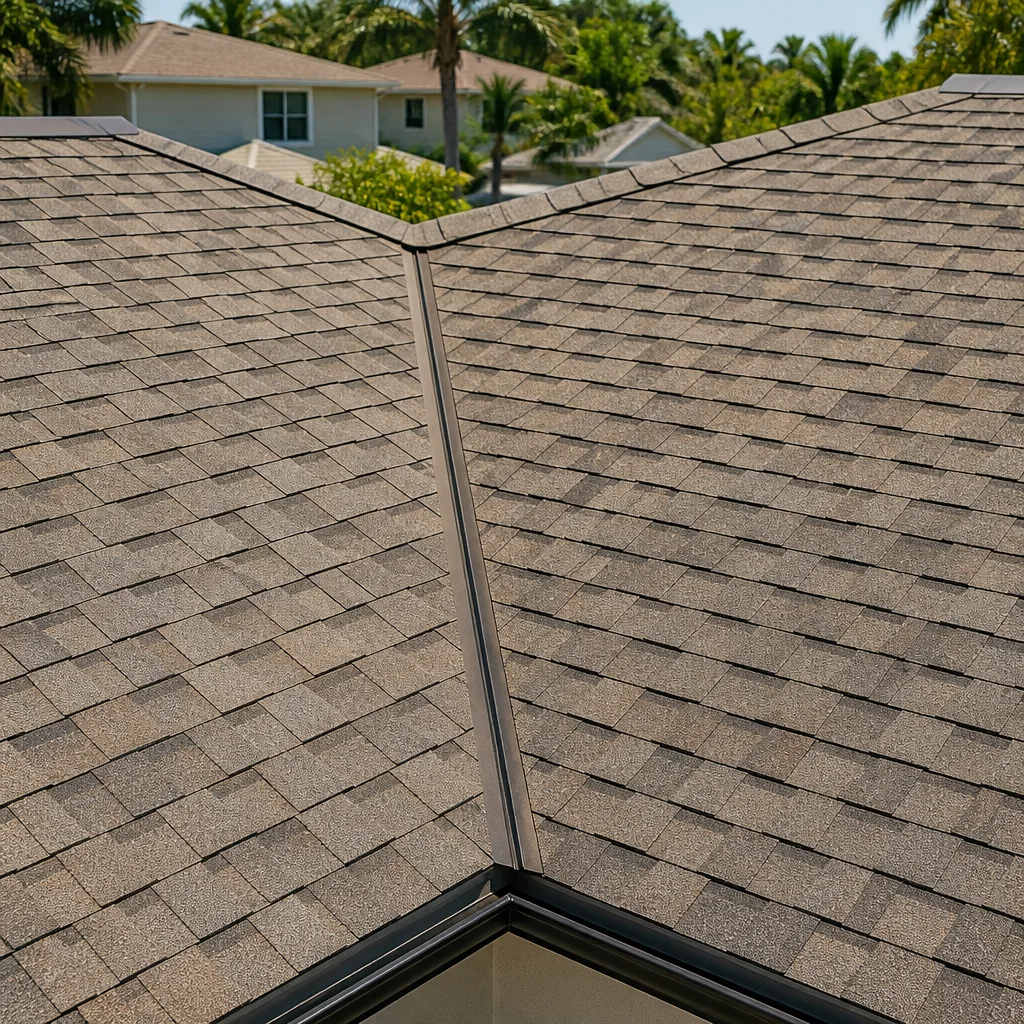
Most national roof-inspection guides were written for climates with freeze-thaw cycles and hail. Newport Beach doesn’t deal in either. We deal in salt air and a marine layer that keeps roof surfaces damp four to six hours every morning. That combination attacks roofs in two directions at once: from the outside, salt corrodes metal fasteners and flashing; from the inside, trapped condensation softens underlayment and sheathing.
The ugly part is that neither failure is visible from the street. The shingles can still look presentable while the nails holding them down have already lost their bite. That’s why a roof that “looks fine” in a listing photo can be the same roof we open up and find wet plywood under. On the harbor side of town – Balboa Island, the Peninsula, anywhere within a mile or so of the water – the corrosion clock runs faster than the shingle warranty suggests.
Our technicians have up to 12 years of experience reading exactly this pattern, and it’s why we don’t rely on a curb-side glance to tell a homeowner their roof has years left. A real assessment means getting onto the roof and looking at what the weather has been doing to the hardware.
The Local Warning Signs That Actually Matter
1. Rust streaks anywhere on the roof or fascia
Rust staining running from the roof down onto the fascia board is the single most useful local sign we look for. It means water has been sitting against steel – fasteners, flashing, valley metal, or the nails under a ridge cap – long enough to oxidize it. The streak is just the visible evidence. The real problem is that the same corrosion is simultaneously eating the structural connections that fasten the roof deck to the framing. You can’t see those, but the stain is their calling card.
2. Moss and algae on north-facing slopes and valley channels
Growth on the shaded side of the roof is not a decoration problem. In Newport Beach’s marine climate, those slopes and valleys never fully dry out during the damp season, so moss and algae get a running start and hold moisture against the shingle surface. Over time that moisture works past the granules and into the underlayment. By the time it reaches a visible leak inside, the decking underneath has often been wet for a while. If the growth is concentrated in valley channels – the low spots that collect runoff – it’s one of the signs you need a new roof rather than a wash-and-seal.
3. Granule loss you can’t quite explain
You’ll find grit in the gutters. Everyone does. The distinction is pace: if you’re clearing a cup of granules out of the gutter every few months on a roof that’s 15+ years old, the shingle surface is wearing out, and the next layer of protection is the one doing the work. On a roof with no secondary moisture barrier, that’s a short runway. Atlas and Tamko shingles are among the products we install when a replacement is the right call – both hold up well under coastal exposure when the fastening system is done properly.
4. Interior clues that trail the exterior ones
We look for more than a stained ceiling. On the balconies and second-floor walls of the Peninsula’s mid-century ranch homes, we look for peeling paint near the ceiling line and soft spots in the drywall. On Balboa Island cottages originally built in the 1920s through the ’40s, we take those clues more seriously than we might on newer construction, because those homes often sit on original wood pilings and have little to no insulation to buffer the moisture moving through. When the roof is the only thing standing between the weather and the living room, a small interior sign is a big exterior one.
What a Roof Replacement Costs in Newport Beach, and When to Spend It
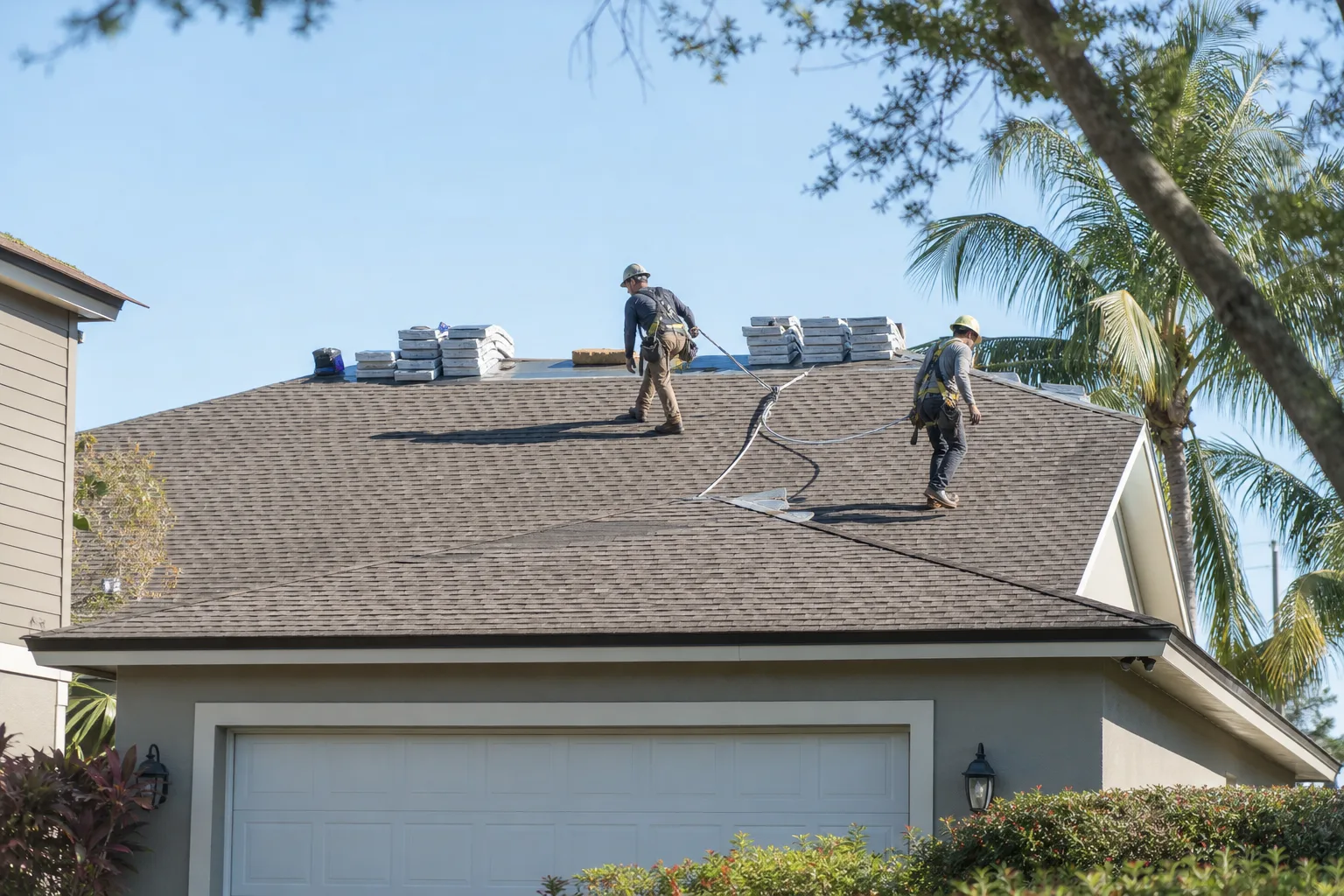
Roof replacement in Newport Beach typically runs $8,000 to $20,000 depending on the roof size, pitch, material, and how much decking needs to be replaced once the old shingles come off. Metal roof installation goes higher, usually $15,000 to $40,000, because the material and fastening system are more involved – and worth it on harbor-facing homes where the salt exposure is the primary threat. For smaller issues, roof repair runs $400 to $1,800, and tile roof repair runs $600 to $2,500. Those are honest ranges, not teaser numbers.
| Work | Typical range in Newport Beach |
|---|---|
| Roof replacement | $8,000 – $20,000 |
| Metal roof installation | $15,000 – $40,000 |
| Roof repair (small leaks, flashing) | $400 – $1,800 |
| Tile roof repair | $600 – $2,500 |
The repair-versus-replace question usually comes down to whether the decking is sound. If the fasteners are rusted but the sheathing is dry, a repair makes sense. If the fastener corrosion has already begun to affect the attachment and the underlayment is compromised, patching over it is just buying time against a problem that will outpace the repair. If your roof is 15+ years old and near the harbor, having a contractor pull one piece of ridge cap and look at the fasteners is the single best diagnostic – no leak test, no guesswork, just a look at the hardware that holds the whole roof down.
One local wrinkle worth knowing: oceanfront, bayfront, and blufftop homes sit inside Newport Beach’s coastal overlays, where the California Coastal Commission’s permit conditions and the city’s design review boards scrutinize everything from rooflines to roof material and color on a replacement. If your home is in one of those zones, the material selection has a permit review attached to it, and it’s worth knowing that before the first shingle comes off rather than after.
Our Common Local Scenarios: What We Find When We Get Up There
After enough of these assessments in Newport Beach, certain patterns repeat:
- Balboa Island cottage, original 1930s construction. Roof surface looks serviceable from the sidewalk. We pull the ridge cap and find rusted fasteners and wet underlayment, and discover the roof has been the only moisture barrier between the weather and the interior walls for decades. The timeline from “looks fine” to “needs replacing” is short here.
- Peninsula ranch home, mid-century build, one block from the bay. Granules in the gutter for a couple of years, moss in the valleys, no interior leak yet. The moisture damage is real but hasn’t surfaced through the ceiling. A replacement now beats an emergency repair after the first heavy winter rain.
- Dover Shores custom home, roof still under original shingle warranty. The shingles are fine; the flashing around the roof penetrations is the problem, corroded at the fasteners. Flashing replacement and targeted repair leave the main roof intact and cost a fraction of full replacement.
- Second home left unoccupied for months. A slow leak goes undetected through the dry season. We arrive to find stained drywall in the closet where the homeowner never looks. Non-occupied homes need the roof checked on an annual schedule, not just when something is obvious.
FAQs
If the rust and corrosion are confined to flashing or a small section of fasteners and the decking underneath is dry, repair is the right move. If the fasteners throughout the roof deck have begun to corrode or the underlayment is compromised, replacement is generally the better investment because you’re stopping a larger problem. Call (833) 749-3967 for a free estimate and we’ll give you a straight answer after actually getting on the roof.
Not always, but in Newport Beach’s marine climate it’s a warning sign worth checking. Moss and algae hold moisture against the shingle surface, which speeds depleting the granules and lets water work toward the underlayment. If the growth is concentrated in valley channels and on the shaded north slopes of an older roof, the surface is losing its protective layer faster than the visible wear would suggest. A call to (833) 749-3967 is a good first step before it becomes a water problem inside.
Rust streaks from the roof to the fascia come first because they mean the fasteners holding the roof to the structure are corroding. Next is significant granule loss combined with moss or algae in valley channels. Third is an interior sign – a ceiling stain or peeling paint near the ceiling line – which means the moisture has already gotten through. Call (833) 749-3967 if you have any of these; a free estimate answers the question in an afternoon.
Yes. Calls to Groundwork Construction Co. of Newport Beach are answered by a live person 24/7, so if something opens up after a winter storm on a Sunday night, you’re not leaving a voicemail and waiting until Monday. The same applies to a weekday evening when you’re worried about a spot that appeared on the ceiling. A free assessment is no-pressure, and we’ll tell you honestly whether an emergency patch or a full replacement conversation is the right next step.
Roofs on the water side of Newport Beach run on a different clock than roofs elsewhere – the corrosion and condensation don’t wait for the calendar to say it’s time. If you’d rather have yours looked at than guess, Groundwork Construction Co. of Newport Beach offers a free, no-pressure roof assessment in Newport Beach – just call (833) 749-3967. We work with GAF, CertainTeed, Atlas, and Tamko systems, back every roof we install with our 730-Day Done Right Promise, and give you a written upfront price before any work begins. If you want the bigger picture of everything we handle on a roof, see our Roofing page, or explore the full Newport Beach service area to see what else we cover. From foundation to finish line, we treat your roof like it’s our own home.
Written by the team at Groundwork Construction Co. of Newport Beach, serving Newport Beach, CA.