



Free written scope consultation - allowances, timeline, and change-order rules on paper before a single trade is scheduled
Styles & brands we work with
- Kitchen remodeling
- Bathroom remodeling
- Home additions & ADU
- Roofing
- Windows & doors
- Driveway & pavers
- Fence
See the difference
 Before
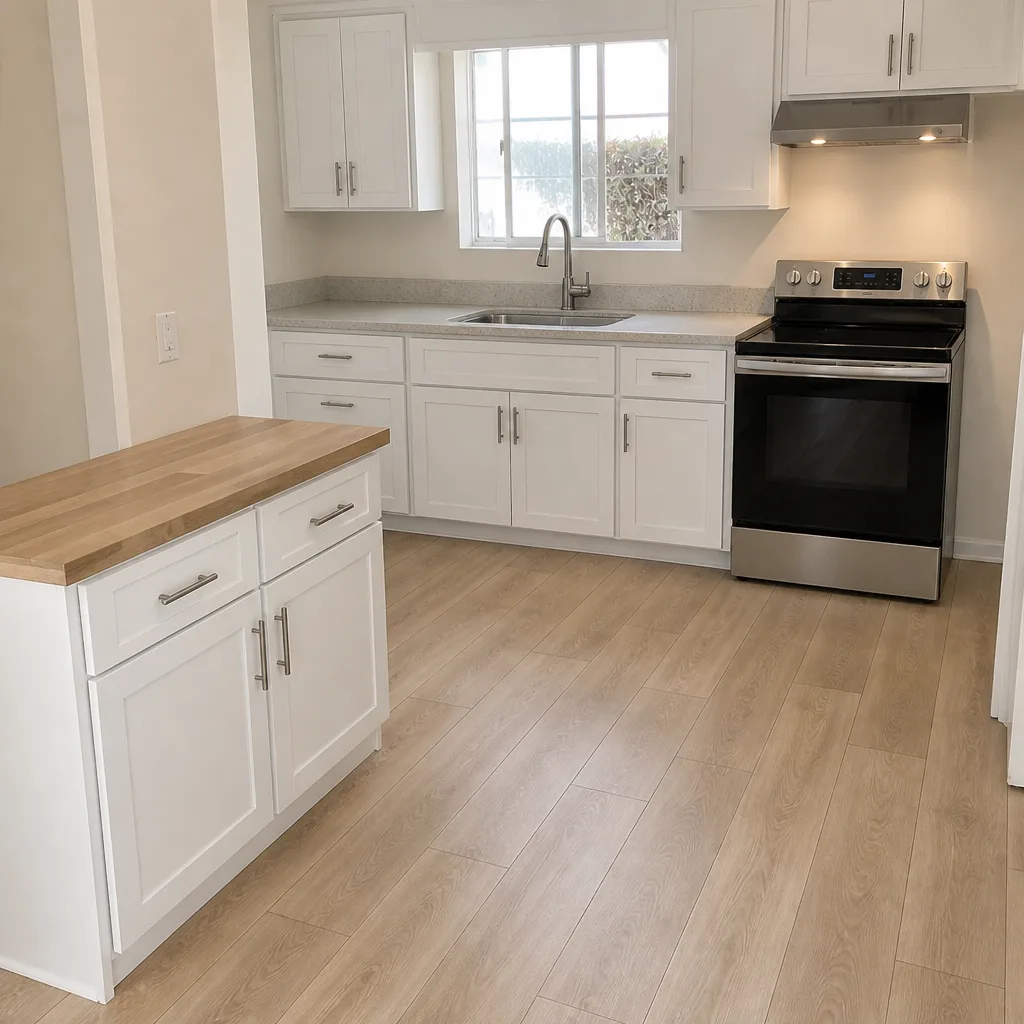 After
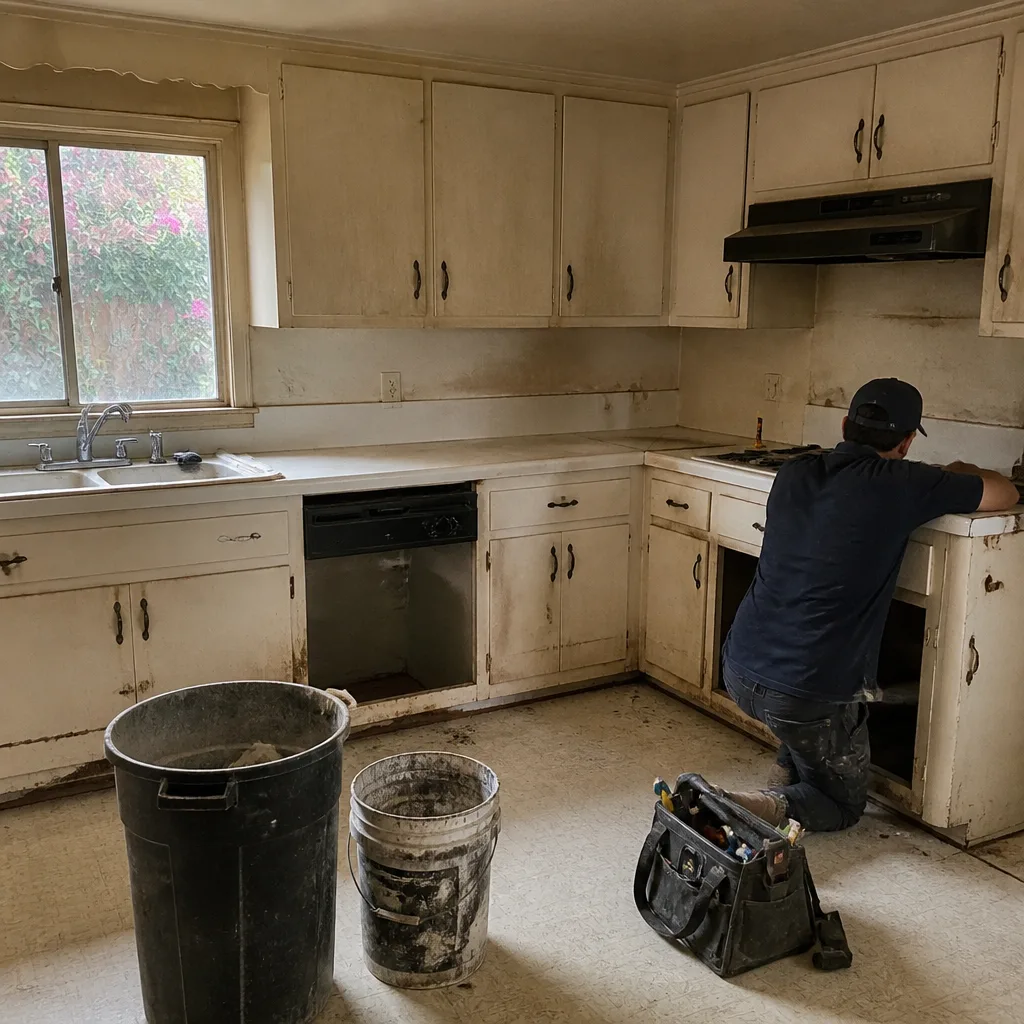 Before
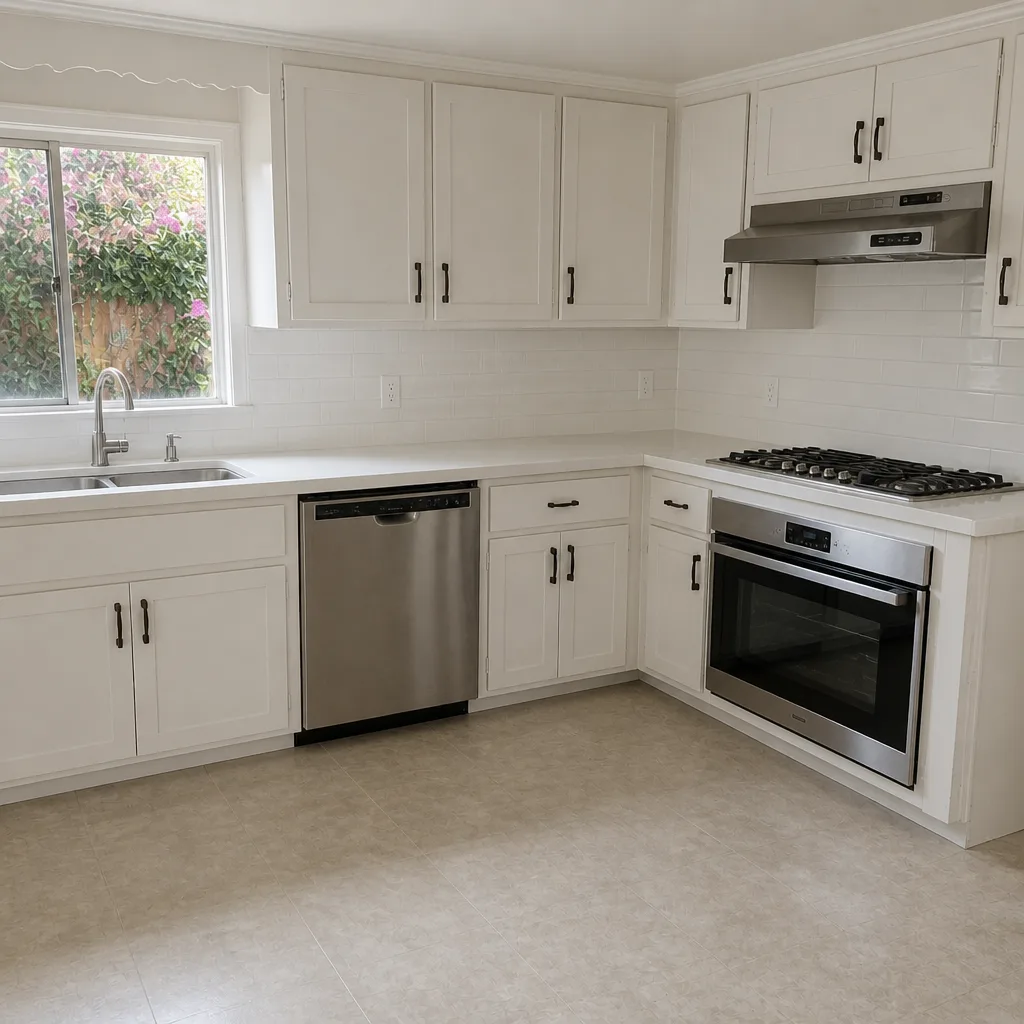 After
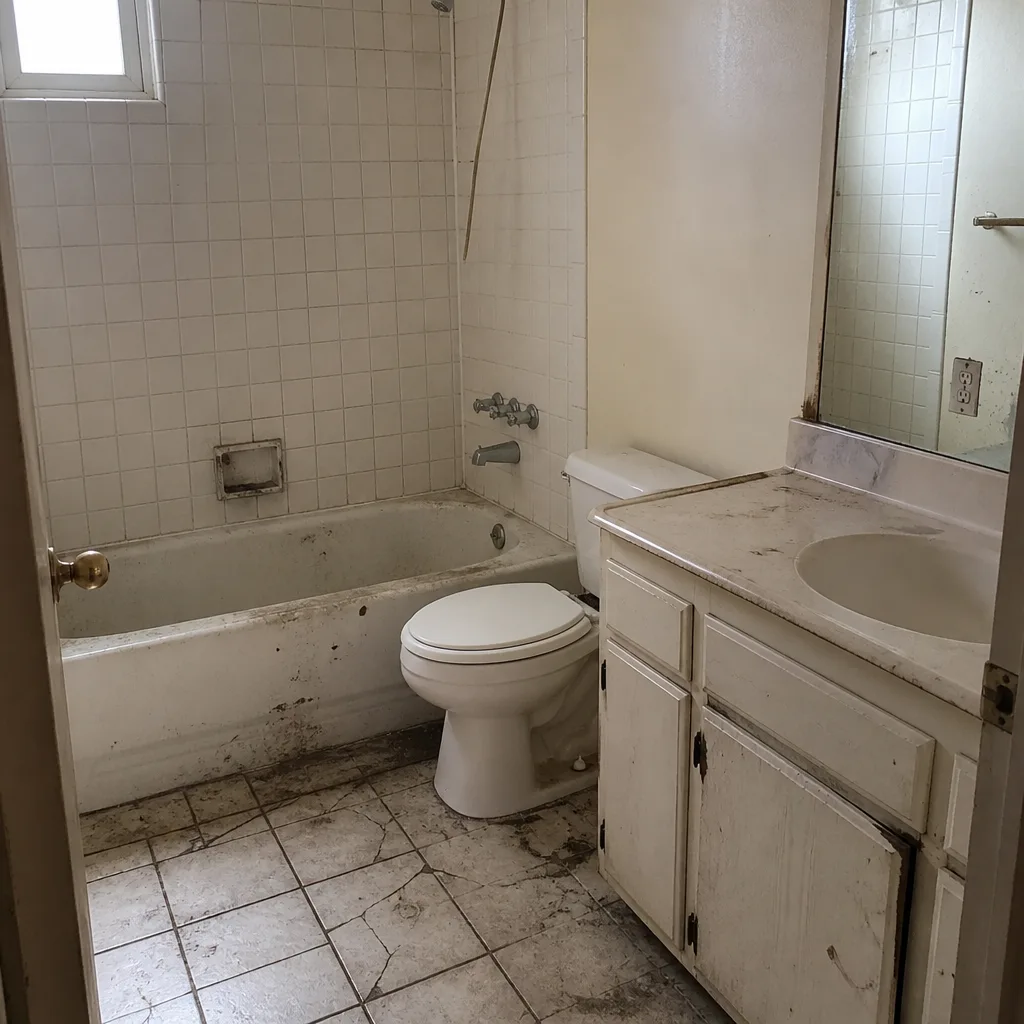 Before
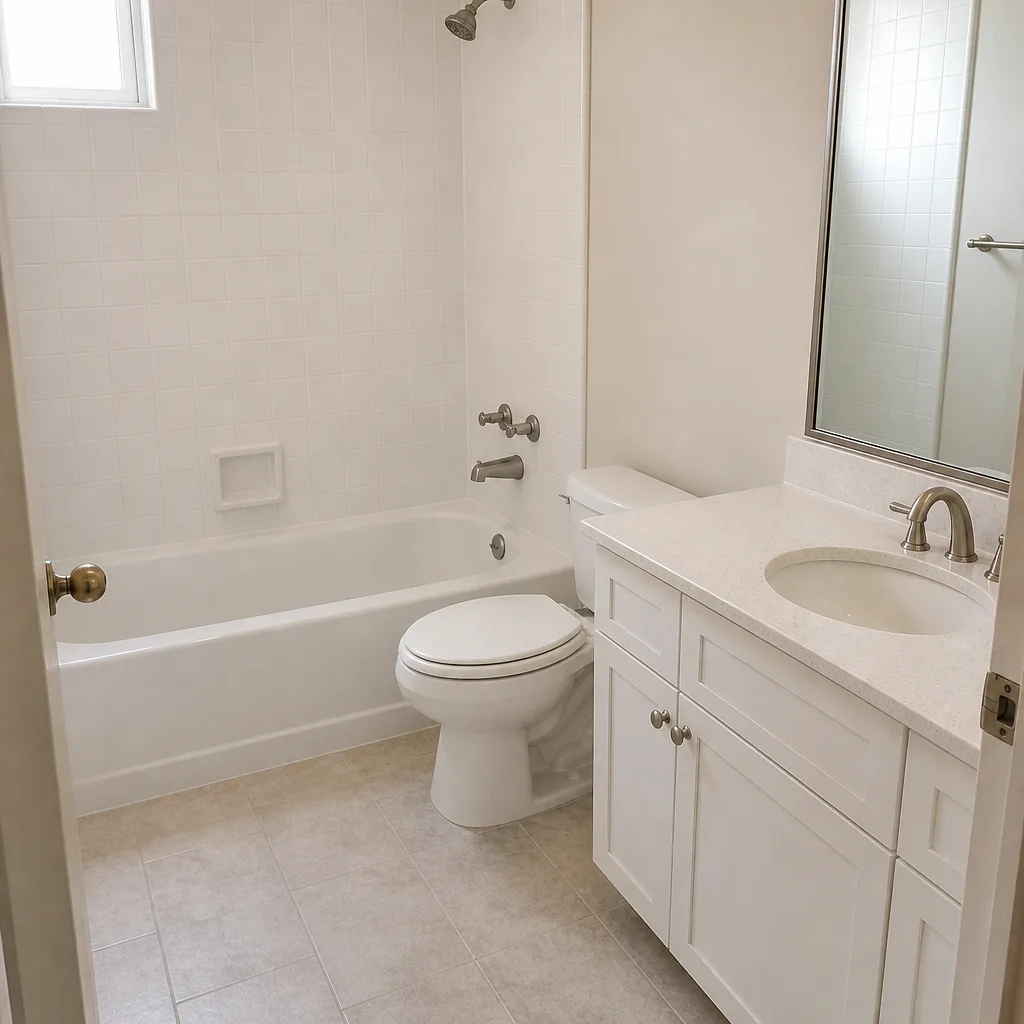 After
What Causes Roof Leaks in Newport Beach, CA
The most common cause of roof leaks in Newport Beach is a quarter-inch gap in step flashing where galvanized steel has corroded through – not a cracked shingle or a clogged gutter. Salt air from the harbor eats that metal slowly over 7 to 12 years, silently, then water finds the gap every time it rains. If your ceiling is staining on an otherwise intact roof, call Groundwork Construction Co. of Newport Beach at (833) 749-3967 and we’ll trace it to the actual failure point.
Here’s what that means in practice: the standard internet list of leak causes (missing shingles, blocked gutters, torn flashing) describes how roofs fail inland. Newport Beach roofs fail differently, and the difference matters because the repair is different too.
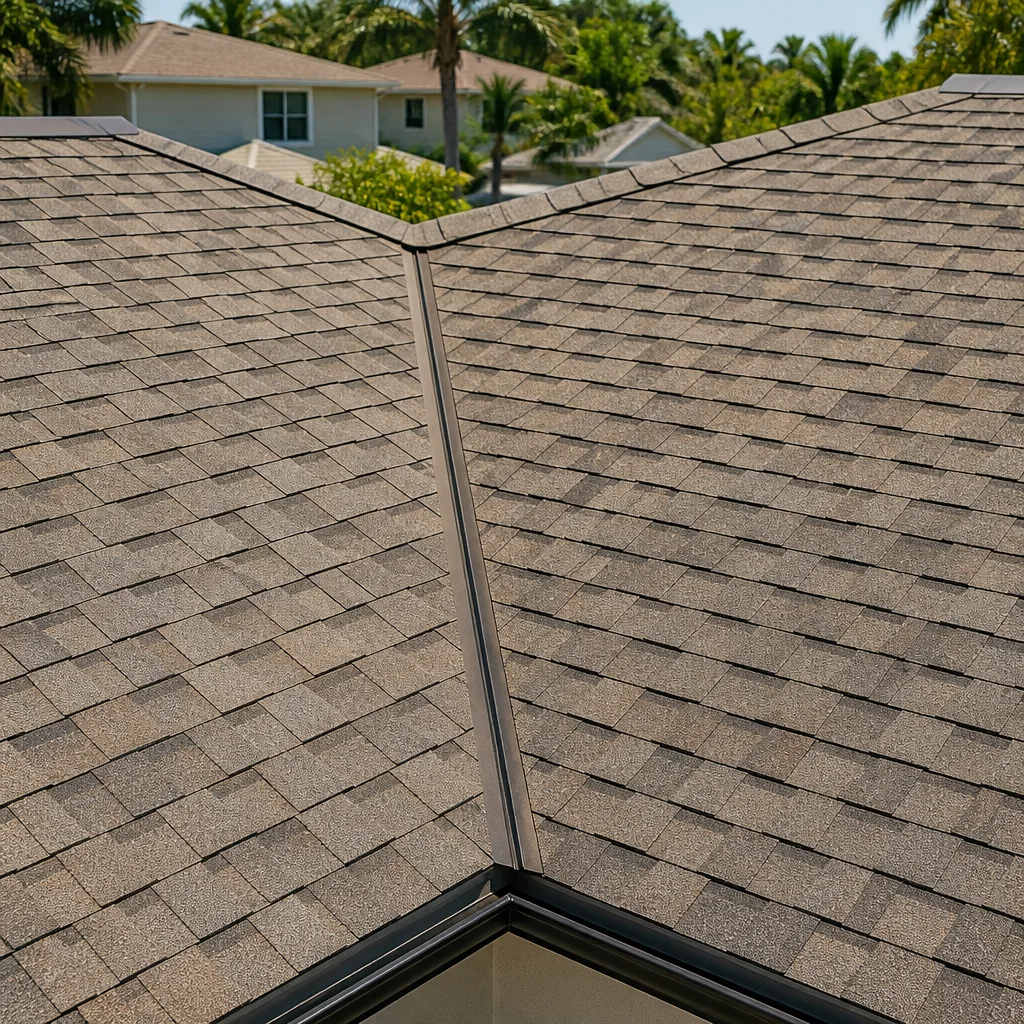
Salt air destroys metal flashing before shingles show wear
Any home within roughly a mile of the harbor lives with salt-laden air. That air attacks the galvanized steel flashing that seals the joints where roof planes meet, where pipes exit the deck, and where valleys channel water between sections. Corrosion starts as a surface dulling nobody sees from the ground. Then it pinholes. Then it opens.
We find these failures most often at three spots:
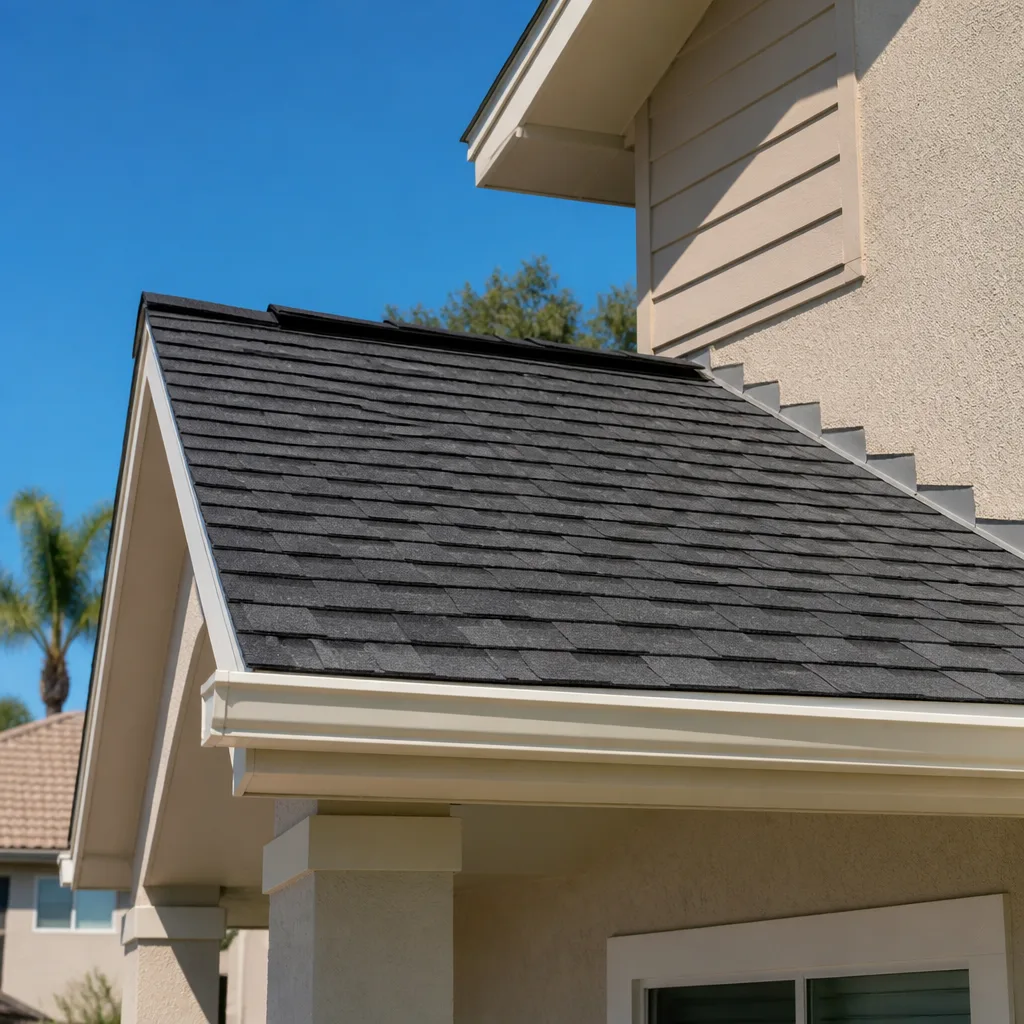
- Step flashing along walls and chimneys – the layered L-shaped pieces that tuck under shingles and against siding or masonry. Each corroded lap creates a place where wind-driven rain pushes sideways under the course above.
- Pipe boots – the rubber-and-metal collar around plumbing vents. The metal flange corrodes, the rubber cracks, and water runs straight down the pipe into the attic.
- Valley metal – the open channel where two roof planes meet. Salt corrosion thins the steel from the underside, where you can’t see it until it’s through.
None of this is visible from a ladder or a walk-around. A visual inspection finds intact shingles and declares the roof fine. The leak keeps coming back, and the homeowner gets told it’s “probably the shingles” – which leads to a partial reroof that solves nothing. Stainless steel flashing and marine-grade fasteners cost more up front, but coastal specification is non-negotiable here. That’s also why we specify material brands like Boral and PGT on coastal projects where the metal-to-moisture contact is constant.
Marine layer condensation wets the roof from underneath
Newport Beach roofs wet and dry every single day. The morning marine layer rolls in, condenses on the cool roof surface and inside the attic, and by afternoon it’s gone. Repeat that cycle for years on a roof without adequate ridge and soffit ventilation and the moisture never fully escapes.
What happens next depends on the roof assembly. On 1960s Peninsula ranch homes, original insulation is thin and there’s often no vapor barrier at all. That makes the roof sheathing the first cold surface moisture hits – so the plywood or plank deck absorbs the condensation, swells, and begins to rot from beneath. Meanwhile the shingles above still look serviceable. We’ve pulled shingles that looked fine and found sheathing you could push a screwdriver through.
This is the mechanism behind the leaks homeowners describe as coming “from nowhere.”
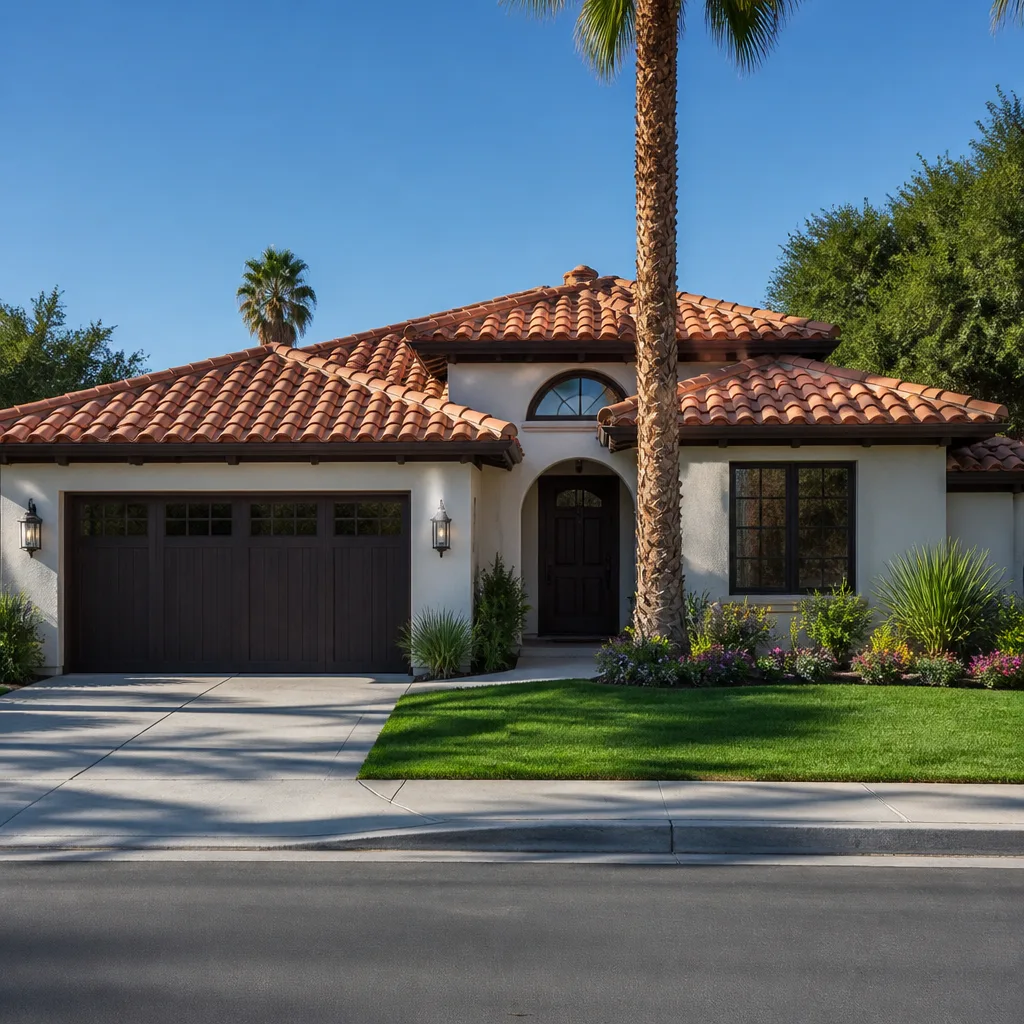
On the ocean side and in Dover Shores, the housing stock runs to custom Mediterranean estates with complex rooflines, multiple valleys, and skylights. Those roofs have many more metal-to-mortar and metal-to-tile interfaces – each one aging at a slightly different rate. A single compromised curb flashing at a skylight can redirect water into the ceiling assembly through a path that’s nearly impossible to trace without opening the flashing up and looking.
If you want the full picture of how we approach these repairs, our Roofing service page covers materials and scope. For a neighboring comparison, our Newport Beach service area page lists what we handle across the city.
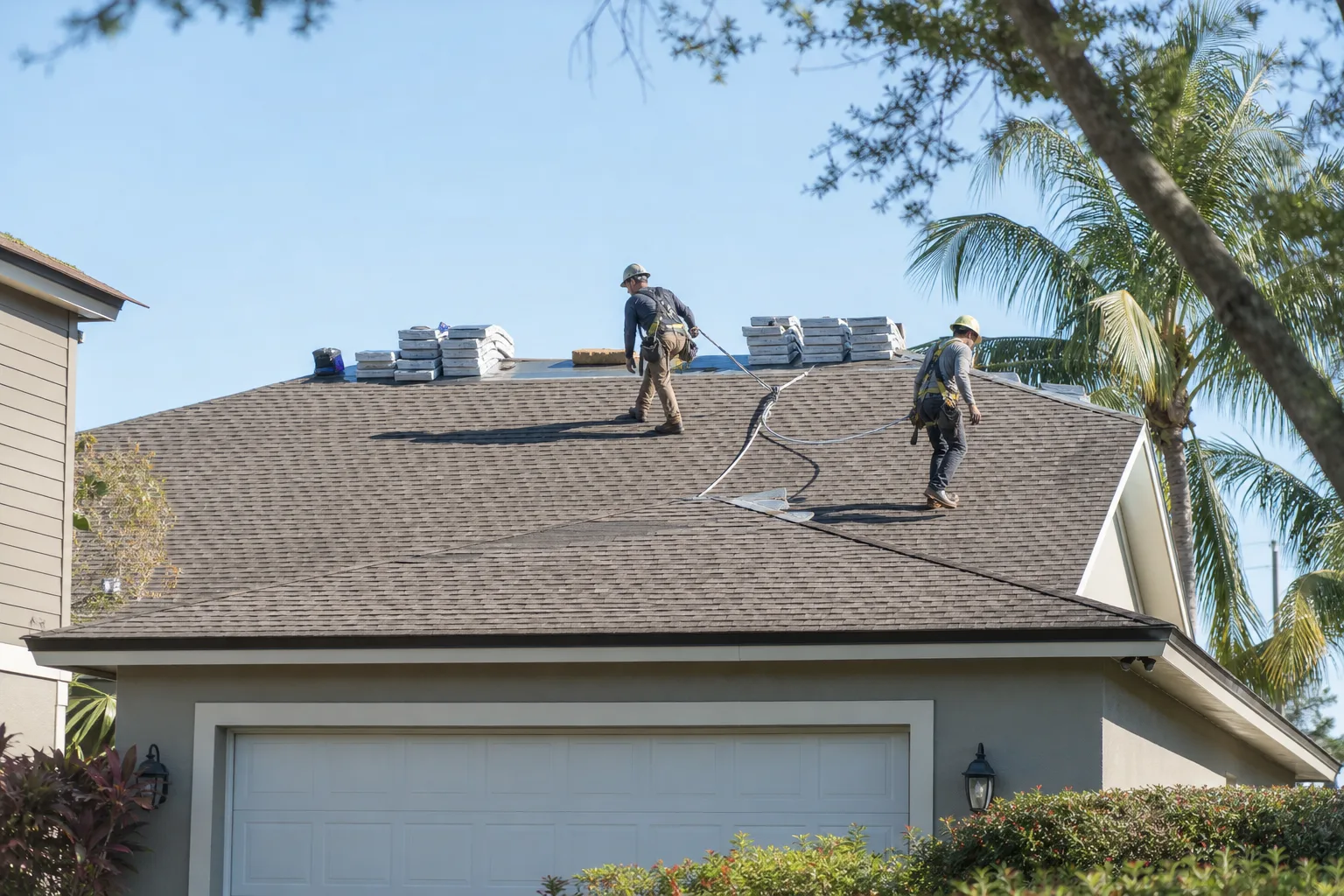
How our leak diagnosis differs from a visual inspection
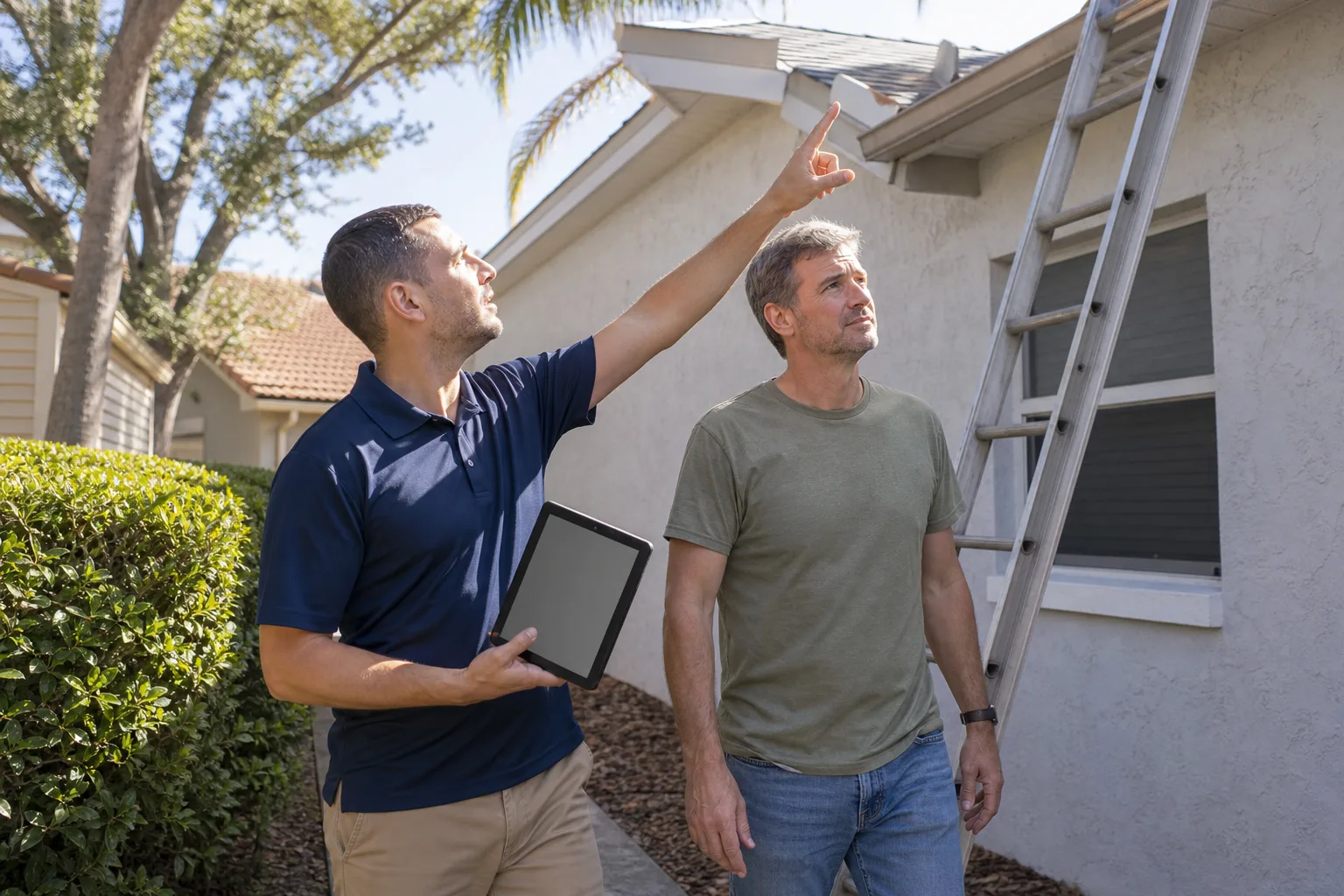
When our technicians open a roof, they document the cause. Written notes on every failure point, photographs of the corroded flashing or water-stained sheathing, and a plain-English explanation of what’s happening. You should know which component failed, why it failed, and what preventive maintenance will protect the roof over the next five years.
Here’s what typical leak-related repairs run in Newport Beach:
| Repair | Typical range |
|---|---|
| Roof repair (leak diagnosis + fix) | $400 – $1,800 |
| Tile roof repair | $600 – $2,500 |
| Roof replacement | $8,000 – $20,000 |
| Metal roof installation | $15,000 – $40,000 |
Our technicians bring up to 12 years of experience to each job, and every project carries the 730-Day Done Right Promise – if it’s not done right, we make it right. Calls are answered by a live person 24/7, so a leak that shows up Saturday night doesn’t wait until Monday. Upfront pricing means the number you see is the number you pay. And if a new roof is genuinely the right call rather than a spot repair, we offer 0% financing for 18 months and $1,000 off projects over $10,000.
When a leak needs a professional, not a bucket
A single seasonal drip in one spot is one thing. But on a coastal roof, water travels. By the time a ceiling stain shows, moisture has often been moving through the assembly for months – through sheathing, along rafters, and into insulation. That’s how a $600 flashing repair becomes a $14,000 deck replacement.
Three signs that call for a professional assessment rather than a wait-and-see:
- The same leak returns after a patch job (usually a misdiagnosed cause).
- You see staining on a ceiling below an intact-looking roof surface.
- You notice sagging, spongy sheathing in the attic, or a musty smell that doesn’t clear.
If you’re considering a wider renovation alongside roof work, our kitchen remodeling, bathroom remodeling, window replacement, or home additions and ADU teams coordinate with the roofing scope so you’re not managing multiple contractors. For coastal projects especially, coastal development permit conditions from the California Coastal Commission often shape what materials are allowed, which is one more reason to have the roof assessed before you finalize plans.
FAQs
Corroded step flashing is the leading cause of roof leaks on Newport Beach homes within roughly a mile of the harbor. Salt air attacks galvanized steel over 7 to 12 years until it pinholes through, and the failure stays invisible from ground level. Call (833) 749-3967 for a leak assessment – estimates are free.
Condensation from the marine layer is the usual answer. Newport Beach roofs wet and dry every day, and without ridge and soffit ventilation that moisture accumulates in the attic and rots the deck from beneath. The shingles look fine, but the sheathing underneath is saturated. Call (833) 749-3967 and we’ll assess the attic and deck on-site.
Yes – our calls are answered by a live person 24/7, and we can usually schedule an assessment quickly for active leaks in Newport Beach. We’ll trace the failure point, document the cause, and tell you whether it’s a targeted repair or a larger fix. Call (833) 749-3967.
Roof repair in Newport Beach typically runs $400 to $1,800, with tile roof repair at $600 to $2,500 depending on how many interfaces are compromised. Complex Mediterranean rooflines with multiple valleys and skylights usually land at the upper end. Call (833) 749-3967 for an exact quote – estimates are free.
If you’d rather have it looked at, Groundwork Construction Co. of Newport Beach offers a no-pressure assessment in Newport Beach – call (833) 749-3967. We’ll tell you what’s actually failing, document it, and give you a straight number on the fix.
Written by the team at Groundwork Construction Co. of Newport Beach, serving Newport Beach, CA.