Free written scope consultation - allowances, timeline, and change-order rules on paper before a single trade is scheduled
Styles & brands we work with
- Kitchen remodeling
- Bathroom remodeling
- Home additions & ADU
- Roofing
- Windows & doors
- Driveway & pavers
- Fence
See the difference
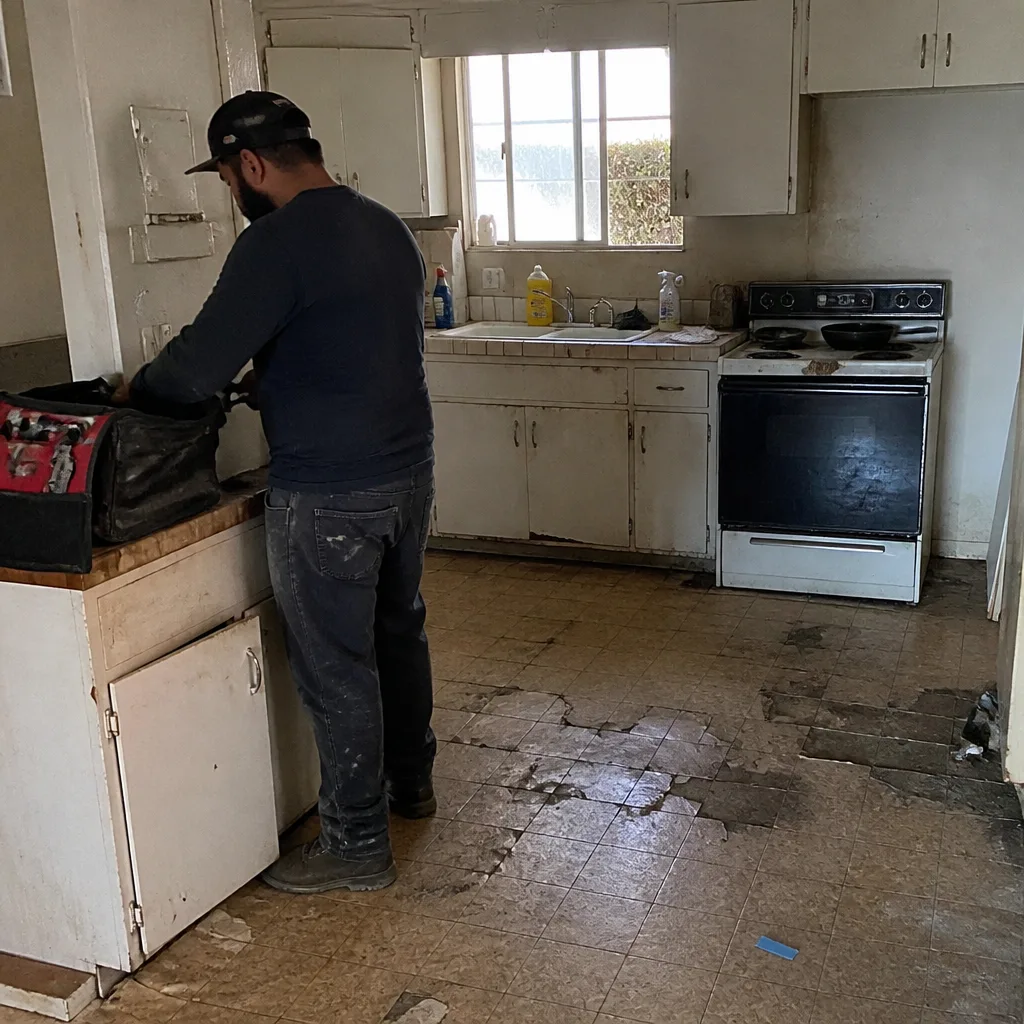 Before
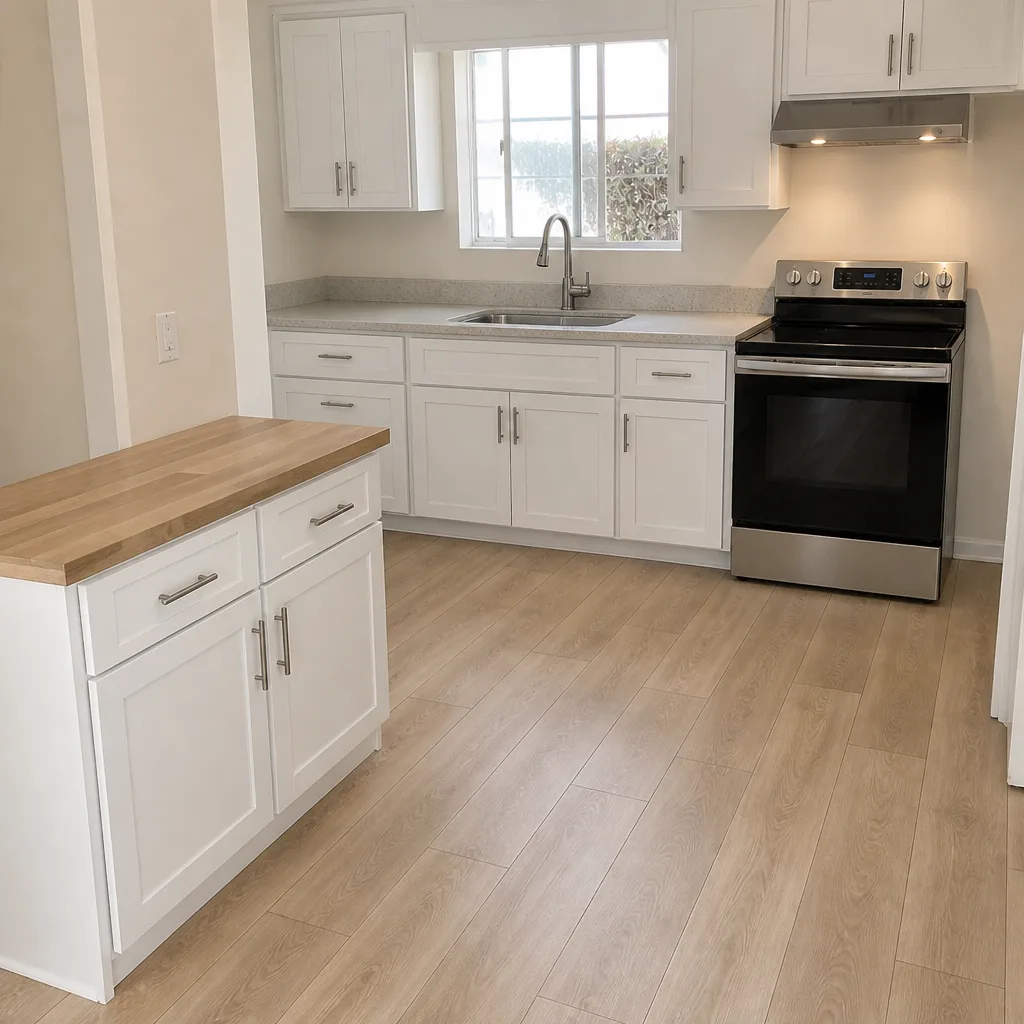 After
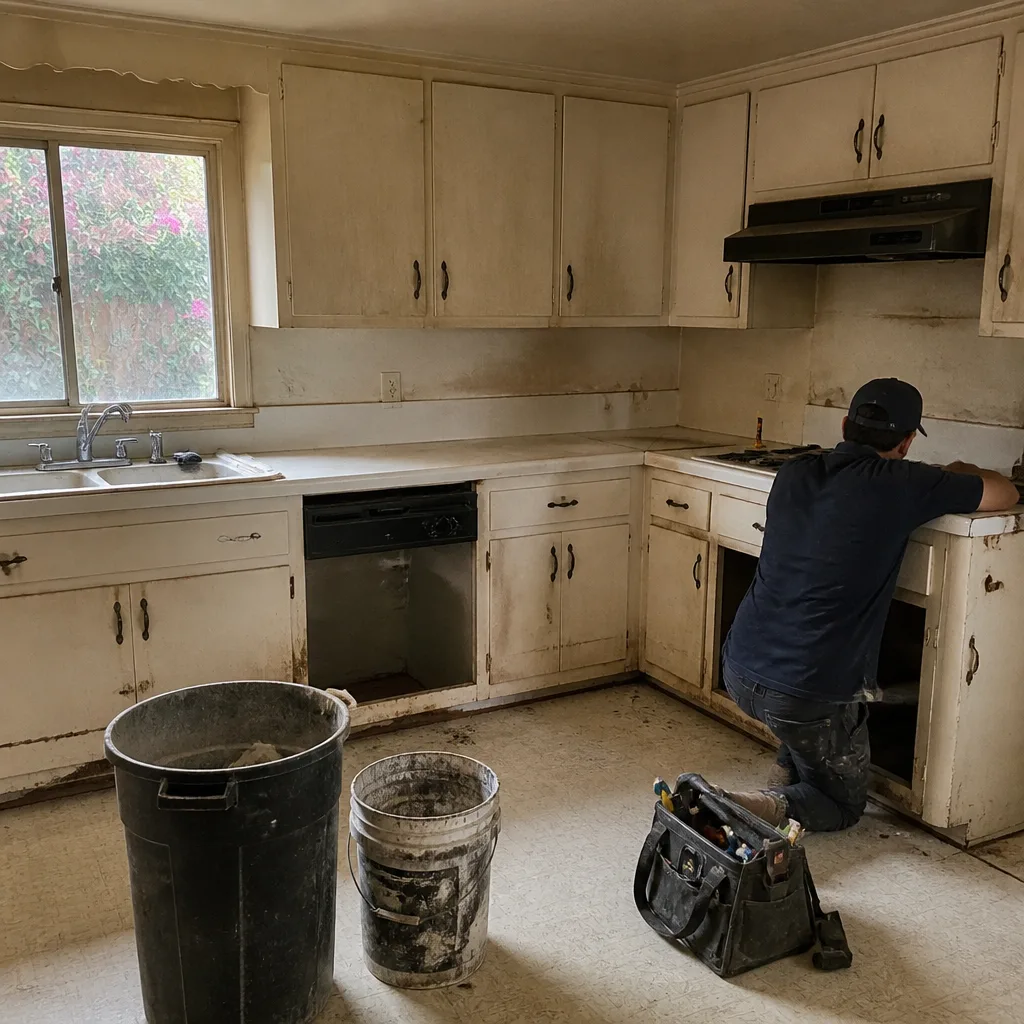 Before
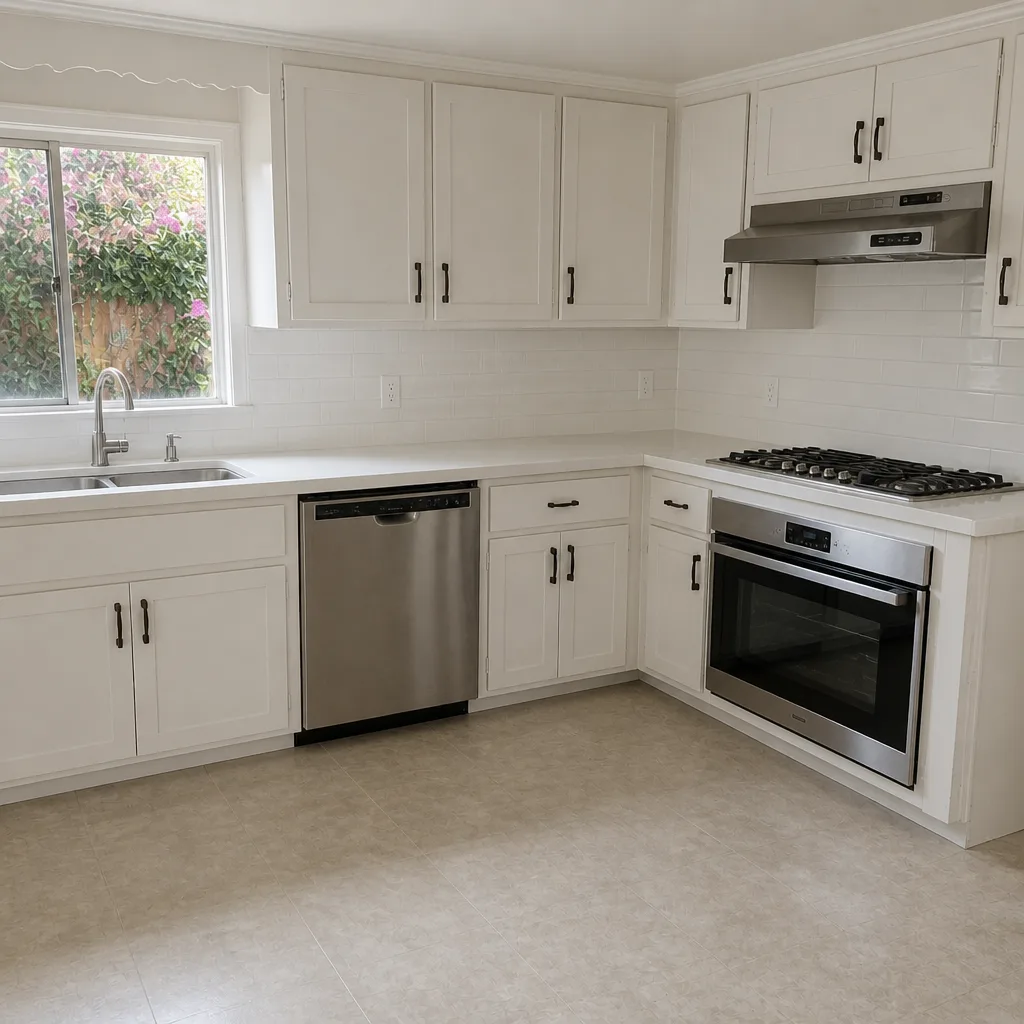 After
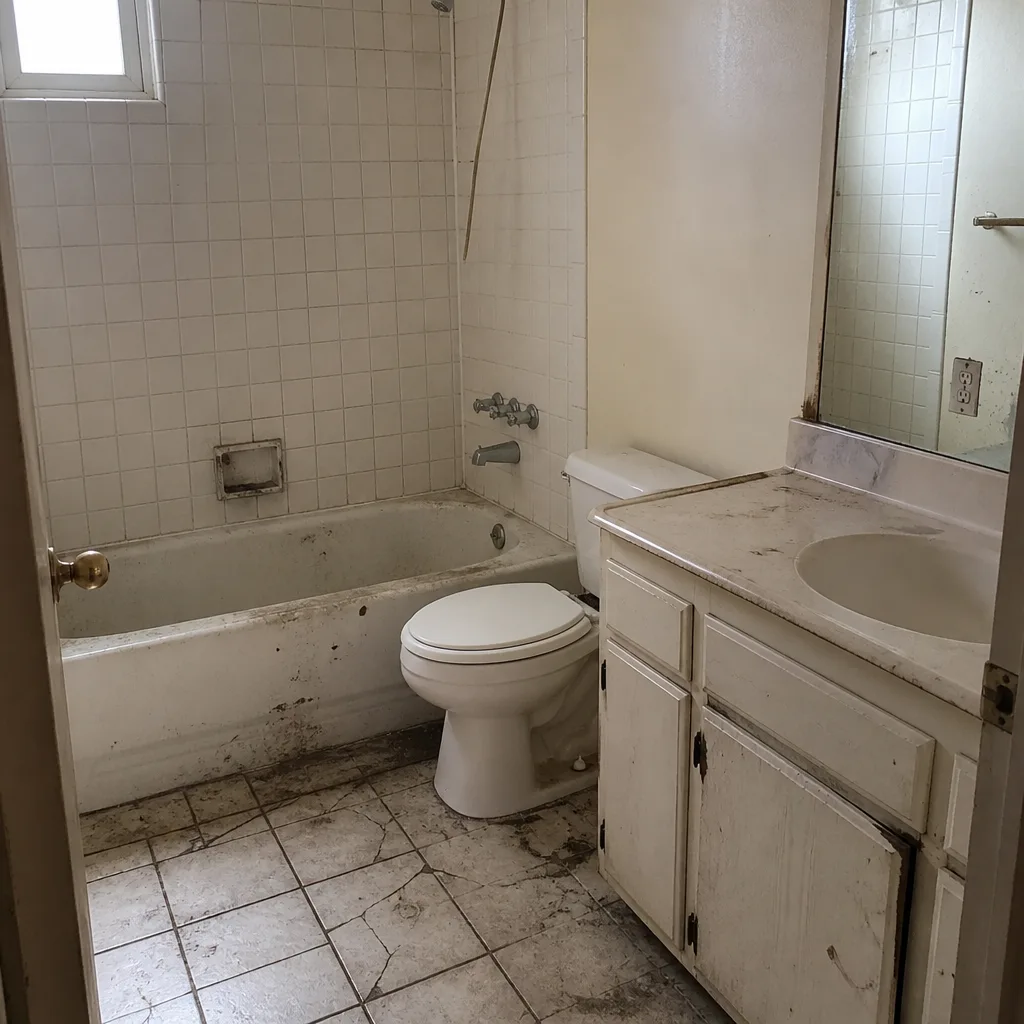 Before
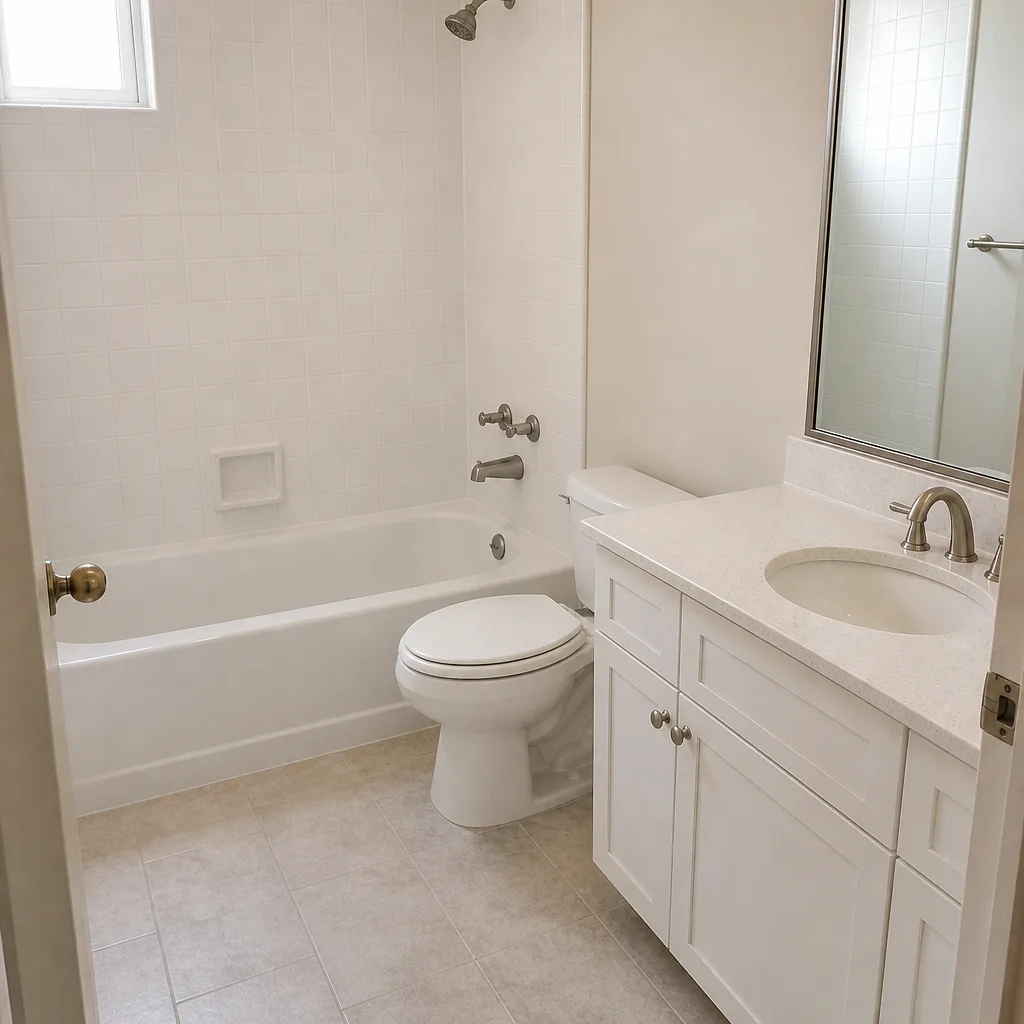 After
What Is a Junior ADU in Newport Beach? The Honest Answer for Mid-Century Homes
A junior ADU, or JADU, is a unit of 500 square feet or less created inside the walls of an existing single-family home. It needs an efficiency kitchen, a separate entrance (which can be a shared hallway door), and the property owner must live on the parcel as their primary residence. That’s the legal definition. In Newport Beach, though, the definition is the easy part. The hard part is that the room you want to convert may have never been legally permitted in the first place. If you’re weighing a JADU against a full build, call (833) 749-3967 and we’ll walk you through which path fits your property.
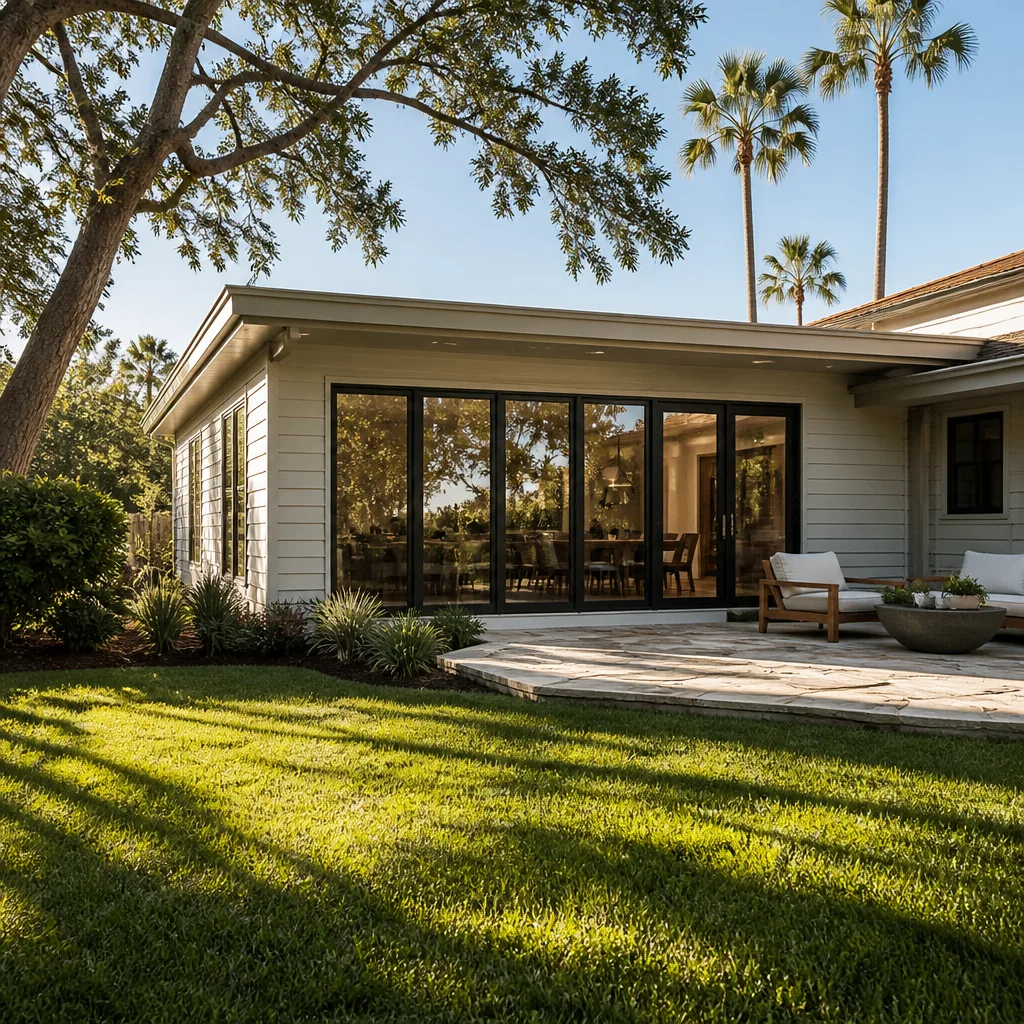
Why Newport Beach JADUs Are Usually a Code-Compliance Project First
Here’s the part most explainers skip. A JADU has to be carved from existing space, which means the space has to actually count as legal, permitted square footage before the city will let you re-permit it as a JADU. And in Newport Beach’s older housing stock, a lot of that “existing space” was never legal to begin with.
The peninsula’s bay side is full of 1950s and 1960s ranch homes. Over the decades, many of those properties picked up a converted garage, an enclosed patio, a bonus room, or a “den” that got finished out without a permit. On Balboa Island, we regularly see original 1920s-1940s cottages where additions and enclosures happened piecemeal over three generations. Nobody was trying to break the rules. They were just doing what homeowners did in 1962.
Fast forward to today, and that history becomes your first line item. Before a converted garage can be designated a JADU, it usually has to be retroactively permitted and brought to current code: proper ceiling height, egress, insulation, electrical, plumbing, and fire separation from the main house. That legalization work is its own scope, and it has its own inspection sequence. Homeowners who budget for “a kitchenette and a bathroom” and skip this step are the ones who get stuck three months in. Understanding this before you start is the single biggest thing you can do to keep a JADU project on budget.
JADU vs. Standard ADU: What’s Actually Different?
The clean way to think about it: a JADU is carved from space that already exists inside the house. A standard ADU is a fully independent unit, whether that’s a detached structure, an attached addition, or a converted space with its own full kitchen and dedicated utility service. That distinction matters more in Newport Beach than in most cities, because the California Coastal Commission’s development permit conditions and the city’s “Bayfront” and “Oceanfront” zoning overlays don’t treat the two the same way. A JADU built from interior space usually faces a lighter coastal review than a new detached structure, but the analysis still depends on where the parcel sits and how the unit connects to the main residence.
Plain-language comparison of what actually changes on your property:
- Size: A JADU maxes out at 500 square feet. A standard ADU is limited by lot coverage and zoning, which is why full builds routinely run 800-1,200 square feet.
- Kitchen: A JADU needs only an efficiency kitchen (small sink, cooktop, fridge, limited counter). A standard ADU needs a full kitchen.
- Entrance: A JADU can share an entrance hallway with the main house. A standard ADU needs its own exterior entrance.
- Bathroom: A JADU can share a bathroom with the main house in some configurations. A standard ADU must be self-contained.
- Owner-occupancy: Required on the parcel for a JADU. Not required for a standard ADU under current state law.
- Coastal review: Treated differently, and the difference depends on your specific zoning overlay.
If your project is leaning toward a fully independent unit, our Home Additions & ADU in Newport Beach page walks through detached builds, additions, and coastal permit sequencing in more detail. Most Newport Beach homeowners end up choosing between the two paths based on one question: do you want to rent this unit, or house a family member?
The Owner-Occupancy Rule Is a Real Constraint Here
We’ll be blunt about this one. A JADU requires that you live on the parcel as your primary residence. Newport Beach has an unusually high share of second homes and investment properties, especially in Dover Shores, on the ocean side of the peninsula, and along the bayfront. If you bought the property as a vacation home or a rental, a JADU isn’t available to you as a legal path until you change your occupancy status. A standard ADU doesn’t carry that restriction under current state law, which is often why an investor chooses the larger build even though the JADU is cheaper on paper.
For a homeowner who does live on-site, the math works differently. A JADU is the least expensive way to add a legal rentable or family-housing unit to a Newport Beach property, because you’re not paying to build new exterior walls or a new roofline. You’re paying to legalize and finish the space you already have.
What Does a Newport Beach JADU Cost?
Junior ADU conversions in Newport Beach typically run $45,000-$130,000, and the spread is wider than it looks because legalization work varies so much from one property to the next. A bay-side ranch home with a permitted garage and clean records sits near the bottom. A Balboa Island cottage with an unpermitted enclosure, marginal framing, and original copper plumbing sits near the top. For context, a full ADU construction project in Newport Beach runs $90,000-$220,000, which is the comparison most homeowners actually want to make.
| Line item | Typical Newport Beach range |
|---|---|
| JADU conversion (all-in, clean existing space) | $45,000-$80,000 |
| JADU conversion (with legalization of unpermitted space) | $75,000-$130,000 |
| Garage conversion (standalone scope) | $30,000-$80,000 |
| Full ADU construction (for comparison) | $90,000-$220,000 |
| Home addition (for comparison) | $45,000-$130,000 |
Material choice moves these numbers too. Salt air and the morning marine layer corrode metal fasteners and exterior finishes faster here than inland, so we spec stainless steel hardware and marine-grade coatings on exterior-facing assemblies even on a small conversion. That’s not upselling. It’s the difference between a door that still closes in year five and one that doesn’t. We pair those specs with brands like Therma-Tru for entry systems and ES Windows when a JADU needs new exterior glazing, and our Home Additions & ADU work follows the same standard across every project scope.
Standing offers apply to JADU projects like any other: $1,000 off projects over $10,000, 0% financing for 18 months, and a free project estimate and design consult. You get an upfront number before work starts, and the number you see is the number you pay.
What Living Through a JADU Build Actually Looks Like
You’re living in the house while we cut into it. That’s different from a detached build, and it’s why we run JADU projects with background-checked, uniformed technicians and a clear daily site protocol. Calls are answered by a live person, 24 hours a day, so when a question comes up on a Saturday, you aren’t leaving a voicemail and waiting until Monday. Our technicians have up to 12 years of experience, and every project is backed by our 730-Day Done Right Promise: if it’s not done right, we make it right. That guarantee covers the finish work, the plumbing, the electrical rough-in, and the legalization scope behind it. For a project that involves opening up the walls of your occupied home, having a real person accountable at every step is the whole point.
FAQs
A junior ADU is a unit of 500 square feet or less created within the existing walls of a single-family home, with an efficiency kitchen, a separate entrance, and owner-occupancy required on the parcel. It’s defined by state law, and cities like Newport Beach apply that definition through local permitting. If you want to know whether your specific space qualifies, call (833) 749-3967 for a free assessment.
Yes, but the unpermitted space has to be legalized first, and that legalization is its own permitting process. In Newport Beach’s 1950s and 1960s housing stock, we see unpermitted garage conversions, enclosed patios, and bonus rooms regularly. The space gets inspected, brought to current code for egress, ceiling height, fire separation, and utilities, then re-permitted as a JADU. Expect that step to add real cost to the project, and budget for it before you start. Call (833) 749-3967 and we’ll scope it accurately.
Yes. Owner-occupancy is required on the parcel for a JADU, and it’s a genuine constraint for second-home owners and investors. Newport Beach has a high share of non-primary residences on the peninsula, in Dover Shores, and along the bayfront. If you don’t live on-site, a standard ADU is the path that fits. Call (833) 749-3967 to talk through which option matches your situation.
Usually yes. JADU conversions run $45,000-$130,000 in Newport Beach versus $90,000-$220,000 for standard ADU construction, because you’re reusing existing walls and rooflines. The gap narrows when the existing space needs legalization work. Call (833) 749-3967 for a free estimate that separates the legalization scope from the conversion scope, so you can see exactly where your money is going.
If you’d rather have it looked at, Groundwork Construction Co. of Newport Beach offers a no-pressure assessment in Newport Beach - call (833) 749-3967. We’ll confirm what’s permitted on your parcel, walk the existing space, and give you a written scope with upfront pricing before any work begins. For a project this dependent on what’s already in the walls, the site visit is worth more than any article. You can also start with our home page to see the full range of what we build.
Written by the team at Groundwork Construction Co. of Newport Beach, serving Newport Beach, CA.