Free written scope consultation - allowances, timeline, and change-order rules on paper before a single trade is scheduled
Styles & brands we work with
- Kitchen remodeling
- Bathroom remodeling
- Home additions & ADU
- Roofing
- Windows & doors
- Driveway & pavers
- Fence
See the difference
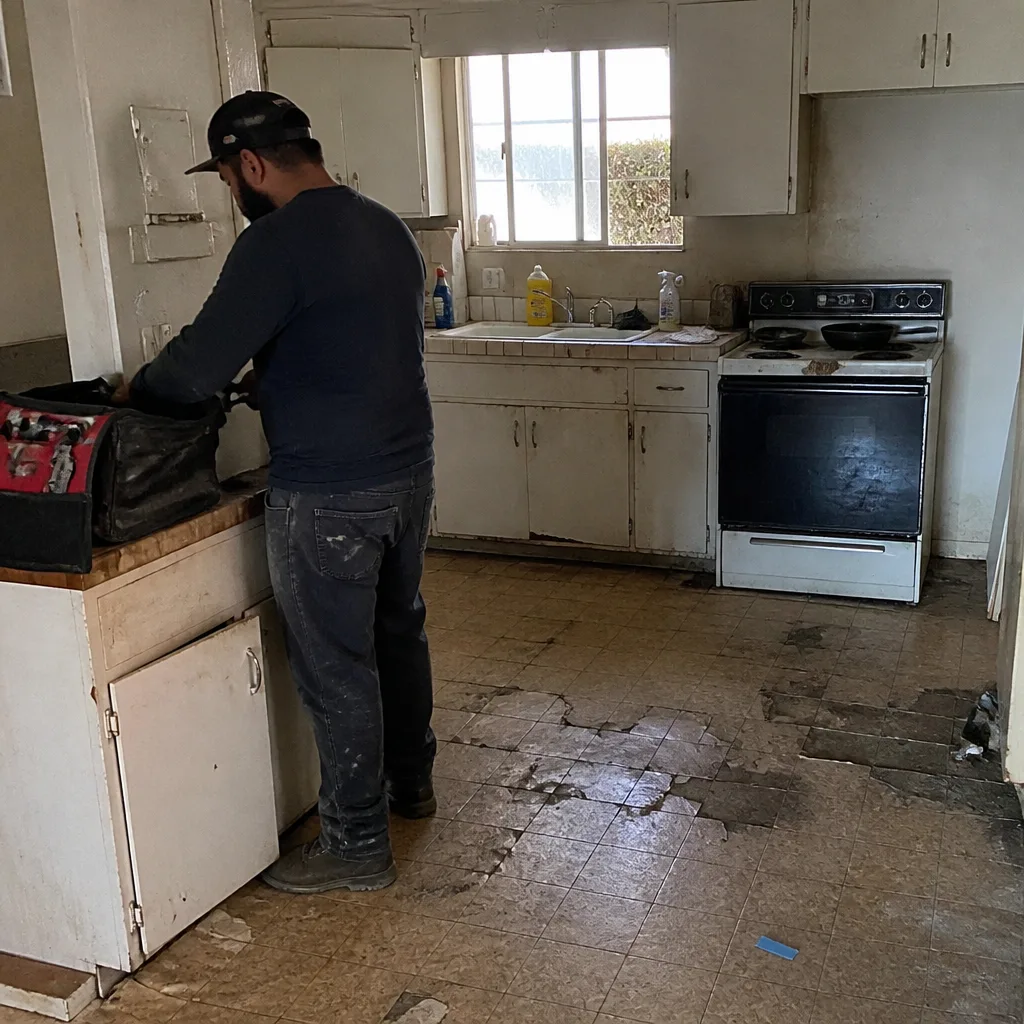 Before
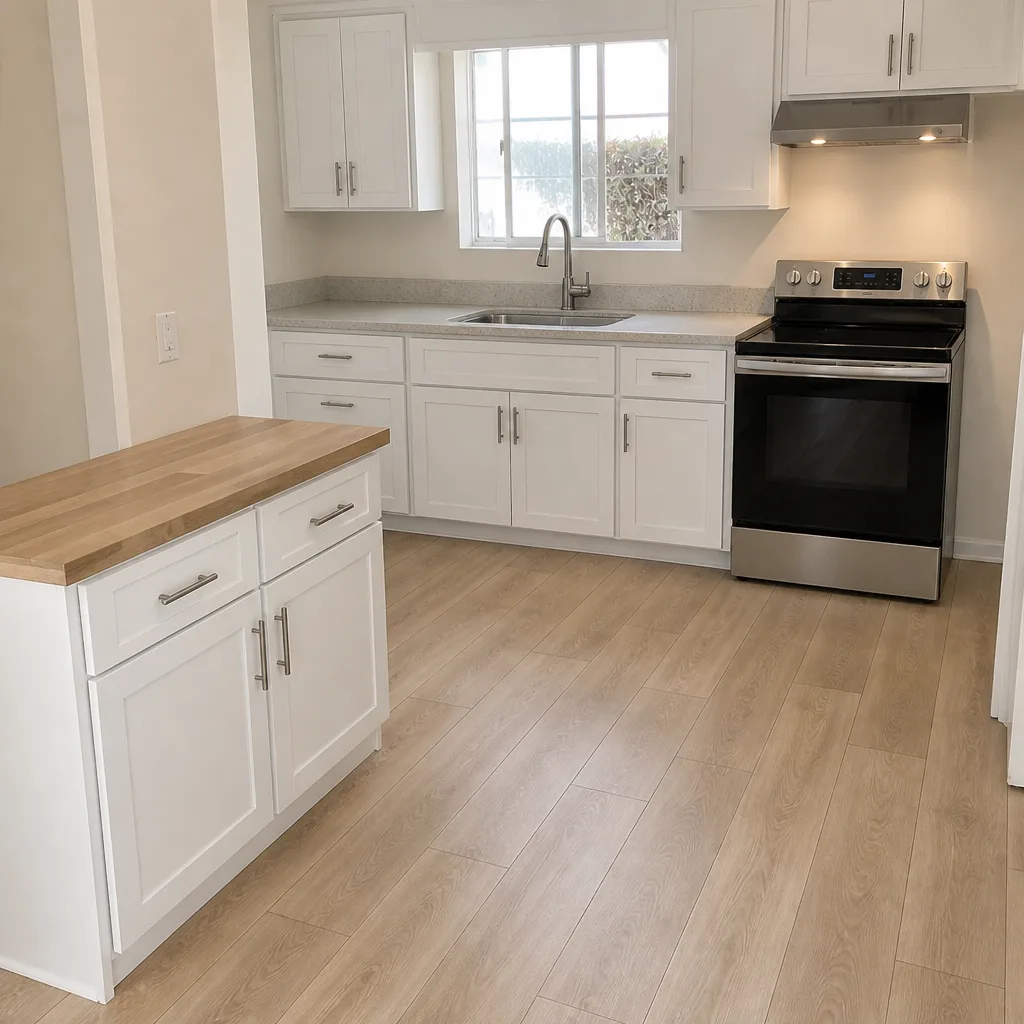 After
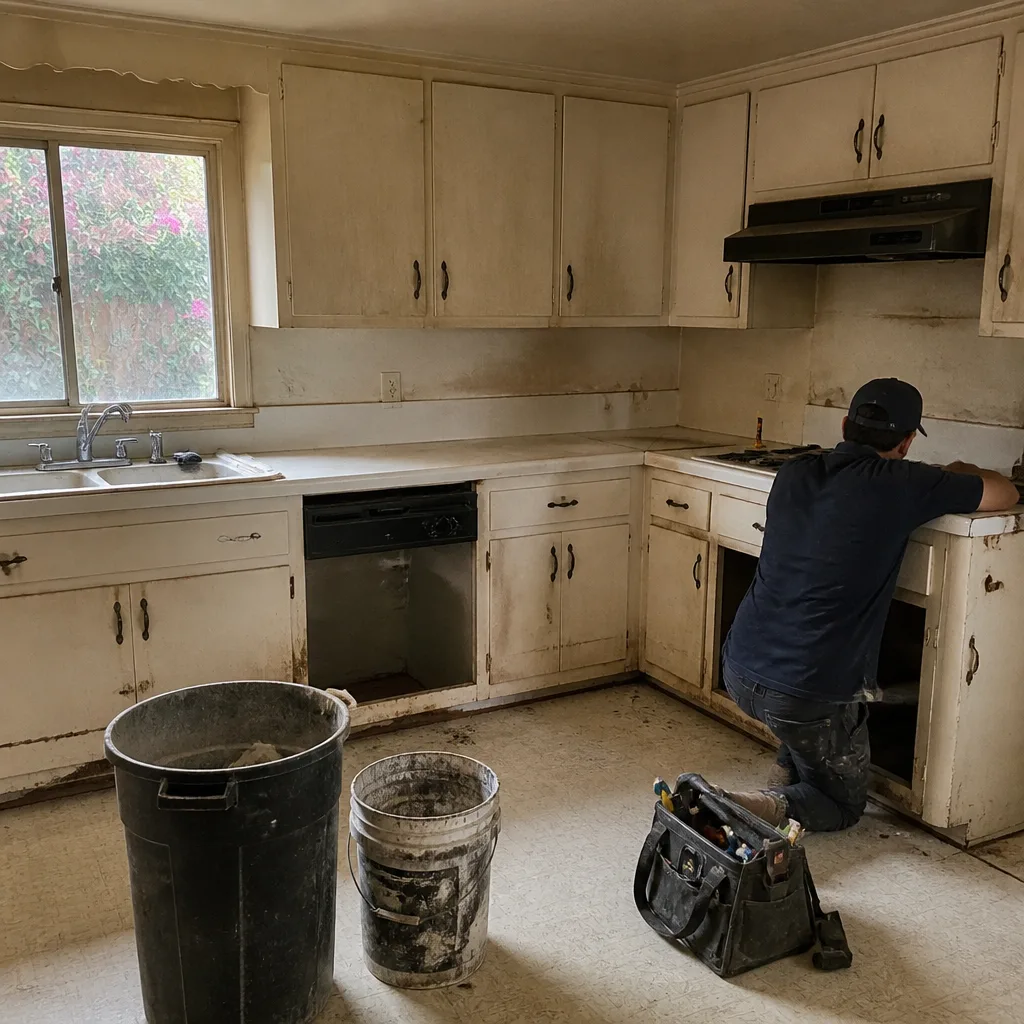 Before
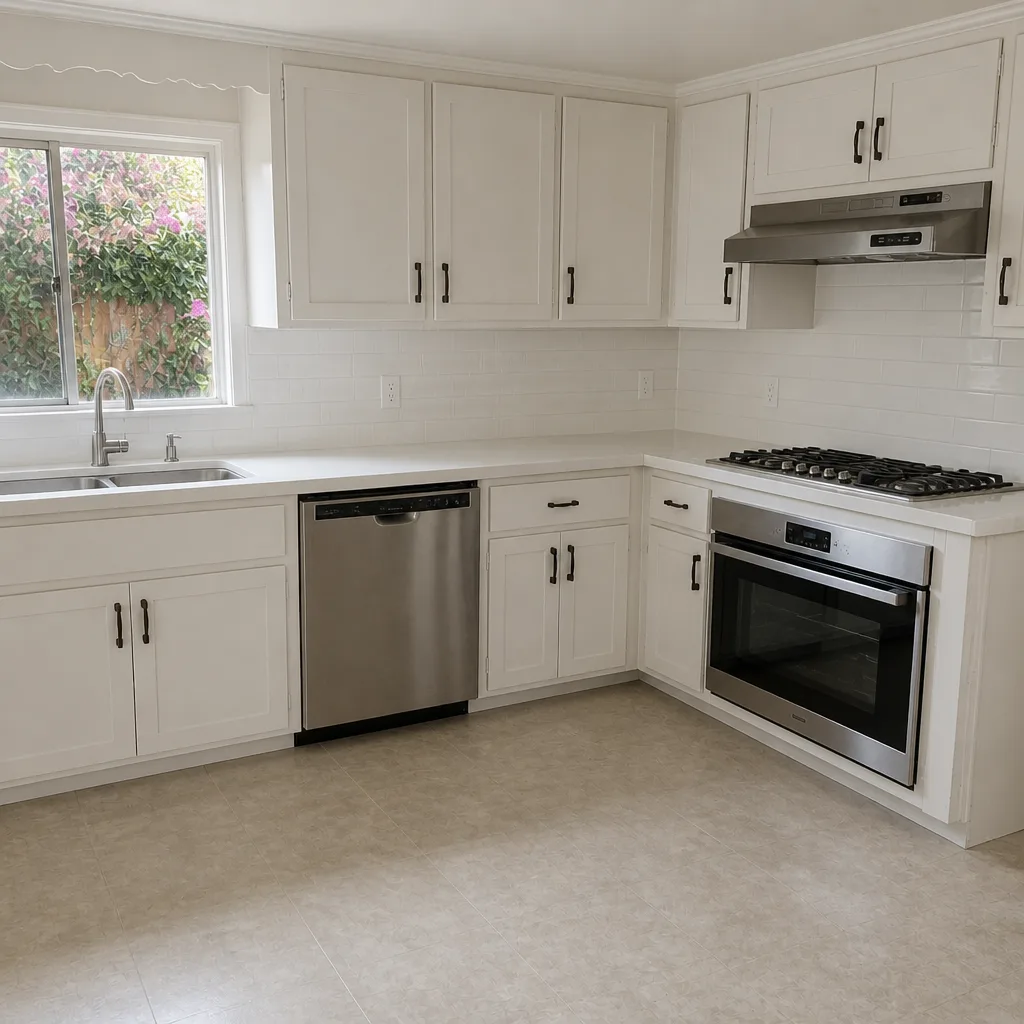 After
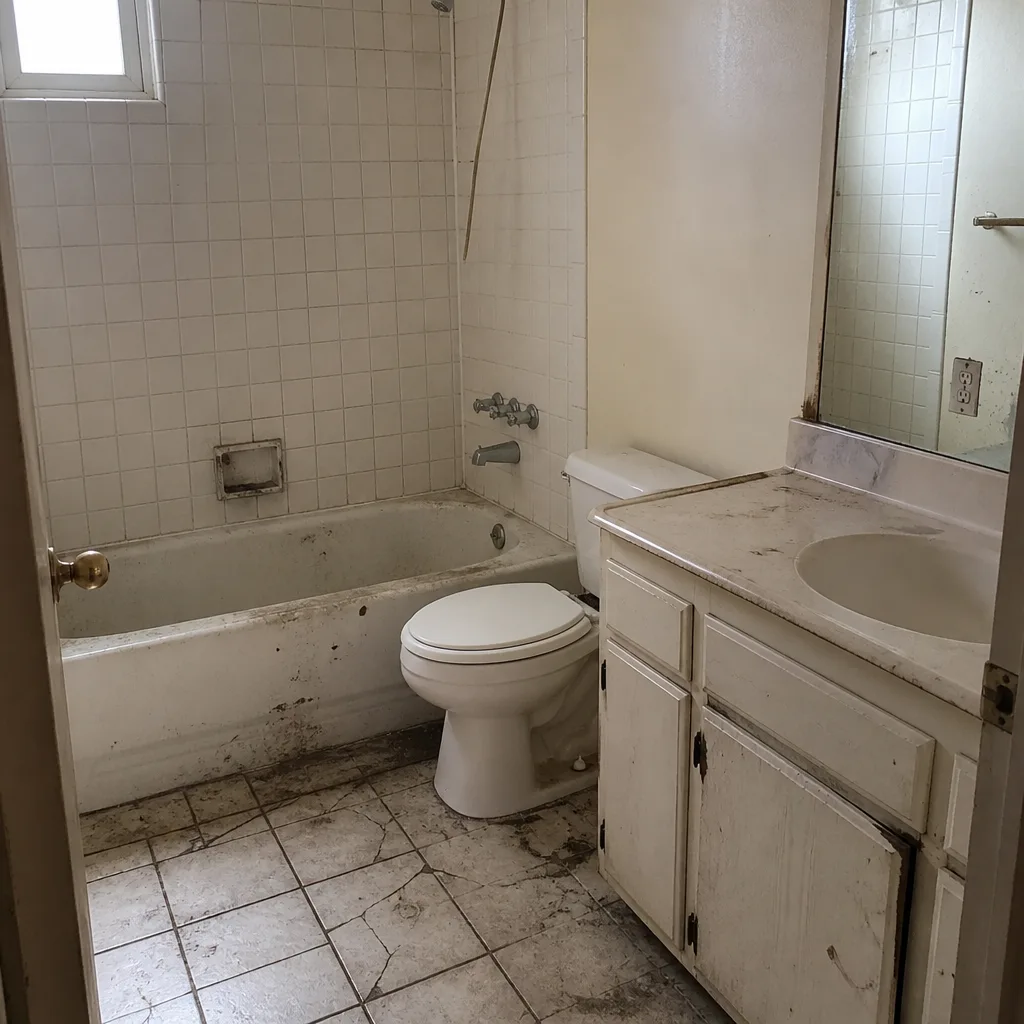 Before
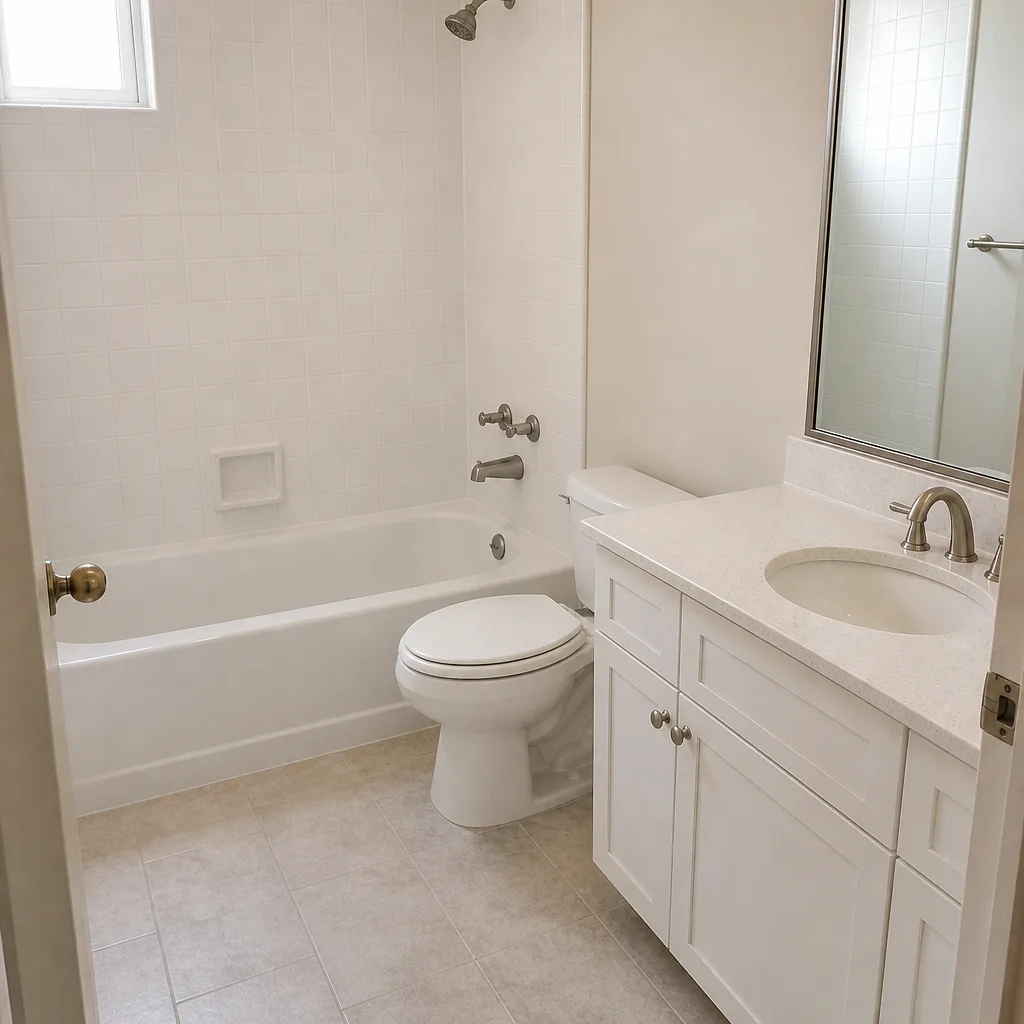 After
What Is Low-E Glass? The Newport Beach Answer Most Guides Get Wrong
Low-E glass is window glass with an invisible metallic oxide coating that reflects heat radiation while letting visible light through. That’s the textbook answer. The Newport Beach answer is that the coating has to be matched to the direction a window faces and to the marine air around it, or you end up reflecting the wrong thing. On a west-facing oceanview wall in Dover Shores or along the blufftop streets above Corona del Mar, a poorly specified Low-E coating can dim the very sunset the house was bought for. Get the spec right and the glass does real work: it cuts afternoon heat, holds warmth on cool marine mornings, and protects the view. Want a second set of eyes on a glazing plan? Call Groundwork Construction Co. of Newport Beach at (833) 749-3967.
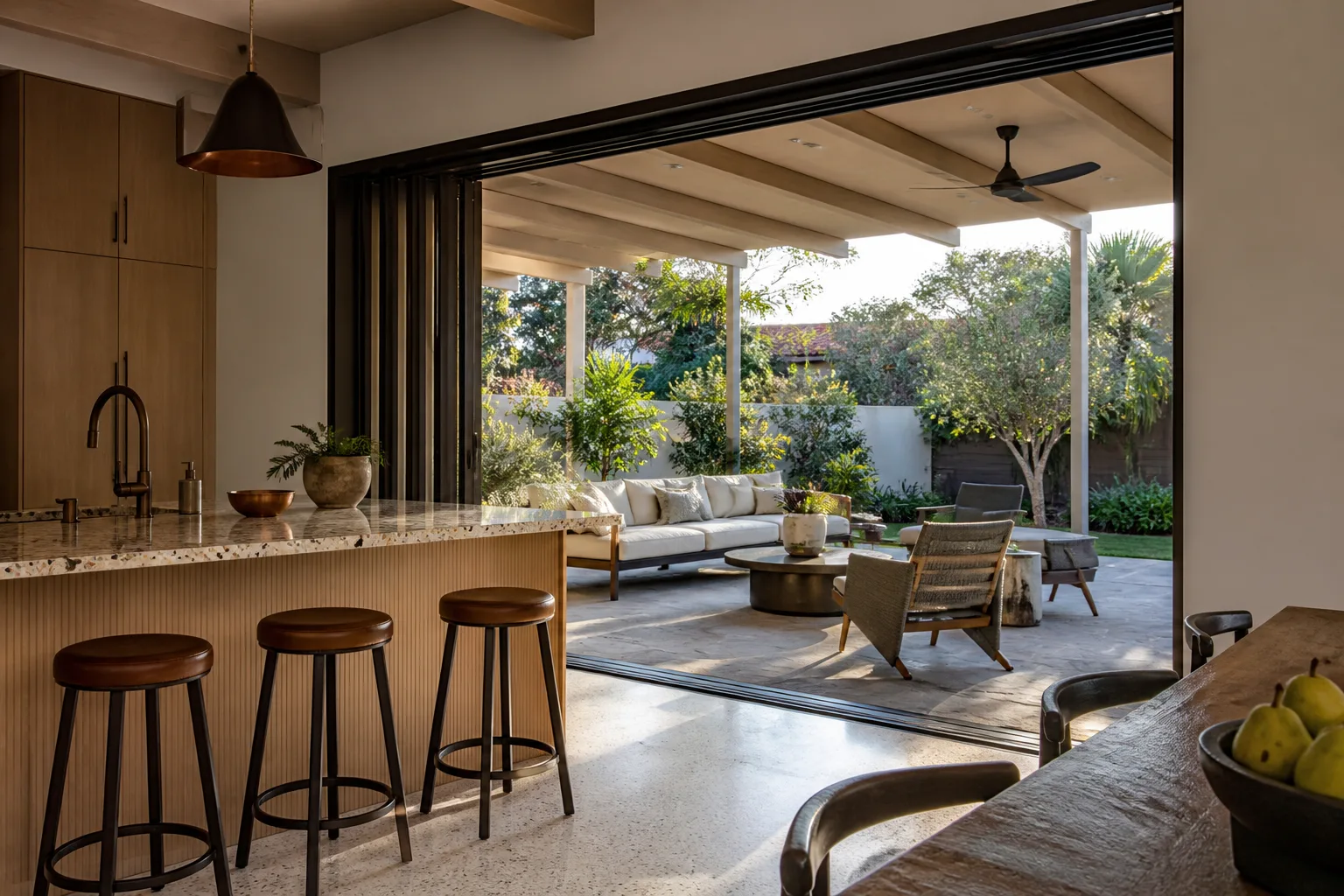
How low-E coatings work, in plain language
Glass on its own is a poor insulator. Heat moves through it in two directions: solar radiation pushes inward from the sun, and indoor warmth leaks outward. A low-E coating interrupts both. It’s a microscopically thin layer of silver or metal oxide applied to one glass surface inside an insulated unit, and it’s engineered to pass short-wave visible light while bouncing long-wave heat radiation back where it came from.
There are two ways the coating gets applied, and the difference matters for coastal homes.
- Pyrolytic, or hard coat. The coating is fused into the glass while it’s still molten. It’s durable, handleable, and works in a single-pane or older configuration. You’ll see it in retrofit situations and where budget drives the decision.
- Sputtered, or soft coat. The coating is deposited in a vacuum chamber after the glass is made. It delivers better thermal performance and lower visible distortion, which is why it’s the standard in modern insulated units. The tradeoff: the coating is delicate, so it has to live inside a sealed unit, never on an exposed surface.
Here’s the part the national energy guides skip. Most low-E performance literature was written for desert and continental climates, where sun is intense and the goal is maximum heat rejection. Newport Beach doesn’t work that way. Our mornings arrive under a marine layer that keeps things cool and diffuse until nearly noon. Soft-coat low-E that’s tuned for Phoenix-style solar loads will feel right at 2 p.m. and slightly heavy on a June morning when the sunlight is already soft. The coating still helps, but the specification should account for how the light actually arrives here, not how it arrives in Tucson.
And salt air does its own quiet damage. Cheaper low-E units and budget insulated glass tend to fail at the perimeter seal first. Coastal humidity works on the edge sealant, moisture intrudes, and eventually you get fogging between the panes: a failure mode that’s rare inland and common on properties within a mile or two of the water. Once a unit fogs, the Low-E coating is finished. There’s no repair, only replacement. That’s why brand and glazing package matter as much as the glass category itself.
Why SHGC, not “Low-E,” is the number that actually matters in Newport Beach
SHGC stands for Solar Heat Gain Coefficient. It’s the fraction of solar heat that gets through a window, measured from 0 to 1. A low number blocks more heat; a high number lets more in. Every window sold in the U.S. carries an SHGC rating, and it’s the specification that decides whether your glazing feels like a help or a hindrance.
Now picture a west-facing living room in Newport Beach with a 180-degree view over the Pacific. The sun lands hard from roughly 3 p.m. until it drops. If you spec an aggressive low SHGC on that wall, you cut glare and heat, but you also mute the amber and gold of the evening light. If you spec a high SHGC, you get that light in full, plus afternoon heat gain and glare on the TV. Neither is “right.” The right number depends on the wall’s orientation, how much glass there is, whether there’s roof overhang or an interior shade, and how the room is actually used.
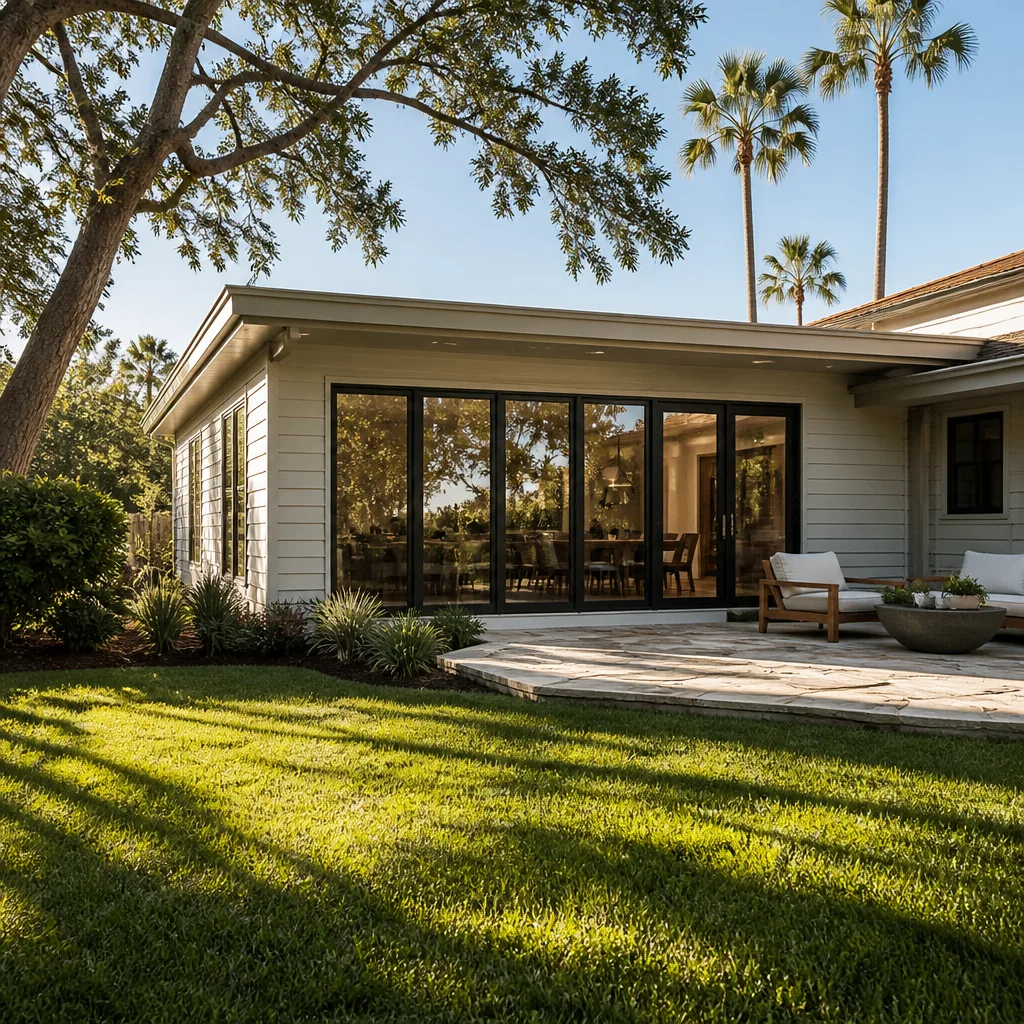
That’s the assessment no catalog can do for you. It’s also where brand selection earns its keep. Andersen and Marvin both publish coastal-rated glazing packages with Low-E specifications documented for marine environments, which means you’re not guessing at how the coating will hold up near the water. That’s a different decision than picking the cheapest unit with a low-E label on it. When we walk a Newport Beach home, we’re matching each window’s orientation and exposure to a specific glazing spec, room by room, because a single blanket spec on a house with north, east, and west exposures is almost always wrong somewhere.
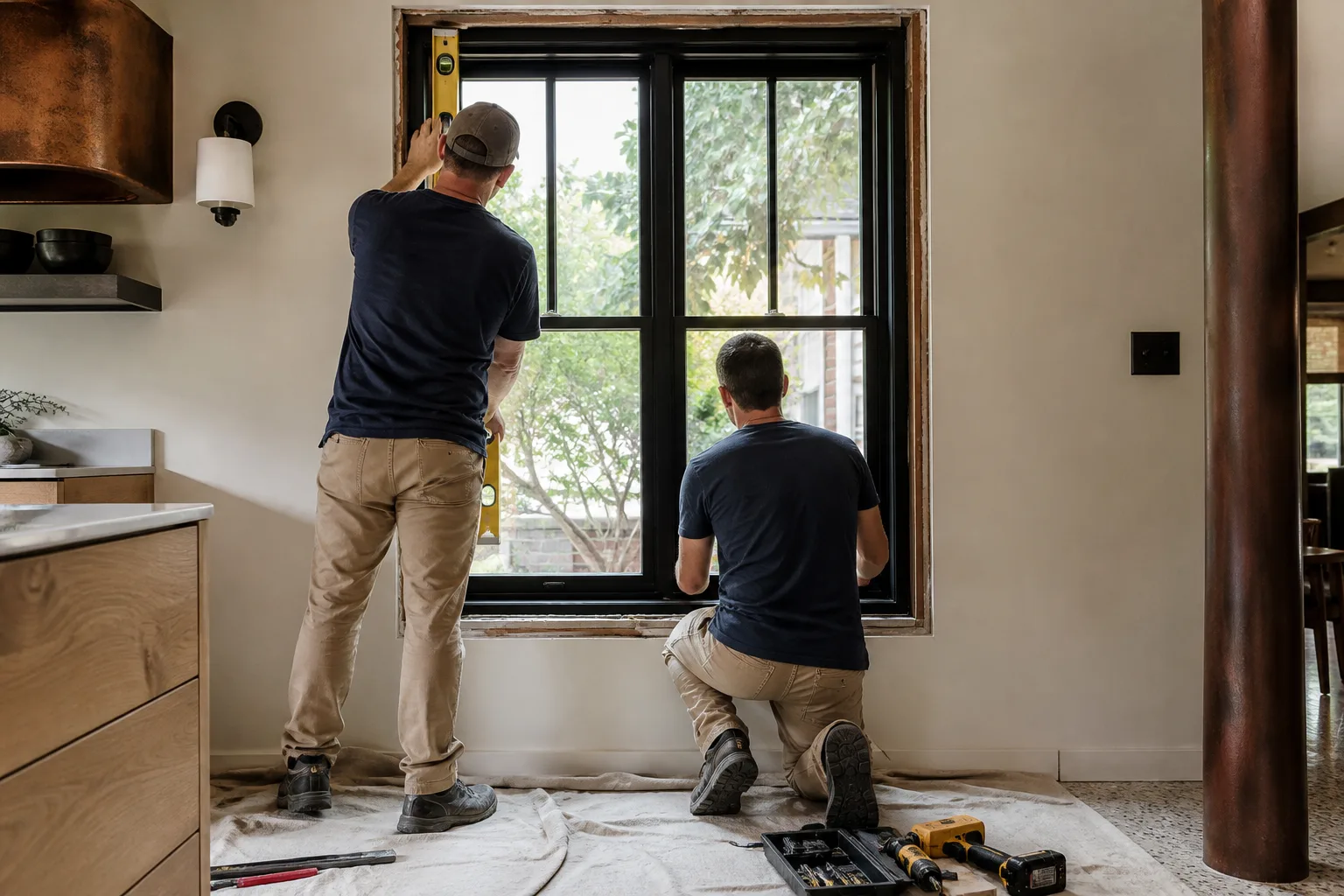
What to look for: a comparison framework
If you’re comparing window quotes, or replacing fogged units on an older peninsula home, here’s the framework we use. It’s not exhaustive, but it cuts through most of the marketing language.
| What to check | Why it matters in Newport Beach |
|---|---|
| Low-E type (hard vs. soft coat) | Soft coat is the modern standard for insulated units; hard coat fits retrofits and tighter budgets. |
| SHGC rating, per window orientation | West-facing oceanview glass needs a balanced spec; north and shaded elevations can run a different number. |
| Coastal or marine-rated glazing package | Documented performance in salt air, not a generic inland spec. |
| Perimeter seal quality and warranty on seal integrity | The inland-rare, coastal-common fogging failure starts at the seal edge. |
| Visible light transmittance (VLT) | Higher VLT protects the view; the wrong tint can gray out a sunset. |
Note what’s not on that table: the word “low-E” by itself. It’s a category, not a specification. Two units can both say low-E and behave very differently on the same wall. The windows and doors we install carry glazing choices we’ve vetted against these criteria, and you can see the full lineup on our Windows & Doors page.
Windows and doors or window replacement?
Two adjacent services, two different scopes. Window replacement handles like-for-like swaps on individual units, including fogged insulated glass where only the unit is failing. Full window and door work covers new openings, re-framing, and matching new glazing packages to the rest of the house. A coastal home undergoing a remodeled kitchen or bath should be looking at glazing as part of the same envelope conversation, which is where a full-scope partner keeps the spec consistent. You can see what that looks like across our Newport Beach service area.
What does Low-E glazing cost in Newport Beach?
Upgrading to coastal-rated Low-E glass usually rides along with a window project, so the line-item cost gets folded into the overall number. When a unit needs full replacement because a seal has gone, that’s a job that stands on its own. Here’s how the ranges shake out in this market.
| Project | Typical Newport Beach range |
|---|---|
| Window replacement (full unit) | $4,500-$15,000 |
| Impact window installation | $8,000-$25,000 |
A few realities govern those numbers. Balboa Island cottages often come with original or aged window assemblies, and the re-framing work can add to the base cost. Blufftop homes facing the Coastal Commission’s design review sometimes need glazing choices documented as part of the permit package, which means the specification has to be settled earlier than homeowners expect. And 12 years of experience tells us the single biggest cost driver isn’t the glass itself; it’s the condition of the opening. When we quote, you get the number in writing before work starts, and the number we show is the number you pay.
Roofing, fencing, and pavers are elsewhere on the site, but if your project touches more than windows, a single scope from one crew is usually the smarter path than juggling three. That’s the full-scope story we run at Groundwork Construction Co. – from foundation to finish line. Promotions on the books right now include $1,000 off projects over $10,000 and 0% financing for 18 months, which softens the up-front hit on a whole-house glazing upgrade.
Why the 730-Day Done Right Promise matters on Low-E glass
Because glazing failures don’t show up on day one. They show up 18 or 24 months later, when a unit fogs from the inside and nobody wants to hear “that’s between you and the manufacturer.” Our 730-Day Done Right Promise covers workmanship, seal integrity, and performance on installed glazing for two years. If a Low-E unit fogs or underperforms during that window, we make it right. No fine print, no negotiating. That’s built to last, backed in writing.
FAQs
Low-E glass is window glass with a thin, invisible metallic coating that reflects heat radiation while letting visible light through. The coating slows solar heat from entering in summer and indoor warmth from escaping in winter. It’s most effective as part of a sealed, insulated unit, which is how nearly all modern replacement windows ship. In a coastal climate like ours, the coating’s performance also depends on the seal holding up against salt air. If you want a spec reviewed for your Newport Beach home, (833) 749-3967 reaches a live person any time.
Yes, but the value comes from matching the coating to each window’s exposure, not from the label alone. West-facing oceanview glass needs a balanced SHGC so sunset light isn’t choked out; north and shaded windows can run a different spec. Get the calibration right and you get comfort and view protection. Get it wrong and you paid extra for glass that feels off. A site-specific assessment is the only path that avoids that guessing game. Call (833) 749-3967 for a free estimate and we’ll walk each elevation with you.
It can, if the unit isn’t built for coastal conditions. Budget insulated glass and thinner low-E coatings tend to fail at the perimeter seal first; moisture gets in, the space between the panes fogs, and the coating is done. Coastal-rated glazing packages from brands like Andersen and Marvin are documented for marine environments and hold up better. That’s why we specify coastal-rated products on homes near the water rather than taking the cheapest option that says low-E. If you suspect a failed seal, call (833) 749-3967 and we’ll check it.
Often just the insulated unit, sometimes the full window. If the frame and operable parts are sound, replacing the sealed glass unit is the cheaper fix. If the frame has warped in salt air, or the opening has shifted on an older peninsula home, the full window swap is usually the better long-run call. We check both before recommending anything. For an answer on your specific windows, call (833) 749-3967 – estimates are free and never pushy.
If you’d rather have it looked at, Groundwork Construction Co. of Newport Beach offers a no-pressure assessment in Newport Beach – call (833) 749-3967. Every project is backed by the 730-Day Done Right Promise, and every technician on site is background-checked and arrives in uniform.
Written by the team at Groundwork Construction Co. of Newport Beach, serving Newport Beach, CA.