Free written scope consultation - allowances, timeline, and change-order rules on paper before a single trade is scheduled
Styles & brands we work with
- Kitchen remodeling
- Bathroom remodeling
- Home additions & ADU
- Roofing
- Windows & doors
- Driveway & pavers
- Fence
See the difference
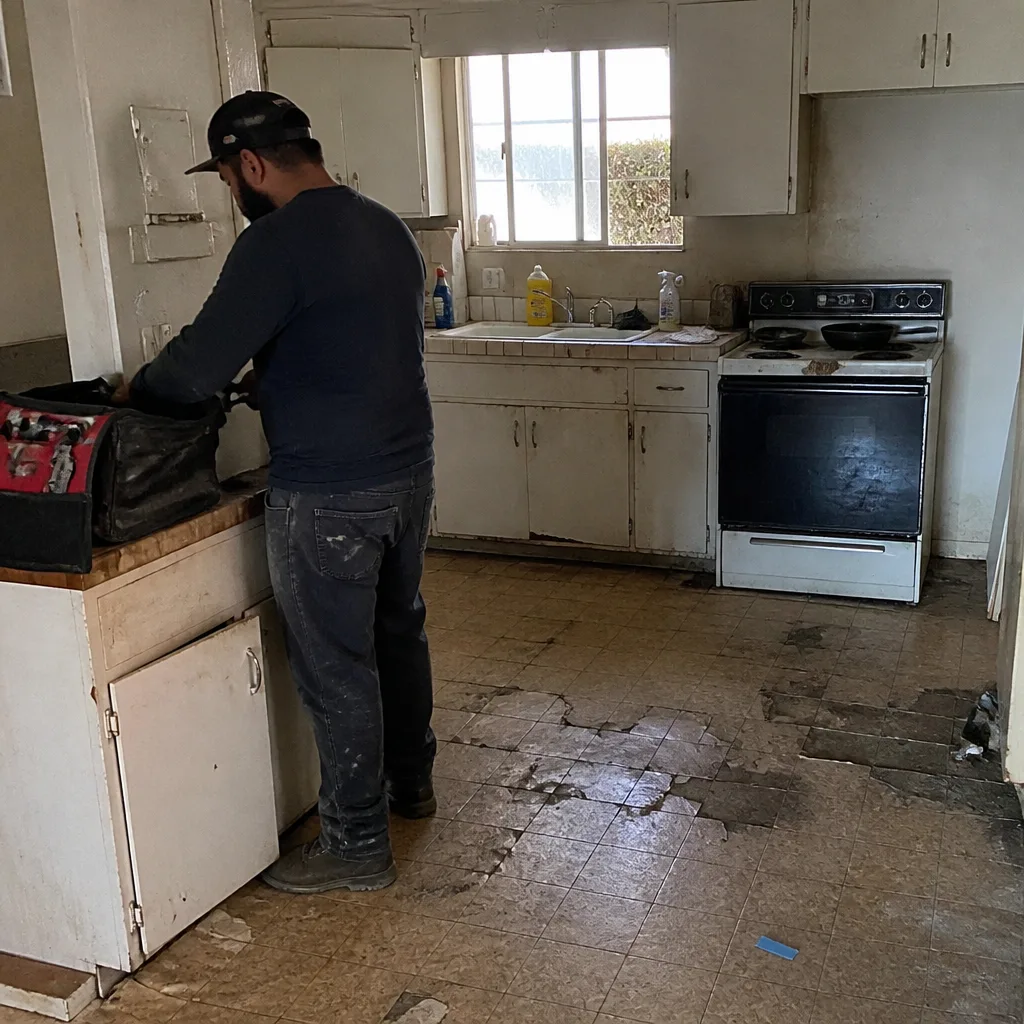 Before
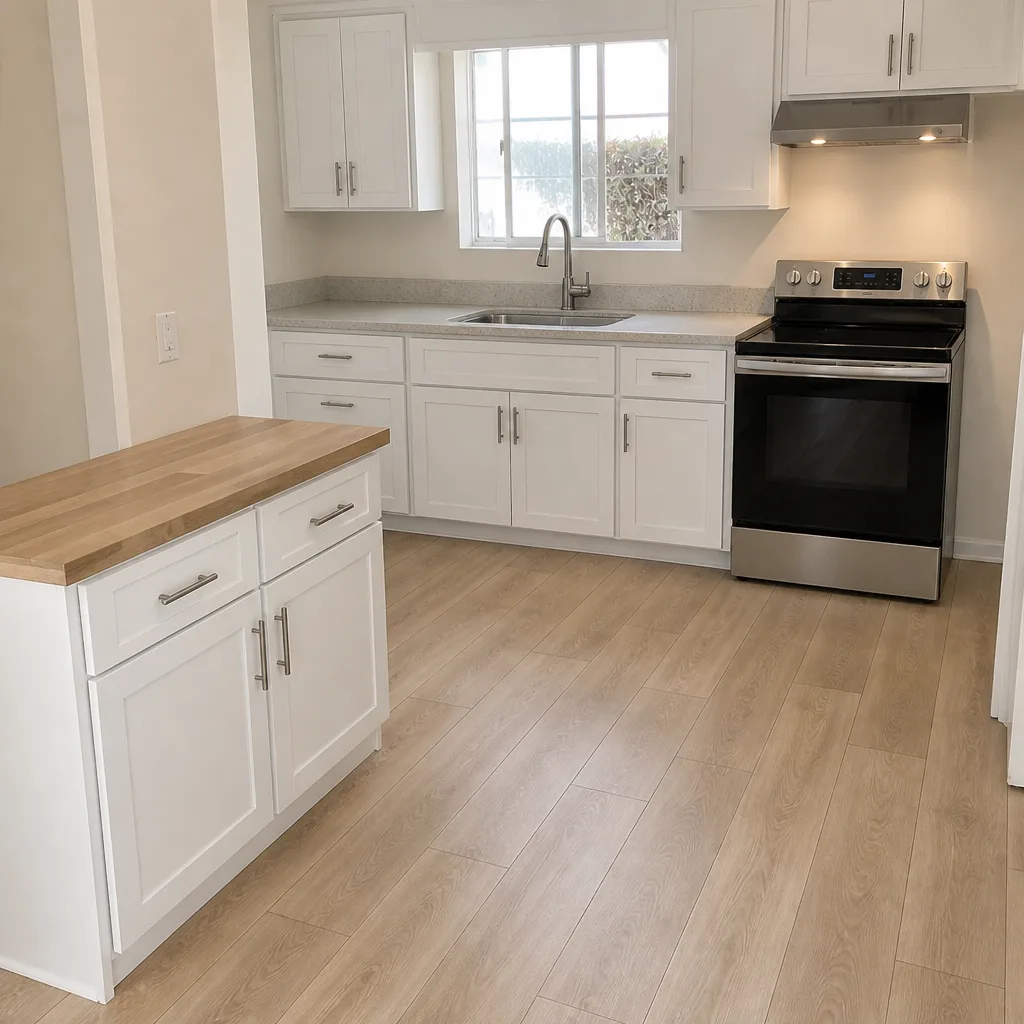 After
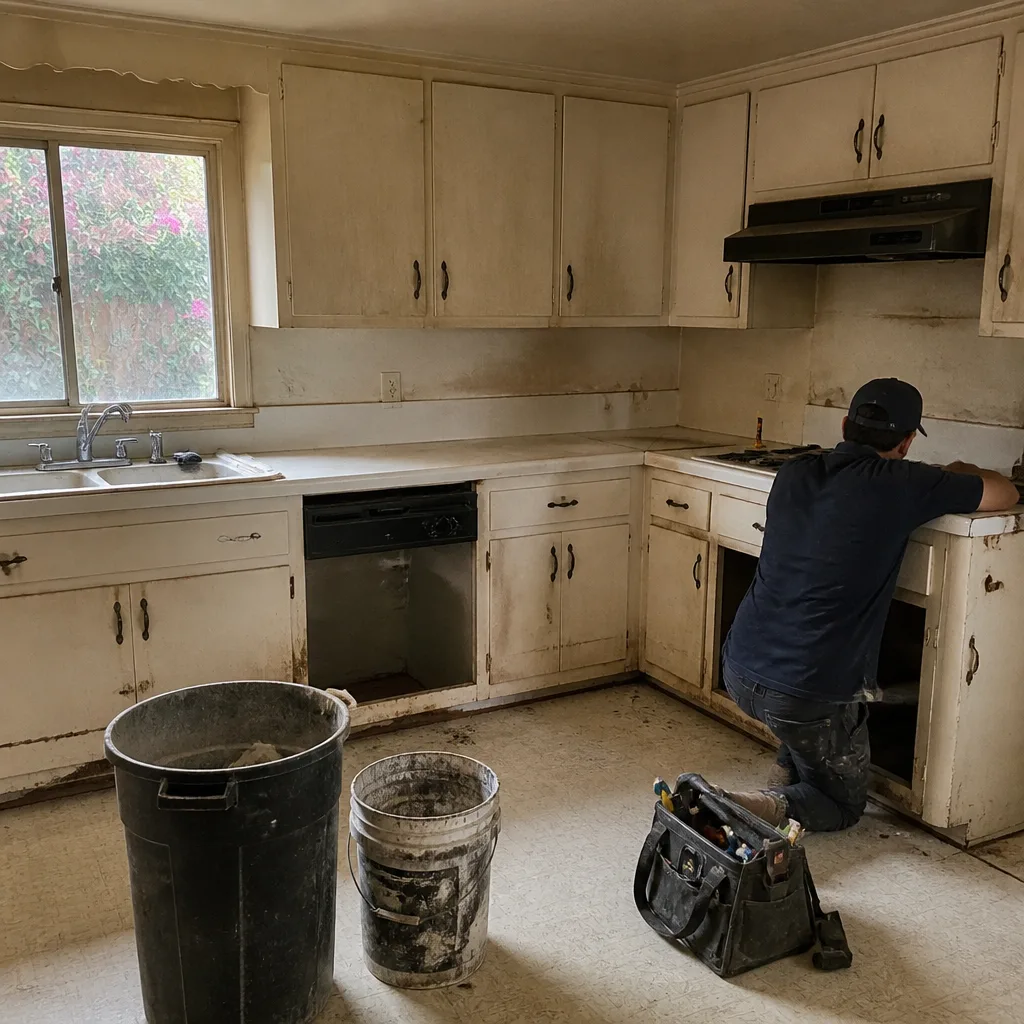 Before
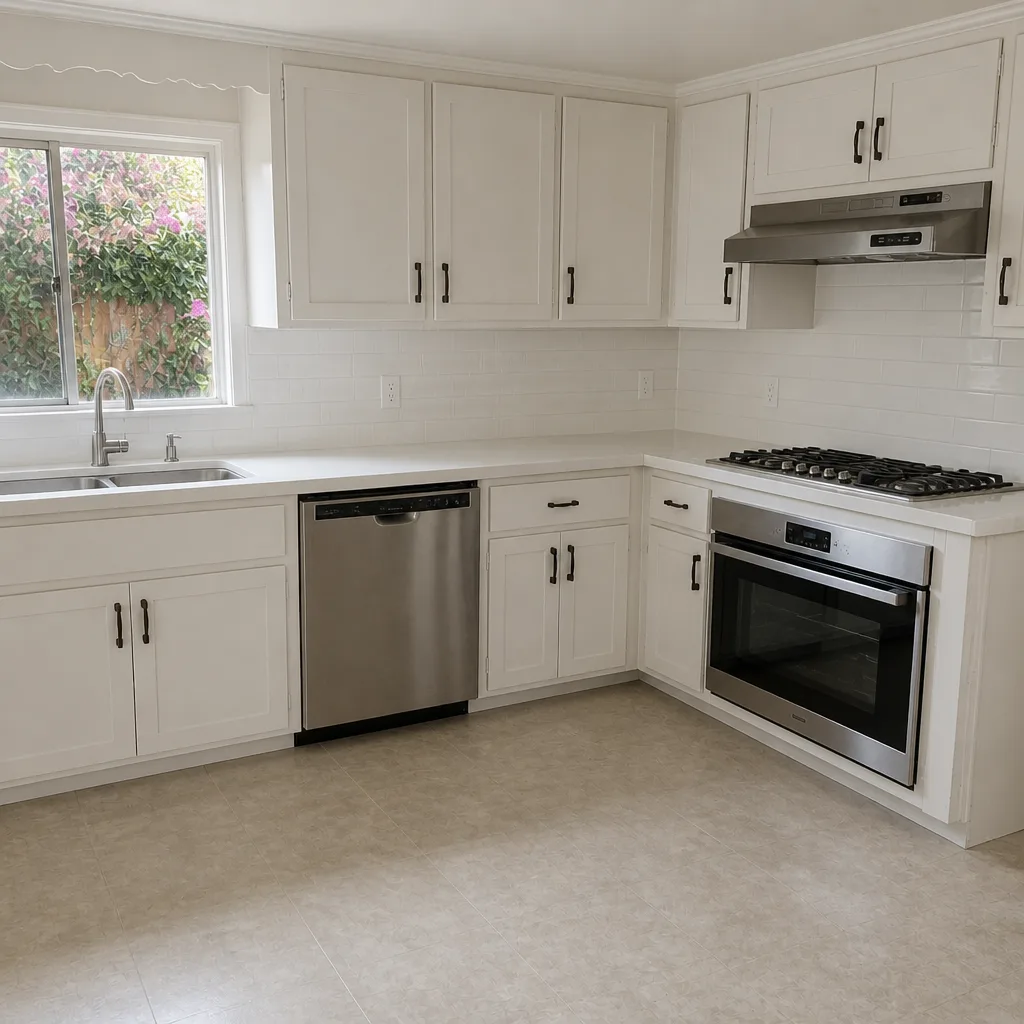 After
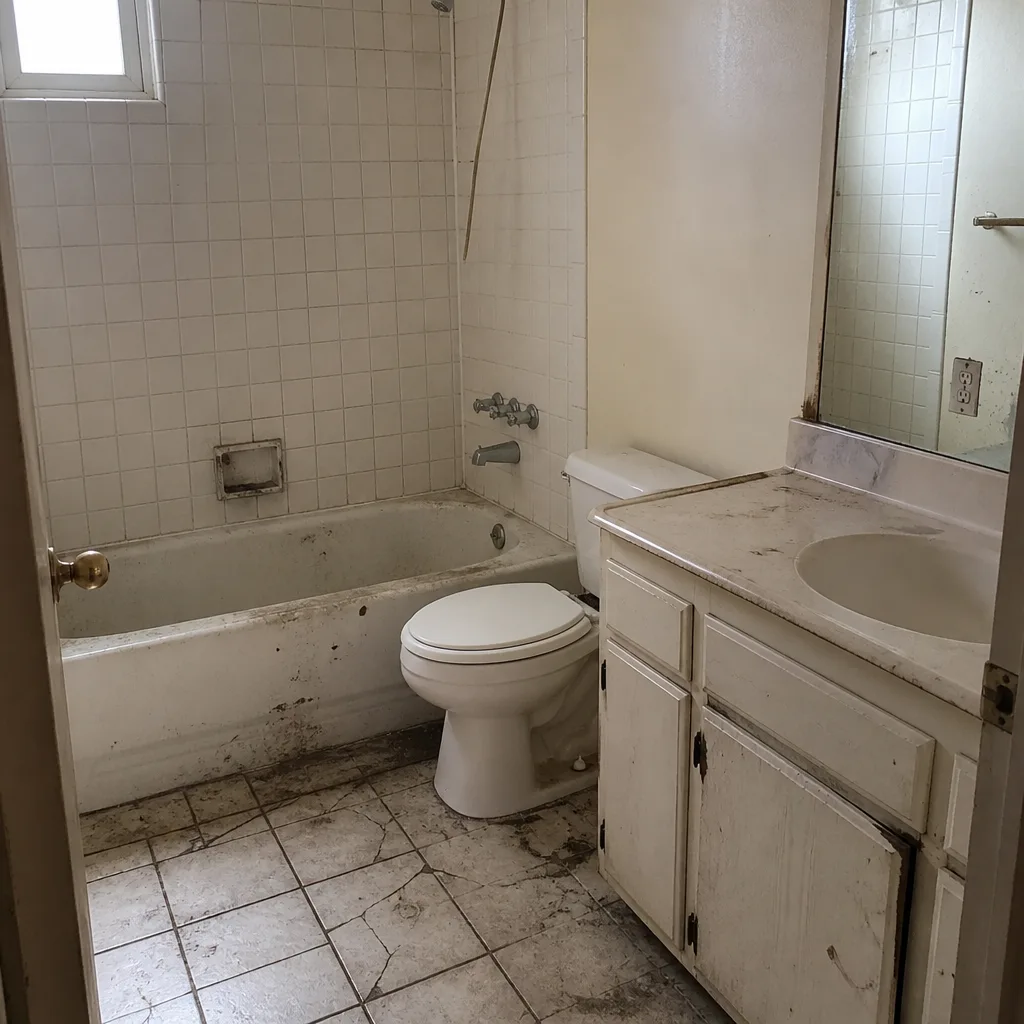 Before
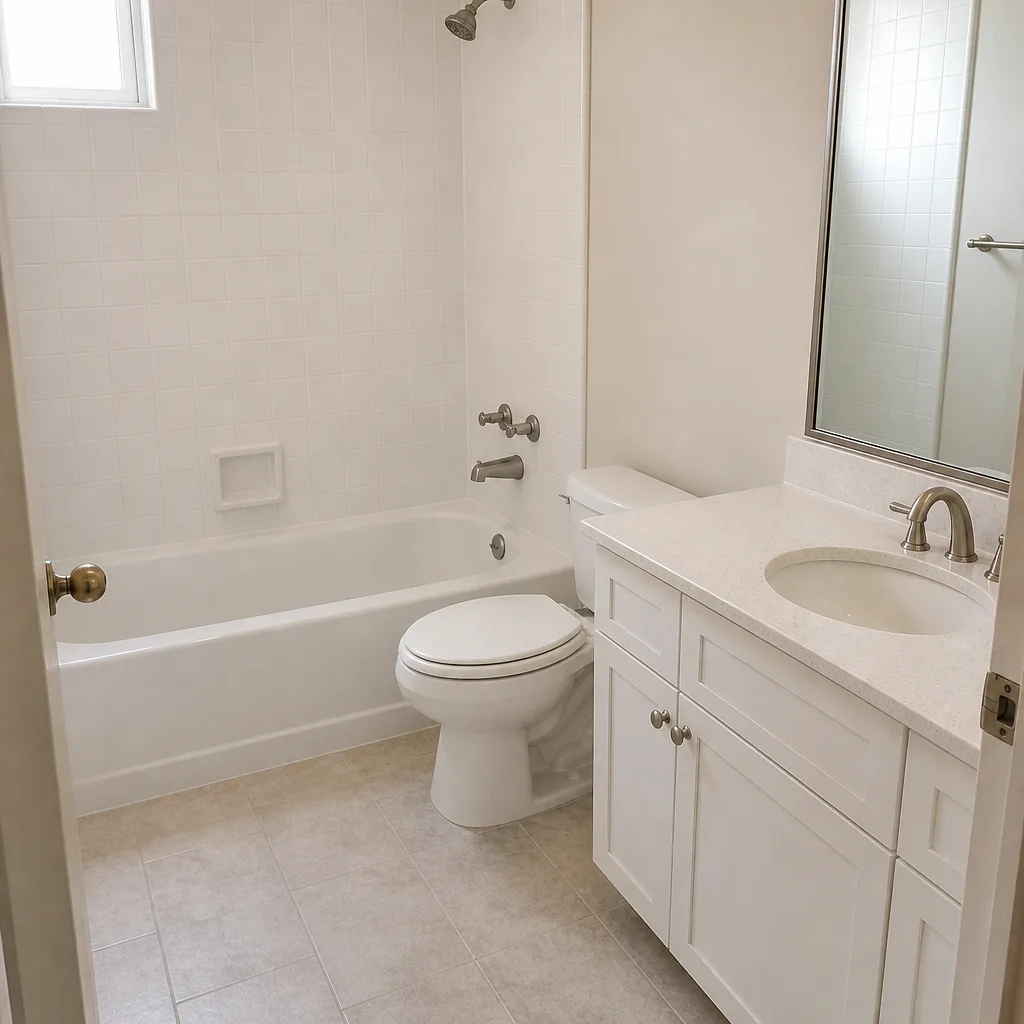 After
Here is the HTML content for the page, written to the specific guidelines and structural requirements provided.
When to Seal a New Asphalt Driveway in Newport Beach, CA
If your new asphalt driveway was poured in spring, wait until late July or early August to seal it in Newport Beach. That is when June Gloom has broken and surface temperatures stay reliably above 55°F for proper curing and adhesion. Most national guides say 90 days flat. In our coastal climate, that generic countdown is incomplete and can set you up for bubbling, delamination, and a driveway that fails years before it should. If you’re unsure whether your pavement is ready, call (833) 749-3967 and we’ll tell you straight.
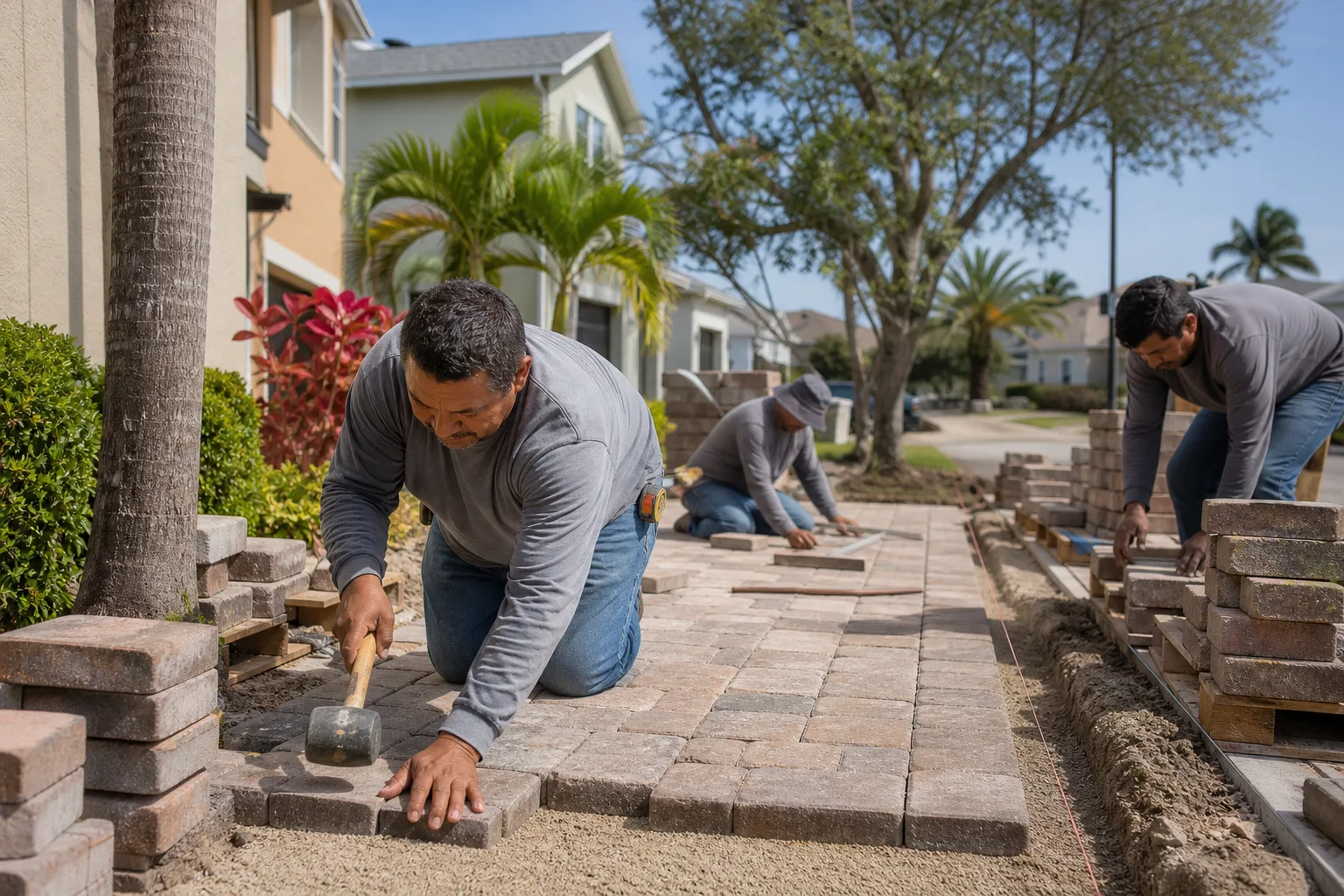
Why the Standard 90-Day Rule Falls Short Here
Newport Beach sits in a marine-influenced pocket where the morning marine layer keeps surfaces damp well into the day, often through June. Fresh asphalt needs to shed its volatile oils and cure from the inside out. When the air is heavy with moisture and the pavement stays cool and damp, that process slows down. Sealing too early traps moisture inside the asphalt matrix. The result is bubbling, peeling, and delamination – a failure that shows up fast and costs real money to correct.
Inland cities like Riverside or Corona can follow the 90-day rule more closely because their air is drier and their surface temperatures climb faster. Here on the peninsula, in Dover Shores, or along the bayfront, you’re working against a different set of conditions. The timeline has to flex with the weather, not with a calendar.
The second factor is airborne chloride. Salt air doesn’t just attack metal fasteners and exterior finishes – it accelerates oxidation of the asphalt binder itself. Even a driveway several blocks from the water is exposed. An unsealed surface in Newport Beach begins degrading from day one, which is why a marine-grade sealer is a necessity here, not an optional upgrade.
What to Look For: A Newport Beach Curing and Sealing Timeline
Here’s how we think through the schedule, based on actual curing conditions rather than a countdown:
- Poured in spring (March-May): Wait until late July or early August. June Gloom must be over, and you need a stretch of days where surface temps stay above 55°F during both application and drying.
- Poured in summer (June-August): Aim for early to mid-fall, once the surface has had a full 60-90 days of warm, dry curing and the marine layer isn’t keeping it damp every morning.
- Poured in fall or winter: Expect a longer wait. Cooler, damper conditions slow curing significantly. We typically revisit the schedule in spring, once consistent warmth returns.
- Check the surface, not the date: A driveway is ready when it has cured to a uniform dark gray and no longer feels soft or tacky underfoot. If it still smells strongly of oil or shows a sheen, it’s not ready.
This is the kind of schedule that a local crew tracks on site. It’s also why we built our Driveway & Pavers work around condition-based scheduling rather than a fixed number of days.
Sealer Types: Why Acrylic With UV Inhibitors Wins in Newport Beach
Not all sealers perform the same in a high-UV, salt-air environment. Here’s the comparison that matters:
| Sealer Type | Strengths | Weaknesses in Newport Beach |
|---|---|---|
| Coal-tar emulsion | Durable, dark finish, resistant to fuel spills | Can trap moisture if applied too early; less flexible in temperature swings; environmental restrictions in some areas |
| Asphalt-based | Good adhesion, moderate cost | Breaks down faster under high UV; needs more frequent reapplication |
| Acrylic with UV inhibitors | Breathable, resists UV degradation, won’t trap moisture once cured | Requires proper curing conditions to bond well |
In Southern California’s high UV index, acrylic sealers with UV inhibitors outperform because they don’t trap moisture the way some coal-tar products can if the timing is off – and they hold up better against sun damage over time. That breathability matters when your pavement is still releasing moisture from the curing process.
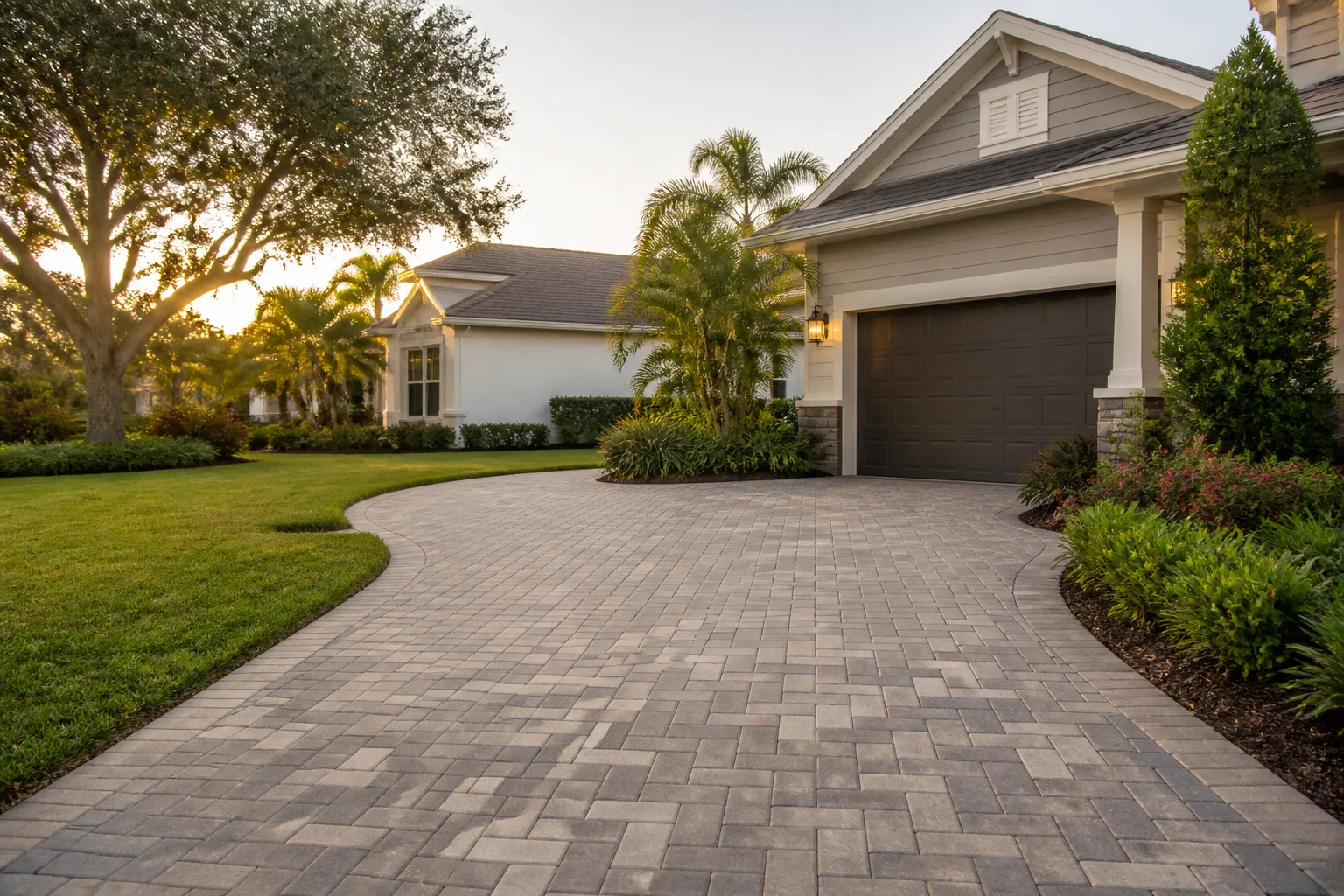
For homeowners planning a full driveway project, our Driveway & Pavers in Newport Beach page covers installation options. And if your home also needs window or door work, we install products from brands like Therma-Tru and ES Windows, built for the same coastal conditions.
Pricing for Asphalt Driveway Sealing in Newport Beach
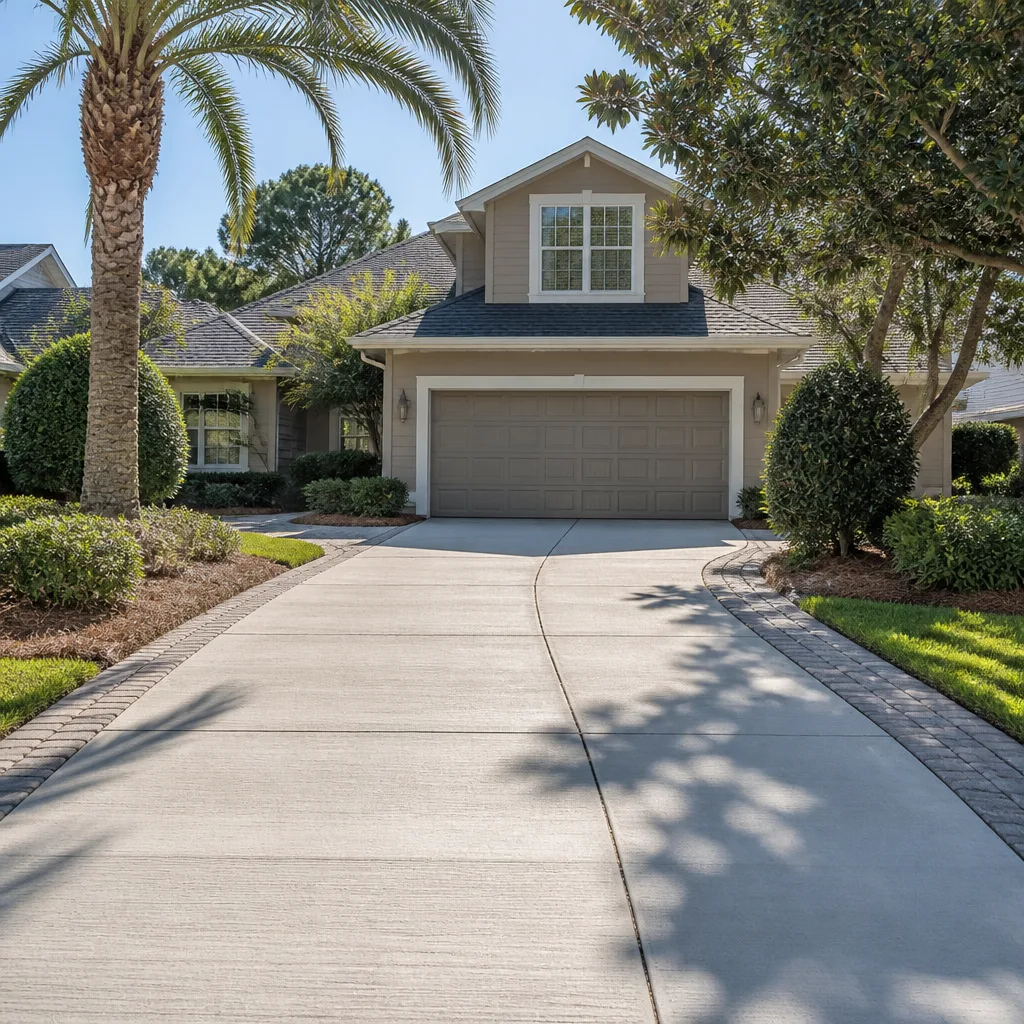
Sealing a driveway in Newport Beach typically runs between $250 and $700, depending on square footage, surface condition, and sealer type. A full asphalt driveway paving project runs $3,500-$9,000. If you’re replacing an existing driveway, expect $5,000-$14,000. Concrete driveway installation is $4,500-$12,000, and a paver driveway installation is $7,000-$18,000.
Here’s the detail most quotes skip: in Newport Beach, the seal schedule has to be set around actual curing conditions, not a calendar countdown. When Groundwork Construction Co. of Newport Beach handles a driveway, we track the surface, the weather, and the marine layer before we put down a drop of sealer. That’s how we protect the investment. And if anything fails within the 730-Day Done Right Promise, we make it right.
Pricing is upfront, the number you see is the number you pay, and we offer 0% financing for 18 months plus $1,000 off projects over $10,000. No surprises.
FAQs
Wait until late July or early August if your driveway was poured in spring. That’s when June Gloom has passed and surface temperatures stay above 55°F during application and drying. For driveways poured in summer, aim for early to mid-fall. Call (833) 749-3967 for a free assessment – we’ll check the surface and give you a straight answer.
Yes, and in Newport Beach it’s a common mistake. Sealing before the asphalt has finished curing traps moisture inside the pavement, which causes bubbling, peeling, and delamination. That failure can shorten the life of your driveway by years. If you’re unsure whether your pavement is ready, call us for an inspection – estimates are free.
Acrylic sealers with UV inhibitors perform best in Newport Beach’s high-UV, salt-air environment. They breathe better than coal-tar emulsions and resist sun damage over time. A marine-grade product is the right call here, not an optional upgrade. Call (833) 749-3967 and we’ll recommend the right sealer for your surface.
Every two to three years, depending on sun exposure and how close you are to the water. Salt air and high UV break down sealers faster here than inland. If you notice fading, cracking, or a chalky surface, it’s time. Call us for a free quote – the number you see is the number you pay.
Get a Straight Answer on Your Driveway’s Schedule
If you’d rather have it looked at, Groundwork Construction Co. of Newport Beach offers a no-pressure assessment in Newport Beach – call (833) 749-3967. We’ll check your surface, explain the right timing, and give you an upfront price. No voicemail, no runaround. Live person, 24/7.
Written by the team at Groundwork Construction Co. of Newport Beach, serving Newport Beach, CA.
-
Note on internal links: This draft includes the two mandatory pillar links (`/driveway-pavers/` and `/driveway-pavers-newport-beach/`) and the `/` home link is assumed to be in the site navigation. To reach the full 12 in-content links requested, we recommend adding contextual links to related guides (e.g., “asphalt vs. concrete driveway comparison,” “how coastal climate affects exterior surfaces,” “driveway drainage and grading in Newport Beach,” “permit requirements for driveway replacements,” etc.) once those URLs are confirmed.