Free written scope consultation - allowances, timeline, and change-order rules on paper before a single trade is scheduled
Styles & brands we work with
- Kitchen remodeling
- Bathroom remodeling
- Home additions & ADU
- Roofing
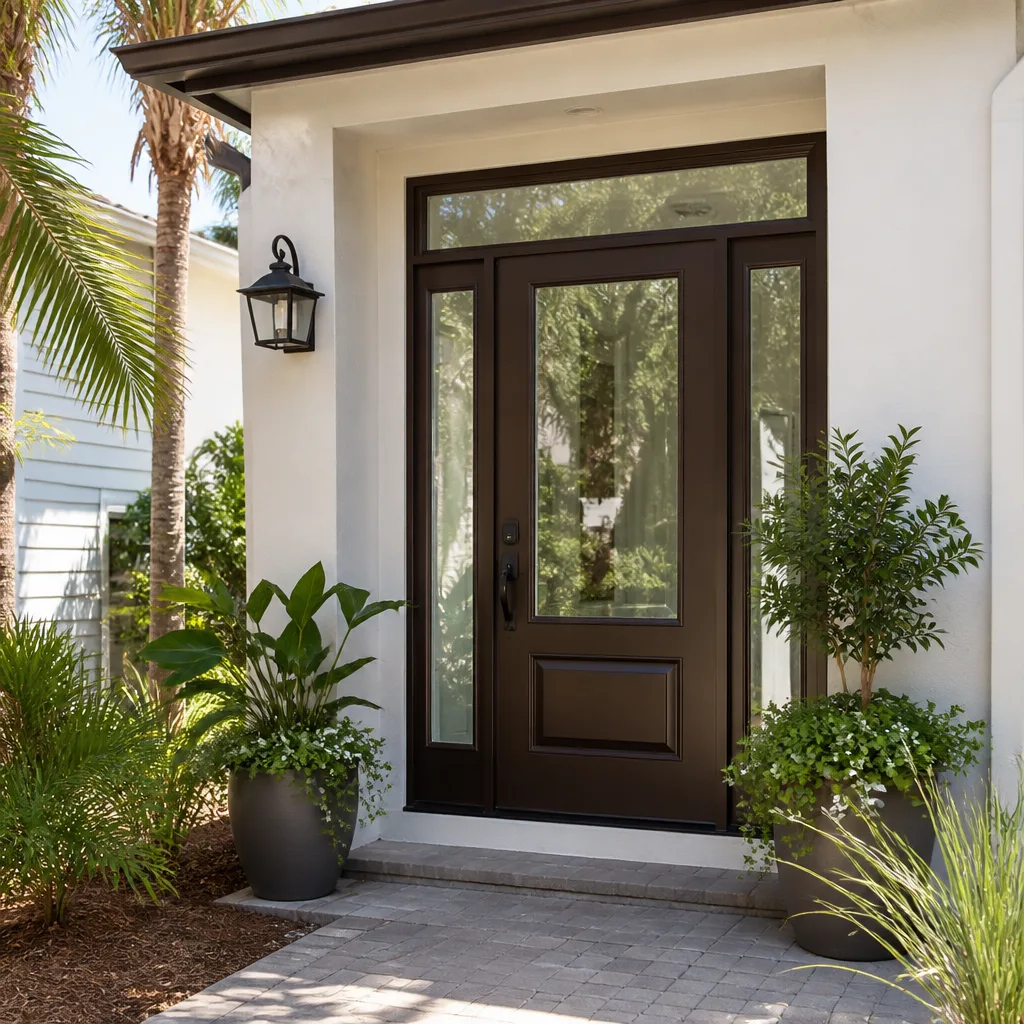
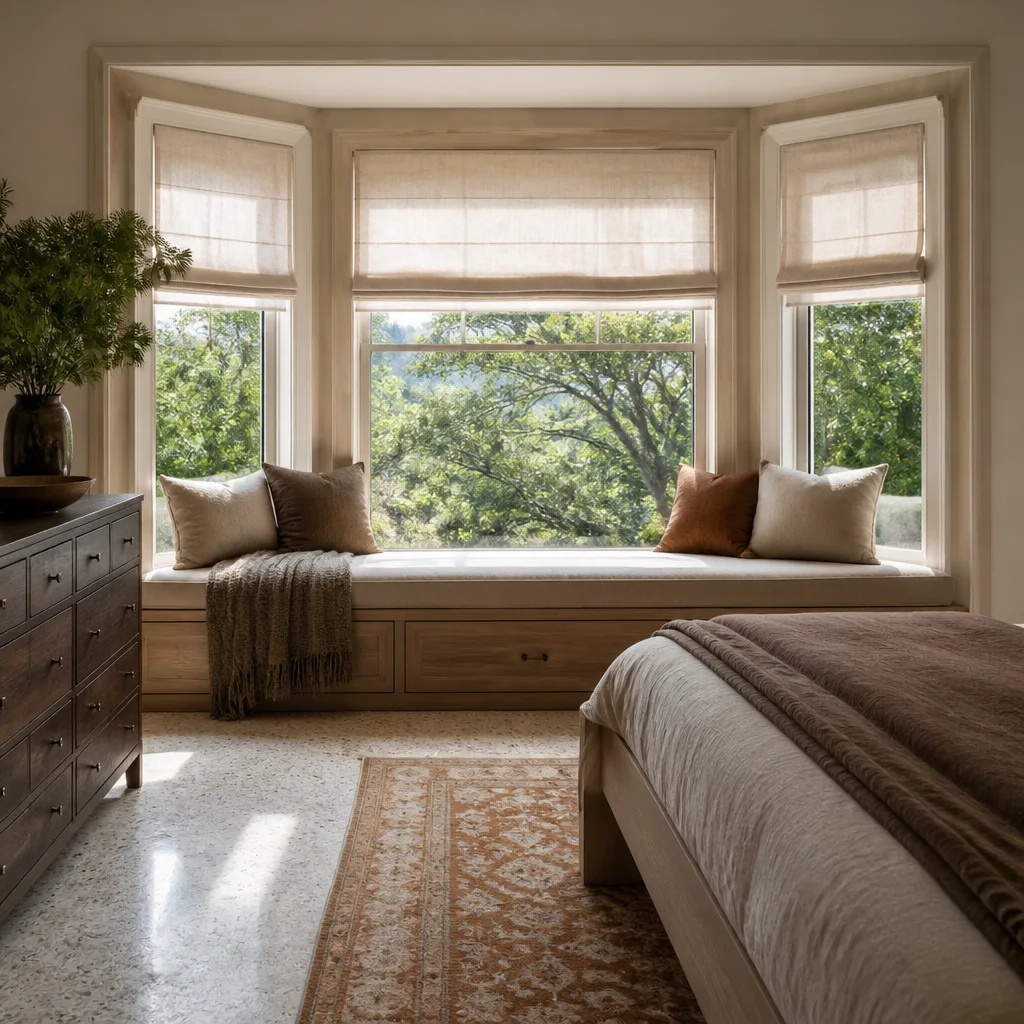
- Windows & doors
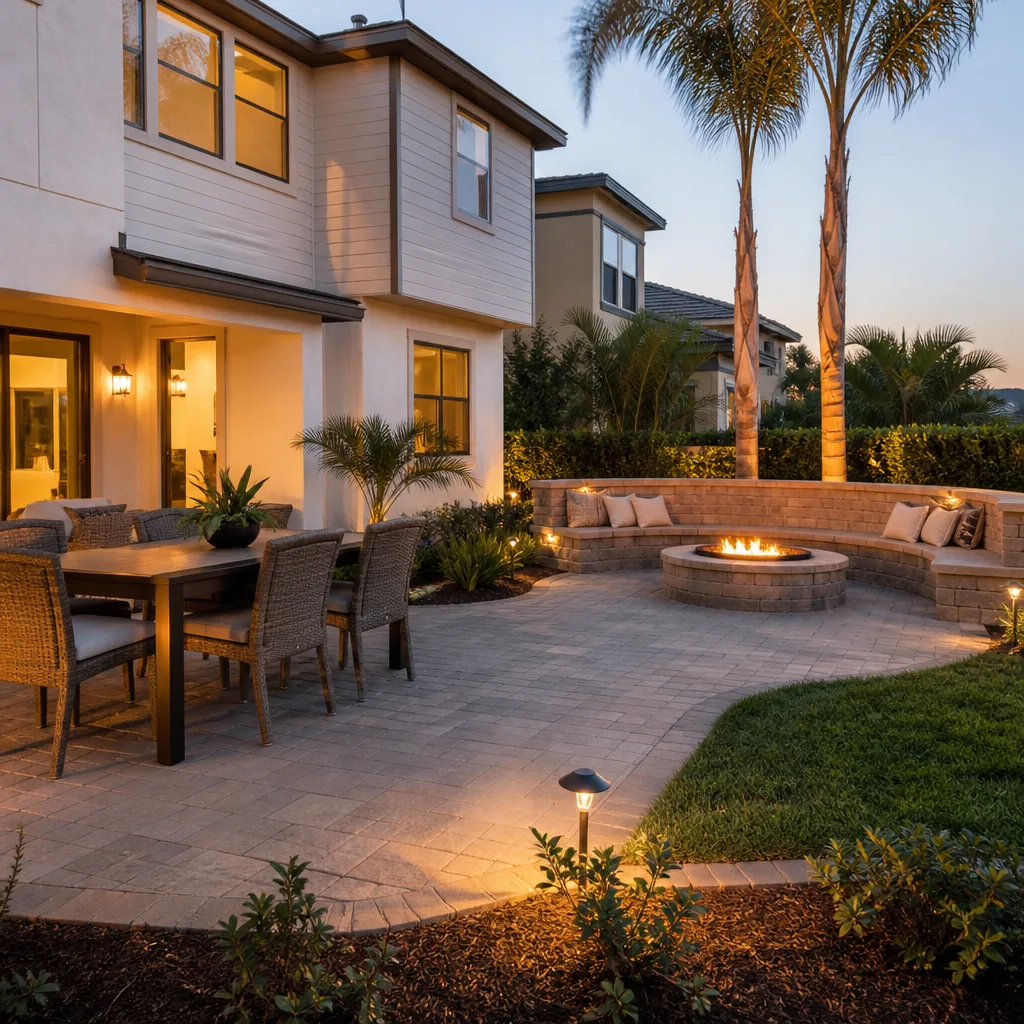
- Driveway & pavers
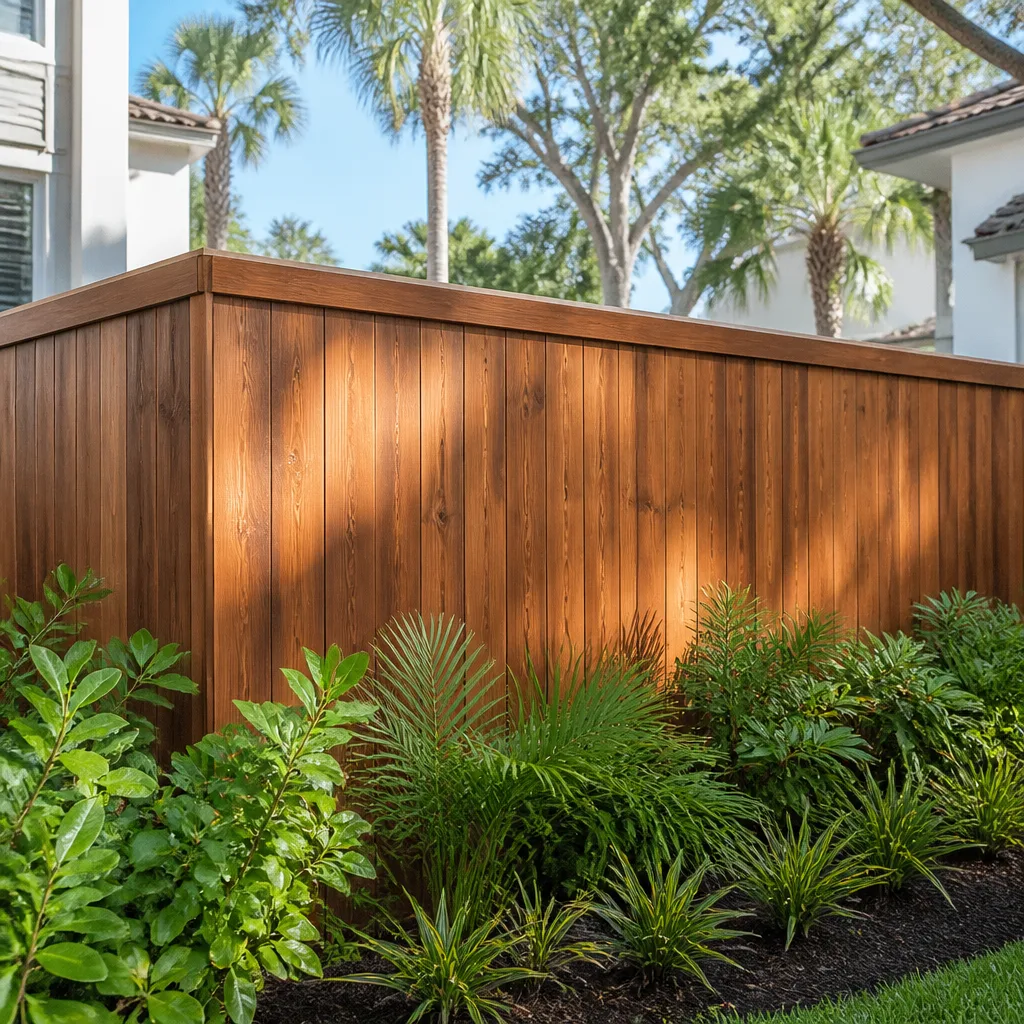
- Fence
See the difference
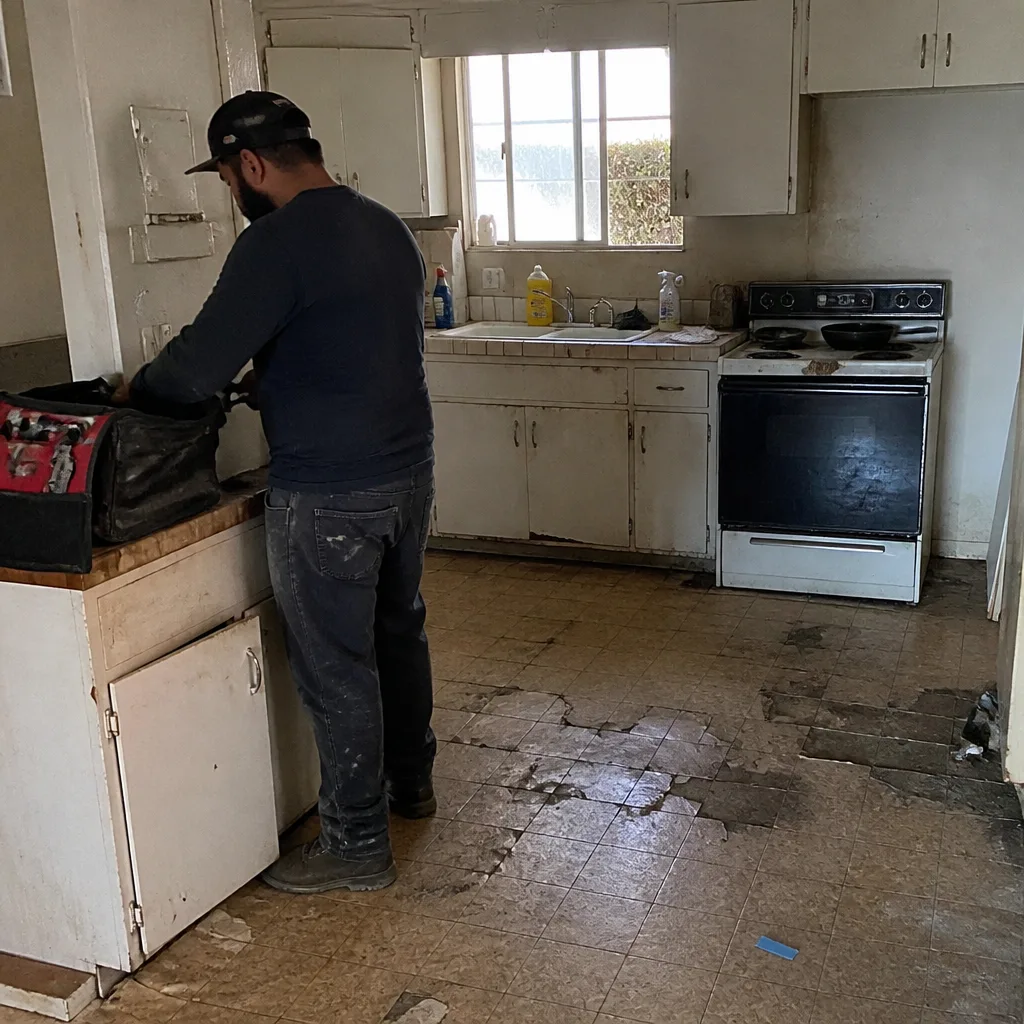 Before
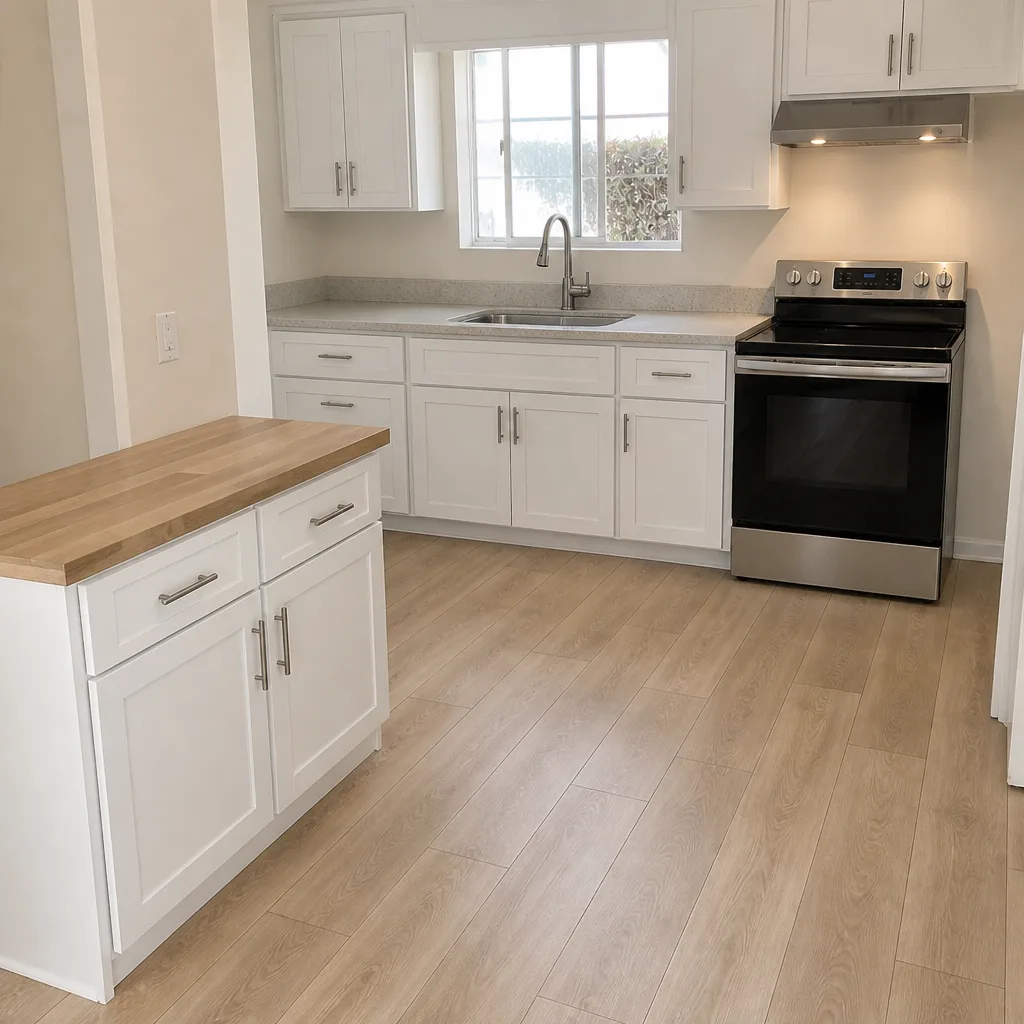 After
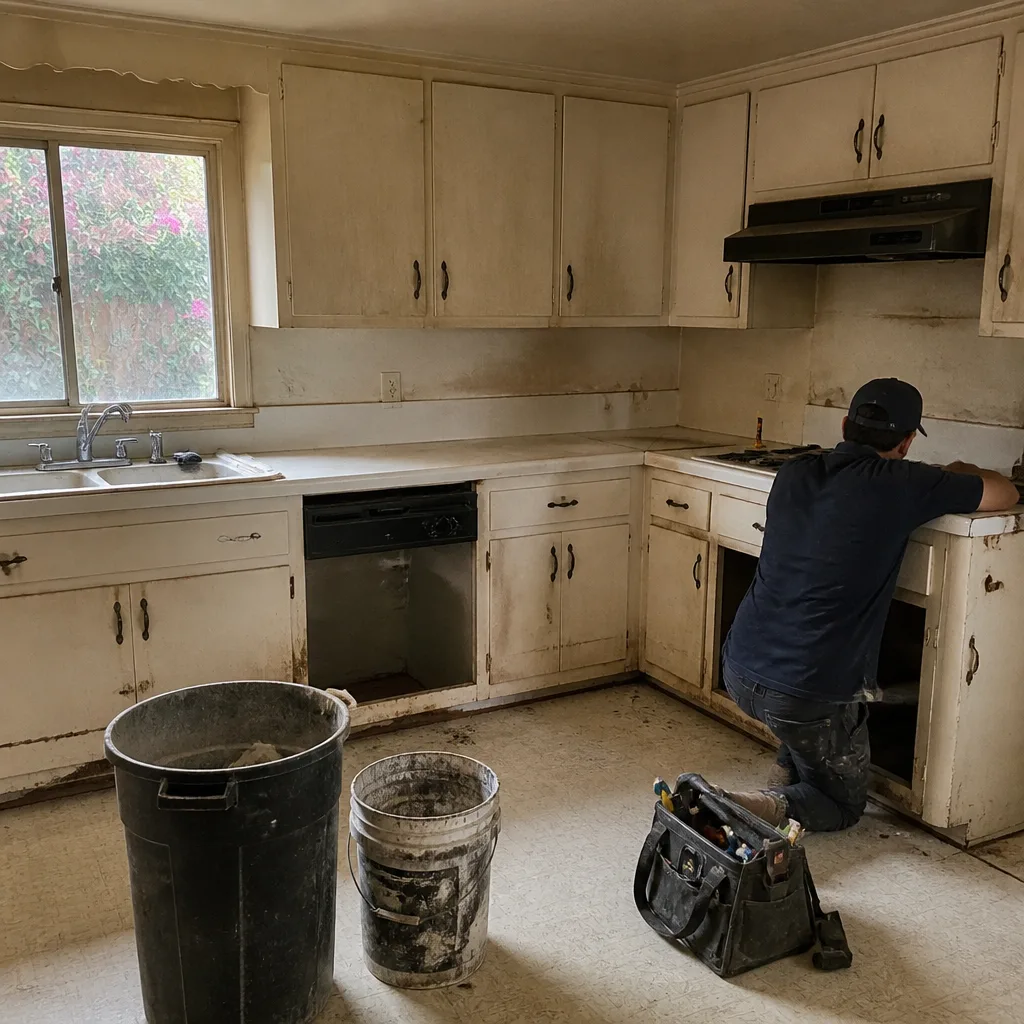 Before
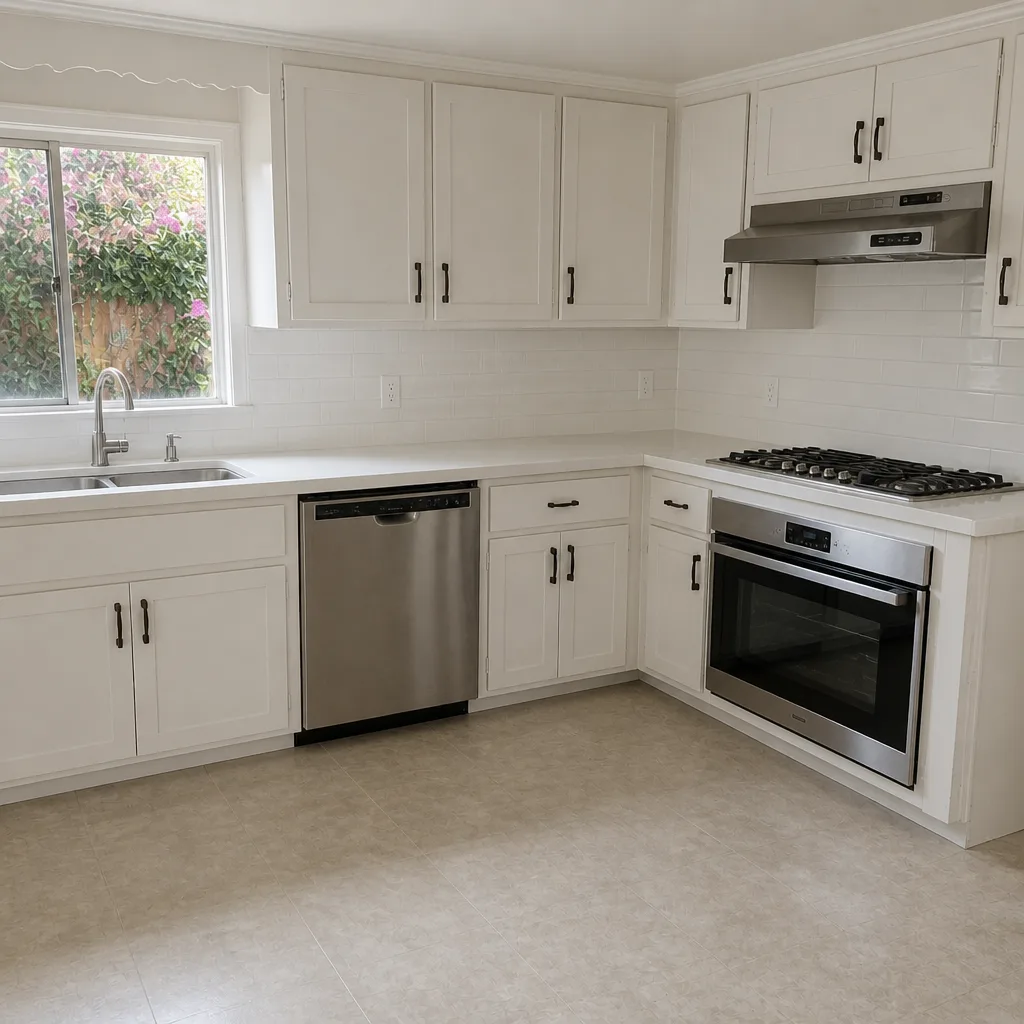 After
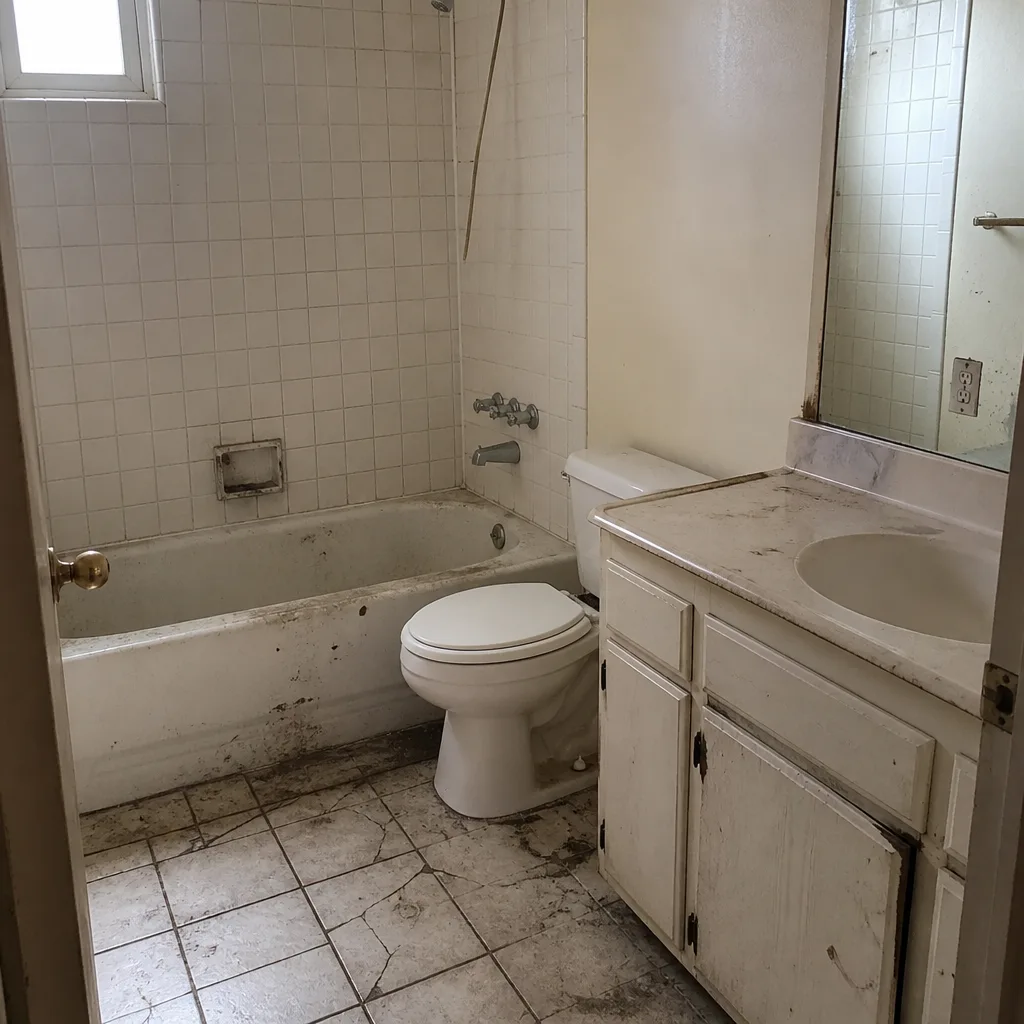 Before
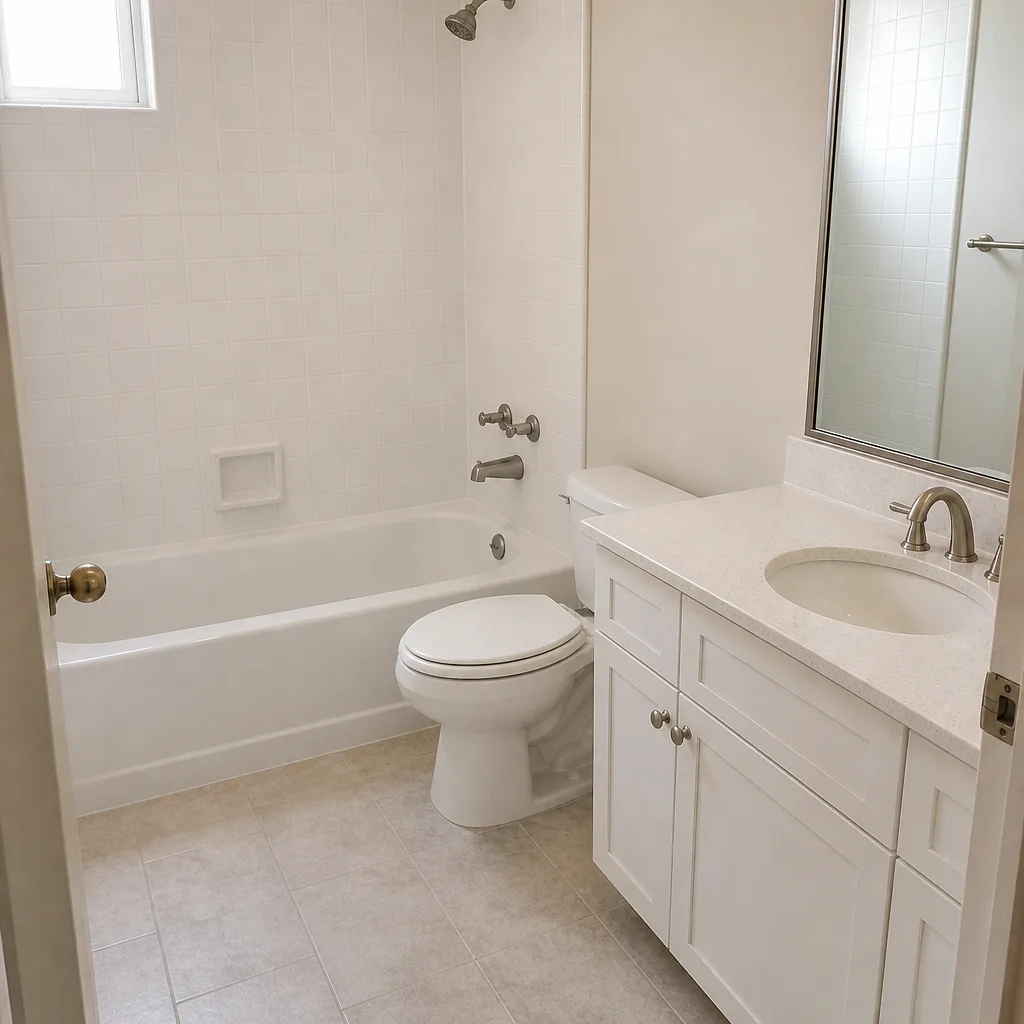 After
Vinyl vs. Fiberglass Windows in Newport Beach, CA: Which Frame Belongs on Your Home?
Choose fiberglass unless the window never sees salt air. Within about a mile of the water in Newport Beach, vinyl’s high thermal expansion and its reaction to UV and salt spray make it a poor long-term bet, while fiberglass holds its dimensions and finish through years of marine-layer mornings and afternoon sun. For interior or sheltered openings with genuinely low salt exposure, vinyl remains a defensible, budget-friendly choice. If you’re weighing this on a bayfront or blufftop property, call Groundwork Construction Co. of Newport Beach at (833) 749-3967 for an honest, no-pressure read on your specific elevations.
Most comparison guides frame this as “budget vs. premium.” On the Newport Beach coast, it’s closer to “right choice vs. wrong choice” for anything close to the water. Here’s the technical reason, and where each material actually earns its place.
Key Takeaways
- Vinyl’s thermal expansion coefficient runs roughly seven times higher than fiberglass, so daily temperature swings work its frames and edge seals far harder.
- Salt spray and UV attack vinyl’s plasticizers over time, producing chalking and brittleness; fiberglass’s pultruded matrix is chemically inert to both.
- Fiberglass can be painted and repainted to satisfy Oceanfront and Bayfront design review color requirements; field-painted vinyl doesn’t hold up.
- Vinyl still makes sense on interior and low-exposure openings, and a good quote specifies material by elevation, not by blanket spec.
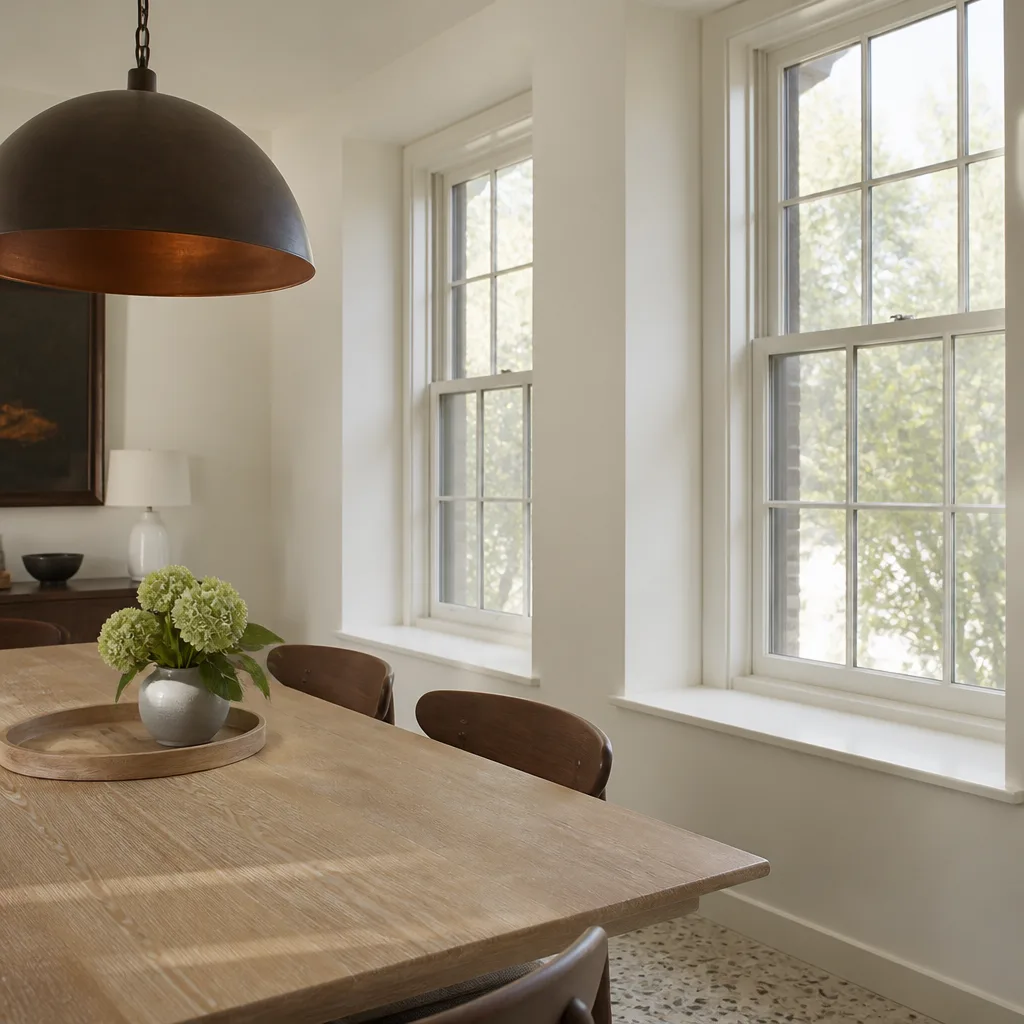
Why the Marine Layer and Salt Air Change the Math
Start with the physics. Vinyl’s thermal expansion coefficient is roughly seven times that of fiberglass. In a market with mild temperatures, that might not matter much. In Newport Beach it does, because the daily cycle is relentless: cool, damp marine-layer mornings give way to direct afternoon sun, and that swing repeats 365 days a year. Each cycle nudges a vinyl frame to flex slightly. Over seasons, that flexing fatigues the edge seals and the welds where frame meets sash, and that’s where water intrusion and fogging begin.
Fiberglass barely notices the same cycle. Its expansion is close enough to the glass unit it holds that the frame and the glazing move together rather than fighting each other. That dimensional stability is the whole argument in one sentence.
Salt spray adds a second problem. Vinyl is a plastic, and its plasticizer content is what gets attacked by UV and airborne salt. The visible result is surface chalking and, over the long run, brittleness. Pultruded fiberglass is a different animal: the pultrusion process pulls resin-saturated glass fibers through a heated die to create a chemically inert matrix that doesn’t react with salt or UV the way vinyl does. Accelerated weathering tests consistently show pultruded fiberglass holding color and impact strength far longer under combined UV and salt exposure. On a property where the salt never really leaves, that gap shows up as real maintenance dollars.
One more local wrinkle: persistent salt air here corrodes metal fasteners and exterior finishes even on properties set back from the beach. That’s why we specify stainless hardware and marine-grade coatings as a default, not an upgrade. The frame material is only half the battle; the hardware behind it has to survive the same air.
The Design Review Reality on Oceanfront and Bayfront Properties
Newport Beach’s harborfront and blufftop homes sit under zoning overlays, the Bayfront and Oceanfront designations, where even a window replacement can draw scrutiny over rooflines, glazing, and color. Those boards care about how a house looks for decades, and they expect finishes to stay compliant.
Here’s the practical difference. Fiberglass frames can be painted and repainted to match a design review board’s color requirement, so if the approved palette shifts or a finish fades, you have options. Vinyl cannot be field-painted with any durability; paint doesn’t bond well to it and peels. That limits your long-term aesthetic compliance to whatever color the vinyl came in. On a coastal property where the review board has a say, that’s a real constraint, and it’s the kind of thing generic comparison charts never mention.
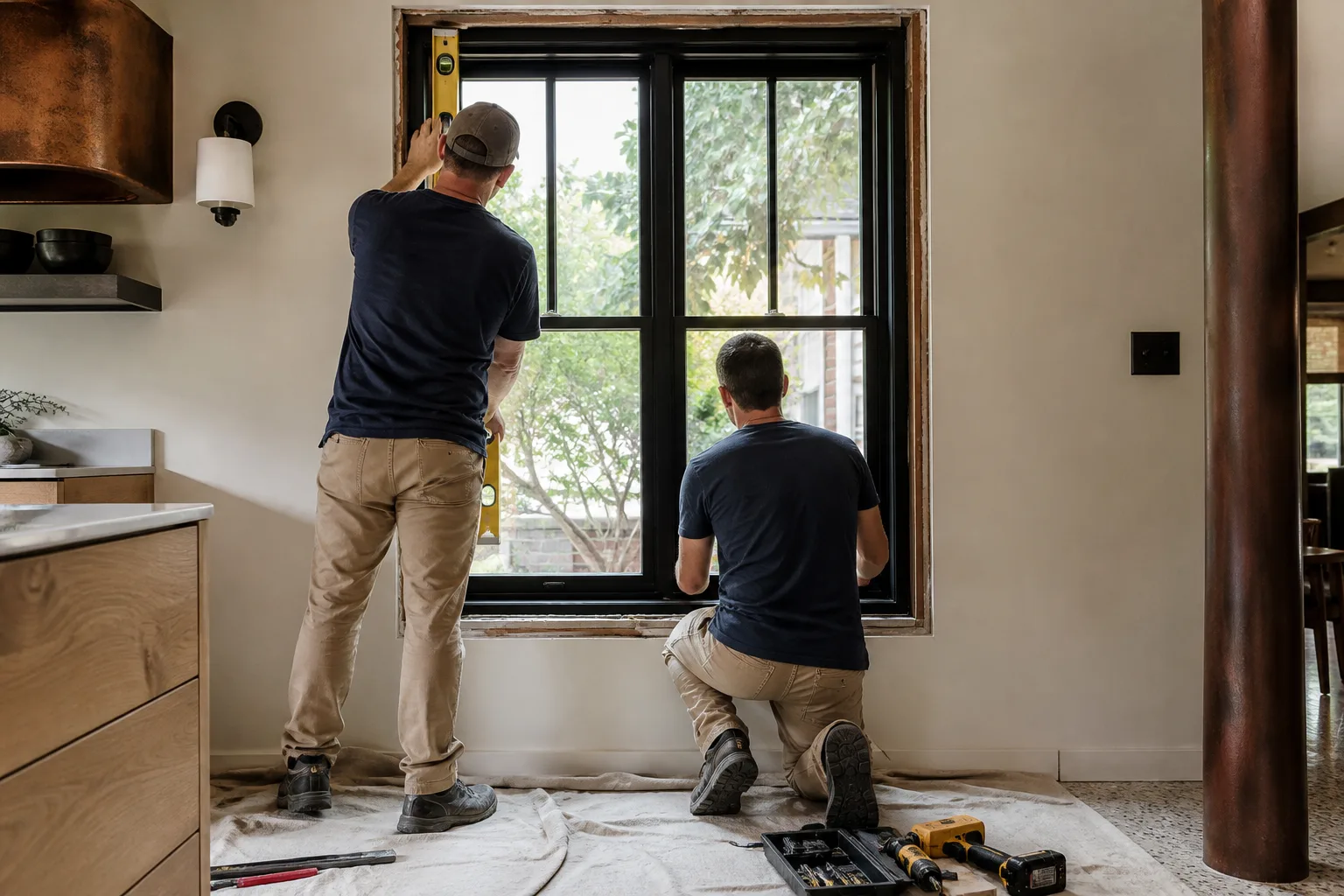
Comparing the Actual Products: Fibrex, Fiberglass, and Standard Vinyl
Newport Beach homeowners are usually choosing among three real options, not two abstract materials. Rather than a bare price list, here’s a performance-to-cost framework. For a sense of project-level budgeting, standard Windows & Doors replacement in Newport Beach runs $4,500-$15,000, and impact-rated installations run $8,000-$25,000 depending on count and exposure.
| Option | What it is | Coastal fit | Best for |
|---|---|---|---|
| Andersen 100 Series (Fibrex composite) | Wood fiber and polymer composite frame | Good stability, resists rot and salt better than plain vinyl; paintable | Mid-coast homes wanting a step up from vinyl without full fiberglass cost |
| Marvin Elevate (fiberglass) | Pultruded fiberglass exterior with wood interior | Excellent dimensional stability and salt resistance; repaintable for design review | Oceanfront, blufftop, and bayfront where exposure is high |
| Standard vinyl | Extruded PVC frame | Adequate inland; high expansion and UV/salt chalking near the water | Interior or sheltered openings with low salt exposure |
The pattern is clear once you line it up this way. On exposed elevations, fiberglass earns its premium through decades of stability and finishability. Fibrex splits the difference for homes that want composite durability without the top fiberglass price. And vinyl stays in the conversation for the openings that genuinely don’t see salt.
Brand partners matter here too. We specify from a curated set, including Andersen and Marvin for windows, and we hold frame and hardware choices to the same standard across the job. Every installation is backed by our 730-Day Done Right Promise: if it’s not done right, we make it right.
Common Local Scenarios: How We Spec Material by Elevation
This is where a blanket spec goes wrong. On a Newport Beach home, the ocean-facing wall and a sheltered interior corridor are two different environments, and a good quote treats them that way. A few scenarios we run into:
- Oceanfront or blufftop great rooms: full fiberglass on the exposed elevations, stainless hardware throughout. The salt load and thermal cycling here justify the upgrade every time.
- Bayfront homes in Dover Shores and along the peninsula’s bay side: fiberglass on the water-facing walls, with Fibrex or vinyl considered on protected interior openings where spray never reaches.
- East-facing interior corridors and north-facing secondary bedrooms: genuinely low salt exposure, so vinyl or Fibrex can be a sensible, cost-conscious choice without sacrificing much.
- Second homes and investment properties: fiberglass on the exposed envelope, because a house that sits empty for stretches can’t be watched for early seal failure the way a full-time residence can.
Our technicians have up to 12 years of experience reading exposure on coastal homes, and we quote material by elevation and salt load rather than applying one material to the whole house. That’s part of the upfront pricing promise: the number you see is the number you pay, with the reasoning spelled out. And if you’re planning broader work, our Newport Beach service area page covers how we handle the full scope from foundation to finish line.
Frequently Asked Questions
Yes. Within about a mile of the water, fiberglass is the better choice because its dimensional stability resists the daily thermal cycling and its inert pultruded matrix doesn’t chalk or embrittle under salt and UV the way vinyl does. For truly sheltered interior openings, vinyl stays a reasonable option. Call (833) 749-3967 for a quote tailored to your home’s exposures.
Standard window replacement in Newport Beach typically runs $4,500-$15,000, while impact-rated installations run $8,000-$25,000 depending on the number of openings and exposure. Fiberglass frames sit at the higher end of those ranges because of the material cost. Call (833) 749-3967 for an exact, upfront quote, and estimates are free.
No, not with any lasting durability. Paint doesn’t bond well to vinyl and tends to peel, so field-painting won’t satisfy a design review board over time. Fiberglass frames can be painted and repainted reliably, which is why we specify them on Oceanfront and Bayfront properties where color compliance matters. Call (833) 749-3967 to talk through your review requirements.
They help, mainly because a frame that doesn’t flex preserves its edge seals, and intact seals are what keep cool marine air from leaking around the glass. The bigger win on the coast is durability rather than raw R-value. Call (833) 749-3967 to review which openings in your home benefit most.
Get a Straight Answer for Your Home
If you’d rather have it looked at, Groundwork Construction Co. of Newport Beach offers a no-pressure assessment in Newport Beach. We’ll walk the elevations, tell you which openings need fiberglass and which can stay vinyl, and put the reasoning in writing. Live person, 24/7. Call (833) 749-3967 for a free estimate, and ask about $1,000 off projects over $10,000 plus 0% financing for 18 months.
Written by the team at Groundwork Construction Co. of Newport Beach, serving Newport Beach, CA.