


Free written scope consultation - allowances, timeline, and change-order rules on paper before a single trade is scheduled
Styles & brands we work with
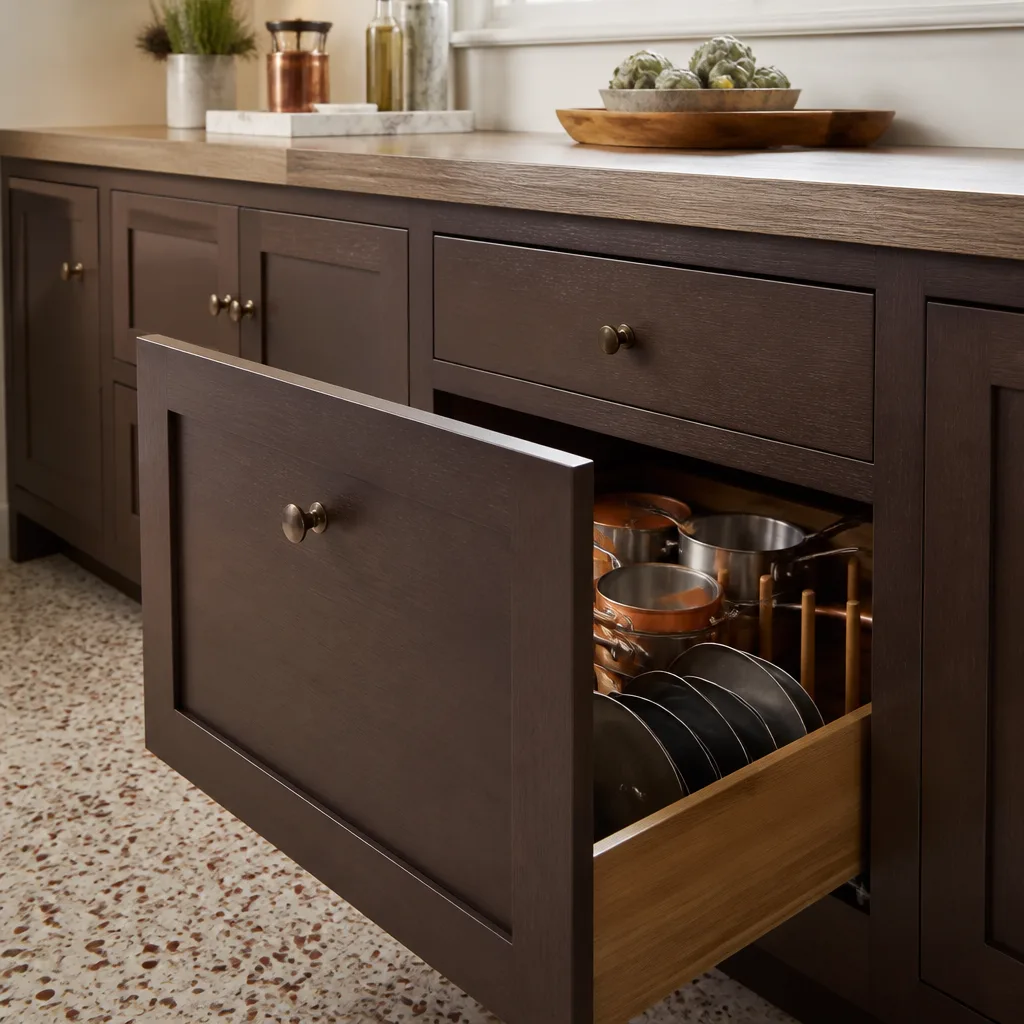
- Kitchen remodeling
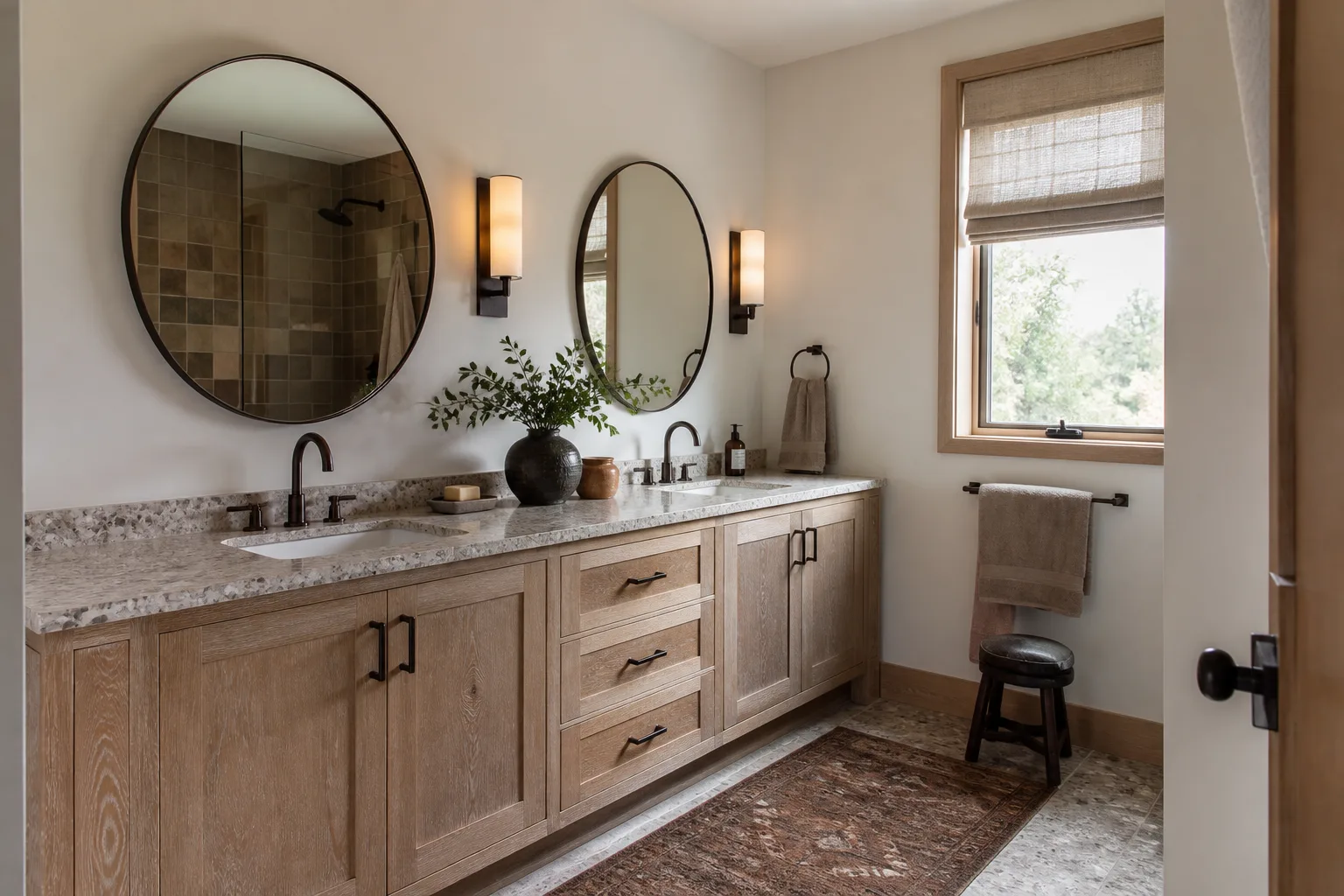
- Bathroom remodeling
- Home additions & ADU
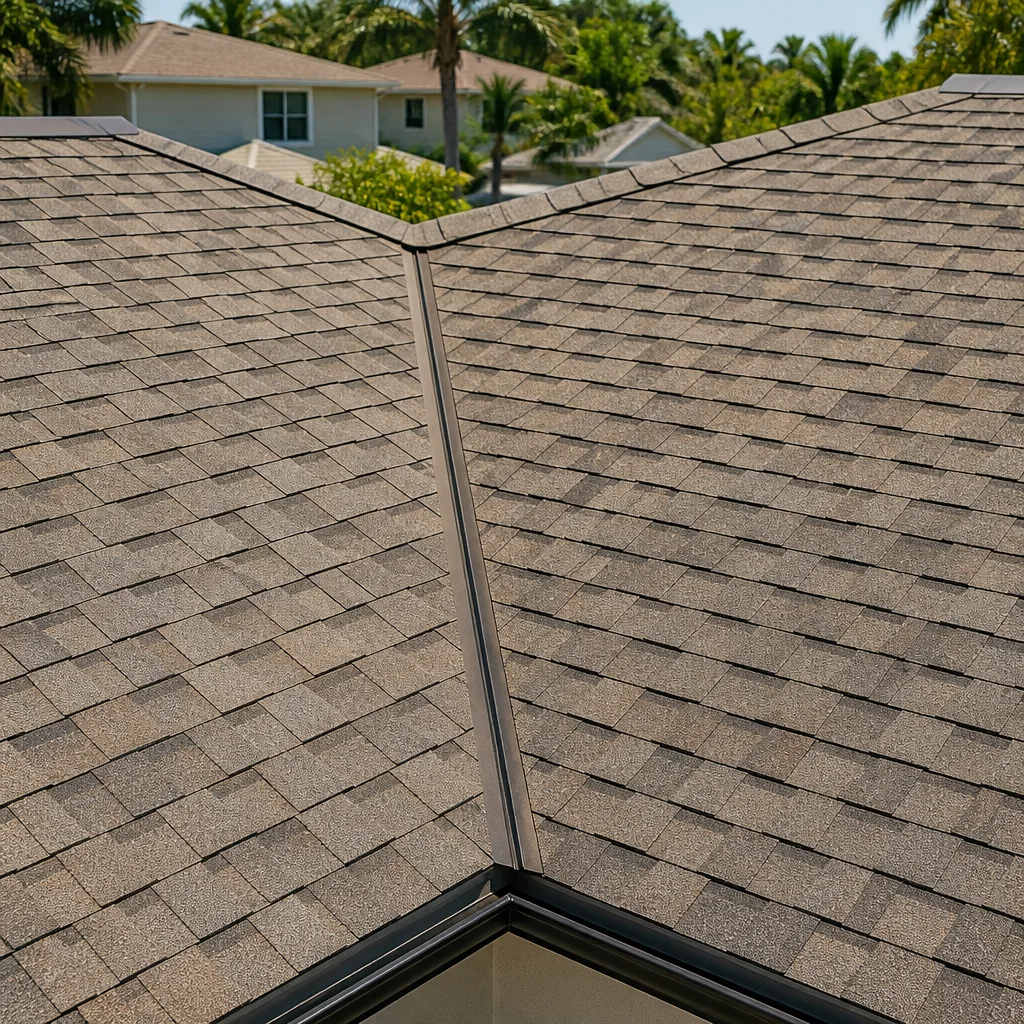
- Roofing
- Windows & doors
- Driveway & pavers
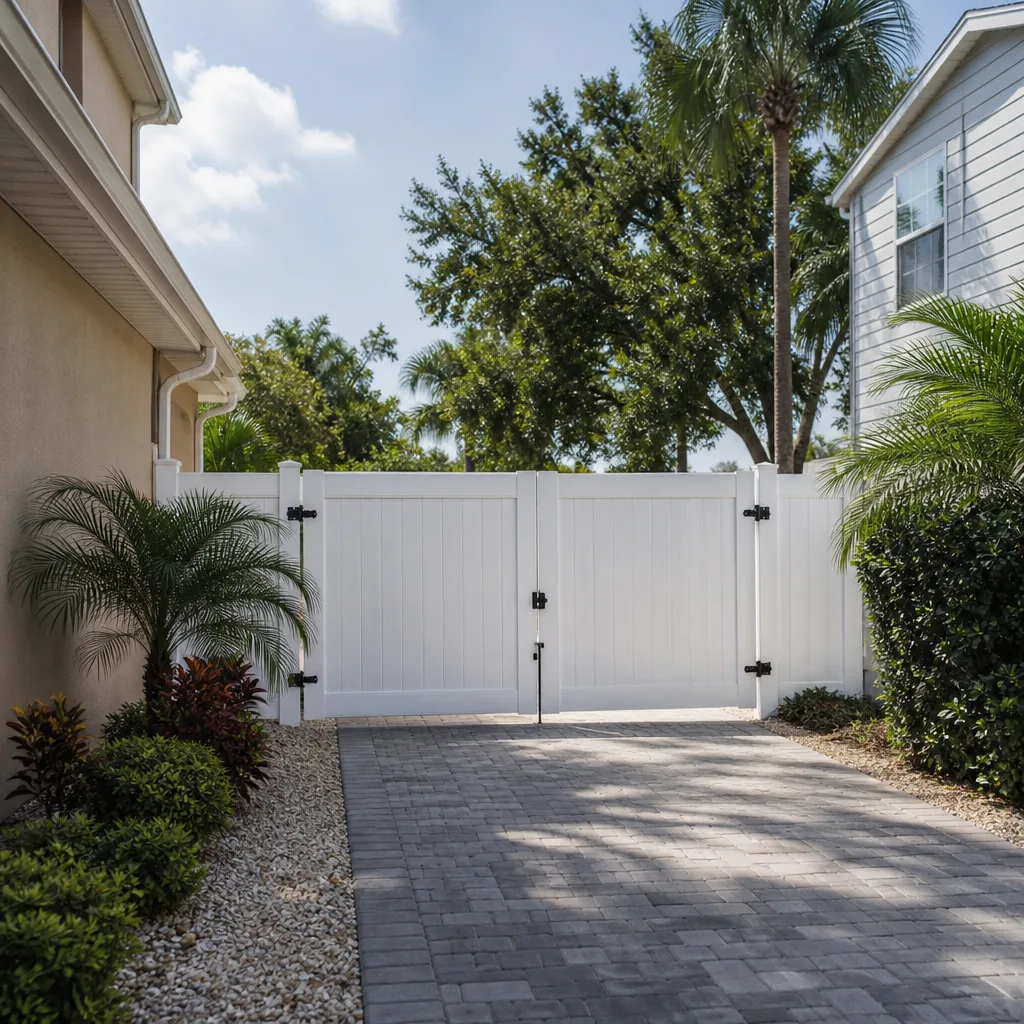
- Fence
See the difference
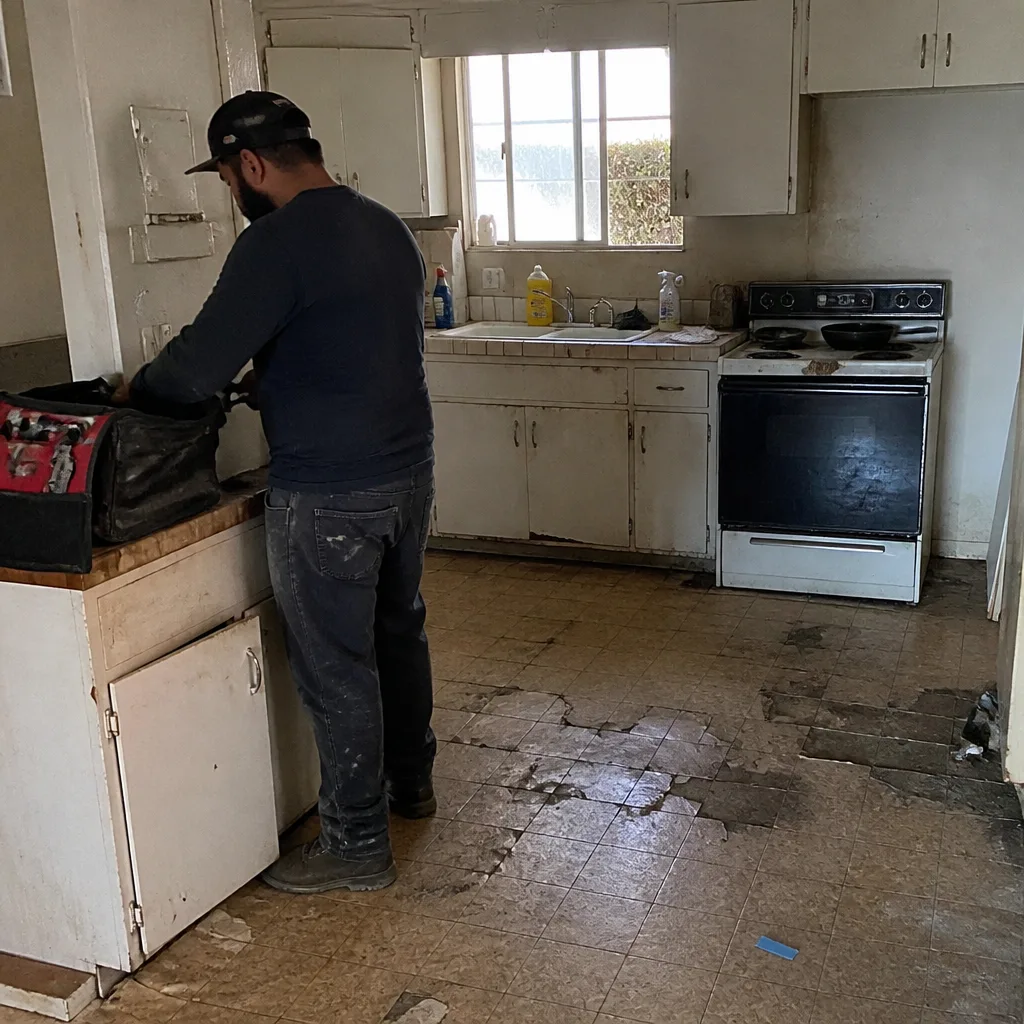 Before
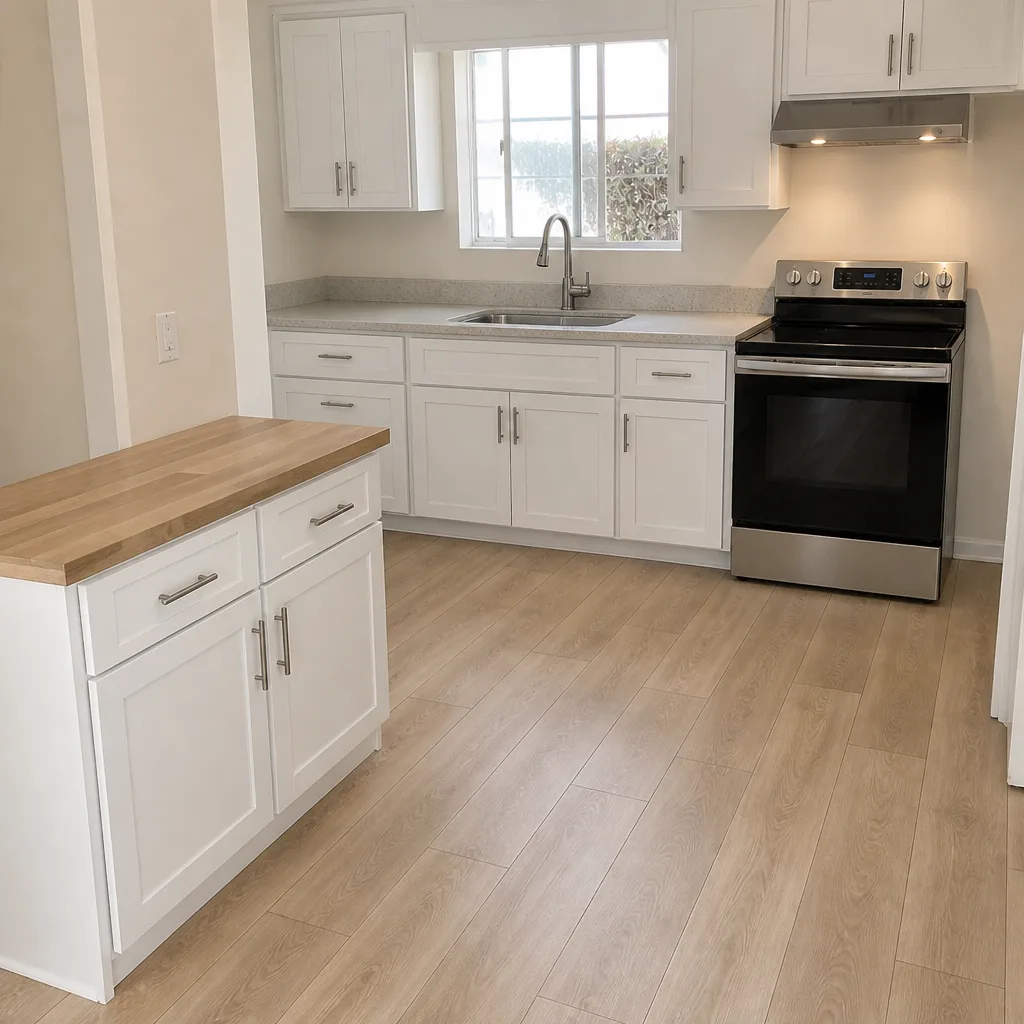 After
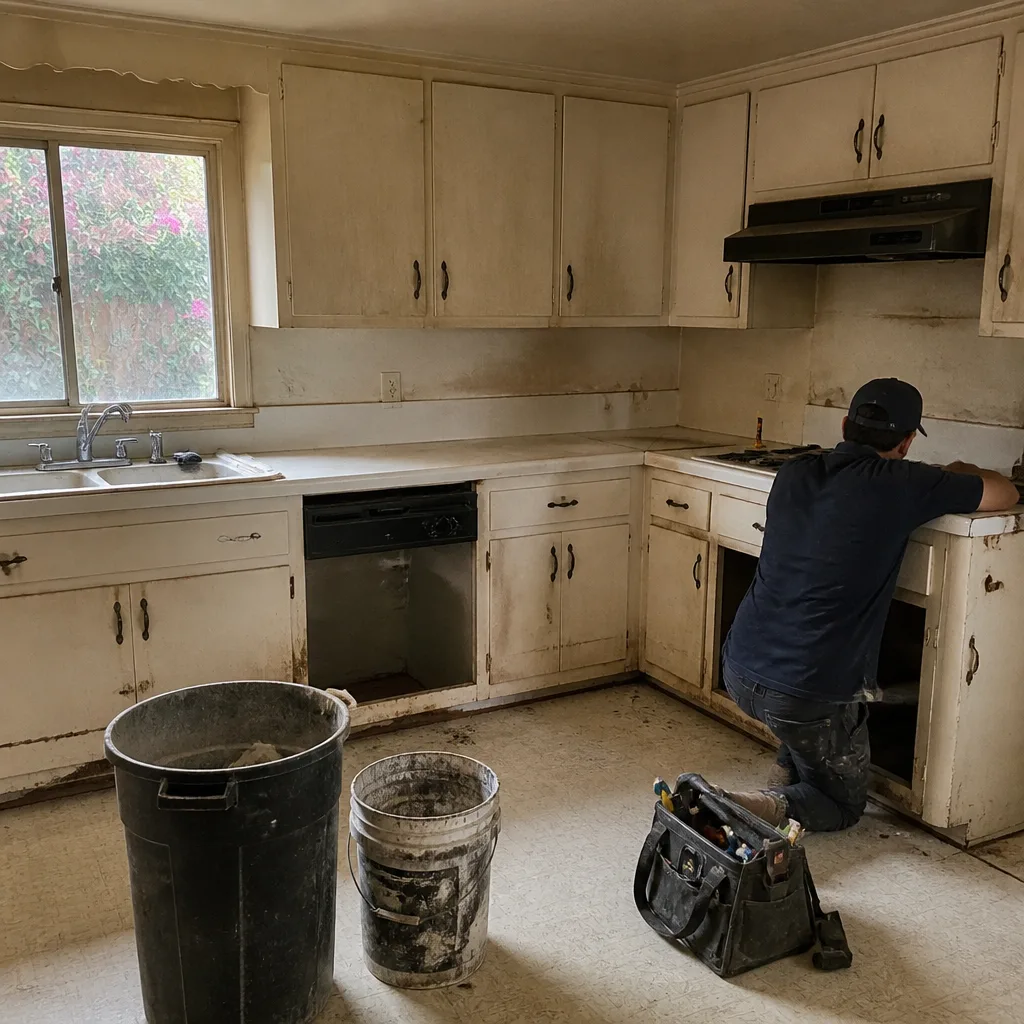 Before
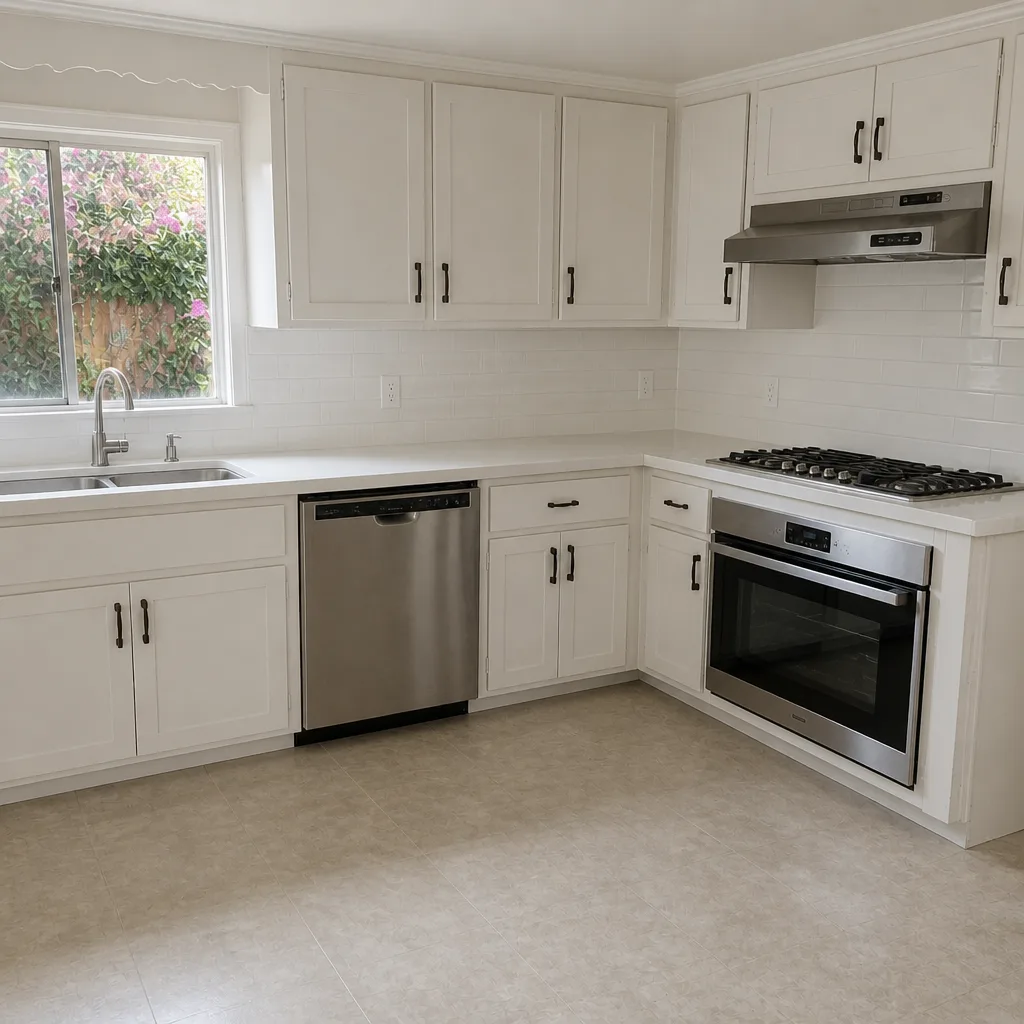 After
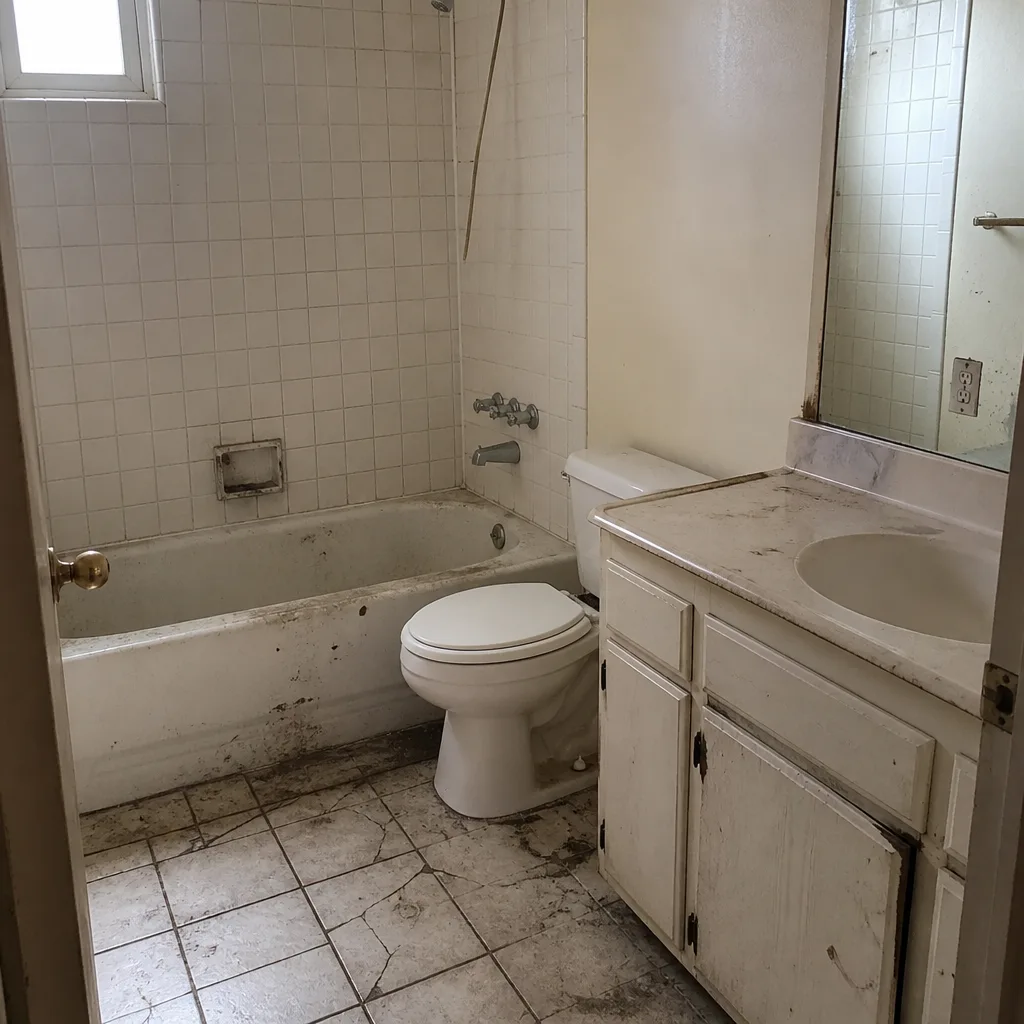 Before
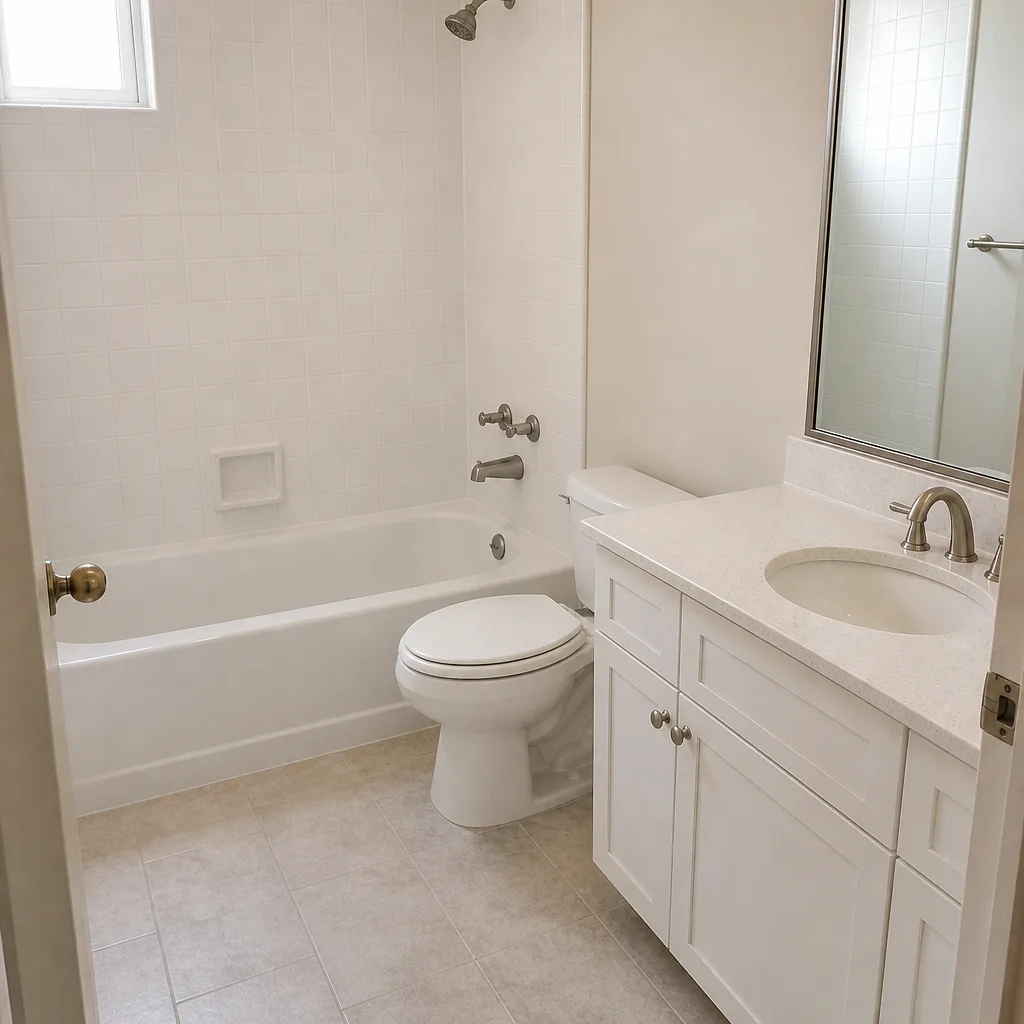 After
What Is a Miami-Dade NOA? An Honest Answer for Newport Beach Homeowners
A Miami-Dade NOA (Notice of Acceptance) is a certification issued by the Miami-Dade County Product Control Section confirming that a product, most often an impact window or door, has passed the Florida High Velocity Hurricane Zone testing protocol. It is the toughest residential impact standard in the country. And Newport Beach is not in Miami-Dade County, so in the vast majority of homes here, it is not a code requirement. Here’s what that document actually proves, what it doesn’t, and when it’s genuinely worth paying for.
What the Document Actually Certifies
A Notice of Acceptance isn’t a manufacturer’s marketing brochure. It’s a formal record held by a county building department, tied to a specific tested assembly: frame, glazing, hardware, anchorage, all evaluated together as a system.
To earn one, a product has to pass three punishing tests under the Florida Building Code’s HVHZ protocol, which is stricter than the standard statewide Florida product approval.
- Large missile impact: a 9-pound timber missile fired at the glass, then repeated impacts, simulating wind-borne debris in a hurricane. The unit has to stay in its frame.
- Cyclic pressure loading: thousands of pressure cycles that mimic wind buffeting over hours, not one clean gust. Windows that pass one pressure spike often fail repeated cycling.
- Water infiltration: sustained driven rain at high differential pressure to confirm the assembly doesn’t leak at rated loads.
The result is a certificate with a number, an expiration date, and a tight description of exactly which configurations were tested. A different frame size or an untested glass make-up can void the coverage of that specific NOA. That’s a detail worth knowing when anyone hands you a spec sheet and says “it’s Miami-Dade approved.”
Does Newport Beach Require It?
No. The California Building Code sets its own wind load and fenestration standards, and it does not reference Miami-Dade NOA certification as a residential requirement, including in Newport Beach’s coastal zones. California products are tested to AAMA and ASTM protocols and must meet the wind pressures calculated for the specific site. A Miami-Dade-rated product comfortably exceeds that bar, which is why it works here, but exceeding a requirement isn’t the same as being subject to it.
This matters because Newport Beach’s wind loads are nowhere near HVHZ thresholds. Our real enemies are salt air and the marine layer, not hurricane-driven debris. A window that passes the 9-pound missile test is genuinely excellent hardware. It just isn’t being asked to do the specific job it was certified to do.

The Coastal-Permit Wrinkle Nobody Explains
Here’s where a lot of Newport Beach window conversations get muddled. Properties on the harbor and the blufftop often need a coastal development permit, and the design review that comes with it can be genuinely picky about glazing profiles, sightlines, and material specifications. That scrutiny is real. But it’s a coastal development review, not a wind certification requirement, and no reviewer is going to tell you to go get a Miami-Dade NOA. Newport Beach’s ‘Bayfront’ and ‘Oceanfront’ zoning overlays do add layers a neighboring city doesn’t have, and salt air does push us toward stainless fasteners and marine-grade finishes on nearly every exterior installation. None of that comes from Miami-Dade County.
So when a contractor tells you the document is a mandatory Newport Beach coastal requirement, ask them to point to the specific code section. If they can, it’s a real requirement and you should satisfy it. If they can’t, you’re being sold a premium on a product specification you may not need. That’s the whole test, and it takes about thirty seconds.
When an NOA Is Genuinely Worth It in Newport Beach
There are real cases. Lenders and insurance carriers on high-value oceanfront properties occasionally require impact-rated glazing with third-party certification as a condition of coverage or financing. When that happens, an NOA is the cleanest, most easily verified proof of compliance you can hand an underwriter, even though the CBC doesn’t demand it.
The premium is real, too. Broadly, an impact window installation in Newport Beach runs $8,000 to $25,000 depending on the count and unit size, and a standard window replacement runs $4,500 to $15,000. NOA-certified products tend to sit at the top of that first range. If you’re paying that premium, you should be paying it knowingly and for a reason you can name. If your carrier is asking for certification, or your project sits in a home where the wind exposure calculation genuinely pushes the design pressure upward, it’s money well spent.
How Groundwork Handles the Spec Conversation
Our upfront pricing separates what’s code-required from what’s a value-added upgrade. That single decision removes most of the confusion homeowners bring us on this topic. If you want an NOA-rated assembly because an insurer asked for it, we’ll specify it and show you what it costs. If your project doesn’t need it, you won’t be charged for it.
We work with brands that hold up in marine air, from Therma-Tru entry systems to ViewLux impact-rated units, and every installation falls under our 730-Day Done Right Promise: if it’s not done right, we make it right. The team has up to 12 years of hands-on experience, techs are background-checked and uniformed, and calls are answered by a live person 24/7, so a question about a certificate or a spec doesn’t sit in a voicemail until Monday. You can see the full scope of what we install on our Windows & Doors page.
Specs That Get Upsold as “Required” in Newport Beach
Impact-rated glazing with an NOA is the one that comes up most, but it isn’t the only spec where “required” and “recommended” get blurred. On a re-roof, some contractors present upgraded underlayment or a heavier shingle line as mandated, when it’s really a warranty or longevity upgrade. Same with framing hardware on a remodel. Ask the same question every time: which code section, and what happens if I don’t do it? A straight answer comes quickly. A long answer with no citation is a sales pitch.
FAQs
No. The California Building Code does not require Miami-Dade NOA certification for residential window installations in Newport Beach, including coastal zones, because the CBC uses its own wind load and fenestration standards and our wind pressures don’t approach the High Velocity Hurricane Zone thresholds. Individual insurers or lenders may ask for it as a condition of coverage, and that’s a different matter.
Because impact glazing with third-party certification commands a higher price, and the document sounds official. Ask the contractor to cite the specific code section that requires it. A real requirement comes with a citation. If they can’t produce one, the upgrade is a choice, not a mandate, and you’re entitled to make that choice yourself.
It exceeds California’s requirements by a wide margin, but that margin isn’t buying you extra protection in Newport Beach. Your real stressors here are salt corrosion on fasteners and hardware, marine-layer moisture, and aging openings in mid-century peninsula homes. Stainless hardware and marine-grade coatings matter more to how long a window holds up here than hurricane missile certification does.
Check three things: whether your insurer or lender specifically requires certified impact glazing, whether the exact unit size and glass make-up you’re buying is covered by the NOA number on the paperwork, and whether the premium is disclosed line by line rather than bundled. Ask for the certification number in writing. Call (833) 749-3967 if you want it reviewed before you sign.
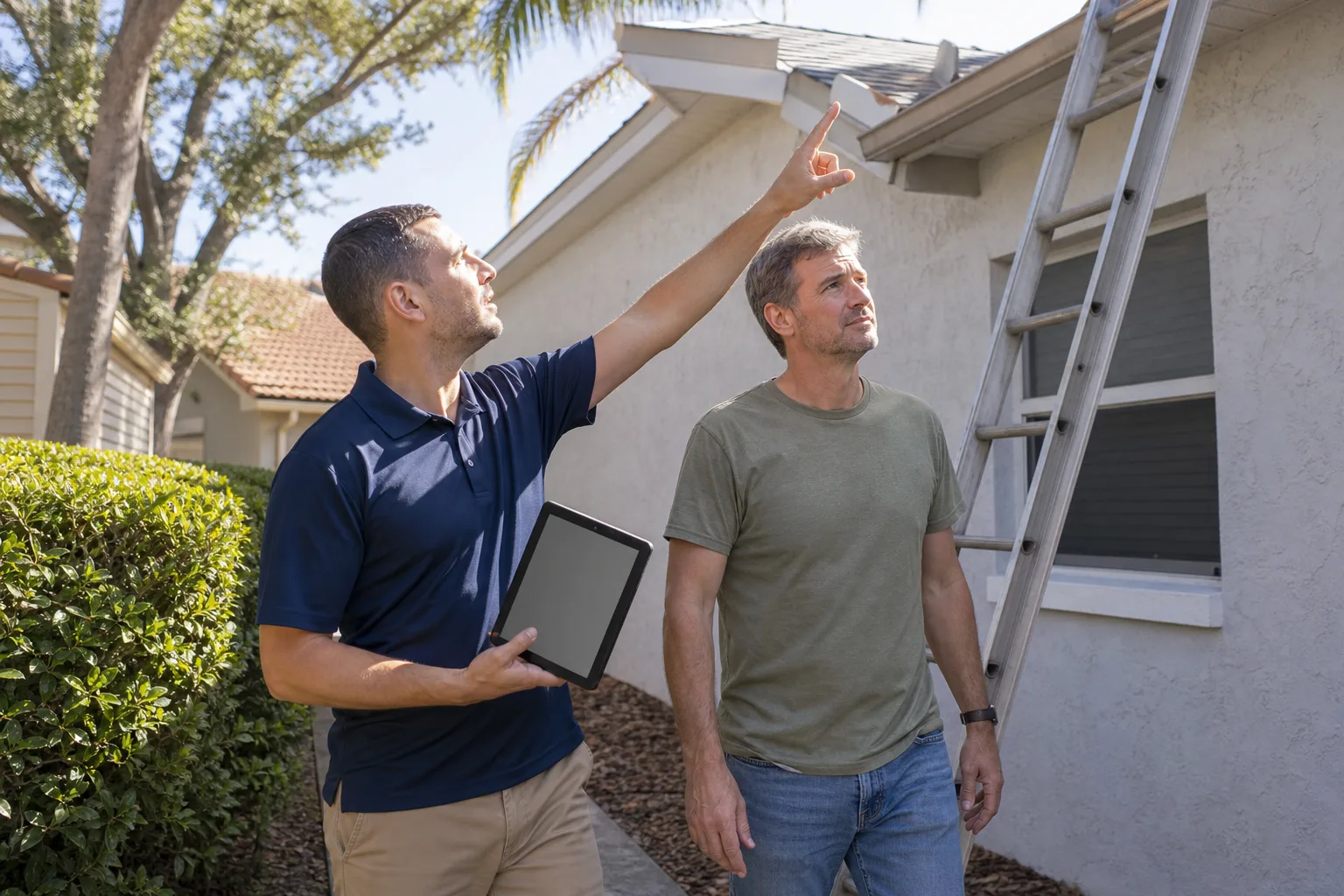
If you’d rather have it looked at, Groundwork Construction Co. of Newport Beach offers a no-pressure assessment in Newport Beach. We’ll walk the project, tell you what the code actually requires, and quote the number you’ll pay. Call (833) 749-3967 for a free estimate and design consult, or start with our Newport Beach service area page.
Written by the team at Groundwork Construction Co. of Newport Beach, serving Newport Beach, CA.