
Free written scope consultation - allowances, timeline, and change-order rules on paper before a single trade is scheduled
Styles & brands we work with
- Kitchen remodeling
- Bathroom remodeling
- Home additions & ADU
- Roofing
- Windows & doors
- Driveway & pavers
- Fence
See the difference
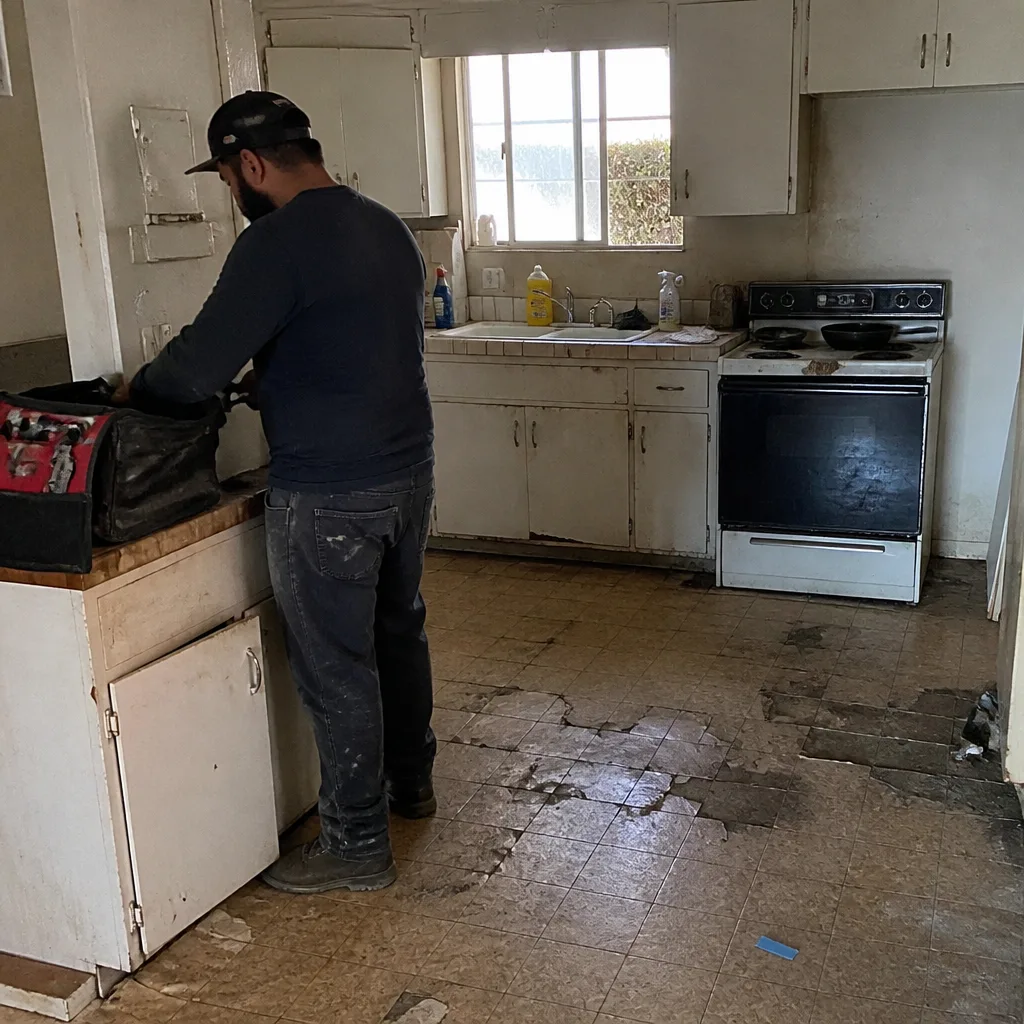 Before
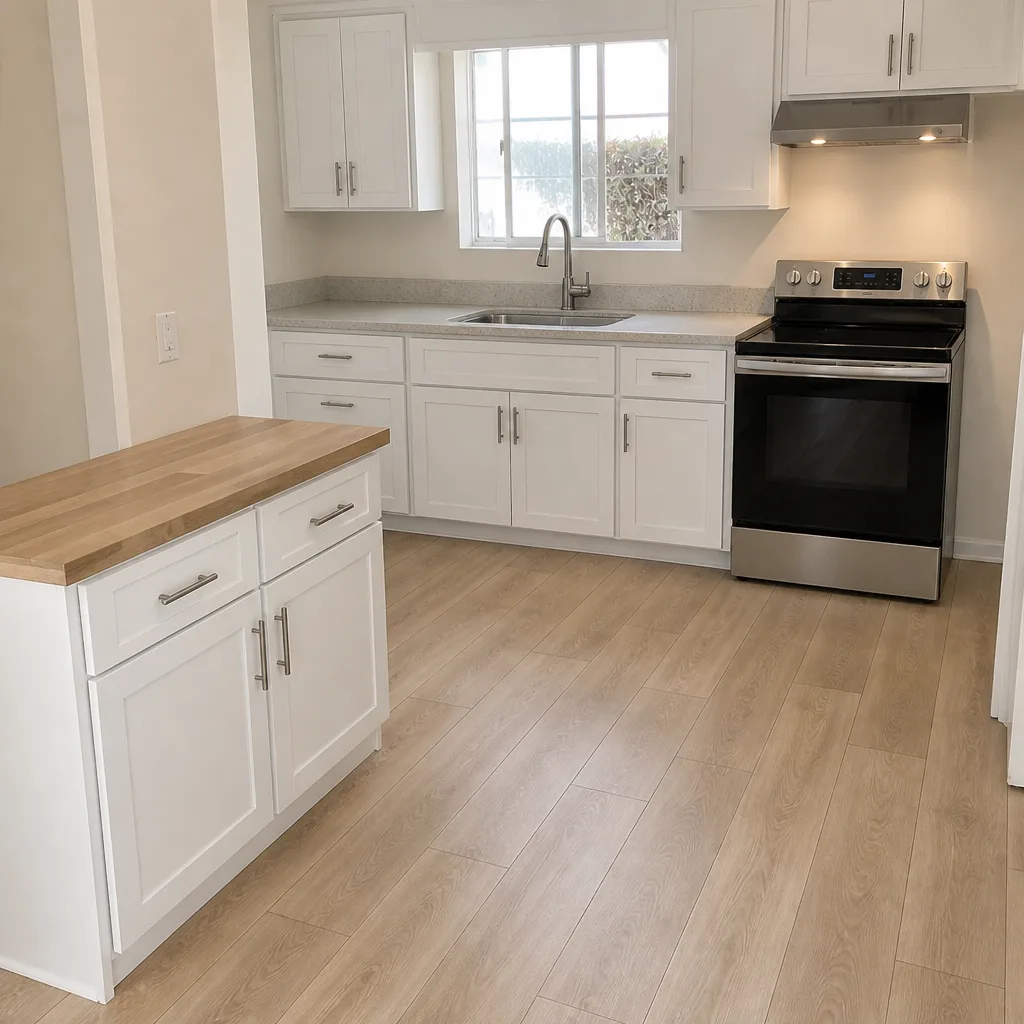 After
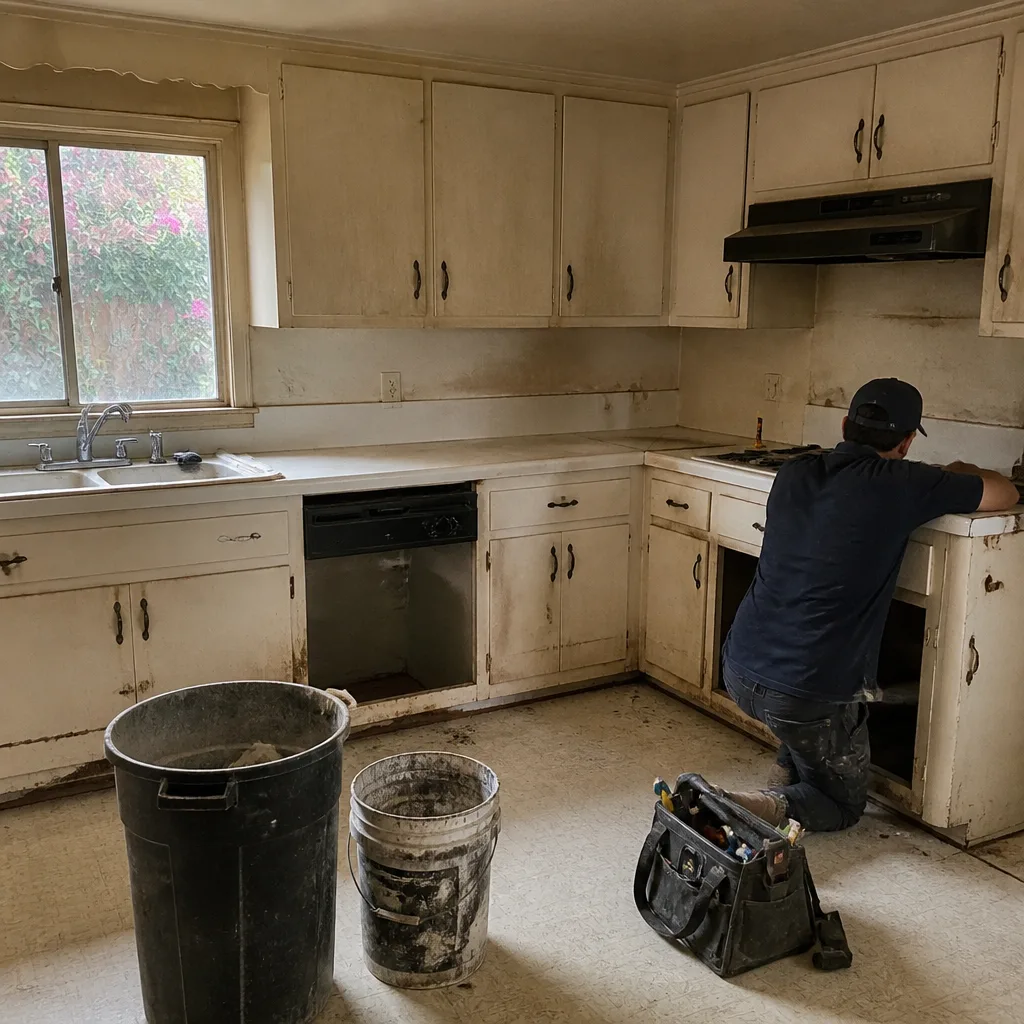 Before
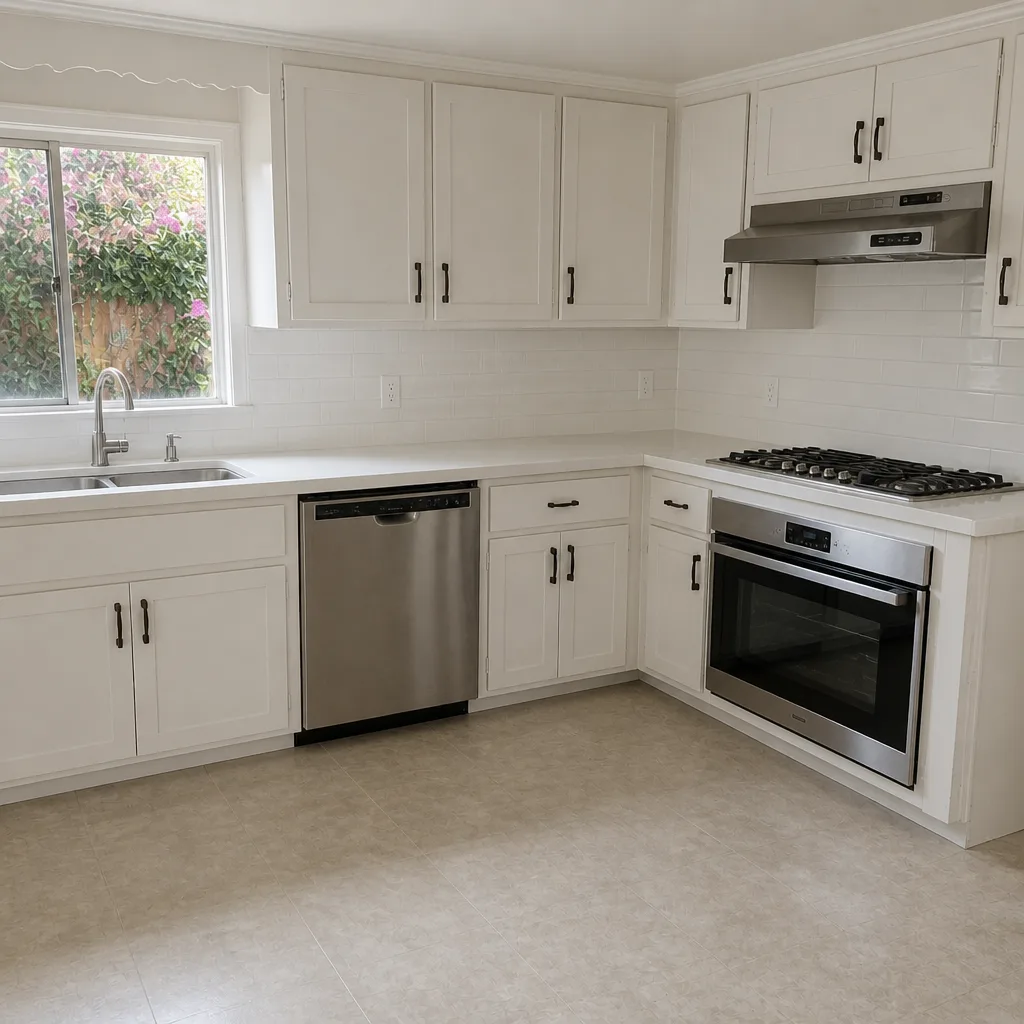 After
 Before
 After
How Deep Should Fence Posts Be in Newport Beach? Deeper Than the One-Third Rule Tells You
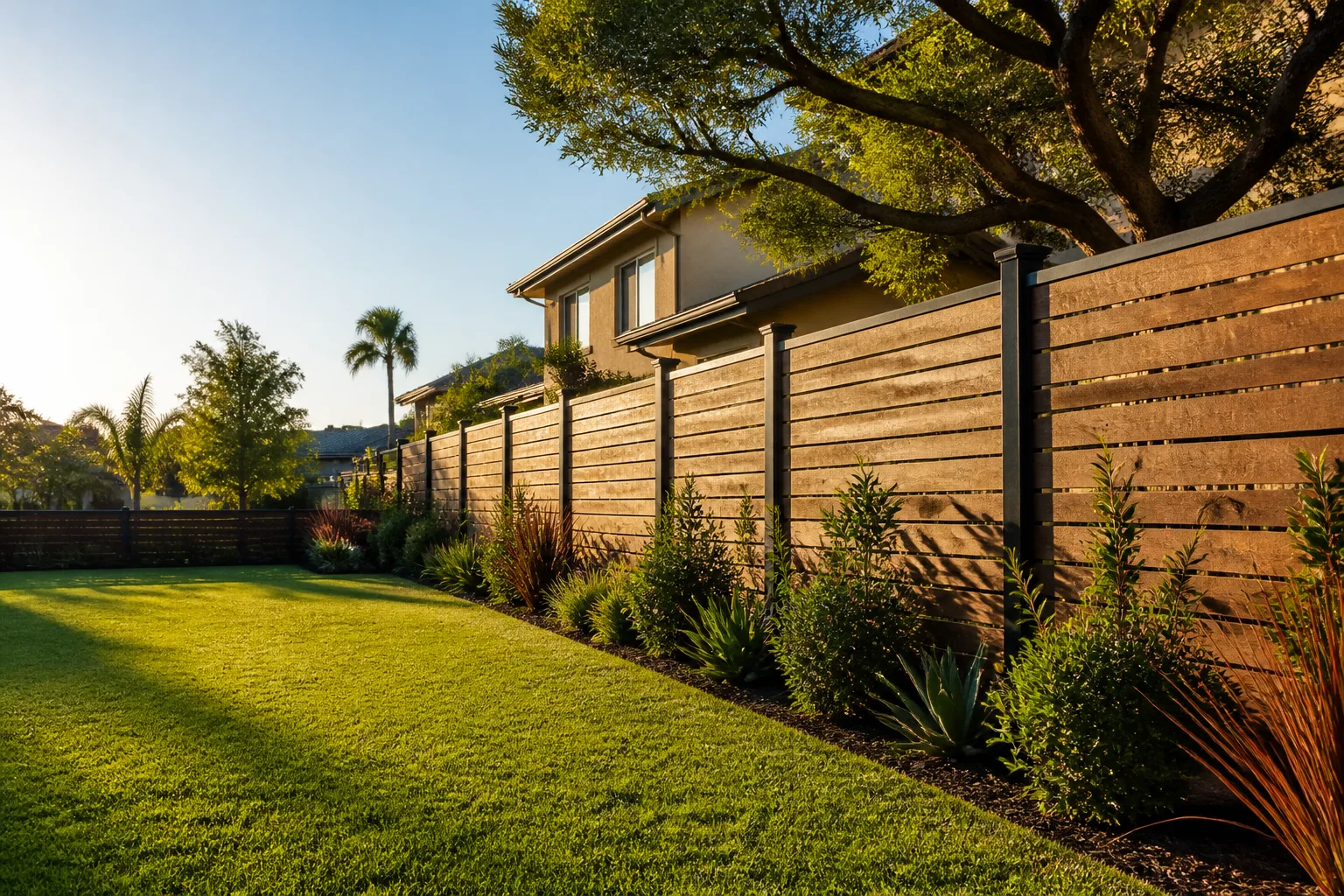
Fence posts along Newport Beach’s coast should be set a minimum of 36 inches deep in clay-heavy bayfront soil, and 30 to 36 inches is the right range for most inland lots with compacted or sandy profiles. The standard advice you’ll find online – bury one-third of the post, never less than 2 feet – was written for free-draining inland soil. On a Balboa Island lot with marine clay in the first 24 inches, 24 inches of embedment sets the post up to fail. Have a question about your specific lot? Call (833) 749-3967.
Why the generic rule produces undersized footings here
That one-third rule assumes granular, free-draining soil. Water moves through sand quickly, so a post in 24 inches of compacted sand holds its line for years. Marine clay behaves the opposite way. When it saturates, it loses lateral load resistance, and the post starts to lean under wind load. The peninsula and Balboa Island are full of this clay. Newport Beach’s low-lying bayfront zones also sit close enough to sea level that sea-level rise projections now push new construction toward elevated floor heights and deeper footings. Some properties already fall under flood-resistant construction practices that raise the minimum post embedment depth above what a national guide lists. Our rule of thumb: in clay-heavy coastal soil, 36 inches is a defensible floor, not a conservative upgrade.
The post diameter question nobody addresses
Depth alone doesn’t tell the whole story. Diameter relative to depth matters more in coastal soils. A 4×4 post set in 24 inches of saturated clay has roughly half the lateral resistance of the same post in compacted sand. Going to a 6×6 in the same hole increases the bearing surface against the clay walls, and it’s the move we recommend on bay-side property where the clay runs deep. In our experience, homeowners who ask only “how deep” end up with a post that’s deep enough and still too thin.
What We Find Underground in Newport Beach That Generic Guides Never Mention
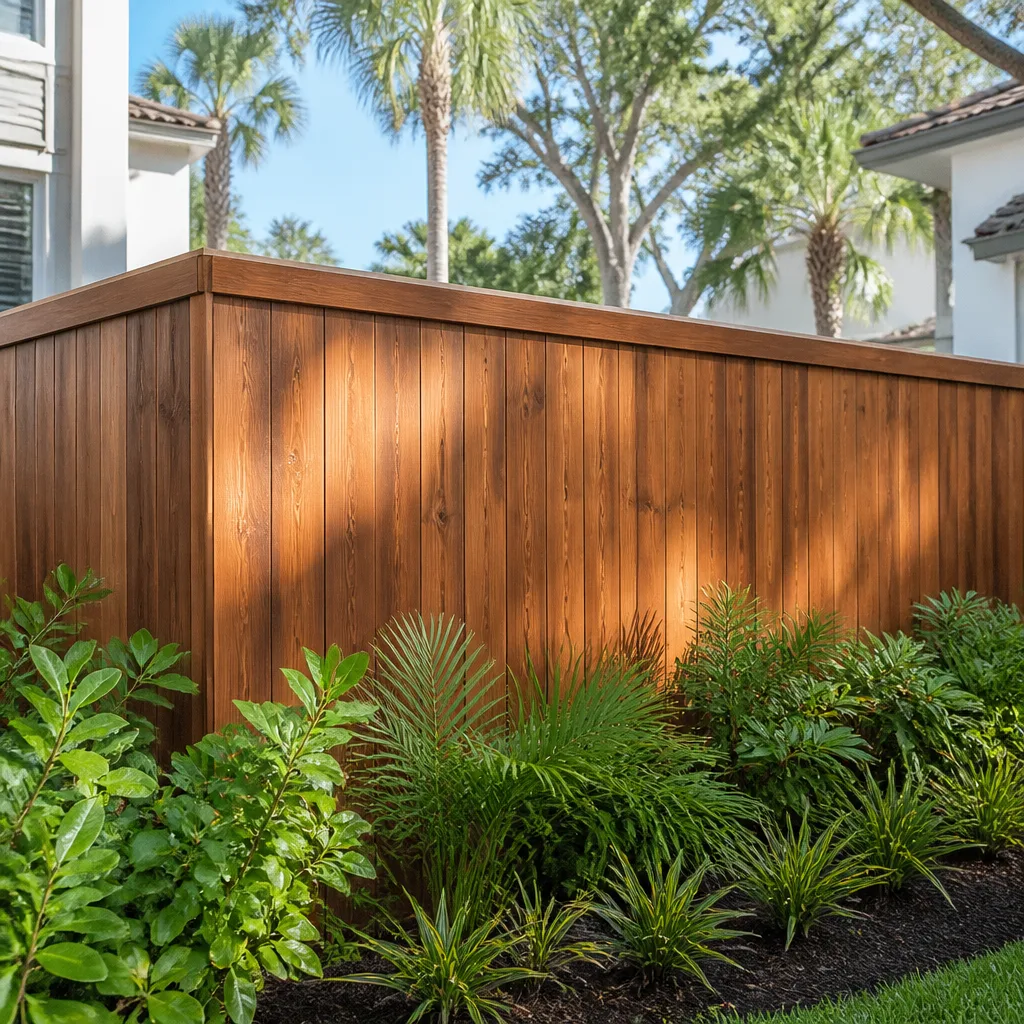
Balboa Island’s original 1920s-40s cottages sit on wood pilings, and many have never been updated. That matters for a fence line because you can hit a piling at depth mid-install. A crew that discovers pilings and improvises by cutting post depth to get around the obstacle is trading your fence’s lifespan for its own schedule. The shortcut shows up as failure in two to three years: a leaning section, a post that pulls loose in the first big winter swell. Our approach is to re-layout the fence line around the obstruction rather than shallow the hole. That may mean shifting a post by 18 inches or adding one. It costs a little now and saves a full re-set later.
The salt air compounds the problem. Persistent marine layer and ocean spray accelerate corrosion of metal fasteners and exterior finishes even on inland properties, so we spec stainless steel hardware and marine-grade coatings as standard. It’s the same reason we lean on James Hardie fiber cement for panels on salt-exposed property – it holds finish longer than wood in this climate. That specification is covered by the 730-Day Done Right Promise: if the post moves or the hardware corrodes, we’re on record to fix it.
How We Set the Depth Specification for Your Specific Lot
There’s no single number that covers Newport Beach. A blufftop property in Dover Shores and a bayfront lot on the peninsula get different specifications because the soil profile and proximity to tidal influence differ. Here’s how we arrive at your number:
- Soil profile check. We probe the first 36 inches to identify clay content and drainage. Marine clay that holds water changes the spec.
- Tidal proximity. Lots close to tidal influence or in a flood-resistant zone get deeper footings to compensate for saturated soil during high-water events.
- Piling survey. On island and older peninsula lots, we verify what’s below before we dig so a piling doesn’t force a mid-install workaround.
- Post diameter match. 4×4 where soil is stable and granular, 6×6 where clay runs deep or wind exposure is high.
- Coastal overlay review. Newport Beach’s ‘Bayfront’ and ‘Oceanfront’ zoning overlays and Coastal Commission permit conditions can affect fence placement and footing on harborfront and blufftop lots.
The 12 years of technician experience behind our crews is why these checks happen before the first hole, not after the first lean. From foundation to finish line, every part of the job is specified and documented.
What Fence Installation Costs in Newport Beach
Most Newport Beach fence installations land in the $3,500-$9,000 range depending on linear footage, material, and how much soil correction the lot needs. Upfront pricing means the number you see is the number you pay.
| Line Item | Typical Range |
|---|---|
| Vinyl Fence Installation | $3,500-$9,000 |
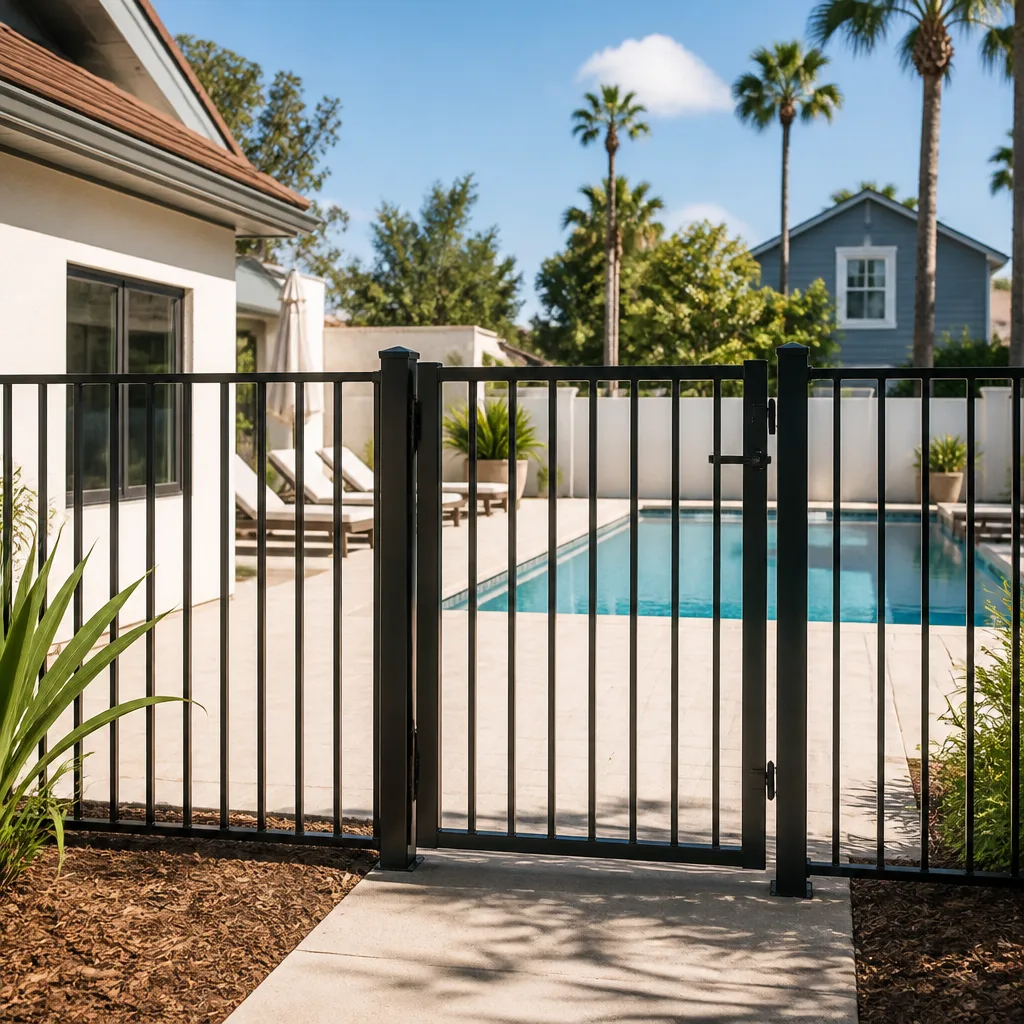
| Aluminum Fence Installation | $4,000-$10,000 |
| Deeper footing correction (clay lots, islands) | Quoted per job |
Projects over $10,000 qualify for $1,000 off, and 0% financing for 18 months spreads a large install across a comfortable window. For the full scope of what we offer, see our Fence Installation service and Fence Installation in Newport Beach. For the broader property picture, you can explore our home page, browse kitchen remodeling for interior projects, or look at bathroom remodeling and roofing. If you’re comparing nearby markets, we also serve Huntington Beach, Costa Mesa, Irvine, and Laguna Beach. For a full-build partner, our home additions and ADU and driveway and pavers pages show how a fence ties into a larger project.
FAQs
A minimum of 36 inches for clay-heavy bayfront and island lots, and 30 to 36 inches for inland Newport Beach lots with granular soil. The national one-third rule assumes free-draining soil and produces undersized footings on marine clay. Call (833) 749-3967 for a free estimate that matches your lot’s actual soil profile.
Usually not. Two feet of embedment in saturated marine clay gives roughly half the lateral resistance of the same depth in compacted sand, so the post leans within a few seasons. Go to 36 inches on clay lots. Call (833) 749-3967 and we’ll confirm your number.
Yes. Low-lying bayfront properties and lots with flood-resistant construction practices get deeper footings and elevated specs, and some fall under the ‘Bayfront’ and ‘Oceanfront’ zoning overlays or Coastal Commission permit conditions. We review those before layout. Estimates are free – call (833) 749-3967.
Most full fence installations fall in the $3,500-$9,000 range, with deeper footing correction quoted per job. Vinyl runs $3,500-$9,000 and aluminum $4,000-$10,000. Projects over $10,000 get $1,000 off plus 0% financing for 18 months. Call (833) 749-3967 for an exact quote.
Get Your Fence Line Set Right the First Time
If you’d rather have it looked at, Groundwork Construction Co. of Newport Beach offers a no-pressure assessment in Newport Beach – call (833) 749-3967. We answer live, 24/7, with background-checked, uniformed technicians on every job. We’ll check your soil, find the pilings, and spec the right depth.
Written by the team at Groundwork Construction Co. of Newport Beach, serving Newport Beach, CA.