

Free written scope consultation - allowances, timeline, and change-order rules on paper before a single trade is scheduled
Styles & brands we work with
- Kitchen remodeling
- Bathroom remodeling
- Home additions & ADU
- Roofing
- Windows & doors
- Driveway & pavers
- Fence
See the difference
 Before
 After
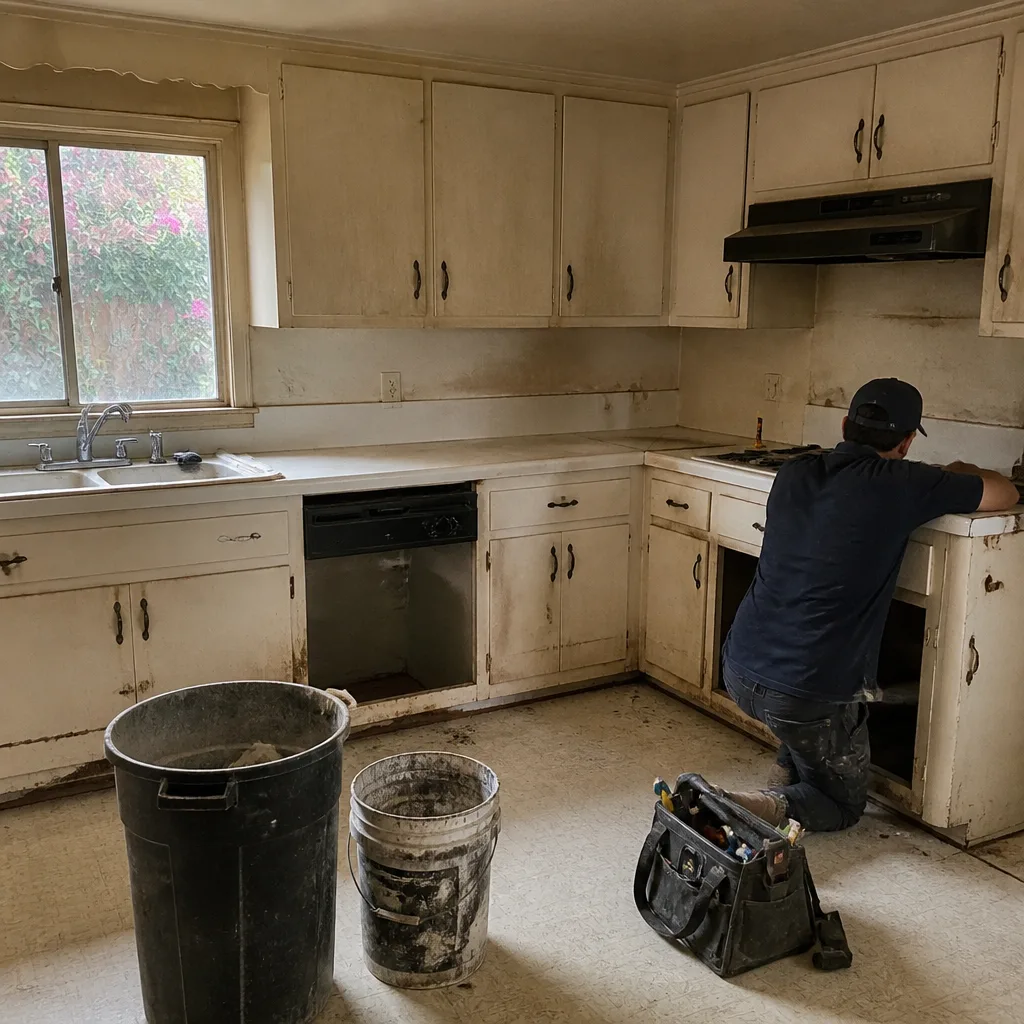 Before
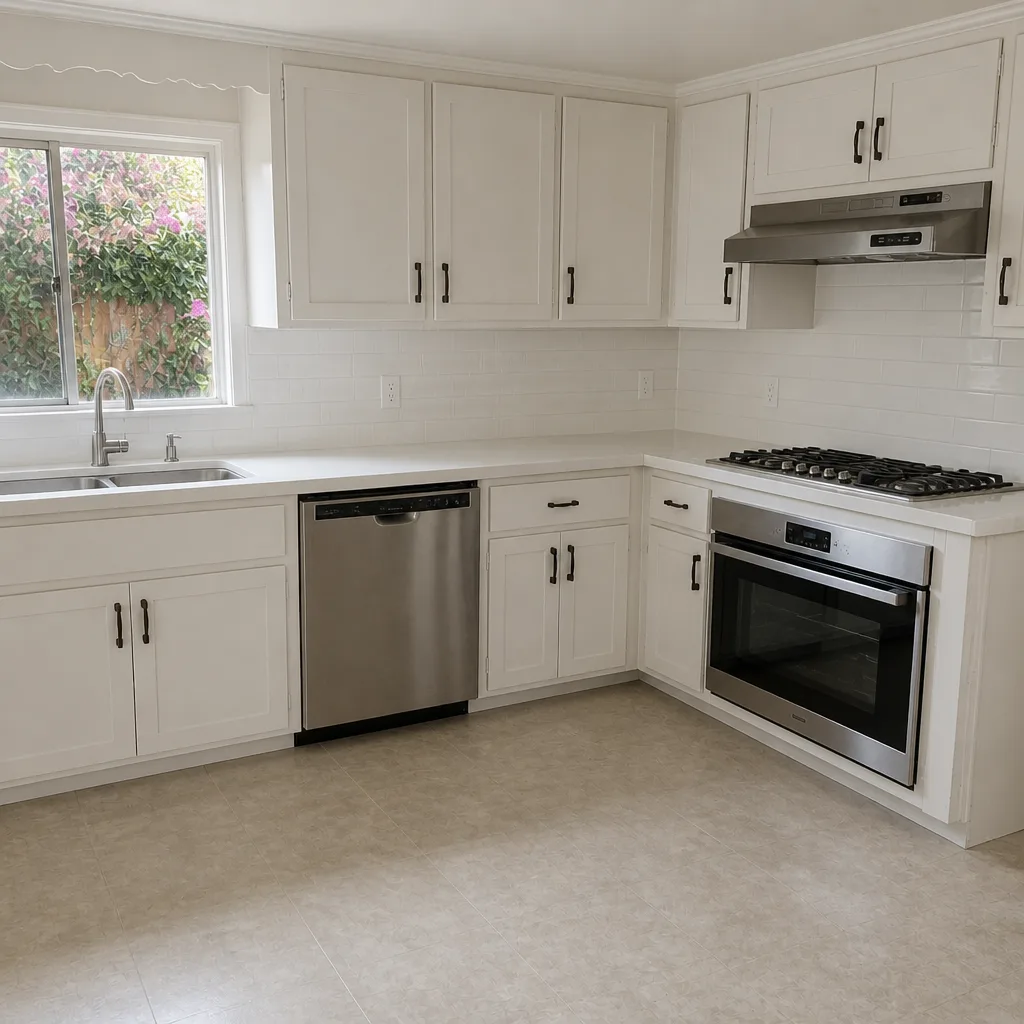 After
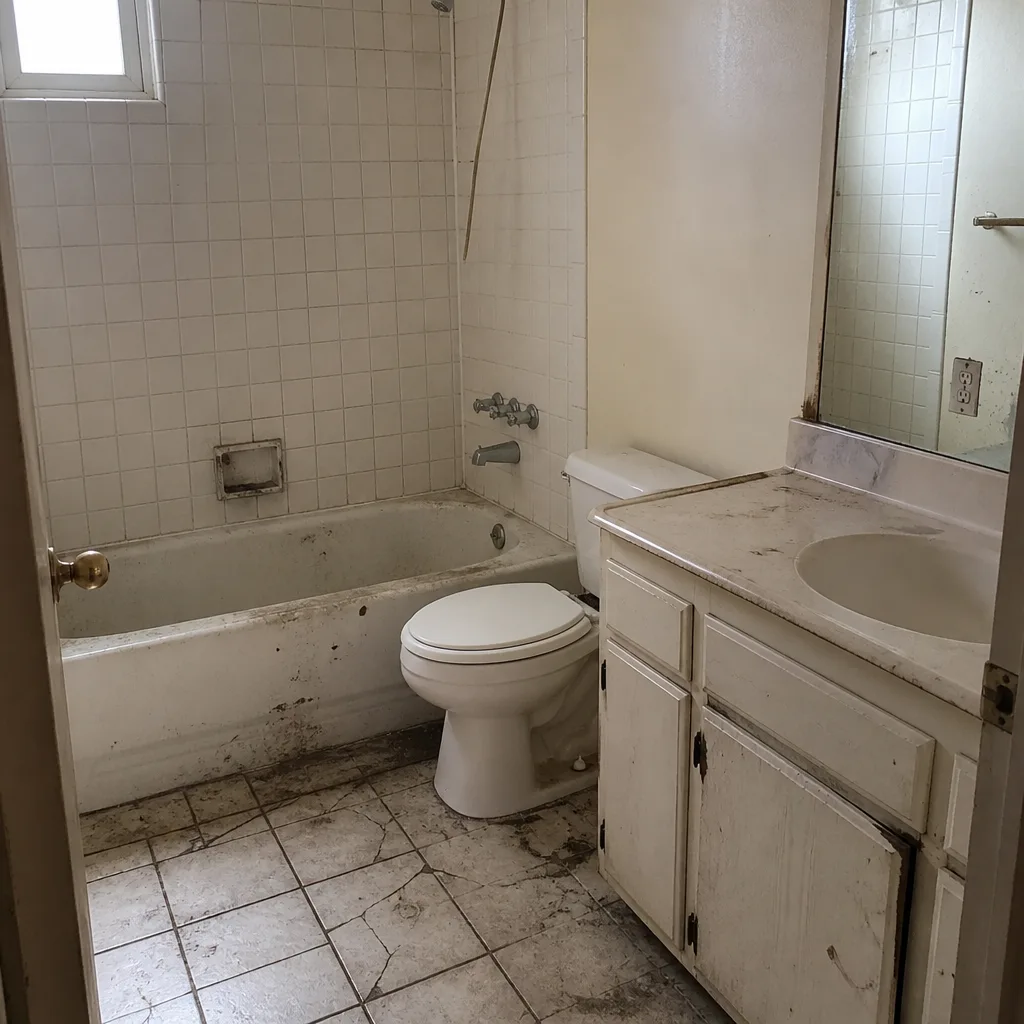 Before
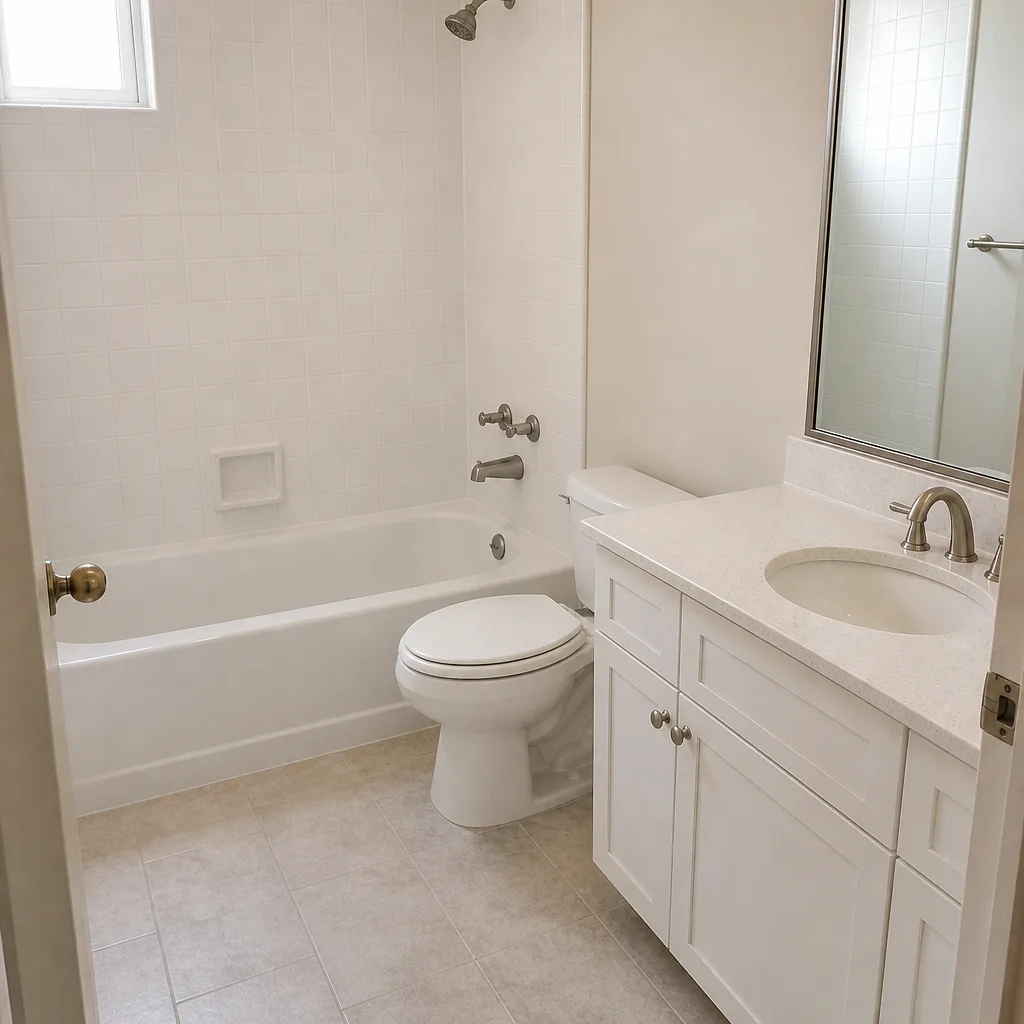 After
Chain Link Fence Repair in Newport Beach: Why the Galvanizing Grade Decides Whether It Lasts 2 Years or 15
Repairing a chain link fence means matching the new fabric, posts, and hardware to the same galvanizing spec as the existing fence, replacing corroded top caps and tension wire instead of reusing them, and retensioning the fabric so it carries load evenly. In Newport Beach, that spec matters more than the repair technique itself. If the new fabric is standard G60 galvanized and the existing posts are mill-galvanized to a different coating weight, you’ve created a galvanic mismatch that will rust out the new section faster than the section you pulled out. Call (833) 749-3967 to have a coastal repair spec’d before anyone touches the fence.
The Salt-Air Variable Every Other Guide Skips
Newport Beach’s marine climate is generous to fences in one way and merciless in another. Weather rarely stops work here. Salt air, though, does not stop working. Persistent onshore spray and the morning marine layer accelerate corrosion of every metal fastener and exterior finish on a property, which is why stainless hardware and marine-grade coatings show up even on inland homes.
For chain link, that translates to a hard number. Standard G60 galvanized fabric has a realistic service life of 7 to 10 years in Newport Beach’s salt-air environment before structural corrosion sets in. On a blufftop property in Dover Shores, or anywhere on Balboa Island where the bay sits a few blocks in every direction, that clock runs faster. Any fence within half a mile of the bay or ocean should be considered a coastal fence first and a chain link fence second.
What counts as the minimum coastal specification?
Aluminized fabric or vinyl-coated fabric is the floor, not the upgrade. Aluminized coating resists salt-driven corrosion far better than G60 because the coating itself behaves differently in chloride exposure. Vinyl-coated chain link adds a barrier layer over the galvanized core, and systems like Bufftech and ActiveYards make coated fabric that holds color and holds up. If the existing fence is plain G60 and already 8 years old, a patch repair buys you time but not much of it.
What to Look For Before You Repair (or Pay Someone To)
Most failed chain link repairs aren’t failed fabric. They’re failed decisions made before the first tension band came off. Walk the fence line and check these in order:
- Galvanizing grade on the existing posts. Look for a dull gray matte finish (mill-galvanized, thicker coating) versus a brighter spangle (standard G60). If you can’t tell, assume mixed and plan accordingly.
- Top caps and brace bands. These are thin-walled and hold standing water. In salt air they’re the first components to fail. A repair that leaves corroded hardware in place creates the next repair within 18 months.
- Tension wire at the bottom. This wire sits closest to the soil moisture line, and in Newport Beach’s clay-rich bayfront soils it corrodes from soil chemistry and salt air at the same time. Any significant repair should replace it, not reuse it.
- Tie wire material. Aluminum tie wire on steel fabric is a corrosion cell at every single tie. Steel ties on an aluminum post fail at the junction within a few seasons.
- Post footings. Pulled or leaning posts usually mean footing failure, not post failure. A fabric swap over a bad footing is a repair you’ll repeat.
Can you just patch a torn section?
Sometimes, yes. A clean tear in otherwise sound fabric can be closed with repair ties or a tension-bar-and-clamp patch, and small isolated damage doesn’t justify replacing a run. In our experience on Newport Beach properties, the patch is the right call only when the surrounding fabric is under five years old, the hardware is intact, and the galvanizing matches. Past that, patches tend to fail at the patch edges because the tension isn’t carried evenly across the run.
What does galvanic corrosion actually do at a fence?
Two dissimilar metals in contact, with salt spray as the electrolyte, form a small battery at the junction. The less noble metal gives up material. Steel bands on aluminum posts, or aluminum ties on steel fabric, corrode at the contact point first. That’s why the failure shows up at hardware, not in the middle of a panel, and why matching the metal is the single most important habit in a coastal chain link repair.

What Chain Link Repair Costs in Newport Beach
Pricing depends on linear feet, coating spec, and whether footings are involved. Here’s a realistic range for the Newport Beach market:
| Scope | Typical Range |
|---|---|
| Small patch repair (repair ties, tension bar section) | $150 – $450 |
| Fabric replacement on a damaged run, coastal spec | $900 – $2,800 |
| Hardware and tension wire replacement, full perimeter | $600 – $1,600 |
| Post and footing replacement (per post) | $250 – $700 |
| Full coastal chain link repair or rebuild | $3,500 – $9,000 |
The $3,500 to $9,000 figure is the page’s real lead range: it covers a meaningful repair or rebuild on a typical residential lot, spec’d for salt-air exposure. Materials run higher than a big-box patch job because aluminized or vinyl-coated fabric and stainless hardware cost more. It holds up longer than the patch, which is the whole point. All work is covered by the 730-Day Done Right Promise – if it’s not done right, we make it right – and that promise covers the material specification, not just the labor. A crew that installs the wrong galvanizing grade has not done it right.
Expect upfront pricing before work starts, no surprises after. If the project runs over $10,000 (full perimeter rebuilds on larger lots can), the standing $1,000 off projects over $10,000 promotion applies, and 0% financing for 18 months is available.
Why Spec Matters More Than Speed Here
A background-checked, uniformed technician doesn’t show up with whatever materials happen to be on the truck. Every coastal repair is spec’d for the environment before the job starts: coating grade matched to the existing fence or upgraded across the whole run, hardware matched to the post metal, stainless fasteners at every junction, and tension wire replaced as a matter of course. Our technicians have up to 12 years of experience reading a fence line and knowing exactly where a Newport Beach repair will fail if it’s done cheap.
That’s also why we treat coastal rules the way we do. Newport Beach’s harborfront and blufftop properties sit under California Coastal Commission permit conditions combined with the city’s Bayfront and Oceanfront zoning overlays. A fence right at a bluff edge or a bay lot line can fall under those same review requirements, and the material spec is part of the plan. You want a contractor who knows that before the fabric comes off. You can learn more about our approach on our Fence Installation page, or see the full scope of Fence Installation in Newport Beach.
Across our home service lines, the same rule applies: the material choice is the job, not a detail. For fence work specifically, that means matching grade, grade, and grade again.
When to Call a Pro Instead of Handling It Yourself
If the posts are sound, the hardware is intact, and the damage is a single tear, a homeowner can patch chain link safely. If any of the following are true, it’s a call:
- Any post is loose, leaning, or pulled from its footing.
- The tension wire is corroded or absent at the bottom of the run.
- Hardware shows active rust or pitting at the junctions.
- The fence is within half a mile of the bay or ocean and the coating spec is unclear.
- The repair touches a coastal or blufftop lot line.
Call us at (833) 749-3967 – a live person answers, 24/7, no voicemail black holes.
FAQs
Chain link fence repair in Newport Beach typically runs $150 to $450 for a small patch and $3,500 to $9,000 for a full coastal repair or rebuild on a typical residential lot. The spread comes down to coating spec, footing condition, and linear feet – coastal fabric and stainless hardware cost more but last far longer. Call (833) 749-3967 for an exact quote; estimates are free.
Standard G60 galvanized chain link has a realistic service life of 7 to 10 years in Newport Beach before structural corrosion sets in. Aluminized or vinyl-coated fabric extends that meaningfully, especially within half a mile of the bay or ocean. The number to remember: if the fence is older than that and the coating is plain G60, a patch is renting time, not buying it. Call for an assessment before you spend on fabric.
Repair is usually cheaper up to a point – patches and single-run fabric replacement nearly always cost less than a full rebuild. The cutoff comes when posts, footings, and hardware all need replacement at once, which is when the math flips toward rebuild. On a Newport Beach property with corroded hardware throughout, a patch often creates the next repair within 18 months and ends up costing more. Call (833) 749-3967 and we’ll tell you honestly which side of that line you’re on.
Sometimes, and we check before we promise it. If the existing posts are mill-galvanized, matching fabric is available; if we can’t determine the grade, we spec the whole run to a coastal standard rather than leave a mismatch. Mixing galvanizing grades accelerates corrosion faster than leaving the damaged section alone. Call for a free estimate and a straight answer on what your fence actually needs.
If you’d rather have it looked at, Groundwork Construction Co. of Newport Beach offers a no-pressure assessment in Newport Beach – call (833) 749-3967.
Written by the team at Groundwork Construction Co. of Newport Beach, serving Newport Beach, CA.