
Free written scope consultation - allowances, timeline, and change-order rules on paper before a single trade is scheduled
Styles & brands we work with
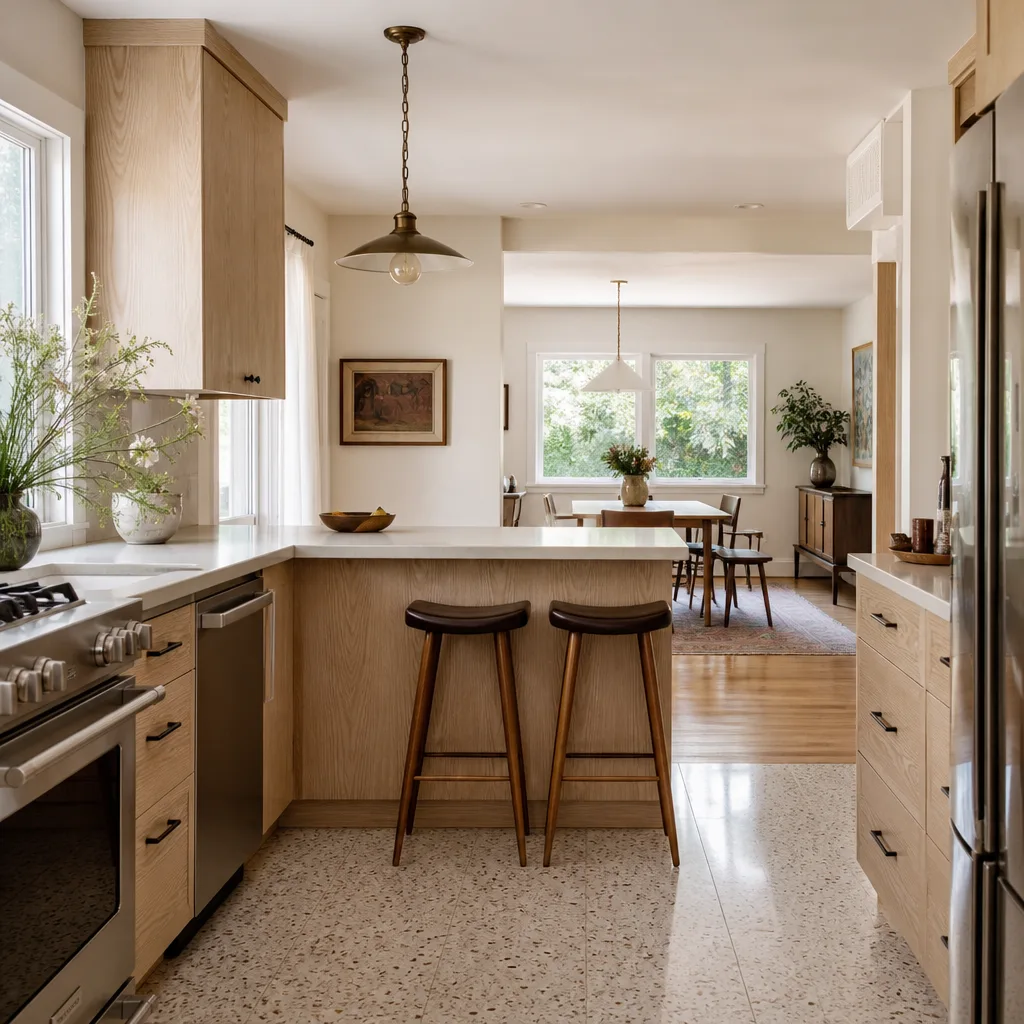
- Kitchen remodeling
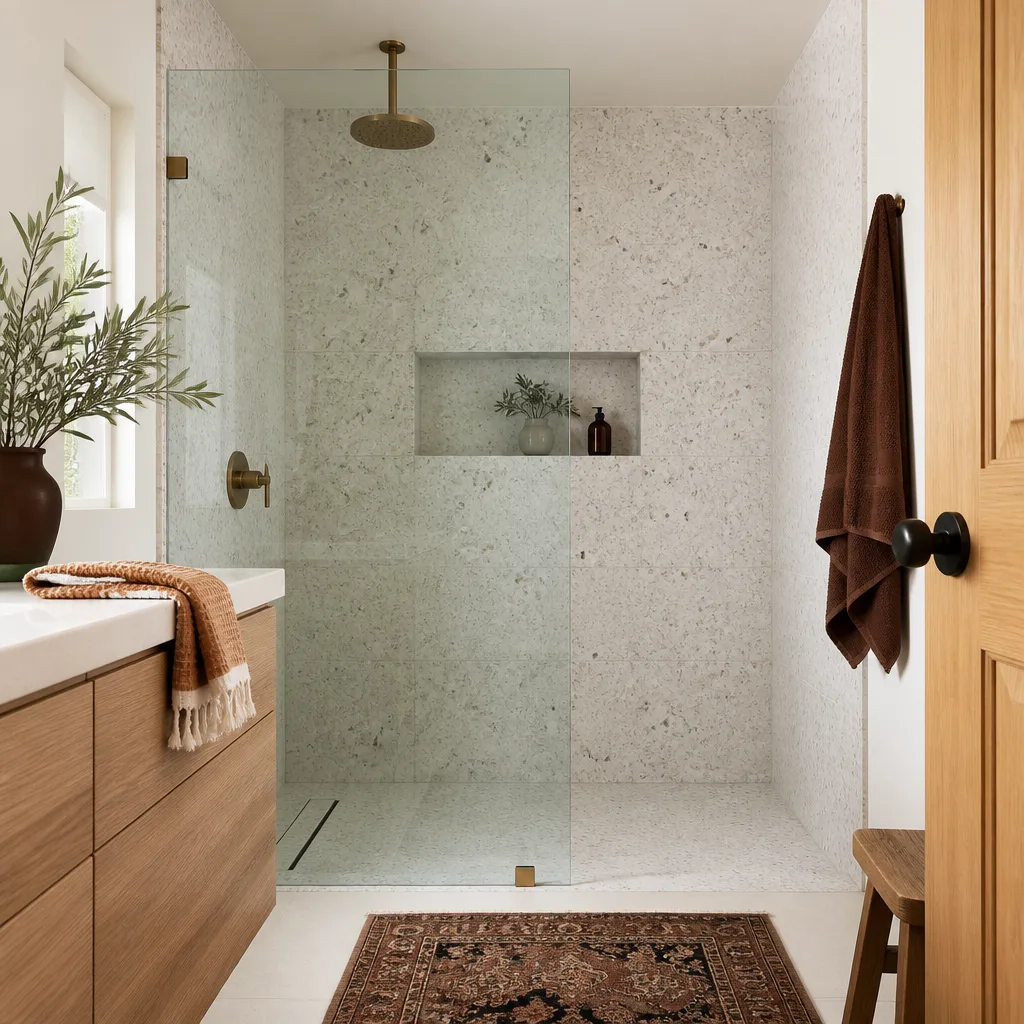
- Bathroom remodeling
- Home additions & ADU
- Roofing
- Windows & doors
- Driveway & pavers
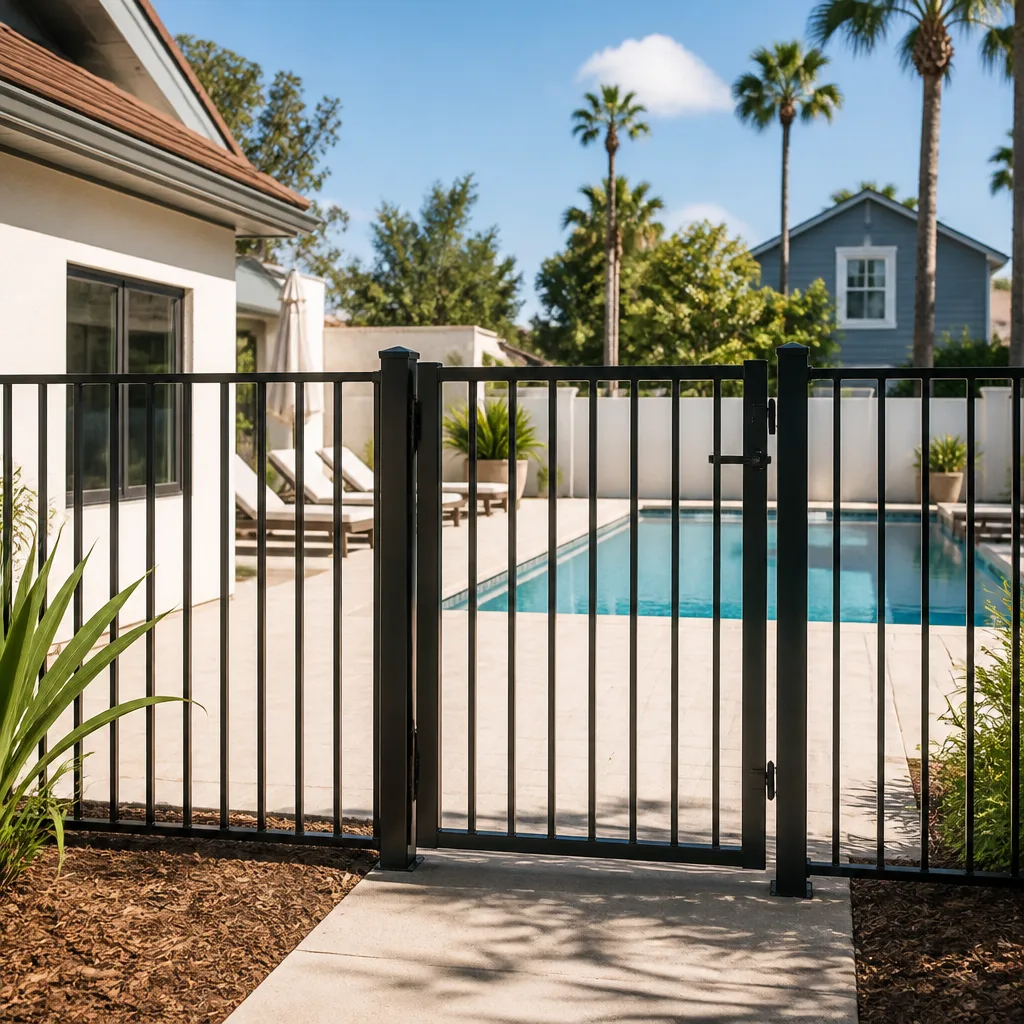
- Fence
See the difference
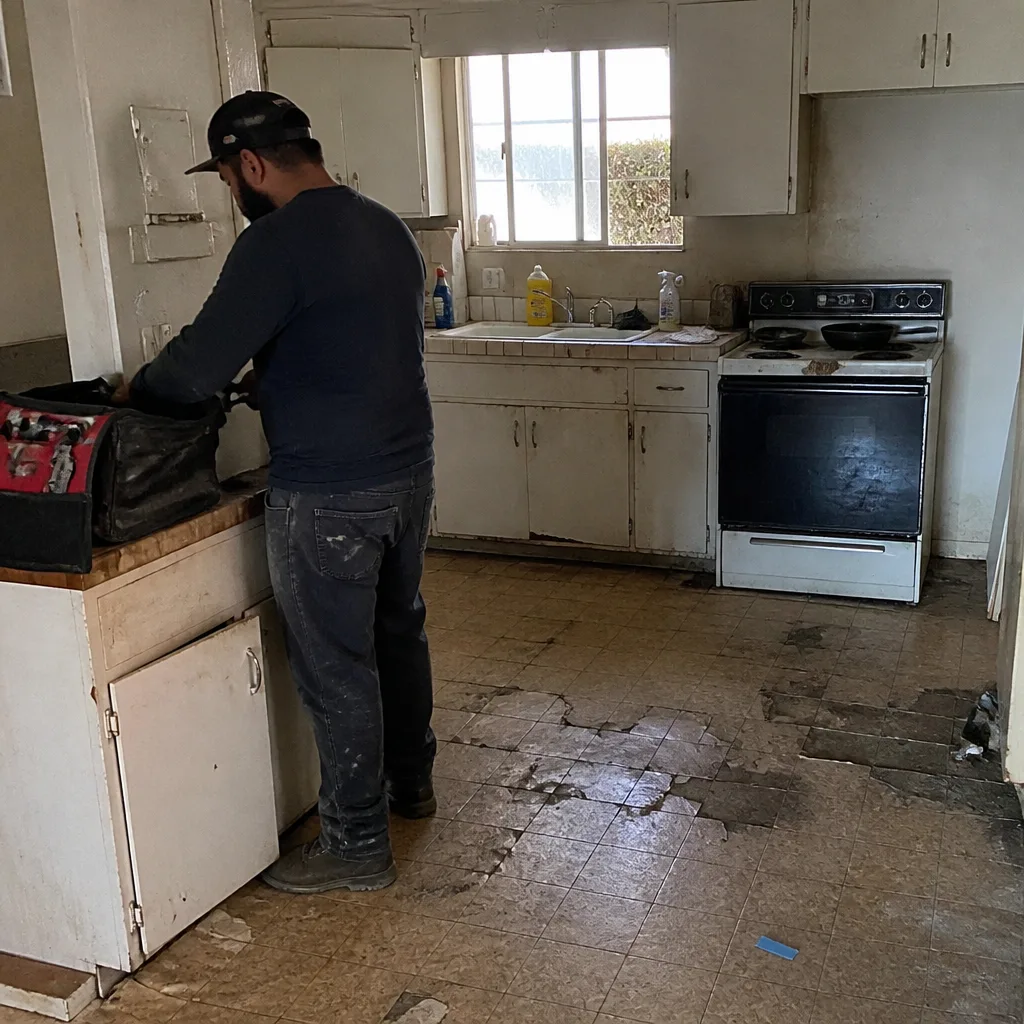 Before
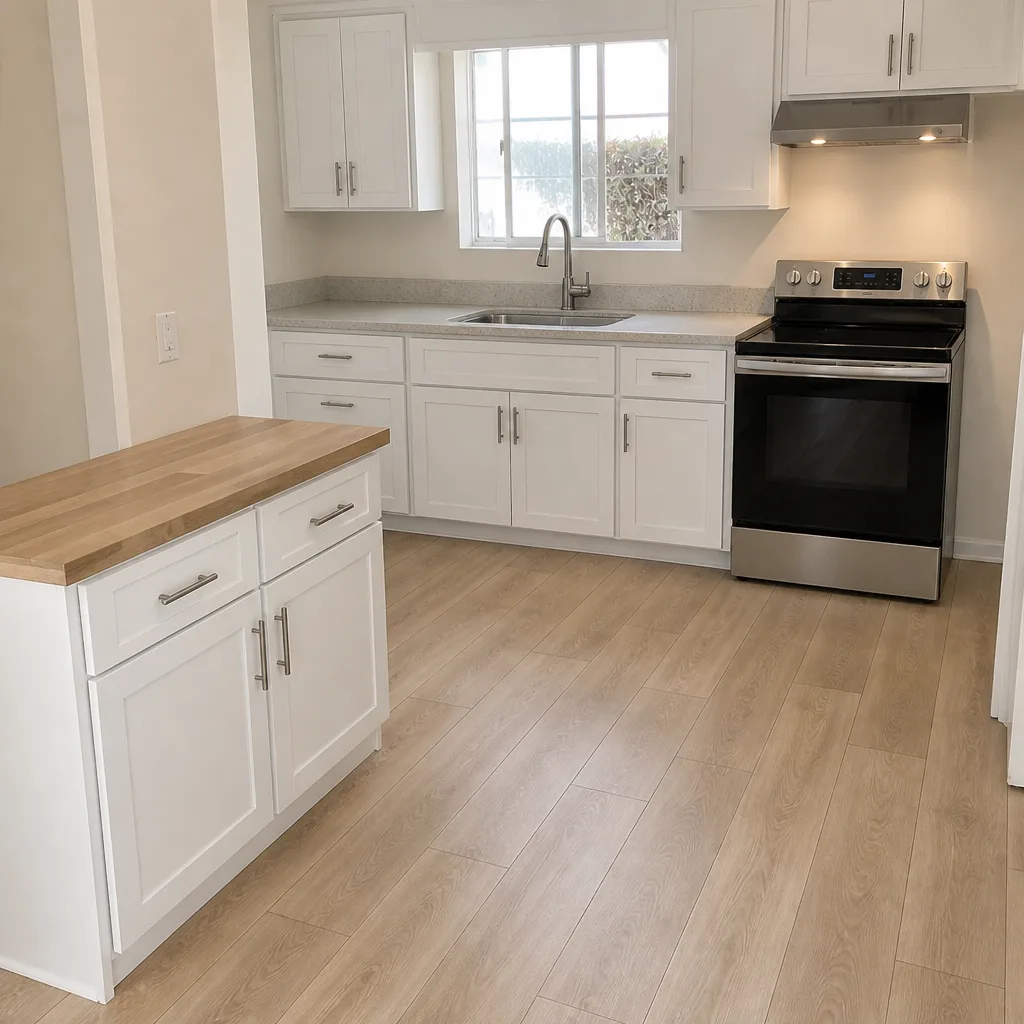 After
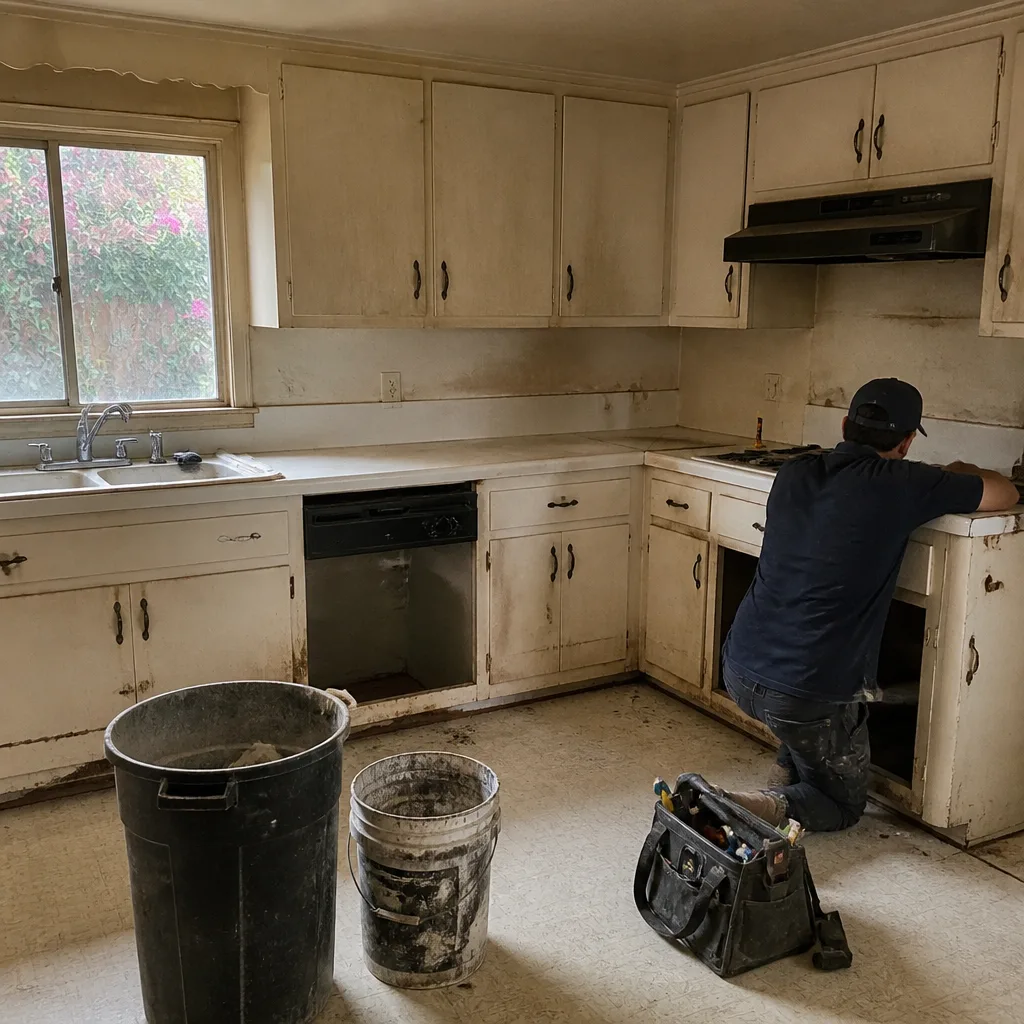 Before
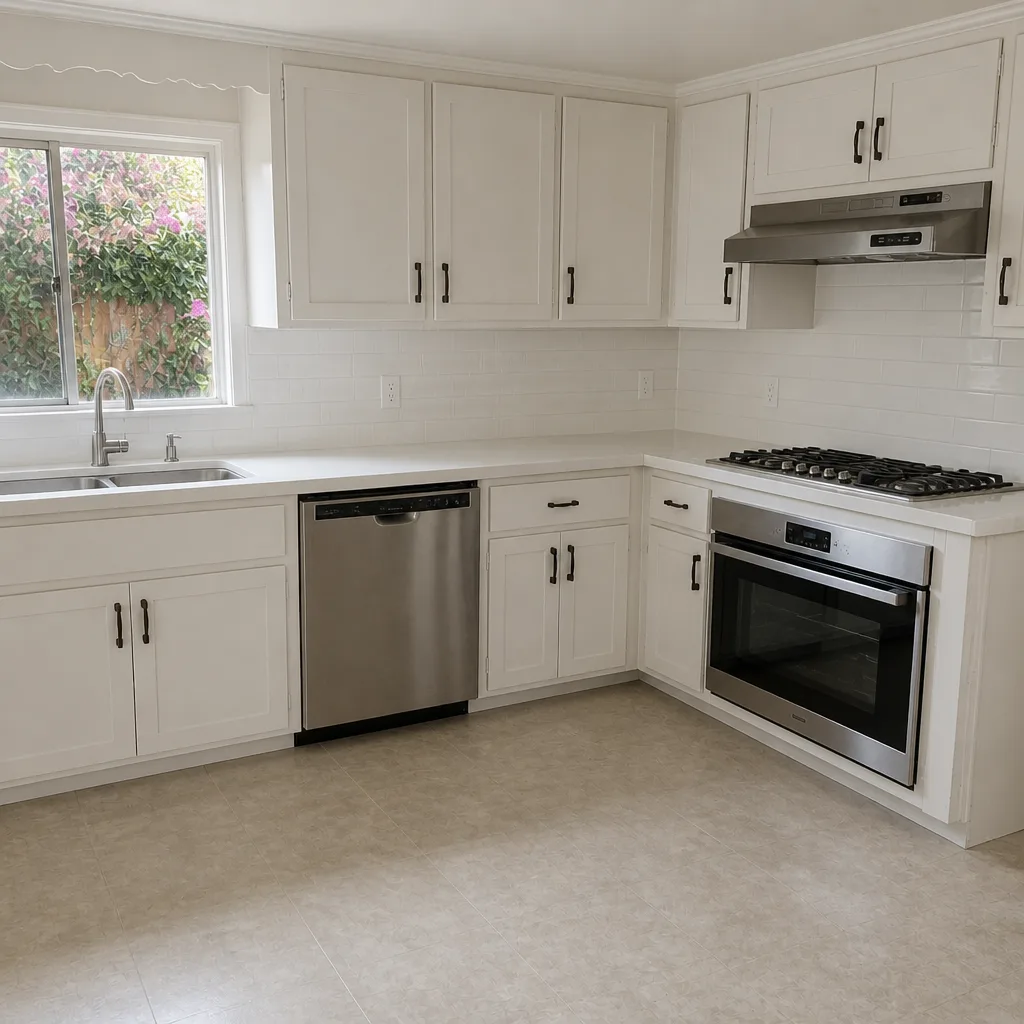 After
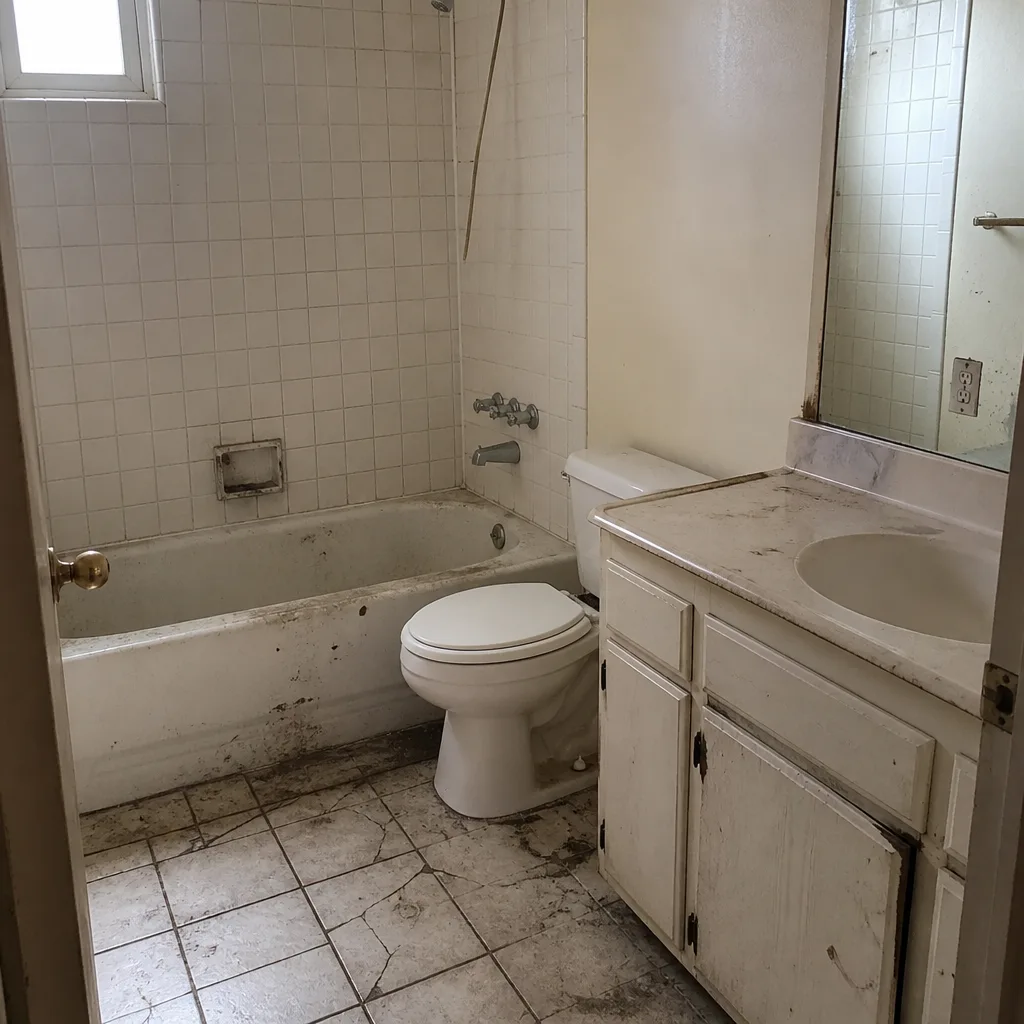 Before
 After
Stamped Concrete vs Pavers in Newport Beach: Which One Actually Survives the Salt Air?
Choose pavers over stamped concrete for any Newport Beach driveway, patio, or pool deck that gets real sun and salt exposure. Stamped concrete costs less on day one, but its thin surface-applied color layer breaks down fast in a marine climate, and once it chalks and micro-cracks you’re paying to reseal or refinish on a cycle that eats the savings. Pick stamped concrete only if you want a specific poured-in-place look, you’re inland of the marine layer, and you’re committed to resealing every 12 to 18 months. For everyone else here, pavers win on longevity and repair. Call (833) 749-3967 and we’ll walk your actual slab or hardscape before you commit either way.
Why the Marine Layer Changes the Math in Newport Beach
Stamped concrete photographs beautifully on day one. Five years into Newport Beach’s salt air and UV, you’re either resealing it every 18 months or watching the color and texture you paid a premium for chalk off the surface. That’s not a scare tactic. It’s what happens to a thin colored coating in a coastal marine environment.
The morning marine layer is the piece most comparison articles skip. Newport Beach sits damp for hours each morning, and that persistent moisture sits on top of the acrylic sealer that protects the color hardener. Once the film dulls or wears thin, chloride from the salt air starts working on the color layer directly. Inland, say out toward the canyons, a homeowner can stretch resealing to every three years. On the peninsula, the bay side, and up in Dover Shores, we’re looking at a 12 to 18 month resealing cycle just to keep the surface behaving, and that’s the honest operating cost no brochure puts next to the install price.
Anything with metal fasteners, edge restraints, or drainage grates needs stainless steel and marine-grade coatings here. The housing stock pushes the same direction: multimillion-dollar custom Mediterranean and contemporary estates on the ocean side often sit as second homes, which means a hardscape that looks tired after five years of unoccupied winters is a real problem when the owners fly in for the season.
Stamped Concrete vs Pavers: The Structural Difference That Decides It
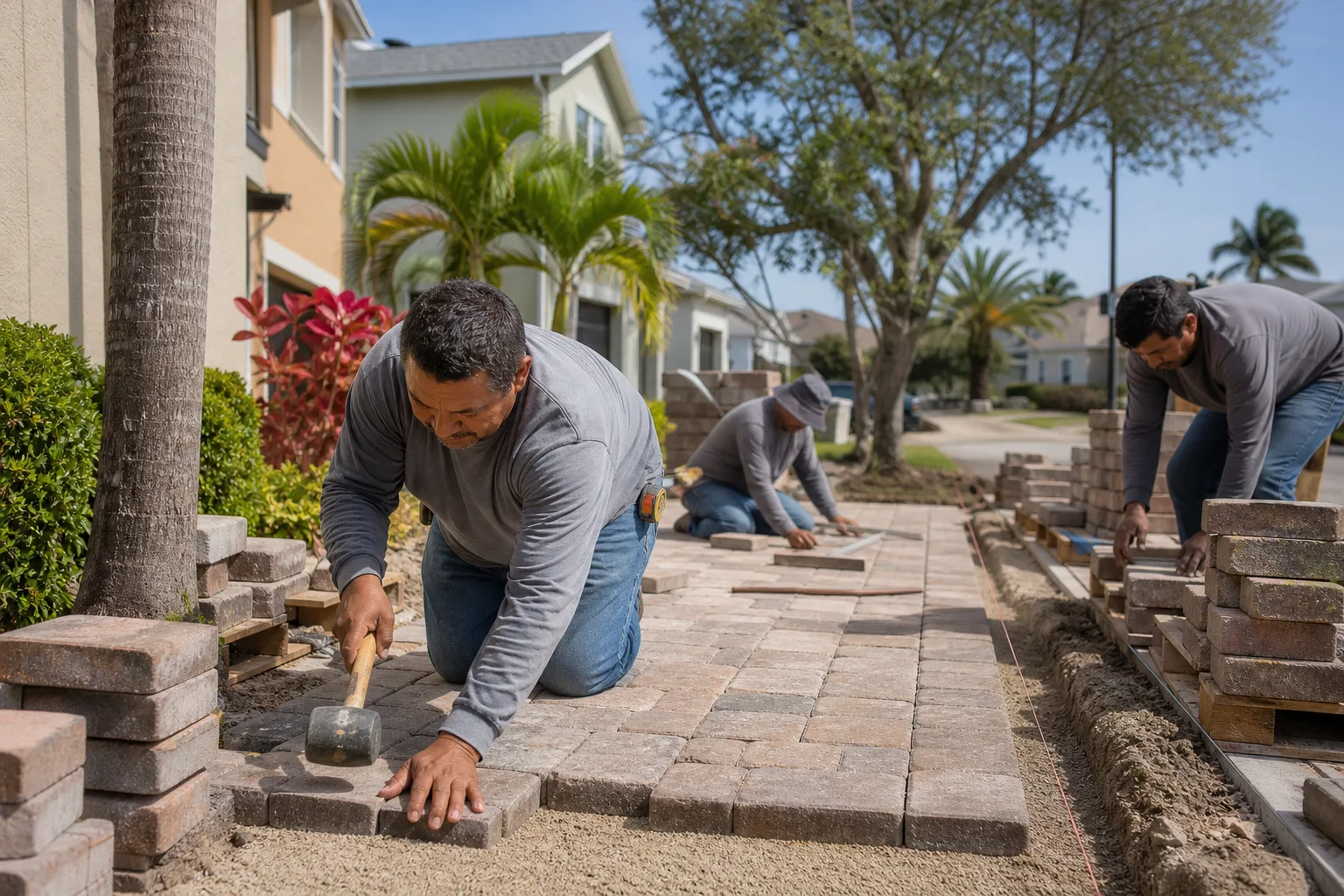
Stamped concrete is a monolithic slab with color hardener and a texture stamp applied to the surface. Every crack anywhere in that slab is a problem for the whole section, because the crack telegraphs through the stamped pattern and the color layer. Fixing it means patching the affected area and recoloring to match, and the recolor rarely matches the sun-faded field around it.
A paver failure is a single unit. One paver is pulled and replaced for $15 to $40, and the repaired area is indistinguishable from the rest of the field because the color runs through the paver body, not on top of it. That single difference is why the long-run maintenance math flips so far in favor of pavers on a coastal property.
| Factor | Stamped Concrete | Pavers |
|---|---|---|
| Resealing / protection cycle in Newport Beach | Every 12-18 months in coastal zones | Polymeric sand refresh every 3-5 years |
| Repairing one failure | Patch entire affected section and recolor | Single unit pulled and replaced, $15-$40 |
| Color longevity | Surface-applied hardener fades and chalks | Color runs through the unit |
| Slope and drainage correction | Locked in after the pour; demolition to fix | Units reset to correct pitch |
| Upfront cost | Lower | Higher |
The upfront gap is real. A paver driveway installation in Newport Beach runs $7,000 to $18,000, while concrete driveway installation lands between $4,500 and $12,000. A paver patio installation runs $3,500 to $11,000. The question is whether the lower concrete number still looks like savings after three resealing cycles and one crack repair.
Design Review, HOA, and Coastal Conditions Favor Materials With a Track Record
Newport Beach’s multimillion-dollar estates in Dover Shores and along Ocean Boulevard frequently answer to HOA or Coastal Commission design conditions that ask a simple question: will this material hold up here, and can you prove it? A contractor who can point to a fifteen-year performance history of pavers in this specific microclimate carries weight in those conversations. A poured-in-place product that fades on a known timeline is a harder sell to a design review board.
Drainage is the other angle people underestimate. Many Newport Beach lots sit on bayfront fill or bluff-adjacent grades where drainage pitch has to actually work, not just look fine at pouring. Stamped concrete locks in whatever pitch the crew set. If water pools against a garage sill two winters later, the fix is demolition. Pavers can be lifted, the base re-graded, and the same units reset to correct the flow. In the bayfront and oceanfront overlays where a coastal development permit may already require flood-resistant detailing and elevated floor heights, that flexibility is worth more than the savings on the pour.
What We Actually Specify, and Why
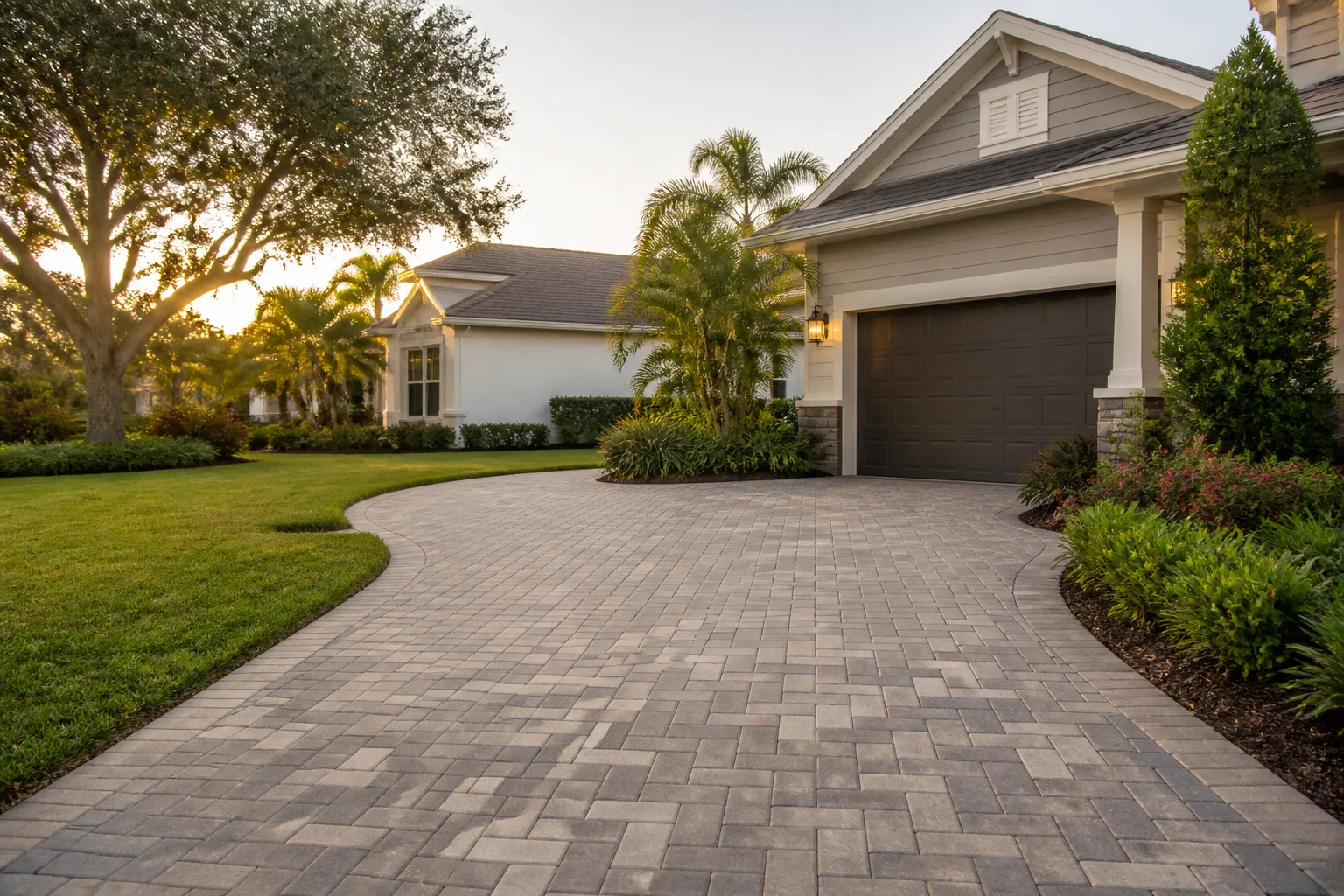
Groundwork Construction Co. of Newport Beach installs pavers with marine-grade polymeric sand and stainless steel edge restraints rated for coastal environments. We specify the material in writing and back it in writing. That means Cambridge Pavers and Belgard in the field, with Oldcastle base materials where the grade calls for it, matched to the exposure your property actually sees.
Every install is covered by our 730-Day Done Right Promise: if it’s not done right, we make it right. Technicians arrive background-checked and in uniform, our technicians have up to 12 years of experience, and pricing is upfront so the number you see is the number you pay. Calls reach a live person 24/7, not a voicemail box until Monday. For the full scope of what we install, see our Driveway & Pavers in Newport Beach page, and for the broader picture across concrete, pavers, and asphalt, start with Driveway & Pavers.
Common Local Scenarios We Get Called About
- Dover Shores estate with a faded stamped driveway: the color layer has chalked after several coastal seasons, the homeowner wants to know whether to refinish or replace. Usually the honest answer is replace the affected aprons with pavers and stop the resealing cycle.
- Peninsula rental or second home with a cracking pool deck: the crack runs through a stamped pattern and a recolor won’t match. Pavers reset the whole deck without demolishing the base.
- Balboa Island cottage where re-piling pushed the budget: the hardscape scope gets trimmed, so material longevity matters even more. A paver field that lasts is one less thing to revisit.
- Bayfront lot with a drainage complaint against the garage: water pooling where the pitch was set wrong by a prior pour. Lifting and resetting pavers corrects flow without tearing out a slab.
FAQs
Pavers cost more upfront, and the numbers here are concrete driveway installation at $4,500 to $12,000 versus paver driveway installation at $7,000 to $18,000, with paver patios at $3,500 to $11,000. The gap narrows fast once you add a 12 to 18 month resealing cycle on the concrete. Call (833) 749-3967 for an exact quote on your property. Estimates are free.
Plan on every 12 to 18 months in Newport Beach coastal zones, versus roughly every three years for an inland property. The morning marine layer keeps the surface damp and breaks down the acrylic topcoat that protects the color hardener. Skip a cycle and you’ll see fade and micro-cracking. Call (833) 749-3967 and we’ll assess whether your slab is a reseal or a replacement candidate.
Sometimes, and it’s usually a partial fix. A crack gets patched and recolored, but the recolor rarely matches the sun-faded field around it, so you trade a crack for a visible patch. With pavers, the failed unit is pulled and replaced for $15 to $40 with no color mismatch. Call (833) 749-3967 and we’ll tell you honestly which fix makes sense.
Repair is cheaper in the short term, and the resealing and patching cycle is where concrete gets expensive. A single paver repair never carries a visible scar; a concrete patch almost always does. If you’re already two or three patch cycles in, replacing with pavers usually costs less over a decade. Call (833) 749-3967 for a free estimate either way.
If you’d rather have it looked at, Groundwork Construction Co. of Newport Beach offers a no-pressure assessment in Newport Beach. We’ll walk the slab, check the drainage, and give you a straight recommendation on repair versus replace, with upfront pricing and 0% financing for 18 months available. Call (833) 749-3967.
Written by the team at Groundwork Construction Co. of Newport Beach, serving Newport Beach, CA.