Last updated November 17, 2026




Free written scope consultation - allowances, timeline, and change-order rules on paper before a single trade is scheduled
How to Hire a Construction Contractor in Newport Beach: A Step-by-Step Guide
The California Contractors State License Board shows thousands of active licenses across Orange County, and Newport Beach ZIP codes 92660, 92661, and 92663 sit in one of the most contractor-dense markets in the state. But a valid license only tells you someone passed a trade exam and cleared a background check. It doesn’t tell you whether they’ve pulled a single permit on a bluff-top lot above the water table, or whether their warranty survives past move-in day. This guide is a due diligence process, not a credential checklist: the specific questions, public records, contract clauses, and red-flag tests that separate Newport Beach’s elite builders from the operators who moved in to chase high property values.
Quick Answer
To hire a construction contractor in Newport Beach, verify three things before you sign anything: that the contractor’s CSLB license classification matches your exact project type, that their general liability and workers’ comp insurance are active by checking the carrier directly, and that their public permit history shows completed inspections in Newport Beach or nearby coastal cities. Then get a written line-item bid with defined change-order thresholds and a lien waiver schedule, and never pay more than 10% down on a project over $10,000.
Styles & brands we work with
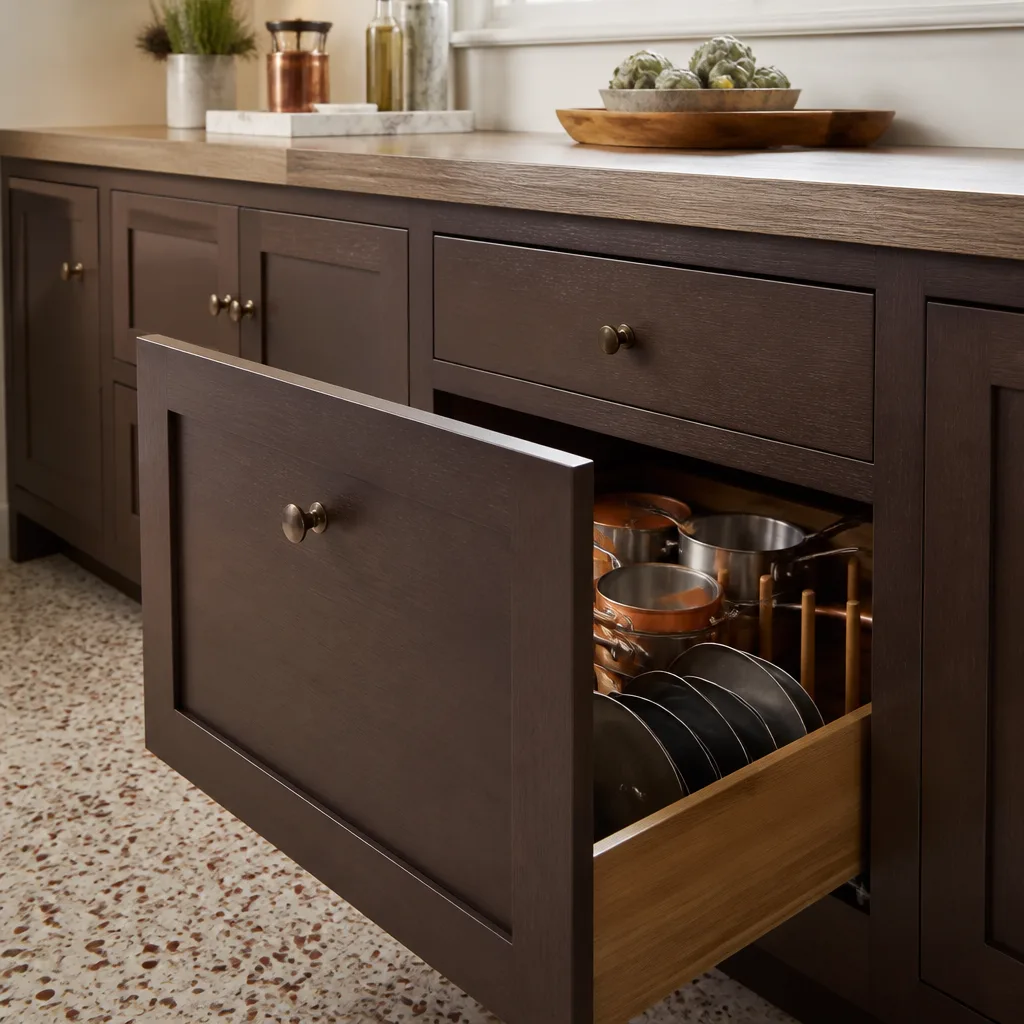
- Kitchen remodeling
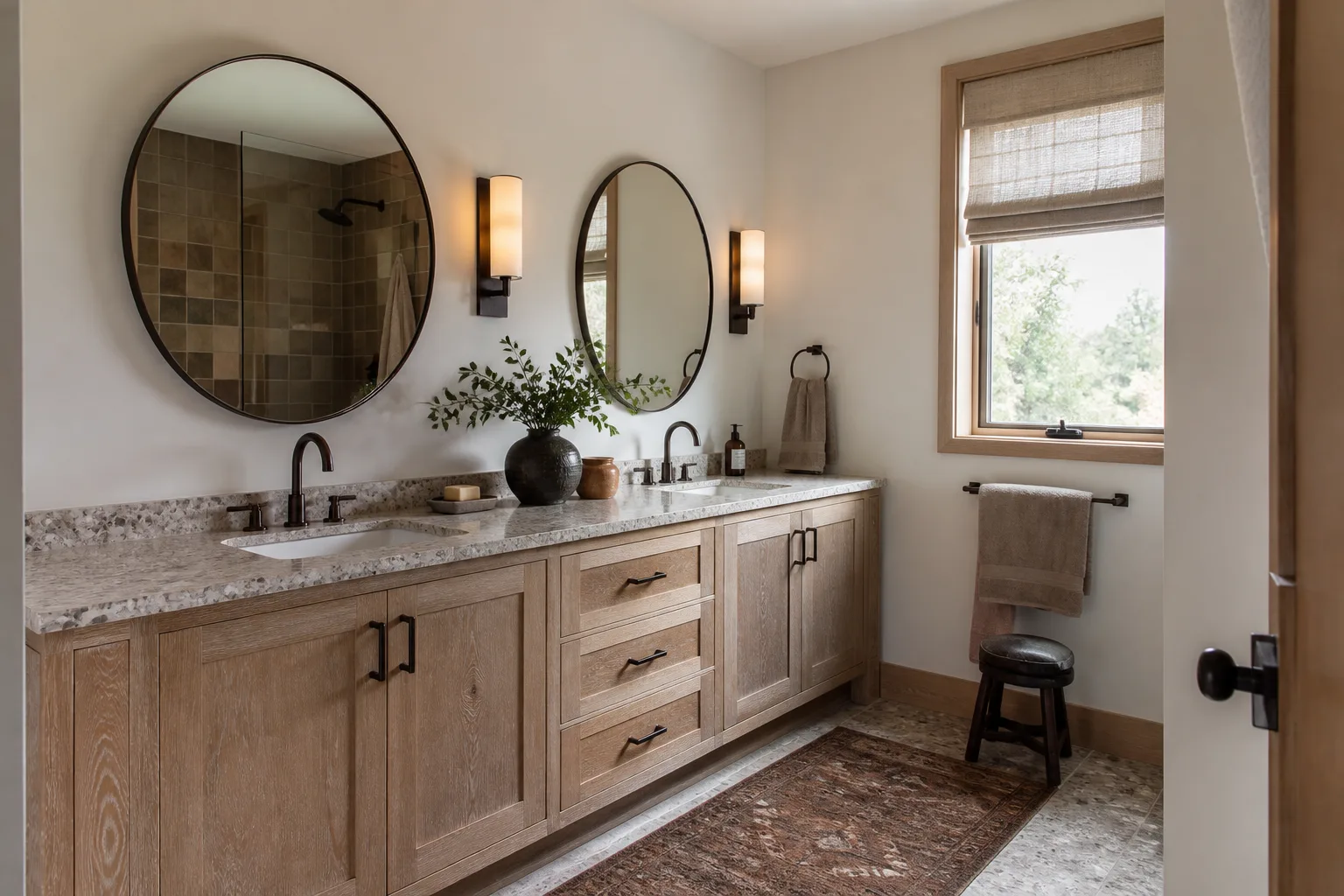
- Bathroom remodeling
- Home additions & ADU
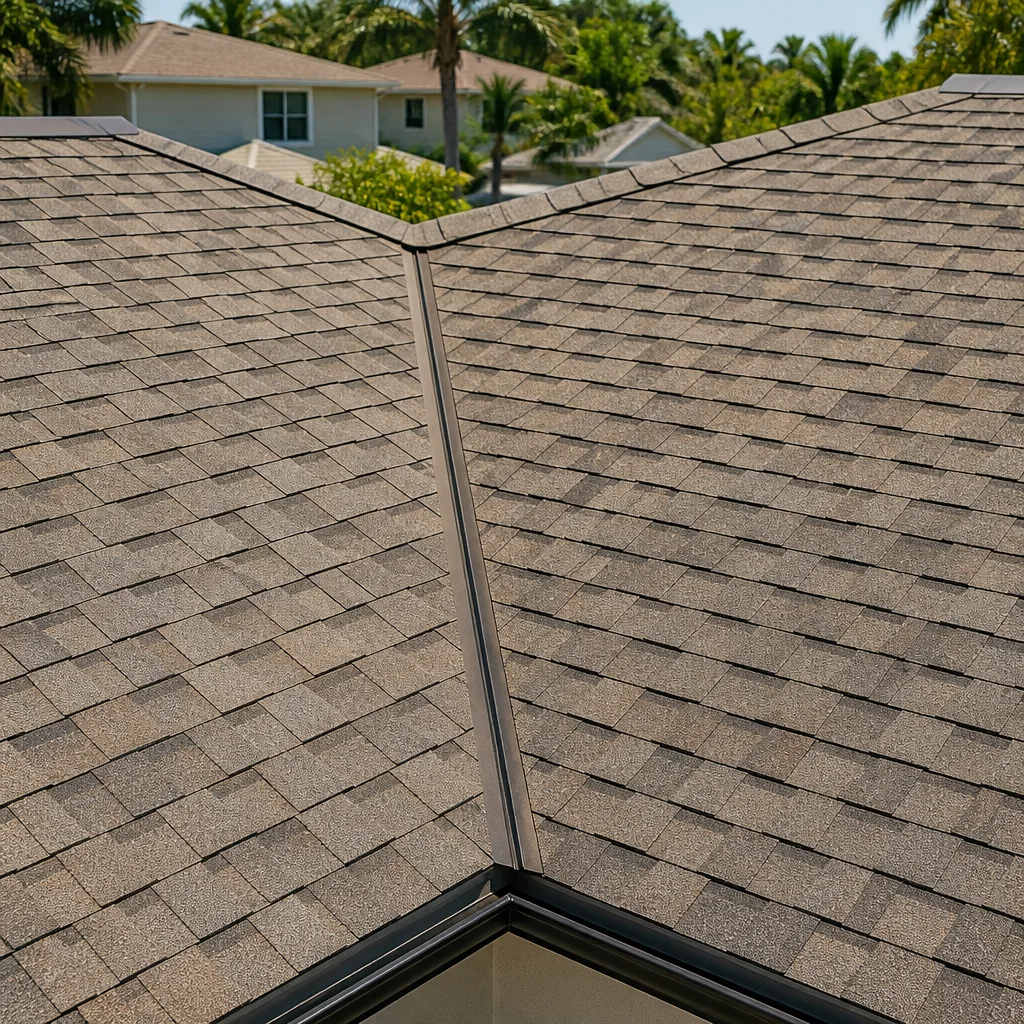
- Roofing
- Windows & doors
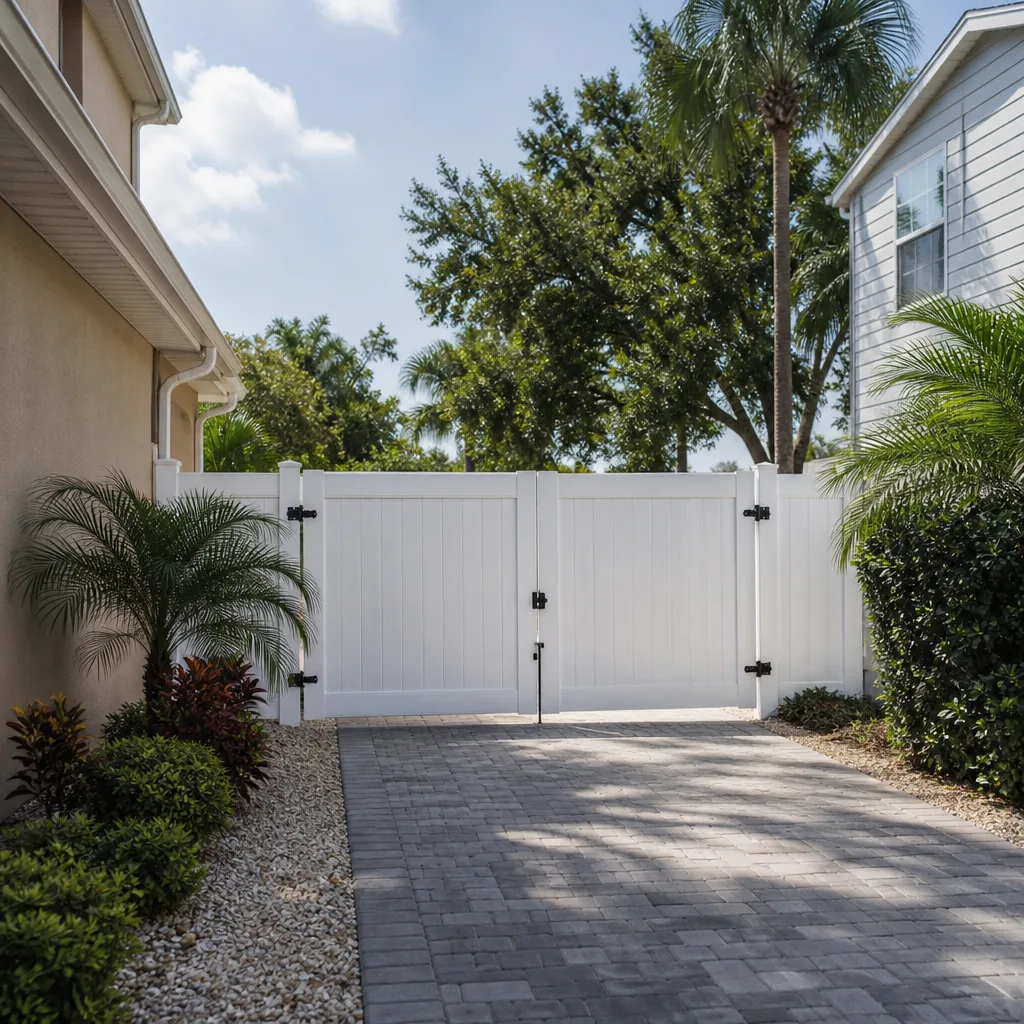
- Driveway & pavers
- Fence
Table of Contents
- Step 1: Match the CSLB License Classification to Your Project
- Step 2: Verify Insurance With the Carrier, Not the Certificate
- Step 3: Pull Their Permit History in Under Ten Minutes
- Step 4: The Interview Question That Reveals More Than Any Reference
- Step 5: The Contract Clauses That Actually Protect You
- Why Newport Beach Construction Is Different From Inland Orange County
- Step 6: Read the Bid Like a Contractor Reads a Bid
Step 1: Match the CSLB License Classification to Your Project
The CSLB issues licenses by classification, and each classification covers a defined scope of work. Hiring someone outside their classification doesn’t just mean sloppy paperwork; it voids your legal protections. Under California Business and Professions Code Section 7031, a contractor who isn’t properly licensed for the work performed cannot legally collect payment for it, and your ability to recover damages from their bond is limited to the classification they actually hold. A homeowner in Corona del Mar who hired a B-license general to do a pool house framing inspection that required a C-5 can find themselves in a dispute with no enforceable recourse.
The classifications you’ll actually encounter on Newport Beach residential projects:
- B – General Building Contractor: Covers full-scope residential construction that involves two or more unrelated trades. Most Groundwork Construction Co. of Newport Beach home remodels and additions fall under a B license. A B license alone cannot perform specialty trade work unless the contractor also holds that specialty classification.
- C-36 – Plumbing: Required for anything tied to the DWV system, gas lines, or waste piping. A B-license contractor can hire a C-36, but the plumbing work itself must be performed by or supervised by a C-36 license holder.
- C-10 – Electrical: Required for panel upgrades, new circuits, EV charger installs, and anything tied to the 200-amp service upgrade many older Balboa Peninsula homes need.
- C-39 – Roofing: Required for tear-off and replacement. A B-license can roof as part of a larger scope, but a standalone re-roof should be done by a C-39.
- A – General Engineering: Required for driveways, retaining walls over code height, and any grading tied to a slope stability plan.
Look up the license number at cslb.ca.gov. It takes about 90 seconds. Check the status (Active), the expiration date (must extend past your project timeline), the classifications (must include the one your project requires), and the bond amount. If a contractor hands you a license card but the number doesn’t come back active and matching, walk away. No amount of polish on the pitch replaces a live status page.
Step 2: Verify Insurance With the Carrier, Not the Certificate
A certificate of insurance is a piece of paper that anyone with a photocopier can produce. The only way to know a contractor’s coverage is real is to call the carrier listed on the certificate and confirm two things: that the policy is currently in force, and that you’re named as a certificate holder or additional insured for the duration of the project. In Newport Beach, where a single family home on Harbor Island can easily carry $6 million in rebuild value, a contractor carrying minimum-limit general liability is technically legal and functionally underinsured.
Here’s what to ask the carrier when you call:
- What is the effective date and expiration date of the general liability policy? Confirm both fall around your project timeline, not just before it.
- What’s the per-occurrence limit and the aggregate? For Newport Beach projects, we recommend minimum $2 million per occurrence on any project over $100,000.
- Does the policy carry a workers’ compensation certificate? In California, any contractor with employees is legally required to carry workers’ comp. If they have no employees, they should have a valid exemption on file with the CSLB. Either way, verify the status.
- Will the carrier issue a waiver of subrogation naming you? If not, and a worker is injured on your property, the carrier can recover against you as the property owner.
- Are subcontractors covered under the general policy, or does each sub carry their own? Get the answer in writing.
Workers’ comp matters more than most homeowners realize. If an uninsured worker falls off scaffolding while installing your Home Additions & ADU in Newport Beach, your homeowner’s policy is the next payer in line. That’s a $60,000 hospital bill against your equity, and it’s entirely avoidable with one phone call to the carrier.
Step 3: Pull Their Permit History in Under Ten Minutes
Newport Beach has an online permit portal through the city’s Community Development Department, and Orange County runs its own permit search for unincorporated areas. Between the two, you can see every permit a contractor has pulled in Newport Beach or any surrounding city within about ten minutes. What you’re looking for isn’t just “have they pulled permits.” It’s “have they closed them.”
Step-by-step, here’s what a legitimate Newport Beach contractor’s permit record looks like:
- Log into the City of Newport Beach permit portal (search “Newport Beach permit search” or go directly through the city website). Enter the contractor’s business name and license number.
- Look for recent completed inspections. A permit is issued before work; inspections are the sign it actually got built. A contractor with 40 permits pulled and 3 finaled in the last two years is a red flag, not a green one.
- Check for open permits on properties you don’t recognize. Open permits on past jobs often signal a contractor who abandoned a project mid-inspection or walked from a warranty call.
- Cross-reference against the CSLB and any recent complaints. A pattern of open permits plus a pattern of complaints is the clearest operator-versus-builder signal you’ll find.
- Check the permit scope matches your project type. If you’re hiring for a kitchen remodel and their permit history is almost entirely fence and driveway work, that’s not experience, that’s a category mismatch.
A Newport Beach contractor with real coastal experience will have permits in the city’s coastal overlay zones, hillside grading permits for canyon lots off Spyglass, and probably a few window and door permits (which in Newport Beach often require design review in the coastal zone). Ask the contractor to show you two or three permit numbers you can look up yourself. If they can’t produce them, you have your answer.
Step 4: The Interview Question That Reveals More Than Any Reference
Reference checks are theater. Every contractor has three happy customers willing to say nice things. The question that reveals whether a contractor has any business building anything is this: “Tell me about the last project that went wrong, and walk me through exactly what you did about it.”
In our experience, this question separates builders from sellers in about 30 seconds. What you’re listening for:
- A specific story with real details. Not “well, projects always have hiccups.” A named trade, a specific failure, a dollar figure if they’re willing to share one, and a concrete resolution. “We had a sub install a shower pan without the required preslope in a Corona del Mar bath, it failed the flood test, we tore out two days of work at our cost, and we replaced preslope and liner and reflooded” tells you everything.
- Ownership language. “We ate the cost.” “We pulled the sub.” “We brought in an engineer.” Versus pass-the-buck language like “the inspector made us” or “the homeowner kept changing their mind.”
- Whether they honored warranty work without being pushed. Ask directly: “Did you come back six months later to fix it?” The best contractors will tell you that’s standard, because their warranty isn’t decorative.
- Whether they can describe a problem that was actually their fault. Contractors who can’t name a single failure (“we do everything right”) are either very new or very dishonest. Neither is who you want building your home.
Our Fence Installation in Newport Beach crews hit this constantly on slope-adjacent lots off Dover Shores, where property line disputes and soil conditions combine to produce failures a good contractor will own and a bad one will blame on the city.
Step 5: The Contract Clauses That Actually Protect You
A construction contract is where most homeowner protection is won or lost, and it’s where Newport Beach’s high-dollar projects diverge most from the generic templates floating around online. Four clauses do the work: change-order authorization, lien waiver schedule, warranty language, and payment terms.
Change-order authorization. The contract should require YOUR written signature for any change order over a specific dollar threshold, ideally anything over $500 or 5% of the original contract value, whichever is less. Verbal changes are the number one source of cost overruns on Newport Beach remodels. A contractor who agrees to written authorization on every change is signaling that their bids are honest; one who wants flexibility to “adjust” is signaling something else. If you want to see no-hassle upfront pricing in action, ask the contractor to specify in the contract that the number you see is the number you pay, absent a signed change order.
Lien waiver schedule. California’s mechanics lien law (Civil Code Sections 8000-9566) allows anyone who supplies labor or materials to your project to file a lien against your property if they aren’t paid. Protect yourself with a schedule of conditional and unconditional lien waivers from every sub and supplier, tied to each payment you make. Do not release a progress payment without a conditional waiver in hand.
Warranty language: enforceable vs. decorative. “One year warranty” is decorative. Enforceable warranty language specifies: what’s covered (materials AND workmanship), what’s not (homeowner damage, normal wear, acts of God), how long the coverage runs, who performs the remediation, and how the homeowner initiates a claim. The 730-Day Done Right Promise we back every project with is an example of the enforceable kind: if it’s not done right, we make it right, for two years past final walkthrough.
Payment terms. California law limits a contractor’s down payment on any project over $500 to 10% of the contract value (Business and Professions Code 7159.5). If a Newport Beach contractor asks for 30%, 40%, or 50% up front, they’re violating state law. Progress payments tied to completed milestones, with a 10% retention until final inspection, are the standard you should require. On large projects, we structure 0% financing for 18 months and $1,000 off projects over $10,000 to keep cash flow predictable for homeowners, but the payment schedule itself should always be milestone-based regardless of how the project is financed.
Why Newport Beach Construction Is Different From Inland Orange County
Newport Beach sits in a coastal regulatory environment that most Orange County contractors simply haven’t worked in. A builder who has been flawless in Irvine can stumble in a Newport Beach coastal canyon for reasons that have nothing to do with their craftsmanship and everything to do with the geography and code environment.
The specific differences that show up on every Newport Beach job:
- Coastal Commission jurisdiction. Most of Newport Beach east of Pacific Coast Highway to the beach falls under California Coastal Commission jurisdiction, and projects within the coastal zone typically require a coastal development permit in addition to the city permit. This adds months to the timeline and requires the contractor to be familiar with the process. A contractor who has never filed one will bill you for the learning curve.
- Salt air and marine-grade materials. Fasteners, flashing, and window frames in Newport Beach corrode years faster than inland. Marine-grade stainless fasteners, copper flashings, and AAMA-rated frames from brands like Andersen or ES Windows are the correct spec; standard inland materials are not. If a contractor’s bid specifies galvanized fasteners on a balboa Island re-roof, that’s a bid written by someone who hasn’t done this before.
- Clay soil and slope stability. Newport’s canyon areas (Spyglass, Eastbluff, parts of Newport Coast) sit on expansive soils with documented slope stability concerns. Foundation repairs and additions in these zones require geotechnical reports, and a contractor who hasn’t worked with a geotech engineer on a Newport Beach hillside lot is going to hit this problem mid-project.
- Bluff-top and beachfront properties. Ocean-front and bluff-top construction involves bluff erosion studies, additional structural engineering, and insurance requirements that a standard residential contractor simply doesn’t carry. If your property is within the bluff-top overlay, ask for two recent completed projects in the same overlay, not just “coastal experience.”
- High-value properties attract high-value fraud. Newport Beach’s average home value attracts operators with polish but no track record. Higher price rarely signals higher skill in this market; it signals better marketing. The permit history and license lookups are how you filter.
None of these are deal-breakers. They’re the specific competences you’re paying for, and they’re testable. Ask the contractor to name three Newport Beach projects they’ve completed within the coastal overlay and the permitting path each took. You’ll know within a minute.
Step 6: Read the Bid Like a Contractor Reads a Bid
A line-item bid tells you whether the contractor actually priced your project or just waved a number at you. Newport Beach projects routinely land in the six and seven figures, and the difference between a real line-item bid and a “rough estimate” is the difference between a project that closes on budget and one that finds every surprise the vague bid left out.
What a real bid includes, in this order:
- Scope by trade, with quantities. Not “kitchen remodel – $85,000” but “demolition – $4,200; rough carpentry – $8,400; electrical rough and finish (C-10) – $11,200; plumbing rough and finish (C-36) – $9,800; cabinets (KraftMaid) – $18,500; stone (Cambria) – $9,400” and so on. Every trade. Every quantity.
- Exclusions called out explicitly. Real bids say what they’re NOT doing. “Does not include hazardous material abatement, structural repair discovered during demo, or landscape restoration.” The exclusions protect you as much as the inclusions.
- Allowances specified, with a realistic dollar figure. Tile allowance, lighting allowance, hardware allowance. A $500 lighting allowance on a $150,000 kitchen is either a mistake or a hidden cost that will show up as a change order.
- Timeline with construction calendar days, not weeks. “16 weeks from permit issuance” is honest. “About four months” is not.
- Payment schedule tied to milestones. Deposits, progress payments, and final retention clearly defined with what milestone each payment follows.
Three bids from three real contractors with line-item numbers give you a genuine comparison. Three vague bids from three contractors who all say “around $120K, we can work with your budget” give you nothing. If your driveway is part of the scope, work through Driveway & Pavers in Newport Beach as its own bid line; pavers, base prep, and drainage are frequently under-specified on larger whole-house bids and are common sources of cost surprise at the end.
Roofing bids deserve extra scrutiny in Newport Beach because the material selection drives both cost and longevity. GAF and Owens Corning shingles are both quality systems, but the spec matters more than the brand: underlayment, ice and water shield at valleys, drip edge material, and ventilation are what determine whether the roof lasts 20 years or 30 in salt air. Ask specifically what brand and model those line items call for, and whether the contractor has manufacturer-certified installer status. The window spec deserves the same scrutiny: an Andersen or Marvin window is only as good as its install, and a Therma-Tru or Mr-Glass entry door is only as good as the flashing around it.
Common Mistakes to Avoid
- Trusting the license number without a lookup. A contractor can print a license number on a business card that hasn’t been active in two years. Pull the status yourself at cslb.ca.gov and confirm expiration falls past your project end date. It takes 90 seconds and catches problems that references never do.
- Accepting a certificate of insurance without a carrier call. Certificates get forged or issued for policies that have since lapsed. Call the carrier, confirm the coverage, and get your name on the certificate as additional insured. In Newport Beach, where a single Harbor Island rebuild can run $6 million, the difference between a $1M and a $2M policy is not academic.
- Skipping the permit portal because the contractor says they’ll handle it. The contractor handles the permit; YOU verify the permit history. A pattern of open permits on past jobs is the clearest signal a contractor abandons projects or walks from warranty calls you’ll find in public records.
- Paying more than 10% down. California caps it at 10% on projects over $500, and a Newport Beach bid that asks for 30% or 40% up front is either a legal violation or a cash flow problem on their end. Neither is your problem to solve.
- Signing a warranty that only covers materials. Material warranties (from GAF, KraftMaid, etc.) are handed to you by the manufacturer and rarely protect you from installation failure. Workmanship warranty is the one that protects you, and it should be written into the contract, not handed to you verbally.
- Not asking about the coastal overlay. A contractor with no coastal development permit experience will bill you for the education. Ask for two completed projects in the coastal zone before you entertain a bid.
- Bypassing the “what went wrong” question. The interview question that filters out 80% of bad hires is asking for a specific failure and resolution. If they can’t name one, they’re either new or evasive. Both cost you money.
See the difference
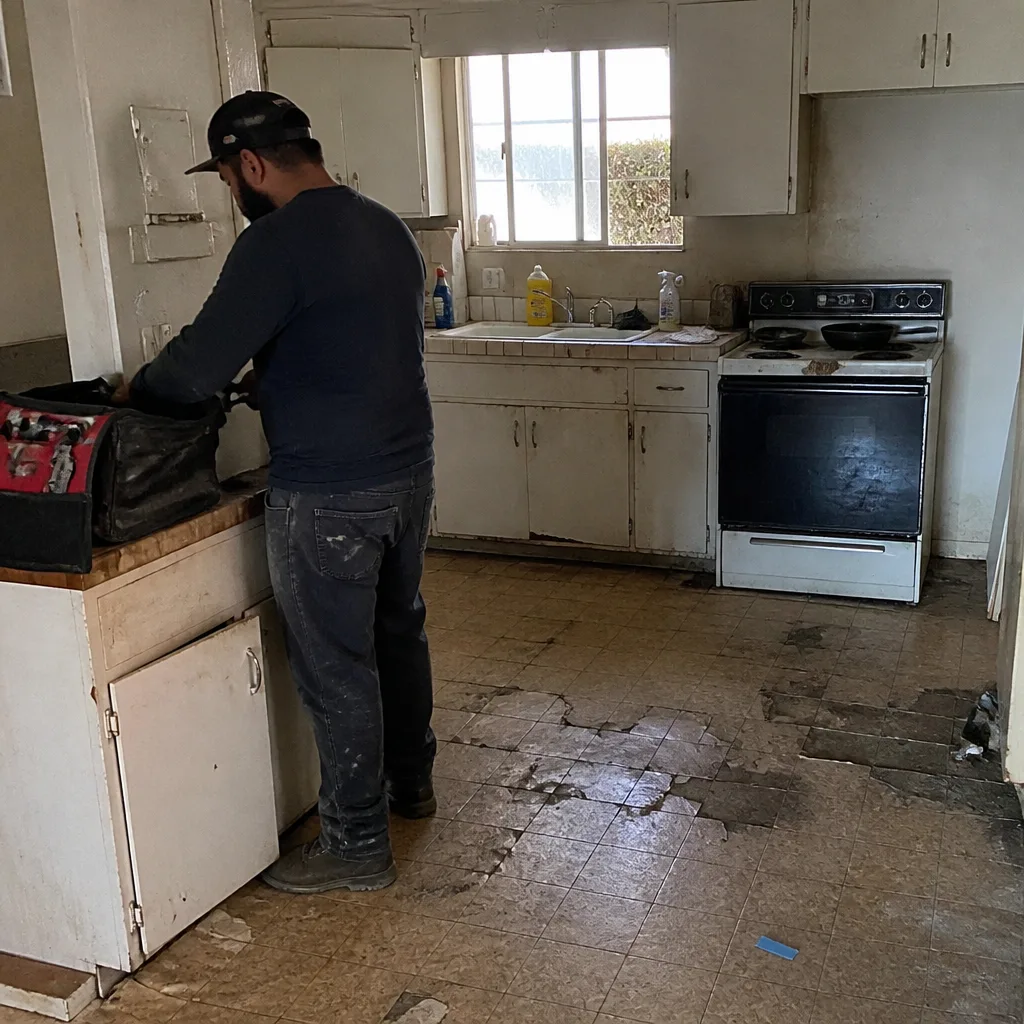 Before
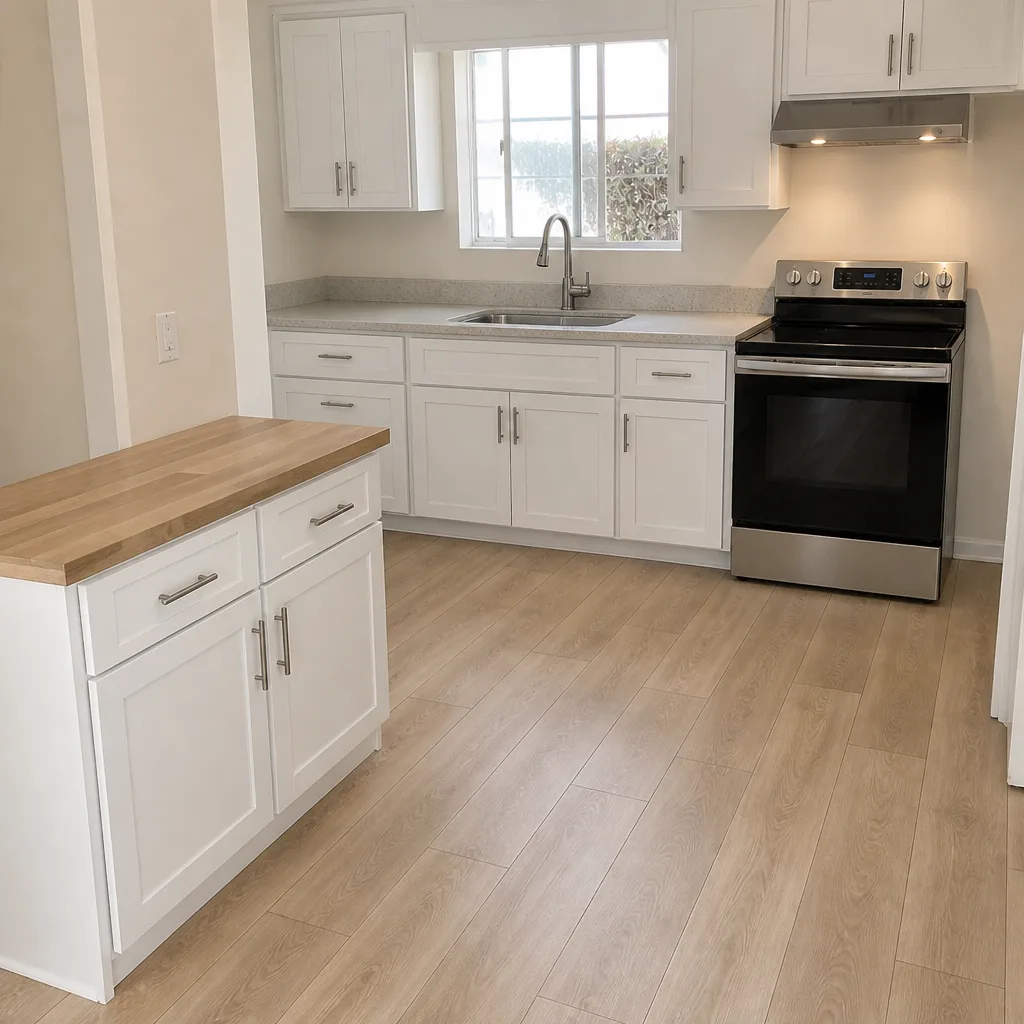 After
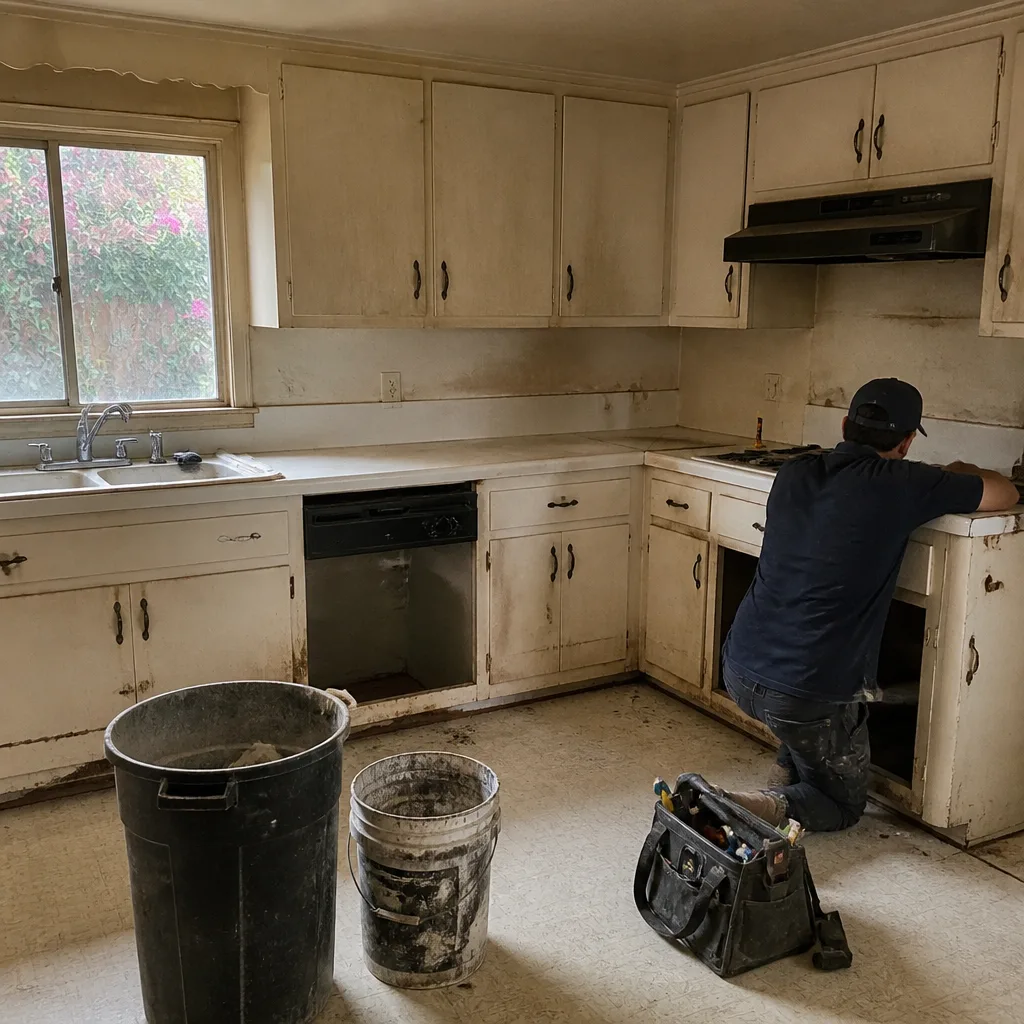 Before
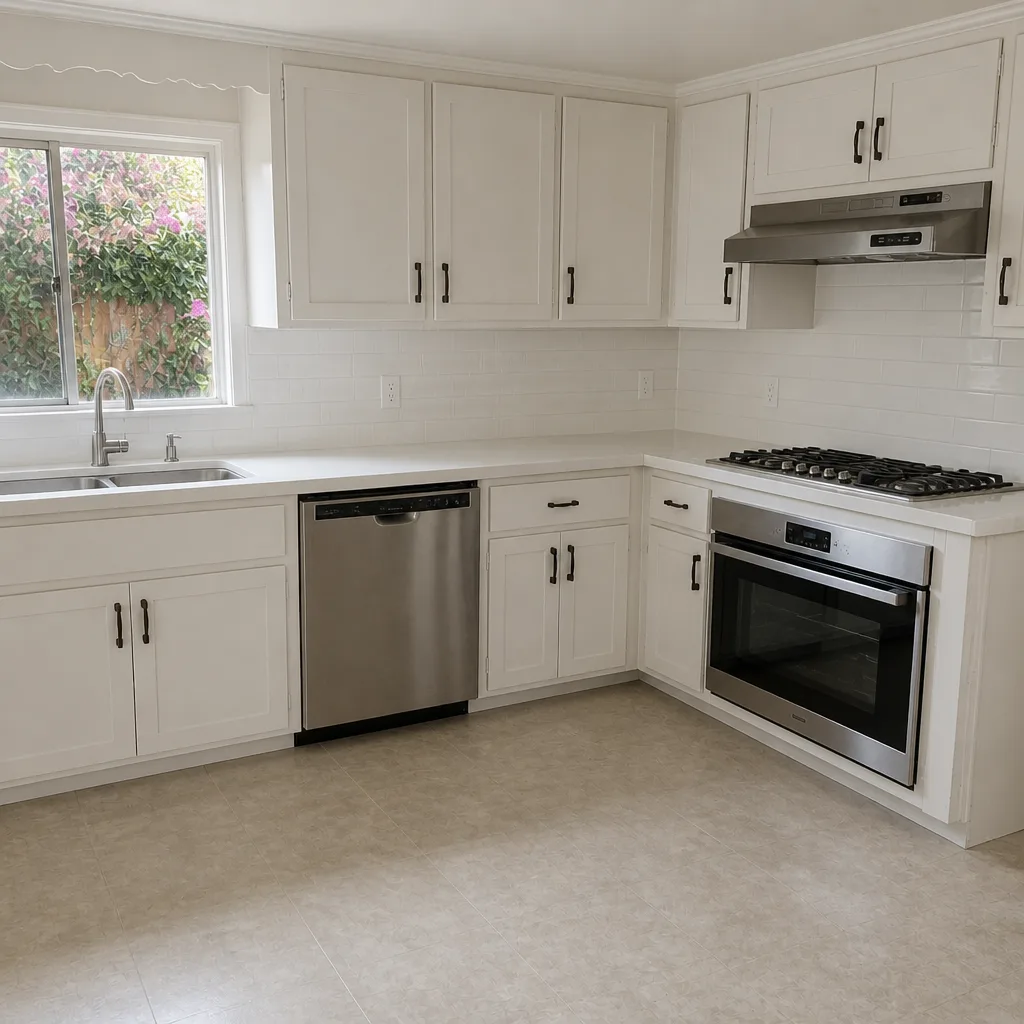 After
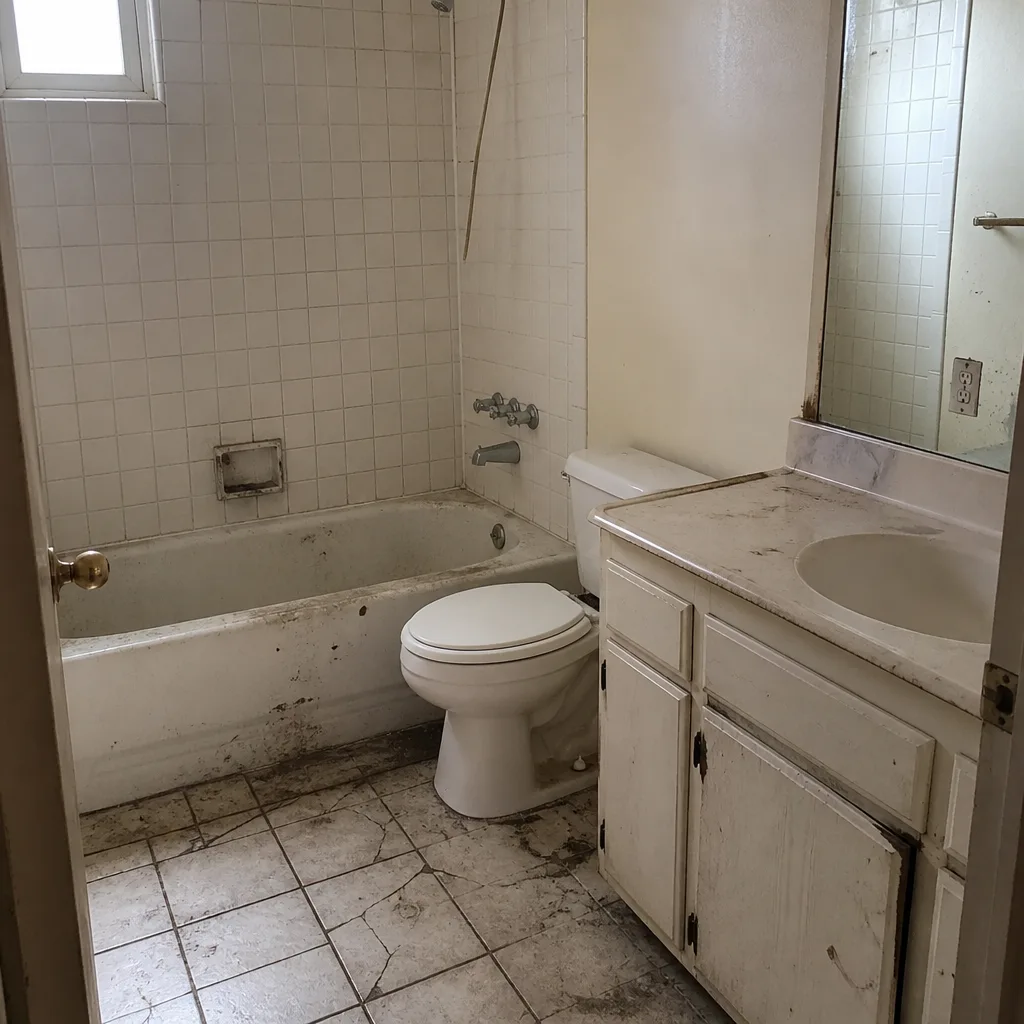 Before
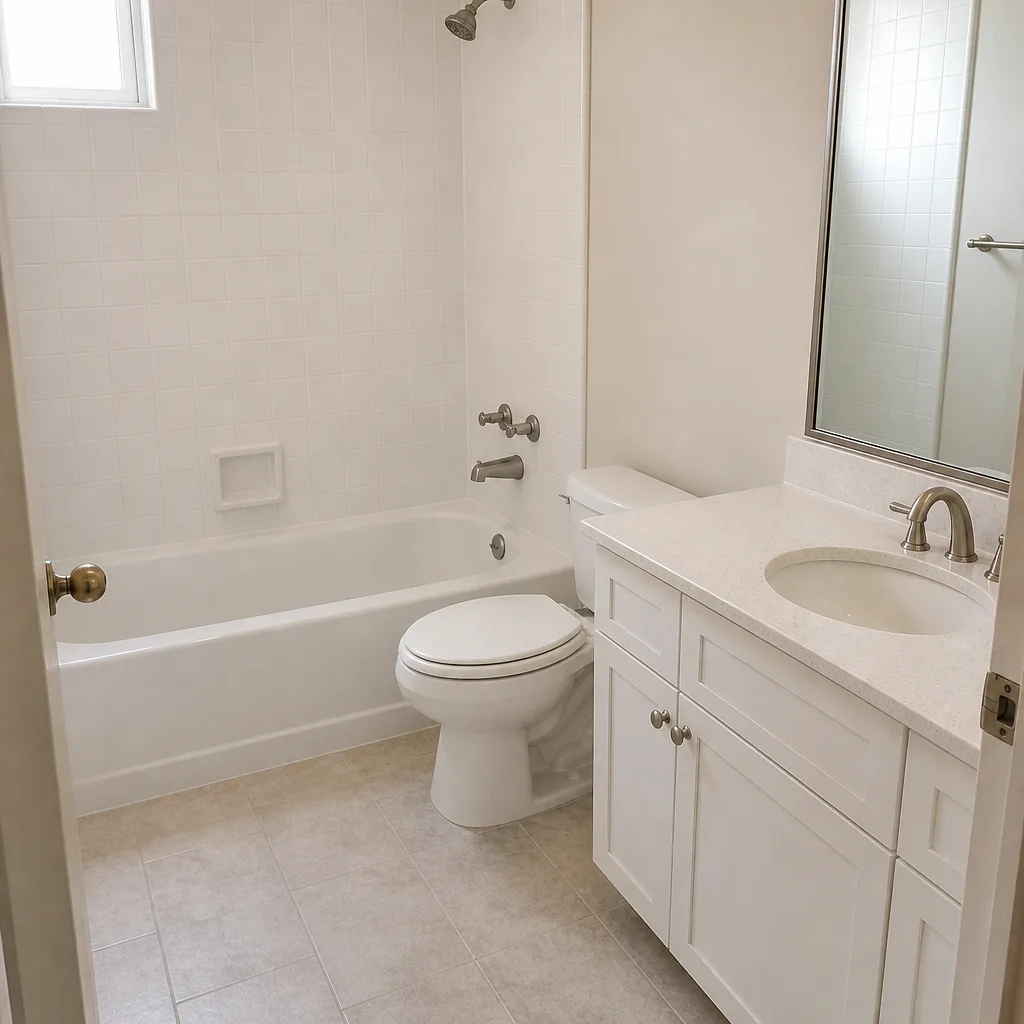 After
When to Call a Professional
Some project questions are doable on your own with inspection and adjustment: replacing cabinet hardware, patching drywall, repainting interior walls. Everything past that has structural, code, or permitting implications that a homeowner alone cannot safely navigate. Electrical work involving panel changes, new circuits, or anything tied to your service entrance is genuinely dangerous and requires a C-10 electrician. Structural alterations, anything involving the load-bearing envelope, and any project requiring a permit are three categories where self-management often costs more than the original bid. Roof tear-offs involve height work on ladder and scaffolding that produces emergency room visits every year. And anything in the Newport Beach coastal zone is a permitting process that demands a contractor who has done it before. Groundwork Construction Co. of Newport Beach offers free estimates in Newport Beach: call (833) 749-3967. Every estimate is a written line-item quote, so you can compare it directly against any other bid you’re holding.
Frequently Asked Questions
Look up the license number on the California Contractors State License Board site at cslb.ca.gov. Check three things: status is Active, expiration extends past your project timeline, and the classification matches your project type. A B (General Building) license covers multi-trade residential work; a C-10 (Electrical) or C-36 (Plumbing) is required for standalone specialty work. Hiring outside the classification voids several of your legal protections under California Business and Professions Code Section 7031. If anything looks off, call (833) 749-3967 and we can walk you through what the CSLB record should say.
California law caps the down payment at 10% of the contract value on any project over $500 (B&P Code 7159.5). Any contractor asking for more up front than that is either violating the law or under capital stress; both are your risk. Progress payments should be tied to completed milestones with a final retention (often 10%) held until final inspection and walkthrough. Groundwork Construction Co. of Newport Beach structures every project this way, and we offer 0% financing for 18 months plus $1,000 off projects over $10,000 to make larger-scope work cash-flow-friendly without hidden terms. Call (833) 749-3967 for an exact quote; estimates are free.
Most Newport Beach construction projects require a city building permit from the Community Development Department, and any project within the California coastal zone additionally requires a coastal development permit (CDP). Projects on bluff-top lots, in the canyon areas off Spyglass and Eastbluff, and anything touching the ocean-front face may require additional geotechnical review and slope stability documentation. Your contractor should be able to name the specific permit path their last three Newport Beach projects took; if they can’t, they haven’t done this. We pull all required permits as part of the scope: call (833) 749-3967 to talk through what your project will need.
A full kitchen remodel in Newport Beach typically runs 10-16 weeks from permit issuance, and a bathroom remodel 4-8 weeks, with coastal zone projects adding 6-12 weeks for the coastal development permit review. Material lead times matter in this market: KraftMaid and Cambria orders can run 8-10 weeks depending on the finish and stone lot, so those are typically ordered at contract signing. Timeline should be written in construction calendar days, not “about four months.” Call (833) 749-3967 to schedule a free design consult and get a real timeline for your specific scope.
Send written notice (email with read receipt works) demanding a written status report and schedule within 10 business days, and stop all further payments until you receive it. Contact the CSLB to file a complaint if the contractor is licensed or appears to be acting as an unlicensed contractor; the CSLB has a specific process for abandoned projects. Any open permit on your property should be addressed through the city, which can provide guidance on completing it with another contractor. The single best prevention is the permit-history and open-permit check described in Step 3 above, which catches a pattern of abandonment before you hire. Call (833) 749-3967 if you want a second opinion on the state of an in-progress project.
A real workmanship warranty is written into the contract, specifies what’s covered (installation, not just materials), states a coverage period in months or years, and describes how a claim is initiated. A decorative warranty is verbal, or exists only as a manufacturer’s material warranty the contractor hands you at closing. The 730-Day Done Right Promise Groundwork Construction Co. of Newport Beach backs every project with is on the enforceable side: 24 months of workmanship coverage written into the contract, with our company as the responsible party for remediation. Ask any contractor you’re considering how their warranty is enforced in writing, not verbally. Call (833) 749-3967 to see ours in the estimate packet.
The Bottom Line
Hiring a contractor in Newport Beach is a verification process, not a vibe check. Look up the CSLB license, call the insurance carrier, pull the permit history, ask the “what went wrong” question, and read the contract for change-order thresholds, lien waivers, enforceable warranty language, and payment terms that stay under California’s 10% down cap. The contractors worth hiring will welcome every one of those checks; the ones who don’t are telling you something. Newport Beach’s high property values attract both elite builders and operators with polished pitches; the difference shows up in public records and contract language, not in the sales presentation. Take ten minutes on each of these steps and you’ll save months and tens of thousands of dollars. And if you’re ready to compare a real line-item bid against what else is on the table, we’re here for that conversation.
Ready to price your project? Groundwork Construction Co. of Newport Beach answers the phone live, 24/7, and every project starts with a free estimate and design consult. Call (833) 749-3967 to schedule yours. Every estimate is written, line-item, and no-hassle: the number you see is the number you pay. Our technicians are background-checked, arrive in uniform, and our technicians have up to 12 years of experience working in coastal Orange County construction. From foundation to finish line, on a project backed in writing by the 730-Day Done Right Promise, we can show you exactly what your Newport Beach project will cost and what it will take to get it done.
Written by the team at Groundwork Construction Co. of Newport Beach.