Last updated November 17, 2026




Free written scope consultation - allowances, timeline, and change-order rules on paper before a single trade is scheduled
Construction Permits, Codes & Inspections in CA: What You Need to Know
Unpermitted work in California doesn’t just risk a stop-work order. It can void your homeowner’s insurance coverage for a loss tied to that work, and it legally must be disclosed to buyers, often wiping out more value than the project cost to build in the first place. A kitchen that looked perfect on the tour can become a negotiating liability the moment a buyer’s inspector asks for the permit number. This guide covers which projects need permits, how Title 24 actually works, the three permit types a Newport Beach project can trigger, what inspectors check, and how to legally close out work that was never permitted. It’s written from Newport Beach, but the rules apply across California.
Quick Answer
In California, most construction work that alters a home’s structure, systems, or energy performance requires a permit, including many jobs homeowners assume are exempt, like water heater replacements and HVAC changeouts. Permits protect your resale value, your insurance coverage, and your family’s safety by creating a paper trail of inspected work. If work was done without one, California offers a retroactive permit process, but the outcome ranges from approval to mandatory demolition depending on what was built and how.
Styles & brands we work with
- Kitchen remodeling
- Bathroom remodeling
- Home additions & ADU
- Roofing
- Windows & doors
- Driveway & pavers
- Fence
Table of Contents
- Why California Treats Permits as Consumer Protection
- Which California Projects Always Require a Permit
- Title 24, Energy Code, and Why You Get Caught at Final
- Building, Grading, and Coastal Development Permits: Newport Beach’s Three Layers
- What Happens at Each Inspection Phase
- How to Legally Close Out Unpermitted Work
- The Permit-to-Inspection Sequence, Step by Step
- Common Mistakes to Avoid
Why California Treats Permits as Consumer Protection
A building permit isn’t a tax or a formality. It’s the only legal mechanism in California that forces an independent inspector to look at work inside your walls and confirm it meets the code that was in force when you pulled it. Without that inspection, nobody with authority has verified your framing, your electrical, your gas connections, or your waterproofing. The contractor’s word is all you have.
That gap matters more in California than in most states, because the state’s disclosure law follows the work. Sellers must disclose known material defects, and unpermitted construction is exactly that. We’ve watched buyers walk away from homes in Newport Beach over a converted garage because their lender wouldn’t finance an unpermitted dwelling unit. We’ve also seen insurers deny claims when a fire started in wiring that was never inspected. The permit record is the difference between a documented home and a liability.
Newport Beach adds a layer because of its coastal exposure. Insurance carriers here are already cautious about wind and water risk, and they pull permit history when they underwrite. A roof replacement or an addition that appears in the county record with passed inspections reads very differently to an underwriter than an unrecorded structure of the same size. The permit isn’t a hurdle between you and your project. It’s the receipt you’ll need years later.
The 730-Day Done Right Promise at Groundwork Construction Co. backs every project we complete, but a warranty only has teeth when the work was permitted and inspected in the first place. That’s the enforcement chain: code, inspection, record, warranty. Skip the first step and the rest falls apart.
Which California Projects Always Require a Permit
Most homeowners know a full remodel needs a permit. They’re surprised by the smaller ones. California’s building code and local amendments require a permit for a longer list of work than most people expect, and the exemptions are narrower than they look.
These categories always require a permit in California:
- Water heater replacements. Even a like-for-like swap of a tank water heater needs a permit in nearly every California jurisdiction, because the installation touches gas, plumbing, pressure relief, and Title 24 energy compliance.
- HVAC changeouts. Replacing a furnace or air conditioner requires a permit, and a straight equipment swap without a duct test and compliance documentation will get flagged.
- Electrical service upgrades and panel changes. Any work on the service panel, added circuits, or new subpanels requires a permit and an inspection.
- Structural changes. Removing a wall, cutting a beam, adding a header, or any work affecting load-bearing elements.
- Roof replacement. Full tear-offs and most re-roofs require a permit, plus energy documentation in climate zones that require cool roof or insulation upgrades.
- Window and door replacement. Replacement windows must meet Title 24 requirements and are permitted work in most jurisdictions, even when the framing stays intact.
- Additions and ADUs. Any new square footage, detached structure, or accessory dwelling unit.
- Pools, spas, decks over 30 inches, and fences over specified heights. Fences near a property line or in a coastal zone may also need a separate review.
Jobs that are genuinely exempt in most California jurisdictions include minor cosmetic work like paint, flooring over existing subfloor, countertop swaps that don’t touch plumbing, and small repairs to existing fixtures. Even there, a swap that moves a drain or a gas line crosses into permitted territory. Our kits comment: for a realistic look at what a full remodel involves on the permit side, see our guide on Kitchen Remodeling in Newport Beach, where we walk through the plan review and inspection sequence in detail.
Title 24, Energy Code, and Why You Get Caught at Final
Title 24 is California’s energy code, and it’s the reason a permit application includes compliance documentation alongside your plans. Every project that touches the building envelope, HVAC, water heating, or lighting must show how it meets the code in force at permitting. That means window U-factors and solar heat gain coefficients, insulation R-values, duct sealing, and appliance efficiency all get documented before you break ground.
The catch is timing. Most homeowners never look at the Title 24 paperwork until the final inspection, because the plan checker approved it on paper. The inspector who shows up at final isn’t checking paper. They’re checking the building against it. If you installed a window with a better U-factor than specified, that’s fine, but if the contractor substituted a cheaper unit without a revised compliance form, the inspector can red-tag the job at final. We’ve seen exactly that happen on a Newport Beach re-roof where a cool roof product was swapped for a standard shingle.
Duct testing is another common failure point. Title 24 requires duct leakage testing on HVAC changeouts in many cases, and a technician who never ran the test can’t produce the form the inspector asks for. The fix isn’t to argue at the inspection. It’s to schedule the test before you call for final. On windows and doors, we specify compliant units from Therma-Tru and ViewLux up front so the paperwork matches what actually arrives at the job site.
Permit applications in Newport Beach get reviewed against the current code cycle, so a project that sat in planning for months can be held to a different standard than the one you priced. Ask your contractor to confirm the code cycle on your permit before the plan check is approved.
Building, Grading, and Coastal Development Permits: Newport Beach’s Three Layers
Most of California has one permit layer. Newport Beach projects can have three, and the one homeowners miss is the one with the longest timeline.
A building permit covers the structure and its systems: framing, electrical, plumbing, mechanical, and the work inside the walls. This is the permit everyone expects.
A grading permit covers any excavation, fill, or earth disturbance above a threshold set by the city’s grading ordinance. It’s routine on hillside lots across Newport Coast and parts of Corona del Mar, and it comes into play on retaining walls, pool excavations, and site prep for an addition. Grading permits require soils reports and drainage plans, and they can take longer than the building permit itself.
A Coastal Development Permit (CDP) covers work in the coastal zone. Newport Beach has an unusually large coastal zone: the peninsula, the harbor-facing lots, and much of the shoreline corridor fall inside it. A CDP review can add weeks or months to a project, and it can impose conditions the building permit doesn’t, from view corridor protections to color and material restrictions visible from the water. An addition, a second-story deck, or a fence on a coastal lot may require all three permits at once.
If you’re planning an addition in Newport Beach, budget the permit timeline as three parallel tracks, not one. Our team handles the sequencing on Home Additions & ADU in Newport Beach, where a coastal review is often the longest single step.
What Happens at Each Inspection Phase
Inspections happen in sequence, and each one has to pass before the next can be scheduled. Skipping a phase usually surfaces later, and the fix is demolition rather than a re-inspection. Here’s the order most residential projects follow in Newport Beach.
- Foundation and pre-pour. The inspector confirms footing depth, rebar placement, and the condition of the soil before concrete goes in. Anything buried has to be seen now.
- Framing. After the walls go up but before insulation, the inspector checks stud spacing, headers, shear nailing, and the rough electrical and plumbing in the walls. This is the widest-ranging inspection on most jobs.
- Rough plumbing, electrical, and mechanical. Often combined with framing, these confirm pipe sizing, drain slope, wire gauge, and duct layout before drywall covers them.
- Insulation and energy compliance. The inspector verifies the insulation type and R-value against your Title 24 documentation.
- Drywall and exterior weather barrier. On exteriors, they check flashing, water-resistive barrier, and window integration, which matters on Newport Beach’s wind-driven rain exposure.
- Final. Everything is confirmed against the permit scope, plus a final Title 24 check on HVAC, water heating, and envelope performance. The permit is closed out after this passes.
The inspector is legally authorized to flag anything that departs from the approved plans, the adopted code, or the Title 24 documentation. They’re also required to pass work that meets the code even if it differs from the plans in a way that doesn’t reduce safety or compliance. Where homeowners get into trouble is assuming the inspector will catch everything. They won’t. A missed violation inside the framing that later reveals a problem is on the contractor, not the city. That’s why the inspection sequence, not the final sign-off alone, is your real protection.
Windows and doors are a common inspection friction point, especially when the installed unit differs from the spec sheet. We use compliant products from Therma-Tru and ViewLux and match documentation to the order, which keeps the final inspection clean on a project that also involves Window & Door Replacement in Newport Beach.
How to Legally Close Out Unpermitted Work
If work was done without a permit, California allows a retroactive permit, sometimes called an “as-built” permit. The process depends on what was built and when. The city may require demolition and reconstruction of anything it can’t verify from inspection. A finished room added without a permit is a rough starting point; the inspector has to see framing, connections, and waterproofing before drywall seals them.
Here’s how the process typically runs in Newport Beach:
- Ask the city what’s on record. Pull the property file and confirm what permits were issued and whether any were left open. An open permit from a prior owner can sometimes be closed with a final inspection.
- Hire a licensed professional to assess the work. They’ll document what’s built, whether it meets current code, and what has to be opened up for inspection.
- File the retroactive permit with plans. Plans may need to reflect the existing work as-built, including structural and Title 24 documentation.
- Open walls and systems as required. Framing, waterproofing, electrical, and plumbing connections must be visible for inspection. Expect to demolish drywall on unverified work.
- Pass inspections and close the permit. If the work can’t pass, the correction is either a fix under a repair permit or removal of the noncompliant portion.
The outcome hinges on two questions. Can the work be verified under current code? And did the unpermitted scope create a hazard the city won’t sign off on? A properly built but unpermitted bathroom often closes out with some drywall opened and a few corrections. An unpermitted addition that altered a structural wall, or a hillside deck built over a graded slope without a grading permit, can trigger mandatory demolition because the city can’t verify the safety of what it can’t see. Fences in the coastal zone can face a similar outcome if a CDP was never obtained. Our team handles retroactive closings on Fence Installation in Newport Beach when a buyer or lender wants the record clean.
The Permit-to-Inspection Sequence, Step by Step
From the homeowner’s side, the paperwork can look chaotic. It’s actually a fixed sequence, and knowing it helps you plan around it.
- Design and scope. Plans are drawn to the current code cycle, and Title 24 compliance is documented.
- Plan check. The city reviews the plans and issues corrections, which the designer addresses.
- Permit issued. The permit number and inspection schedule are set. Coastal projects may have CDP conditions layered on.
- Demolition and site work. Pre-construction inspections begin, and grading permits are active if excavation is involved.
- Phased inspections through foundation, framing, rough trades, insulation, and final, in that order.
- Final sign-off and closeout. The permit is closed, the record is updated, and your documentation is complete for insurance and resale.
Sidewalks, driveways, and site hardscape have their own permit and inspection requirements, and they ride on a separate track from the building permit. Our team covers that sequencing on Driveway & Pavers in Newport Beach, where grading and drainage compliance often determine whether the city will sign off.
Common Mistakes to Avoid
- Assuming small jobs are exempt. Water heaters, HVAC changeouts, and panel upgrades all require permits in California. Skipping one creates a disclosure problem on resale and a coverage problem on insurance.
- Starting work before the permit is issued. A stop-work order is the least of it. If the city requires demolition of work done without a permit, you pay to build it twice, and a Newport Beach coastal property can add a CDP delay on top.
- Installing a different product than the Title 24 form specifies. A cheaper window or shingle that doesn’t match the compliance documentation can red-tag the job at final. The savings vanish in a second inspection cycle.
- Missing the grading permit on hillside site work. Excavation for a pool or retaining wall across Corona del Mar and Newport Coast often triggers a grading permit, and it can’t be filed retroactively once the dirt has moved.
- Closing a permit without a final inspection. An open permit stays in the record and gets flagged in title reports. It follows the house, not the owner.
- Relying on the inspector to catch bad work. The inspector verifies against the approved plans and code, not against what you thought the contractor promised in the sales conversation. Get the scope in writing.
- Waiting until the sale to fix the record. Retroactive permits take weeks, and a buyer’s inspection can stall a sale in escrow. Newport Beach lenders are cautious with unpermitted additions and converted garages, and a delayed closing is a real cost.
See the difference
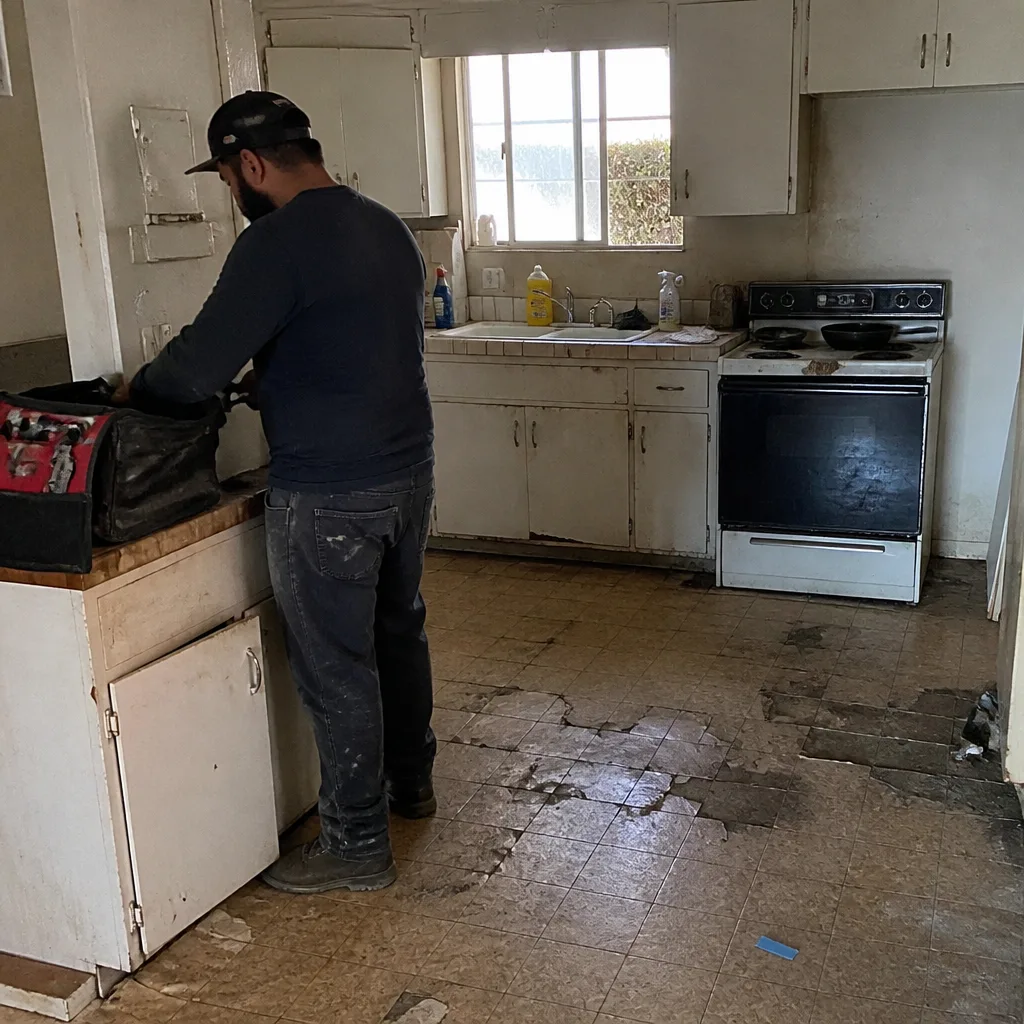 Before
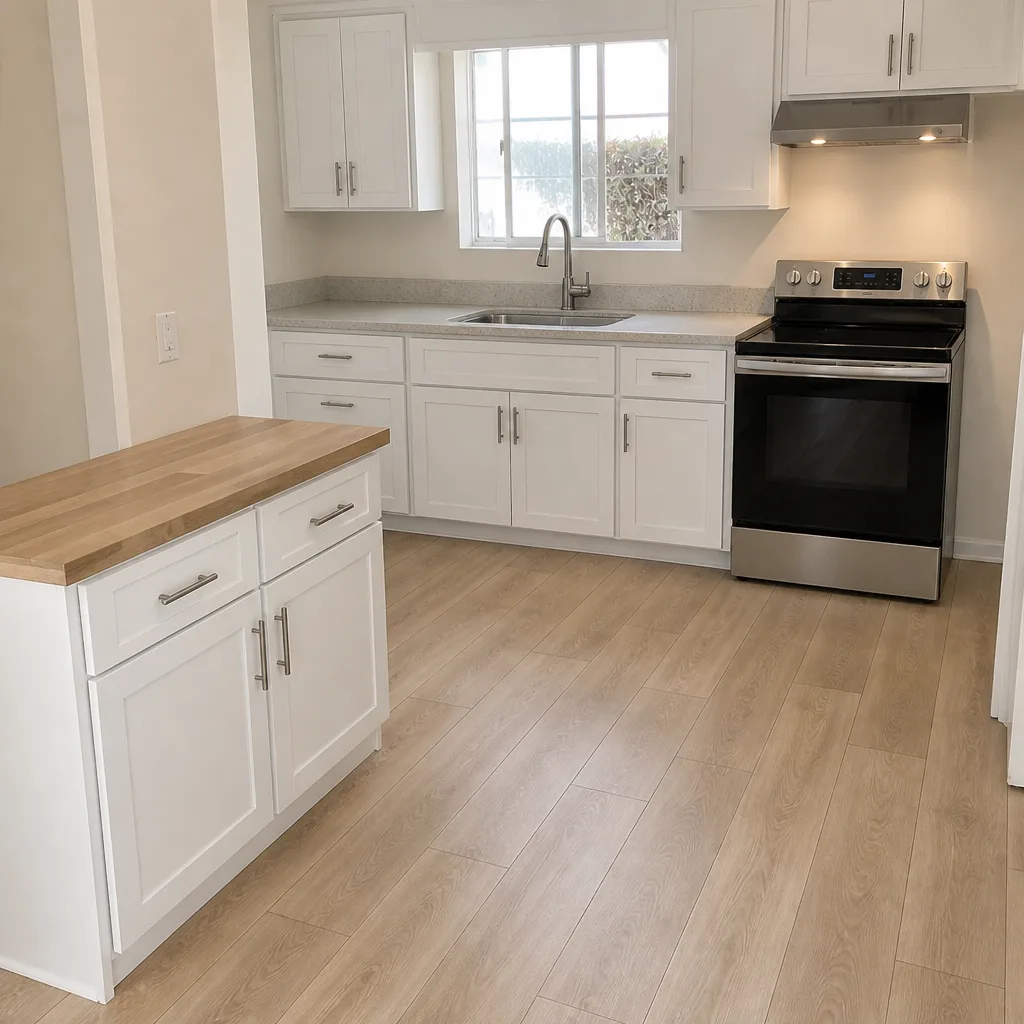 After
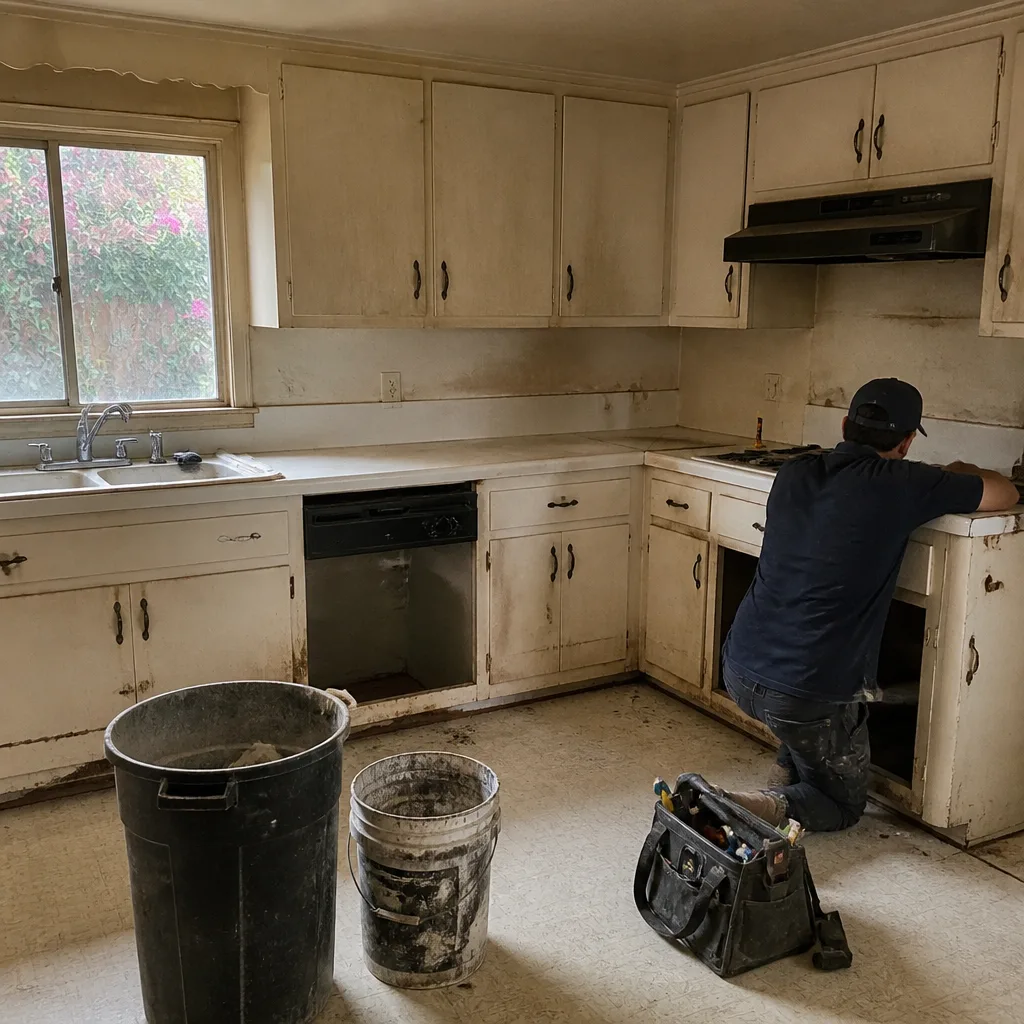 Before
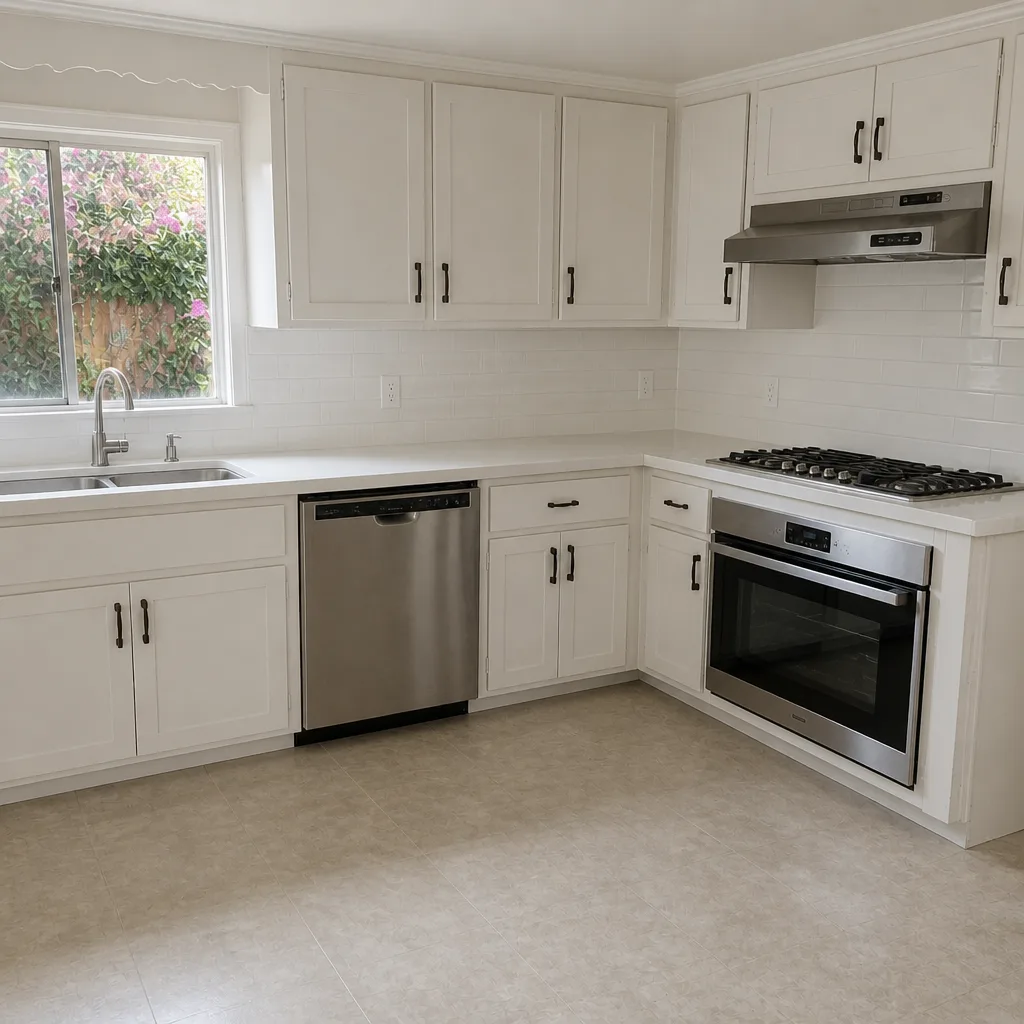 After
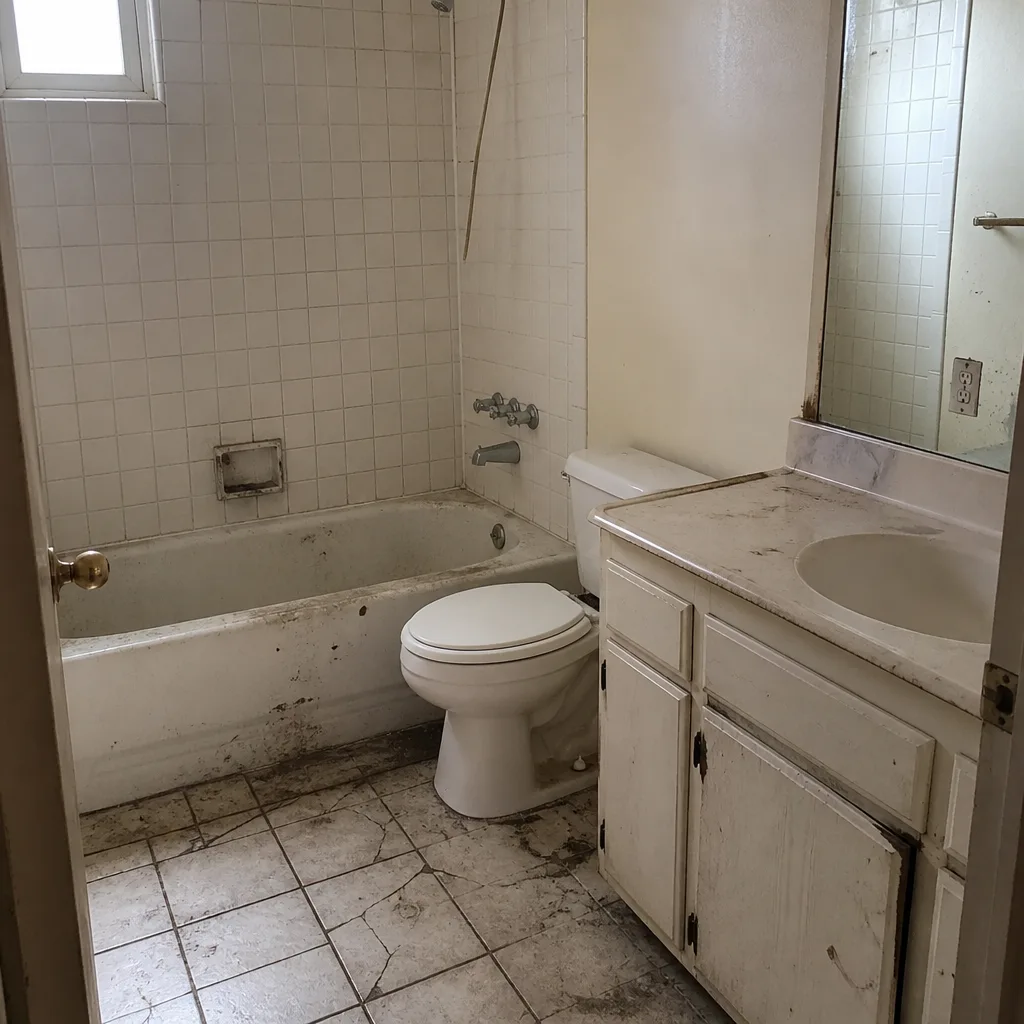 Before
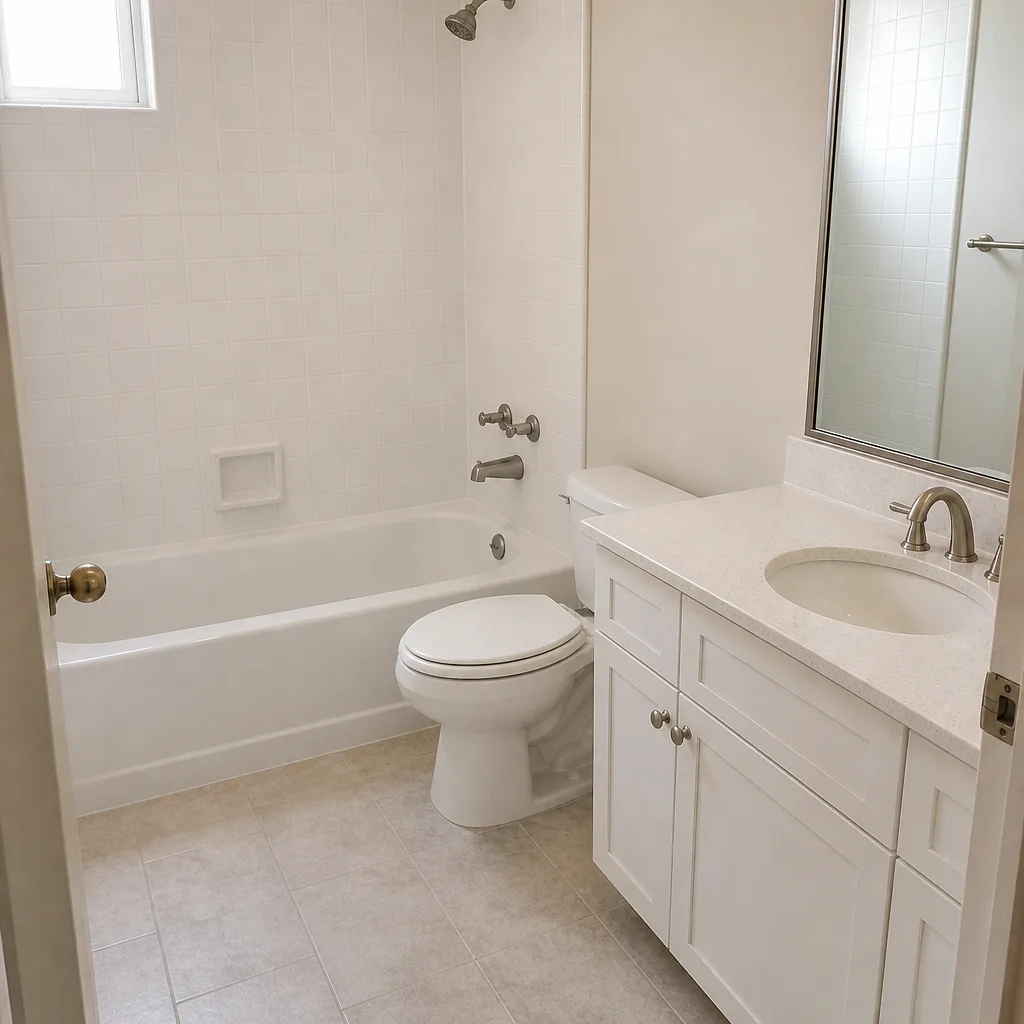 After
When to Call a Professional
Some permit questions you can answer yourself, but the following are worth a professional’s involvement before you spend anything: retroactive permits where demolition is a possible outcome, any project that touches the structural frame, hillside grading in Newport Coast or Corona del Mar, coastal zone work that may need a CDP, and Title 24 compliance on a project that touches the envelope, HVAC, or water heating. The paperwork is the easy part. Getting the sequencing and inspection documentation right is what protects your investment and your warranty.
Groundwork Construction Co. of Newport Beach offers free estimates in Newport Beach. Call (833) 749-3967 and we’ll walk through what your project needs, from permits to inspections. The number you see is the number you pay, backed by the 730-Day Done Right Promise and a live person answering the phone 24/7.
Frequently Asked Questions
Yes. Water heater replacements require a permit in nearly every California jurisdiction, because the installation touches gas, plumbing, pressure relief, and Title 24 energy compliance. Skipping the permit leaves an open compliance gap that surfaces on resale and can affect insurance coverage for a related loss. Call (833) 749-3967 for an exact quote on a permitted install – estimates are free.
A building permit covers construction and its systems, while a Coastal Development Permit (CDP) is a separate review for work inside the coastal zone that can add conditions on view corridors, materials, and site placement. Newport Beach has a large coastal zone, so an addition or deck near the water can require both, sometimes alongside a grading permit. Call (833) 749-3967 and we’ll help you sort out which applies to your property.
You can sell it, but you must disclose known unpermitted work, and buyers and lenders often use that disclosure to renegotiate or walk away. The reliable path is to open a retroactive permit before listing, which requires opening walls or systems for inspection and closing the record. Call (833) 749-3967 for a free estimate on getting the record clean before a sale.
With fixed upfront pricing, the number you agree to is the number you pay, with no change orders for work that was in scope. Changes that come from expanded scope, such as an unpermitted structure that requires demolition to close out, are priced in a written line-item quote before work begins. Call (833) 749-3967 for an exact quote – estimates are free.
Timelines vary by project type, and coastal zone projects usually take longest because CDP review runs separately from building plan check. Hillside grading permits add their own schedule on top. Rather than quote a fixed weeks count, we walk each project through plan check, corrections, and inspection scheduling so the timeline is realistic from day one. Call (833) 749-3967 to schedule a free estimate.
A failed final inspection means a correction is required and the permit stays open until it passes. Common causes are Title 24 documentation that doesn’t match the installed product, duct testing that wasn’t run, or a scope change that departed from the approved plans. The fix is to correct the issue under the same permit and reschedule. Call (833) 749-3967 for a free estimate on correcting an open permit.
The Bottom Line
California’s permit system is the only legal mechanism standing between you and construction nobody has verified. It protects your resale value, your insurance coverage, and the people living in the home. The work that needs a permit is broader than most homeowners assume: water heaters, HVAC changeouts, panel upgrades, windows, and roofs all qualify. Newport Beach adds a coastal layer that most of California never sees, and the inspection sequence is your real protection, not the final sign-off alone. If something was built without a permit, the retroactive process can usually close it out, but the outcome depends on what was built. The cheapest way to handle all of this is to permit it correctly the first time. Call (833) 749-3967 for a free estimate and we’ll walk through your project from plan check to final.
Written by the team at Groundwork Construction Co. of Newport Beach.