
Last updated November 17, 2026








Free written scope consultation - allowances, timeline, and change-order rules on paper before a single trade is scheduled
Construction Warning Signs: A Newport Beach Homeowner’s Reference Guide
The most expensive construction problems in Newport Beach don’t start with a bad contractor quote. They start with a homeowner who noticed something felt off two months into the job and talked themselves out of saying anything. A crew that suddenly shrinks by half. A tile that doesn’t match the sample. A sub who shows up with no introduction and no paperwork. None of those feel like emergencies in the moment, which is exactly why they get ignored until they’re costly.
This guide is about the quiet signals, the ones that show up mid-project rather than on the bid. You’ll learn what to watch for on site, what the paperwork should look like at every milestone, which workmanship tells a non-builder can still spot, and the exact sequence to follow when something feels wrong so you correct the job instead of blowing it up. We’ve watched dozens of Newport Beach remodels go sideways in ways that were entirely preventable, and almost all of them announced themselves early.
Quick Answer
The most reliable construction warning signs in Newport Beach are mid-project changes that never make it into writing: crew composition shifting without explanation, materials swapped without a signed change order, invoices that don’t match the payment schedule, missing lien releases after milestone payments, and verbal-only answers to written questions. Catching these signals early and responding in writing – not emotionally, in writing – is what separates a corrected job from a legal dispute.
Styles & brands we work with
- Kitchen remodeling
- Bathroom remodeling
- Home additions & ADU
- Roofing
- Windows & doors
- Driveway & pavers
- Fence
Table of Contents
- On-Site Warning Signs You Can See This Week
- Documentation Red Flags That Predict Trouble
- Workmanship Tells Non-Builders Can Still Identify
- Communication Patterns That Signal a Job Going Sideways
- Why Newport Beach Jobs Produce Specific Warning Signs
- What to Do When You Spot a Warning Sign: The Sequence That Preserves Your Options
- Prevention: What a Well-Run Job Looks Like From Day One
On-Site Warning Signs You Can See This Week
Walk your site at the same time every day for a week. If you can’t tell who’s running the job, that’s the first sign. On a properly managed Newport Beach remodel, the same lead is present most days, introduces any new face, and can tell you in one sentence what’s happening today and what’s scheduled for tomorrow. When that breaks down, the schedule is already slipping behind closed doors.
Three on-site signals matter most:
- Crew composition changes without notice. A framing crew of five becomes three, then two. A tile setter you met on day one is replaced by someone whose name you never catch. Some turnover is normal. Silent turnover over several days usually means the contractor is juggling your job against another and yours is losing.
- Material substitutions without a written change order. You specified Cambria quartz and a generic slab shows up. The contractor says, “It’ll look the same once it’s installed.” It usually won’t, and the substitution always runs in one direction: cheaper. A legitimate substitution comes in writing, with a price difference and your signature.
- Subcontractors arriving without introductions from the GC. On a well-run job, the general contractor introduces every trade lead and shows you their scope. When electricians and plumbers appear on your driveway with no context, you don’t know what they’ve been hired to do, what they’re being paid, or whether they’re licensed for the work. That’s a lien exposure problem as much as a quality one.
None of these on their own is a fire alarm. All three in the same two-week window is a job in distress. If you’re seeing that pattern, it’s fair to pause the schedule and ask for a written update before the next payment milestone comes due. The best construction partnerships in Newport Beach are the ones where the homeowner feels comfortable raising concerns early – that’s why we structure every project at Groundwork Construction Co. of Newport Beach home around a single point of accountability from foundation to finish line.
Documentation Red Flags That Predict Trouble
Paperwork is where a struggling job reveals itself first, months before you see a quality problem on the wall. The single most predictive sign: your invoice doesn’t match the payment schedule you agreed to. You signed a milestone-based schedule – say 10% at contract, 25% at framing, 25% at rough-in. If an invoice shows up for a milestone you haven’t reached, or a percentage that doesn’t match the schedule, someone’s cash flow is running your project.
Core document checks at every milestone:
- Invoice matches the payment schedule line for line. If the schedule said $18,000 at drywall and the invoice says $24,000, stop and ask in writing what changed. A legitimate increase has a change order, and a change order has your signature.
- Lien releases from every sub and supplier. California gives subcontractors and material suppliers the right to file a mechanic’s lien against your property if they aren’t paid. When you pay the general contractor, you should receive conditional lien releases covering each sub and supplier who worked in that milestone. Missing lien releases mean you can pay twice for the same work, once to the GC and once to a supplier through the lien process.
- Change orders exist for every scope or price change. All of them. Verbal agreements cause most construction disputes we’ve seen in Newport Beach, and the homeowner usually loses because there’s no written record.
- Permit inspections are documented. Newport Beach requires permits and inspections on structural changes, additions, and major trade work. Every inspection should produce a signed card or an online record. If the contractor “handled it” but can’t produce proof, ask why.
- Certificates of insurance stay current. General liability and workers’ comp should be on file for the GC and reachable for each major sub. Expired coverage mid-project is a serious warning sign.
A homeowner who simply asks for a lien release at each milestone changes the entire dynamic of the job. Suddenly the paperwork stays sharp and the schedule stays honest. If your contract doesn’t specify lien releases at each payment milestone, add that requirement before the next check goes out. It’s the simplest protective move in construction, and almost no one does it.
Workmanship Tells Non-Builders Can Still Identify
You don’t need a construction background to spot quality problems – you need to know where to look during the phases when work is still visible. Once walls close up, most of the shortcuts disappear into the structure and don’t announce themselves until the next rainy season. Three of the highest-value things to check:
Improper flashing during framing and roofing
Flashing is the metal that directs water away from joints at walls, roofs, and openings. Installed correctly, it works silently for decades. Installed with shortcuts – gaps, nails through the middle of the flashing instead of the edges, missing kick-out pieces at wall-roof intersections – it lets water into the wall cavity every time it rains. In Newport Beach, where winter storms can deliver rain sideways in a single overnight event, a missing kick-out flashing becomes a rotted shear wall and a mold issue within two seasons. Look for continuous metal where the roof meets a wall, and ask your contractor to show you the flashing detail before the siding or stucco goes on.
Inconsistent mortar joints
On tile and masonry work, the mortar joint should be even in width and depth across the whole field. If the joints look pinched in one area and wide in another, or the contractor is smearing grout over the face of the tile instead of packing the joints properly, you’re seeing a shortcut. It’s visible now, and it’ll be visible years from now. On a Newport Beach bathroom remodel, uneven joints are also the first sign of poor waterproofing behind the substrate, which is the real cost.
Vapor barrier shortcuts visible during framing
Before the drywall goes up, walk the walls. You should see a continuous vapor barrier behind exterior walls, sealed at every penetration and lapped correctly at the seams. Shortcuts – tears that don’t get taped, missing sealant around electrical boxes, a barrier that stops at the top plate – are all visible during framing. Once drywall goes on, they’re invisible and expensive. Take photos at this phase whether or not you’re worried. It’s the single most useful record you’ll have if a question comes up later.
The workmanship tells above are worth an hour of your time during the framing phase of a Newport Beach remodel. If you want a second set of eyes before the walls close, call us – our team has walked hundreds of framing phases across Southern California, and we’re glad to help you see what’s there.
Communication Patterns That Signal a Job Going Sideways
Communication tells you about a job’s health faster than any visible workmanship issue. The patterns below are early warning signs that the project management side of the contractor’s business is under strain, which reliably becomes a schedule and quality problem within weeks.
- Delayed responses to written questions. If you send a specific email – “Can you confirm the tile installation is the standard thin-set method and not a pre-mixed adhesive?” – and get back a phone call instead of an email reply, that’s a pattern. Written questions get written answers on a well-run job. Verbal-only responses mean there’s no record, which means you’re building a dispute you’ll lose.
- Verbal-only answers to scope changes. Anything about scope – adding a window, moving a door, upgrading tile – must be in writing with a price attached. A contractor who says “I’ll handle it, don’t worry about the paperwork” is creating an undocumented change. That change will be disputed at closeout.
- Reluctance to put completion dates in writing. A contractor who will give you a start date but not a completion date is telling you something. Even a finish date with reasonable contingencies is better than none. Ask for it in writing, and if the contractor refuses, that is a signal to slow down before the next milestone.
- Increasingly brief texts instead of scheduled check-ins. Communication styles vary, but volume drops when the project is struggling. If your weekly update becomes a one-liner and then stops, the schedule has almost certainly slipped.
- Defensiveness to standard questions. Waterproofing, flashing, lien releases, and permits aren’t controversial questions. A contractor who treats them as suspicion rather than fair inquiry is either unfamiliar with the standard or uncomfortable with the paperwork. Either answer is a problem.
We’ve written elsewhere about Home Additions & ADU in Newport Beach, and the single most common failure point on additions is not code or materials – it’s a communication breakdown between homeowner and contractor halfway through the framing phase, when the completion date starts slipping and nobody’s talking about it.
Why Newport Beach Jobs Produce Specific Warning Signs
Newport Beach construction has a particular set of pressures that make certain warning signs more common than they’d be elsewhere. Understanding those pressures is how you know what to look for.
First, lot sizes and access. On Balboa Island, Lido Isle, and the older streets of Corona del Mar, jobs run on narrow lots with restricted truck access, close neighbors on both sides, and tight staging. A contractor who bids the project without accounting for daily material staging limitations will fall behind schedule in the first month, and the first symptom isn’t a quality problem – it’s a crew that shrinks as the contractor tries to cut labor costs to make up the overrun. On the Peninsula, homes built between the 1940s and 1970s often have surprises under the floor – undersized piers, outdated wiring, and plumbing at the end of its life. A bid that didn’t include a contingency for the surprises will produce change orders mid-project, and the change orders will be the first place a struggling contractor starts making silent substitutions to protect margin.
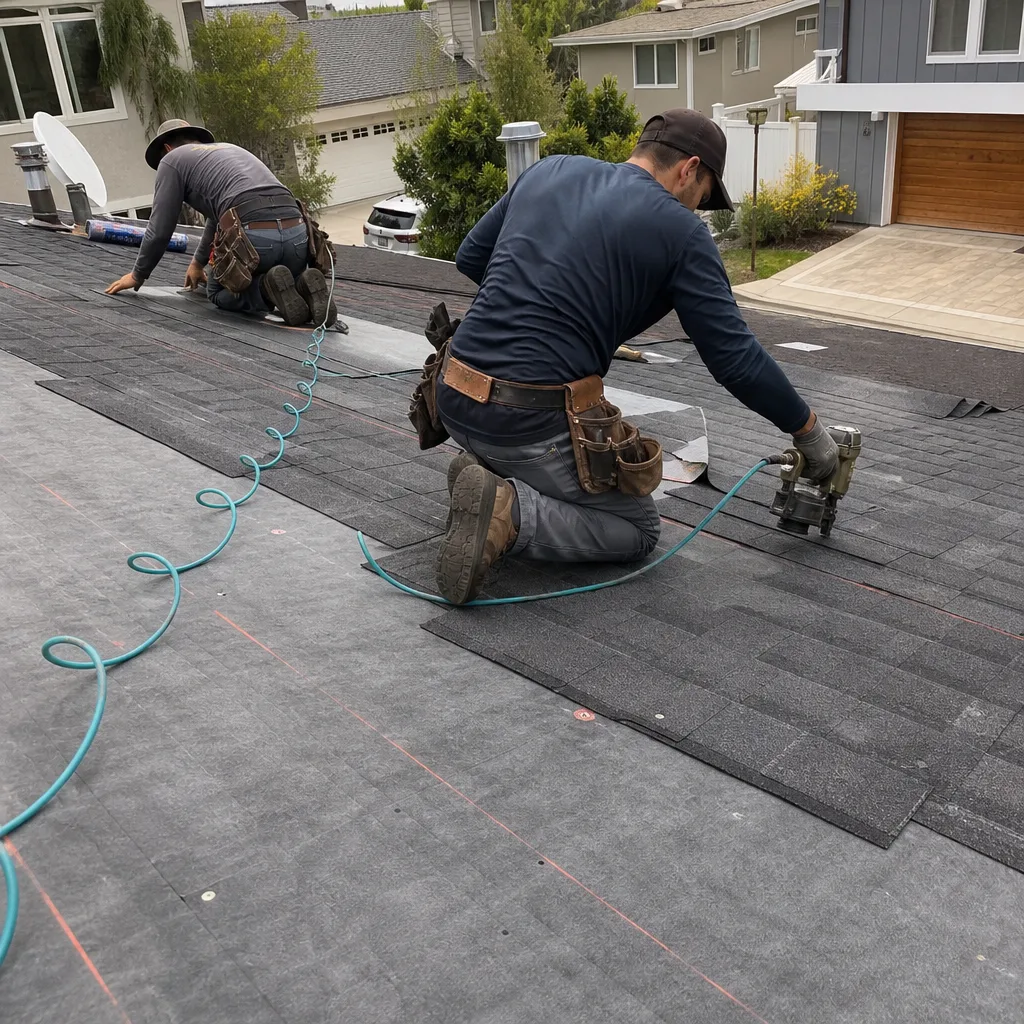
Second, coastal exposure. Newport Beach’s marine layer and salt air are aggressive – roofs and exterior finishes take more abuse in this climate than a comparable build two miles inland. Roofing crews working without proper flashing and ventilation shortcuts will produce a problem that doesn’t surface until the first heavy rain of the following winter, at which point the original contractor is often unresponsive. On a well-run Newport Beach job, roof work should be completed with ventilation details visible and photographic records of the flashing installation. If your contractor can’t show you before-and-after photos of the flashing and underlayment, ask why.
Third, the permit side. Newport Beach has high standards for structural and coastal permits, and the inspection process is thorough. When a contractor is reluctant to pull permits or pressures you to “start with the cosmetic work while the permit comes through,” that conversation alone is a warning sign – unpermitted work in Newport Beach is expensive to unwind later. Insist on permits before work starts, and confirm the contractor has pulled them in your name through the city’s online portal.
The contractors who do excellent work in Newport Beach are the ones who plan for the local pressures up front. The ones who don’t plan for them end up showing the warning signs mid-project. A little time spent eliminating false economy before the contract is signed will spare you the whole list below.
What to Do When You Spot a Warning Sign: The Sequence That Preserves Your Options
When something on this list shows up, the instinct is one of two extremes: ignore it and hope, or fire everyone and call a lawyer. Neither works. The correct response is a written sequence that keeps the project moving while preserving your rights. Follow these steps in order.
- Document, don’t react. Take photos with timestamps and write down what you observed in plain language. Don’t confront the crew – you have weeks of leverage this way and almost none if the job stops today.
- Send a written notice to the general contractor. One email or letter, calmly written, that identifies the specific issue, references the relevant contract clause or industry standard, and asks for a written response within a specific window (five business days is standard). “On [date] I observed [specific issue]. Please confirm in writing how this will be corrected.” Keep the tone professional – the goal is correction, not conflict.
- Pause any payment tied to the disputed milestone. You continue paying on completed, correct work. You don’t pay the milestone the disputed work depends on until it’s resolved in writing. Keep every payment traceable and every lien release current.
- Request an independent inspection if the issue is structural or trade-specific. A licensed third-party inspector or structural engineer can confirm what you’re seeing in objective terms, and their report carries weight in every conversation that follows. In Newport Beach, this step is worth taking even when you’re confident – a written report settles arguments faster than photographs.
- Bring in a third-party contractor for a second opinion if the GC is unresponsive. A written estimate from a competing contractor for the correction work documents the cost of the problem in dollar terms. That number, combined with an inspection report, changes the conversation.
- Escalate to the California State License Board (CSLB) or legal counsel only if the above fails. CSLB complaints have real teeth – a licensed contractor facing an active complaint tends to resolve issues quickly. A construction attorney is the last step, not the first. Most disputes that reach this stage started with a homeowner who skipped steps two through five.
The sequence preserves three things simultaneously: the working relationship (which you want if the contractor can fix it), the schedule (which stays on track if the job continues), and the legal record (which matters most if the job can’t be saved). Almost every successful correction we’ve seen starts with a homeowner who put something in writing early and stayed calm about it.
Prevention: What a Well-Run Job Looks Like From Day One
The easiest way to avoid the warning signs above is to choose a contractor whose process closes the loopholes before work starts. On a properly run job, you know in week one what you won’t see in week twelve. Here’s what a clean start looks like:
- A written scope of work that identifies every material by brand and model. Not “premium quartz,” but “Cambria quartz, color X.” Not “premium windows,” but a specific line from an established manufacturer. Every substitution then requires a written change order by definition.
- A payment schedule tied to verified milestones with lien releases at each. You should see the lien release requirement written into the contract from the start, not added later under pressure.
- Named tradespeople with verified licenses and insurance. Every sub on your job should be introduced by the GC, licensed for their trade, and covered by active insurance you can see.
- A schedule with completion dates you can hold. Not a start date alone – a real sequence with dates for framing, rough-in, drywall, and finish. Contingencies are allowed; silent slippage is not.
- Permits pulled before work begins, and inspection records shared as they happen. In Newport Beach, you can verify permit status through the city’s online portal. If a contractor isn’t pulling permits on structural work, that’s not a shortcut – it’s a liability you’re assuming.
For additions, ADUs, and other larger-scope Newport Beach work, the pooled-construction path (with firms like Abodu, Cover, or Dvele coordinating modular units) is growing common and often has a cleaner paper trail than site-built because factory builds arrive with more documentation. If prefab is on your table, insist on the same lien-release and permit requirements you’d demand of a site-built contractor. For pavers, hardscape, and fencing phases, the same checks apply – you can read our guides on Driveway & Pavers in Newport Beach and Fence Installation in Newport Beach for the specific scope-check items we recommend on those components.
Common Mistakes to Avoid
- Judging a contractor by their bid alone. The cheapest bid is often the one with the fewest change order contingencies, which means it will show the warning signs above first. Compare bids on scope completion and documentation quality, not headline price.
- Skipping the lien release conversation. Almost every homeowner we talk to has not asked for lien releases at milestones, and most contractors won’t volunteer them. Adding the requirement to the contract before signing costs you nothing and saves you from double-paying for the same work in the worst case.
- Trusting verbal answers on change orders because the contractor seems reasonable. A verbal answer to a scope change is not a change order, and it will not protect you when the invoice arrives. If the contractor won’t put it in writing, don’t authorize it.
- Assuming structural inspections mean the whole job is safe. Newport Beach inspects the structure, the electrical, the plumbing, and the energy compliance, but city inspectors don’t review finish quality. The mistakes in this guide are mostly finish-quality and management issues, and the city has no duty to catch them.
- Waiting until the walls go up to look at the work. Walk the site during framing, before the drywall closes, before the tile goes over the substrate. Everything is visible at those phases and mostly invisible afterward.
- Firing the contractor as a first response. Removing a contractor mid-project is expensive even when you’re right – you lose deposits, restart scheduling, and pay a premium for a new team to take over someone else’s work. Written notice and a milestone hold resolve most issues without blowing up the job.
- Letting permit status slide because “it’s just cosmetic.” Cosmetic work that touches structure, electrical, plumbing, or mechanical still requires a permit in Newport Beach. Unpermitted work discovered at resale can trigger inspection, correction, and disclosure problems worth several times the original savings.
See the difference
 Before
 After
 Before
 After
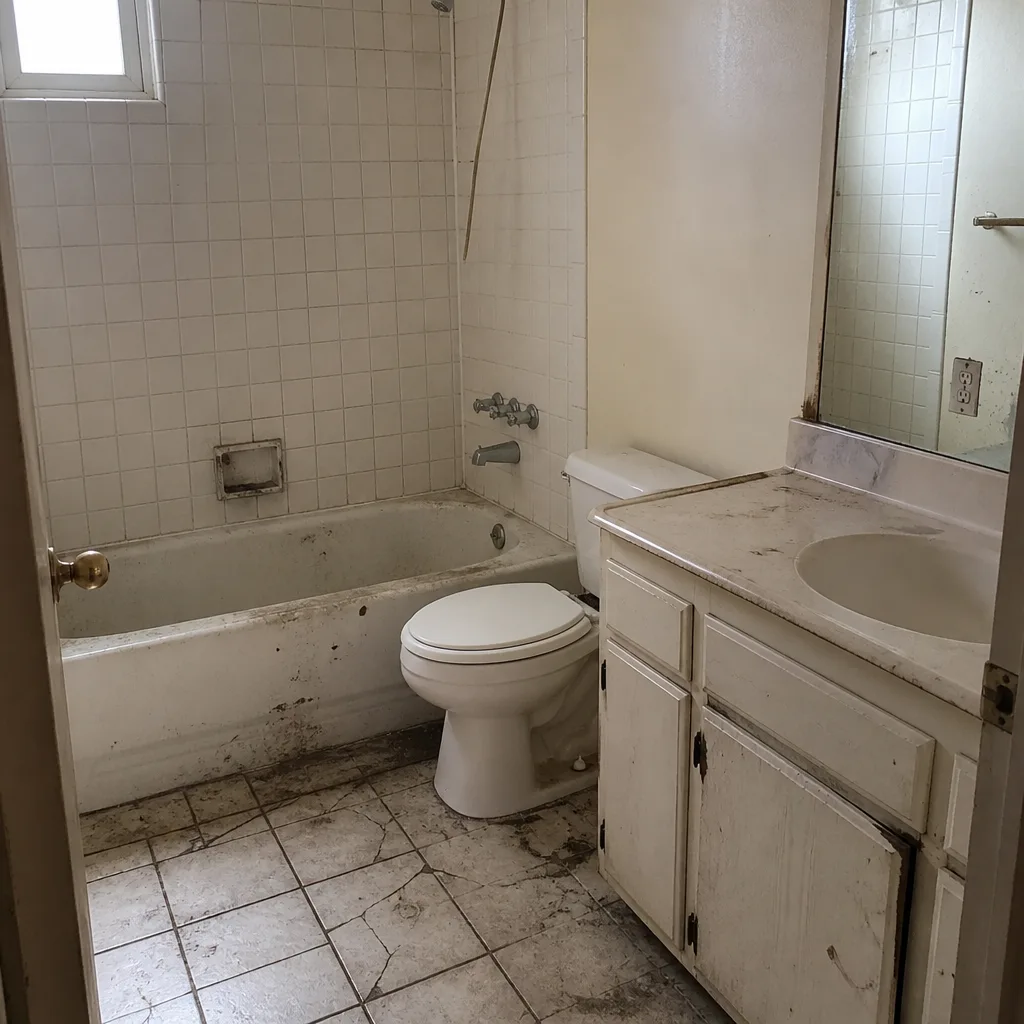 Before
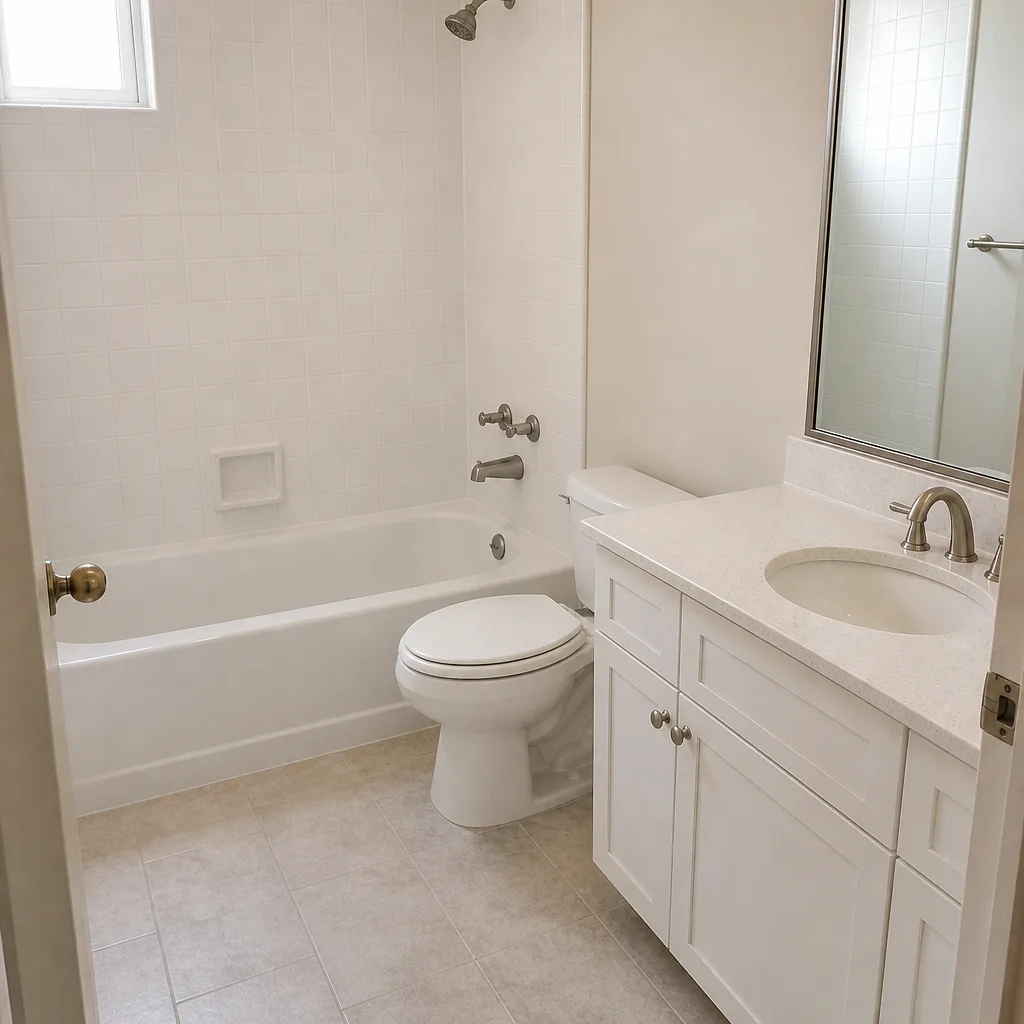 After
When to Call a Professional
If you’re seeing the warning signs above – crew turnover, undocumented substitutions, missing lien releases, flashing or framing shortcuts, or a communication pattern that’s broken down – call before the next payment goes out. The earlier a problem is raised, the more options you keep. We regularly help Newport Beach homeowners evaluate a struggling job, whether or not they hire us for the corrective or remaining work. Groundwork Construction Co. of Newport Beach offers free estimates in Newport Beach – call (833) 749-3967 to schedule a walkthrough and get a written, line-item review of what we see. Our technicians have up to 12 years of experience on projects across Southern California, every project is backed by the 730-Day Done Right Promise, and we answer the phone live 24/7 – no voicemail, no delay.
Frequently Asked Questions
The most reliable warning sign is that invoices stop matching the payment schedule, or lien releases stop arriving after each milestone payment. Either one usually means the contractor’s cash flow is under strain, which becomes a quality and schedule problem within weeks. If you see this on your Newport Beach job, send a written notice and pause the disputed milestone before the next payment – then call (833) 749-3967 for a second opinion on the work completed.
Yes. In California, any subcontractor or material supplier can file a mechanic’s lien against your property if they aren’t paid, even when you’ve already paid the general contractor in full. Conditional lien releases for each sub and supplier, received at each payment milestone, are your primary protection. Add the requirement to your contract if it’s not there, and if the contractor resists the request, treat that as a warning sign.
No. Any scope change – adding a window, moving a door, upgrading tile, adjusting the layout – needs a written change order with the price, timeline impact, and your signature. Verbal authorizations are the leading cause of construction disputes in Newport Beach, and homeowners almost always lose them because there’s no written record. If the contractor won’t put a change in writing, don’t approve it, and call (833) 749-3967 if you want a second opinion on whether the change is priced fairly.
Photograph the installation, note the date, and send the general contractor a written notice asking for written confirmation of how the flashing will be corrected to the manufacturer’s spec. Don’t approve the next payment milestone until the fix is confirmed in writing and the corrected flashing is re-inspected. Newport Beach winter rain makes flashing failures expensive fast – a missing kick-out or an improperly lapped section that stays unaddressed will show up as an interior water problem the following winter, and the correction cost grows substantially after the drywall is closed. Call (833) 749-3967 for a free inspection if your contractor won’t commit to the fix in writing.
You can verify permit status through the City of Newport Beach’s online permit portal, which shows active permits, inspections scheduled, and inspection results as soon as they’re logged. Ask your contractor for the permit number at kickoff and check it yourself every two weeks. If work has started on structural, electrical, plumbing, or mechanical scope without a permit pulled in your name, stop the work and call (833) 749-3967 – unpermitted work discovered later can cost several times the savings of skipping the permit.
Correct in place whenever the contractor is willing to fix things in writing, because removing a contractor mid-project is expensive and rarely produces a better outcome on schedule or cost. The correct sequence is written notice, milestone hold, independent inspection if the issue is technical, and a second-opinion estimate – fire only when the contractor refuses written correction or won’t show lien releases. If you’re unsure which side of that line you’re on, call (833) 749-3967 for a free walkthrough and a written assessment before you make any decision.
The Bottom Line
Most Newport Beach construction disasters are visible two months before they become expensive. The signs are usually in the paperwork first – invoices that don’t match the schedule, missing lien releases, substituted materials without a signed change order – and on site second, as crew turnover, obvious workmanship shortcuts, and communication that’s stopped being responsive. Written notice to the contractor is your first move, not your last. Preserve the working relationship, keep paying only on completed and correct work, and bring in an independent professional when a technical question needs a technical answer. That’s how you keep a Newport Beach remodel from becoming a lawsuit.
We see these patterns all the time on Newport Beach jobs, and the homeowners who correct them earliest are the ones whose projects actually finish. If you’re in the middle of a job that’s raising questions, or you’re about to start one and want a clean written scope before signing, we’re glad to help. Groundwork Construction Co. of Newport Beach offers free estimates – call (833) 749-3967, and a live person answers, 24/7, with a free project estimate and design consult ready when you are. Upfront pricing, no surprises, and a 730-Day Done Right Promise on every project we stand behind.
Written by the team at Groundwork Construction Co. of Newport Beach.