Last updated November 17, 2026




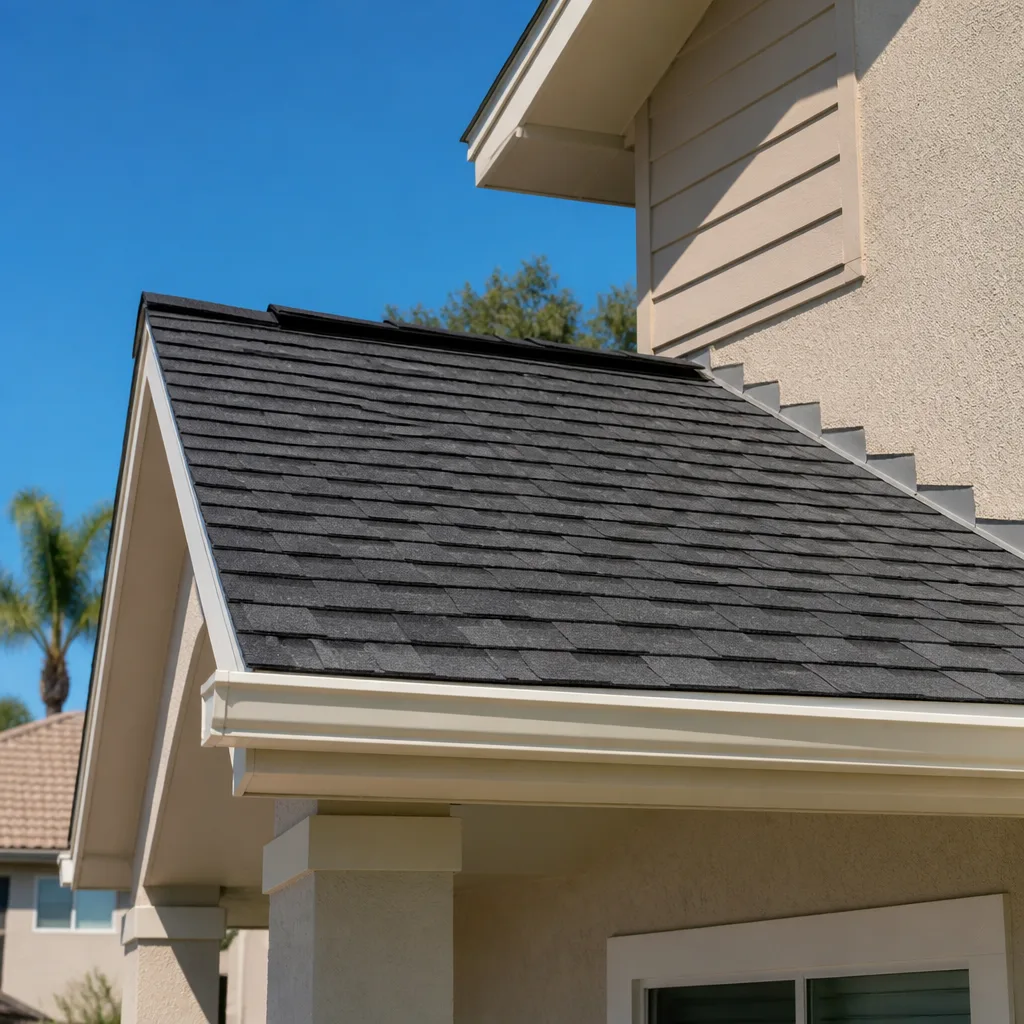
Free written scope consultation - allowances, timeline, and change-order rules on paper before a single trade is scheduled
DIY vs Professional Construction: The Newport Beach Homeowner’s Decision Guide
Most homeowners who get burned on a construction project don’t get burned because they lack skill. They get burned because they crossed a legal line they didn’t know existed. In Newport Beach, a homeowner who DIYs a structural element without permits isn’t just risking a fine from the city – they’re potentially creating a material defect disclosure obligation that has to follow the property through every future sale, indefinitely. That’s a liability that compounds over decades, long after the paint has dried and the memory of the weekend project has faded. This guide draws the line at exactly the right place. We’ll cover the California legal boundary between homeowner-exempted work and licensed-contractor-required work, how Newport Beach’s coastal zone and HOA environments shrink the legitimate DIY window, and how to compare DIY costs to professional costs honestly – including the hidden costs most comparisons leave out. We’ll also cover the legitimate ways an informed owner can participate in a professional project to reduce cost without crossing into unlicensed contractor territory.
Quick Answer
In Newport Beach, the DIY vs. professional question is mostly a liability question, not a skill question. Cosmetic interior work, painting, landscaping outside HOA review, and like-for-like fixture swaps are generally legitimate homeowner DIY territory. Anything structural, anything touching electrical, gas, plumbing rough-in, roofing, or the building envelope, and anything inside a coastal zone or HOA that requires architectural review generally requires a licensed contractor and permits – even if you’re capable of the physical work. Hiring right the first time is almost always cheaper than hiring wrong twice, or than carrying the disclosure obligation of an unpermitted improvement into a future sale.
Styles & brands we work with
- Kitchen remodeling
- Bathroom remodeling
- Home additions & ADU
- Roofing
- Windows & doors
- Driveway & pavers
- Fence
Table of Contents
- The Legal Boundary: What California Law Actually Lets You DIY
- Why Newport Beach’s Coastal Zone and HOA Rules Shrink the DIY Window
- Where DIY Genuinely Makes Sense in Newport Beach
- The True Cost Comparison: What Most DIY Calculations Get Wrong
- How to Be an Informed Owner-Participant on a Professional Project
- Project-by-Project Breakdown: Kitchens, Baths, Roofs, Additions
- Materials and Brands: Where DIY and Pro Paths Diverge Most
- Common Mistakes to Avoid
- When to Call a Professional
- Frequently Asked Questions
The Legal Boundary: What California Law Actually Lets You DIY
California Business and Professions Code Section 7044 is the statute that matters most here, and most homeowners have never read it. It allows a homeowner to do work on their own residence without a contractor’s license, provided the property is a single-family residence where they actually live, and provided the work doesn’t trigger other code requirements. But that exception narrows substantially once you look at the specific trades. Electrical, plumbing, mechanical, and gas work all have separate permit and code requirements that a homeowner performing the work must still meet – and inspections that will reject work done wrong regardless of who did it.
The practical line looks like this:
- Generally available to a homeowner: interior painting, drywall patching, cosmetic flooring installation (floating floors, tile over approved substrates), cabinet replacement without moving utilities, landscaping, fencing below HOA review threshold, fixture swaps that don’t require permit (need to verify against current California code for the specific fixture type).
- Requires licensed contractor in practice, even if legally ambiguous: anything structural, roofing, window and door replacement on the building envelope, electrical panel work, plumbing beyond like-for-like fixtures, gas line work, HVAC replacement, permanent additions, ADUs.
- Always requires permits regardless of who performs the work: additions, structural changes, electrical panel upgrades, any work that changes the building footprint or envelope, ADUs, major remodels.
The distinction that trips people up is between the work being permit-exempt and the work being exempt from licensed contractor requirements. Those are separate questions. Work can require a licensed contractor while not requiring a permit, and work can require a permit while being technically available to a homeowner. Both questions need answers before you pick up a tool. For projects where permits are pulled and inspections passed, the work has to be done right regardless – and the inspection doesn’t happen on an honor system.
The common DIY trap in Newport Beach isn’t a homeowner who tries to hang drywall and does a bad job. It’s the homeowner who handles the framing of a bonus room conversion on a Balboa Island property, gets it done beautifully, and discovers at resale that the conversion is unpermitted – because the slope of the roof line and the required shear-wall nailing schedule weren’t captured in any drawings reviewed by the city. That’s a disclosure issue, and in California’s real estate market, it isn’t something that gets quietly forgotten. Buyers ask. Their agents ask. Title companies ask.
For homeowners thinking about projects that genuinely require a licensed contractor – additions, ADUs, structured remodels – our Home Additions & ADU in Newport Beach page lays out what the permit-and-review side of those projects actually requires from a construction partner.
Why Newport Beach’s Coastal Zone and HOA Rules Shrink the DIY Window
Newport Beach is a coastal city with a mix of HOA-governed communities and non-HOA properties, and the rules attached to your specific property change what you can legitimately do yourself. The city sits inside a coastal zone, and California Coastal Commission rules apply to certain projects that would be routine anywhere inland – fence heights in the coastal zone, changes visible from public viewpoints, work near coastal bluff edges. Those rules exist regardless of who does the work, but they affect whether a project is something a homeowner can legitimately handle alone or something that requires careful review and permitting before a tool gets picked up.
HOA environments add a second review layer. Many Newport Beach communities along the bay and around Balboa, Corona del Mar, and Newport Coast require architectural committee approval for exterior changes that would be invisible on a non-HOA property – paint colors, visible fencing materials, exterior lighting, landscape changes visible from common areas. A homeowner who installs a new fence themselves without architectural committee sign-off can face a removal order even if the fence is beautiful and structurally perfect. That’s a cost the DIY calculation almost never accounts for. Our Fence Installation in Newport Beach page covers how HOA and coastal review affects fence projects specifically, since that’s one of the trades most affected.
The climate piece matters too. Newport Beach’s coastal marine layer and salt air load the building envelope with moisture differently than inland properties. Roof decks, window seals, and exterior wood on a Corona del Mar home take a different beating than the same materials would in Riverside or inland Irvine. A homeowner who handles a window swap in good faith without understanding pressure-equalized rain screen detailing can create a leak path that stays hidden for a season and then shows up as interior drywall damage – which then has to be documented, repaired, and potentially disclosed at resale. That’s a coastal-specific risk that inland DIY guides generally don’t flag.
The net effect: the legitimate DIY window in Newport Beach is smaller than most homeowners assume. On an inland property, a homeowner with strong skills can legitimately handle more of their own work than the same homeowner can on a coastal-zone or HOA property in Newport Beach. Those details are property-specific, not universal.
Where DIY Genuinely Makes Sense in Newport Beach
We’re not going to tell you that every project needs a contractor. That’s not true, and it doesn’t serve anyone. There are real categories of work where a capable Newport Beach homeowner doing the job themselves is the right call – economically and practically.
- Interior painting. Prep, prime, paint. If you choose a color the HOA approves (if you’re in one) and the substrate is sound, this is homeowner work. It’s the highest-return cosmetic DIY project on most properties.
- Cosmetic interior updates. Replacing light fixtures that don’t require new wiring, swapping cabinet hardware, updating outlet covers, painting trim, refinishing floors. These improve the home without touching permit territory.
- Landscaping outside HOA review scope. New plantings, garden beds, small hardscape features that stay below the threshold requiring architectural review – assuming they’re not in the coastal zone viewpoint (which you’ll want to verify with the city before starting).
- Like-for-like fixture swaps. A faucet that goes into an existing hole with existing plumbing, a toilet swap in an existing flange, a lighting fixture change at an existing connection. Verify current California code requirements for the specific fixture and install.
- Fencing and gate work below HOA review threshold. If your property isn’t HOA-governed, or the specific fence section isn’t within review scope, a homeowner can legitimately install their own fence. The permitting side still has to be verified.
The common denominator in all five categories: no structural change, no envelope change, no new utility runs, no permit review, and no HOA architectural committee inside the scope. When any of those conditions fails, the DIY case falls apart on liability grounds, not skill grounds.
The driveway and hardscape category is worth flagging here, because it sits right on the line. A homeowner can regrade and re-landscape parts of a driveway themselves. The moment the work touches drainage calculations, the connection to the municipal storm system, or a full paver installation that has to hold up to coastal soil and slope conditions, the DIY case weakens quickly. Our Driveway & Pavers in Newport Beach page walks through what that decision actually looks like in practice.
The True Cost Comparison: What Most DIY Calculations Get Wrong
Most DIY cost comparisons are a false comparison. They add up materials and your own time and compare that number against a contractor’s bid. That comparison leaves out three cost lines that, in Newport Beach specifically, can easily exceed the difference between the two paths:
- Permit risk. Permits cost a specific dollar amount, and the difference between a permitted project and an unpermitted one at resale can be a rework cost, a disclosure obligation, or a negotiation concession. That’s not a small line item on a Newport Beach property.
- Insurance gap. Most homeowners’ insurance policies don’t cover damage arising from unpermitted or non-code work done by the homeowner. If a DIY electrical addition sparks a fire, or a DIY plumbing change fails and damages drywall and flooring, that claim can get denied.
- Resale disclosure obligation. California’s real estate disclosure process requires sellers to disclose known material defects and known unpermitted work. Unpermitted improvements made by the homeowner become a line item in the sale – sometimes a renegotiation point, sometimes a lost sale.
- Rework under contract. A contractor hired to fix previous DIY work typically charges more, not less, because the demolition and diagnosis of unclear conditions takes time. The “fix it” path costs more than the “do it once” path on every metric.
Here’s what an honest line-item comparison looks like for a representative Newport Beach project – say a primary bathroom remodel with a relocated shower and new tile work:
| Cost line | DIY path (est.) | Licensed pro path (est.) |
|---|---|---|
| Materials | $9,000 – $14,000 | $11,000 – $16,000 |
| Permits (city of Newport Beach) | Owner-pulled, still required | Contractor-pulled, included |
| Labor or your hours | 60-120 owner hours | Included |
| Rework risk (est. probability-weighted) | $2,000 – $6,000 | Near zero on signed work |
| Insurance coverage confirmation | Often excluded | Contractor liability covers work |
| Resale disclosure obligation | Yes, if unpermitted | No, work is permitted |
| Workmanship warranty | None | Multi-year, in writing |
The materials line usually looks close. The other lines don’t. That’s why the honest answer to “is DIY cheaper” is almost always: on paper, yes; in practice, sometimes; and on resale, rarely. The homeowner’s real decision isn’t “can I do this” – it’s “can I absorb the tail risk if it goes wrong.”
We do the same honest math when we quote a project. Upfront pricing, no surprises, is the principle: the number you see is the number you pay, and change orders are the exception, not the default. What we won’t do – and what no reputable contractor should do – is quote a price and then pad it with rework charges after the fact.
How to Be an Informed Owner-Participant on a Professional Project
There’s a real middle path that reduces cost without crossing into unlicensed contractor territory, and it’s underused. On a professionally contracted project, the homeowner can legitimately contribute in specific ways that reduce the contractor’s time on site and, sometimes, the bid:
- Design and selections made early. The single biggest cost driver on a professional project is selection changes mid-construction. Firm selections on tile, fixtures, cabinetry finishes, and hardware before the schedule starts reduce change-order volume dramatically. Choose brands you trust (KraftMaid for cabinetry, Cambria for counters, Kohler for plumbing) and lock decisions before demolition.
- Owner-performed demolition and finish work, when permitted. On many projects, a homeowner can legitimately perform non-structural demolition (removing old cabinets, tearing out old flooring) and certain finishing work (painting, some trim, some final hardware installation) under a signed contract that carves those items out of the scope. This has to be documented clearly so the permit and inspection record reflects who did what – and so insurance and warranty coverage remain intact.
- Materials sourcing on specified brands. Some homeowners get better pricing on specific items by sourcing directly – appliances, in particular – while the contractor handles everything behind the walls. This works when the contractor writes the scope to allow owner-supplied materials and the warranty coverage on labor remains clear.
- Direct HOA communication. The owner handles the HOA architectural review submission; the contractor supplies the drawings, product specs, and paint codes needed for the submission. This keeps the owner in control of the HOA relationship while the contractor handles the technical side.
- Coordination with neighbors and access. Lot access, parking arrangements, utility shutoff coordination – these are real tasks the owner can legitimately take on, and they save time on every project in Newport Beach where driveway access or parking restrictions affect scheduling.
What crosses the line: the homeowner performing any work that legally requires a licensed contractor, the homeowner and contractor agreeing to an informal arrangement where the homeowner is effectively directing unlicensed helpers, or the homeowner handling permit-pulling on work that legally requires a licensed contractor to pull it. Those arrangements don’t survive inspection, and they don’t survive resale.
Project-by-Project Breakdown: Kitchens, Baths, Roofs, Additions
Each project type has a different DIY vs. pro line. Here’s how the major categories actually break down in Newport Beach:
Kitchens
A cosmetic kitchen update – refacing cabinets, new countertops over existing boxes, new sink and faucet in existing locations – has a real DIY window for a capable homeowner. Anything that moves plumbing, moves gas, moves electrical, or changes the footprint does not. The kitchen is the highest-risk DIY room in any home because it concentrates more trades in a smaller square footage than anywhere else. That’s why most professional kitchen bids are worth the money even when the homeowner is skilled: the sequencing of trades in a small footprint is where things go wrong. If you’re weighing the full scope of a kitchen project, we cover what’s involved in a full remodel through our main Groundwork Construction Co. of Newport Beach home page.
Bathrooms
The tile work is the part most homeowners want to do themselves, and it’s the part that fails most often without mud-bed experience and proper waterproofing. Water damage from a failed shower waterproofing job is one of the most common insurance claims we see, and it’s one of the most common reasons a bathroom project that started as DIY ends up being re-done professionally six months later. The cost of doing it right the first time is almost always lower than the cost of the rework plus the water damage plus the insurance deductible.
Roofs
We’re direct about this one: full roof replacement is not a legitimate DIY project for a homeowner, regardless of skill. Steep-pitch roof work is genuinely dangerous, the envelope detailing (flashing, underlayment, valley treatment) determines whether the roof holds for decades or fails in the first storm season, and Newport Beach’s coastal environment is unforgiving of installation shortcuts. GAF and CertainTeed systems are specified as complete systems for a reason – substituting components or shortcutting the sequence voids the manufacturer warranty. If you’re evaluating a roof project, talk to a licensed contractor before you get on the roof.
Windows & Doors
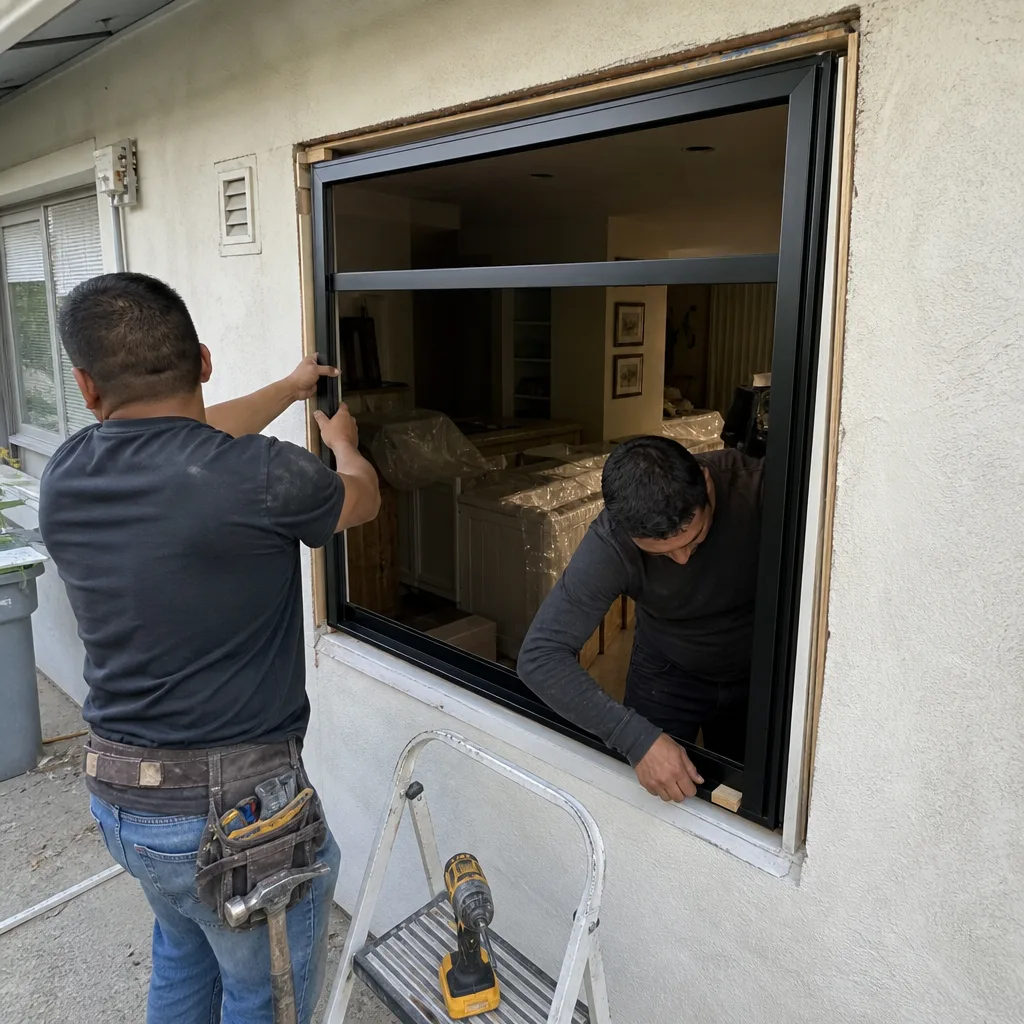
A like-for-like window or exterior door swap can be legitimate homeowner work on certain properties, provided you match the exact rough opening, the exact sill pan detailing, and the HOA-approved appearance. Anything that changes the opening size, changes the number of panes visible from the street, or touches a coastal-zone-visible elevation shifts toward professional scope. Andersen and Marvin windows are specified with installation requirements that determine warranty coverage, and those requirements aren’t forgiving of a homeowner install that skips a step.
Additions & ADUs
There’s no legitimate DIY path for a new addition or an ADU in Newport Beach. Structural work, envelope work, and everything that touches the permit-and-inspection cycle requires a licensed contractor and engineering. Prefabricated ADU platforms (Dvele, Mighty Buildings, Plant Prefab, Boxabl and similar) simplify the construction side of the build, but the site work, foundation, utility connections, and permitting remain contractor territory regardless of how the unit was manufactured. Our Home Additions & ADU in Newport Beach page covers what that process looks like.
Fencing, Driveways, Hardscape
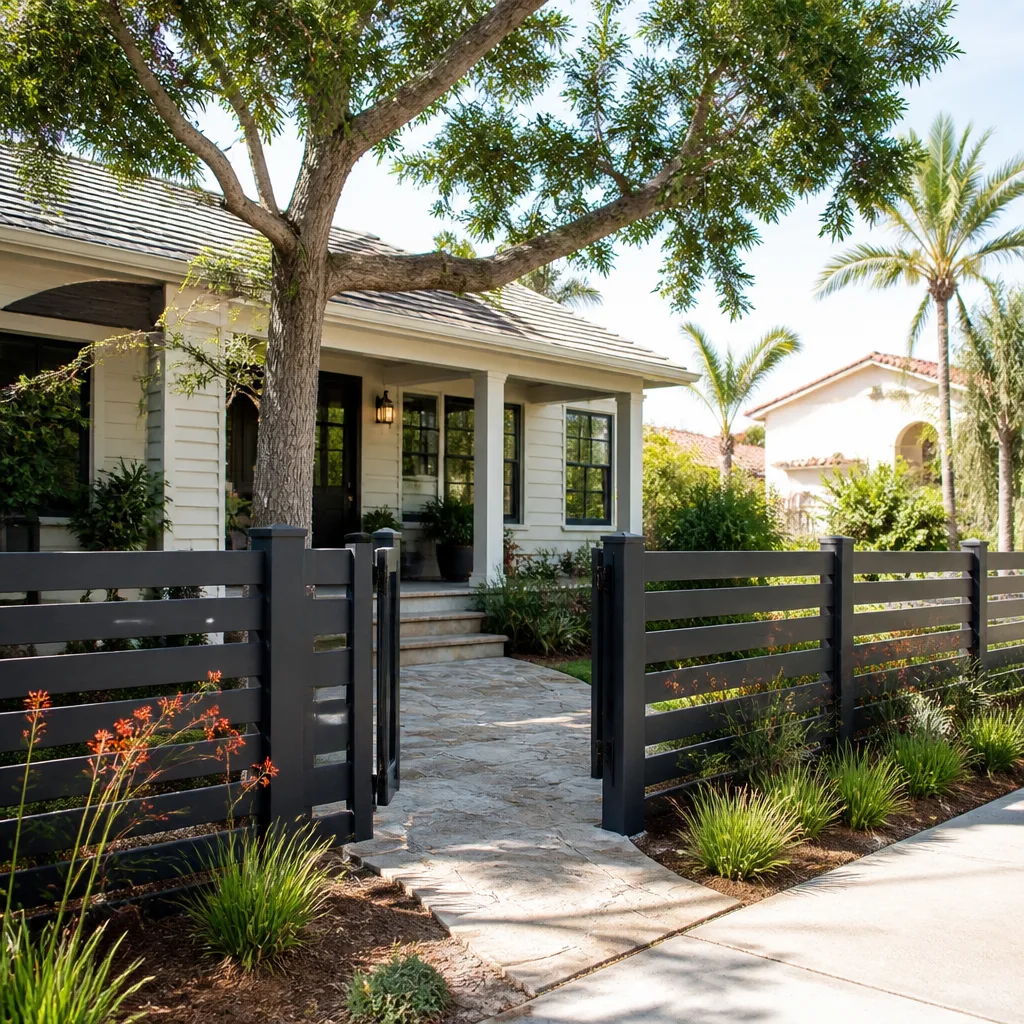
The largest legitimate DIY window in the exterior category, with the coastal and HOA caveats covered earlier. A homeowner who understands the HOA architectural review process and the coastal-zone fence-height rules can legitimately install their own fence on many properties. The moment the work touches structural retaining, municipal drainage, or sloped coastal terrain, the professional case sharpens.
Materials and Brands: Where DIY and Pro Paths Diverge Most
Material choice is one of the areas where the DIY vs. professional gap is most visible, because the DIY path tends to source materials based on what’s available at the local supply house this weekend. The professional path sources from manufacturer networks with warranty support built into the specification. That difference shows up in a few specific places:
- Roofing systems. GAF and CertainTeed both specify complete systems – underlayment, flashing, ridge venting, starter courses – as a condition of the warranty. A homeowner who installs the same shingles without the complete system voids the manufacturer warranty even though the shingles themselves are identical.
- Windows. Andersen and Marvin window warranties are conditional on proper installation. The unit is the same unit. The warranty coverage on the installed unit isn’t.
- Cabinetry and counters. KraftMaid cabinetry and Cambria counters have installation specifications that determine warranty terms. KraftMaid’s cabinetry warranty assumes professional installation; Cambria’s countertop warranty assumes fabricator approval.
- Plumbing fixtures. Kohler fixtures carry installation requirements that determine warranty coverage. A homeowner install can be correct and still fall outside coverage if a specified step was handled differently.
The professional path also opens up manufacturer networks that self-sourcing can’t easily reach – not because the products are exclusive, but because the ordering, delivery, and warranty registration flow through dealer relationships. That’s a genuine difference in the value the professional path delivers, and it’s the one most DIY comparisons leave out entirely. Our Groundwork Construction Co. of Newport Beach home page lists the brand partners we work with across trades; the reason that list matters isn’t marketing – it’s what the brands do for you when something needs to be replaced under warranty years later.
Prefabricated home and ADU platforms (Dvele, Mighty Buildings, Plant Prefab, Boxabl) are worth a specific note here. These are increasingly relevant in Newport Beach where buildable lot area and coastal-zone constraints make prefab attractive. The units themselves can shorten construction time significantly. What they don’t do is remove the site work, the foundation, the utility connections, or the permitting cycle – and those are exactly the pieces that most often fall outside a homeowner’s DIY capacity.
Common Mistakes to Avoid
- Assuming skill exempts you from licensing. California’s licensing requirements don’t exempt work based on quality. A capable homeowner who does contractor-required work without a license creates the same liability as an incapable one.
- Loading the contractor’s price against materials-and-time alone. The honest comparison includes permits, insurance gap, resale disclosure, and rework risk. Materials-and-time is the comparison that misses most of the cost.
- Starting a coastal-zone project without checking city and Coastal Commission review. Newport Beach projects near the coast or bluff edges can require review that would never apply inland. Starting without confirming the review path can result in a stop-work order or a removal order.
- Taking on exterior work in an HOA-governed community without architectural committee sign-off. Removing and re-doing a non-compliant install after an HOA order costs more than the original project cost, in every case we’ve seen.
- Doing the envelope work (windows, doors, roof) as a homeowner. This is the category where insurance claims most often get denied and where manufacturers most often refuse warranty coverage. The savings almost never survive the first failure.
- Specifying materials without the system they belong to. Same shingles on a different underlayment system means no warranty. Same windows on the wrong flashing detail means no warranty. The system and the product are a package.
- Treating the contractor’s bid as the final cost without a written workmanship guarantee. What protects the homeowner years later isn’t the bid price – it’s what happens if something fails. Ask for it in writing, and read it carefully.
When to Call a Professional
Call a licensed professional when the project involves any of the following: structural work, roofing, window or door replacement on the building envelope, electrical panel or wiring work, plumbing rough-in or gas line work, any addition or ADU, any project inside the coastal zone that triggers review, any HOA-governed exterior project requiring architectural committee approval, and any project where the work would create a material disclosure obligation at resale if done incorrectly. That last condition is broad, and it’s deliberate – in Newport Beach, it captures more projects than most homeowners expect. If a project touches any of these categories, the professional path is generally cheaper on the honest all-in comparison even when the DIY number looks better on paper. We handle permitted, inspected, and warranted work across all seven of our service lines – if you want a real number to compare against your DIY calculation, an estimate costs nothing. Groundwork Construction Co. of Newport Beach offers free estimates in Newport Beach – call (833) 749-3967.
Frequently Asked Questions
On paper, DIY almost always looks cheaper on a materials-and-time comparison. When you add permit risk, insurance gap, rework probability, and the resale disclosure obligation that follows unpermitted work, the gap narrows dramatically – and on structural, envelope, and coastal-zone projects, the DIY path is usually more expensive all-in. The honest comparison is total tail risk, not materials cost. Call (833) 749-3967 for a free estimate so you have a real professional number to compare against.
A Newport Beach homeowner can legally perform cosmetic, non-structural, non-permit work on their own residence – interior painting, cabinet hardware and fixture swaps that don’t move utilities, landscaping outside HOA and coastal review scope, and certain like-for-like replacements. Anything that requires a permit, touches the structural envelope, or requires a licensed trade professional in California (electrical, gas, plumbing rough-in, roofing) generally requires a licensed contractor regardless of skill level. Verify the specific scope against current city and state requirements before starting.
Most Newport Beach kitchen and bathroom remodels require permits when they touch plumbing, electrical, gas, or structural elements – which covers essentially all full remodels. Cosmetic-only updates (paint, cabinet refacing, like-for-like fixture swaps in existing locations) may not require permits, but the specific scope determines the answer. Pulling permits is part of any professional bid and inspection passing is standard; if you’re evaluating a professional bid, ask for the permit scope in writing. Call (833) 749-3967 for a free estimate and a clear picture of what your project requires.
Unpermitted work becomes a disclosure obligation in a California resale. The seller must disclose known unpermitted improvements, and the buyer’s inspection and title review frequently surface them regardless. The practical effect is a renegotiation point, a rework request from the buyer’s lender-appraiser, or a lost sale – and in the Newport Beach market, buyers and their agents actively ask. The disclosure obligation follows the property through every future sale, not just the next one.
Yes. Newport Beach properties inside the coastal zone are subject to California Coastal Commission review on certain projects (visible changes, bluff-adjacent work, fence heights) that would be routine inland. HOA-governed communities add an architectural committee review layer for exterior changes that would be invisible on a non-HOA property. Both review layers shrink the legitimate DIY window. Confirm city and HOA review requirements for your specific property before starting any exterior project.
Yes, when it’s properly documented. Non-structural demolition, painting, final hardware installs, and HOA submission are legitimate owner contributions on a professionally contracted project under a signed scope that carves them out clearly. What doesn’t work: the owner performing work that legally requires a licensed contractor, or an informal arrangement where the owner effectively directs unlicensed labor. Document the scope in writing so the permit record, insurance coverage, and warranty coverage stay intact. Call (833) 749-3967 to discuss how a professional estimate can be structured to leave legitimate owner work in your hands.
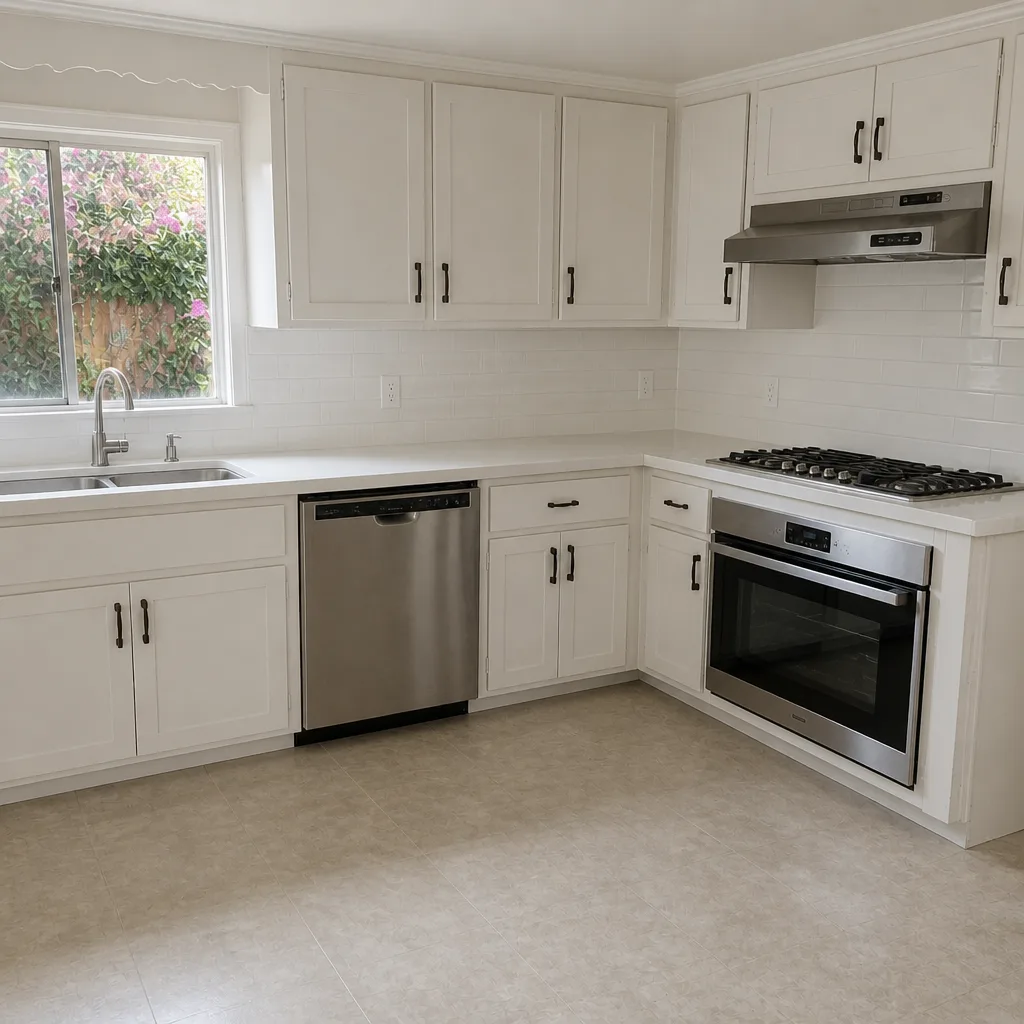
See the difference
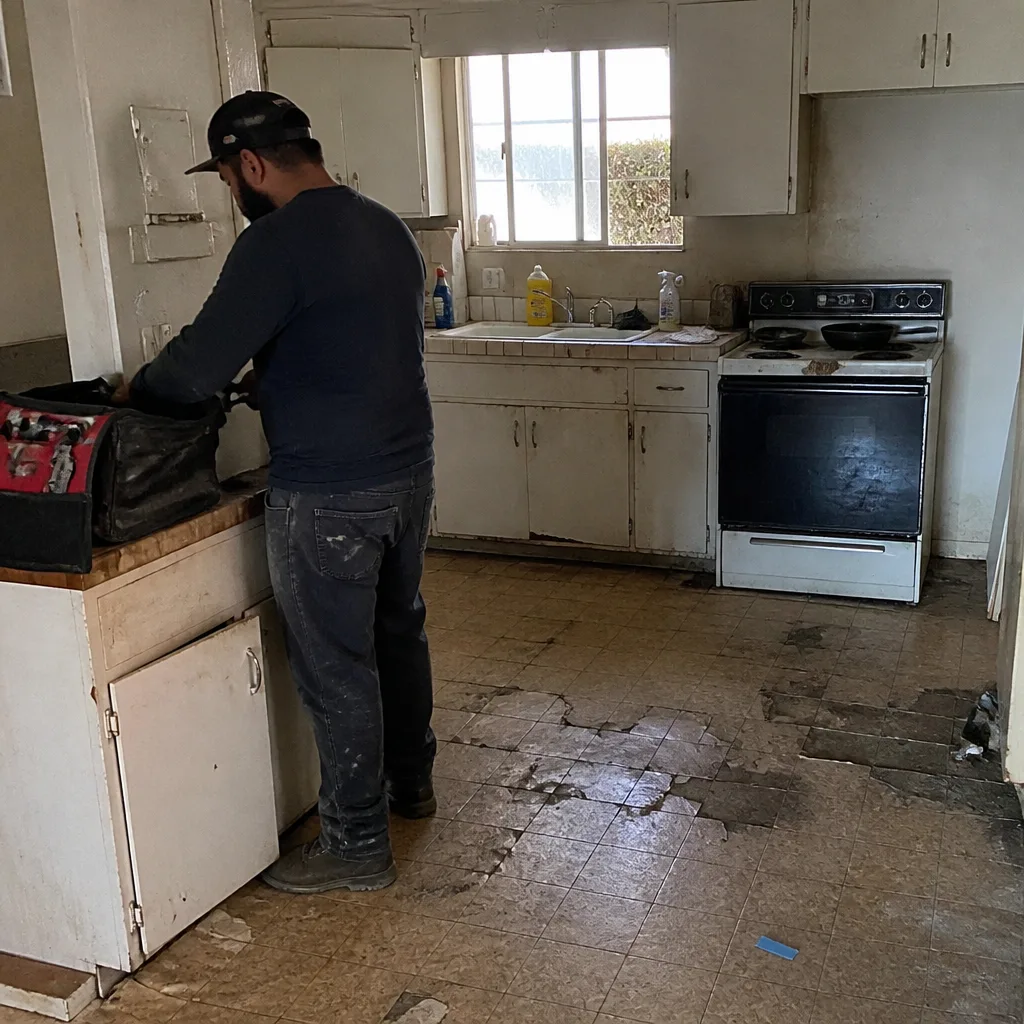 Before
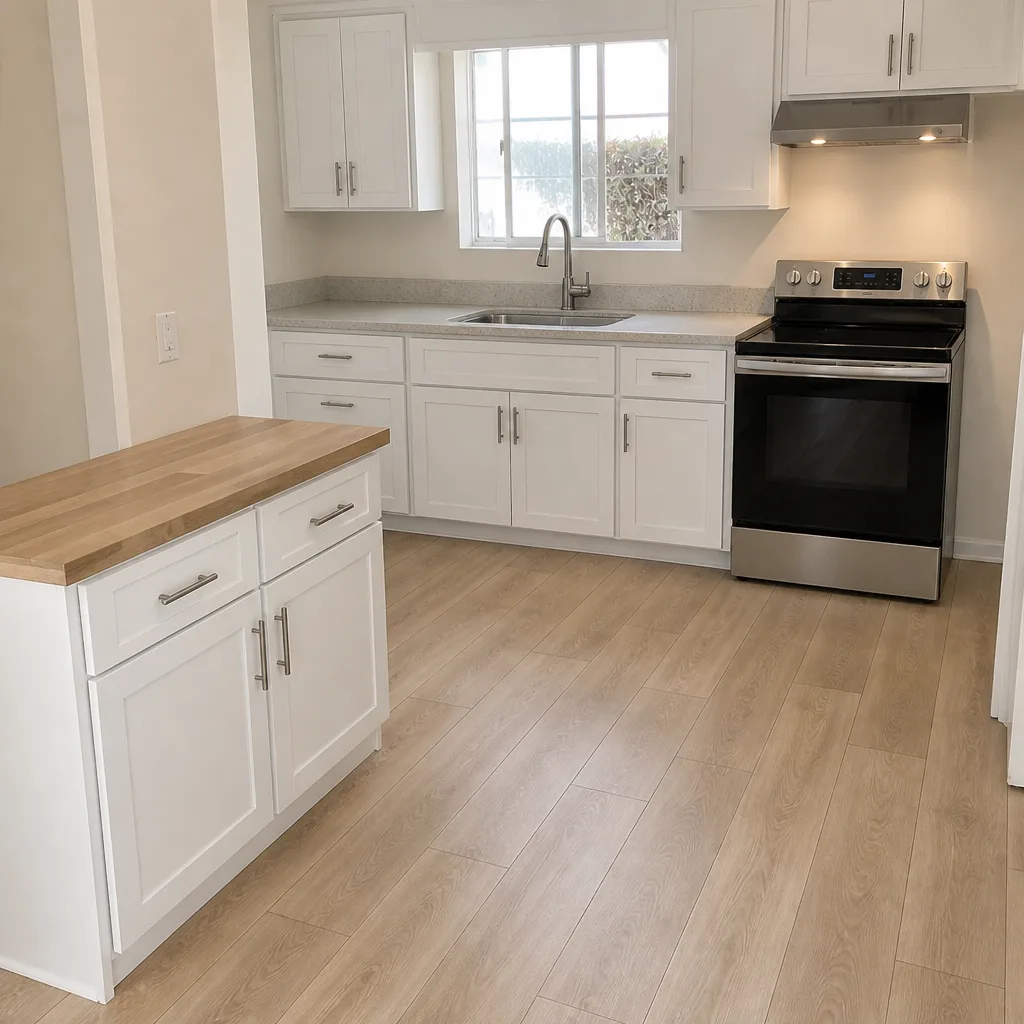 After
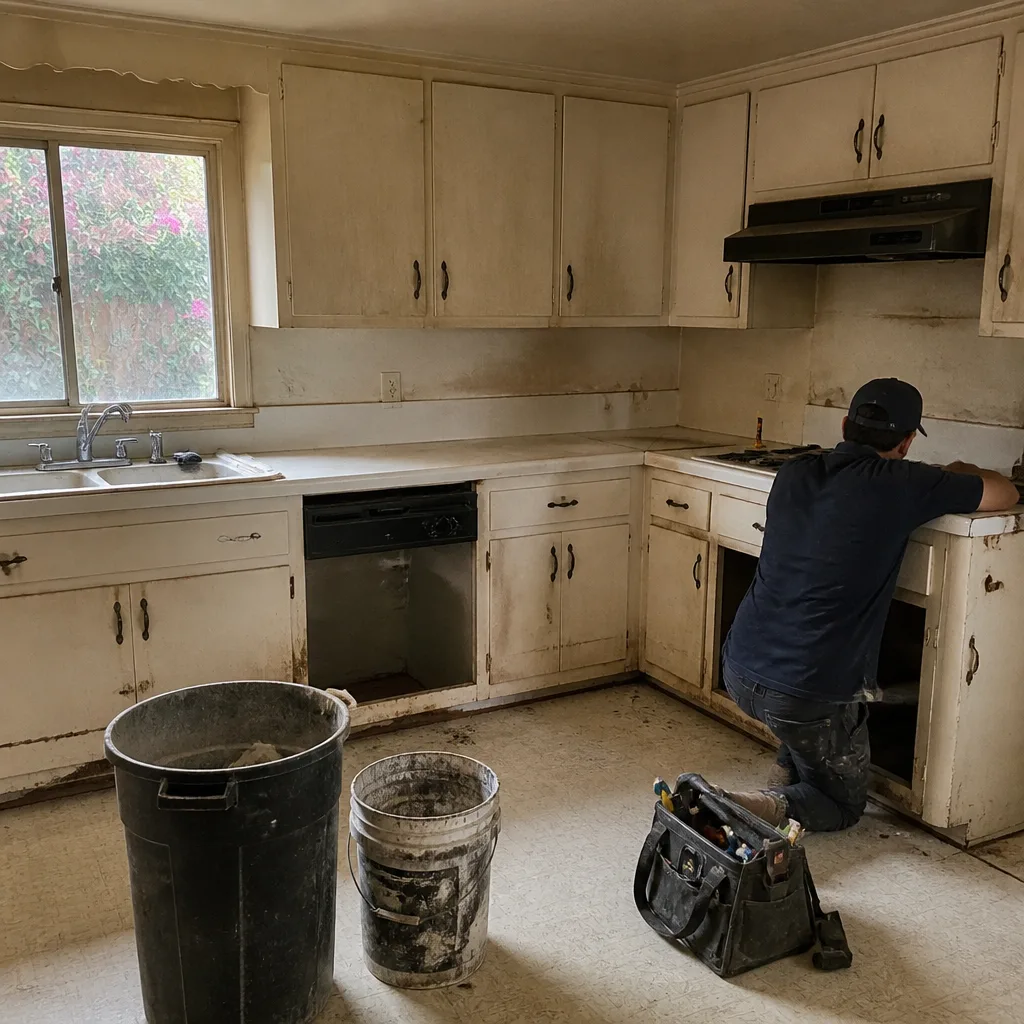 Before
 After
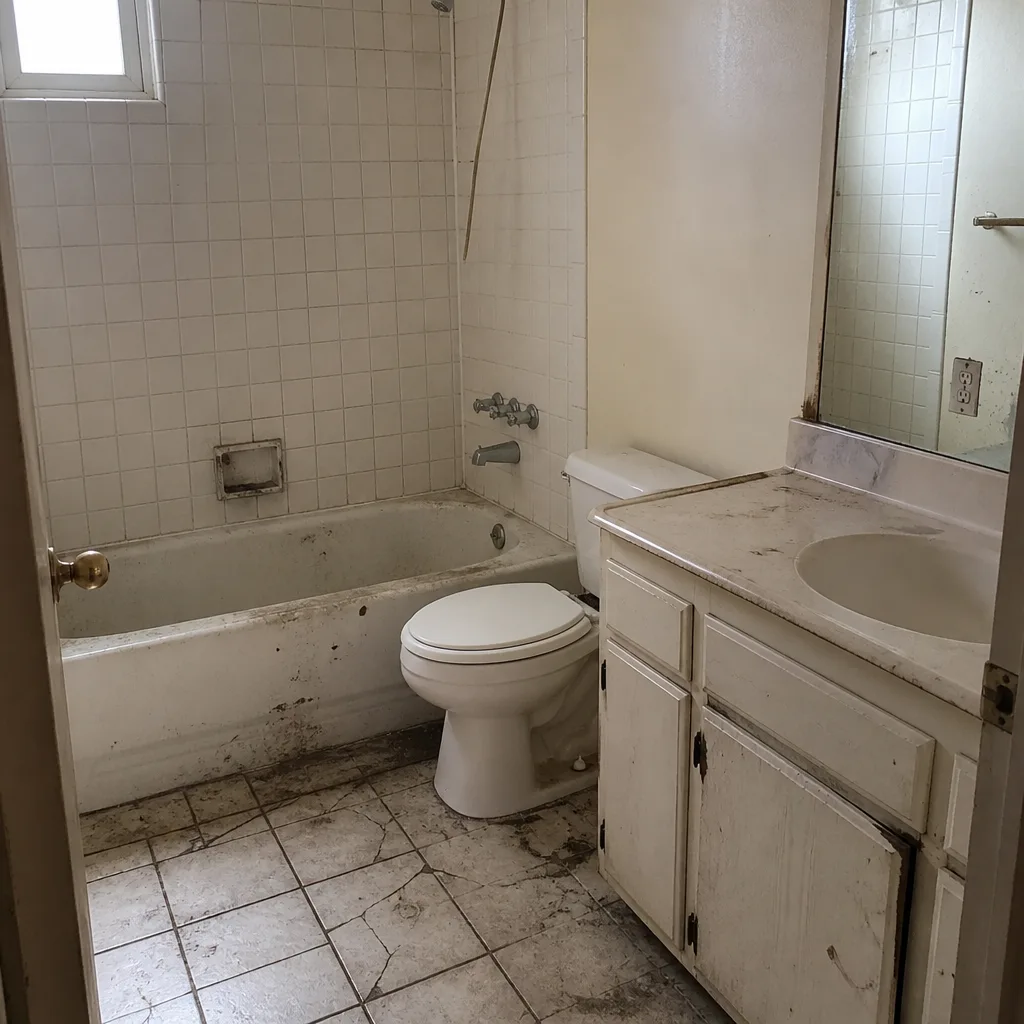 Before
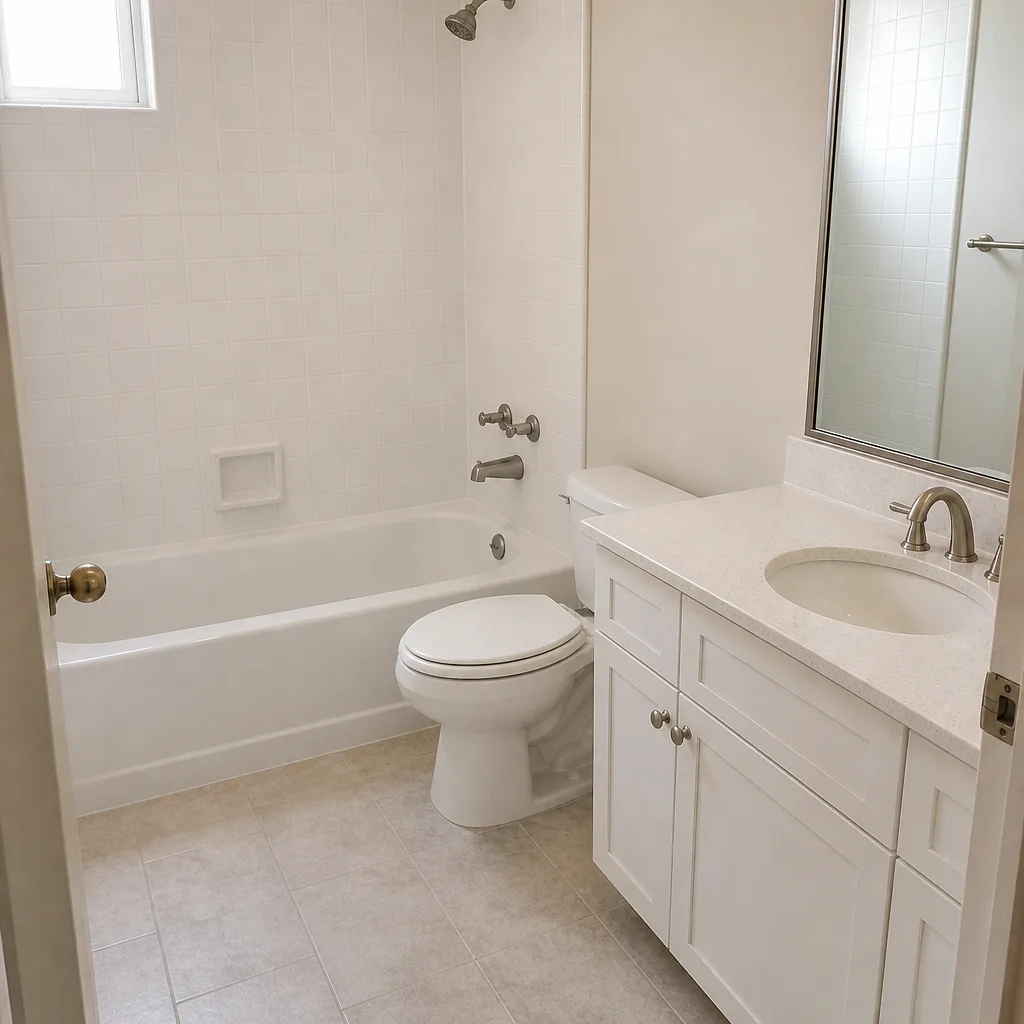 After
The Bottom Line
The DIY vs. professional question in Newport Beach isn’t primarily about skill. It’s about liability – and the liability math has expanded in this market as coastal-zone review, HOA architectural committees, and California’s resale disclosure requirements have become matters that buyers and their agents actively investigate. The legitimate DIY window in Newport Beach is real but small: cosmetic interiors, painting, landscaping outside review scope, and selected like-for-like swaps. The window narrows sharply once a project touches the envelope, a permit, a utility rough-in, or a coastal or HOA review layer. The cheapest path on the honest total comparison is hiring right the first time, with a written workmanship guarantee and a licensed contractor on record. That’s cheaper than the “do it twice” path, and it’s cheaper than the disclosure obligation that follows unpermitted work indefinitely. If you want a real number to compare against your own math, we do free estimates and we put the number in writing.
Ready for a Free Estimate?
Whether your project is a full kitchen, a bathroom remodel, a roof replacement, a window and door package, a new addition, fencing, or driveway and pavers, we’ll walk your property, write a line-item bid, and answer the questions you actually want answered – including what’s legitimately owner-performed and what isn’t. We answer the phone live, 24 hours a day, seven days a week. All work is covered by our 730-Day Done Right Promise – if it’s not done right, we make it right. Calls answered by a real person, no voicemail, no waiting until Monday. From foundation to finish line, built to last and backed in writing. Free project estimate and design consult, no-hassle upfront pricing, and 0% financing for 18 months with $1,000 off projects over $10,000. Call (833) 749-3967 today to schedule your free estimate with Groundwork Construction Co. of Newport Beach.
Written by the team at Groundwork Construction Co. of Newport Beach.