Last updated November 17, 2026




Free written scope consultation - allowances, timeline, and change-order rules on paper before a single trade is scheduled
DIY vs Professional Fence Installation: What’s Safe to Do Yourself
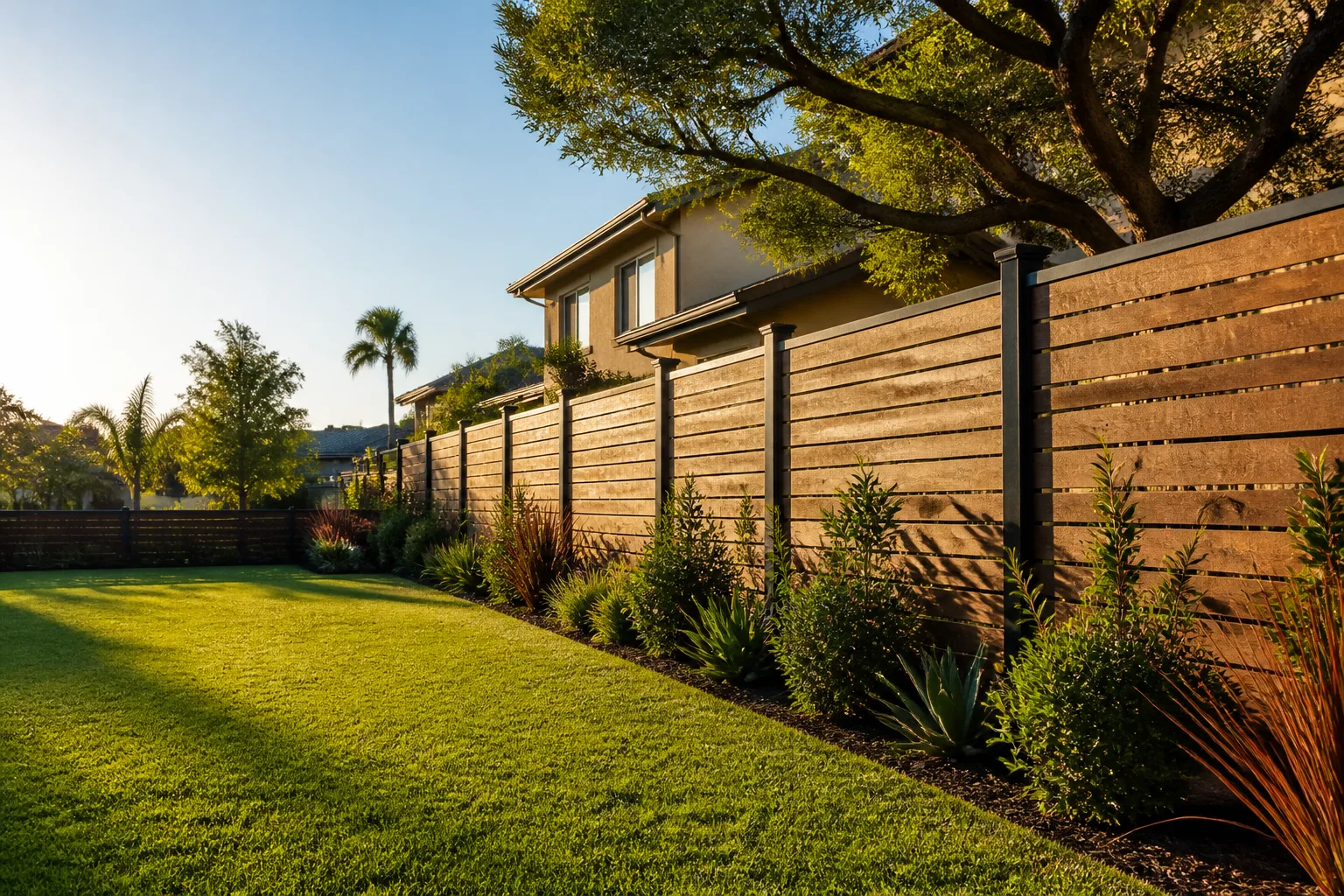
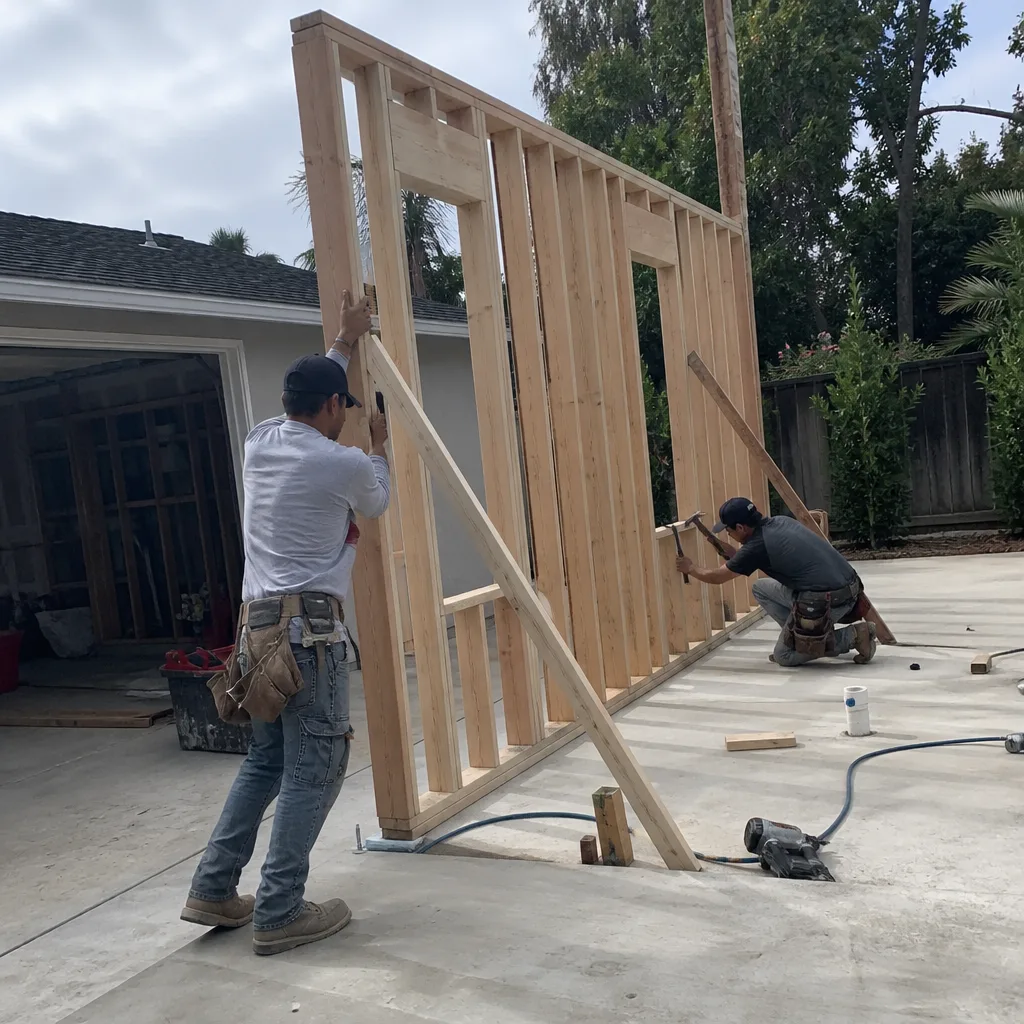
Setting a fence post looks like the easy part of the job. Dig a hole, drop the post, pour concrete, done by Saturday afternoon. But post depth, hole diameter, concrete mix ratio, and cure time under load are engineering decisions, not labor decisions. Getting them wrong doesn’t show up on day one. It shows up two or three years later, when a gate drags, a post leans, or a windstorm out of the Newport Beach harbor pushes a whole run out of plumb. In our experience, that delayed failure is the single most common reason a fence gets torn out and rebuilt. This guide shows you exactly where the technical risk lives, which fence jobs you can safely handle yourself, and how to decide honestly whether to pick up the shovel or make a call.
Quick Answer
The only genuinely low-risk DIY fence work is surface-level: swapping panels, staining, changing hardware, and small repairs. Anything involving new posts, concrete, and structural load, including new fence installation, is where the real risk sits and where a professional install earns its keep. A middle path works well too: hire a pro to set the posts and pour concrete, then hang the panels yourself.
Styles & brands we work with
- Kitchen remodeling
- Bathroom remodeling
- Home additions & ADU
- Roofing
- Windows & doors
- Driveway & pavers
- Fence
Table of Contents
- The Post-Setting Variables That Decide a Fence’s Ten-Year Life
- Where DIY Fence Work Is Genuinely Low-Risk
- Newport Beach Permits and the Unpermitted Structure Problem
- The Hybrid Approach: Pro Posts, DIY Panels
- The Contract Language and Warranty Terms to Require
- What Fence Installation Costs in Newport Beach
- Climate, Soil, and Coastal Conditions That Change the Math
- Common Mistakes to Avoid
The Post-Setting Variables That Decide a Fence’s Ten-Year Life
Every fence failure we’ve torn out traces back to one of five variables. Not one of them is about how hard someone worked. They’re about physics and moisture, and each one has a “looks fine” version that fails slowly.
- Post depth below the frost or scour line. In most of coastal California you’re not fighting frost heave, but you are fighting shallow, sandy, and sometimes fill-soil conditions. A post set 18 inches deep in loose soil will rotate under wind load. Deeper is the fix, and deeper means more digging and a longer post, which most homeowners don’t buy at the lumber yard on the first trip.
- Hole diameter relative to post size. The concrete foot is what actually holds the post upright. An over-tight hole gives you a thin collar of concrete that cracks and lets water in. The rule of thumb is a hole roughly three times the post’s cross-section, which surprises almost every DIYer.
- Concrete mix and water ratio. Fast-setting bags (Quikrete Fast-Setting Concrete and Sakrete’s equivalent are the common ones at local supply yards) are convenient and fine for many residential runs, but adding extra water to make it “flow better” weakens the finished foot. Too dry and it never consolidates around the post. The bag instructions are the spec, not a suggestion.
- Crowning and drainage at the base of the post. Concrete should slope away from the wood so water sheds instead of pooling. A flat or dished foot holds standing water against the post, and in a coastal market like Newport Beach that moisture cycle is what rots the base of the post from the inside out.
- Cure time before the fence is loaded. Hanging heavy panels and gates on posts that haven’t cured invites the exact tilt you were trying to avoid. Fast-set products cure on one timeline; standard concrete bags on another. Guessing wrong is easy and the consequence is permanent.
Here’s the part most people miss: no single one of these fails loudly. They compound. A post two inches shallow, with a slightly over-watered pour and a foot that pools water, will look perfect at completion and be leaning within three years. That delayed failure is the whole case for hiring out the structural half of the job. If the structural side is what you’re outsourcing, our Fence Installation in Newport Beach page lays out how the crew approaches it.
Where DIY Fence Work Is Genuinely Low-Risk
We’re not going to tell you a fence is a sacred object. Plenty of fence work is well within a capable homeowner’s reach, and doing it yourself makes sense. The dividing line is simple: if the work hangs on an existing, solid post, it’s usually DIY-friendly. If it creates the structure that holds everything else up, it isn’t.
Genuinely low-risk projects:
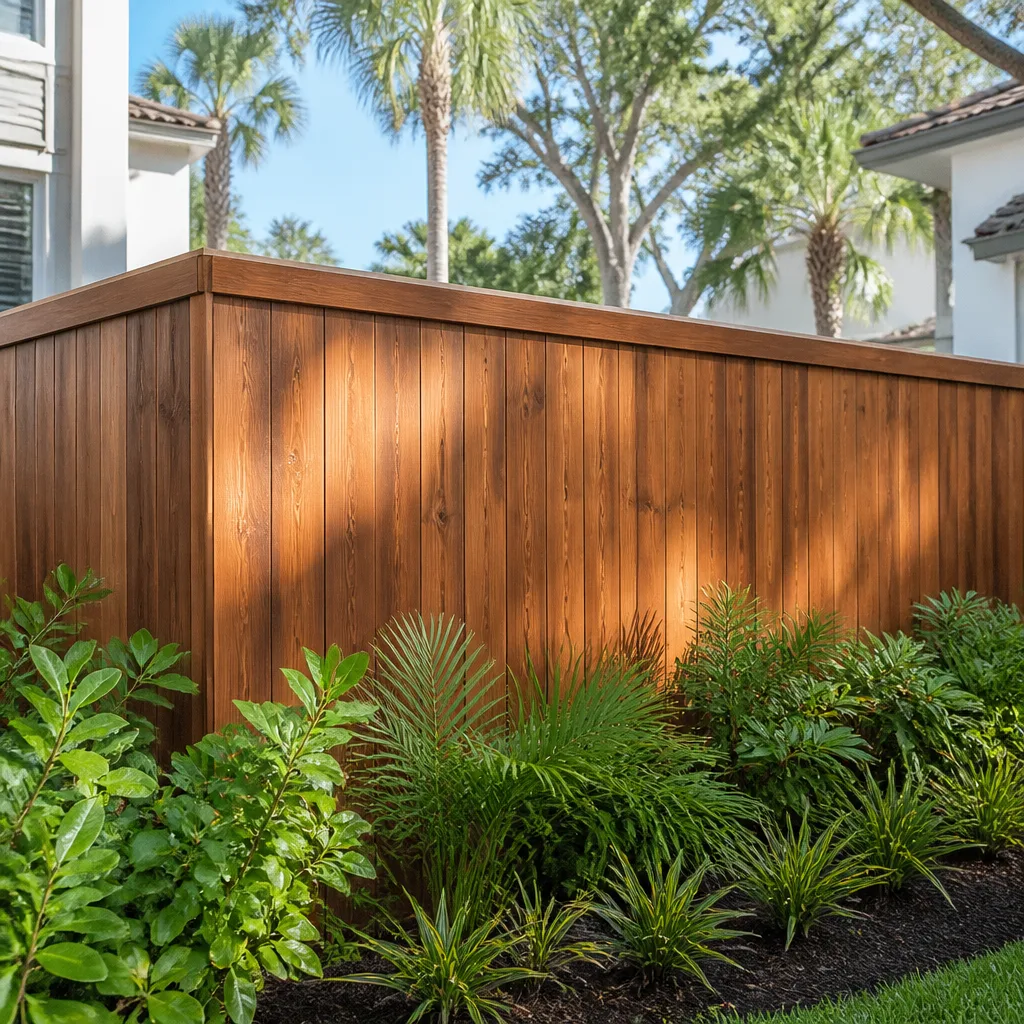
- Panel and picket replacement. Swapping a rotted or storm-damaged panel between two sound posts is a couple of hours with a drill and a level. This is the single most common DIY fence job and the one most worth doing yourself.
- Staining and sealing. A pressure wash and a fresh coat of stain or sealer buys years on a wood fence. It also gives you a chance to spot loose hardware and small rot before it spreads, so treat it as a seasonal inspection too.
- Hardware swaps. Replacing hinges, latches, gate handles, and sagging gate brackets. A dragging gate is usually a hinge or a settled bracket, not a failed post, and it’s a fifteen-minute fix.
- Minor repair. Tightening loose boards, re-nailing popped pickets, filling small gaps. Small and immediate is fine. Structural and load-bearing is not.
- Adding a decorative topper or trim. No concrete, no new load-bearing posts, no engineering decisions. Go for it.
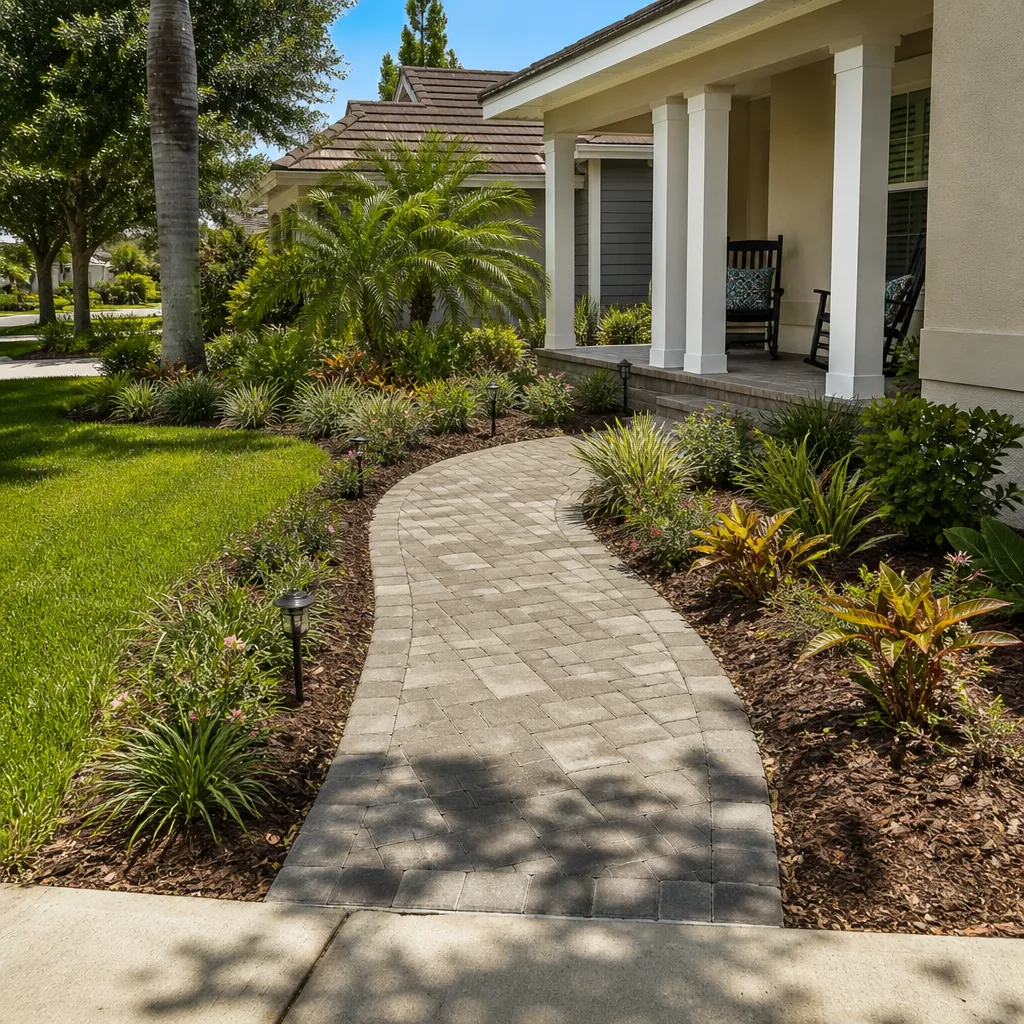
What’s NOT low-risk, even if the job looks like “just replacing one post”: anything where the post comes out of the ground. The moment a hole opens up and concrete is involved, you’re in structural territory and the delayed-failure rules from the last section apply. If you’re weighing a full redo, our Driveway & Pavers in Newport Beach page shows how we handle the same kind of below-grade, long-horizon work next to a fence line.
Newport Beach Permits and the Unpermitted Structure Problem
Newport Beach is a permit-conscious city, and fences are not exempt. New fence installation and taller or site-obscuring fencing generally needs to be reviewed against the city’s development standards, including height limits and where the fence sits relative to the property line and the public right-of-way. The exact requirement depends on your zoning and the fence’s location, front-yard fences and fences along an alley get more scrutiny than a straight replacement of an existing side-yard fence, but the practical rule is: confirm before you build, not after.
Where DIY work creates real liability is the paper trail, or the lack of one. An unpermitted fence that draws a neighbor complaint or shows up in a city code review can turn into a removal-and-rebuild order, and it can complicate a future sale. Two specific problems we see in Newport Beach:
- A fence on the wrong side of the property line. Old lots, additions, and decades of landscaping can blur where the line actually is. Build on a neighbor’s side of the line and you’ve built a structure on someone else’s land, permit or not. A licensed surveyor settles it. Ask us before you dig, because this one is expensive to unwind.
- Height and setback rules that change block by block. Coastal and hillside pockets of Newport Beach, along with view-corridor and corner-lot conditions, can change what’s allowed. A fence that’s fine two streets over may not be fine on yours.
A professional install keeps the permit and inspection record attached to the project. That record matters the day you list the house. If the fence is part of a bigger yard project, our Home Additions & ADU in Newport Beach page covers how permitted structures fit together on a lot.
The Hybrid Approach: Pro Posts, DIY Panels
There’s a middle path most people never consider, and it’s the best value for a homeowner who’s genuinely handy and genuinely honest about the limits. You hire a professional to set the posts and pour the concrete, and you hang the panels and pickets yourself. You keep the structural integrity on the trained side and keep the labor savings on the finishing side. It’s real. We do this regularly.
Here’s how the split usually works:
- Layout and survey check first. The pro confirms the line, spacing, post positions, and gate clearances before a single hole is dug. Getting layout wrong is the most expensive mistake in the whole job, so it belongs to whoever owns the guarantee.
- Post depth, diameter, and concrete spec are set by the pro. That’s not a labor task. It’s the design decision that determines how the fence performs for the next decade, and it needs to follow local soil and wind conditions, not a YouTube video.
- Concrete is poured and cured correctly. The pro handles the mix ratio, the crowning at the base, and the cure time, and won’t hang panels until the foots are ready. You avoid the failure that most often sinks DIY jobs.
- You hang the panels, pickets, and maybe the hardware. Rails, pickets, and finish work are straightforward once the posts are plumb, spaced, and cured. You save on the labor and buy the materials yourself, which keeps the budget honest.
- Pro returns for a structural walkthrough. A trained eye checks the posts and the load paths before you call it finished. Anything off shows up now, not in year three.
The hybrid model works best on a straight side-yard or back-yard run with a few simple gate locations. It works less well on complex layouts, tight property lines, or steep lots, where the layout and structure really want to be handled by the same person who’s accountable for the result. If you’re sketching out a whole backyard budget, our main Groundwork Construction Co. of Newport Beach home page helps you see where a fence fits next to pavers, hardscape, and any addition plans.
The Contract Language and Warranty Terms to Require
If you hire a professional, the paperwork is where you either get accountability or you don’t. Most fence contracts are thin. A better contract has these specific points in writing, and we ask for every one of them when we’re the one building.
- Post depth, hole diameter, and concrete spec written in the contract, not assumed. Get the numbers on paper. A contractor who can put the spec in writing is one who stands behind it.
- A stated workmanship warranty and a stated materials warranty, kept separate. A materials warranty from the manufacturer (Oldcastle fence products, or the lumber supplier, for example) usually doesn’t cover the install. The workmanship warranty is the one that covers the post that leans. Ours is the 730-Day Done Right Promise, and we back it in writing.
- A clear defect-remedy clause. What happens, and on what timeline, if a post fails, tilts, or rots within the warranty period? The answer should be in the contract, not negotiated after the fact. A real warranty tells you exactly how a claim gets handled.
- Permit responsibility and the inspection pass stated explicitly. The contract should say who pulls the permit and who’s accountable for passing the inspection. Get it in writing, because the permit record is what protects you later.
- Layout and property-line check procedures. A good contract identifies how the line was confirmed (surveyor, existing pins, city records) and who’s responsible if the line turns out to be wrong.
Two questions worth asking before you sign, in our experience: “What’s your workmanship warranty, and what’s the process for a claim?” and “Who pulls the permit and what happens if the inspection fails?” The answers separate a real operation from a Saturday crew. A note on safety while we’re here: we won’t walk anyone through a step-by-step dig-and-pour, because a fence post hole near a buried utility line is a genuine hazard. Before any digging, call 811 and have utilities marked. That call is free, quick, and not optional.
What Fence Installation Costs in Newport Beach
Fence installation in Newport Beach typically runs $45 to $90 per linear foot for standard wood fencing, with composite and vinyl higher, and the total depends heavily on access, terrain, and gate count. A typical residential side and back run of 150 to 200 linear feet lands in the $8,000 to $16,000 range. A hybrid pro-posts-and-DIY-panels job on the same run often knocks 25 to 40 percent off the fencing labor, because you’re paying professionals only for the structural work.
Ballpark line items so you can build a budget before anyone shows up:
- Standard wood privacy fence (6-foot, dog-eared cedar or pine): roughly $45 to $70 per linear foot installed, materials and labor combined.
- Composite or vinyl privacy fence: roughly $70 to $110 per linear foot installed, and it typically outlasts the warranty on the house it’s attached to.
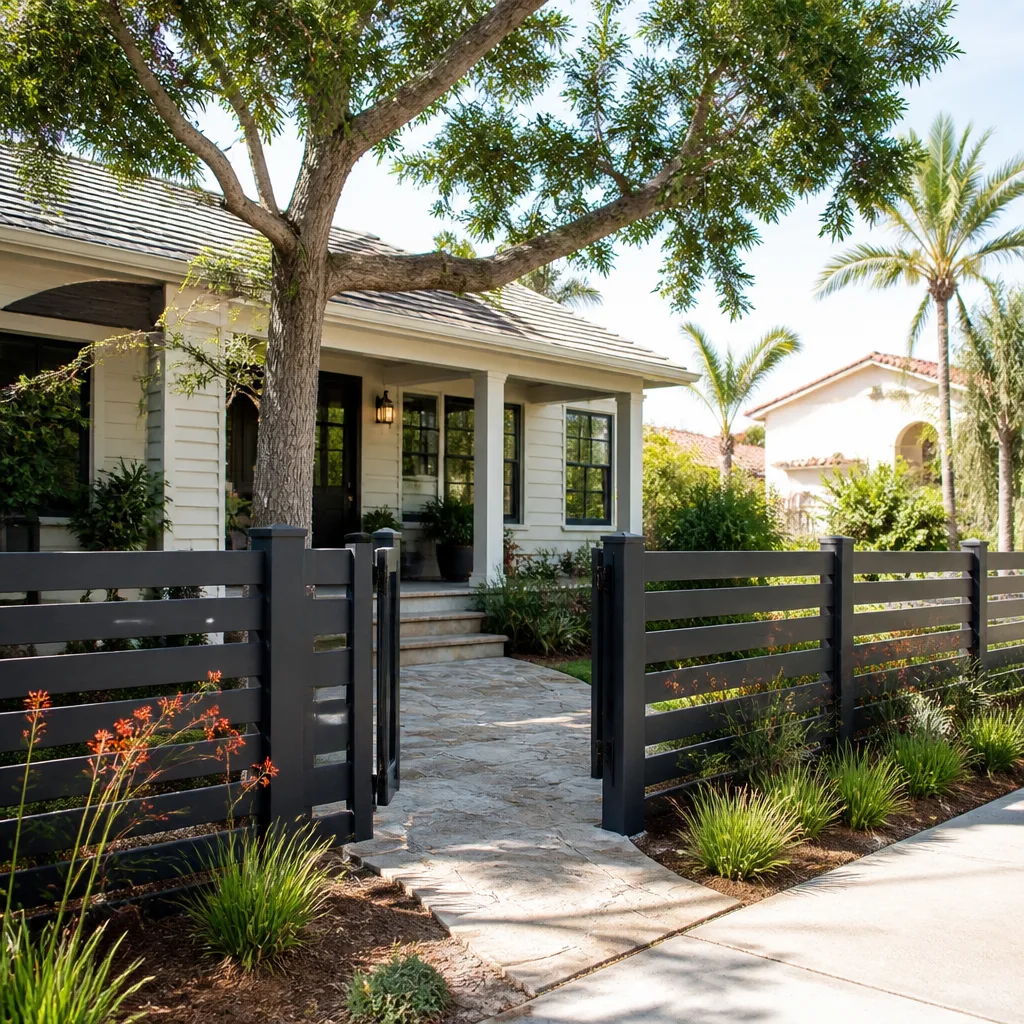
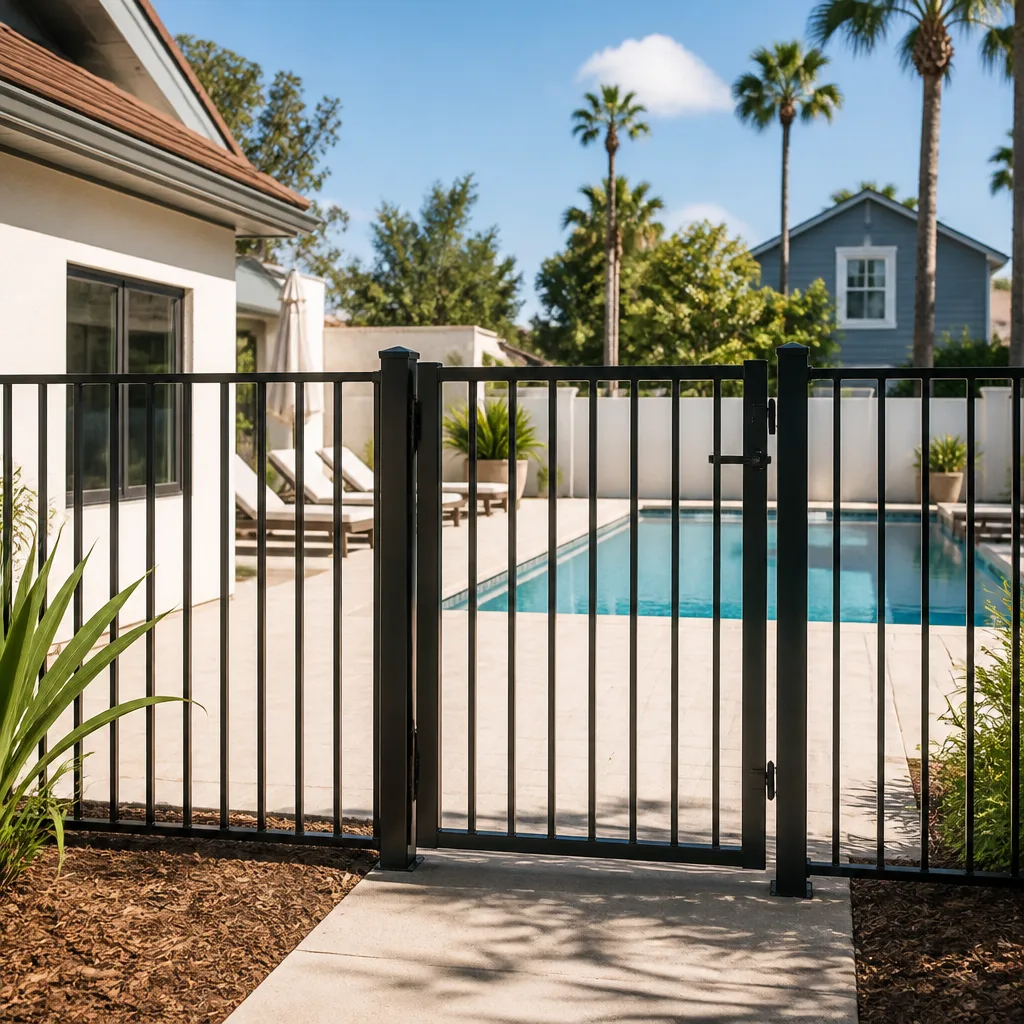
- Aluminum or ornamental: roughly $65 to $95 per linear foot installed, before finish options and gates.
- Posts and concrete only (the hybrid approach): roughly $50 to $110 per post set, depending on depth, access, and soil conditions, with panels and pickets by you.
- Gate installation and hardware: typically $250 to $600 per gate, depending on size and hardware, and worth doing correctly because a bad gate is a daily annoyance.
- Permit fees and inspection: typically several hundred dollars, and it depends on the scope and the city’s current fee schedule.
These are ranges, not quotes. Newport Beach jobs vary block by block with access, slope, existing landscaping, and whether an old fence line needs to come out. We give written, line-item pricing upfront and the number you see is the number you pay. If your project runs over $10,000, the current $1,000 off projects over $10,000 offer applies, and 0% financing for 18 months is available to smooth the timing.
Climate, Soil, and Coastal Conditions That Change the Math
Fence durability in Newport Beach is more climate-dependent than most homeowners expect. Three forces work on a fence here and each one shortens the life of a bad install:
- Salt air and coastal humidity. Wood that isn’t properly sealed and ventilated rots faster near the coast. A post base that traps water, either from a poorly crowned concrete foot or a flat cut at the bottom, will rot from the inside where you can’t see it. Stainless or hot-dipped galvanized fasteners are worth the upgrade on the coastal side of town; standard zinc fasteners corrode and stain.
- Seasonal wind load, especially near the harbor and open corridors. A well-set post handles it. A shallow post doesn’t. A run of panels becomes a sail in the wrong wind, and the post is the anchor. This is exactly why post depth and hole diameter are the variables that matter most, and exactly why nobody should be guessing at them.
- Shifting coastal soil and occasional heavy rain. Sandy and fill-heavy lots drain differently than the soil in inland markets. In our experience, the properties near the harbor and the older neighborhoods tend to drain fast, and the soil at the base of a post can wash out over a wet season if the surface around the post isn’t sloped away. Slope the soil, slope the concrete, and keep both away from the wood.
None of this means a fence in Newport Beach needs to be overbuilt. It means the margin for a sloppy install is smaller here than it is in a dry inland market, and the three-year failure shows up a little faster. Whatever you decide, this is the one place a professional helps even if you do the rest yourself.
Common Mistakes to Avoid
- Skipping the 811 call before you dig. A fence post hole is a genuine utility risk, and a struck gas or power line is a real, not theoretical, hazard. It’s free, it’s quick, and it’s the first thing to do.
- Setting posts too shallow for the soil. The most consequential mistake in the whole job and the one we see most often. It looks fine at completion and shows up as a lean two or three years later.
- Over-watering the concrete to make it “flow.” A slightly drier mix, properly consolidated, holds the post far better. The bag instructions exist for a reason and manufacturers like Quikrete and Sakrete print exact ratios for a reason.
- Hanging panels on wet concrete. Cure time is not a suggestion. Load a post too early and you’ve baked in the lean before the fence ever sees a windstorm.
- Building on the wrong side of the property line in an older Newport Beach neighborhood. Decades of landscaping and prior additions blur lines. Get the line confirmed before you dig.
- Assuming no permit is needed. New fence installation in Newport Beach generally requires review against city development standards and height limits, and a fence installed without one is a future problem, not an immediate one. Confirm first.
- Using a fast-install crew with no written warranty. If the post-in-ground part of the job isn’t covered in writing, you’re financing someone else’s shortcut.
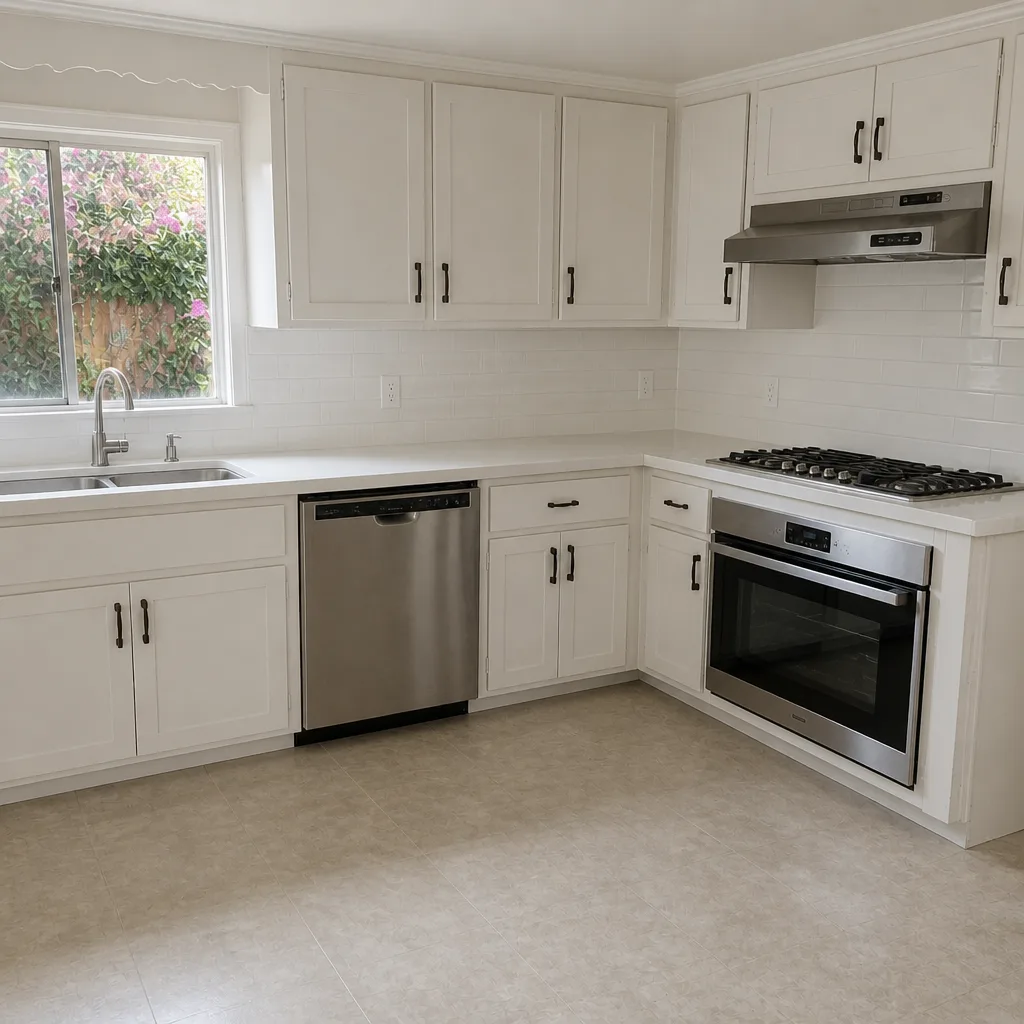
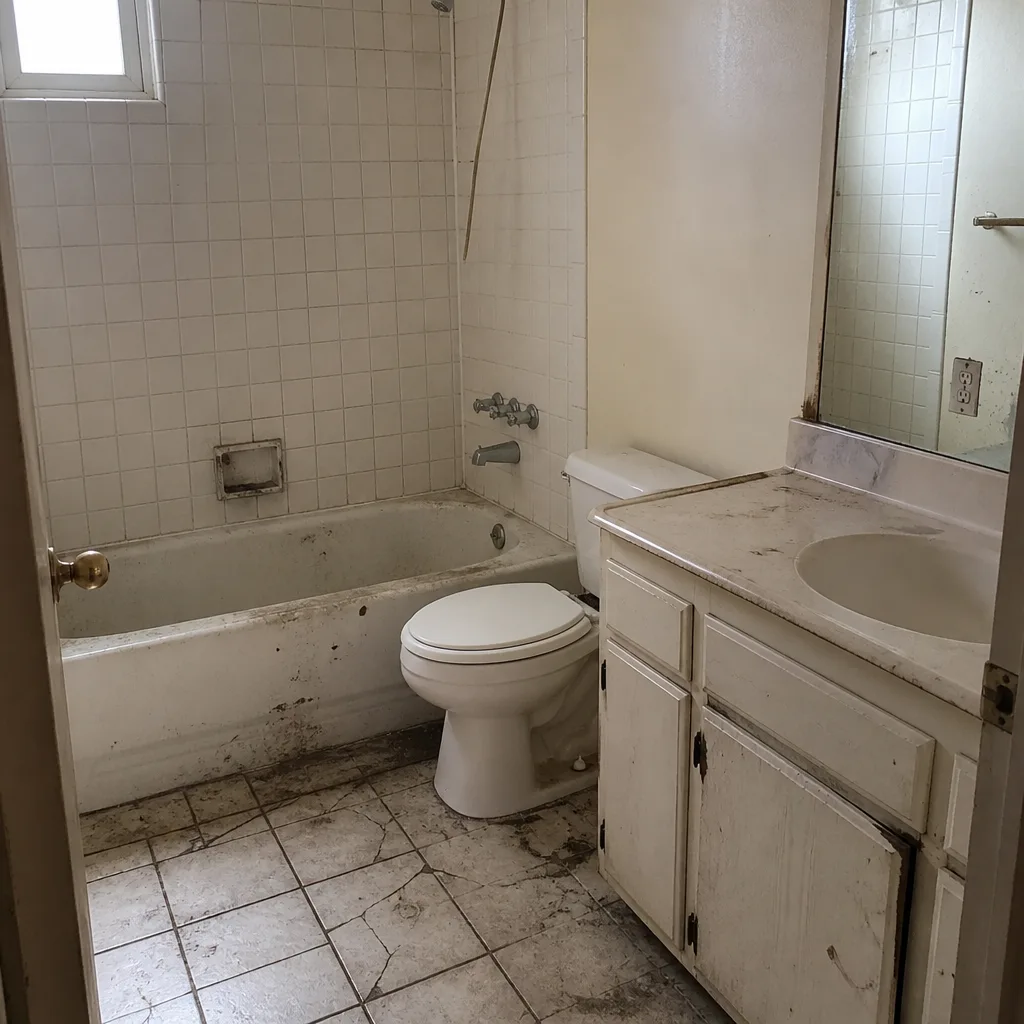
See the difference
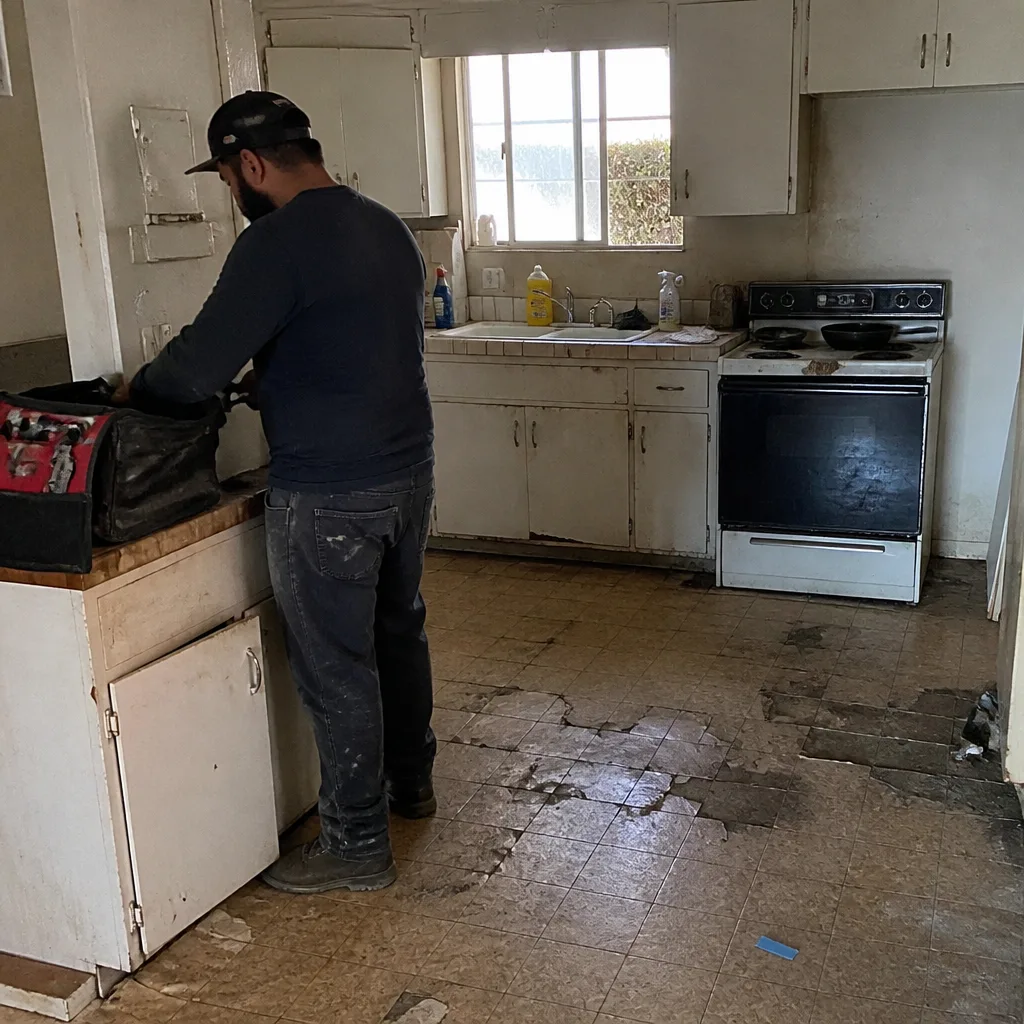 Before
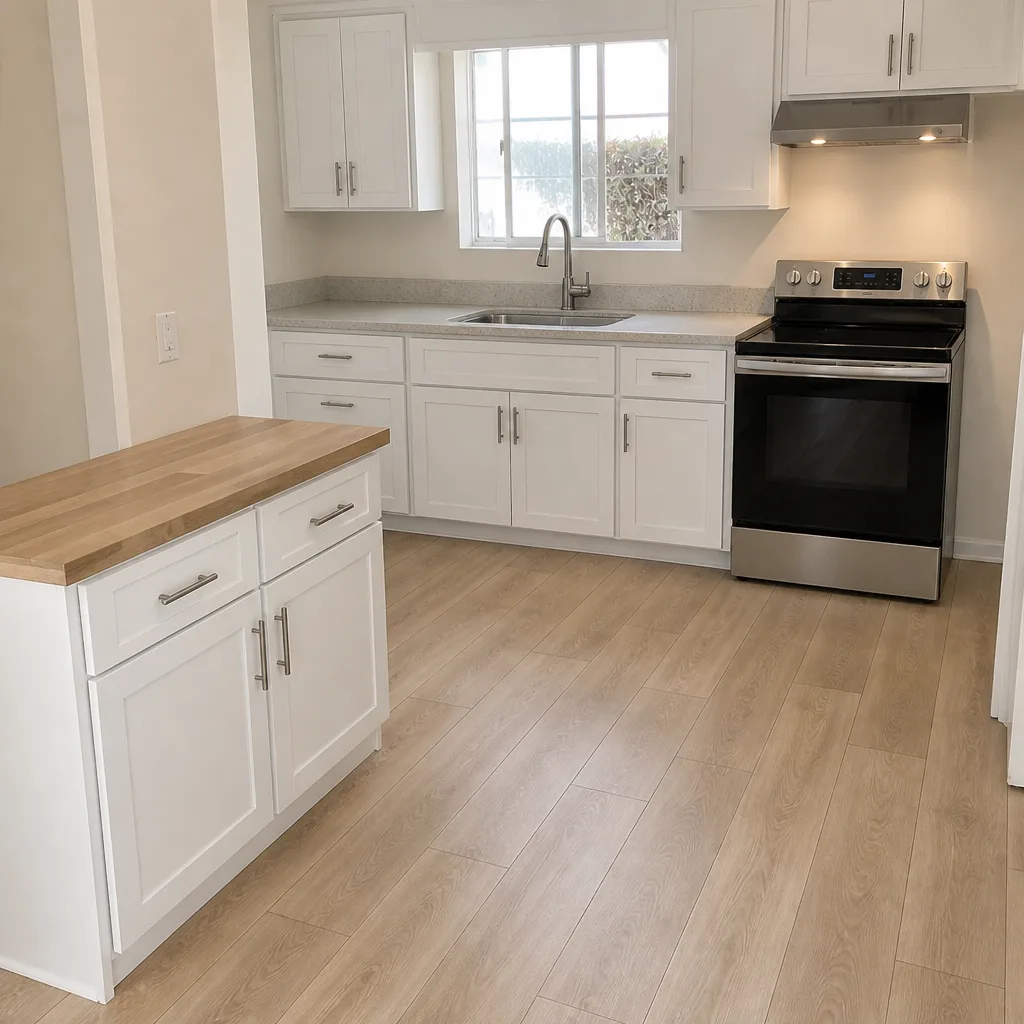 After
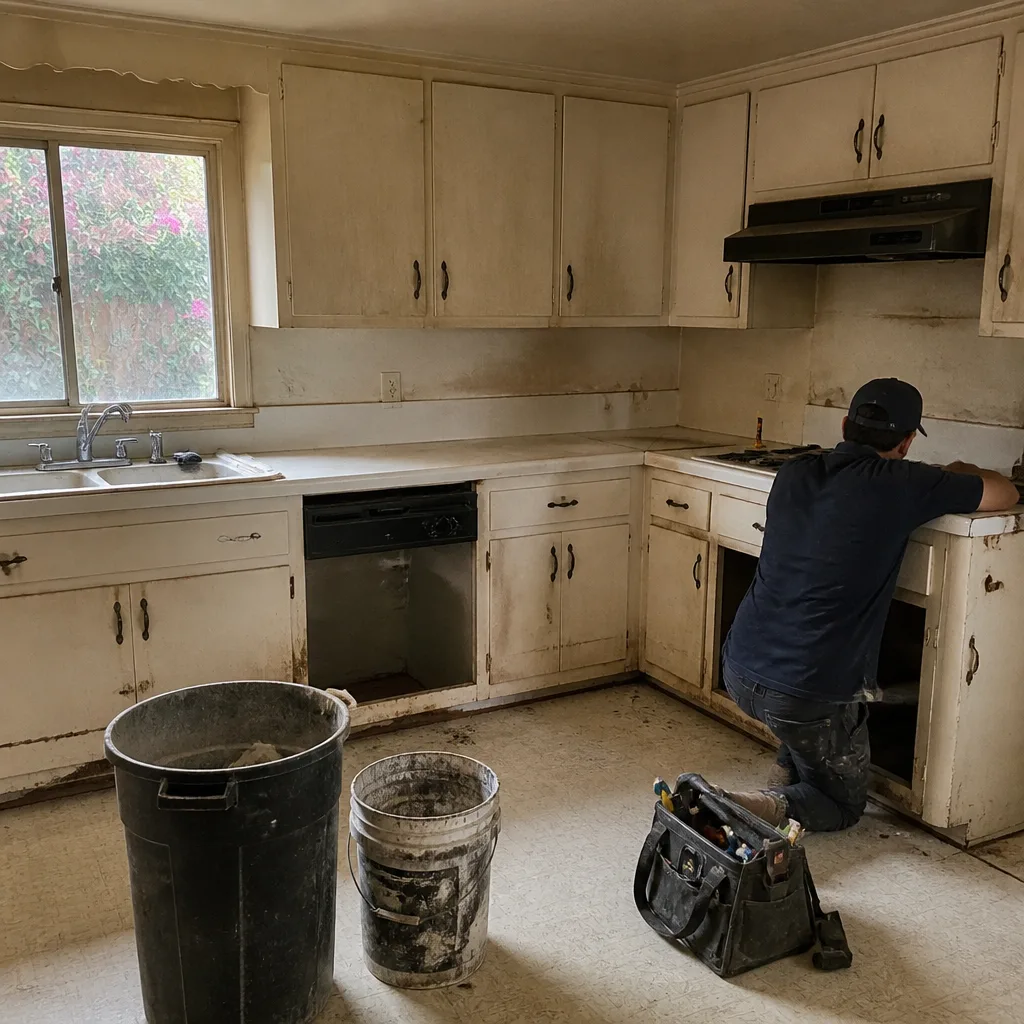 Before
 After
 Before
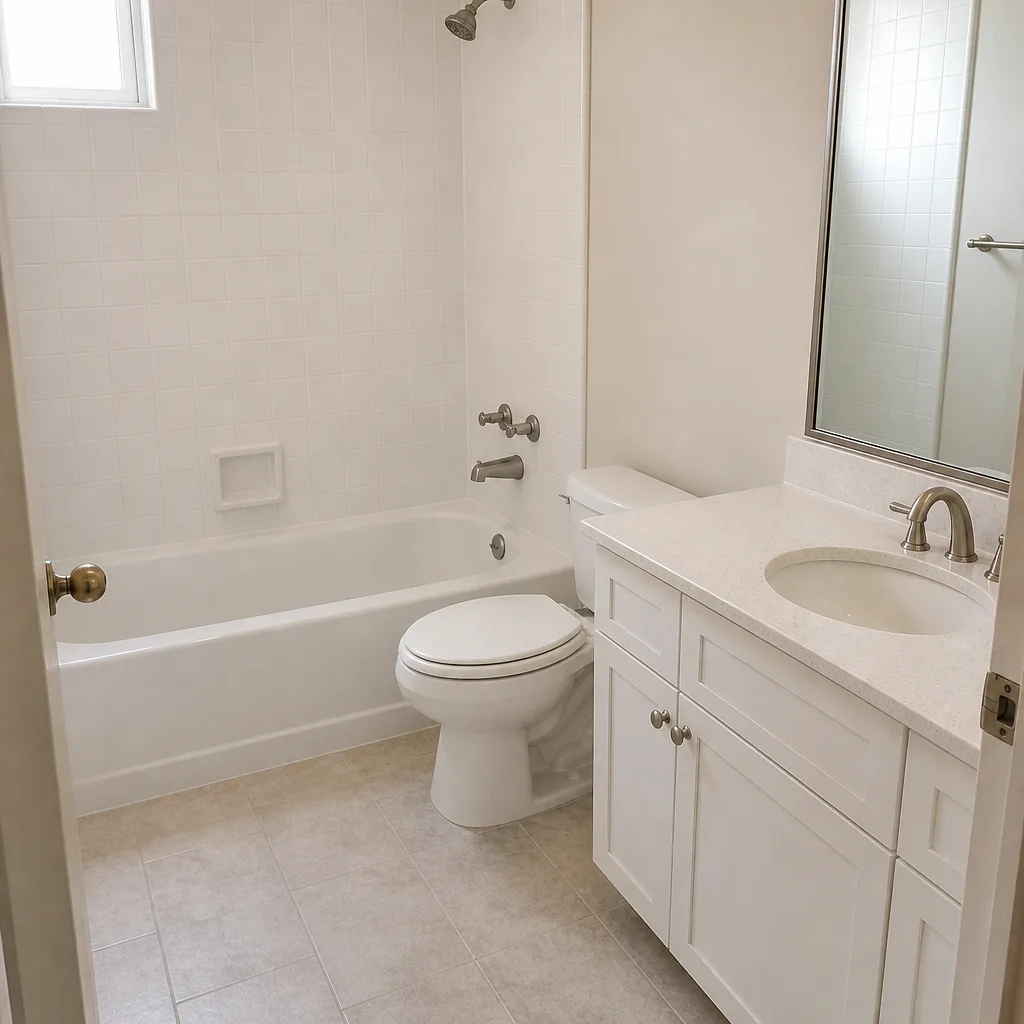 After
When to Call a Professional
Call a professional if the job involves new posts, concrete, or structural load, including any full fence installation or a post replacement. Call if your property line isn’t clearly marked, if the fence is taller or more complex than a simple privacy run, if your lot is steep or has tight access, or if you’re not sure a permit is needed (that answer is often “yes”). A pro also makes sense if your reason for wanting a fence is security or privacy and a failed install would mean redoing the whole job. Groundwork Construction Co. of Newport Beach offers free estimates in Newport Beach, and we’ll tell you honestly which parts you can do yourself and which parts you shouldn’t. Call (833) 749-3967. Every project is covered by the 730-Day Done Right Promise, our uniformed, background-checked technicians handle the structural work, and a live person answers the phone around the clock.
Frequently Asked Questions
It can be, but often not by as much as people expect, and a failed install costs more than hiring a pro in the first place. Materials plus tools plus your weekends add up, and the hybrid approach, where a pro sets the posts and you hang the panels, captures most of the savings without the structural risk. In our experience, most homeowners come out best on the hybrid path. Call (833) 749-3967 for a free estimate that breaks out the two sides.
Fence installation in Newport Beach typically runs $45 to $90 per linear foot for standard fencing, so a 150 to 200-foot residential run lands roughly in the $8,000 to $16,000 range. Composite and vinyl sit higher, and access, gates, and terrain move the number. The estimate is free and written line by line, and the number you see is the number you pay. Call (833) 749-3967 to get your exact number.
New fence installation in Newport Beach generally requires review against the city’s development standards, including height limits and setback rules that vary by zoning and location. Front-yard and right-of-way fences get more scrutiny than a straight like-for-like side-yard replacement. Confirm before you build, because an unpermitted fence can become a city-ordered removal. Call (833) 749-3967 and we’ll walk you through what applies to your property.
You can, and it’s a legitimate path, but it’s usually the reverse that makes more sense: hire a pro to set the posts and pour the concrete, then hang the panels yourself. The posts are the engineering decision, the panels are the labor. Call (833) 749-3967 if you want a written quote on the post-and-concrete half of the job.
A properly installed wood fence lasts 15 to 20 years, and a good composite or vinyl fence much longer, but shallow posts, over-watered concrete, trapped moisture at the base, and standard zinc fasteners near the coast all shorten that. The install is the variable that matters most, and it’s the one most often done wrong. Call (833) 749-3967 if you want the structure done right the first time.
You should require a written workmanship warranty that’s separate from the manufacturer’s materials warranty, plus a stated defect-remedy process and a clear statement of who pulls the permit and who’s accountable for passing inspection. Get the post depth and concrete spec in the contract too. Our work is covered by the 730-Day Done Right Promise, in writing, because the post that fails in year two is the number one reason fences get torn out. Call (833) 749-3967 for the full warranty terms before you sign anything.
The Bottom Line
The safe DIY zone is panel replacement, staining and sealing, hardware swaps, and minor repair, plus any finish work you can hang on sound, existing posts. The risky zone is anything that puts a new post in the ground, and that’s where the delayed three-year failure almost always starts. You don’t have to choose between a full contractor bill and a rolled-dice install, though. A hybrid, where a professional sets the posts and pours the concrete and you hang the panels, keeps the structural work with someone who owns the guarantee and keeps the labor savings with you. Do the layout and the structural work right, and everything else is a Saturday job.
Written by the team at Groundwork Construction Co. of Newport Beach.
Ready to get the structural part done right? Call Groundwork Construction Co. of Newport Beach at (833) 749-3967 for a free estimate. A live person answers around the clock, the estimate is written line by line with no surprises, and every fence we build is covered by our 730-Day Done Right Promise. Whether you want the whole job or just the posts, we’ll give you a straight answer on where your fence budget is best spent.