Last updated November 17, 2026




Free written scope consultation - allowances, timeline, and change-order rules on paper before a single trade is scheduled
Construction Emergency Preparedness Guide for Newport Beach Homes
Newport Beach sits at a rare intersection of four separate hazard types at once. A home reinforced against coastal storm surge may hide seismic weaknesses in its cripple walls that were never addressed when it was built. A house that handles Santa Ana wind gusts fine can still pull smoke from a fire forty miles inland straight through its air handler. Most preparedness content treats these as separate events. In Newport Beach, they stack. This guide walks through each hazard, shows you how to evaluate your own construction against them, and gives you a documented protocol for the hours after an event, before a contractor ever arrives.
Styles & brands we work with
- Kitchen remodeling
- Bathroom remodeling
- Home additions & ADU
- Roofing
- Windows & doors
- Driveway & pavers
- Fence
Quick Answer
Construction emergency preparedness in Newport Beach means evaluating your home against four combined hazards at the same time: coastal flooding, seismic liquefaction, wildfire smoke infiltration, and Santa Ana wind damage. The practical work is checking your foundation, cripple walls, roof edges, and electrical panel height against Newport Beach’s FEMA flood maps and liquefaction zones, then documenting the results before anything happens. That documentation is what protects your insurance claim when a contractor does need to step in.
Table of Contents
- Why Newport Beach Homes Face Four Hazards at Once
- Assessing Your Construction for Coastal Flood Resilience
- Seismic Vulnerability in Newport Beach Bay-Fill and Coastal Lots
- Preparing Construction for Santa Ana Wind Events
- Wildfire Smoke Infiltration: The Hazard Nobody Builds For
- Post-Event Homeowner Inspection Protocol
- Why a Pre-Event Contractor Relationship Changes the Outcome
- Common Mistakes to Avoid
- When to Call a Professional
- Frequently Asked Questions
- The Bottom Line
Why Newport Beach Homes Face Four Hazards at Once
Most of coastal Orange County gets described as having one emergency risk: flooding. That’s the wrong frame for Newport Beach. Look at what actually overlaps here. The Pacific drives storm surge and tidal flooding along the peninsula and the harbor. The Newport-Inglewood fault runs close enough that liquefaction maps on the bay-fill lots around Balboa and Lido matter for real, not theoretically. Inland fire events pull smoke west on the same winds that push Santa Ana gusts through the canyons and down onto the coast. And those Santa Ana events, which can hit 60 mph or more, do the most construction damage of any single hazard in the county.
A house engineered for one of those can be quietly exposed to another. A slab-on-grade home with an electrical panel set at three feet does fine in a storm surge scenario and does almost nothing for you in a seismic event on a bay-fill lot where soil liquefies under load.
So the right question isn’t “what’s our flood risk?” It’s “how does this specific house, on this specific lot, handle all four?” That’s what we assess, and it’s what you should be able to answer about your own home before anyone needs to.
Assessing Your Construction for Coastal Flood Resilience
Coastal flood resilience comes down to three construction details: foundation type, vent placement, and electrical panel height. Each one is either helping you during a storm surge or working against you, and none of them are visible from the curb.
1. Foundation type
Slab-on-grade is the most common foundation in Newport Beach’s inland neighborhoods and it holds up well to water because there’s no elevated crawl to fill. Raised pier-and-beam foundations, common in older parts of Balboa, Balboa Island, and parts of Corona del Mar, flood from below. The space under the house fills, and everything the floodwater touches (ductwork, insulation, wiring, subfloor) sits in the water column until it drains.
2. Vent positioning
Foundation vents below the base flood elevation become water inlets during surge events. If a home has been re-leveled or had its foundation height changed since original construction, the vent positions may no longer line up with the FEMA flood zone the home is graded into. That mismatch is invisible until a storm.
3. Electrical panel height
The electrical panel is where flood risk becomes expensive. A panel mounted at three feet sits above a minor surge and gets submerged in a moderate one. To protect one, check it against the base flood elevation on Newport Beach’s current FEMA maps, not the numbers on the original build plan.
What to document now
- The base flood elevation for your specific address, taken from the current FEMA map
- Your foundation type (slab, raised pier, or mixed)
- The exact height of your electrical panel, measured in inches from grade
- Whether your vent openings sit at, above, or below the base flood elevation for your zone
- The date each of those details was last verified by a professional
Any of those four facts could change your flood insurance premium materially, and any discrepancy between the current map and your original construction is a real vulnerability. In Corona del Mar and the harbor-facing streets, we see elevated panels more often because those areas have been updated with the flood zone in mind. In older sections of the peninsula, we still find panels at original height.
Seismic Vulnerability in Newport Beach Bay-Fill and Coastal Lots
Seismic vulnerability in Newport Beach has three specific construction tells, and two of them are bay-adjacent. The first is liquefaction exposure, which happens on bay-fill lots, meaning ground that was once water and was filled in for development. That’s most of Lido Isle, and significant stretches of the harbor edges. The second is cripple wall exposure, the short stud walls between the foundation and the first floor on many older homes. The third is soft-story risk, a bottom floor that’s open enough to make the structure above it unstable during lateral movement.
How to check a home for each
- Liquefaction zone. Pull the California Geological Survey seismic hazard zone map for your address. If your lot sits on a mapped zone, the risk is real and the right retrofits usually start with the foundation.
- Cripple wall exposure. In a crawlspace, look at the stud walls between the foundation and the floor above. If those studs don’t have continuous sheathing and aren’t bolted to the foundation with anchor plates, they’re an unbraced path for lateral load.
- Soft-story risk. If the ground floor of your home is a large open space, like a garage with a wide opening or an open-plan living area with few interior walls, that floor needs lateral bracing it may not have.
Because the Newport-Inglewood fault is close, and the bay-fill lots are the ones most exposed to liquefaction-driven lateral spread, seismic retrofits on those homes carry a different priority than they would in inland cities. A cripple wall retrofit on a slab in Huntington Beach is useful. The same retrofit on a bay-fill lot in Newport Beach is closer to essential.
Preparing Construction for Santa Ana Wind Events
Santa Ana winds do more construction damage in Newport Beach than any other single event. Sustained winds of 40 mph with gusts of 60 to 80 are the setup, and the coastal edge of the peninsula takes the worst of it because the wind hits from the canyons inland with nothing left in the way. The prep work is specific and it’s mostly about what’s already on the roof and the walls.
Three things to check before wind season
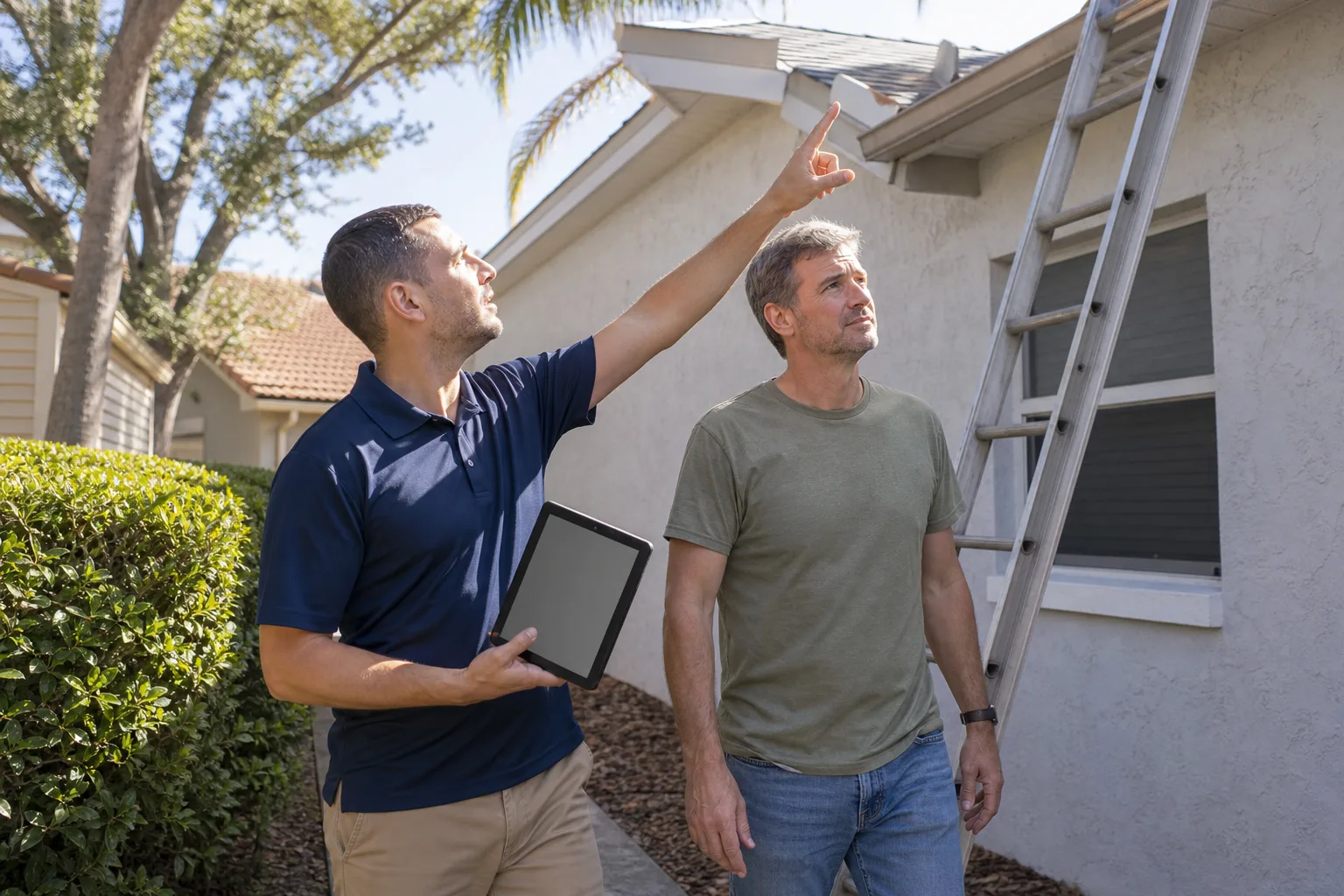
Roof edge flashing integrity. Roof edge flashing is the metal at the perimeter of the roof that covers the seam between the roof deck and the fascia. Wind doesn’t typically peel a good roof in the middle, it starts at the edges. Loose flashing, or flashing that’s been caulked over during a past repair, becomes the entry point for the whole assembly. Roofs installed with proven systems like IKO or Atlas shingles hold up well, but only if the flashing at the perimeter is tight and the fasteners are correctly spaced.
Exterior cladding attachment. A stucco or siding wall that’s properly attached to studs with correct fastener spacing handles high wind. One that’s been patched without reattachment, or that has visible cracking at the corner, doesn’t. On Newport Beach homes within a few blocks of the ocean, salt air ages fasteners faster, so a mid-life fastener check matters.
Tree-to-structure clearance assessment. The trees that shade a Newport Beach patio are the same trees that split from wind stress and come down on the roof. The assessment is simple: walk the property and note the distance from any large tree canopy to the roof edge, the gutter line, and any utility drop. Trees that overhang, and trees whose branches have been dead in the crown for a season, are the ones that fail first.
Wildfire Smoke Infiltration: The Hazard Nobody Builds For
The fire doesn’t have to reach Newport Beach to change your home’s indoor air. During an inland fire event, Santa Ana winds push smoke west, and the same overnight sea breeze that makes coastal life pleasant pulls that smoke back over the peninsula. A home built ten years ago on a slab with a modern air handler is not inherently protected. Smoke routes into the interior through the air handler’s return plenum, the dryer vent, penetrations at exterior light fixtures, and any attic venting.
Since the 2017 Thomas Fire and the smoke events since, we’ve seen what happens to homes that ignored this. The long-term damage from smoke infiltration isn’t structural, it’s the air handler coil and the ductwork, and it can cost real money to correct later.
The pre-fire smoke prep
- Replace the HVAC filter with the highest MERV rating the unit can support and note the date
- Verify the air handler has a fresh-air intake that can be closed off when smoke is present
- Check attic venting for screens that have corroded or torn, since those gaps are entry points
- Inspect the weatherstripping on exterior doors at the bottom sweep and the threshold
- Make a plan for sealing the dryer vent if smoke is coming through the exterior wall
That last item is one that almost nobody does, and it’s a common route for exterior smoke to enter the interior wall cavity during an event. It’s a five-minute fix with a removable plug or a magnetic vent cover.
Post-Event Homeowner Inspection Protocol
The first hour after a wind or flood event is when homeowner action determines what happens to the insurance claim. It’s also the hour when people do things that turn a fixable problem into an unsafe one. If you only follow one section of this guide, follow this one.
What to do before any contractor arrives
- Document before you touch anything. Photograph and video every affected area, wide shots first, then close-ups. Include a shot of the full elevation of the house from the street and from the rear, and the full interior of every affected room. Timestamp everything.
- Note the water line or damage line height in inches. Take a photo of the line with a tape measure against it. That single number is often the difference between a full restoration claim and a partial one.
- Shut off utilities only if you smell gas or see active water intrusion. Otherwise leave electrical breakers and the gas main alone. Turning off a gas main without a professional to relight pilots and verify the system creates its own danger.
- Do not walk on a roof after a wind event. Roof damage that looks minor from below can be a visibly compromised deck that fails under weight. If you suspect roof damage, get an inspector out before going up.
- Do not touch downed power lines, damaged electrical panels, or any wiring that’s been exposed to water. That includes pulling a flooded panel cover. The risk of electrocution is real and it’s not worth a photo.
- Make temporary drying adjustments only. Towel up standing water, open interior doors for airflow, and move shoes and furniture off a wet floor. Don’t cut into walls or pull baseboards yourself. That’s restoration work and it changes the discussion with your adjuster.
- Call your insurer to open a claim before you call a restoration company. The order matters. A claim number changes how a contractor’s estimate is documented.
Save those photos in the cloud, not just on a phone. Phones get lost, soaked, or die. The documentation is the only thing you have if the adjuster and contractor disagree, and it’s what the contractor uses to build the scope of work.
Why a Pre-Event Contractor Relationship Changes the Outcome
When an event happens, every homeowner in the county calls a contractor at once. The contractors with the longest lists of existing commercial work are the ones still working two weeks out. The contractors who show up in the first week are the ones you called before anyone else was calling. That’s the practical argument for having a direct line to a builder before you need one.
The second argument is trust. A contractor who’s walked your house knows where the cripple wall is, knows the panel height, and doesn’t spend the first visit discovering facts you already documented. That shortens the estimate process and it makes the scope of work tighter. And there’s a third argument, one that matters when the emergency is real: the contractor relationship is what gets you a documented estimate that holds up to insurance review, rather than a verbal one you can’t use.
In Newport Beach, the volume of post-event work is high relative to the number of licensed contractors available. That means the calm-season move is to have the walkthrough already done, the photos already taken, and the phone number already saved. Our team at Groundwork Construction Co. of Newport Beach does those walkthroughs, and the documentation from the visit gets saved for exactly this reason.
For the additions and structural side of preparedness, especially retrofits that improve seismic resilience like bracing a soft story or adding lateral support to an older bay-fill home, the work is defined and scheduled well before an event. Our Home Additions & ADU in Newport Beach team handles the structural work if a retrofit expands into a larger project. Roof perimeter and flashing repairs, which are exactly what you want done before Santa Ana season, sit with the roofing side of the same company.
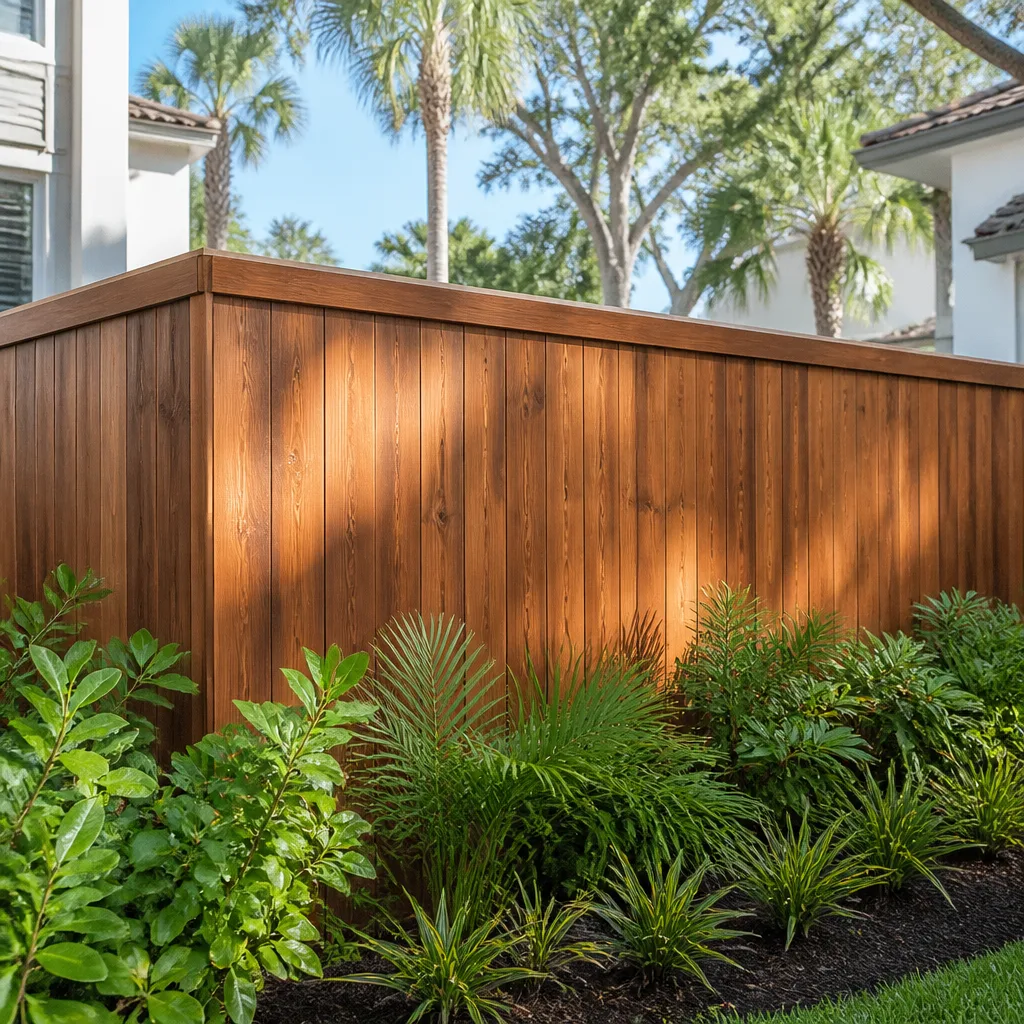
And when the event is over and the cleanup begins, the fence line and driveway are usually first to need replacing. Our Fence Installation in Newport Beach team handles damaged fencing, and our Driveway & Pavers in Newport Beach team handles the driveway and hardscape repairs that a storm event tends to surface.
Common Mistakes to Avoid
- Relying on the original construction to be current-code. A Newport Beach home built in the 1960s was built to a very different seismic standard than today’s code. A house that passes inspection today is not the same as a house that was built to today’s standard forty years ago.
- Skipping the flood map check because the home “has never flooded.” Newport Beach’s FEMA maps have been revised multiple times. A home in the same location can move from one zone to another, and the “never flooded” history is a description of the past, not the current map.
- Turning off the gas main after an event because it feels safer. It’s not safer unless you smell gas. Relighting a gas system needs a trained technician, and doing it yourself can create a leak that didn’t exist before.
- Cutting into wet drywall to “find the damage.” This is one of the most common post-flood mistakes. It changes the scope of what an adjuster will approve and it exposes you to contaminated water and mold growth in the middle of a claim.
- Ignoring the interior smoke damage to focus on the roof. After an inland fire event, a Newport Beach home can have zero visible exterior damage and a fully smoke-saturated air handler. The air quality claim is real and it’s separate from the structure claim.
- Accepting a verbal estimate after an event. Post-event verbal estimates are the ones that grow change orders later. A written, line-item estimate protected by an enforceable workmanship warranty is the standard, and it’s the one that survives insurance review.
- Doing the documentation on a phone only. Cloud backup or a copy on a laptop. The phone in your pocket is the one thing most likely to be lost or damaged in the event itself.
When to Call a Professional
Call a professional, not a general handyman, when the work touches any of the following: roof edges or flashings that need access above the first floor, any electrical panel or wiring that’s been exposed to water, any gas line, anchor bolts and cripple wall connections, or a soft-story structural brace. Those are the areas where an untrained repair creates a hazard greater than the original damage. The same applies to any smoke infiltration into the HVAC system, since duct cleaning and coil inspection require equipment most homeowners don’t have.
Walkthrough assessments before an event are just as important as emergency calls after one. A documented baseline of your foundation, flood zone, panel height, roof edge condition, and cripple wall exposure is the most useful thing you can do this season. Groundwork Construction Co. of Newport Beach offers free estimates in Newport Beach. Call (833) 749-3967 and we’ll schedule the walkthrough.
Frequently Asked Questions
It’s the documented assessment of your home’s construction against the four combined hazards that affect Newport Beach: coastal flooding, seismic liquefaction, Santa Ana wind damage, and wildfire smoke infiltration. The practical output is a written record of your foundation type, base flood elevation, panel height, roof edge condition, and cripple wall exposure, stored where you can reach it after an event.
Check the California Geological Survey seismic hazard zone map for your specific address. Bay-fill areas around Lido Isle and the harbor edges are the most exposed, and if your lot is mapped, that’s information you want well before a seismic event rather than after. A walkthrough inspection will confirm what those maps mean for your specific foundation.
Only if you smell gas, hear hissing, or see visible damage to the gas line or meter. A gas main turned off without a trained technician on hand to relight pilots and verify the system can create a bigger hazard than it prevents. Call your gas provider and let them make the call if you’re unsure.
Whether flood insurance is required depends on your mortgage lender and the flood zone shown on the current FEMA map for your address, not the map in place when you bought the house. Check the current map with your insurer, and if you’re in a mapped zone, the premium itself often drives the case for a professional flood assessment of the structure.
Full post-event structural inspections in Newport Beach typically run $250 to $600 depending on square footage and the number of systems checked, and many insurance policies cover the cost when it’s part of a documented claim. Call (833) 749-3967 for an exact quote. Estimates are free.
Photograph the full exterior elevation from the street and the rear, then close-ups of every affected area, and get a tape measure photo of any water or damage line. Save it all to the cloud before you touch anything, and call your insurer to open a claim before you call a restoration company. Do not cut drywall or pull baseboards yourself.
The Bottom Line
Newport Beach homes face a hazard matrix that generic preparedness advice doesn’t address. Coastal flooding, seismic liquefaction on bay-fill lots, Santa Ana wind events, and wildfire smoke infiltration stack on the same structure, and a home built for one can be exposed to another. The work that matters is documenting your foundation, flood zone mapping, panel height, roof edge condition, and cripple wall exposure now, before an event, and having a direct line to a builder who already knows your house. That documentation is what protects your claim when it counts.
The simplest next step is a free walkthrough. Call (833) 749-3967 to schedule your estimate. Live person, 24/7, no voicemail. Every project we take on is covered by our 730-Day Done Right Promise, and our technicians have up to 12 years of experience. Upfront pricing, no surprises, and a written scope of work you can hold up to an adjuster.
Written by the team at Groundwork Construction Co. of Newport Beach.
See the difference
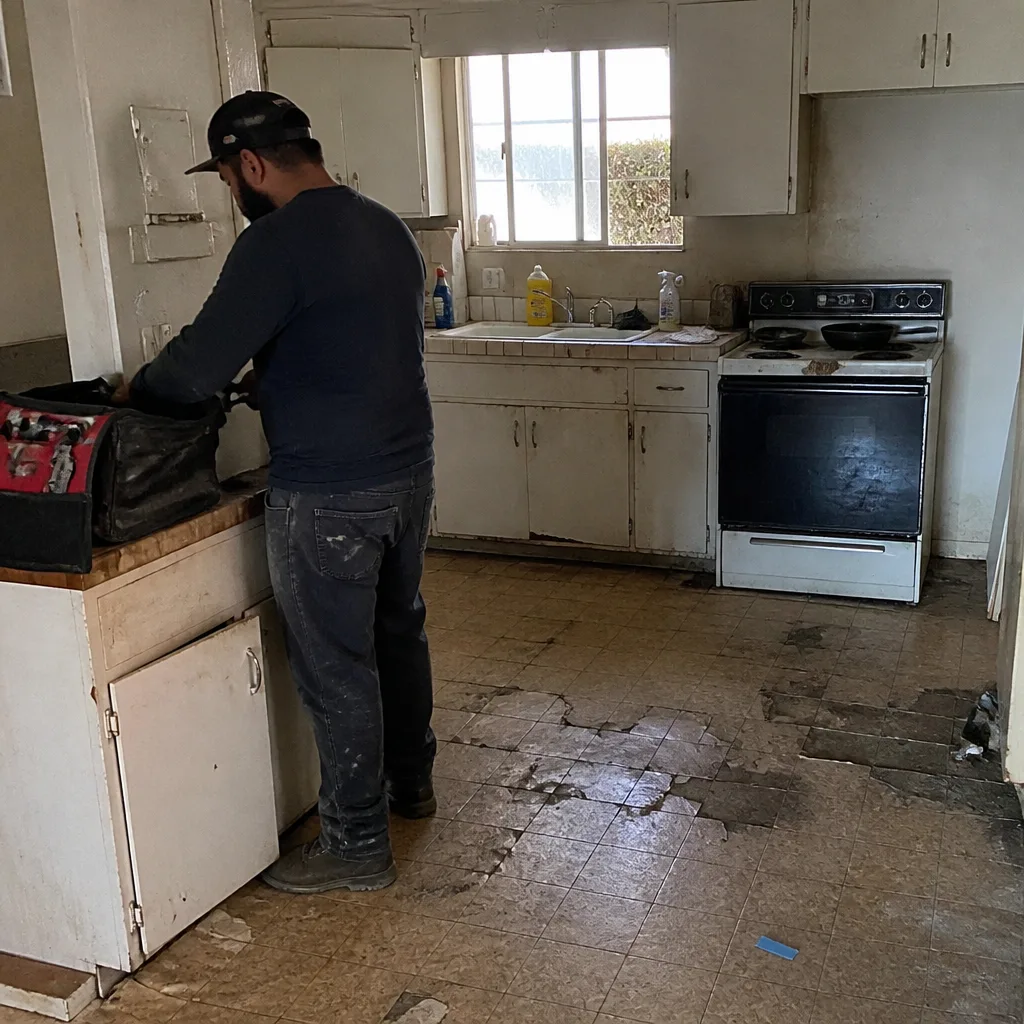 Before
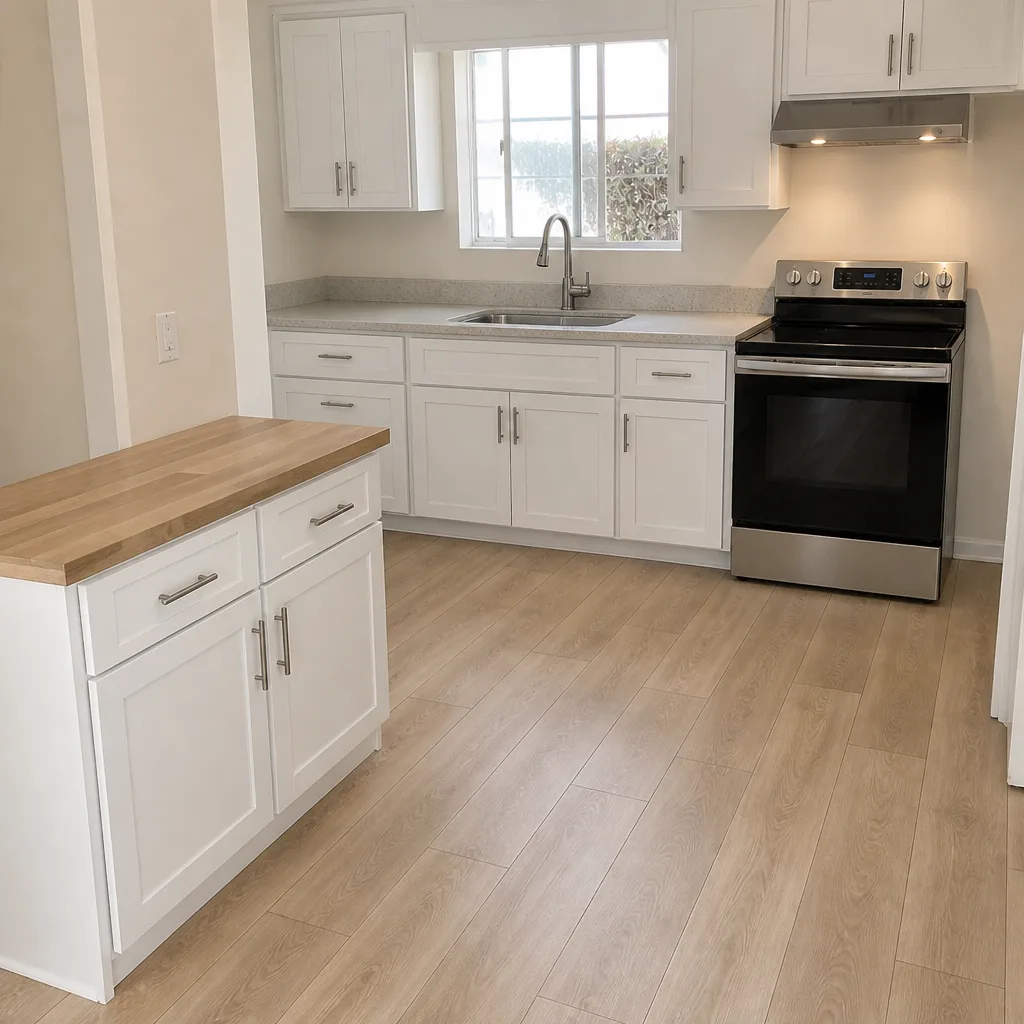 After
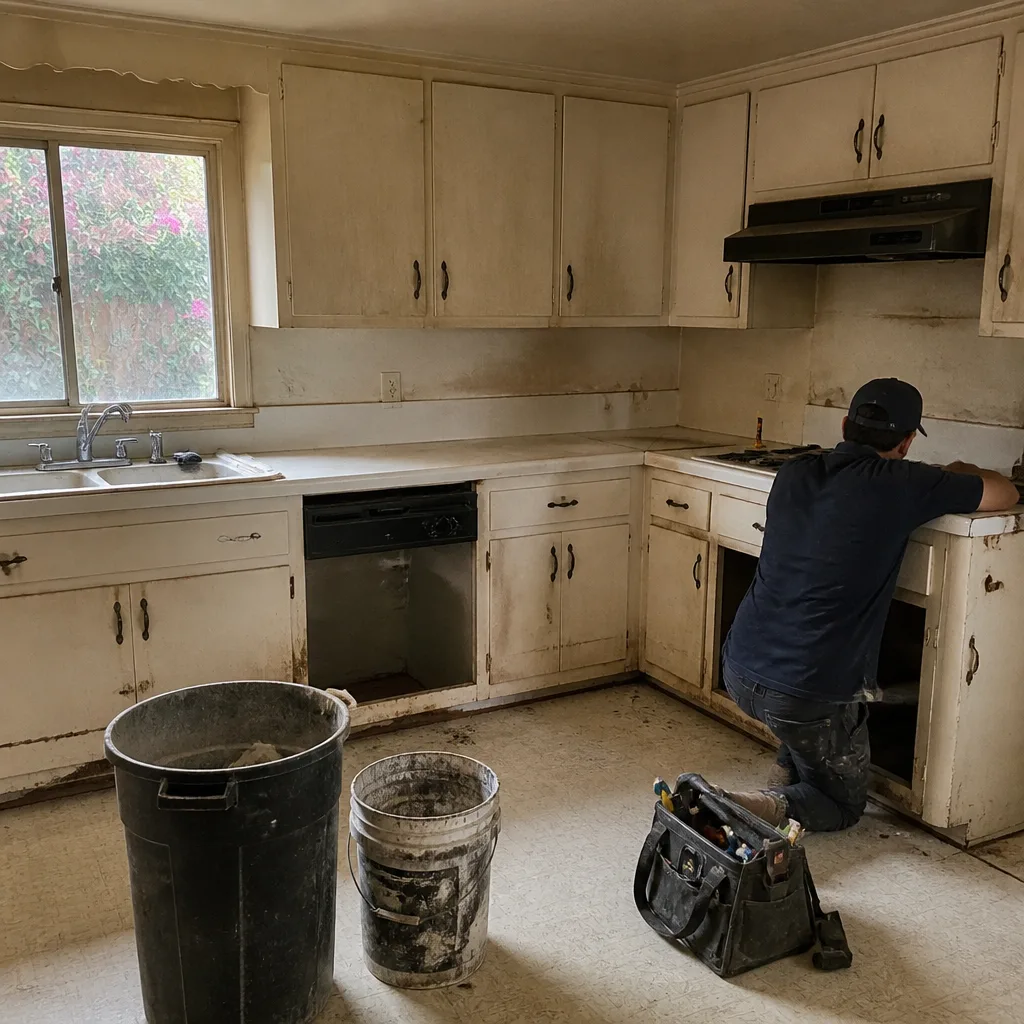 Before
 After
 Before
 After