Last updated November 17, 2026
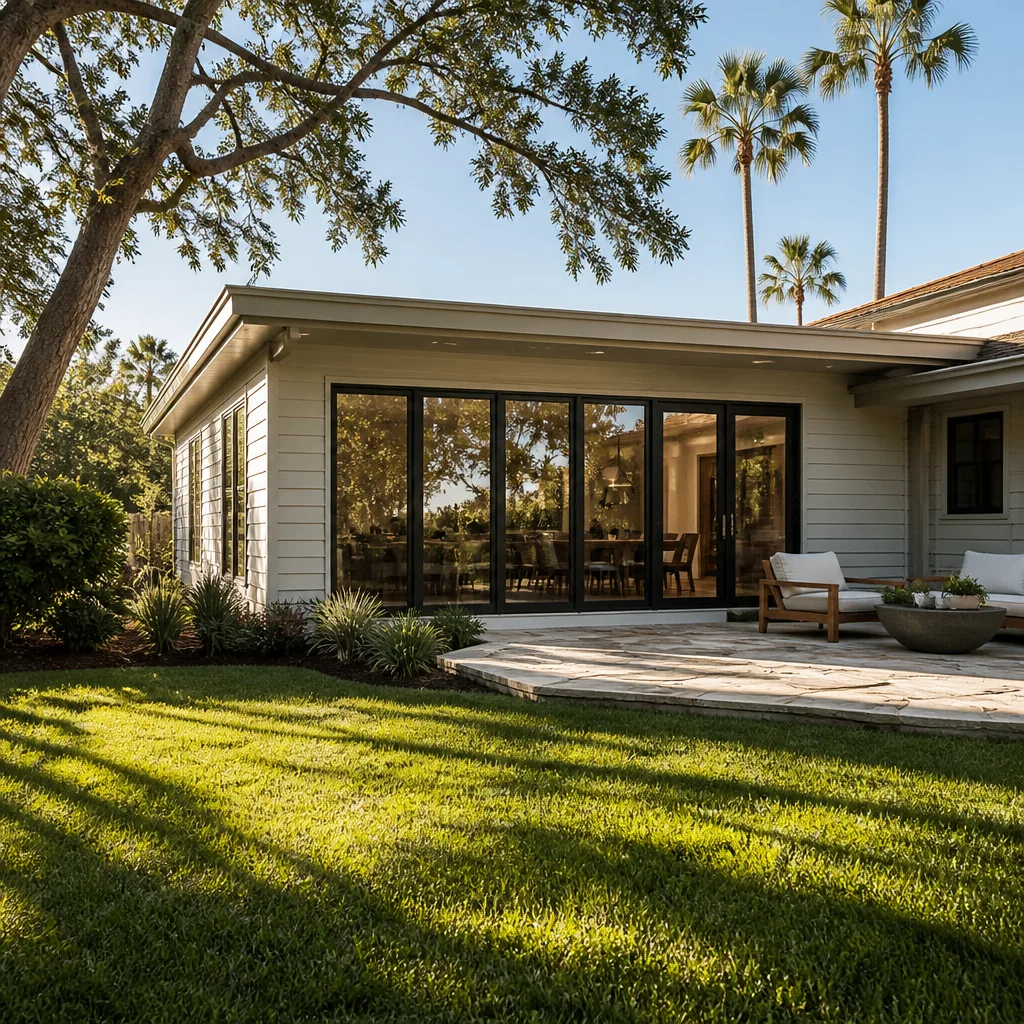
Free written scope consultation - allowances, timeline, and change-order rules on paper before a single trade is scheduled
How Long Does Fence Installation Take? Timelines and What to Expect
The complaint we hear most after a fence goes in isn’t about the fence. It’s about the calendar. The job that was quoted at “a week, maybe ten days” stretched to five weeks, and nobody warned the homeowner that three of those weeks would pass before a single post went in the ground. In Southern California, underground utility conflicts and HOA approval delays alone can add two to three weeks before active work even starts. This guide maps the real timeline phase by phase, from the first utility locate call to the final gate swing, so you can plan around truth instead of a salesperson’s optimism. We’ll cover what happens before excavation, how Newport Beach soil and weather affect cure times, and why your material choice changes the schedule as much as it changes the look.
Quick Answer
A typical residential fence installation in Newport Beach takes three to five weeks from signed contract to finished fence. Only four to seven of those days are active construction; the rest is permits, utility locates, HOA approval, concrete curing, and material lead time. A straightforward wood or vinyl fence on a clear lot with permits already approved can finish in under two weeks. A wrought iron fence on a sloped lot with an HOA design review can run six to eight weeks. The fence itself is rarely the slow part.
Styles & brands we work with
- Kitchen remodeling
- Bathroom remodeling
- Home additions & ADU
- Roofing
- Windows & doors
- Driveway & pavers
- Fence
Table of Contents
- The Pre-Installation Phases Nobody Warns You About
- How Newport Beach Soil Affects Post-Setting and Cure Times
- How Material Choice Changes the Schedule
- Newport Beach Weather Windows That Delay Concrete and Staining
- A Realistic Day-by-Day Job Site Schedule
- Permits, Property Lines, and HOA Approval in Newport Beach
- Common Mistakes to Avoid
- When to Call a Professional
The Pre-Installation Phases Nobody Warns You About
Most fence timelines you’ll find online start counting on day one of digging. That’s like timing a road trip from the moment you turn the key and ignoring the three hours you spent packing. In Newport Beach, the pre-installation window is where schedules quietly die, and it deserves its own breakdown.
There are four things that must happen before excavation, and each has its own clock:
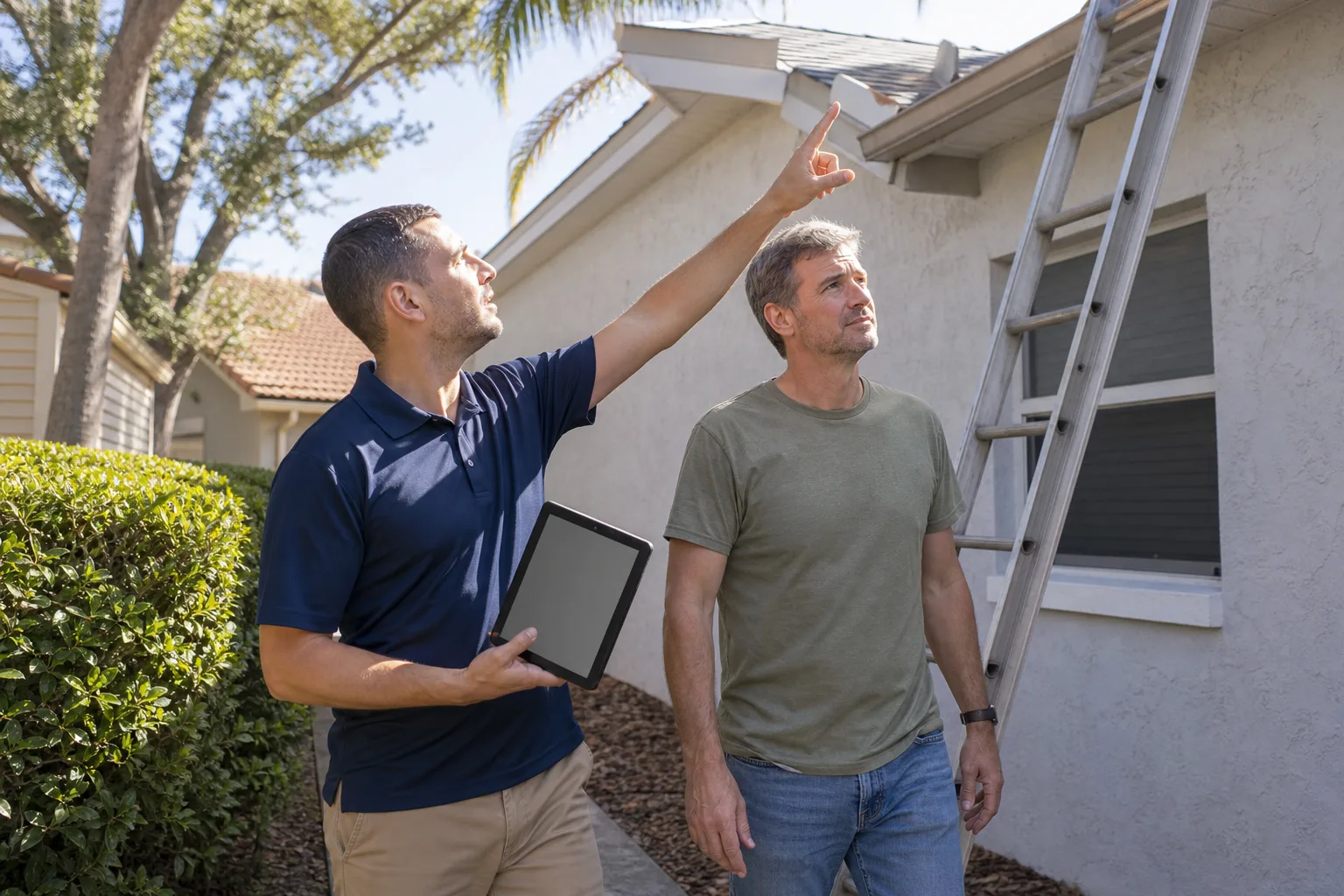
- Utility locate (2 to 10 business days). Underground services – gas, water, electric, cable, irrigation – have to be marked before anyone sinks a shovel. The 811 call center takes the request, but the utility companies schedule the actual marking. On a standard residential lot this usually resolves in a few business days. On properties with older unrecorded lines, or where a previous owner ran private irrigation or landscape lighting without pulling permits, it can stretch much longer. We’ve seen private line discoveries push a start date by two full weeks.
- Permit application and issuance (1 to 4 weeks). Newport Beach requires permits for fences over six feet and for any fence in certain overlay zones, and the review window varies with the city’s current workload. Pool barriers have their own code requirements under the state pool safety rules, and those get a closer look.
- HOA architectural review (2 to 6 weeks). This is the sleeper. Many Newport Beach communities – especially on Balboa Island, in Newport Shores, and across the newer planned tracts – require design submittal, board review, and sometimes neighbor notification before a fence style, height, or material is approved. Boards meet monthly or quarterly. Miss the meeting and you wait another month.
- Material lead time (3 days to 6 weeks). Standard cedar dog-ear pickets are usually on hand. A specific vinyl color matched to an HOA palette, a custom wrought iron pattern, or a specialty composite can carry real lead time.
If your contractor quotes you a start date without asking about HOA approval status and utility locate scheduling, that quote is a guess dressed up as a commitment. The honest number accounts for all four clocks.
How Newport Beach Soil Affects Post-Setting and Cure Times
Here’s where coastal Orange County earns its reputation. The soil profile across Newport Beach is a patchwork, and it changes how fast a post hole actually sets up.
Much of the city sits on expansive clay, especially as you move inland toward the back bay and the neighborhoods around Irvine Avenue and Dover Drive. Expansive clay swells when wet and shrinks when dry, and it holds moisture far longer than sandy soil. A post set in clay needs more concrete and more cure time before it can take load, because the surrounding soil itself is still moving as it dries. Fence crews who treat every lot like it’s the same end up with posts that lean within a season. Proper setting means deeper holes, a wider concrete collar, and a wait.
Closer to the water – the peninsula, Balboa Island, the harbor-facing streets – you’ll find sandy and fill soils. These drain fast and can be easy to dig, but they don’t grip a post the same way. Posts in sandy fill often need more concrete volume per hole to reach the same stability, and on some lots we’ve hit buried debris from old sea walls or previous construction that has to be cleared before the hole is usable.
Soils that combine clay with high groundwater, which happens in low-lying spots near the bay, are the slowest of all. A concrete footing poured in wet ground needs longer before it’s stable enough to frame against. That curing window – typically several days before you load the posts – is dead time on the schedule, and it’s the single biggest cause of “the crew was here but nothing happened” confusion. Curing isn’t laziness. It’s the concrete doing its job.
How Material Choice Changes the Schedule
Homeowners usually pick a fence by looking at it. Contractors schedule a fence by what it demands. The material you choose changes everything downstream: how long digging takes, how many crew days you pay for, whether there’s a finishing phase, and how long before the fence is fully functional.
Here’s how the major options compare on schedule:
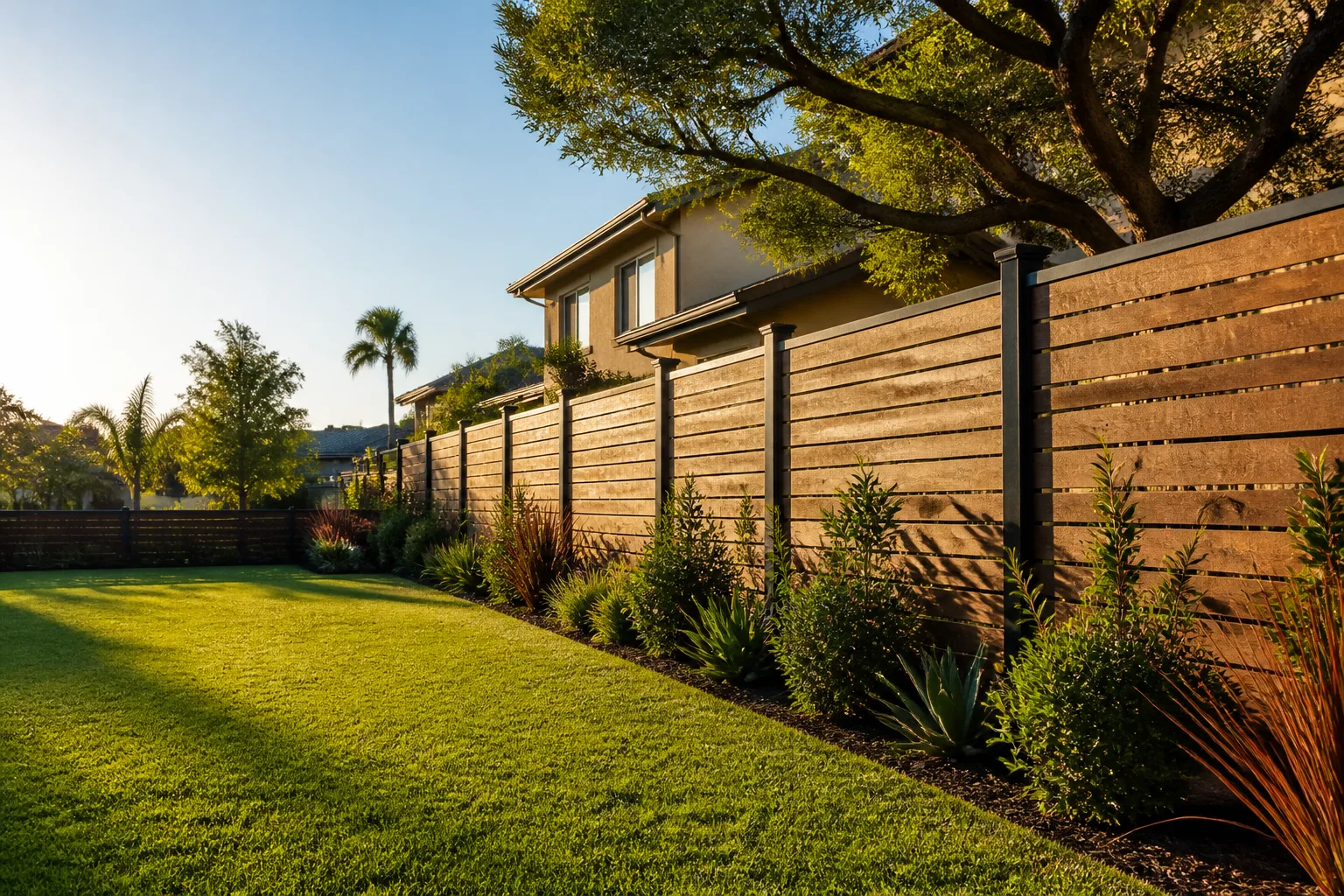
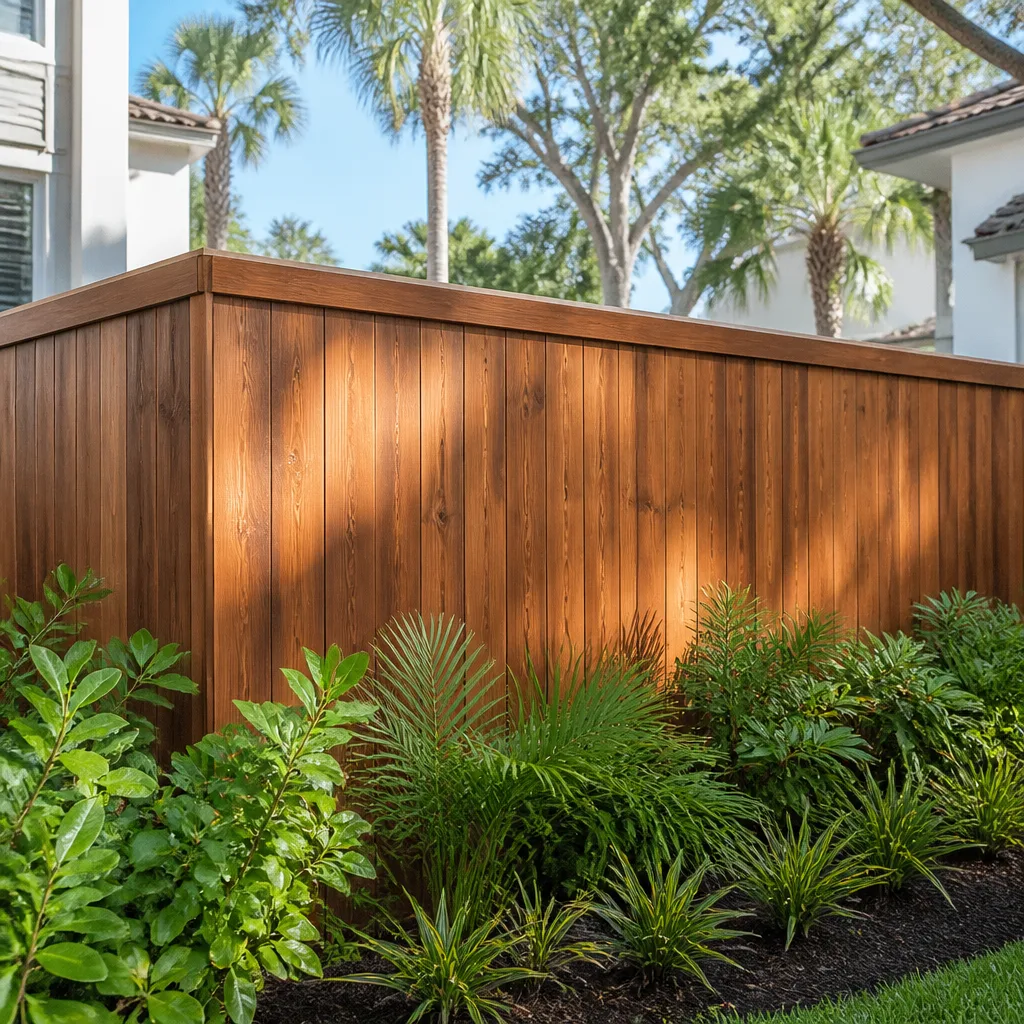
- Wood (cedar or pressure-treated pine). Fastest to source and frame. Posts set, rails and pickets go up quickly. But wood usually includes a staining or sealing phase, and stain has to go on after the wood has dried to an acceptable moisture content – which on a humid coastal morning can mean waiting. Wood is also the most weather-reactive, so staining timing matters. Active build: roughly 3 to 5 days.
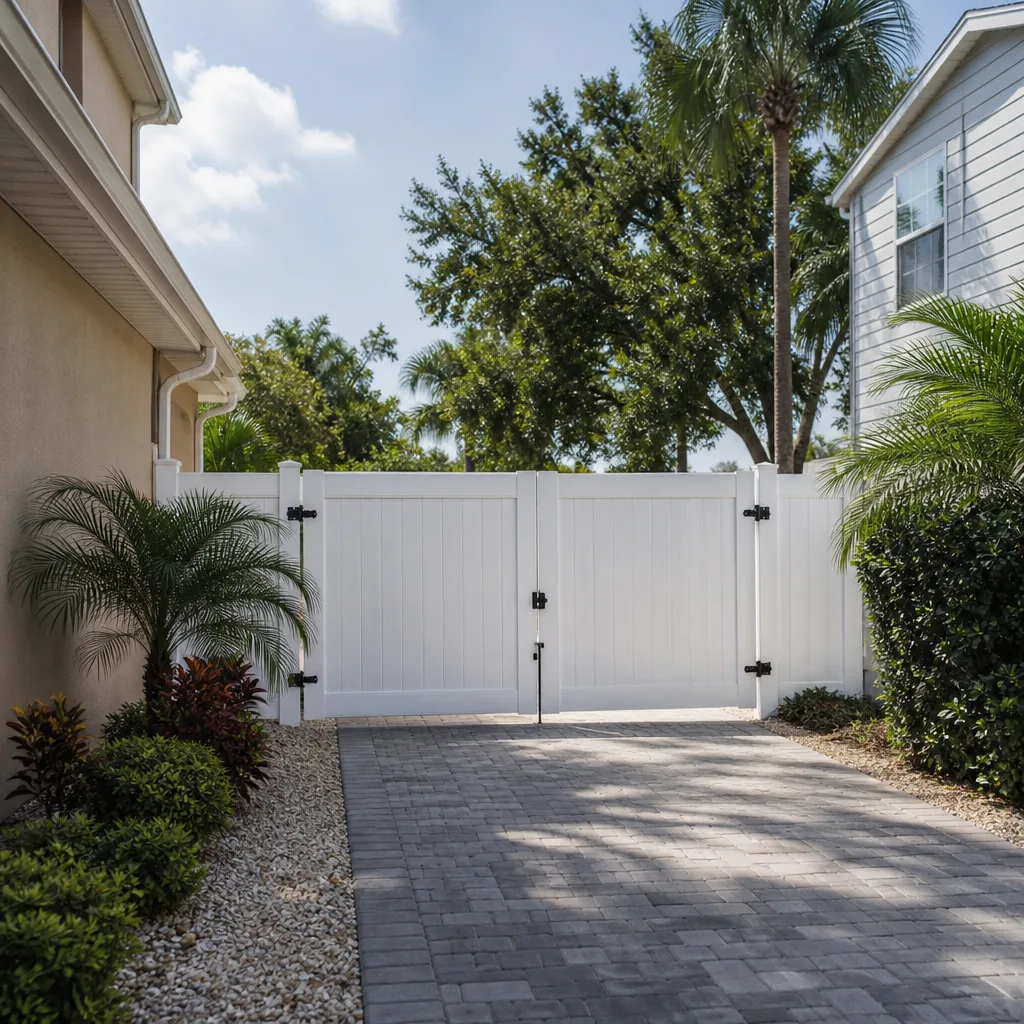
- Vinyl. Panels arrive pre-fabricated, which speeds installation, but vinyl is more sensitive to post spacing and ground temperature. Panels installed in cold, stiff conditions can be finicky; warm afternoons make the material easier to work. No staining phase, which saves a return trip. Active build: roughly 3 to 4 days.
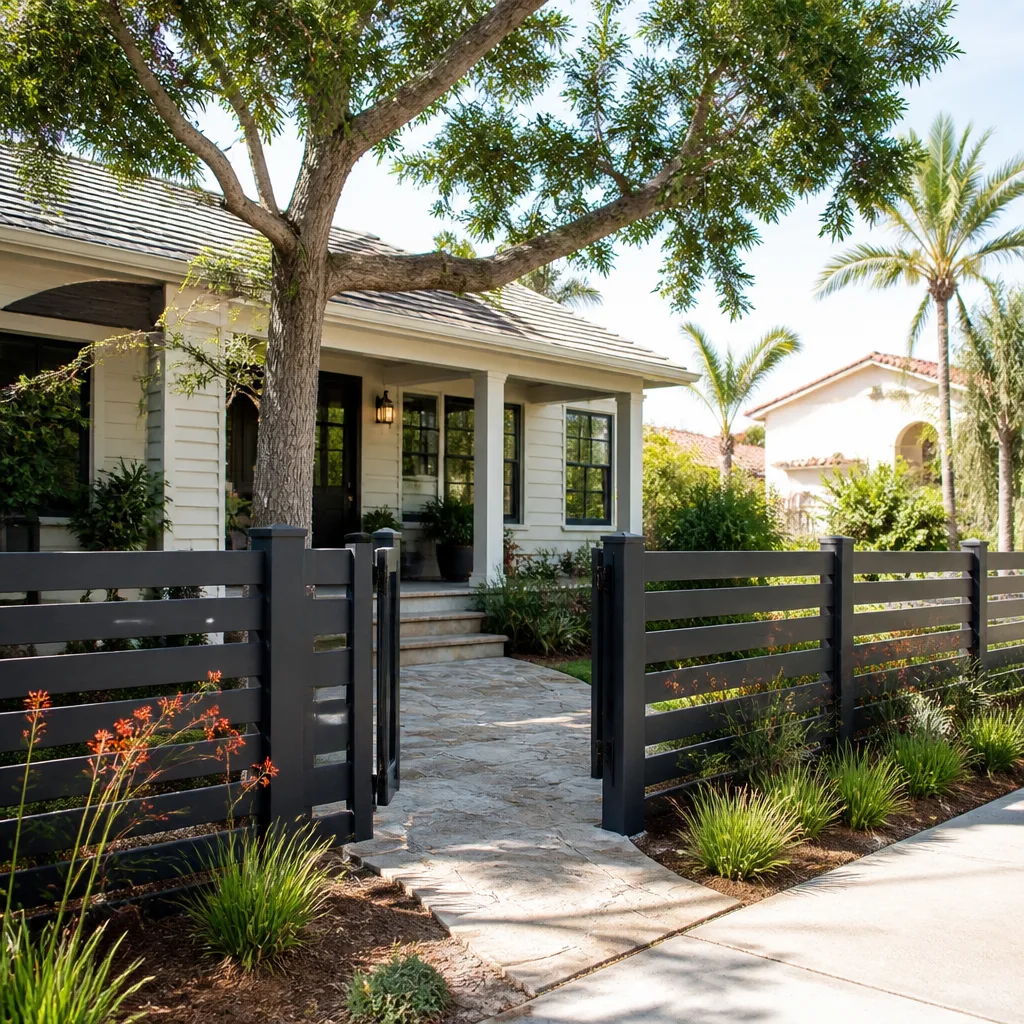
- Wrought iron and ornamental metal. The slowest. Custom fabrication carries lead time before the crew ever arrives, welding and touch-up painting happen on site, and anchoring into masonry or existing hardscape takes more care. On a sloped or terraced lot, the layout work alone eats time. Active build: roughly 5 to 8 days, plus fabrication lead time.
- Composite. Sourcing can carry lead time depending on the color and profile, but installation runs at a wood-like pace with no finishing window. Active build: roughly 4 to 6 days.
Two to three brand partners show up in our fence conversations often: Therma-Tru and Mr-Glass on the gate and glazing side when a fence meets a gate or a glass-panel section, and ViewLux when a homeowner wants a glass-look privacy panel that doesn’t need staining. The point isn’t the name. It’s that the material decision should be made alongside the scheduling decision, not after.
Newport Beach Weather Windows That Delay Concrete and Staining
Newport Beach has some of the most forgiving construction weather in the country. That doesn’t mean weather never interferes. It means the interference is specific and predictable, which is good news if you plan for it.
Three windows matter:
- Morning marine layer and fog. Coastal fog keeps concrete surfaces damp and slows the initial cure. In the cooler months, crews often pour footings after the fog burns off rather than first thing, which shifts the day. Not a delay, but a rhythm change.
- Winter rain. The rainy season, roughly November through March, is the real risk. Rain on freshly poured concrete can wash the surface and weaken the footing. Rain on freshly stained wood can cause blotching that has to be redone. A single storm system in December can push a staining phase by a week, and a wet clay lot can turn into a mud pit that won’t take a post hole until it drains.
- Summer heat spikes. When SoCal heat waves land in August and September, concrete cures fast – sometimes too fast, which is why crews may add water or cover fresh pours. Staining in direct midday sun causes lap marks, so stain goes on in the cooler morning or late afternoon.
The practical takeaway: if your fence is going in during the cooler, wetter months, build a weather buffer of a few days into the schedule. If it’s going in during a dry stretch of spring or fall, the weather is mostly your ally. We’d rather tell a Newport Beach homeowner to expect a buffer than promise a date that a single December rainstorm can blow up.
A Realistic Day-by-Day Job Site Schedule
This is what “active work” actually looks like on a typical wood or vinyl fence job once permits, locates, and HOA approval are in hand. Every job differs, but this gives you a mental map of what you’re paying for on which day.
- Day 1 – Layout and marking. Crew walks the property line, confirms corners, marks post locations, verifies setbacks against the survey. If a property line dispute or a fence line that sits off the recorded line gets discovered here, work pauses for resolution. This is why we insist on a survey check before day one.
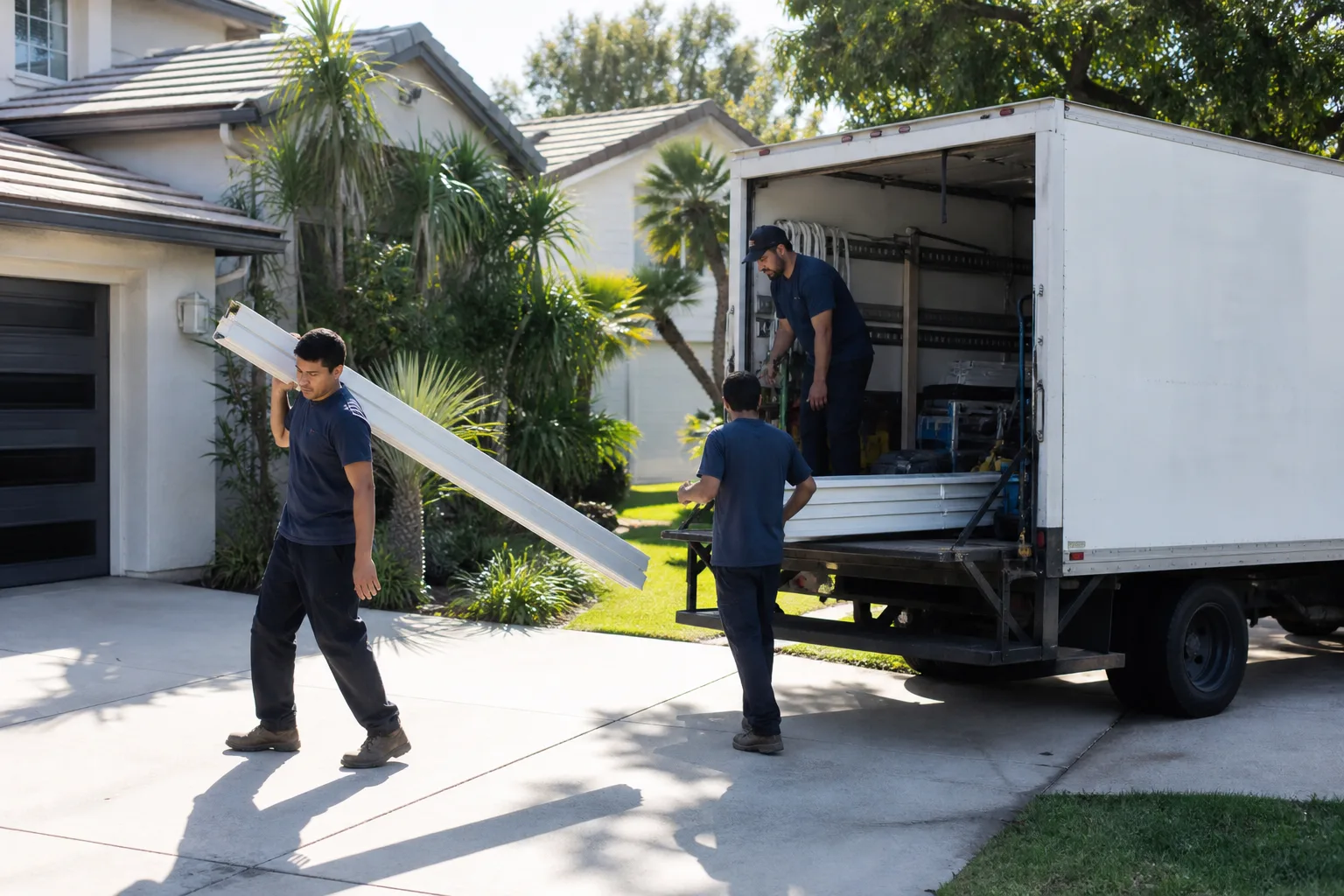
- Day 2 – Digging and setting posts. Post holes get dug to depth, spoils cleared, concrete poured. The crew is done with the visible part by afternoon, but the posts are now curing.
- Days 3 to 5 – Cure window. This is the quiet stretch homeowners find confusing. No crew, no visible progress. The concrete is gaining strength so the posts won’t shift when rails go on. Rushing this is how fences end up leaning. On clay lots, the wait runs longer.
- Day 6 – Rails and framework. Horizontal rails attach to cured posts. This is where the fence starts to look like a fence.
- Day 7 – Pickets or panels and gate. Infill goes up, gate hardware and gate frame install. The fence is now functional.
- Day 8 to 10 – Finishing phase, if applicable. Staining, touch-up paint on metal, site cleanup, haul-away of spoils. This is the phase that gets skipped in optimistic quotes. It’s also the phase that makes the difference between a fence that ages well and one that doesn’t.
Notice the pattern: roughly three to four working days on site, two to three days of curing, and two to three days of finishing. That’s a one-and-a-half-to-two-week active window – on top of the three-to-five-week pre-installation clock. Add them together and you understand why “two weeks” quotes rarely hold. The honest number for a full Newport Beach fence project from contract to finish, with permits and HOA approval, is closer to three to five weeks.
Permits, Property Lines, and HOA Approval in Newport Beach
The permit side of a fence project is where neighbors and city hall both get a vote, and both have calendars.
Property lines. A fence built even a few inches onto a neighbor’s lot is a dispute waiting to happen, and in Newport Beach, where lots are tight and some boundaries date back decades, a survey is worth the cost before a shovel moves. If the survey reveals a discrepancy, that has to be resolved before permits can proceed.
City permits. Fences above six feet, pool barriers, and fences in certain zones require a permit and an inspection. The permit issuance window varies. The inspection phase – after the fence is built, before it’s signed off – is usually quick, but it’s another scheduled item that lives on the calendar.
HOA approval. This is often the longest pole. Architectural committees meet on fixed schedules, want material samples and drawings, and sometimes require neighbor sign-off. A design change mid-review sends you back to the next meeting. We’ve watched a single missed monthly meeting push a Newport Beach project back four weeks.
The time-saving move: submit the HOA package and the city permit application in parallel, not one after the other. Many homeowners are told to wait for one before starting the other, and that sequencing alone adds weeks.
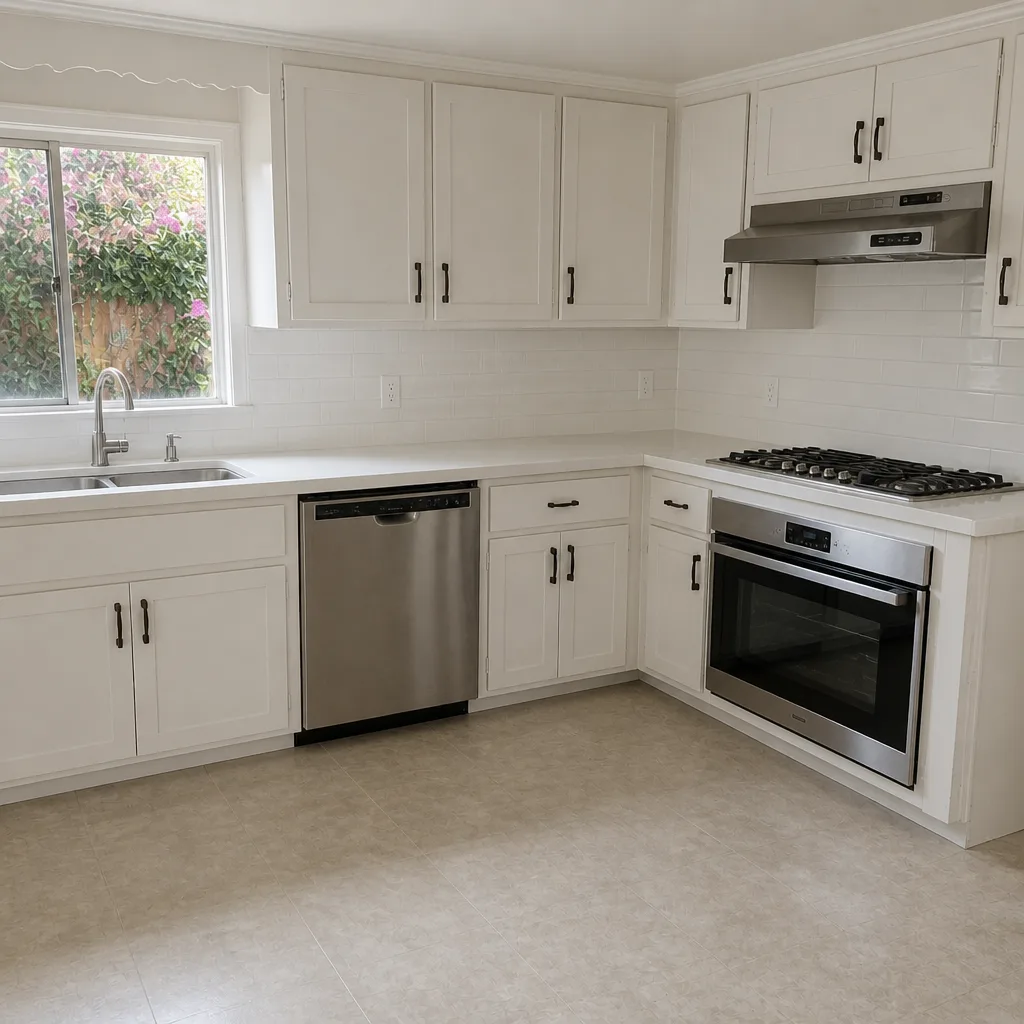
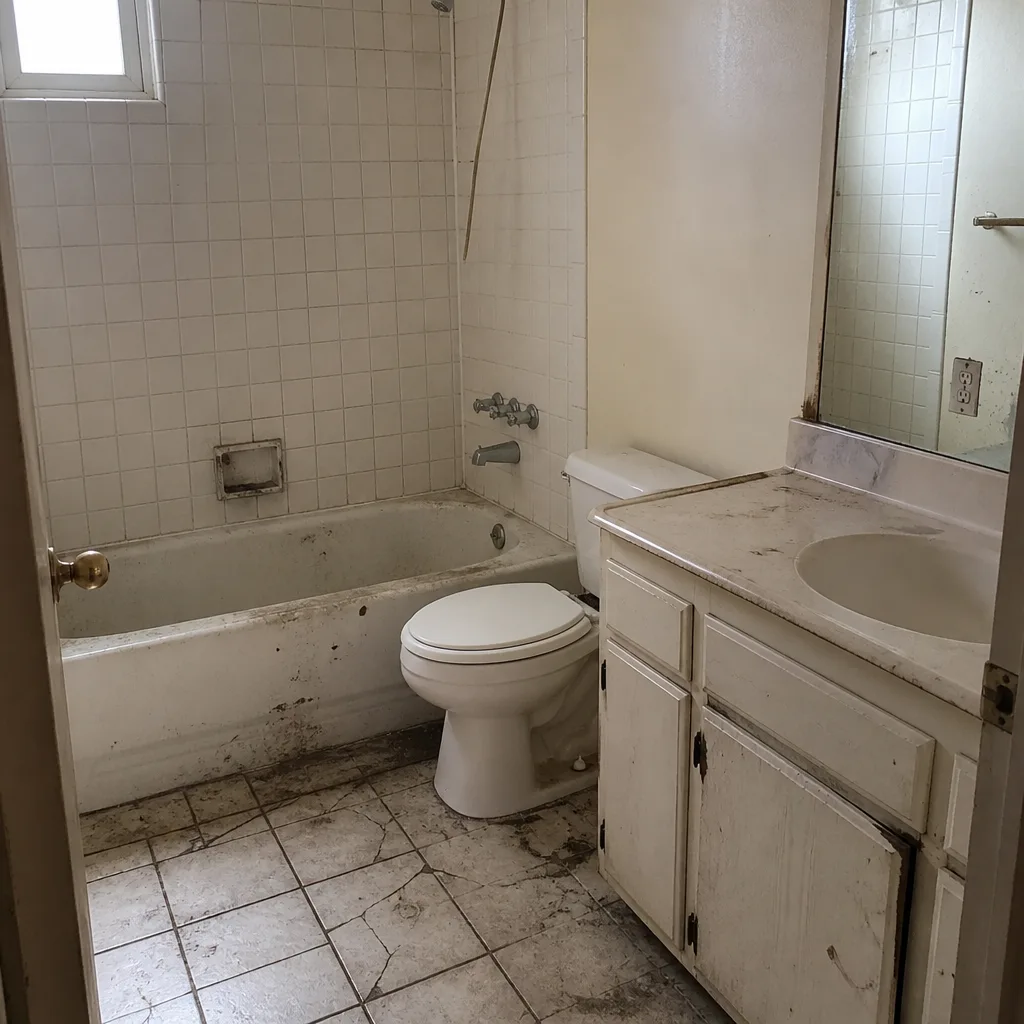
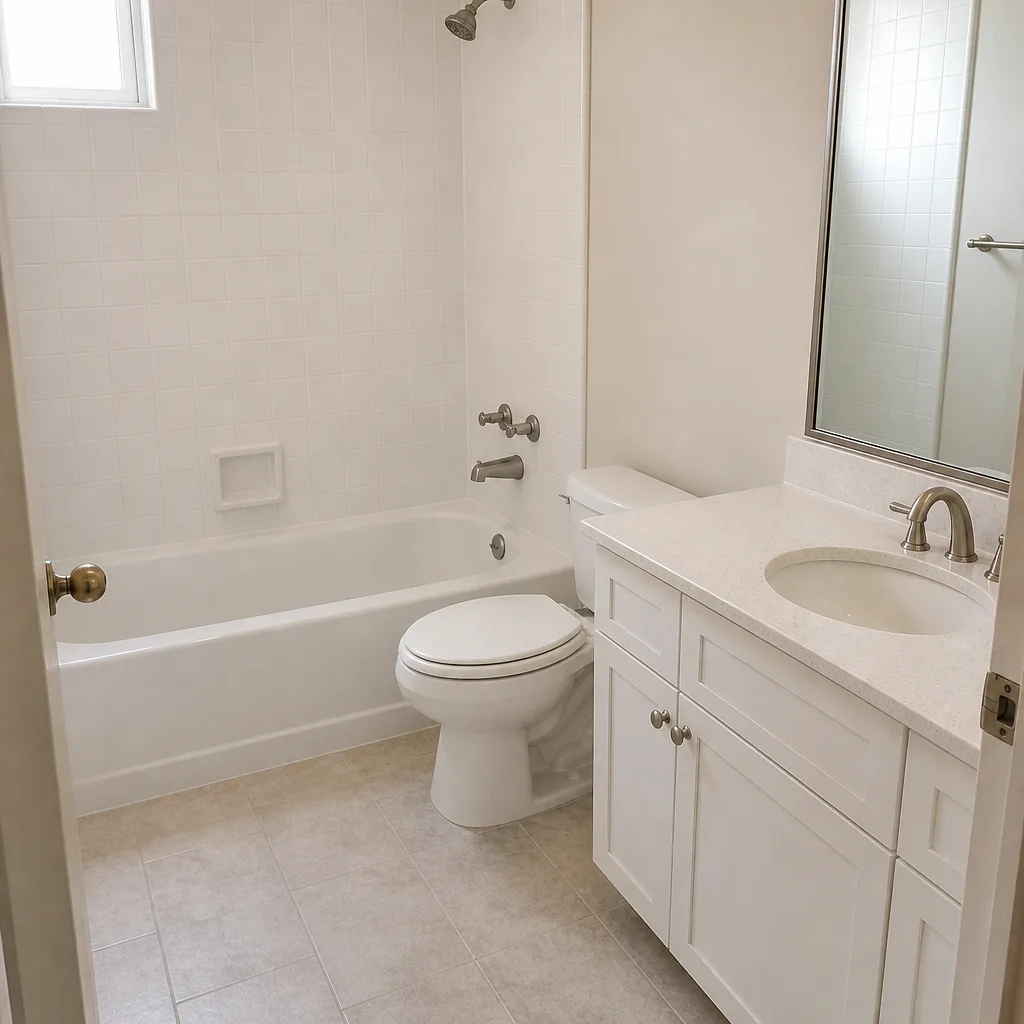
See the difference
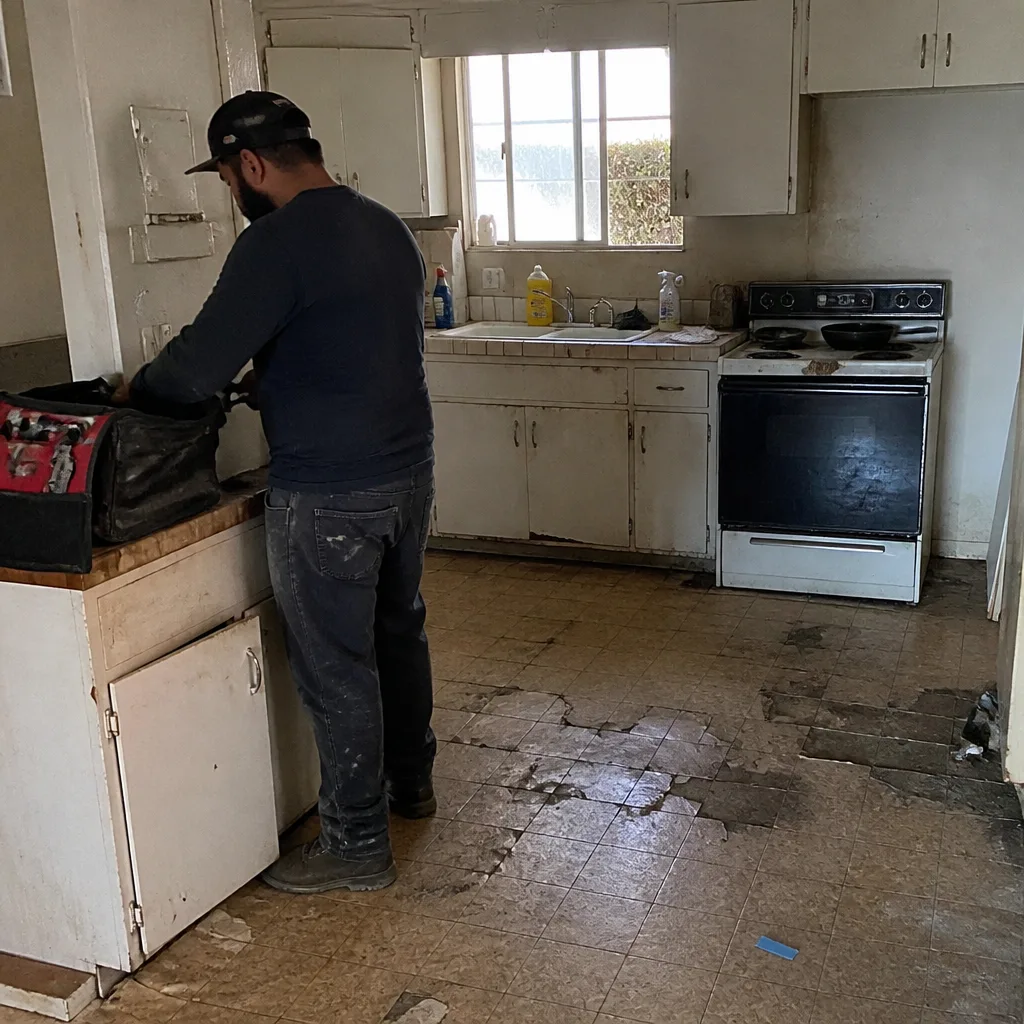 Before
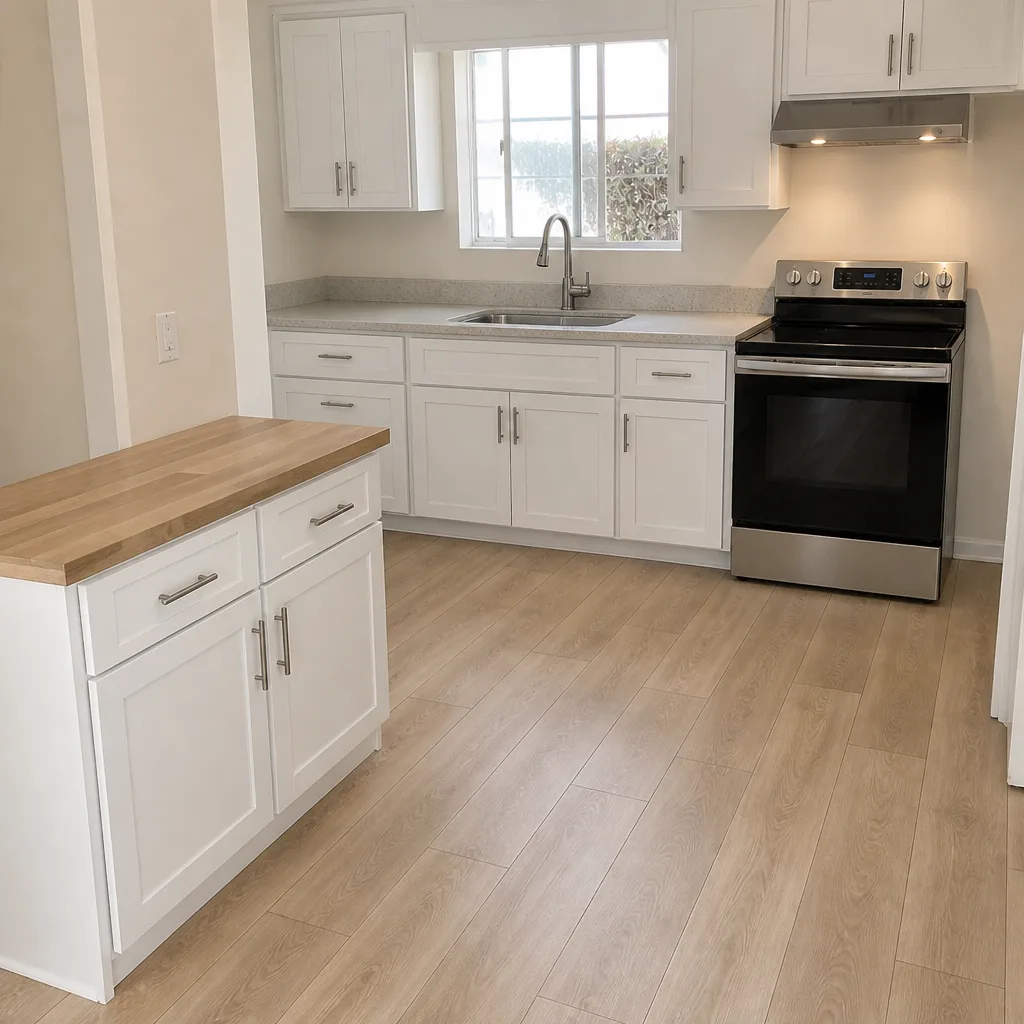 After
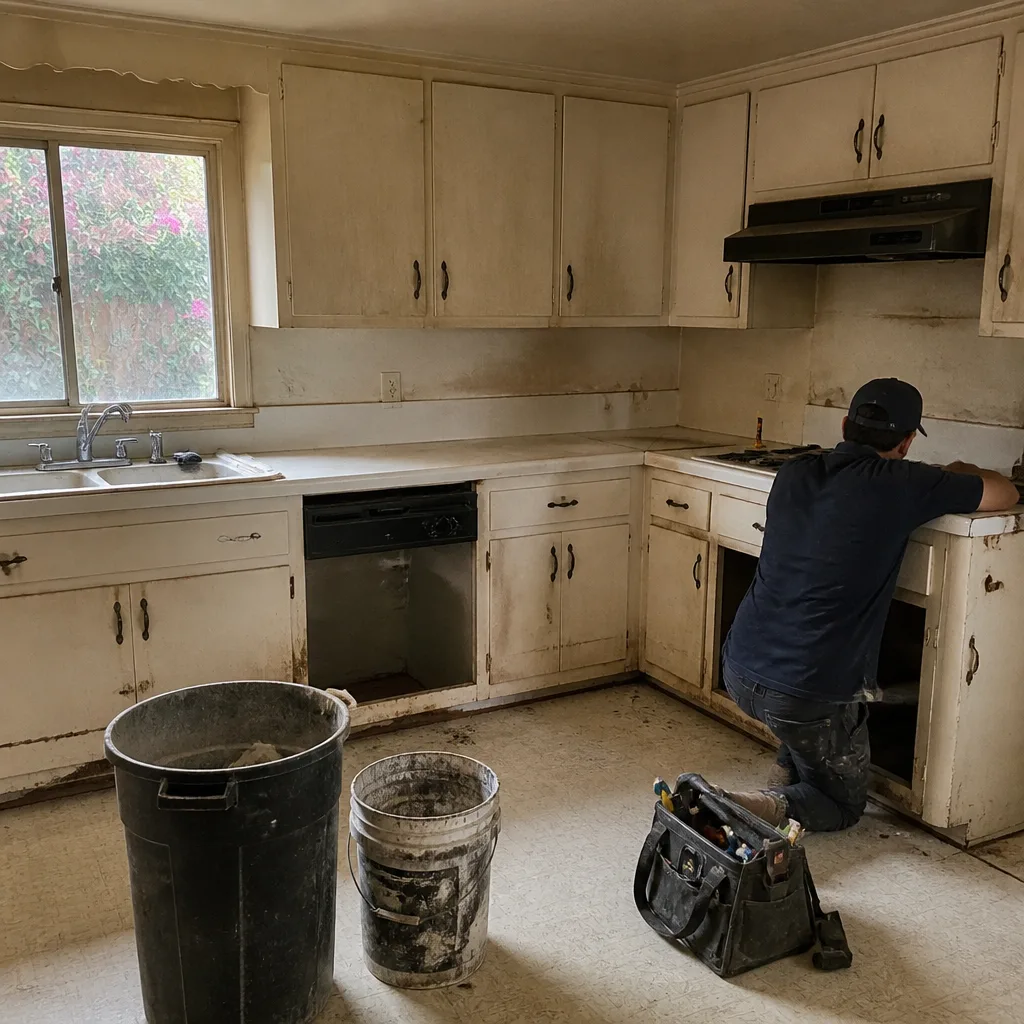 Before
 After
 Before
 After
What Should You Actually Expect on Cost and Timeline Together?
Timeline and budget are two halves of the same conversation, and homeowners who plan both together avoid most of the frustration. Here’s a rough frame for the planning:
- Wood fence, standard lot, permits in hand: three to four weeks total, with three to five active days.
- Vinyl fence, HOA pre-approved: two to four weeks total, with three to four active days.
- Wrought iron, custom fabrication: five to eight weeks total, with five to eight active days and the balance in fabrication lead time and curing.
- Pool barrier, code review required: add two to three weeks for the additional inspection and safety compliance check.
On the money side, up-front pricing means the number at signing is the number you pay – no change-order surprises when the crew hits unexpected clay or a discovered private utility line. That’s how we quote at Fence Installation in Newport Beach, and it’s the reason a slightly higher initial number is often the safer budget than a lowball that gets amended mid-project. For the full scope of what we handle, from fence to hardscape to additions, see Groundwork Construction Co. of Newport Beach home. If your project also involves replacing a run-down driveway or adding a patio to match the fence, our team handles Driveway & Pavers in Newport Beach on the same schedule, so the trades don’t collide.
The budgeting advice that matters: ask for a timeline with each phase broken out, not a single “ready in two weeks” number. A contractor who can’t itemize the phases usually hasn’t planned them.
Common Mistakes to Avoid
- Not checking HOA rules before you fall in love with a fence design. Many Newport Beach communities specify fence height, material, and color, and an unapproved style can force a full rebuild. Read the CC&Rs first, not the fence catalog.
- Skipping the property line survey. On tight Newport Beach lots, a few inches matters. Building on a neighbor’s line – even accidentally – can mean relocation at your cost.
- Calling for the utility locate a day before the dig. The 811 system needs lead time. If you don’t call early, you’re not installing next week.
- Assuming “two weeks” includes permits and HOA. The most common timeline complaint comes from this simple misunderstanding. Ask what’s included in the quoted number.
- Staining wood in direct midday sun or right before rain. Both cause blotching and rework. Schedule stain for a dry, temperate window.
- Rushing post cure time to see progress. Loading rails on uncured concrete is how fences end up leaning within a year. The quiet days are doing important work.
- Assigning the fence to a handyman on a project that needs a permit. Pool barriers in particular carry code requirements a general handyman may not track, and a failed inspection means starting over.
When to Call a Professional
Some fence projects are genuinely easier than they look. A straight run of standard pickets on level ground with permits in hand can go up in a weekend. But call a professional when any of these are true: your fence is a pool barrier, you’re on a sloped or terraced lot, the property line is uncertain, the lot has expansive clay or high groundwater, the fence is in an HOA that requires architectural review, the test pit reveals unexpected utility lines, or the project is part of a larger outdoor build like a new patio or Home Additions & ADU in Newport Beach. In those cases, the cost of a professional is often less than the cost of getting the schedule or the footings wrong. Groundwork Construction Co. of Newport Beach offers free estimates in Newport Beach – call (833) 749-3967 to schedule yours.
Frequently Asked Questions
Three to five weeks from signed contract to finished fence is realistic for a residential project in Newport Beach. Only four to seven of those days are active construction – the rest is permits, utility locates, HOA approval, concrete curing, and finishing. Call (833) 749-3967 for an exact timeline based on your property.
Residential fence pricing in Newport Beach typically ranges by material and linear footage: standard wood fences commonly land in the low-to-mid tens of dollars per linear foot, vinyl runs a bit higher, and custom wrought iron runs highest. A full project on a typical residential lot most often falls in the four-figure-to-low-five-figure range depending on material, gate, and site conditions. Your free estimate will include a line-item breakdown – call (833) 749-3967 to schedule one.
The most common cause is pre-installation delay that wasn’t disclosed: HOA approval, utility locate scheduling, or a private line discovered underground. A fair quote should separate the active construction days from the waiting phases so you can plan around the full window. If a contractor quoted a start date without confirming your HOA and permit status, that’s a red flag.
Yes, HOA approval is frequently the longest pre-installation phase. Many Newport Beach communities – on Balboa Island, in Newport Shores, and across newer tracts – require design submittal and board review, and boards often meet monthly or quarterly. Submit the HOA package early and in parallel with the city permit, not after it, to avoid stacking the two timelines.
Standard guidance is to wait several days before loading posts, and longer on expansive clay lots, which hold moisture longer than sandy soils near the water. On Newport Beach clay, the cure window can run toward the longer side. Rushing this step is the leading cause of leaning fences – the wait is doing real work.
Yes, but winter is the season where weather buffers matter most. Rain during the November-through-March window can wash fresh concrete footings and blotch fresh stain, and a wet clay lot won’t take a post hole until it drains. Dry stretches of spring and fall are the most forgiving windows. Call (833) 749-3967 for a season-by-season read on your specific lot.
The Bottom Line

Fence installation in Newport Beach is less about the fence and more about the four clocks running before ground breaks: utility locates, city permits, HOA approval, and material lead time. Plan three to five weeks from contract to completion, of which roughly one week is active construction and the rest is curing and approvals. The material you choose shifts the schedule as much as the look, and the coastal soil and seasonal weather in Newport Beach make cure times and staining windows worth planning for. Get the estimate on paper, ask for an itemized phase-by-phase timeline, and build in a weather buffer. That’s how this project stays on schedule.
Call Groundwork Construction Co. of Newport Beach at (833) 749-3967 for a free estimate in Newport Beach. We’ll walk your lot, check for the things that stall other schedules, and give you a written timeline with each phase broken out – up-front pricing, no surprises. Every project we take on is covered by our 730-Day Done Right Promise and backed by a portfolio of trusted brand partners across every trade. From foundation to finish line, we plan the schedule around your life, not around what’s convenient for us.
Written by the team at Groundwork Construction Co. of Newport Beach.