Free written scope consultation - allowances, timeline, and change-order rules on paper before a single trade is scheduled
Styles & brands we work with
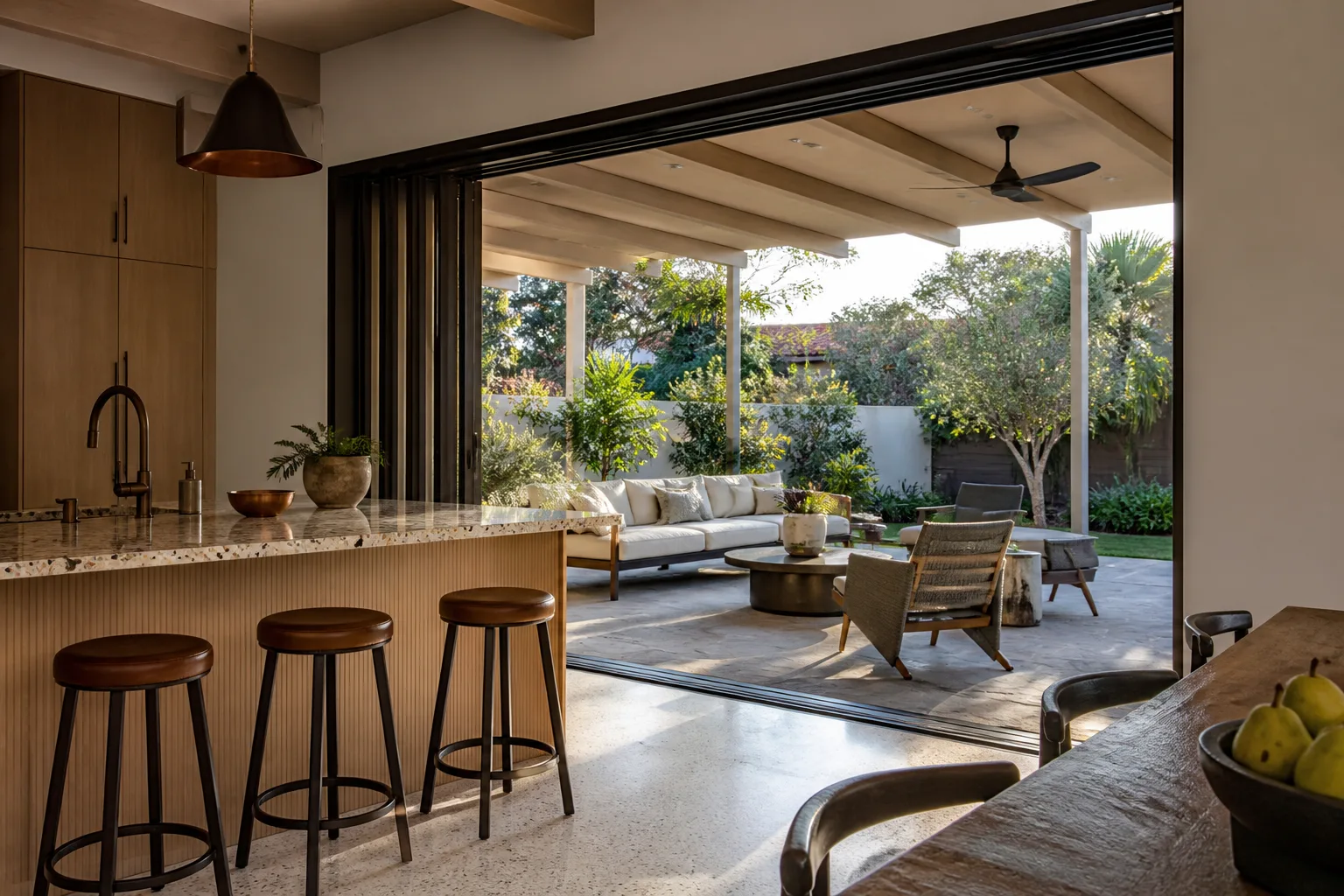
- Kitchen remodeling
- Bathroom remodeling
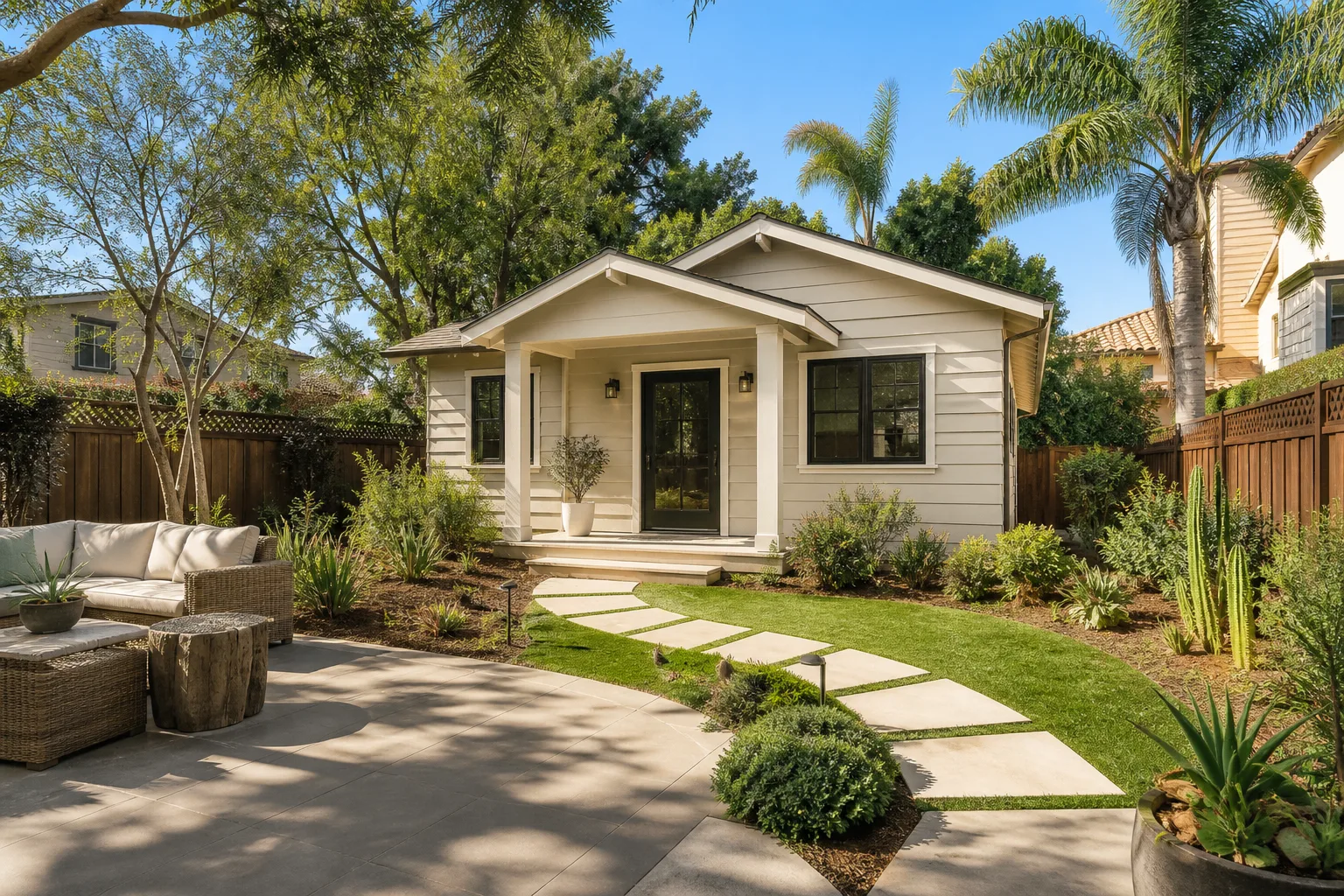
- Home additions & ADU
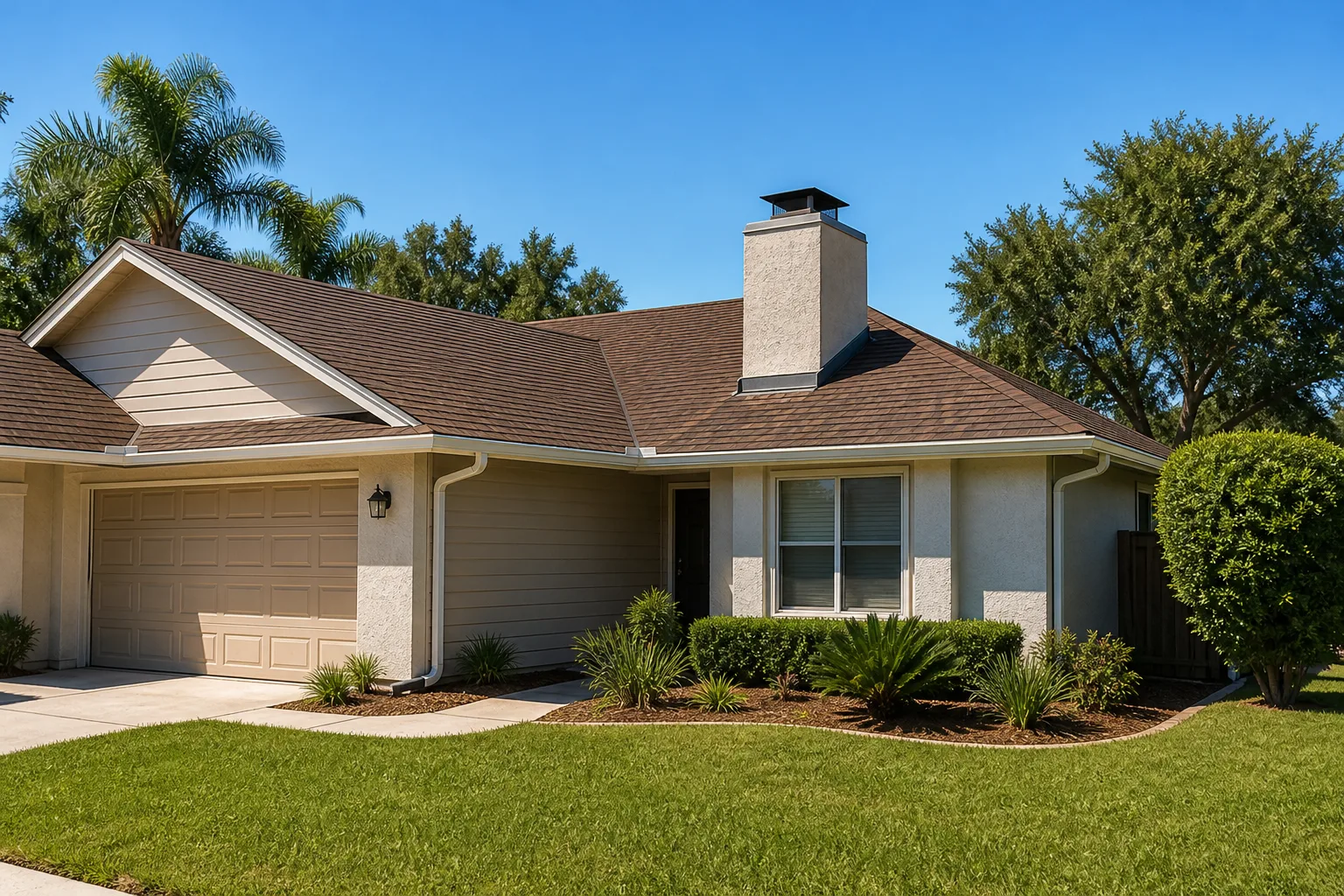
- Roofing
- Windows & doors
- Driveway & pavers
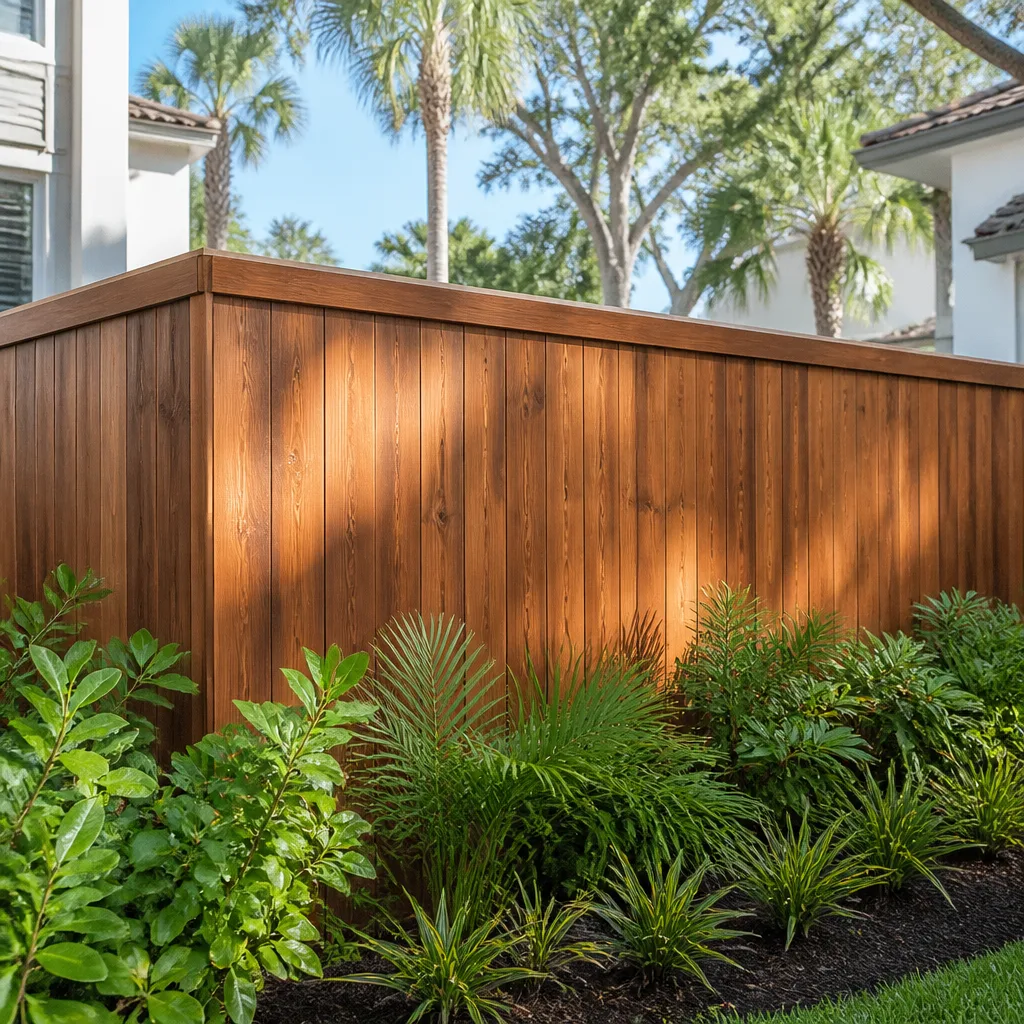
- Fence
See the difference
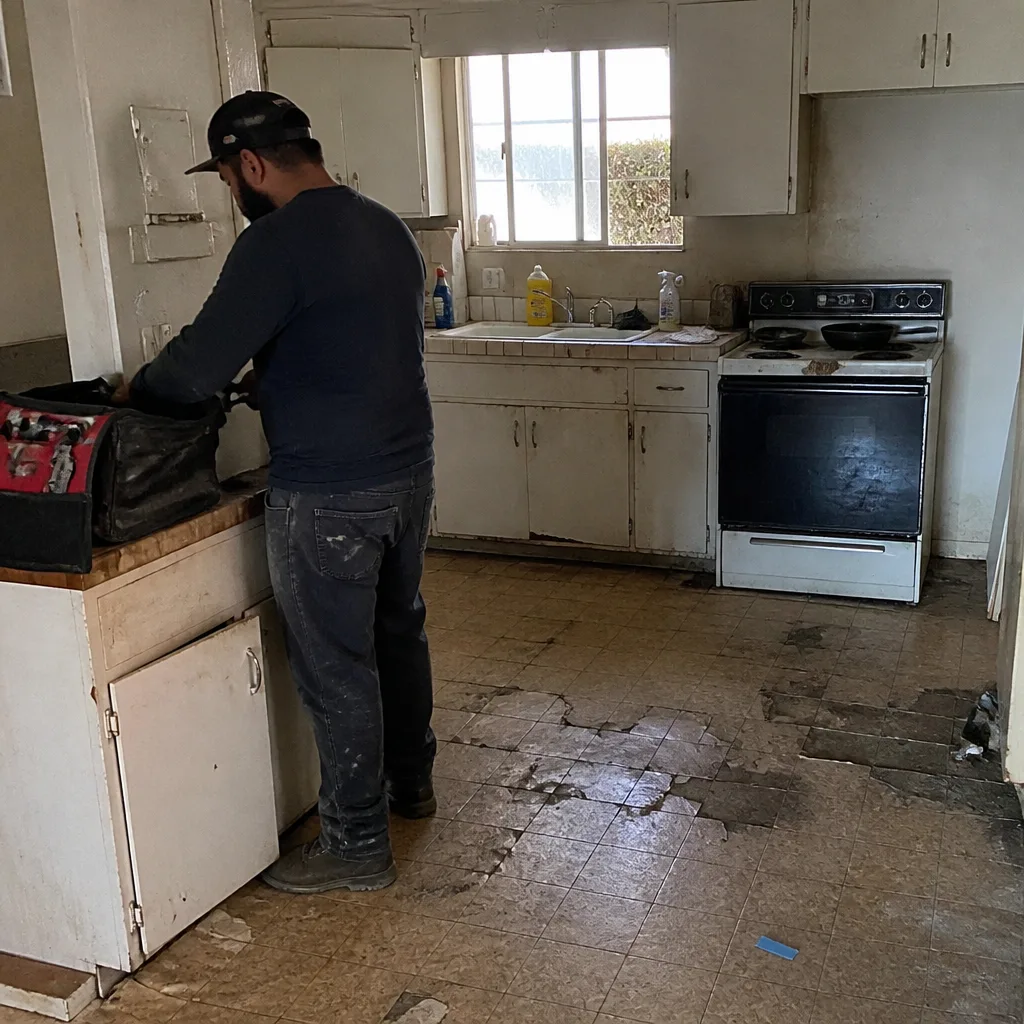 Before
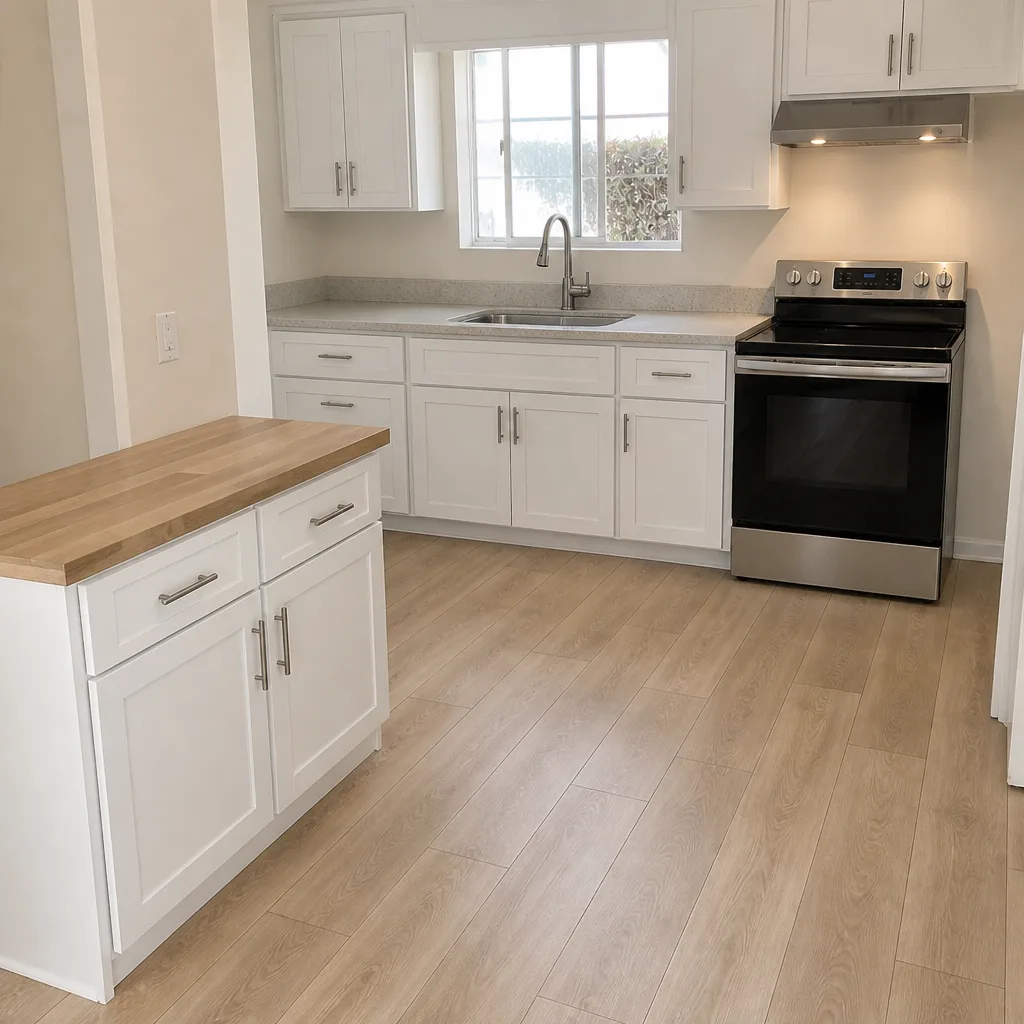 After
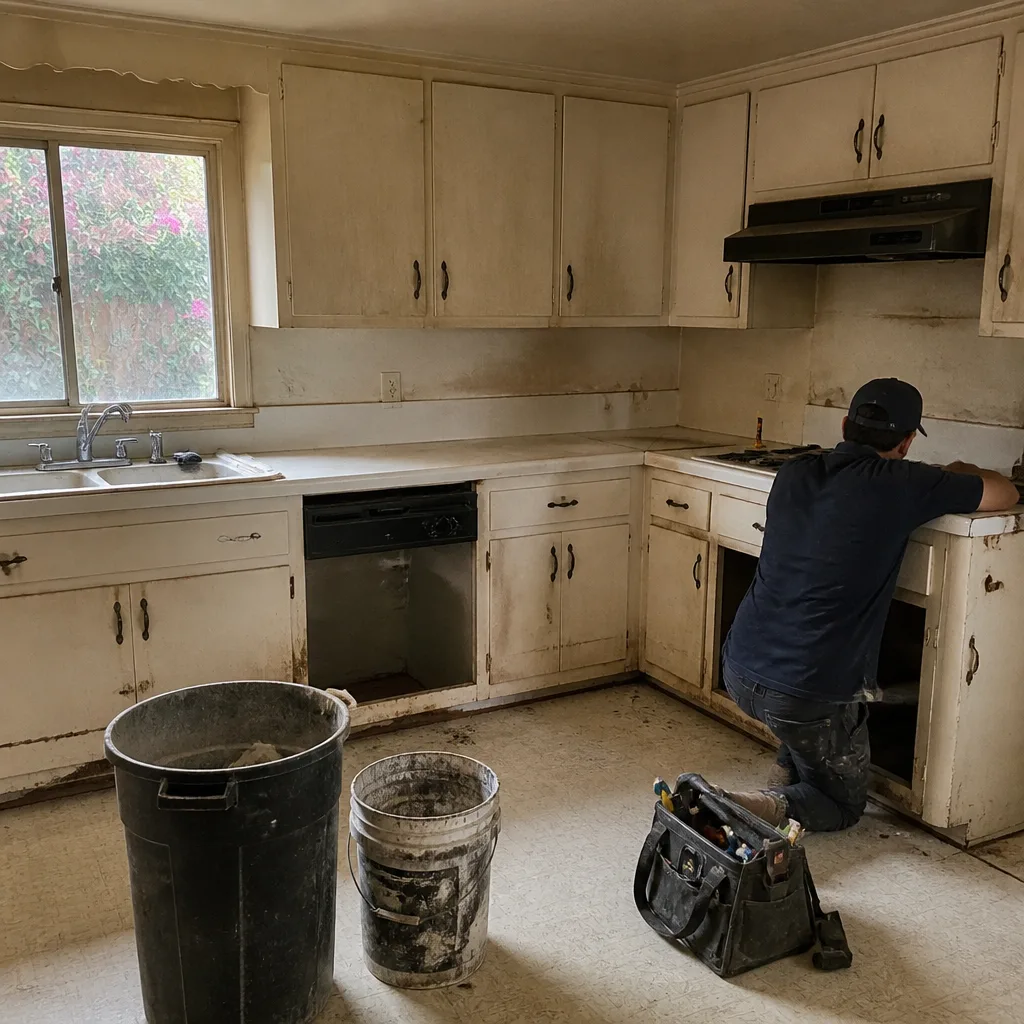 Before
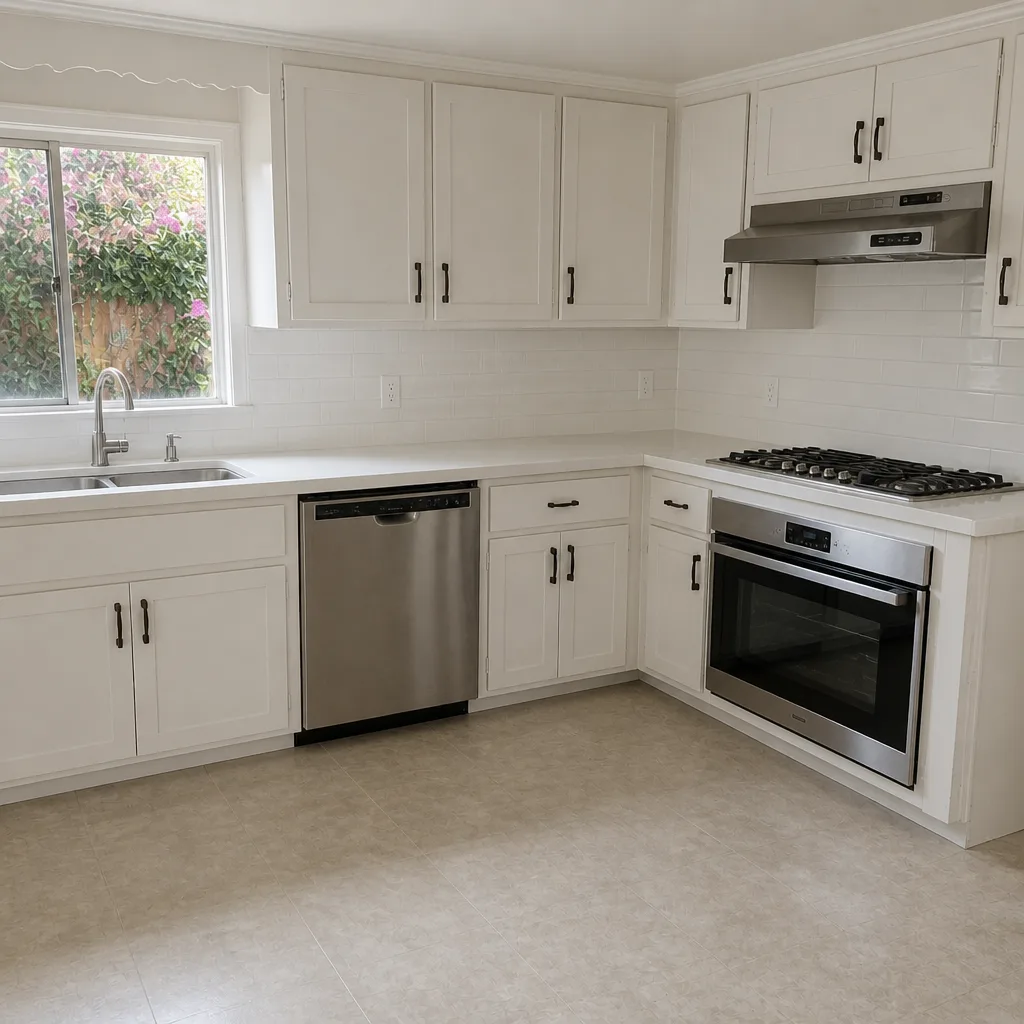 After
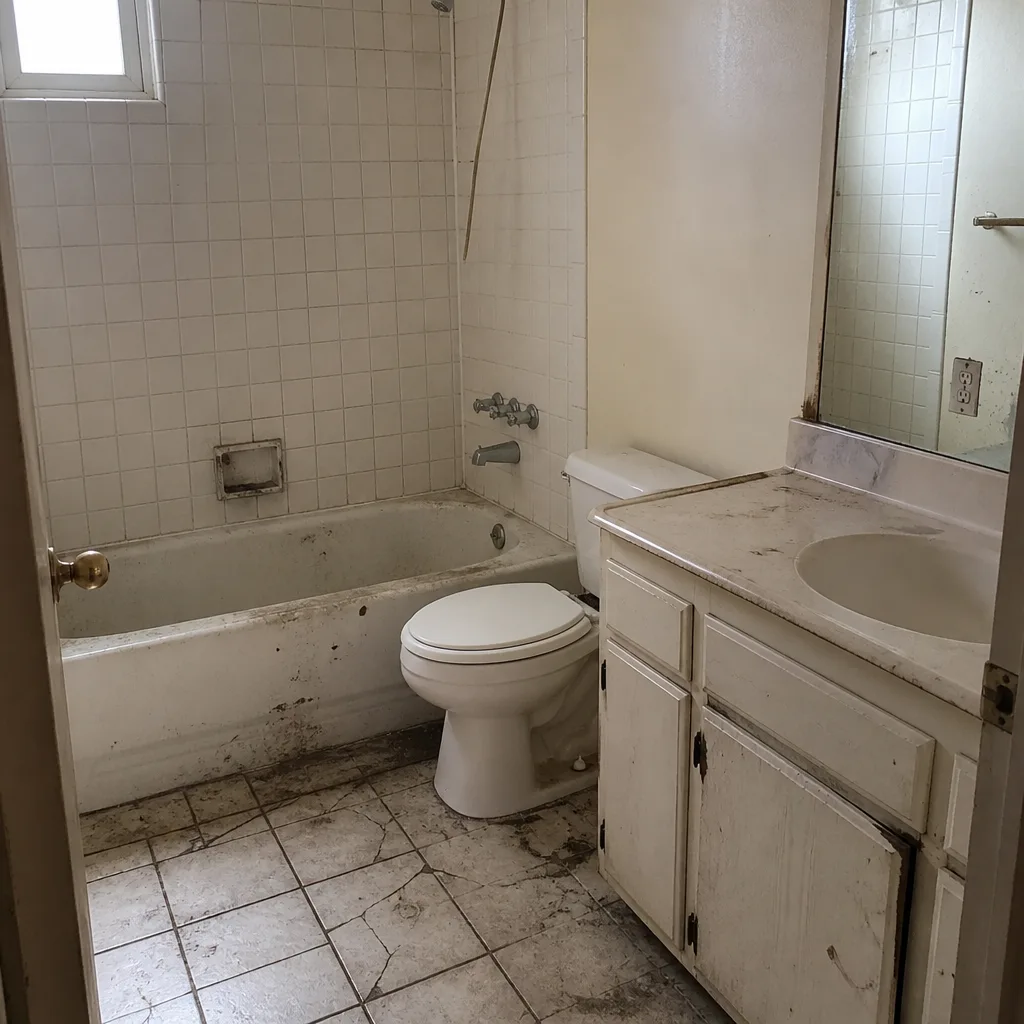 Before
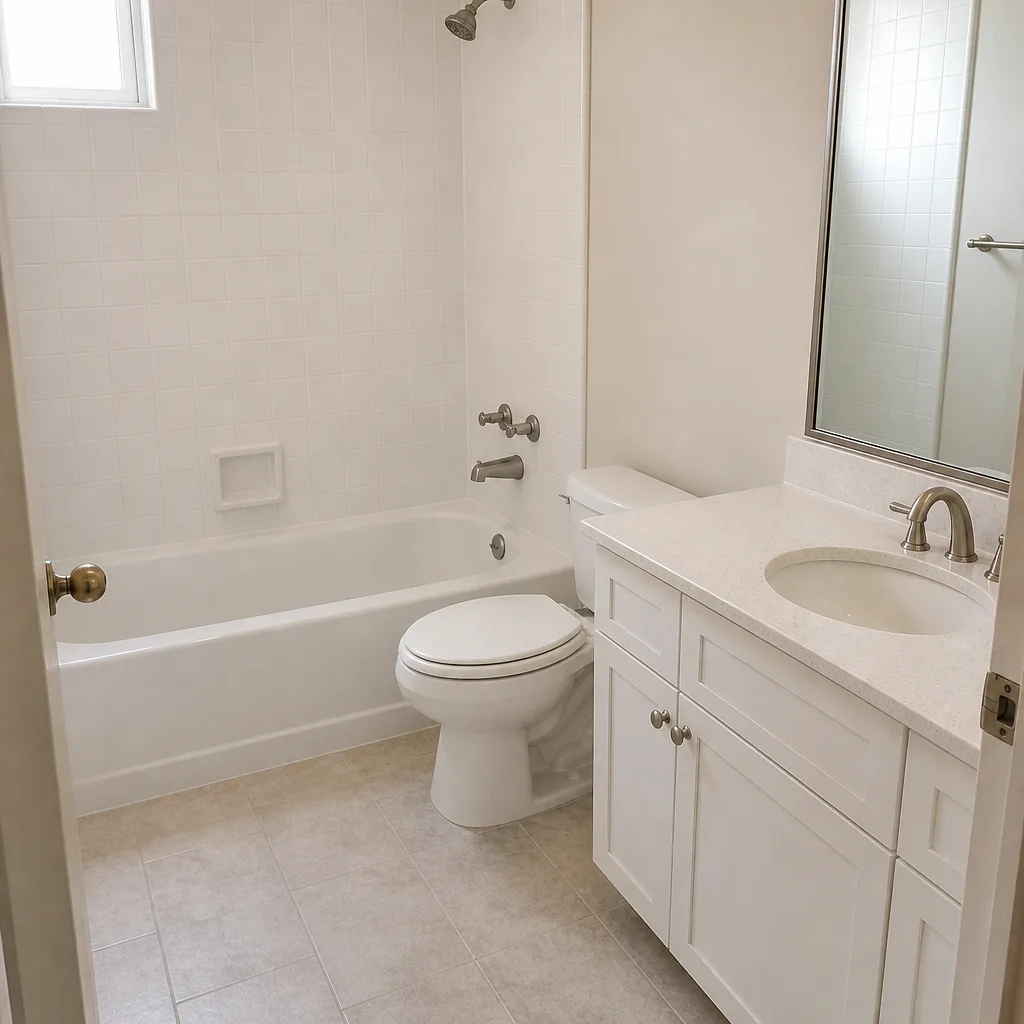 After
Tile vs. Vinyl Plank Kitchen Flooring in Newport Beach: What Coastal Homes Actually Need
Choose porcelain tile unless your kitchen sits on a verified flat, stable subfloor and you’re comfortable replacing the floor in roughly 10 years. In most Newport Beach kitchens built before 1980, and in nearly every Balboa Island cottage on original pilings, luxury vinyl plank is the riskier long game. The material itself isn’t the problem; the floor underneath it is. The subfloor tolerance, marine-layer humidity swings, and 60-year-old framing here are exactly what void most LVP warranties in practice. If you want a straight answer on your specific kitchen, call (833) 749-3967.
Key Takeaways
- Luxury vinyl plank needs a subfloor flat within 3/16 inch per 10 feet. Most Newport Beach 1960s kitchens and virtually all Balboa Island raised-foundation homes exceed that.
- Correcting a subfloor to LVP spec runs $600-$1,800, which erases much of vinyl’s price edge over tile.
- Rectified porcelain tile is dimensionally stable through the daily marine-layer humidity cycle. Floating LVP expands and contracts at its click joints, year after year.
- Tile has a 30-year service life; LVP in a coastal kitchen often gets replaced inside 10. Per year of service, tile costs less here.
Why Vinyl Plank Fails Faster in Newport Beach Than Its Spec Sheet Admits
Luxury vinyl plank looks great in the showroom. In a Balboa Island cottage with an original wood subfloor that has a quarter-inch of variance across 10 feet, it looks great for about one winter before the expansion gaps open up and the clicks start to pop. That isn’t a knock on the product. It’s a mismatch between a floating floor designed for a flat substrate and a house that was framed before anyone was measuring flatness.
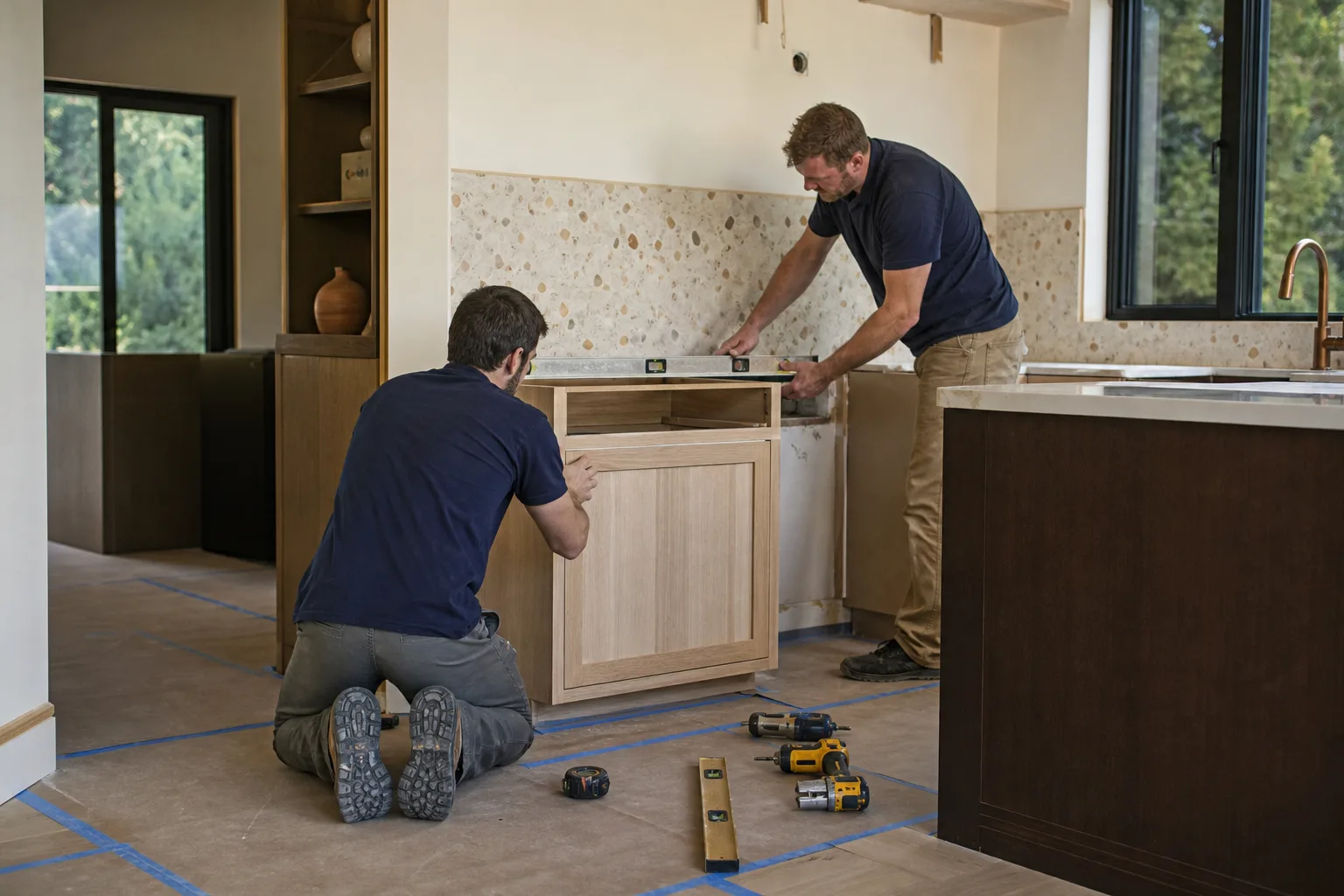
The housing stock here makes this worse than it sounds. On the peninsula’s bay side you’re working with mid-century single-wall construction and 1960s ranch homes, and many of those kitchens have seen three or four floor layers stacked on top of the original structure over the decades. On Balboa Island, many original 1920s-40s cottages still sit on wood pilings that have never been updated. When we pull a base cabinet during a remodel and find deflection in the joists, the floor is coming out and the structure is getting addressed first. Every time.
Even a structurally sound Newport Beach kitchen can fight you. The marine layer rolls in overnight and burns off by early afternoon. That humidity cycle is gentle on paint and brutal on a floating floor’s click joints, because the plank core responds to every swing. Over years, those microscopic movements add up to visible gaps at the seams. Rectified porcelain tile on a properly waterproofed substrate doesn’t care whether it’s 6 AM foggy or 2 PM dry. It moves with the substrate and the structure, not the weather.
Common Scenarios We Walk Into in Newport Beach Kitchens
Every kitchen is different, but the same few situations come up again and again across Newport Beach. Here’s how we approach each:
- Balboa Island cottage, original pilings: We open the floor and find joist rot or sag. Structural repair happens first, then the floor is re-laid. With tile, we can re-install section by section after the repair. A floating LVP floor has to come out entirely and be replaced, which wipes out any savings.
- 1960s peninsula ranch, multiple floor layers: We remove the buildup down to the original subfloor, then either pour a self-leveling compound (we use Quikrete on most of these) or screw down and plane to spec. This is the $600-$1,800 correction that most LVP quotes skip.
- Dover Shores or bayfront home with a mid-century slab: Slab-on-grade kitchens are easier, but salt air corrosion is real. Stainless fasteners and marine-grade grout matter here even on interior tile work.
- Second home or investment property: Owners aren’t always on-site between visits. Tile handles long vacancy and humidity swings far better than a floating floor that can curl if the HVAC is off for a season.
The Real Cost of Each Option in Newport Beach
Luxury vinyl plank installed runs roughly $6-$12 per square foot in this market. Porcelain tile installed runs $12-$22 per square foot. That gap looks decisive until you add the corrections and the replacement math.
| Line Item | Luxury Vinyl Plank | Porcelain Tile |
|---|---|---|
| Material + install (per sq ft) | $6-$12 | $12-$22 |
| Subfloor correction (typical coastal home) | $600-$1,800 (required) | $600-$1,800 (also required, but tile forgives minor residual variance) |
| Expected service life here | ~10 years | ~30 years |
| Behavior through marine-layer cycling | Expansion at click joints over years | Dimensionally stable |
| Re-installable after structural repair | No, full replacement | Yes, section by section |
Put differently: for a 200-square-foot kitchen, tile might run $2,400-$4,400 in material and install, plus correction. LVP might run $1,200-$2,400, plus the same correction. Divide by years of service and tile wins outright in a coastal kitchen. That’s before you count the labor of tear-out in 10 years.
A full Kitchen Remodeling in Newport Beach runs $14,000-$45,000 depending on scope, and the floor choice is part of a bigger conversation about cabinets, counters, and layout. We’ve written more about that on our Kitchen Remodeling in Newport Beach page if you want the broader picture. For a wider look at what we do across the region, see our home page.
Tile Done Wrong in a Coastal Kitchen Fails Too. Here’s How We Prevent It.
Tile isn’t automatically the right call just because it’s tile. Insufficient thinset coverage, no movement joints at the perimeter walls, and skipping the waterproofing membrane are the three ways tile jobs fail in coastal thermal cycling. When the structure moves and the tile is locked tight against the wall with no room to move, it tents. When thinset coverage is under 80%, you get hollow spots and cracked grout within a season.
Our technicians have up to 12 years of experience with these installs, and they’re background-checked and arrive in uniform. That’s not a marketing line; it matters for the kind of floor work you’re trusting someone to do in your home. Our tile work is covered for two years on adhesion and grout integrity under our 730-Day Done Right Promise, which is one of the longest workmanship guarantees in the residential construction space. If it’s not done right, we make it right. That commitment is the single biggest thing that changes the risk math between tile and LVP.
Newport Beach’s permitting environment adds another layer. The Coastal Commission’s development conditions and the city’s Bayfront and Oceanfront zoning overlays can trigger design review even for what feels like an interior kitchen project, especially when structural work is involved. We handle those conversations, so you’re not the one translating a coastal erosion study into a floor schedule. Live person on the other end of the phone, 24 hours a day, when something comes up.
Pricing is upfront. The number you see is the number you pay. And on projects over $10,000, we take $1,000 off, with 0% financing for 18 months available so a full kitchen overhaul doesn’t have to wait. The numbers come from real material partners like Quikrete for substrate work and the tile suppliers we trust for coastal kitchens.
FAQs
Porcelain tile is the better choice for most Newport Beach kitchens because the local housing stock and marine-layer humidity cycle are exactly the conditions that stress a floating LVP floor. Tile is dimensionally stable, lasts about 30 years, and can be re-installed section by section after structural repairs common in older peninsula and Balboa Island homes. Call (833) 749-3967 for an assessment on your specific kitchen.
Installed, luxury vinyl plank runs $6-$12 per square foot and porcelain tile runs $12-$22 per square foot in this market. Add subfloor correction at $600-$1,800 for either, since most local homes exceed the 3/16-inch-per-10-foot flatness tolerance LVP requires. Over a 30-year horizon, tile costs less per year of service. Call for a free estimate and design consult.
Manufacturers vary, but most LVP warranties require installation over a subfloor that meets flatness spec, and many won’t cover damage from substrate movement or excessive relative humidity swings. Newport Beach’s daily marine-layer cycling is exactly the kind of humidity stress those clauses were written for. Our team can read the fine print on the product you’re considering before you commit.
Yes. Structural repair always comes first, then flooring. With tile, we re-install floor section by section after the work. A floating LVP floor has to come out entirely and be replaced, which is one of the reasons tile is often cheaper long-term on Balboa Island. Reach us 24/7 for a no-pressure walkthrough.
If you’d rather have it looked at, Groundwork Construction Co. of Newport Beach offers a no-pressure assessment in Newport Beach. Call (833) 749-3967 for a free estimate and honest recommendation on tile, vinyl plank, or something else entirely.
Written by the team at Groundwork Construction Co. of Newport Beach, serving Newport Beach, CA.