

Free written scope consultation - allowances, timeline, and change-order rules on paper before a single trade is scheduled
Styles & brands we work with
- Kitchen remodeling
- Bathroom remodeling
- Home additions & ADU
- Roofing
- Windows & doors
- Driveway & pavers
- Fence
See the difference
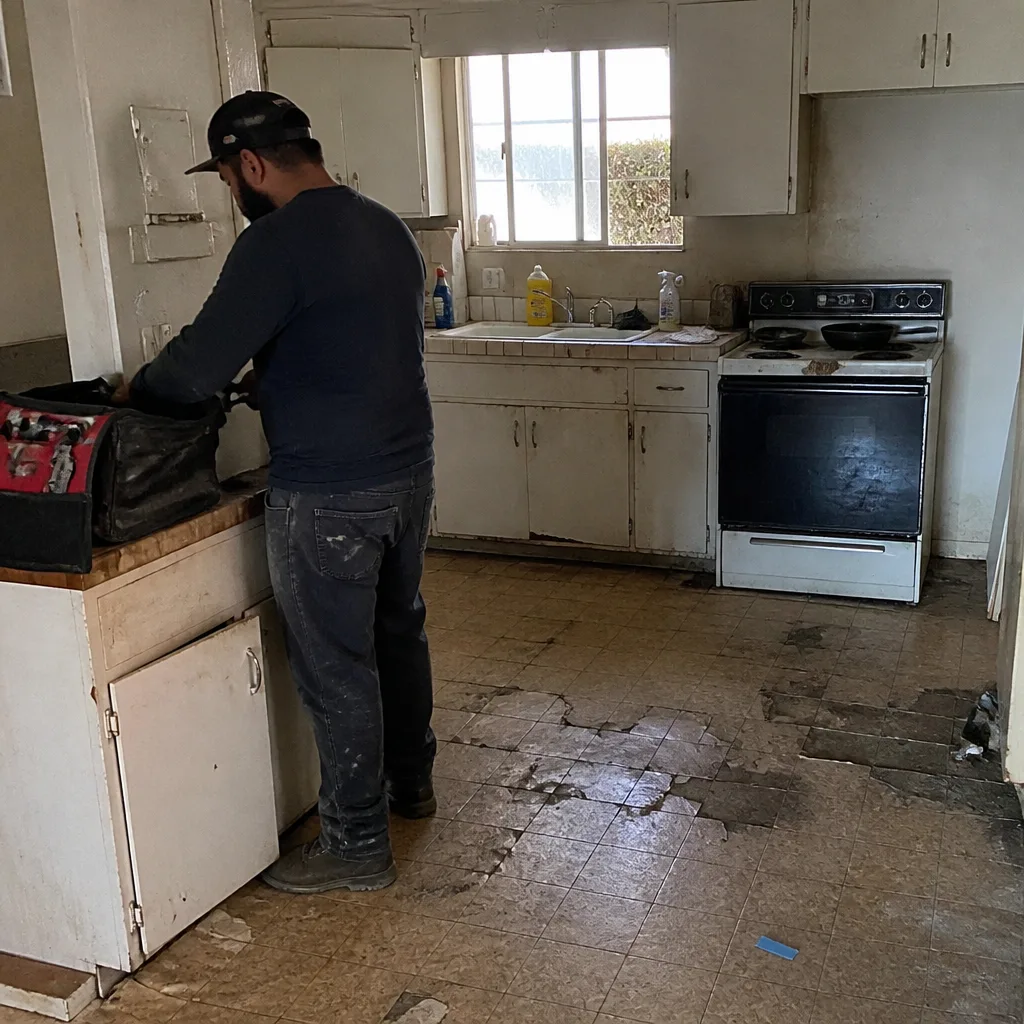 Before
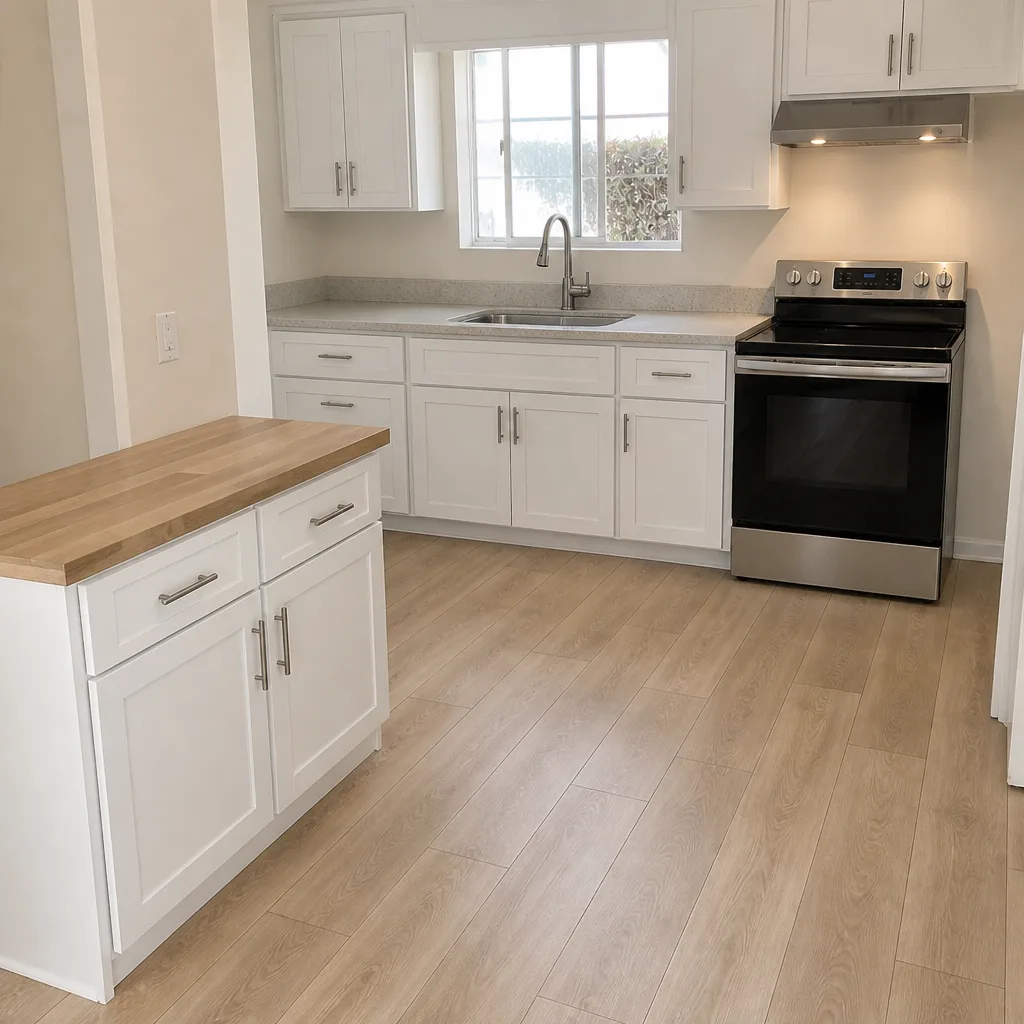 After
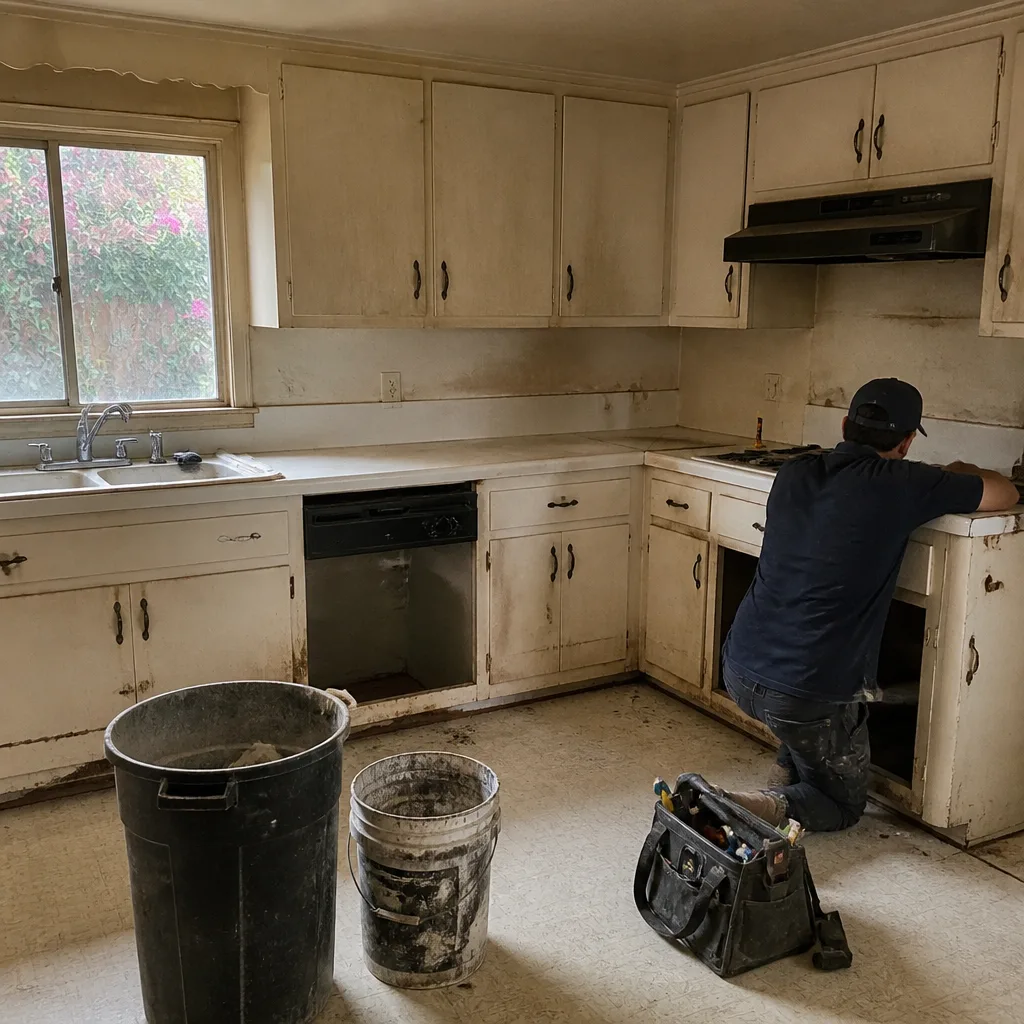 Before
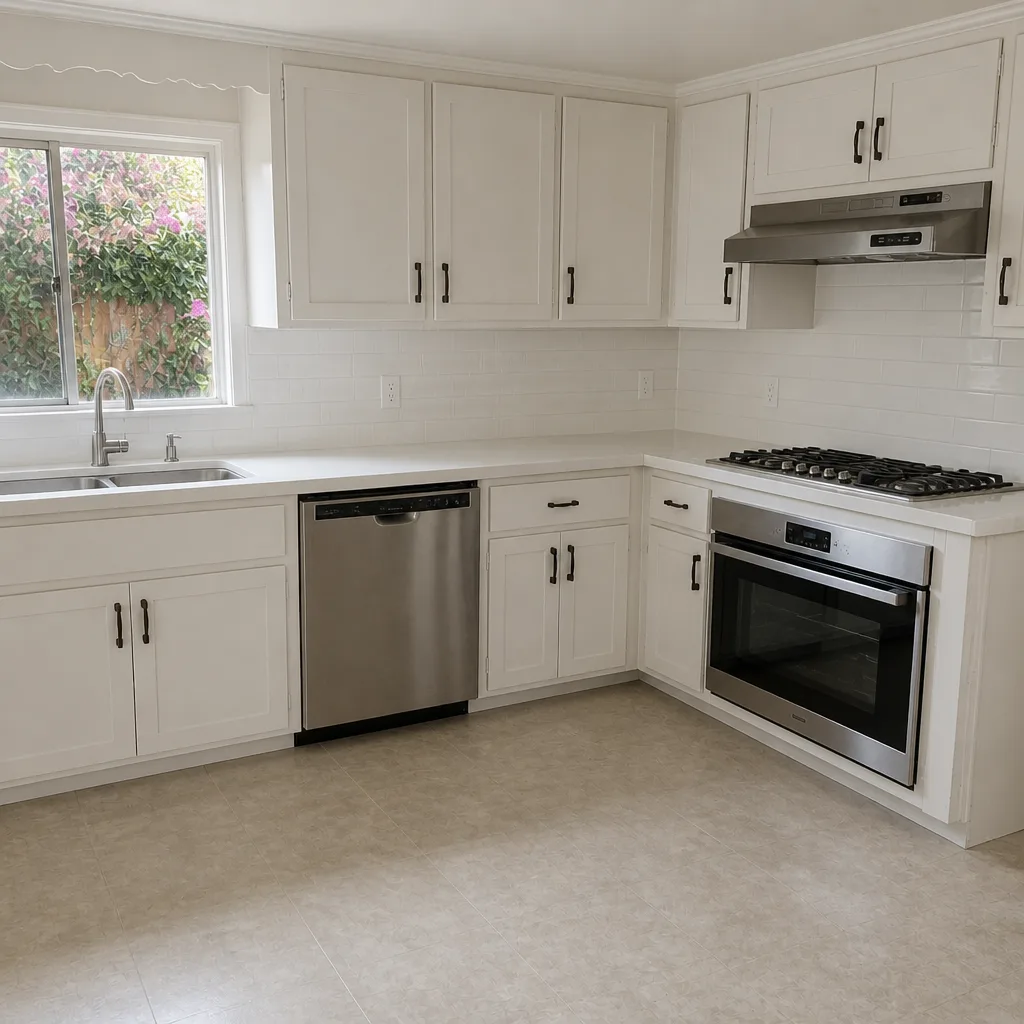 After
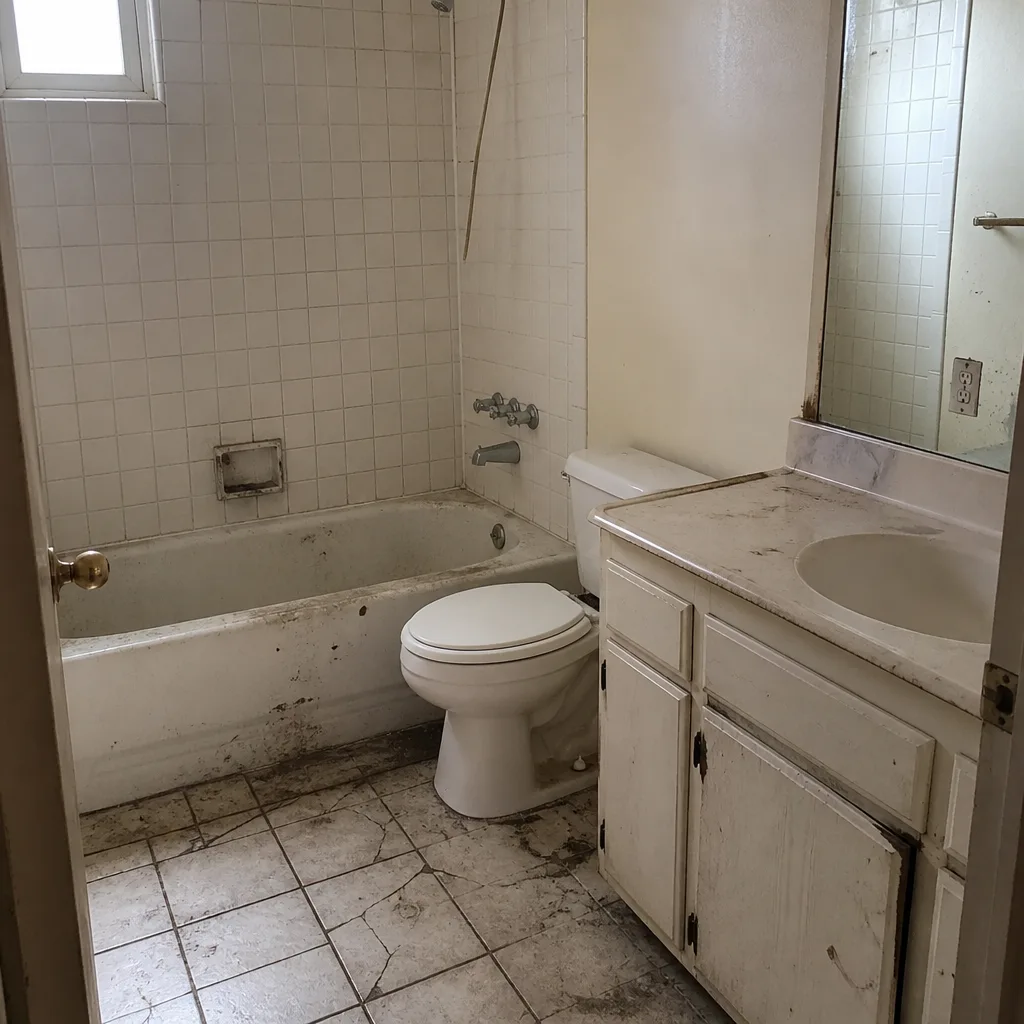 Before
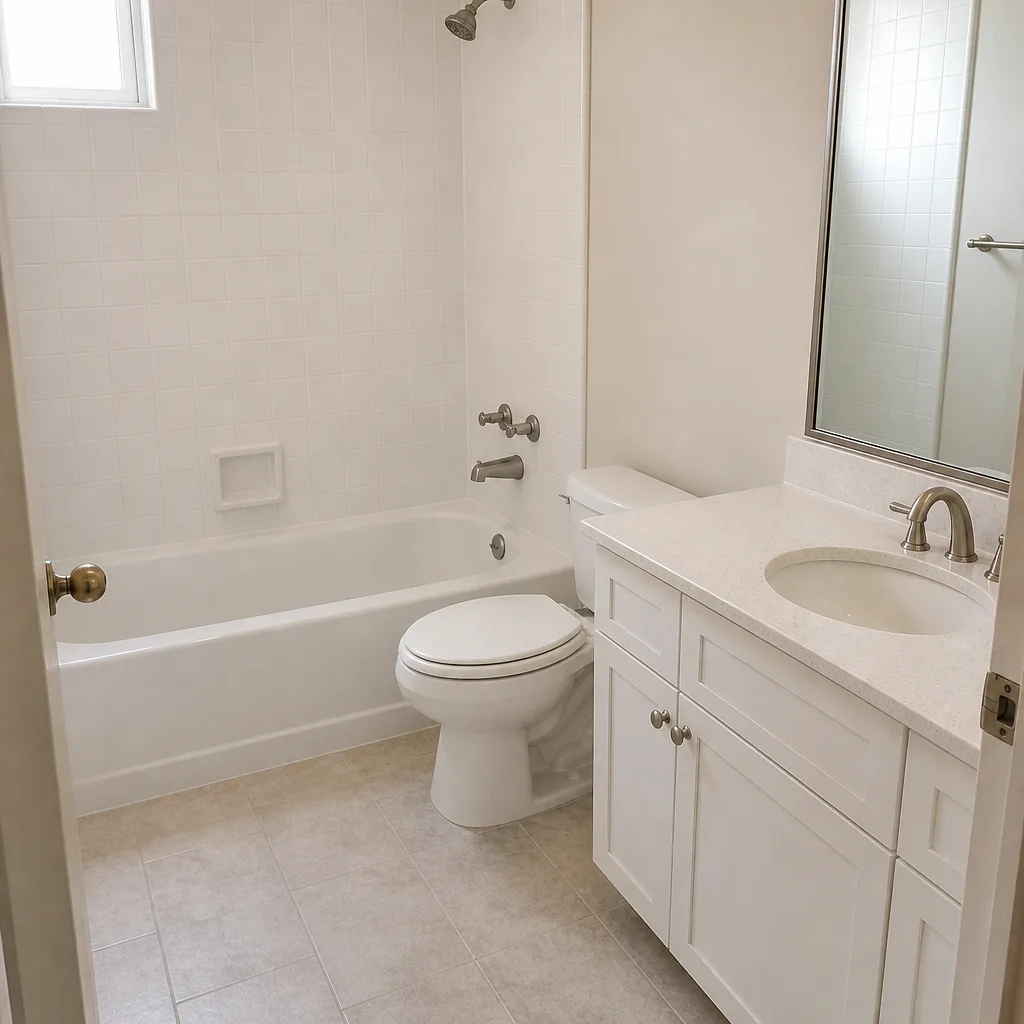 After
How to Fix a Leaning Fence Post in Newport Beach, CA: What Actually Holds
The short answer: a leaning fence post is fixed by excavating the failed footing, correcting the cause of the lean (saturated soil, rotted wood, or a corroded base bracket), and re-setting the post in properly mixed concrete with a footing deep enough to bear load. In Newport Beach, the cause matters more than the method, because bayfront soils rarely fail the way inland soils do. Renting a post pounder and pouring dry fast-set mix can move the problem underground instead of solving it. Call (833) 749-3967 if you want a pro to look before you dig.
Here’s the part most DIY guides skip. On Balboa Island and Lido Isle in particular, the upper 18 inches of soil carry high clay and organic content. Dry, it holds. Saturated by tidal influence and irrigation runoff, it loses bearing capacity, and a post set in that layer will lean again within one season no matter how carefully you re-plumb it.
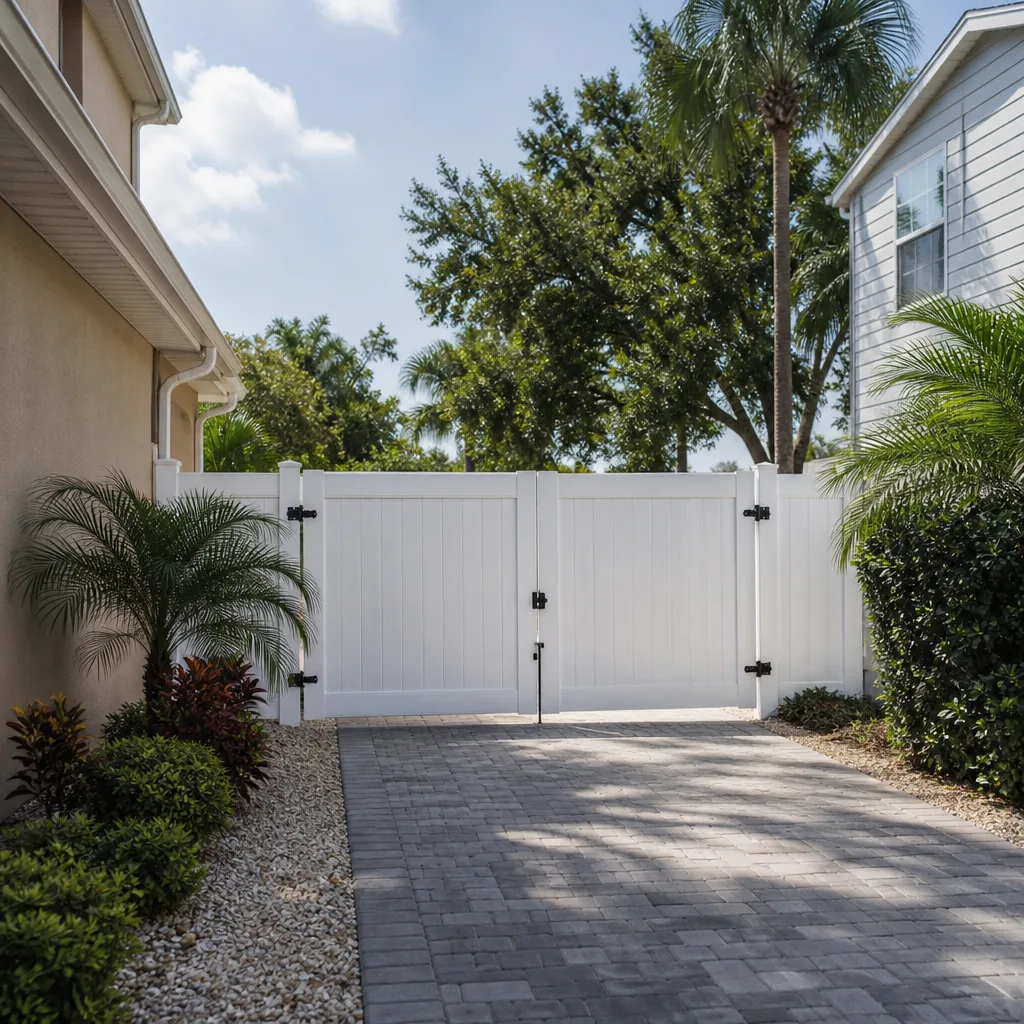
Why Newport Beach Fence Posts Lean Differently
We handle a lot of fence work around the peninsula, and the pattern is consistent. A post that leans inland, on a property in Dover Shores or along the bay side of the peninsula, usually has one of three things going on:
- Soil saturation. High-clay upper soils lose bearing strength when wet. The post doesn’t break, it tips, because the soil around the footing has gone soft and the concrete collar is no longer gripping anything solid.
- Rotted wood at grade. Moisture wicks up the post faster in coastal air. The below-grade section rots before the visible section shows any sign, and the post folds at grade.
- Corroded base hardware. This is the failure point nobody writes about. Salt air corrodes the post base bracket even when the footing is perfectly sound. Once the bracket fails, the post leans without the concrete ever moving.
The housing stock complicates this. Newport Beach ranges from mid-century post-and-beam homes and 1960s ranch houses on the bay side of the peninsula to custom Mediterranean estates in Dover Shores and on the ocean side, and a lot of these properties are second homes. That matters for fence work because a fence that doesn’t get eyeballed for months can rot, corrode, and lean well past the point of a simple re-set before anyone notices.
The Balboa Island Problem: When a Leaning Post Is a Foundation Warning
On Balboa Island, digging out a failed fence post footing can expose the original 1920s-40s wood pilings the cottage rests on. Those pilings have often never been updated. Disturbing them without an assessment can turn a $400 fence repair into a foundation emergency, which is exactly the kind of discovery that should make you slow down before you start swinging a shovel.
This isn’t hypothetical. Contractors on the island regularly find that what looks like a cosmetic issue traces back to compromised pilings. The same thing happens inside the house during a kitchen remodel, when the structure turns out to need re-piling before the first cabinet can be hung. If your fence sits anywhere near the footprint of an original island cottage, treat the footing excavation as a possible window into structure you can’t see. That’s a call for a contractor who knows what they’re looking at, not a bag of concrete from the hardware store.
If you’re comparing repair against replacement, the honest answer at this point is that you need eyes on the soil and the pilings first. Our Fence Installation team handles that assessment before any work is scheduled.

What a Correct Fix Looks Like (and What It Costs in Newport Beach)
The standard DIY method, pouring fast-set concrete dry into the hole, is inadequate in saturated coastal soils. Water infiltration prevents proper cure. Concrete mixed to the right consistency and poured wet around a footing that reaches below the soft upper layer is what actually holds. Add a wider concrete collar at grade so the post resists tipping in wet soil, and use Type 316 stainless steel for every post base bracket and fastener. Type 316 isn’t an optional upgrade on the coast; regular galvanized hardware corrodes within a few seasons in salt air.
Here’s what repair and replacement run in Newport Beach, based on the work we do:
| Scope | Typical Range |
|---|---|
| Single post re-set with new footing and concrete collar | $350-$900 per post |
| Base bracket and hardware replacement (Type 316) | $150-$400 per post |
| Partial fence section repair (2-4 posts) | $1,200-$3,500 |
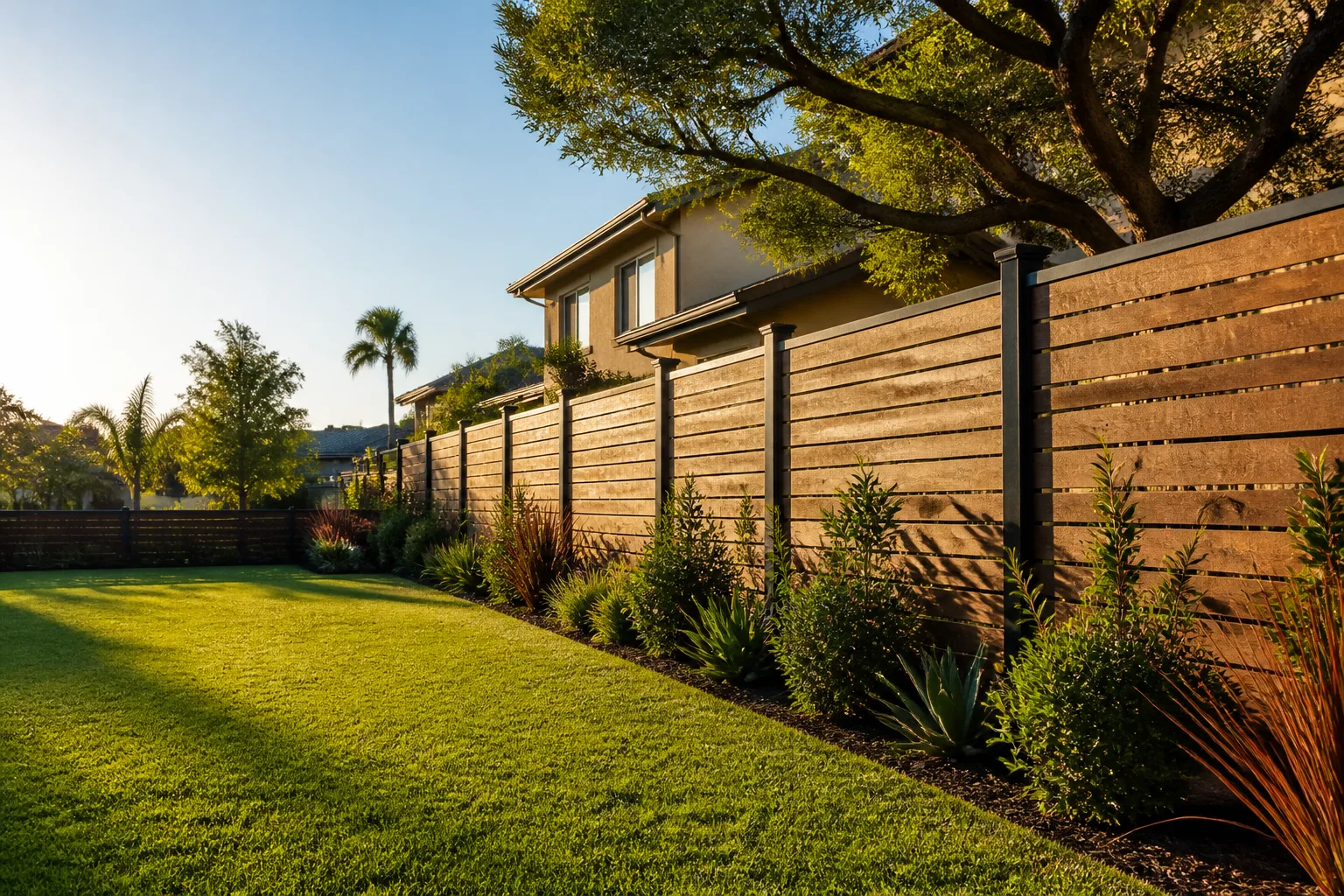
| Full vinyl fence replacement | $3,500-$9,000 |
| Full aluminum fence replacement | $4,000-$10,000 |
If the lean is widespread across multiple posts, that pattern points to a systemic drainage or soil issue. No post-by-post fix resolves that, and we’ll tell you so. Repair is the honest answer for one or two posts. When half the fence is tipping, re-installation with proper footings and drainage is.
How to Tell Whether You Can Fix It Yourself
One post, sound wood, no visible rot at grade, and the footing still intact? You can probably handle it. Here’s the order that works:
- Trench around the post and dig down to the footing. If the concrete is cracked or the post is spongy, you’re replacing, not re-setting.
- Check the base bracket. Rusted-through metal means the footing may be fine and the lean is all hardware. Replace with Type 316 stainless.
- If the footing has to come out, widen the hole, remove loose soil, and set the post plumb with proper bracing before you mix.
- Mix the concrete wet to the right consistency and pour. Don’t dump dry mix and water it after. Bracing stays until the concrete sets.
If the post sits near an original island piling structure, or you’re seeing the lean across three or more posts, stop and get it assessed. That’s the dangerous case, and it’s the one where an expert with eyes on the ground saves you money. Our technicians bring up to 12 years of experience, and every job is backed by the 730-Day Done Right Promise: if it’s not done right, we make it right.
Contact us first for a no-pressure assessment. Calls are answered by a live person, 24/7, with no voicemail. For a deeper look at how we handle fence work across the city, see Fence Installation in Newport Beach.
FAQs
A single post re-set in Newport Beach typically runs $350-$900, and full fence replacement runs $3,500-$9,000 for vinyl or $4,000-$10,000 for aluminum. Bayfront properties can cost more if footings reach deeper or piling issues turn up. Call (833) 749-3967 for an exact quote, which is free.
Only if the footing is intact and the soil around it isn’t saturated. In Newport Beach’s bayfront areas, dry fast-set concrete in high-clay soil is the wrong method because water infiltration prevents a proper cure. The post leans again within a season if the cause isn’t addressed.
Repeated leaning usually means a drainage problem or a footing that doesn’t reach below the soft upper soil layer, not a bad repair. Widespread lean across several posts is a systemic issue. Call us to look at the grading and soil before you spend on another fix.
Not without knowing what’s under it. Balboa Island cottages often sit on original 1920s-40s wood pilings, and footing excavation can expose or disturb them. Get an assessment first, because disturbing pilings can turn a fence repair into a foundation problem.
Get It Assessed Before You Dig
If you’d rather have it looked at, Groundwork Construction Co. of Newport Beach offers a no-pressure assessment in Newport Beach, with live-person 24/7 availability and upfront pricing. Call (833) 749-3967 to get the full picture before you start swinging a shovel.
Written by the team at Groundwork Construction Co. of Newport Beach, serving Newport Beach, CA.