

Last updated November 17, 2026






Free written scope consultation - allowances, timeline, and change-order rules on paper before a single trade is scheduled
Seasonal Construction Care for Newport Beach: Year-Round Homeowner’s Guide
Newport Beach gets roughly 280 sunny days per year. That sounds like a homeowner’s dream until you realize it’s also 280 days of UV degrading your exterior coatings, drying out caulk joints, and oxidizing metal fasteners, with nobody calling it a weather event. Mild coastal climates don’t remove maintenance. They just stretch the damage out across years until it’s expensive. This guide treats each season in Newport Beach as a specific threat window, with concrete inspection points, timing, and what to fix before it compounds.
Quick Answer
Seasonal construction care in Newport Beach means managing slow damage rather than storm damage: UV exposure and marine salt in summer and year-round, drainage and flashing before the winter rain window, and moisture checks on stucco, wood, and slab edges each spring. The work that matters most is inspection timing, not repair volume. Homeowners who audit four times a year catch failing caulk, cracked stucco, and undersized drainage before they reach a five-figure fix.
Styles & brands we work with
- Kitchen remodeling
- Bathroom remodeling
- Home additions & ADU
- Roofing
- Windows & doors
- Driveway & pavers
- Fence
Table of Contents
- Why Newport Beach’s Mild Climate Is a Slow-Damage Climate
- Summer: UV and Thermal Expansion Before Peak Heat
- Fall: The Pre-Rain-Season Audit Before Santa Ana Winds
- Winter: When Heavy Rain Overwhelms Average Drainage
- Spring: Post-Rain Inspection on Stucco, Wood, and Slab
- Year-Round: Marine Salt and Cleaning Intervals That Fit Coastal Exposure
- The Newport Beach Seasonal Care Calendar
- Common Mistakes to Avoid
Why Newport Beach’s Mild Climate Is a Slow-Damage Climate
The marine layer sits over Newport Beach most mornings from May through August, burning off by midday. That daily cycle of moisture settling onto exterior surfaces and then evaporating in direct sun is what drives most of the deterioration we see on homes here. Add marine salt carried in on the same air, and exterior metal, window frames, and roof fasteners age faster than the same materials would ten miles inland in Irvine.
Weather in Newport Beach rarely produces a dramatic event. Average annual rainfall runs around 12 to 14 inches, mostly falling in a handful of December through March storms. The damage isn’t from the total. It’s from the intensity. A storm that drops two inches in a day on a drainage system designed for the average overwhelms it, and by the time you notice the water, it’s already inside a wall cavity or under a slab edge.
Coastal geography matters too. Homes on the Balboa Peninsula, along the harbor in Bayshores, and up in the bluff neighborhoods of Corona del Mar face different exposures. Peninsula lots sit close to grade, salt load is heaviest, and lots are tight. Bluff lots in Corona del Mar deal with runoff and edge erosion after heavy rain. Inland neighborhoods like Eastbluff and Dover Shores see more thermal swing and stucco cracking because they’re farther from the moderating ocean air.
None of this means a Newport Beach home needs more maintenance than a house in the mountains. It means the maintenance is different. The calendar below builds it around the actual threat windows.
Summer: UV and Thermal Expansion Before Peak Heat
By July, exposed roof membranes on a Newport Beach home see surface temperatures far above air temperature. Dark asphalt shingles can run 40 to 60 degrees hotter than the air. That heat drives two things: UV breakdown of the shingle’s protective granules or coating, and daily thermal expansion and contraction of every exterior component. Check these before peak heat, ideally in late May or June.
What to inspect on the roof
- Granule loss on asphalt shingles. Check gutters and the base of downspouts for grit after a dry week. Heavy granule accumulation means the shingle’s UV shield is thinning. GAF, CertainTeed, and Owens Corning architectural shingles all rate differently on granule retention, so matching the replacement to the original product matters.
- Sealant lines at penetrations. Vent boots, pipe collars, and chimney flashing rely on elastomeric sealant that dries and cracks in UV. If a sealant line looks chalky or has pulled away from the metal, it’s already failed.
- Membrane seams on low-slope sections. Many Newport Beach homes have flat or low-slope sections over additions, garages, and second-story decks. Heat drives seam separation on these, and the failure often shows up as a water stain on the ceiling six months later.
Stucco cracking at control joints
Three-coat stucco is standard on most Newport Beach homes built before the 2000s, and it’s a good system. The cracks you’ll see in summer are almost always at control joints and around window and door corners, where the stucco is designed to move. That’s normal. What isn’t normal is a crack wider than a credit card, horizontal cracking along a wall, or cracks that follow a stair-step pattern. Those signal movement behind the stucco and need a professional look, not a tube of sealant.
Deck and patio surfaces
Wood decks at the coast take both UV and salt. The boards dry out, check, and cup. If you can press a key into the board face and it leaves a mark, the wood still has moisture and sealer will fail. If the board is hard and gray, it’s dried past the point of a simple recoat, and it needs sanding before any sealer goes on. Composite decks don’t have this problem, but their fasteners do, and we’ve seen stainless screws on Newport Beach decks show surface oxidation within a few years if the deck isn’t rinsed regularly.
Fall: The Pre-Rain-Season Audit Before Santa Ana Winds
The window between late September and early November is the most important maintenance period on the Newport Beach calendar. By then the dry season has run five months, exterior sealant has taken full UV load, and the first Santa Ana wind event will arrive before the first real rain. Santa Ana winds blow offshore and dry, and they accelerate moisture loss in wood framing and push debris into every drainage path right before the rain season starts.
Run this audit in order. Each step builds on the last.
- Clear every roof drainage path. Gutters, downspouts, scuppers, and roof drains. On flat roof sections, check that the drain strainer is intact, because a missing strainer lets leaves through and plugs the leader line.
- Test the drainage with a hose before the rain does. Run water at each downspout outlet and confirm it carries to the street, a planter, or a drainage channel. In Newport Beach, many older properties drain to the alley or to a rear yard low point without a clear path. Find that out in October, not in January.
- Audit flashing at every transition. Roof-to-wall, roof-to-deck, window head flashing, chimney counter-flashing, and where an addition meets the original structure. Flashing is where most rain intrusion starts, and it’s the cheapest thing to fix before the season.
- Inspect foundation vents and crawlspace access. Every vent should be clear, screened, and above grade. A vent that’s been buried by soil or landscaping lets water in, and once the crawlspace wicks moisture, the wood framing above it takes it up.
- Check the slope at the perimeter. Soil should fall away from the foundation for at least the first few feet. If you’ve added mulch or planter beds against the house, the grade has probably been reversed. Re-slope before rain.
- Confirm window and door seals. Andersen and Marvin units hold up well, but the perimeter sealant and weather stripping are wear items. If a dollar bill slides through a closed window frame, the seal is gone.
We’ve walked Newport Beach homes in October where every one of these items was fine, and we’ve walked others where a single roof-to-deck transition was already letting in water that hadn’t yet stained a ceiling. The audit takes a few hours and costs nothing. The repair it prevents does not.
Winter: When Heavy Rain Overwhelms Average Drainage
Newport Beach rain is infrequent and intense. The drainage systems on most homes here were designed around average conditions, which is exactly the problem. Average conditions don’t happen during a December storm that drops two inches in six hours. That’s when you find out whether your system was sized for the real event or the average one.
Here’s how to tell if yours is undersized before it backs up.
- Look at your roof area versus your gutter size. A 4-inch gutter and 2×3 downspout on 1,500 square feet of roof is undersized for a high-intensity event. Most of the failures we see on Newport Beach roofs trace to this single ratio.
- Count the downspouts. The rule of thumb is one downspout per 30 to 40 feet of gutter, but at the coast with wind-driven rain, you want more, not fewer.
- Check where the water goes. If your downspouts dump onto a hardscape that slopes back toward the house, you’ve built a delivery system for the foundation.
- Look at the low point of the lot. Every Newport Beach lot has one. If your low point is within 10 feet of the house, that’s a winter problem waiting.
What to watch during a storm
Watch the downspouts, not the sky. If you see water sheeting over the gutter edge, the system is already overwhelmed. If you see a downspout backing up, don’t try to clear it from a ladder in the rain. Wait, and look at the ground under the outlet, because the water is going somewhere you might not want it to. The same goes for any water backing up at a window sill or a deck ledger: the problem is above, not at the leak line.
What not to do
Don’t climb on a wet roof in winter. Newport Beach roofs are rarely steep by mountain standards, but wet asphalt shingles are slick, and a fall from a one-story roof is still a serious injury. If you see a leak starting during a storm, contain it and call us. Nobody needs to be on a ladder in a rain event. If your roof has taken real damage and you need fast help, that’s the one situation where a rapid response genuinely matters, and our team is reachable around the clock for it.
Spring: Post-Rain Inspection on Stucco, Wood, and Slab
The rain season is over by April in Newport Beach, and the ground starts drying out. That’s when the damage from the winter shows up. Water that got behind a wall in January has had two months to work its way through the sheathing and framing. Spring is the inspection window.
Stucco efflorescence
Efflorescence is the white, powdery staining you’ll see on stucco after a wet season. It’s salt migrating to the surface as moisture evaporates out. A light chalky bloom is cosmetic. Efflorescence in a defined patch, clustered around a window, a hose bib, or a roofline transition, is a moisture path. That’s worth a professional look, because the same water that’s carrying the salt is getting into the wall.
Wood subfloor moisture uptake
Homes with crawlspaces or raised foundations in Newport Beach can show wood subfloor swelling after a heavy rain season if the vents were inadequate or blocked. Check for soft spots in the floor near exterior walls, a musty smell in the lower level, and any cupping in hardwood flooring on the ground floor. All three point to moisture that entered during winter and hasn’t left.
Slab-on-grade edge erosion in coastal lots
A lot of Newport Beach homes are slab-on-grade, and the slab edge is exposed at the grading line. After a rain season with runoff, that soil can erode away from the slab edge, leaving a gap. A gap under a slab edge lets water run under the floor and undermines the support at the perimeter. Check the perimeter of the slab after the last rain, and if you see exposed slab edge or soil that’s dropped more than an inch or two, re-slope and backfill before summer.
Pavers and driveway settling
Winter rain reveals paver base problems that summer hid. If you see a paver that rocks when you walk on it, or a low spot where water pools after rain, the base has shifted. For more on getting this right from the start, our guide to Driveway & Pavers in Newport Beach covers the base construction and drainage design that hold up to coastal rain.
Year-Round: Marine Salt and Cleaning Intervals That Fit Coastal Exposure
Marine salt is the maintenance factor Newport Beach homeowners consistently underestimate. Salt accumulates on every exterior surface: window glass, metal frames, hardware, light fixtures, metal roofing, and railings. It’s not visible. It’s a thin film that builds over weeks, and it does two things. It accelerates corrosion on any metal it touches, and it holds moisture against the surface longer than clean material would.
Manufacturer cleaning intervals are written for average environments, which means they’re too long for a home a mile from the water. Here’s the interval we recommend, adjusted for coastal exposure.
- Windows and glass, exterior side: rinse and clean every 4 to 6 weeks. Salt film etches glass over time and degrades window seals. Andersen and Marvin units are built well, but their weather stripping and seals still wear faster in a salt environment.
- Exterior metal hardware and railings: rinse every 2 to 3 months. Stainless steel and powder-coated aluminum tolerate salt better than plain steel, but all of them show it eventually if they’re never rinsed.
- Metal roofing: rinse twice a year, in spring and fall. Salt accumulation on a metal roof shortens the coating’s life. A standing seam roof at the coast deserves the same rinse discipline as a boat’s stainless, and nobody skips that.
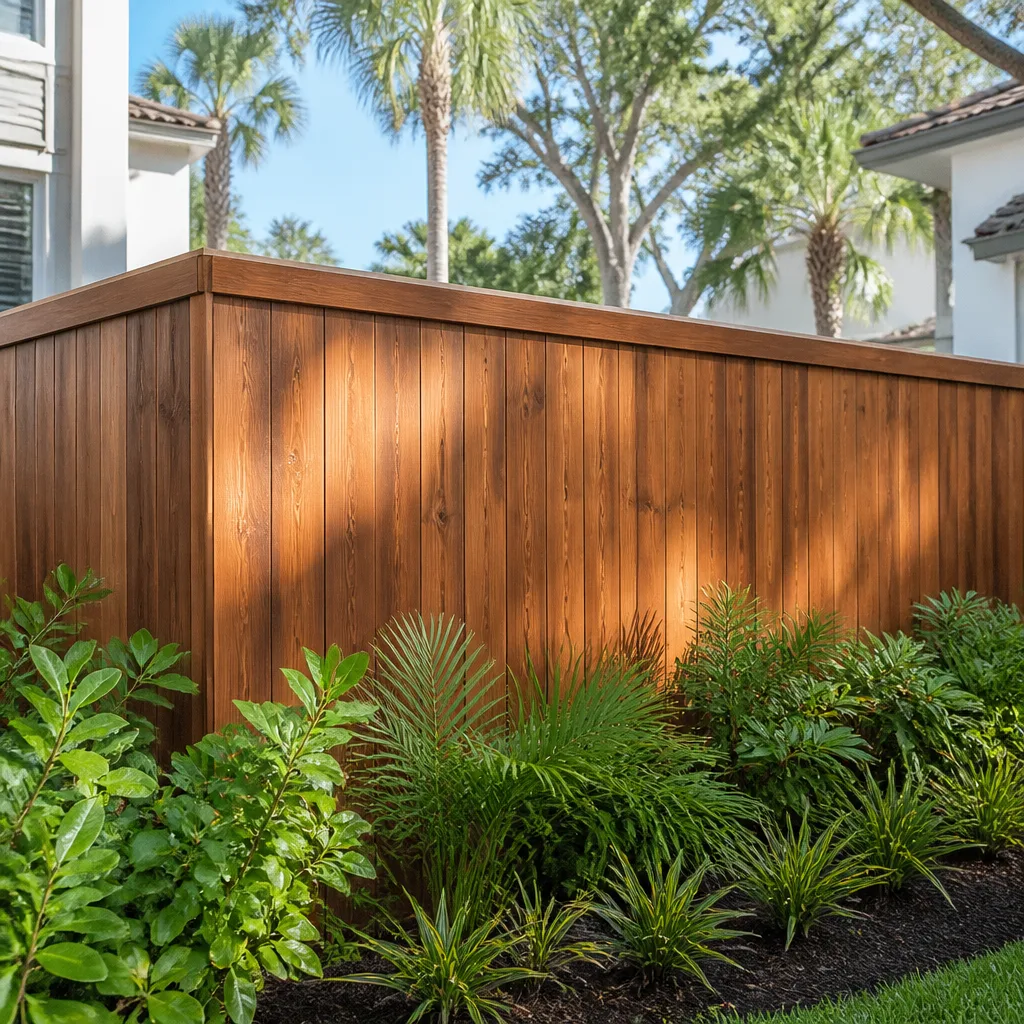
- Wood decks and fences: rinse quarterly, and reseal according to actual wear, not the product label. At the coast, that means every 12 to 18 months, not the 3 to 5 years many sealers claim. Our Fence Installation in Newport Beach guide has more on material choice for coastal lots.
- Exterior light fixtures and address numbers: wipe every few months. Small metal parts corrode first, and they’re the cheapest to replace.
The Newport Beach Seasonal Care Calendar
Here’s the same advice compressed into a calendar you can put on the refrigerator door. It reflects the actual timing in Newport Beach, not a national generic list.
- Late May to June (before peak heat): inspect roof granules and sealant lines, check stucco control joints, evaluate deck surface condition.
- Late September to early October (before Santa Ana season): clear all roof drainage, test drainage with a hose, audit flashing at every transition, clear foundation vents, re-slope the perimeter soil.
- November to March (rain season): monitor downspouts during storms, contain any leaks rather than climbing on the roof, address interior water intrusion immediately.
- April to May (post-rain): inspect stucco for efflorescence, check for subfloor moisture and cupping, inspect slab edges for erosion, look at pavers for settlement.
- Year-round (every 4 to 6 weeks): rinse windows and glass exteriors. Every 2 to 3 months, rinse metal hardware. Twice a year, rinse metal roofing. Annually, evaluate wood sealant condition.
If you’d like a walkthrough of any of these items on your own home, we’re glad to help. Our technicians have up to 12 years of experience on coastal homes, and we’d rather tell you the roof has another three years than sell you one you don’t need. To see the work we do across all trades, start at the Groundwork Construction Co. of Newport Beach home page.
Common Mistakes to Avoid
- Waiting for a visible leak before inspecting the roof. By the time a ceiling stain shows up, the water has been entering for months. In Newport Beach, the inspection has to happen before the rain, not after the damage.
- Trusting manufacturer cleaning intervals at the coast. A window sealant rated for 10 years at average exposure can fail in six in a salt environment. Match the interval to your actual exposure, not the product label.
- Sealing a deck that’s still wet. Newport Beach marine layer mornings leave deck boards damp until mid-morning. Sealing a wet board traps moisture inside, and the deck fails within a year. Wait for a dry afternoon.
- Burying the foundation with mulch or new landscaping. Homeowners in Corona del Mar and Dover Shores regularly add planting beds against the house that reverse the perimeter grade. Water wicks straight to the foundation.
- Ignoring stucco cracks that follow a pattern. A hairline crack at a control joint is normal. Stair-step or horizontal cracks indicate structural movement. That’s not a caulk repair, and any contractor who treats it as one is telling you what you want to hear.
- Assuming a mild climate means a low-maintenance home. The maintenance cost per year is often lower in Newport Beach. The total lifetime cost isn’t, because the damage is quiet and catches owners by surprise.
- Letting a handyman handle anything structural. Deck ledger attachment, window replacement, roof flashing, and foundation work affect the home’s envelope and framing. Those need someone who knows the code, pulls the permits, and stands behind the work in writing.
See the difference
 Before
 After
 Before
 After
 Before
 After
When to Call a Professional

Call a professional when the issue touches the building envelope or the framing. That means roof leaks or flashing failures, stucco cracks that aren’t at a control joint, window and door replacement, deck ledger attachment, foundation or slab-edge erosion, and any drainage work that involves moving soil or cutting hardscape. Those aren’t weekend projects, and the cost of getting them wrong is measured in five figures.
Groundwork Construction Co. of Newport Beach offers free estimates in Newport Beach. Call (833) 749-3967 to schedule one. Every project we take on is covered by our 730-Day Done Right Promise, and the pricing we quote upfront is the number you pay. If your seasonal inspection turns into a bigger project, we’ll tell you what it costs before we start. Remodels and additions, including garage conversions and ADUs, run on their own timeline and sequencing, which our Home Additions & ADU in Newport Beach guide covers in detail.
Frequently Asked Questions
Twice a year: once in late May before peak heat, and once in late September before the rain season. Newport Beach’s UV load degrades roof sealants faster than the inland climate does, so the timing matters more than the season. Call (833) 749-3967 for an exact quote on any roof repair we find, and estimates are free.
It means different maintenance. Newport Beach homes see less freeze damage and fewer storm events than mountain homes, but more UV degradation, more salt-driven corrosion, and more moisture-trapping from the marine layer. The total maintenance load is often similar. The failing components are different.
Windows and glass exteriors every 4 to 6 weeks, exterior metal hardware every 2 to 3 months, and metal roofing twice a year. Manufacturer intervals are set for average exposure and are too long for a Newport Beach home near the water. Call (833) 749-3967 if you’re unsure how to handle a specific metal surface, and we’ll tell you straight.
Undersized roof drainage. Most of the water intrusion we see in Newport Beach homes traces to a gutter and downspout system that can’t handle the two-inch-in-six-hours storm that arrives every few winters. The fix is usually straightforward if you catch it before the water finds a wall. Call (833) 749-3967 to schedule an inspection before the rain starts.
No. We quote upfront, in writing, with line items. Our no-hassle pricing means the number we quote is the number you pay, and we back every project with our 730-Day Done Right Promise. Call (833) 749-3967 for a free estimate, and we’ll put the scope and the price in writing before anything begins.
Yes, for any work that requires a permit under Newport Beach and Orange County code. That means most roofing, window and door replacement, structural repair, and all additions. We handle the permit application and the inspections. If your job doesn’t need one, we’ll tell you that too.
The Bottom Line

Newport Beach doesn’t punish homes with dramatic weather. It punishes them with time. UV exposure across 280 sunny days, salt carried in on the marine layer, and a handful of intense rain events each winter quietly wear down the components that keep a house sealed. The homeowner who inspects twice a year, audits drainage before the rain, and cleans salt on a real schedule stays ahead of it. The homeowner who waits for a leak pays the compounded cost. Four inspection windows a year, done on time, are what separate a well-kept coastal home from an expensive surprise.
If you’d like a walkthrough of any of this on your own home, or a free estimate on anything we’ve covered, call Groundwork Construction Co. of Newport Beach at (833) 749-3967. Our team answers around the clock, and we’ll show up prepared to tell you what your home actually needs, in writing.
Written by the team at Groundwork Construction Co. of Newport Beach.