Last updated November 17, 2026



Free written scope consultation - allowances, timeline, and change-order rules on paper before a single trade is scheduled
How Long Does Driveway & Pavers Take? Timelines and What to Expect
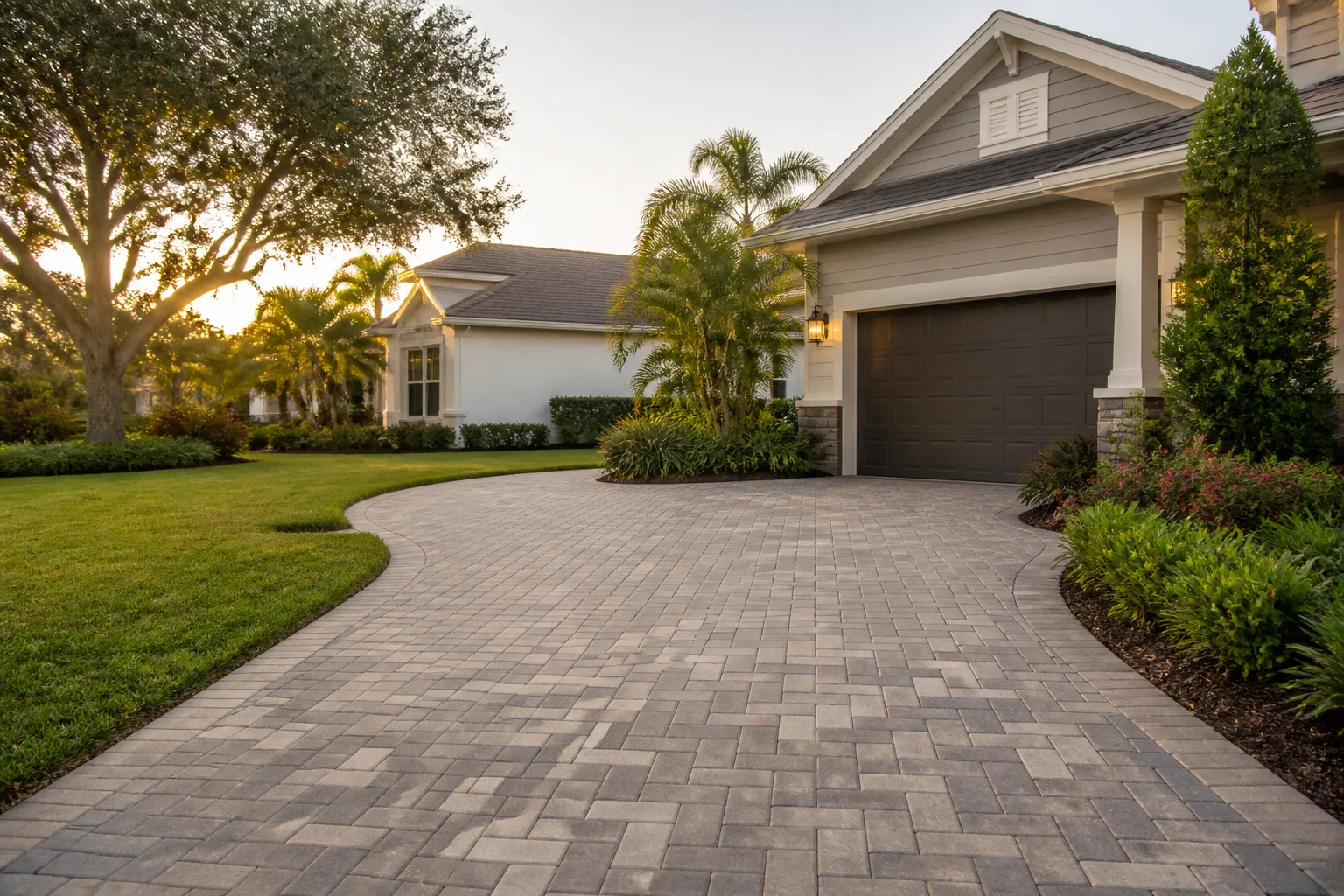
The paver-laying phase of most driveways takes one to two days. The cure time, inspection hold, and joint stabilization phase after that takes another three to five – and the homeowners who plan for only the first part are the ones calling to complain about an “overdue” project. That gap between what people picture (a crew stacking pavers for a weekend) and what actually determines the calendar (soil, inspections, material lead times) is the whole story. In this guide we map the real timeline phase by phase, explain what base surprises add to it, and show you the questions that get a contractor to commit to a date that holds. We build in Newport Beach, and the coastal soil here has its own opinions about scheduling.
Quick Answer
A typical driveway paver project takes 5 to 10 working days from demolition to final seal, plus a weather and inspection buffer that pushes most homeowners to a 2 to 3 week real-world calendar. The paver installation itself is only 1 to 2 of those days. The rest is demolition, base prep, compaction, and the cure-and-stabilize window before the surface should bear full vehicle weight. Larger driveways, poor soil, or drainage corrections can stretch it to 3 to 4 weeks.
Styles & brands we work with
- Kitchen remodeling
- Bathroom remodeling
- Home additions & ADU
- Roofing
- Windows & doors
- Driveway & pavers
- Fence
Table of Contents
- The Phase-by-Phase Timeline: Where Your Days Actually Go
- What Base Preparation Surprises Add to the Schedule
- Cure Time and Settling: When Can You Park on It?
- How Permits and Inspection Scheduling Affect Newport Beach Timelines
- Material Lead Times and the Brands That Matter
- Questions That Get a Timeline Commitment That Holds
- Planning Access, Parking, and Project Sequencing
- Newport Beach Climate and Soil: What the Coast Does to Your Schedule
The Phase-by-Phase Timeline: Where Your Days Actually Go
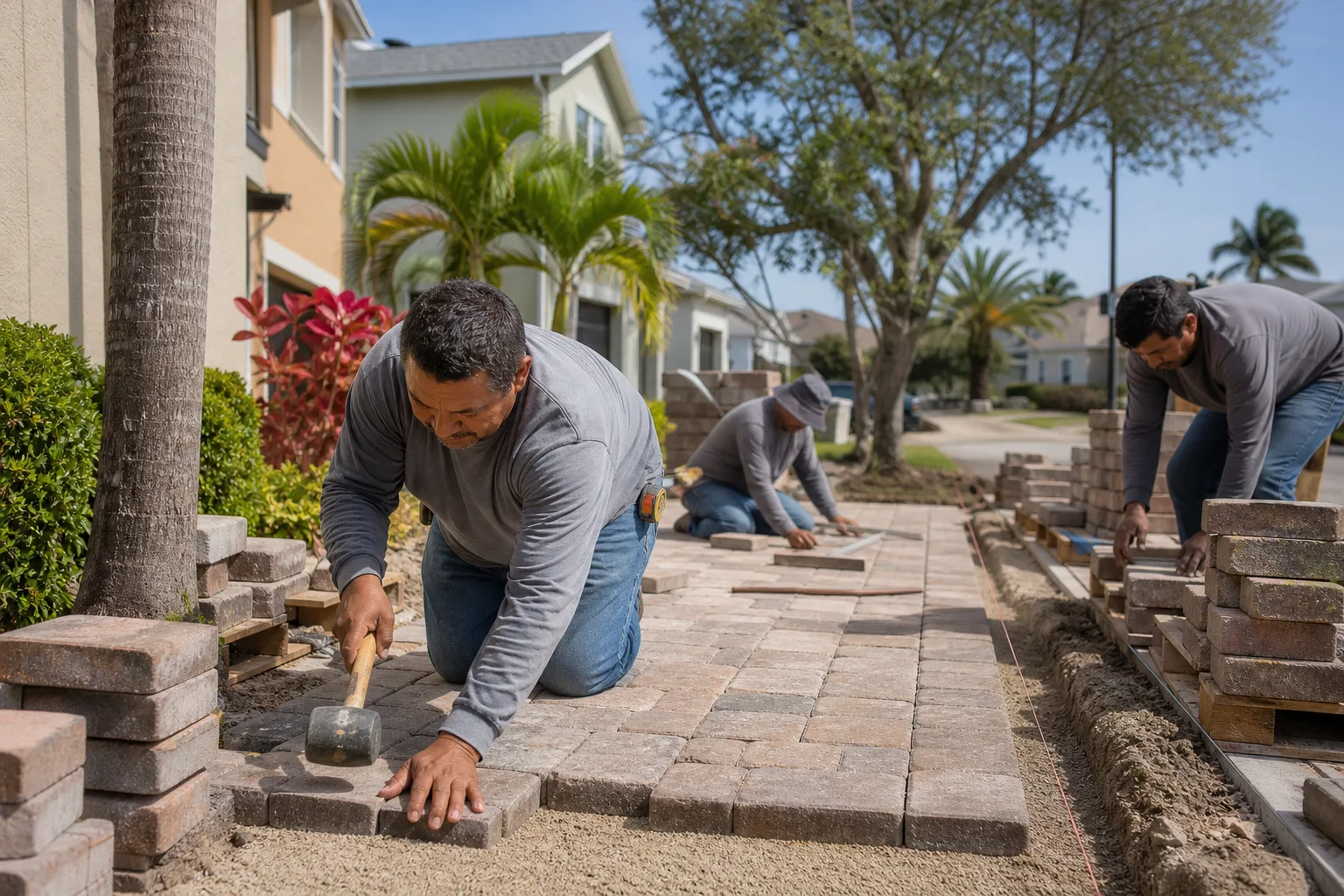
Most homeowners track the wrong phase. They watch a crew lay pavers and assume that is the project. In our experience, laying is the fastest and most visible part of a schedule that is really about what happens underneath. Here is how the days break down on a standard two-car driveway of roughly 400 to 600 square feet.
- Demolition and haul-off (1 day): Breaking out the old surface, loading debris, and grading the exposed subgrade. On a concrete driveway this is where the loudest part of the job happens, and it is usually a single long day.
- Excavation and subgrade prep (1 to 2 days): Digging to the right depth for the base layer. This is where surprises hide – buried concrete, old footings, tree roots. We cover this in the next section.
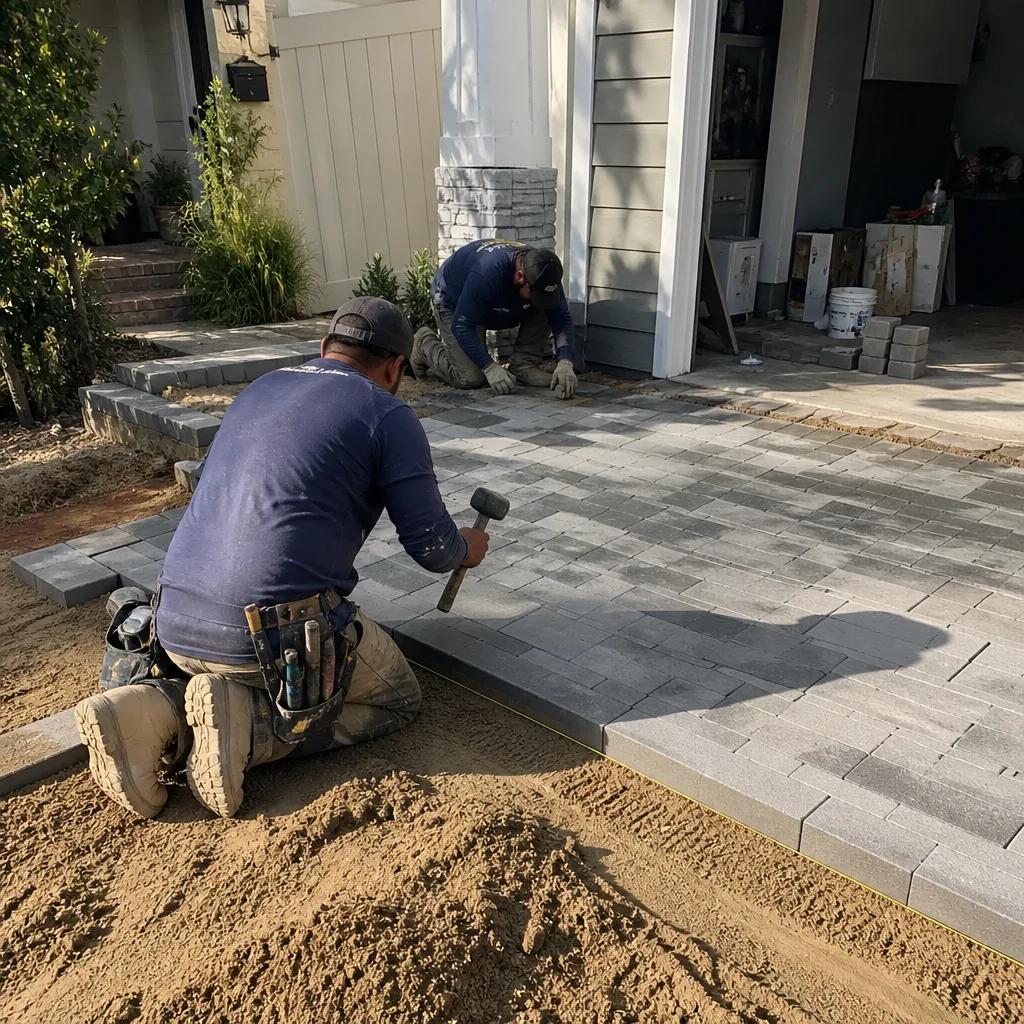
- Base installation and compaction (1 to 2 days): Class II aggregate or crushed rock installed in lifts of 2 to 4 inches and compacted between each pass. Compaction is done in stages, not all at once, and skipping a pass is how a driveway sinks two years later.
- Bedding sand and screeding (half a day): A thin sand layer leveled to the final grade. Small step, easy to rush, and a common failure point.
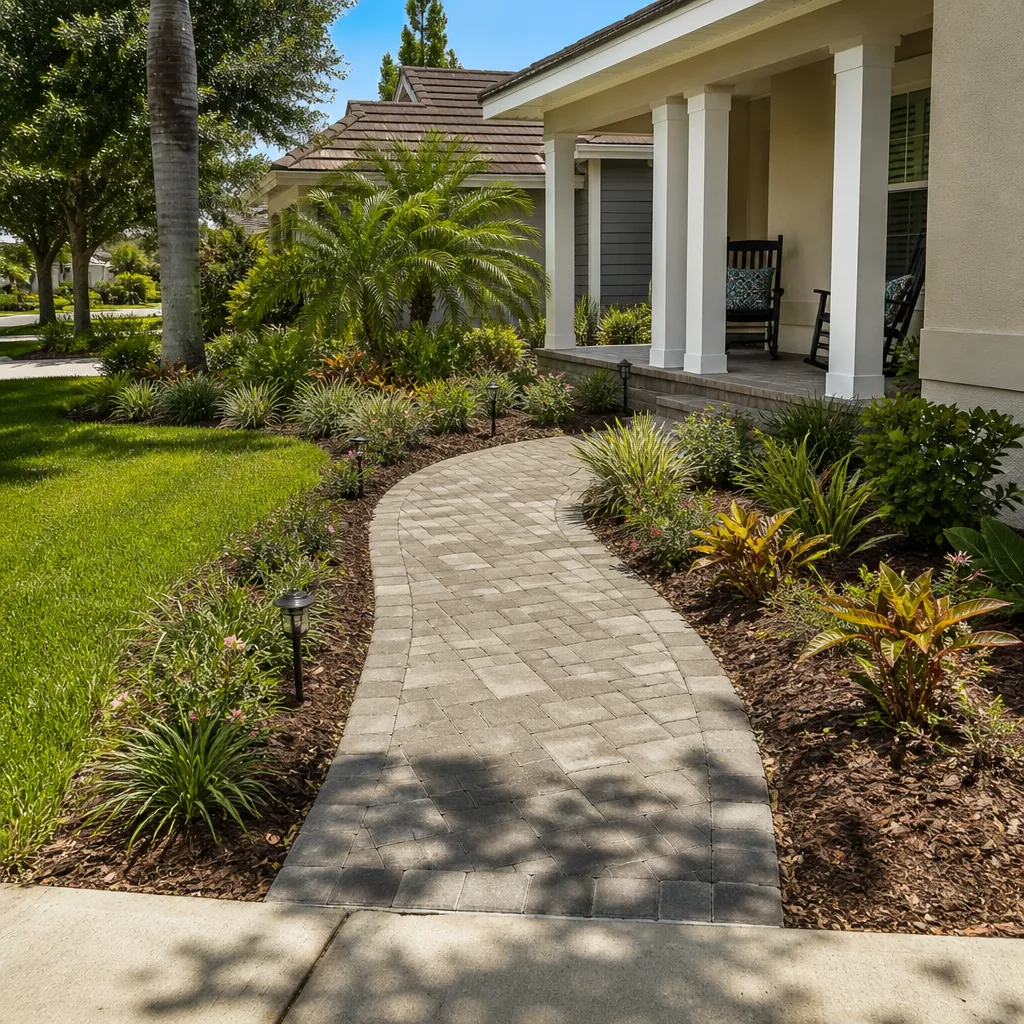
- Paver laying (1 to 2 days): The visible work. On a typical single-family driveway a crew sets pavers in a day to a day and a half, plus edge restraint installation.
- Joint sand and compaction (half a day): Polymeric or regular joint sand swept into the gaps, then a plate compactor pass to lock pavers into the bedding.
- Cure and hold (3 to 5 days): The step almost nobody plans for. Detailed below.
- Sealing (half a day, optional but recommended): Applied only after the surface is completely clean and dry.
That adds up to roughly 5 to 8 working days of active work, plus cure and inspection holds. If you need the full picture of what a driveway and paver project covers, see our Driveway & Pavers in Newport Beach service page.
What Base Preparation Surprises Add to the Schedule
We’ve opened up driveways in Newport Beach where the original builder buried a concrete apron, an old planter box, or leftover demolition rubble from a 1960s remodel. When that happens, the schedule moves. The honest answer is that a base surprise adds anywhere from one day to a full week, and the good contractors are the ones who tell you the moment they find it, not at the invoice.
Here are the most common surprises and what they cost you in calendar time:
- Poor or expansive soil: Clay-heavy or loosely compacted soil needs over-excavation and replacement with engineered fill. Adds 1 to 3 days and changes your base depth specification.
- Buried concrete or footings: Old slabs, fence post footings, or utility stubs must be broken out and hauled. Adds 1 to 2 days, sometimes more if they’re deep.
- Drainage or grading problems: A driveway that drains toward the garage or a neighboring property needs a swale, channel drain, or regrading. Adds 1 to 2 days and is a code matter in Newport Beach, not an aesthetic one.
- Tree roots: Mature roots in the subgrade zone must be cut, removed, and the void compacted properly. Adds a partial day to a full day.
- Utility conflicts: Irrigation lines, old gas stubs, or low-voltage wiring running under the driveway. Rerouting adds a half day to a day.
No contractor can promise a clean base before they’ve opened it up. What they can promise is how they’ll communicate when they find one. Ask upfront: “If you hit a buried slab, when do I hear about it, and how do you quote the fix?” A contractor who stumbles on that answer is a contractor who will surprise you later. Our approach is a written line-item change order before any additional work starts, and the number you see is the number you pay.
Cure Time and Settling: When Can You Park on It?
This is the part of the timeline that causes the most complaints, and it comes down to physics. Freshly laid pavers are bedded in sand and held by edge restraints. They need time and a few thermal cycles to settle into the base before they carry a 4,000-pound vehicle on a hot afternoon. Rushing this step is how you get ruts, shifting joints, and a driveway that looks two years old in six months.
Realistic guidance we give Newport Beach homeowners:
- Foot traffic: OK after joint sand is installed and compacted, usually the same day.
- Furniture and light garden items: After 24 hours, once the surface is stable underfoot.
- Passenger vehicles: After 3 to 5 days minimum. This is the window that keeps getting skipped on a rushed job.
- Heavy vehicles, RVs, or delivery trucks: Wait at least 7 days, longer in cool or damp weather.
- Sealing: Typically 30 to 90 days after installation to let the pavers and joint sand fully cure, depending on the product. Sealing too early traps moisture and clouds the finish.
If your contractor says “drive on it tomorrow,” ask why. Sometimes there’s a legitimate reason (specific bedding system, polymeric sand formulation), but most of the time it’s because they want the job off the schedule, not because the surface is ready. On our projects, we schedule the drive-on window into the plan before demolition starts so you can arrange parking and access without a surprise.
How Permits and Inspection Scheduling Affect Newport Beach Timelines
A driveway replacement that changes the footprint, grading, or drainage usually requires a permit in Newport Beach. Even like-for-like replacements sometimes trigger a review depending on the scope and whether the driveway sits in a setback or easement zone. The permit itself isn’t the schedule risk – the inspection window is.
Here is how it typically plays out in practice:
- Permit application and plan review: Usually a few business days for a standard driveway, longer if grading or drainage is involved.
- Base inspection before pavers go down: The inspector wants to see excavation depth, base material, and compaction before the surface is covered. This is the critical hold – pavers cannot go down until the base passes.
- Inspection scheduling: This is where the real variability lives. Depending on the city’s inspector availability and the season, the window can add 1 to 5 business days. A job that finishes base prep on a Thursday may not get an inspection until early the following week.
- Final inspection: After pavers, edge restraints, and drainage are in. Usually a quick pass, but it’s another scheduling window.
A contractor who builds inspection scheduling into the quoted timeline is a contractor who has actually done this before. Ask directly whether the timeline accounts for base and final inspections, or whether those are treated as a surprise. In our experience, the projects that blow their dates in Newport Beach are the ones where inspection scheduling was treated as someone else’s problem.
If you’re combining the driveway project with other exterior work, sequencing matters. A Fence Installation in Newport Beach along a shared property line can be coordinated with driveway demolition so materials and access aren’t blocked twice. Similarly, a Home Additions & ADU in Newport Beach project will require access for concrete trucks and deliveries – plan the driveway last if the ADU is happening this year.
Material Lead Times and the Brands That Matter
We’ve watched a paver project sit idle for a week and a half waiting on a single order of a specialty paver color. If you’ve chosen a premium paver system like Belgard or a designer concrete paver line, the lead time matters as much as the labor scheduling.
Typical lead times you should ask about:
- Stock paver colors and patterns: 3 to 7 days from order to delivery at most suppliers.
- Specialty or designer pavers: 1 to 3 weeks depending on the manufacturer and the color.
- Permeable paver systems: Often longer, and require specific base material specifications that need to be ordered separately.
- Modular or prefab construction systems: If you’re planning an ADU or garage conversion on the same property, prefab manufacturers like Mighty Buildings or Boxabl can affect your sequencing – those units need staging space, and deliveries arrive on their own schedule.
The fix is simple: order materials before demolition. A disciplined contractor confirms paver delivery date before scheduling the crew, not after. Ask when the pavers are arriving on-site, in writing, before work starts. If a contractor can’t tell you, they haven’t ordered them.
Questions That Get a Timeline Commitment That Holds
Timelines fall apart when the contractor hasn’t committed to one in writing. Here are the questions we’d want answered if we were hiring someone for a driveway paver project in Newport Beach:
- “What’s the start-to-finish calendar for my specific driveway, broken down by phase?” You want days per phase, not a single number.
- “What’s the drive-on date, and what happens if a base surprise pushes it?” A clear answer shows they’ve thought about it.
- “Who pulls the permits, and when does the inspection window sit in the schedule?” If permits are “handled” without specifics, ask when.
- “When are the pavers being delivered to my property?” An exact date, not a range.
- “What’s in writing if you finish late?” No contractor promises perfection, but how they handle it tells you everything.
- “What’s the warranty on the workmanship, not just the materials?” Materials warranties cover the pavers. Workmanship warranties cover the base, grading, and installation. You need both.
- “What do you do if you hit buried concrete or poor soil?” You want a written change-order process, not a verbal “we’ll figure it out.”
Any contractor who can answer all seven without pausing is a contractor worth hiring. Our projects are covered by a 730-Day Done Right Promise – if the workmanship isn’t right, we make it right – and the timeline, base surprises, and change-order process are spelled out before we start. Calls come to a live person any time, day or night, so schedule questions don’t wait until Monday.
Planning Access, Parking, and Project Sequencing
The most overlooked scheduling variable in a driveway project isn’t on the job site – it’s where the family parks for a week. In Newport Beach, many homes have a garage opening directly onto a narrow street or an alley, and losing the driveway means juggling street parking in a neighborhood where it’s already tight.
Plan these items before demolition day:
- Where cars will park for the full active-work window plus the cure hold. Realistically plan for 7 to 14 days, not 3.
- How deliveries will reach the property. Concrete trucks, paver deliveries, and equipment trailers need turn-around space. If the street is narrow, materials may stage at the curb and get moved by hand-truck, which adds a day.
- Garbage and recycling access. Trash collectors need the cans at the curb; make sure they’re not sitting in a demolition zone.
- What else is happening on the property. If you’re doing a Groundwork Construction Co. of Newport Beach home project on the interior at the same time, coordinate crew access and material staging so the two projects don’t fight for the same driveway space.
- HOA and neighbor coordination. Some Newport Beach neighborhoods and associations have their own rules about construction hours, parking, and notice to neighbors. Check with your HOA before the demo date, not after.
Ask your contractor to give you the access plan in writing, not verbally. The projects that go smoothly are the ones where the homeowner was told exactly when to move the cars and when the street would be blocked.
Newport Beach Climate and Soil: What the Coast Does to Your Schedule
Newport Beach has a mild, coastal climate that’s kind to paver installation most of the year, but it brings its own schedule quirks. Morning marine layer and dew delay sealing windows. Spring and early summer fog slows down polymeric sand setting. And the coastal soil, especially in neighborhoods closer to the bay and near the back bay areas, tends to drain slowly and hold moisture, which can push the cure hold a day or two later than an inland job would need.
Things we build into a Newport Beach schedule:
- Sealing is a dry-day task. If the marine layer is heavy, sealing waits. In practice this adds 1 to 2 days on jobs scheduled for spring and early summer.
- Coastal soil often needs more base depth or an underdrain. The soil in neighborhoods near Newport Bay, Balboa, and parts of Corona del Mar holds water longer than inland soil and needs drainage design accordingly. This adds one day of work, sometimes more.
- Rain windows matter, even in Southern California. Paver installs pause during rain because the base can’t be compacted wet. If you’re scheduling November through March, plan an extra weather buffer of 2 to 4 days.
- Hillside properties move slower. Homes on slopes in Newport Coast or parts of Corona del Mar may need engineered retaining or grading solutions that require plan review, which adds weeks to the permit phase.
None of this is unique to us. Any contractor who works in Newport Beach regularly will have their own version of this list, and the good ones will volunteer it. If you’re comparing quotes, ask how the contractor handles coastal soil drainage and sealing weather windows. The answer tells you whether they schedule coastal jobs differently from inland jobs, or the same.
Common Mistakes to Avoid
- Planning for the visible days only. The paver-laying phase is 1 to 2 days. The base prep, cure hold, and inspection windows are 5 to 10 more. Homeowners who plan for the first number are the ones calling to complain about a project that isn’t actually late.
- Driving on the surface too soon. Every year we hear from Newport Beach homeowners who parked on a fresh driveway three days after installation and rutted a corner. The 3 to 5 day wait for passenger vehicles is not a suggestion, and the 7 day wait for heavy vehicles is not negotiable.
- Skipping the base inspection. Some contractors will “self-inspect” the base and pour pavers without formal inspection if the homeowner doesn’t push. That’s how you get a driveway that fails in two years and a permit issue on resale. Insist on the inspection.
- Ordering pavers after demolition. Materials arriving after the base is prepped means an idle crew, an idle driveway, and a schedule slide of one to three weeks. Order first, demo second.
- No written change-order process for base surprises. A buried slab or an old footing shouldn’t blow up the budget in a phone call. Get the process in writing before demolition.
- Sealing too early. Sealing a paver driveway the same week it’s installed traps moisture and clouds the finish. Wait 30 to 90 days, depending on product and weather.
- Ignoring HOA and neighbor notices. Newport Beach has HOAs and shared property lines where driveway work affects neighbors. Notice needs to happen days before demo, not hours.
See the difference
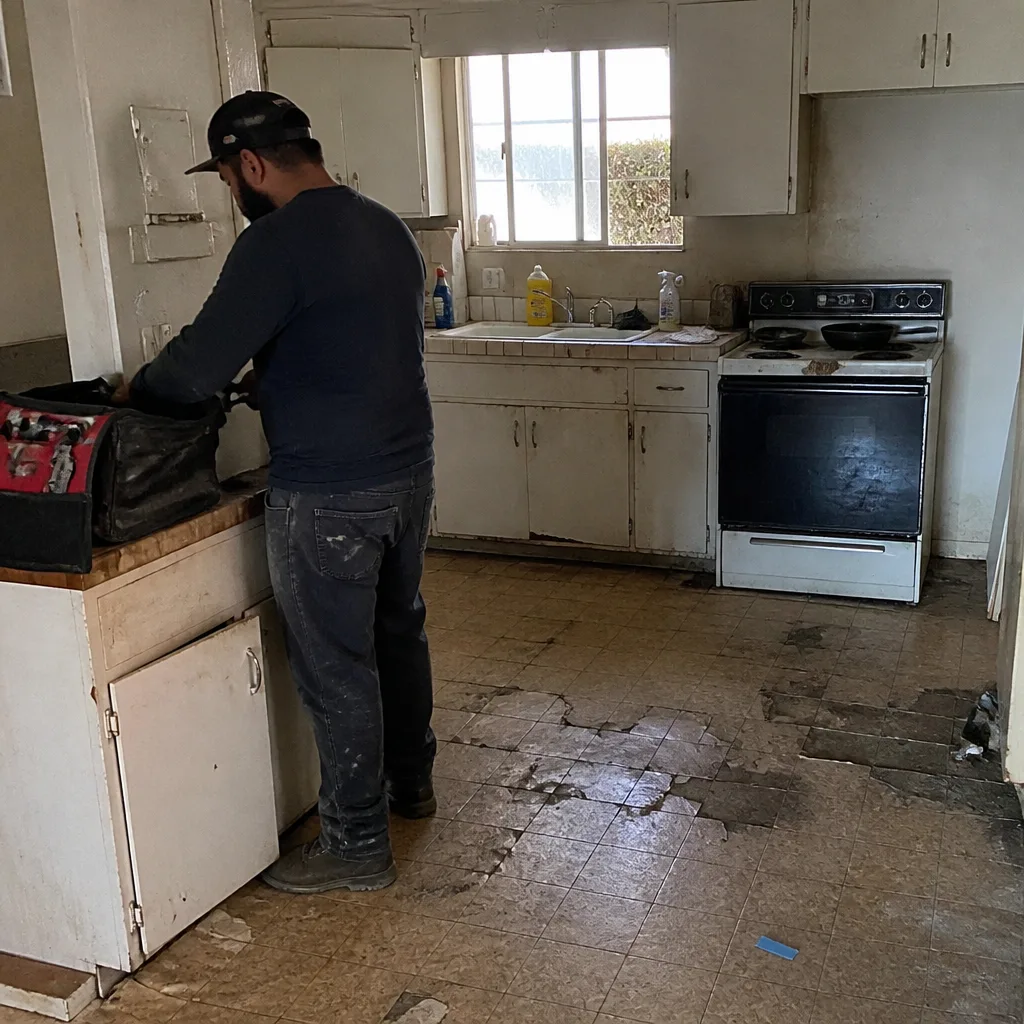 Before
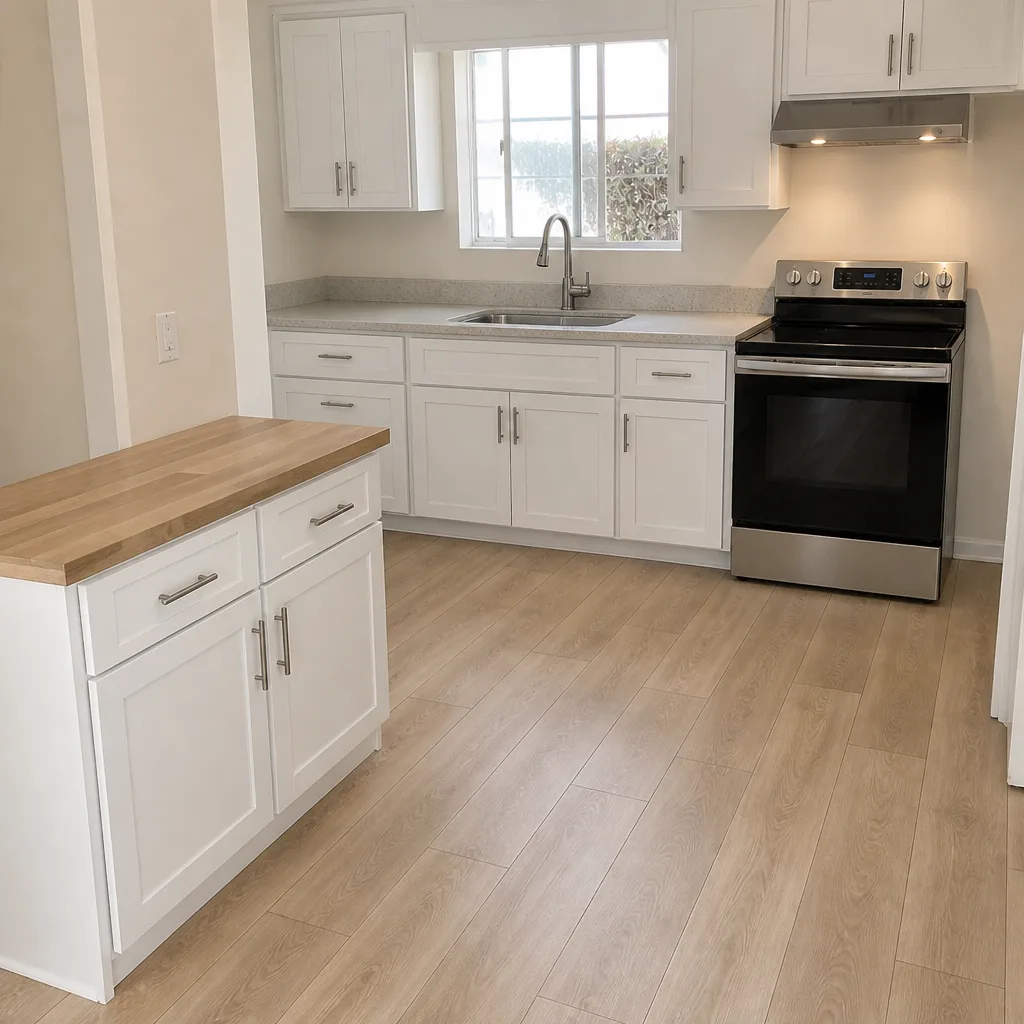 After
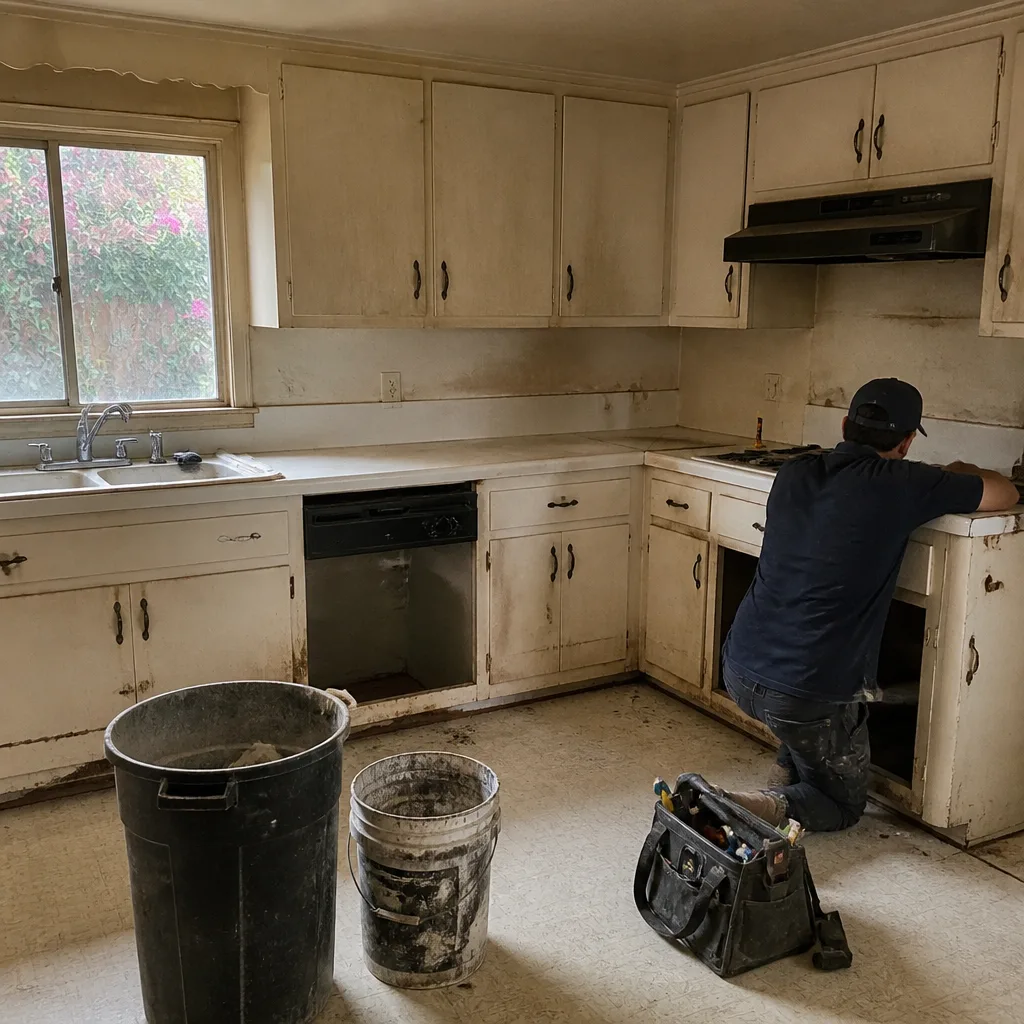 Before
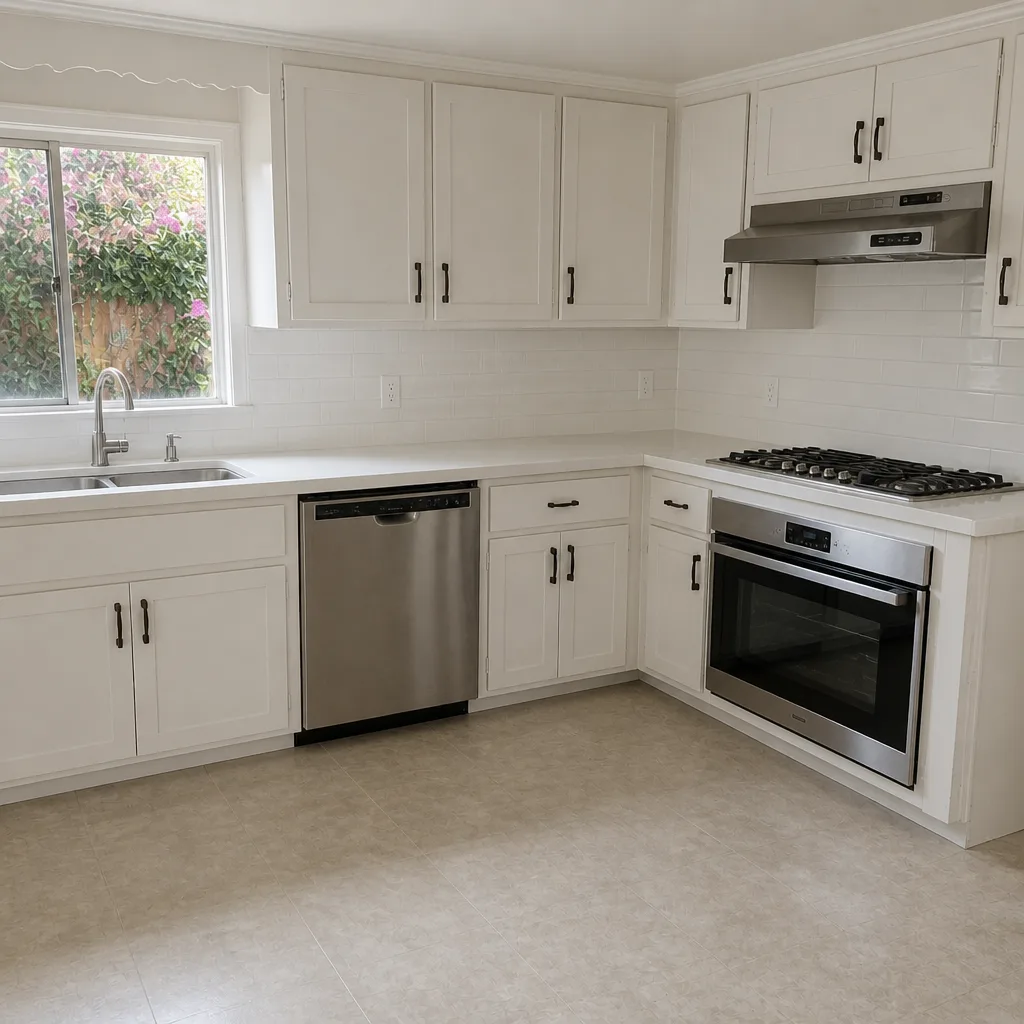 After
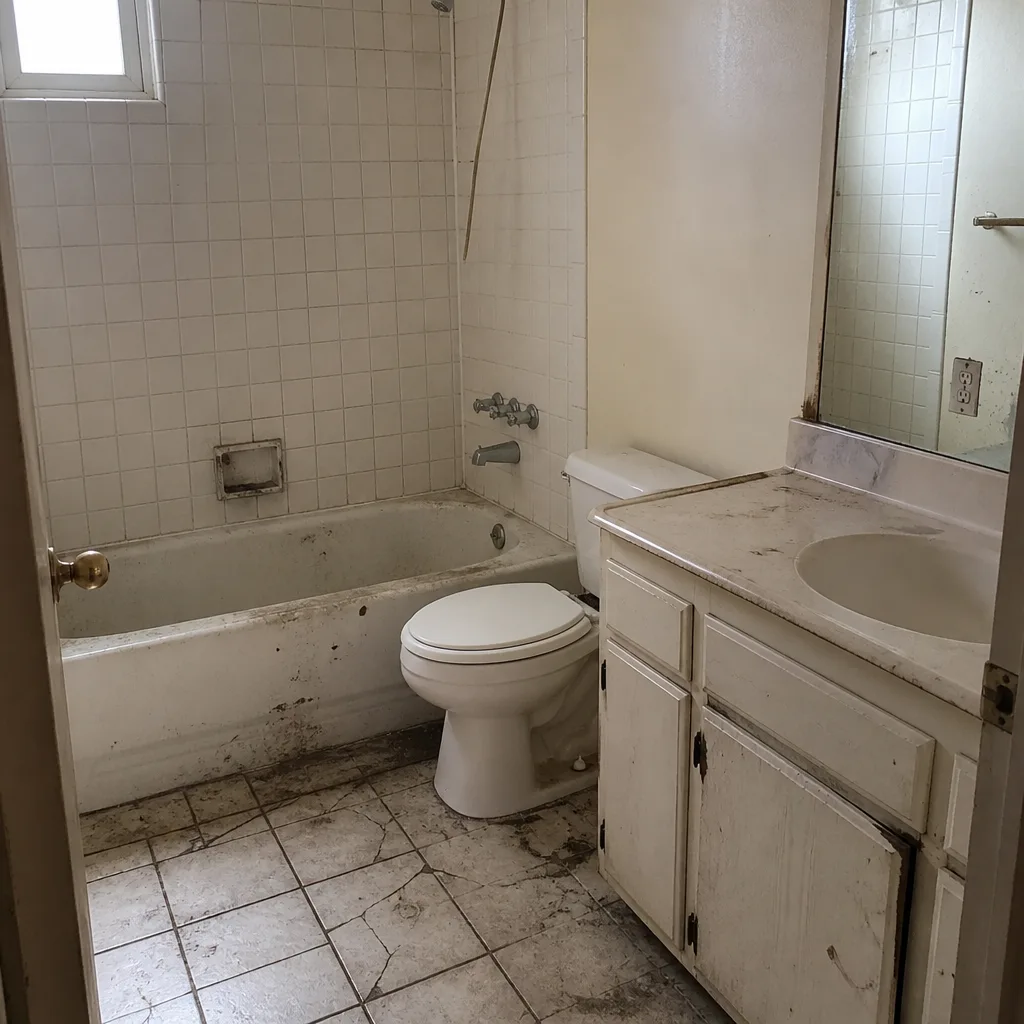 Before
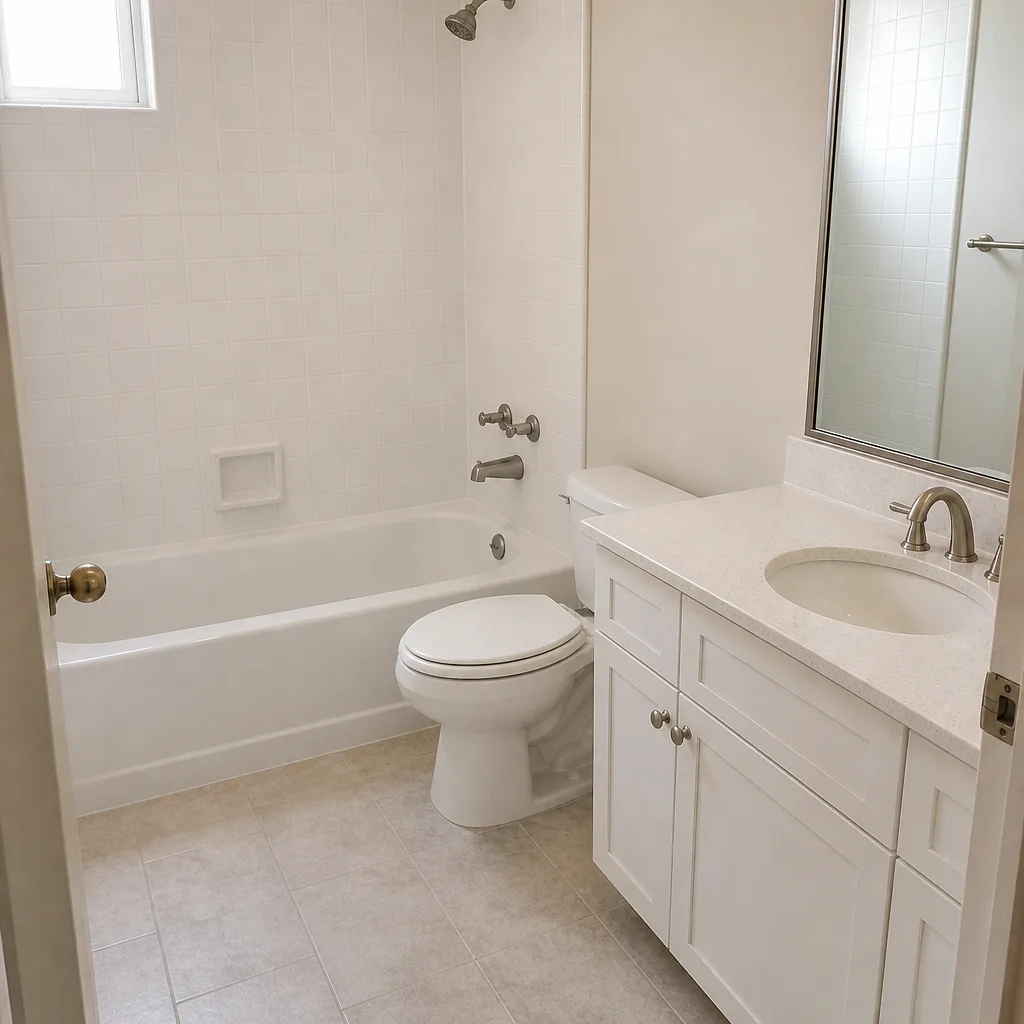 After
When to Call a Professional
If your driveway has settled more than an inch in places, if pavers are shifting or rocking underfoot, if drainage water is running toward your house or garage, or if you’re planning a replacement that changes footprint or grading – call a professional. Structural failures in a driveway usually mean the base has failed, and pavers laid over a failing base will fail again. Coastal soil and bay-adjacent drainage in Newport Beach add complexity that handyman-level work doesn’t address, and most driveway projects here need a permit that requires a licensed contractor to pull. Groundwork Construction Co. of Newport Beach offers free estimates in Newport Beach – call (833) 749-3967. Our technicians have up to 12 years of experience, arrive in uniform, and every project is covered by a 730-Day Done Right Promise with upfront pricing and no surprises.
Frequently Asked Questions
Paver installation itself takes 1 to 2 days for a typical two-car driveway. The full project from demolition to final seal is usually 5 to 10 working days, and the real-world calendar including inspection windows and cure holds is typically 2 to 3 weeks. Call (833) 749-3967 for a project-specific timeline – estimates are free.
No. Passenger vehicles should stay off a new paver driveway for at least 3 to 5 days, and heavy vehicles for at least 7. The pavers need to settle into the bedding sand before they take vehicle weight. Any contractor who says otherwise is skipping a step that protects your investment. Call us to talk through timing for your specific install.
In most cases yes – especially if the project changes the footprint, grading, or drainage. Standard replacements sometimes require permits too, depending on setback and easement rules. The inspection hold is what affects your schedule, not the paperwork. We pull permits and schedule inspections as part of every job; call (833) 749-3967 to confirm what your project needs.
The most common causes are base surprises (buried concrete, poor soil), material lead times on specialty pavers, inspection scheduling windows, and weather holds during sealing. Very few projects run late because of the crew itself. If your contractor can’t tell you which of these is causing the delay, that’s the real problem. We build all four variables into our timelines from the start.
Most paver driveway projects in Newport Beach land in the $14 to $30 per square foot range installed, depending on paver type, base depth, drainage work, and whether the existing surface needs to be demolished and hauled. A 500 square foot driveway typically runs $7,000 to $15,000. We quote line-item upfront pricing in writing so you know what each phase costs before work starts. Call (833) 749-3967 for a written quote.
Late spring through early fall is the simplest window because sealing and joint-sand setting work best in dry, mild weather. Marine layer in the morning still affects sealing schedules, so we plan around it. Winter is doable but adds a 2 to 4 day weather buffer. If your driveway has drainage issues, timing matters less than getting the underground work right.
The Bottom Line
A paver driveway is a 5 to 10 working day project inside a 2 to 3 week real-world calendar, and the difference between those two numbers is entirely about base preparation, material delivery, cure time, and inspection scheduling. Plan access and parking for the full window, not just the visible days. Expect the base to be opened up and inspected, ask for a written timeline broken down by phase, and put the change-order process for base surprises in writing before demolition starts. Newport Beach’s coastal soil and marine weather add their own quirks, but a contractor who plans for them will keep your project on schedule. Our approach is the same on every driveway: written line-item pricing upfront, a 730-Day Done Right Promise on the workmanship, live people answering the phone 24/7, and a plan that reflects what actually happens on the job site, not what a brochure says. For a full-scope construction partner from foundation to finish line, see what we do at Groundwork Construction Co. of Newport Beach.
Ready to schedule a walkthrough? Call (833) 749-3967 for a free estimate and design consult. We’ll assess your current driveway, walk the site with you, flag likely base surprises before demolition, and give you a timeline broken down by phase – with 0% financing for 18 months and $1,000 off projects over $10,000 available to make the project work for your budget.
Written by the team at Groundwork Construction Co. of Newport Beach.