Last updated November 17, 2026

Free written scope consultation - allowances, timeline, and change-order rules on paper before a single trade is scheduled
DIY vs Professional Home Additions & ADU: What’s Safe to Do Yourself
In California, pulling an owner-builder permit for an ADU is perfectly legal. Thousands of Newport Beach homeowners do it every year. But here’s the part nobody puts in the brochure: one unpermitted modification, one failed inspection, or one trade signed off by someone who wasn’t licensed can quietly freeze your ability to sell or refinance the property for years. The question was never whether you’re handy enough. It’s what you can afford to get wrong. This guide draws a hard, practical line between the parts of an addition you can safely self-manage and the parts that will cost you dearly if you try.
Quick Answer
You can legally act as your own contractor on an ADU or addition in California by pulling an owner-builder permit, but you take on full liability for the entire project, including every licensed trade and every inspection. Finish work like painting, tile, landscaping, and trim is genuinely safe to do yourself. Electrical, plumbing, structural, and foundation work is not, and doing it without a licensed professional voids permits, fails inspections, and creates title problems when you sell or refinance in Newport Beach.
Styles & brands we work with
- Kitchen remodeling
- Bathroom remodeling
- Home additions & ADU
- Roofing
- Windows & doors
- Driveway & pavers
- Fence
Table of Contents
- What California’s Owner-Builder Permit Actually Means
- The Trades You Cannot Legally DIY in Newport Beach
- The DIY Work That Genuinely Pays Off
- How Lenders and Appraisers Treat Unpermitted Work
- A Cost Comparison Framework: Where DIY Saves and Where It Costs
- Managing Permits and Inspections Without a License
- Coordinating Your Own Work Around a Licensed Crew
- Newport Beach Specifics: Coastal Codes, Soil, and Inspection Reality
- Common Mistakes to Avoid
- When to Call a Professional
What California’s Owner-Builder Permit Actually Means
When you sign an owner-builder verification form with the city, you’re telling them you are the general contractor. That signature shifts the entire burden of compliance onto you. California Business and Professions Code section 7044 requires you to personally perform the work or hire licensed subcontractors, and it limits owner-builder permits to properties you intend to live in for at least a year. Sign it for a flip and you’re exposing yourself to real legal consequences.
What most homeowners don’t realize is what they’re accepting in exchange for controlling the project:
- Full responsibility for workers’ compensation and liability coverage on anyone who steps onto the property, including friends helping for a weekend.
- Personal liability if a plumbing leak or electrical fault causes damage later, even years after the sale.
- Legal exposure under Labor Code section 2750.5, which presumes unlicensed workers are your employees, not independent contractors.
- The obligation to schedule and pass every inspection yourself, in the right sequence.
- Disclosure requirements at resale. Any known defect from owner-built work must be disclosed to buyers.
In our experience walking Newport Beach homeowners through this decision, the sticker shock isn’t the permit fee. It’s the realization that a single insurance claim tied to self-managed work can exceed the entire savings you were chasing. A $60,000 addition where you saved $8,000 by managing it yourself is a good trade only if nothing goes wrong. When something does, the exposure doesn’t work that way.
If the addition is large enough to require structural engineering, dedicated utility work, or a whole new foundation on a Newport Beach lot, understand that the emotional appeal of DIY and the financial reality of DIY can be hundreds of miles apart. That’s a conversation worth having before you pull the permit, not after.
The Trades You Cannot Legally DIY in Newport Beach
California law is unambiguous about this: electrical, plumbing, mechanical, and structural work on a permitted project must be performed by a licensed contractor. This isn’t a guideline or a suggestion. It’s a hard line that determines whether your project closes with a legal certificate of occupancy or sits in limbo.
Here’s the breakdown of what you cannot safely self-perform and why:
- Electrical. New circuits, panel upgrades, subpanels, and rough wiring for an ADU all require a licensed electrician. Newport Beach requires Title 24 compliance documentation on nearly every new addition, and an inspector will not pass a panel with unpermitted work behind it. One miswired circuit is a fire risk, and a homeowner’s insurance carrier can deny a claim tied to unlicensed work without hesitation.
- Plumbing. Rough plumbing, gas lines, water heaters, and drain-waste-vent work all fall under licensed-only territory. Undetected sewer line mistakes under a new foundation slab become a $20,000-$40,000 repair after the fact, and you own that cost under an owner-builder permit.
- Structural and foundation. Footings, framing, shear walls, and connections are all engineered. In Newport Beach, the soil conditions and seismic requirements for a new ADU foundation require stamped engineering and licensed construction. This is the single largest area where owner-built shortcuts create title problems at resale, because an appraiser will notice.
- Mechanical and HVAC. Ductwork, ventilation, and Title 24 energy requirements all require licensed installation. The inspector will check the compliance documentation before signing off.
- Roofing on a structural addition. You can replace shingles on a shed. You cannot frame and roof a new structure without licensed oversight. Note that any roof work on a permitted addition also requires GAF or CertainTeed specification compliance if you’re using those materials for warranty purposes.
Performing any of this work yourself on a permitted project voids the permit in the eyes of the city. The inspector has no obligation to approve work performed by an unlicensed person, and the city can require you to demolish and redo it at your cost. On a residential lot along Newport’s Balboa Peninsula where property is worth four to eight million dollars, that’s not an inconvenience. It’s a serious financial event.
The DIY Work That Genuinely Pays Off
Now for the good news. There is real, legitimate, cost-effective DIY work in an ADU or addition project. The trick is understanding which parts of the job have no permitting requirement, no inspection gate, and no liability tail.
These are the tasks where doing it yourself actually pencils out:
- Painting. Interior and exterior painting on a finished project requires no permit and no inspection. A homeowner can save $4,000 to $8,000 on a two-bedroom ADU doing their own painting with quality materials. Cut corners on prep and you’ll see it in a year, but the downside is cosmetic, not structural.
- Tile setting on floors. Floor tile in a bathroom or main living area is a legitimate DIY task if you’re willing to learn the process and work carefully. Check with the inspector on whether the finished floor requires a final inspection, which it usually doesn’t.
- Interior trim and finish carpentry. Baseboards, casing, closet shelving, and door hardware are all finish work. No permit, no inspection, no liability tail.
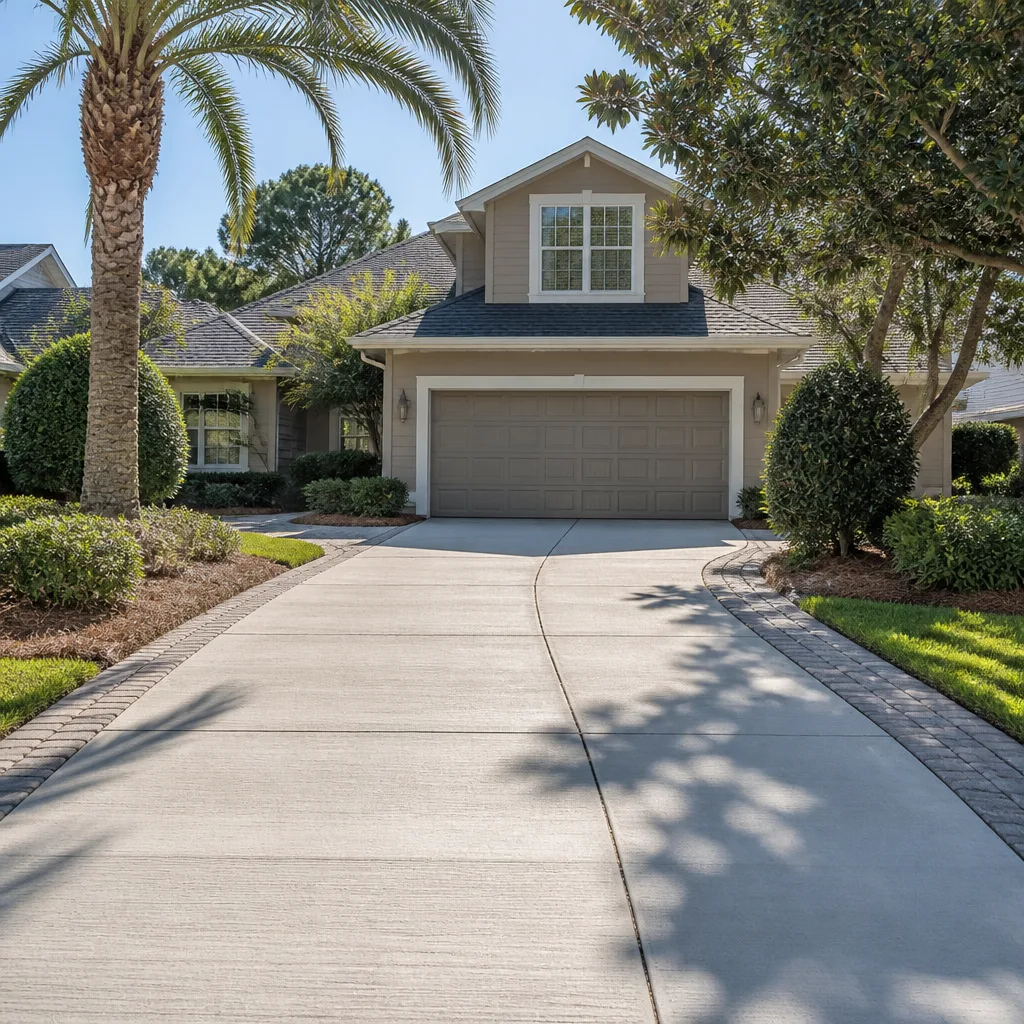
- Landscaping and hardscape outside the footprint. Plantings, decorative gravel, planters, and the aesthetic work around the ADU are fair game. Note that driveways, walkways, and pavers near the foundation may have drainage implications, so check with your engineer first. Our team handles Driveway & Pavers in Newport Beach for exactly this reason, and it’s worth getting a scope review even if you plan to DIY the finish.
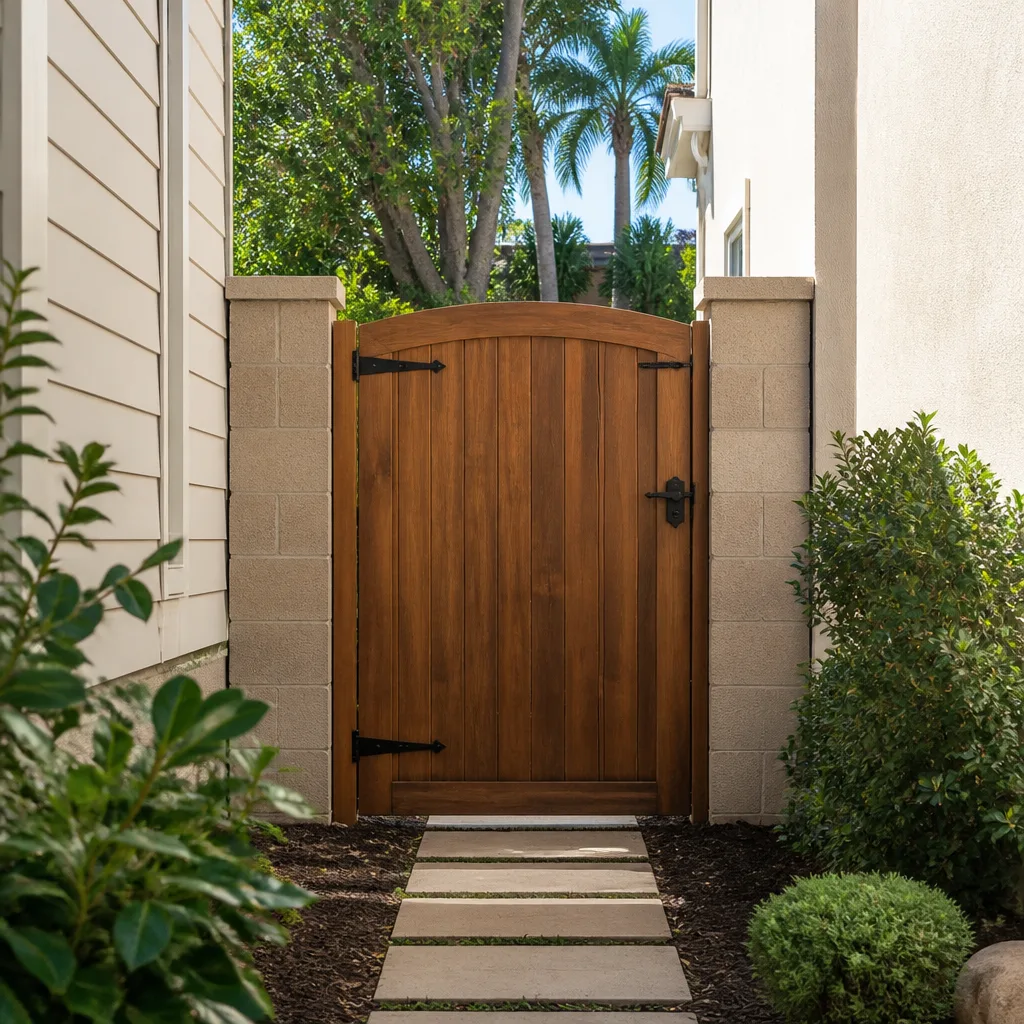
- Fencing. A new fence along your property line generally requires no permit up to six feet in most Newport Beach zones, but always verify with the city because some lots near the bay are under coastal zone restrictions. If you plan to add fencing, our Fence Installation in Newport Beach service exists for the parts where footings and slope work make DIY a bad bet.
- Closet systems, shelving, and modular storage. Any non-structural millwork that hangs on a wall or sits on the floor is unpermitted and uncomplicated.
- Final cleaning and staging. Sounds trivial until you realize a pro crew spends real time on site-closeout. Do it yourself and save the few thousand it would have cost.
A $40,000 finish scope where $15,000 is painting, trim, tile, and landscaping is a real opportunity. The remaining $25,000 is where the licensed trades live and where you cannot safely substitute sweat equity.
How Lenders and Appraisers Treat Unpermitted Work
This is the part that catches homeowners off guard years after the project is finished. When you go to refinance or sell a Newport Beach property with an ADU, the appraiser will check permit records. If the appraiser cannot verify that the ADU was legally permitted and inspected, they will not count its square footage toward the home’s value.
What that means in concrete terms:
- An appraiser who finds an unpermitted ADU will typically exclude it from the gross living area calculation, which can reduce your appraised value by $100,000-$300,000 or more depending on the ADU’s size and finish level in Newport Beach.
- A lender reviewing a cash-out refinance will require documented legal use. If the ADU is not on the permit record, some lenders will refuse the loan entirely.
- Any future buyer’s lender will run the same check. Unpermitted work becomes a negotiation chip or a deal killer.
- Disclosure obligations at sale mean you can’t quietly forget the work exists. California’s transfer disclosure statement requires it.
The related problem is the appraiser’s inspection itself. If they see improvements that don’t match the permit records, they’ll flag them, and the lender will want a resolution before closing. That resolution is often a retroactive permit process, which on a fully-built ADU can cost $15,000-$30,000 in fees, plan updates, and re-inspection, and in some cases requires opening walls to verify what’s inside them.
None of this applies to legitimately DIY finish work. Painting, trim, and landscaping don’t change the permitted envelope. The line is drawn at the structural, mechanical, electrical, and plumbing systems. That’s where a lender’s underwriting team actually cares.
A Cost Comparison Framework: Where DIY Saves and Where It Costs
Here’s the practical framework for thinking about where to DIY and where to hire. The number worth remembering: for a typical Newport Beach ADU or home addition, the licensed trades make up between 55% and 70% of the total project cost. That ratio tells you almost everything you need to know.
Consider a $200,000 ADU and where the money actually goes:
- Design and permits: $12,000-$25,000. Licensed architect, engineer, and city fees. Not a DIY opportunity.
- Site work and foundation: $35,000-$60,000. Almost entirely licensed. Not a DIY opportunity.
- Framing, rough trades, and drywall: $70,000-$110,000. Licensed. Not a DIY opportunity.
- Finishes, cabinets, flooring, and fixtures: $40,000-$70,000. Mixed. Some genuine DIY opportunity, mostly in paint and basic tile.
- Landscaping, fencing, and site finish: $10,000-$25,000. Mostly DIY-friendly if no structural requirements apply.
If you’re a skilled, patient homeowner willing to do paint, trim, and landscaping, you can realistically save $15,000 to $25,000 on a $200,000 project. That’s a meaningful number and it can absolutely justify the effort. Now compare that with the cost of a failed inspection on the electrical rough or a plumbing mistake discovered after the slab is poured. The downside of DIY on the licensed trades is often $30,000 to $80,000 in rework, plus months of project delay.
The math is asymmetric. DIY finish work is a good bet. DIY licensed work is a bad bet with high stakes. That asymmetry is the entire reason a professional partner exists.
If you want a scope-by-scope breakdown specific to your lot, that’s the sort of conversation a free estimate should include. Our team handles Home Additions & ADU in Newport Beach with a written line-item scope, so you can decide precisely where you want to keep your own hands on the work and where you want the licensed trades.
Managing Permits and Inspections Without a License
An owner-builder permit is enforceable, but it’s not lawless. You still have to walk through a series of city inspections at each phase of the project. Miss a phase and the inspector will require you to open walls at their discretion, which on a nearly finished ADU is a miserable experience.
The inspection sequence on a typical Newport Beach ADU looks like this:
- Pre-construction site inspection, including grading and drainage review.
- Foundation and footing inspection before the pour.
- Underslab plumbing and electrical rough.
- Foundation final.
- Framing and shear inspection, including hold-downs and connections.
- Rough electrical, plumbing, and mechanical inspection, one trade at a time.
- Insulation and energy compliance inspection, with Title 24 documentation filed.
- Drywall inspection and screw pattern check.
- Final inspection, including finish plumbing, electrical devices, smoke and carbon monoxide detectors, and the certificate of occupancy review.
Every one of these steps requires a licensed tradesperson for the work being inspected. You can legally be the general contractor, but you cannot legally be the electrician, and the inspector will ask. This is where the Newport Beach building department is consistent and firm.
If you’re going to run the permit yourself, schedule inspections in writing at least three business days out, keep every sign-off document in a project binder, and don’t proceed to the next phase until the current one is signed. Contractors get this wrong by rushing. Homeowners get it wrong by not knowing the sequence exists.
Coordinating Your Own Work Around a Licensed Crew
If you’re going to do some DIY finish work on an otherwise professional project, coordination is tougher than it sounds. A licensed crew has a sequence, and injecting your own labor into the middle of it can break the schedule badly.
Here’s how to do it without angering your crew or blowing your timeline:
- Do your finish work after punch list. Painting, trim, and landscaping should happen after the crew’s final walkthrough, not in parallel. Parallel work means you’re painting over nail pops and door swings the crew will still be adjusting.
- Never touch working areas. If materials are staged in the room you want to tile, wait. The crew has a plan and moving their materials creates lost time, and lost time becomes change orders.
- Get written agreement on scope. If your contract excludes painting and landscaping, put it in writing. If it doesn’t exclude it and you do it anyway, you may be reducing the crew’s punch list without any credit, which is a bad trade.
- Respect inspection gates. Never paint before drywall inspection. Never cover rough trades before their inspections pass. These are the two most common schedule-killing homeowner errors.
- Coordinate your material delivery with the crew’s schedule. Tile, paint, and landscaping materials should arrive when you’re ready, not stacked in the garage for six weeks.
The addition and ADU projects we hand off to clients in Newport Beach are naturally scoped for exactly this kind of split. If you want to paint, plan the punch list accordingly. If you want to do the fencing or the site hardscape, our team can flag the pieces that need a licensed pro and the pieces that don’t.
Newport Beach Specifics: Coastal Codes, Soil, and Inspection Reality
Newport Beach isn’t a generic California market, and a lot of generic ADU advice falls apart here. Three local realities change the DIY calculation:
- Coastal zone restrictions. Properties in the coastal zone, which includes most of the Balboa Peninsula, Balboa Island, and parts of Corona del Mar, trigger additional review under the California Coastal Commission. An owner-builder who pulls a permit for an ADU without checking coastal zone status can end up with a permit that’s later contested, and the retrofit cost is severe.
- Soil and water table. Newport Beach lots near the bay frequently sit on fill or shallow groundwater. ADU foundations in these areas require deeper piers, engineered drainage, and often a soils report. This isn’t a DIY structural component, and the engineer’s recommendations aren’t suggestions.
- Alley-loaded lots and setback math. Many Newport Beach neighborhoods, including the numbered streets off Pacific Coast Highway, are alley-loaded, which changes the buildable envelope significantly. The math on whether an ADU is even feasible at your address usually comes out differently here than in inland cities.
The climate matters too. Mild temperatures mean less boilerplate energy code compliance than you’d see inland, but Title 24 requirements still apply to every new structure and every major addition. If you’re adding an ADU with heat and cooling, the mechanical permit is unavoidable.
The good news for Newport Beach homeowners: the market here rewards ADU investment generously. A finished, permitted ADU in the right neighborhood can return its cost in rental income inside five to seven years, and the resale value increase usually exceeds the build cost outright. That ROI is sensitive to everything being permitted, though. The first thing a Newport Beach appraiser looks for is the permit record on file at city hall. The first thing a buyer’s lender asks for is the same document. Unpermitted work short-circuits the entire financial upside.
That’s the Newport Beach-specific reason the DIY vs. professional question is worth taking seriously. In a market where every square foot carries a premium, the value of an ADU depends entirely on whether it can be counted when it matters.
Common Mistakes to Avoid
- Pulling an owner-builder permit on a property you plan to sell within a year. California limits owner-builder permits to properties occupied for at least twelve months after completion. Selling sooner triggers serious legal risk and disclosure obligations.
- Assuming finish work inside an inspection area is safe. Painting over drywall before inspection passes is one of the most common schedule-killing mistakes in Newport Beach. The inspector will require the drywall to be opened.
- Signing off on subcontracted work without contractor license verification. Under an owner-builder permit, you’re responsible for verifying every subcontractor’s license, insurance, and workers’ comp. If a worker is injured, you can be liable.
- Doing structural or electrical work yourself because you’re skilled. Skill isn’t the issue. Legal access is. The city won’t approve work performed by an unlicensed person, and the insurance carrier won’t cover it in a claim.
- Hiring subcontracted trades without written scopes and inspection responsibility. Verbal agreements mean disputes. In a Newport Beach addition, dispute resolution often means months of delay and legal cost.
- Assuming a small electrical change is exempt. Adding a single outlet to an ADU on a permitted project still requires a licensed electrician. The final inspection will catch it.
- Treating the ADU as a personal project without planning for lender review. The refinance or sale is where the DIY decisions meet the mortgage underwriter. Plan for that meeting before construction starts, not after.
See the difference
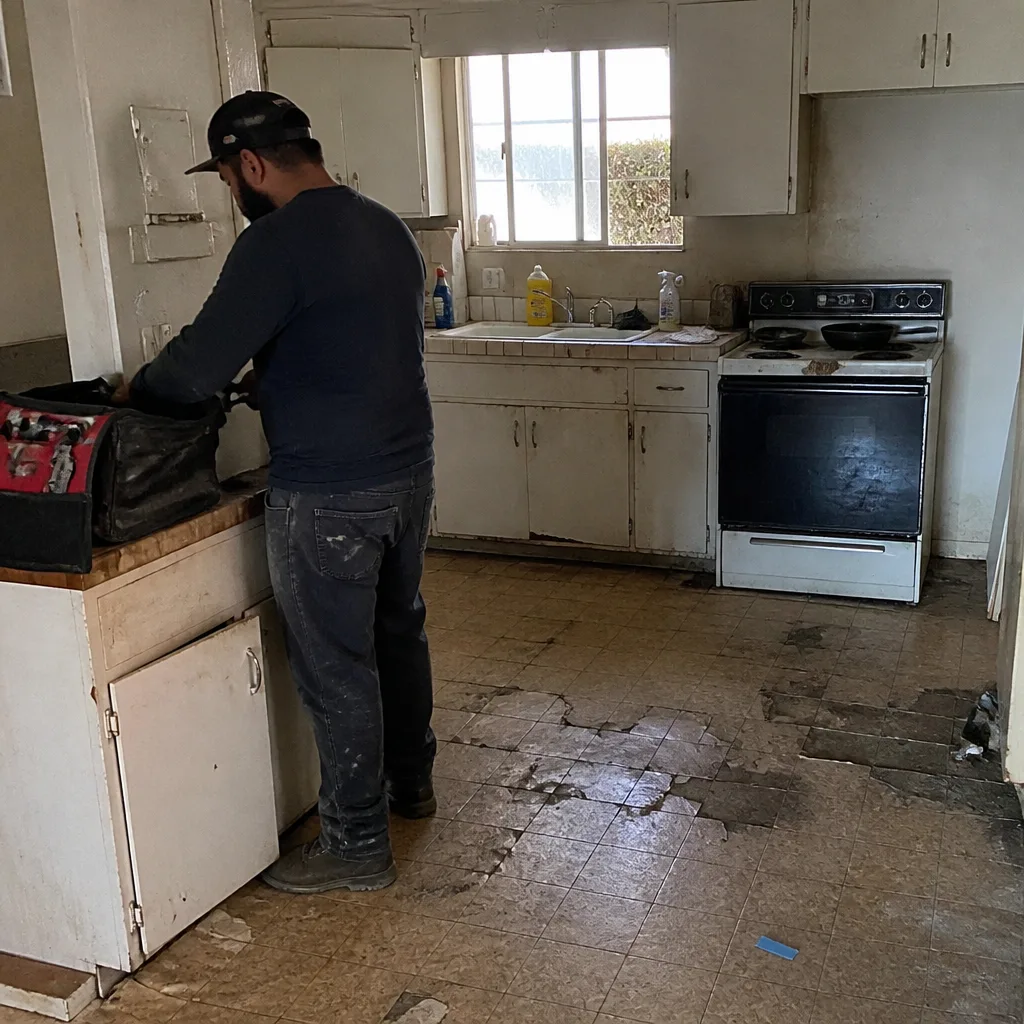 Before
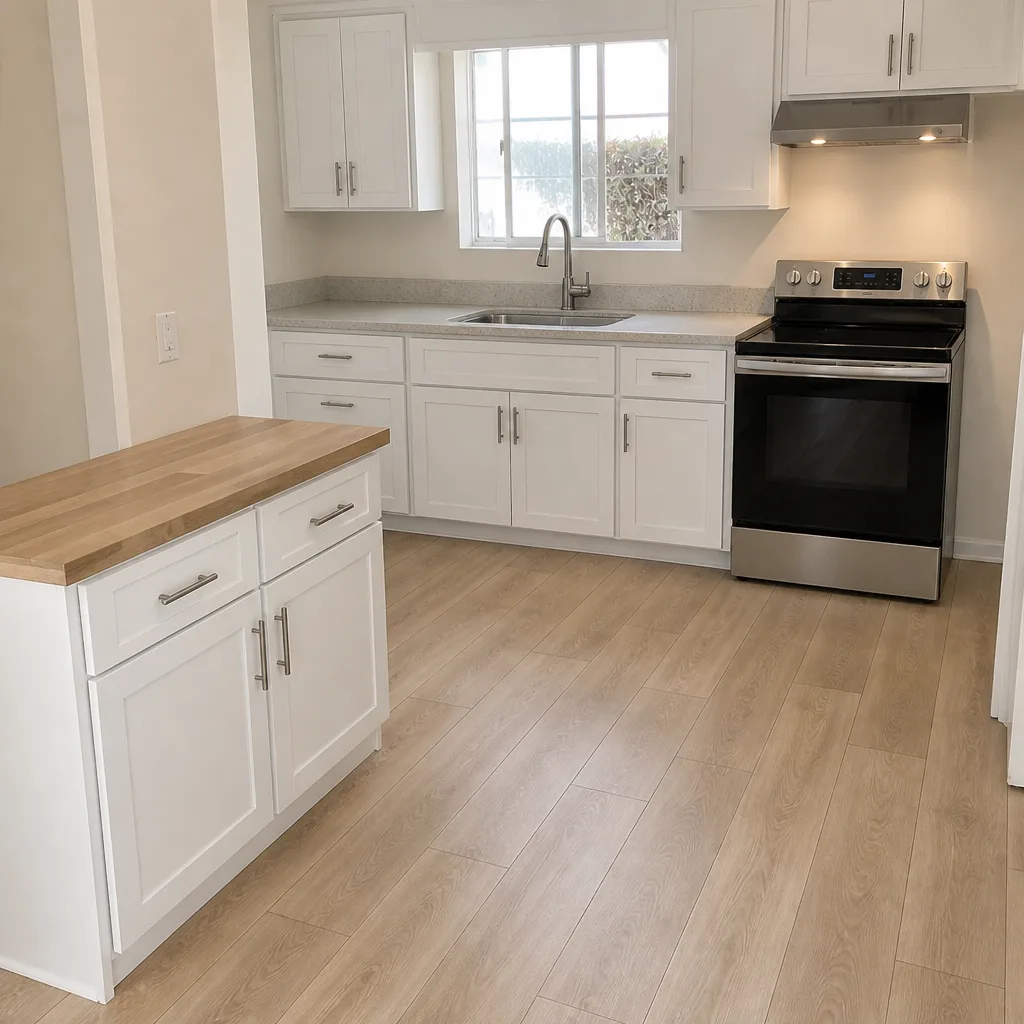 After
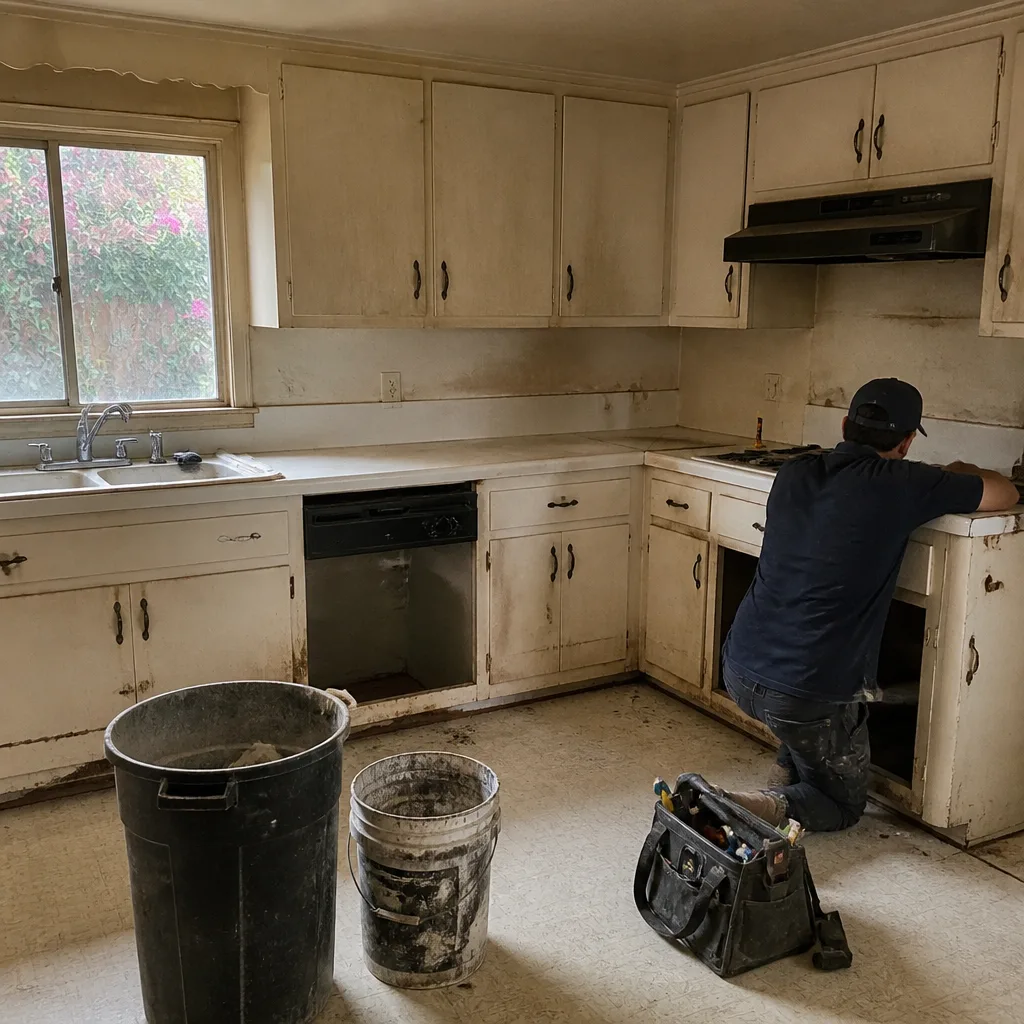 Before
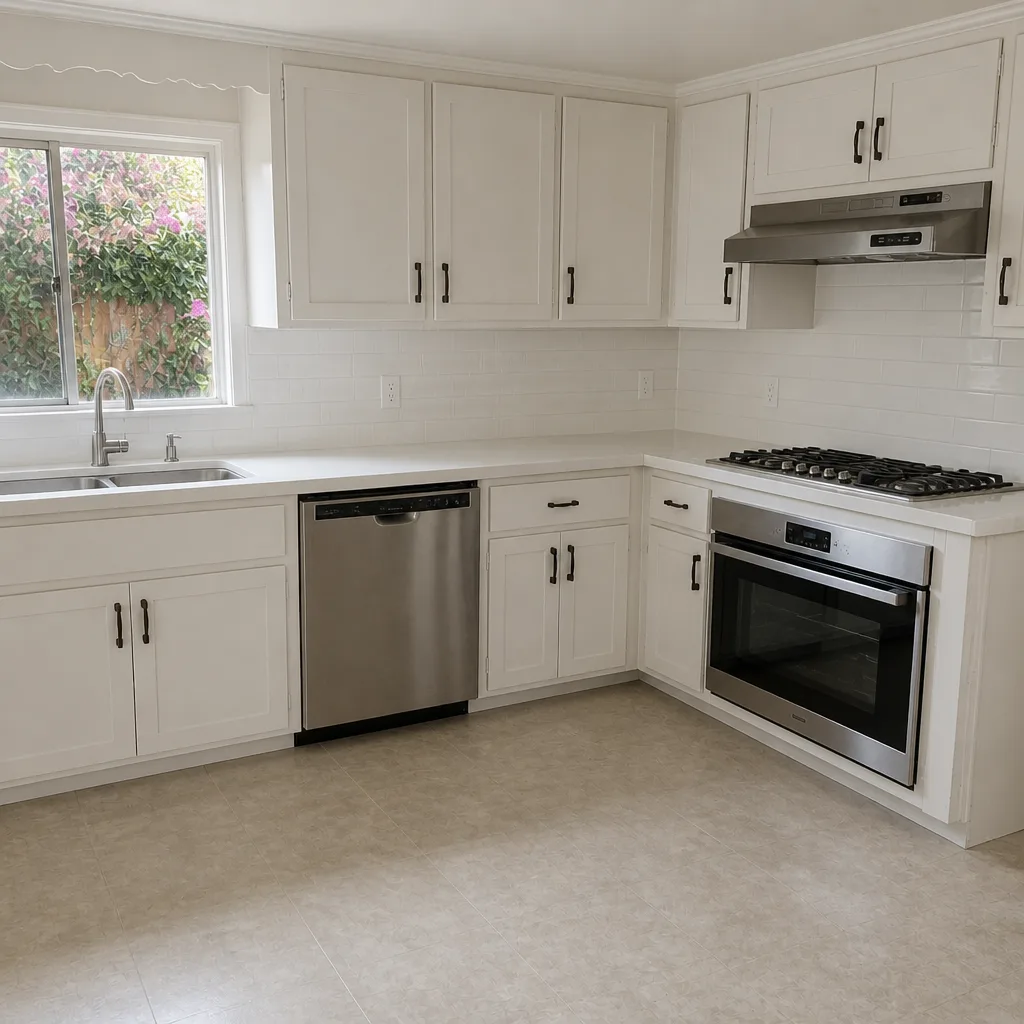 After
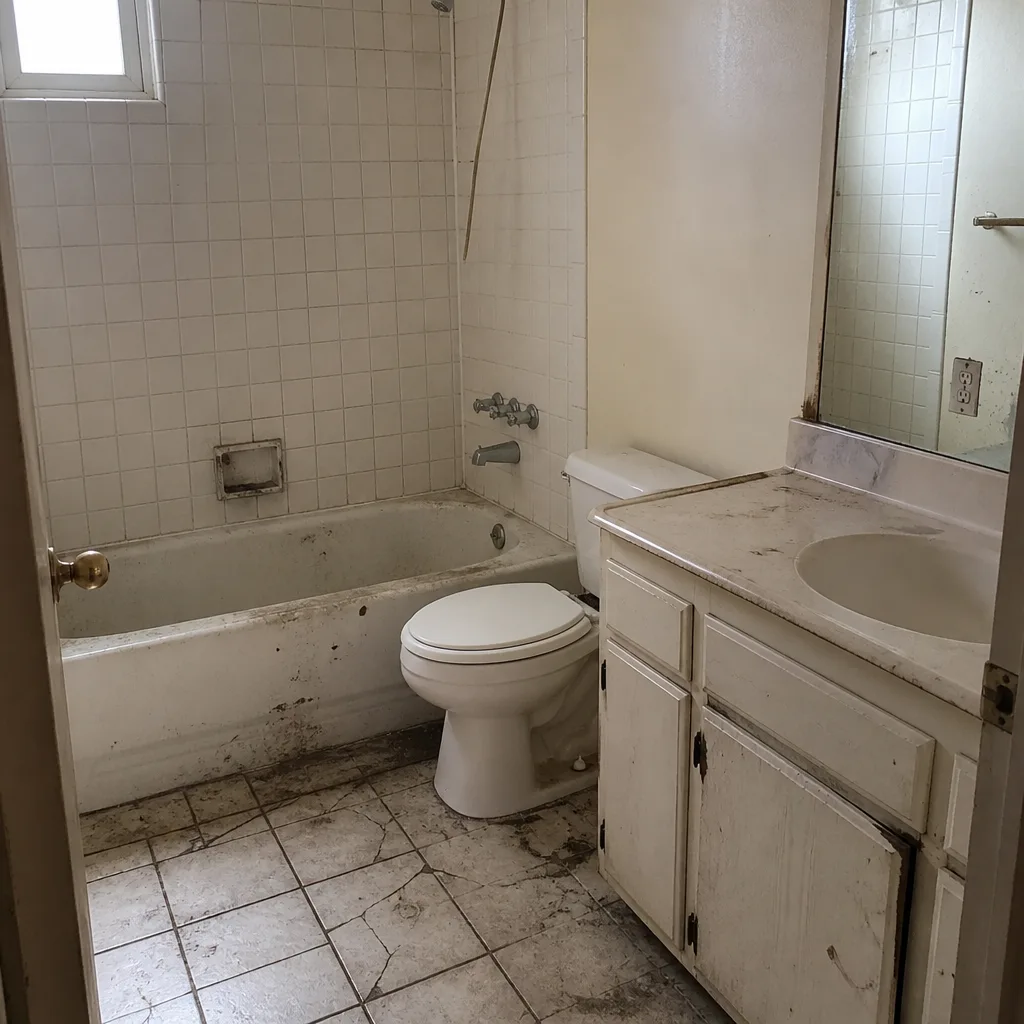 Before
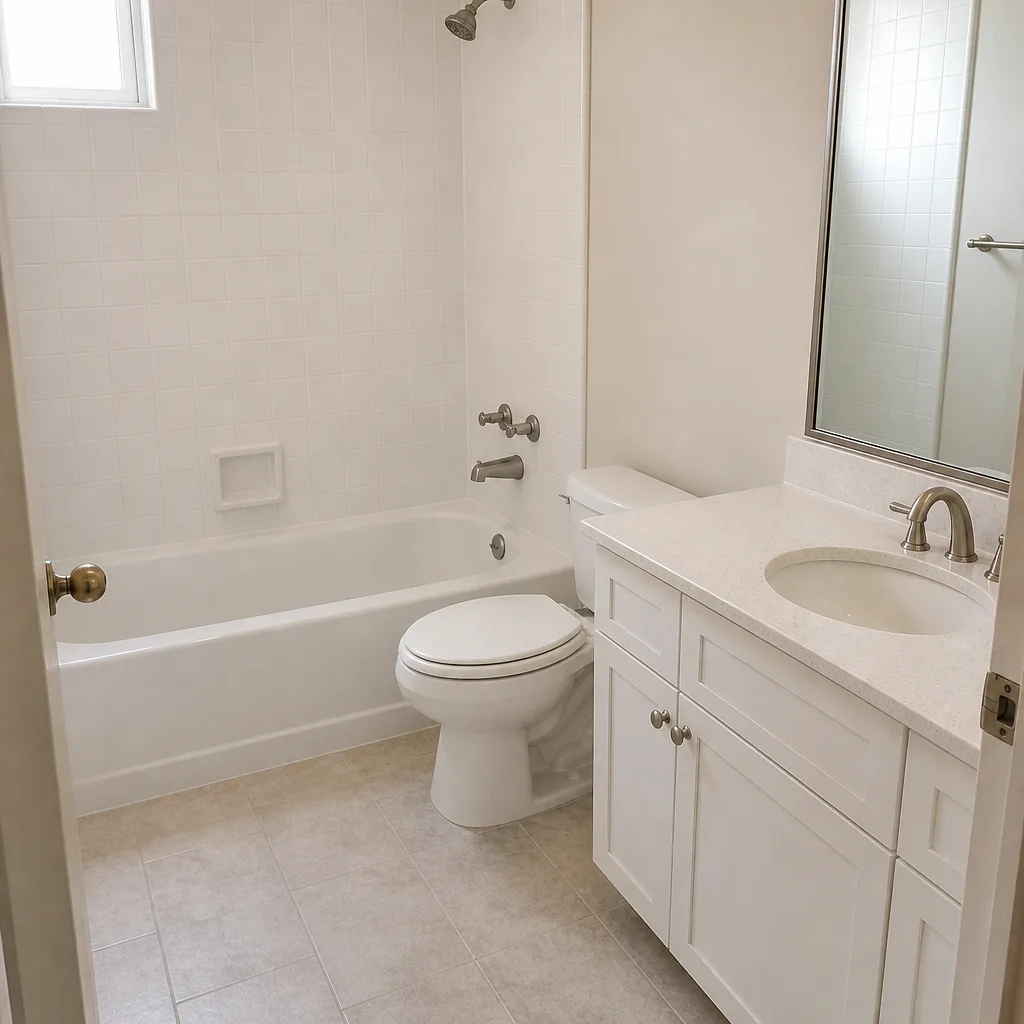 After
When to Call a Professional
Call a professional the moment the project involves a new foundation, a new structural system, new electrical circuits, new plumbing fixtures, or mechanical installation. That covers about 70% of any ADU or addition budget and about 100% of the parts that create liability. Call a professional when the property sits in Newport Beach’s coastal zone and you’re not certain the ADU is permit-eligible, when the lot’s drainage or soil report calls for engineering, or when you’re planning to sell or refinance within a few years and need documented, appraisable square footage. Call a professional for the rough work and keep the finish work yourself if you want, but know the line.
Groundwork Construction Co. of Newport Beach offers free estimates in Newport Beach with a written line-item scope, upfront pricing, and the 730-Day Done Right Promise – if it’s not done right, we make it right. Call (833) 749-3967 to schedule yours. You can start with our Groundwork Construction Co. of Newport Beach home page for a full view of the services we provide.
Frequently Asked Questions
Yes, if you pull an owner-builder permit through the City of Newport Beach and live in the property as your primary residence for at least a year after completion, and you hire licensed subcontractors for the electrical, plumbing, mechanical, and structural trades. The permit is legal. What most homeowners underestimate is the liability you accept as your own general contractor: workers’ comp, insurance, inspection sequencing, and legal exposure to unlicensed workers under Labor Code 2750.5.
Yes. Any electrical work on a permitted ADU or home addition in Newport Beach must be performed by a licensed electrician, and the final inspection will not pass with unlicensed self-performed work. The city can require you to remove and redo the work at your own cost. Beyond the permit, electrical work done without a license can be excluded from a homeowner’s insurance claim, which means a fire or fault isn’t covered.
An appraiser will pull permit records and exclude any unpermitted ADU or addition from the home’s gross living area, which in Newport Beach can reduce your appraised value by $100,000 to $300,000 or more depending on the ADU’s size. Some lenders refuse a cash-out refinance entirely on a property with unpermitted improvements. The retrofit permit process after the fact typically costs $15,000 to $30,000 and can require opening walls to verify what’s inside.
Painting, interior trim and finish carpentry, floor tile, closet systems, and landscaping are all safe to DIY. None of these require a permit, none are inspected, and none change the legal envelope of the structure or affect the appraised value. Realistic savings on a $200,000 ADU are $15,000 to $25,000 when you do these yourself, which is a meaningful number that doesn’t put your permit or your insurance at risk.
Yes. Lenders and appraisers care about documented, permitted work, not about who acted as the general contractor. What matters is that the construction was inspected and signed off by the city. If the ADU has a certificate of occupancy from Newport Beach, the lender sees it as legal square footage. If the ADU was self-managed and passed all inspections, it counts the same as a general contractor’s work. The problem is only with unpermitted or uninspected work.
Realistic savings on a $200,000 Newport Beach ADU are $15,000 to $25,000 when you handle painting, finish trim, floor tile, and landscaping yourself. That’s 8% to 12% of the total project cost, which is worth the effort. Attempting the licensed trades does not save money; it creates downside risk of $30,000 to $80,000 in rework, inspection failures, and permit remediation, plus three to six months of project delay. The math only works on finish work.
The Bottom Line
California’s owner-builder permit is legal, but the real question is what you can afford to get wrong. Finish work like painting, trim, tile, and landscaping is safe to do yourself and can save $15,000 to $25,000 on a typical Newport Beach ADU. Electrical, plumbing, structural, and mechanical work is not a DIY opportunity – it voids permits, fails inspections, and creates title problems at refinance or resale. In a Newport Beach market where every permitted square foot carries premium value, the entire financial upside depends on documented, inspected, legal work. Draw the line at the rough trades. Keep the finish work. And get a written scope from a professional before you pull the permit.
If you’re planning an addition or ADU in Newport Beach and want a clear, line-item picture of which parts of the project you can take on yourself and which ones need a licensed partner, call Groundwork Construction Co. of Newport Beach at (833) 749-3967 for a free estimate. A live person answers around the clock, estimates are backed by the 730-Day Done Right Promise, and you’ll walk away knowing exactly where your money goes and where your own hands are worth the effort. From foundation to finish line, we make the whole thing simpler.
Written by the team at Groundwork Construction Co. of Newport Beach.