
Last updated November 17, 2026








Free written scope consultation - allowances, timeline, and change-order rules on paper before a single trade is scheduled
Bathroom Remodeling Maintenance Schedule: What to Do and When
Grout doesn’t fail because it was installed wrong. It fails because no one resealed it at month 12. That single missed step sits behind more water-damage callbacks than any installation error we’ve seen, and it’s the reason a $28,000 bathroom can start looking tired at year eight while the one down the street from 2009 still looks new. The two years after your last tile is set decide whether the remodel lasts ten years or thirty. This guide hands you a month-by-month schedule built around the materials actually in a modern Newport Beach bathroom, from the caulk cure in week one to the annual fan check nobody does. Print it, hang it in the linen closet, and follow it.
Quick Answer
Maintain a bathroom remodel on a tiered schedule: inspect and touch up caulk and grout at 30 days and again at 90 days, reseal natural stone every 6 to 12 months, reseal ceramic and porcelain tile grout every 12 to 18 months, clean the exhaust fan every 6 months and replace it around year 10, and check supply lines and shutoff valves annually. The first 90 days are the highest-risk window because caulk, grout, and fixtures are still settling. Everything after that is about protecting the waterproofing layers you paid for.
Styles & brands we work with
- Kitchen remodeling
- Bathroom remodeling
- Home additions & ADU
- Roofing
- Windows & doors
- Driveway & pavers
- Fence
Table of Contents
- Why the First 90 Days Are the Highest-Risk Window
- The Month-by-Month Maintenance Calendar
- Material-Specific Maintenance: Porcelain vs. Stone vs. Quartz
- The Ventilation Fan Check That Prevents Mold
- How to Document Your Remodel So You’re Not Guessing in Year 5
- Warranty vs. Maintenance: Who Handles What
- Newport Beach Coastal Humidity and Salt Air: What Changes
Why the First 90 Days Are the Highest-Risk Window
A bathroom is at its most vulnerable in the weeks right after the trades leave. Not because the work is bad, but because materials are still doing what materials do: caulk is curing, thinset is finishing its chemical reaction, and fixtures are seating themselves against a substrate that hasn’t fully dried. In Newport Beach, where marine layer humidity pushes indoor moisture levels higher than homeowners expect, that settling process can run longer than the general contractor’s punch list window.
Here’s what we tell every homeowner we hand a finished bathroom to: for the first month, treat the room like it’s still on probation. Watch for these specific signals.
What to Watch in Weeks 1 Through 4
- Caulk shrinkage at the tub and shower base. Silicone caulk can pull back from a corner as it cures. A hairline gap at day 14 is normal. A gap at day 45 is not, and it needs to be flagged to your contractor while the workmanship warranty is fresh.
- Grout haze or efflorescence. A white powdery bloom on grout lines after the first few showers is usually salt migration, not failure. Wipe it with a dry cloth and note whether it returns.
- Fixture wobble. A toilet that rocks even a millimeter, or a faucet handle that feels loose, is a seating issue. Fix it in the first 90 days and it’s typically covered. Wait six months and it’s a repair bill.
- Door and drawer alignment. Vanity doors swell and shift as the wood adjusts to bathroom humidity. Most adjustments are a screwdriver turn.
- Slow drains. A shower that drains slower at week 3 than week 1 usually means construction debris in the trap, not a plumbing defect. Have it checked.
Month 2 and Month 3
By the 60-day mark, caulk should be fully cured and won’t shift again unless something is moving. Do a second walkthrough with a flashlight angled low along every wet-area seam – tub deck, shower curb, backsplash where it meets the counter. Any dark line where caulk meets tile is a place water can get behind the wall.
At day 90, do a full inspection and take dated photos. If anything on that list looks off, contact your contractor before the second quarter ends. A 730-Day Done Right Promise only works if you use it, and the 90-day mark is the single best moment to catch workmanship issues while they’re still small.
The Month-by-Month Maintenance Calendar
This is the working schedule. It assumes a typical Newport Beach bathroom remodel with a mix of tile, one natural or engineered stone surface, a glass shower enclosure, and a standard exhaust fan. Adjust the intervals if you have a steam shower or a freestanding tub with a filler.
Your 12-Month Maintenance Calendar
- Month 1 (post-completion): Inspect caulk lines, grout, and fixture seating. Note anything loose. Take photos.
- Month 2 to Month 3: Second wet-area seam inspection. Address any caulk gaps or grout cracks. Confirm the exhaust fan pulls air (tissue test below).
- Month 6: Clean the exhaust fan grille and blade. Check the toilet supply line for moisture. Wipe down the shower glass with a squeegee routine.
- Month 12: Reseal grout in the shower and on the floor if you have ceramic or porcelain. Reseal natural stone surfaces. Re-caulk any seam showing wear.
- Month 18: Second grout reseal (ceramic/porcelain only – natural stone is on the 6 to 12 month cycle). Test the GFCI outlet with the test button.
- Month 24: Full inspection of shutoff valves under the sink and behind the toilet. Check the toilet flapper and fill valve. Look under the vanity for any sign of moisture.
- Annually after year 2: Repeat the reseal cycle. Replace the exhaust fan at the 10-year mark, or sooner if it gets noisy.
The Quarterly Checklist (Do This Every 90 Days)
- Run the exhaust fan for 20 minutes after every shower – verify it’s actually pulling air, not just making noise.
- Look at the caulk around the tub, shower base, and sink backsplash.
- Check under the sink for slow drips on the cabinet floor.
- Wipe the shower glass with a squeegee after each use and do a vinegar or CLR clean once a quarter if you’re on Newport Beach municipal water, which runs hard.
That’s the whole system. Two deep reviews a year, one full reseal annually, and a quarterly look in the places water hides. Pair this bathroom schedule with the same maintenance mindset on the exterior of the home. Our guide to Driveway & Pavers in Newport Beach covers how to keep hardscape joints from pulling apart in the same coastal climate, and the same reseal logic applies.
Material-Specific Maintenance: Porcelain vs. Stone vs. Quartz
Here’s where generic home maintenance advice falls apart. Porcelain, natural stone, and engineered quartz do not share a schedule. Treating them the same is how people either over-maintain a floor that didn’t need it or under-maintain a counter that absorbs stains.
Porcelain and Ceramic Tile
Glazed porcelain is the lowest-maintenance surface in the room. The tile itself doesn’t need sealing. What needs attention is the grout – and only if it’s cementitious, which most grout in a Newport Beach bathroom remodel still is.
- Grout reseal interval: 12 to 18 months for shower and floor grout. Wall grout can stretch to 24 months.
- Cleaning: pH-neutral cleaner. Skip the bleach and harsh acids; they chew through sealer and can pit some glazes.
- Watch for: dark grout lines in the shower pan. That’s not a cleaning problem, it’s a sealer problem. Reseal and see if it stays dark.
Natural Stone (Marble, Travertine, Limestone)
Natural stone is the material that surprises homeowners. People pay a premium for marble in a Newport Beach master bath and then find out it’s the highest-maintenance surface they bought. That’s not a defect, it’s the nature of the material.
- Seal interval: 6 to 12 months. Every 6 months for a marble shower, 12 for a vanity top that only sees hand soap.
- Etching: any acidic product – lemon juice, vinegar, some toothpastes, some glass cleaners – will etch the polish. Use only stone-specific cleaner.
- Polishing: expect a professional re-polish or hone around year 7 to 10 depending on traffic.
Engineered Quartz
Quartz is non-porous, so it doesn’t need sealing. It handles daily use better than natural stone, but it’s not indestructible: heat and direct sun can dull or discolor it.
- Seal interval: none. Quartz is factory-sealed and doesn’t require resealing.
- Heat: never set a hot curling iron or hair straightener directly on the counter. Use a trivet. Heat scars on quartz don’t buff out.
- Sun exposure: a south-facing Newport Beach bathroom window can fade some quartz over a decade. Close blinds on the sunny hours if the counter is close to the glass.
Glass Shower Enclosures
Glass is glass. What fails is the protective coating or the caulk, not the panel. Squeegee every use. Avoid abrasive pads; they scratch the coating and you’ll see soap scum build up faster. Re-caulk the enclosure seams every 2 to 3 years. For more on how we source and install bathroom surfaces, see our Groundwork Construction Co. of Newport Beach home page to see the full scope of what we build.
The Ventilation Fan Check That Prevents Mold
The single most common cause of “mold from tile work” complaints is not tile work. It’s an exhaust fan that stopped pulling air two years ago and nobody noticed, because a stuck fan still makes noise. In a Newport Beach bathroom with the window closed through the marine layer season, that fan is the only thing stopping moisture from settling into grout, drywall, and framing. Get this wrong and every other part of the schedule is fighting uphill.
The Tissue Test (Every 6 Months)
- Turn the fan on high.
- Hold a single square of toilet paper flat against the grille.
- If the fan holds the tissue against the grille, it’s pulling air. If the tissue falls, the fan has lost suction.
- Remove the grille and wash it in warm water. Vacuum the fan blade with a brush attachment. Re-test.
If the fan still won’t hold tissue after cleaning, the blade is likely jammed or the motor is dying. Replace it. A new exhaust fan for a standard bathroom runs a few hundred dollars installed, and that cost is trivial next to the drywall and framing damage a humidity problem creates over two years.
Run Time and CFM
Run the fan for 20 minutes after every shower, not just while you’re in it. That’s the amount of time needed to clear the moisture that condensed on the surfaces. Check that your fan is rated for the room – a standard Newport Beach hall bath needs at least 50 CFM; a larger master bath with a freestanding tub should be closer to 80 to 110 CFM. If your remodel included a steam shower, the fan and timer should have been sized for it specifically. Confirm that on your plans, not by guessing.
What Mold Actually Looks Like (and Doesn’t)
Mold in a bathroom typically shows up as dark specks in the corners where two wet surfaces meet, or as a black film on the ceiling above the shower. It almost never appears on properly sealed grout in a well-ventilated room. If you see it on the ceiling within the first 12 months, the fan or its run time is the problem, not the installation.
How to Document Your Remodel So You’re Not Guessing in Year 5
When a fixture fails at year 5, you don’t want to be the homeowner scrolling through phone photos trying to remember the brand of the shower valve. You want a folder, physical or digital, that tells you exactly what’s in the room. The best five minutes of work you’ll do after the remodel is documenting it before the last contractor’s truck pulls away.
Build a Bathroom Materials Binder
Collect and keep the following:
- Product spec sheets for every fixture, faucet, and tile you installed. Ask your contractor. Any reputable one already has these filed.
- Warranty cards and registration confirmations for the vanity, faucets, toilet, fan, and glass enclosure.
- Punch list and final walkthrough photos, dated. This is your proof of condition at handoff.
- Paint color chips for walls, trim, and any stained wood. Brand and color code in writing.
- Sealer and cleaner product names. Know the brand of sealer on your stone. The wrong sealer on marble can discolor it permanently.
- The contractor’s written warranty document and contact info. Keep the number where you can find it.
Where to Store It
A labeled folder in the back of the bathroom vanity is the practical option. A shared cloud folder with a scan of everything is the smarter one. If you sell the home, that folder becomes a sales asset. Buyers pay more for a bathroom with known materials and a documented maintenance history than one where the finish is a mystery.
If you’re also planning exterior upgrades, keep the same binder approach for those projects. Our Fence Installation in Newport Beach page explains what documentation is worth keeping for outdoor materials that face salt air, and the same logic applies to a bathroom that faces marine humidity.
Warranty vs. Maintenance: Who Handles What
Most homeowners are unsure where routine maintenance ends and a workmanship claim begins. Getting that line right is the difference between a free repair and a $600 surprise. At Groundwork Construction Co. of Newport Beach, every bathroom remodel is backed by our 730-Day Done Right Promise – if it’s not done right, we make it right. What falls under that promise and what falls under your maintenance schedule depends on whether the problem is installation or upkeep.
Signs It’s a Warranty Issue
- Tile popping loose or hollow-sounding in the first two years with no impact or abuse.
- Grout cracking along an install seam without wear or neglect, particularly where two substrates meet.
- Water getting behind tile in a shower pan when the pan was installed during the remodel year and no damage happened to it.
- Fixture leaks at the point where the plumber made the connection, not from loose parts you could tighten.
- Door or drawer hardware failing on a vanity installed within the covered period.
- Anything on your punch list that showed up again within the covered period because it wasn’t fully corrected the first time.
Signs It’s Maintenance
- Caulk that pulled away years after install because it was never refreshed.
- Grout darkening because the sealer expired and wasn’t reapplied.
- Etching on natural stone from an acidic cleaner.
- Exhaust fan failure after years of no cleaning.
- Mold growth tied to the fan not running long enough.
Call us rather than assume. Many concerns that look like one category turn out to be the other, and we’d rather inspect a warranty question at no charge than have you spend money on a repair that should have been ours. Our team is available by phone 24 hours a day, and someone live answers every call.
Newport Beach Coastal Humidity and Salt Air: What Changes
Coastal bathrooms age differently than inland ones. Newport Beach sits in a marine layer that keeps indoor humidity higher and shifts more dramatically with fog cycles than inland Orange County. That has real maintenance consequences for a bathroom remodel.
- Reseal sooner than the standard interval. If your bathroom has an exterior wall facing west toward the coast, take the shortest interval in every section of this guide. Grout every 12 months, stone every 6, caulk every 18 to 24.
- Watch metal finishes. Brushed nickel, chrome, and matte black faucets near an ocean-facing window collect salt film. Wipe them weekly with a soft cloth and a mild cleaner. Never use abrasive polish – it scratches the finish permanently. Finishes from brands like Kohler hold up well with proper care.
- Ventilation matters more, not less. Fog days keep exterior air humid, so opening a window to “air out” after a shower can backfire. Run the fan instead.
- Paint in a coastal bathroom should be a bathroom-rated formula with a satin or semigloss finish for easier wipe-down. If yours was repainted during the remodel, confirm the sheen so you can match touch-ups.
- Wood vanity tops and painted cabinet faces need a light wipe-down monthly. Skip the oil-based polish; it attracts dust and looks dull once it cures.
These adjustments push maintenance time up by maybe an hour a year. They’re worth it. A Newport Beach bathroom maintained on the coastal schedule holds its finish well past the ten-year mark. If you’re already thinking about the next phase of your home, our Home Additions & ADU in Newport Beach guide covers how a new bathroom in an addition should be planned with ventilation and moisture control in mind from the start.
Common Mistakes to Avoid
- Skipping the 90-day inspection. The single most expensive habit we see. It’s the moment when workmanship issues are cheapest to fix, and it’s the moment most homeowners are too relieved the project is over to bother. Put it on the calendar the day you take possession.
- Resealing too late. Grout that’s already dark, stained, or powdery has gone past the point of sealer helping. Once it reaches that state, you’re regrouting, not sealing. Reseal at 12 months, not 24.
- Using a general-purpose sealer on natural stone. Marble and travertine need a stone-specific penetrating sealer. A generic tile sealer can discolor or leave a film on marble that won’t come off without professional polishing.
- Ignoring the exhaust fan. The number one cause of “the tile install is failing” callbacks that turn out to be a ventilation problem. Check it every 6 months with the tissue test.
- Letting salt air sit on metal finishes. Newport Beach faucets and shower trim don’t fail from wear; they fail from salt film left sitting over months. A weekly wipe is the fix.
- Not keeping the materials binder. When a shower valve fails in year 7 and you can’t remember the brand, the plumber’s job gets more expensive and the repair is less precise.
- Confusing a maintenance issue with a warranty claim (or the reverse). Caulk that pulled away because it was never refreshed isn’t installation error. A hollow tile in year one is. Call your contractor and get a clear read before you spend money.
See the difference
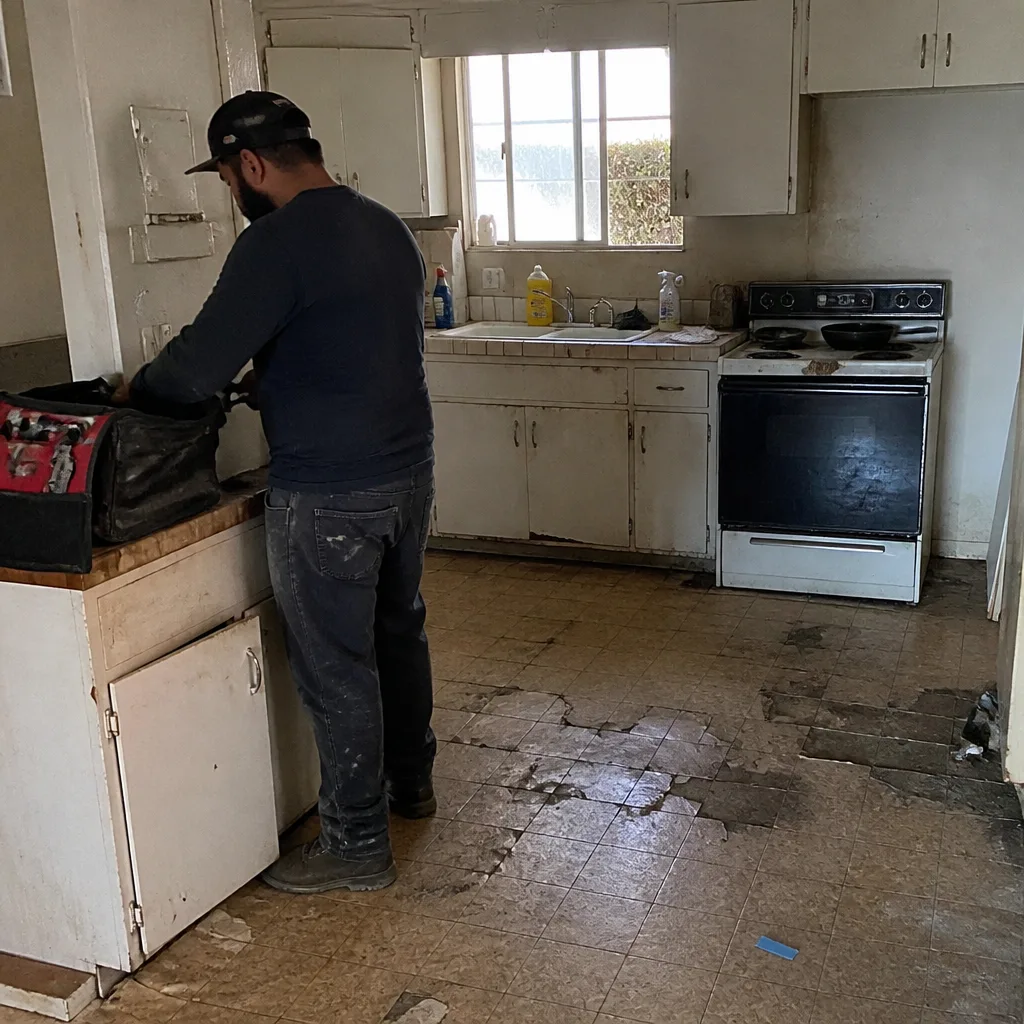 Before
 After
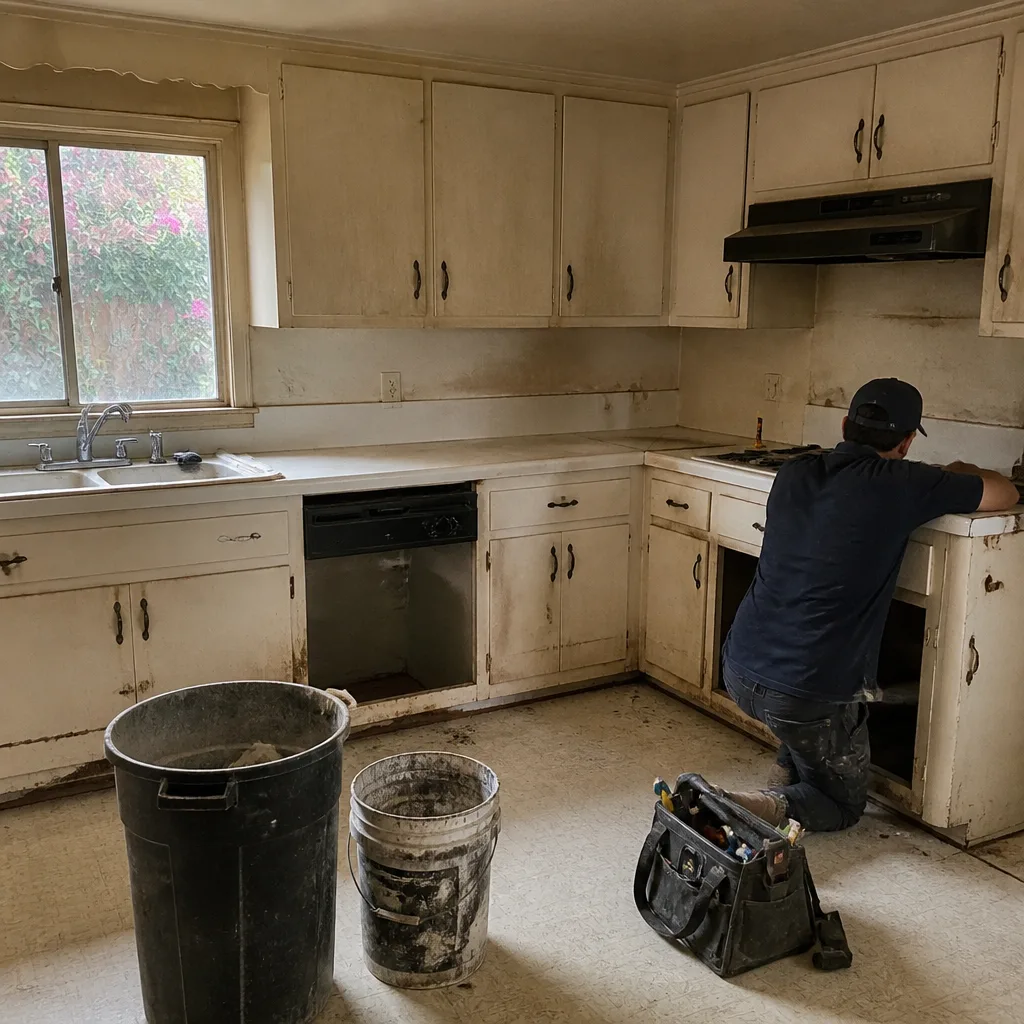 Before
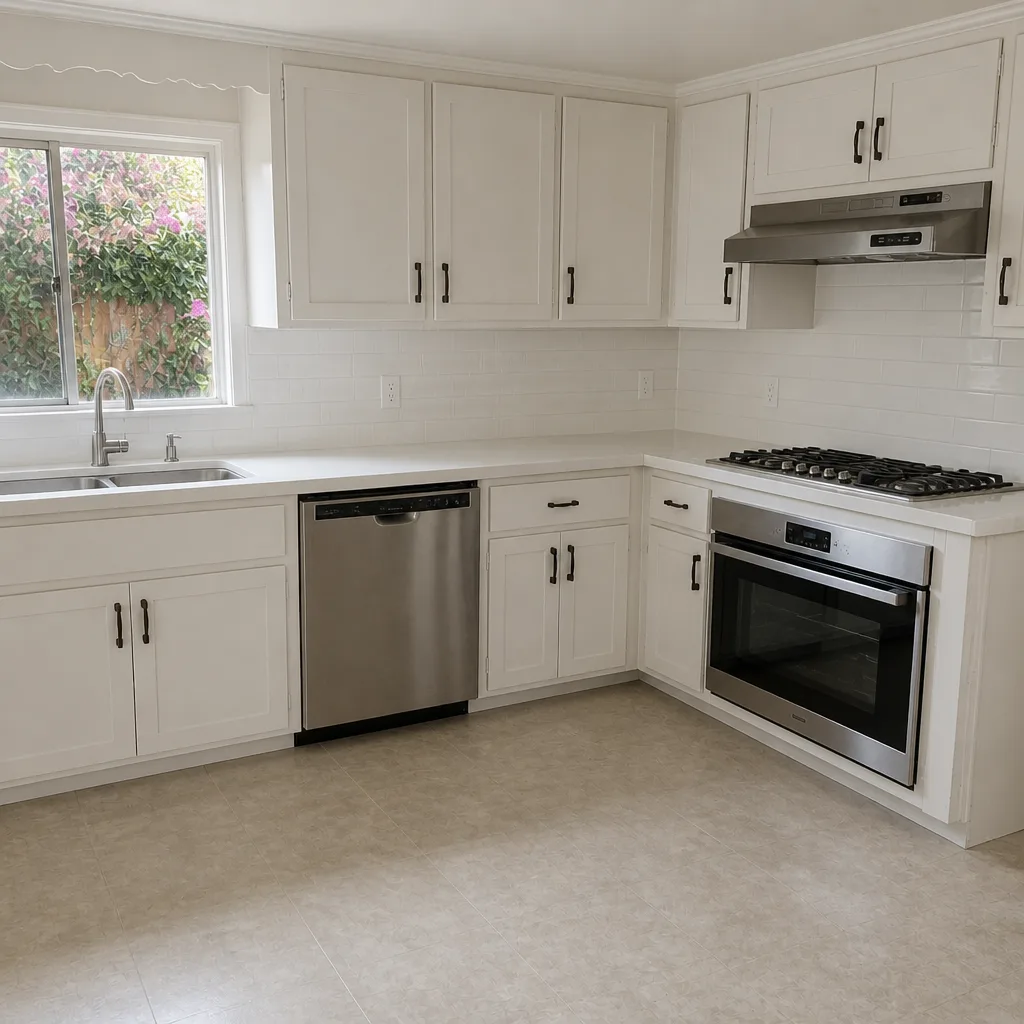 After
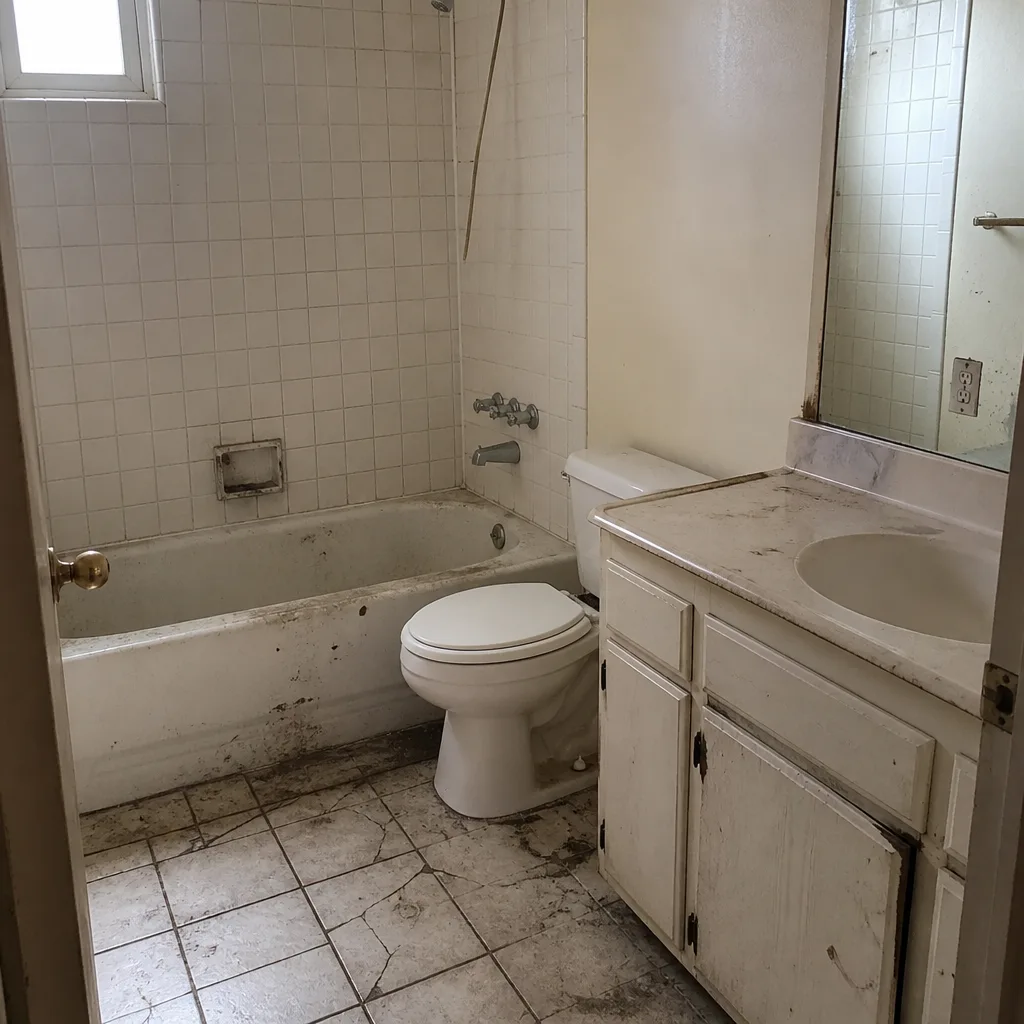 Before
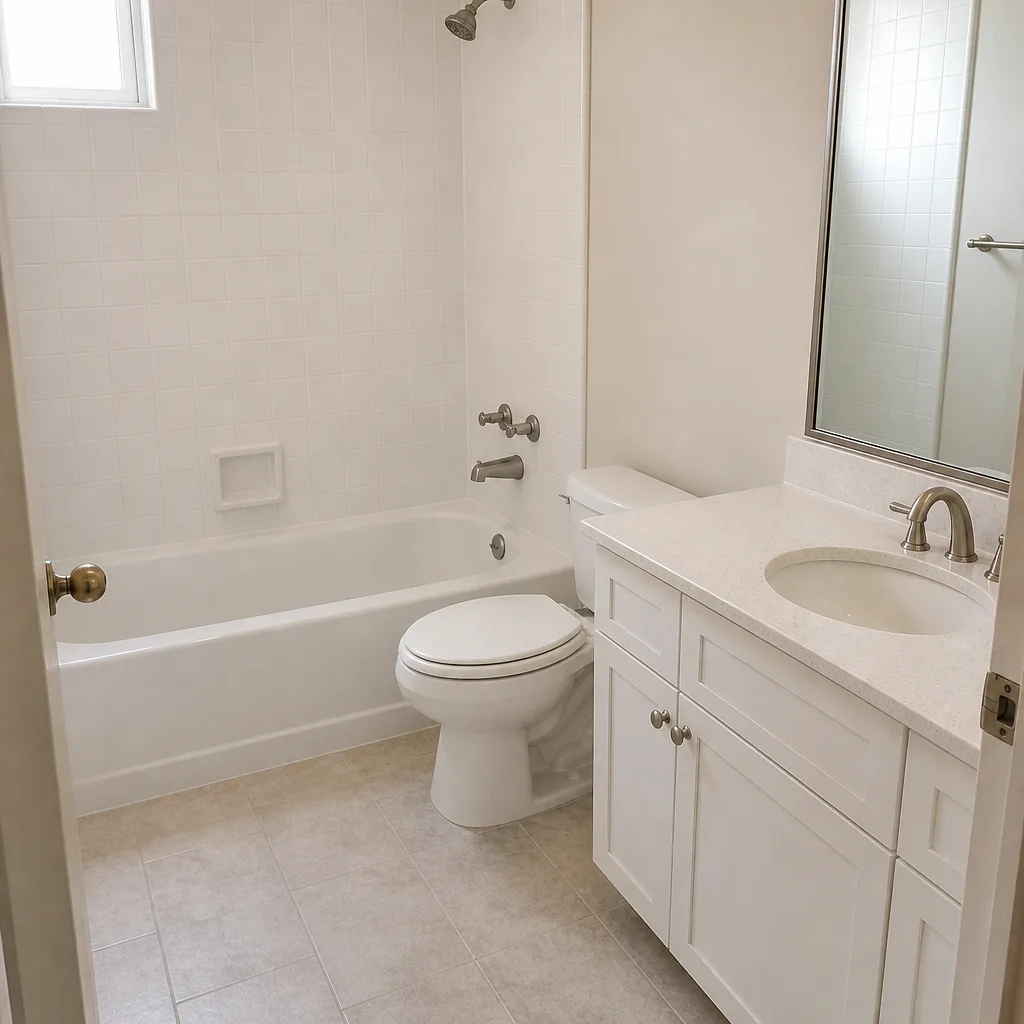 After
When to Call a Professional
Plenty of bathroom maintenance is yours to handle: resealing, cleaning the fan, wiping metal finishes, checking caulk lines. But some issues need a trained eye, and calling early is cheaper than calling late. Call a professional when you see water stains spreading on a wall or ceiling outside the shower, when a tile has loosened and the substrate underneath feels soft, when the exhaust fan won’t pull air after cleaning, when a leaking supply line has soaked the cabinet, or when you discover mold on drywall or framing. Those are not maintenance – they’re repairs that need to be done by someone who knows how the layers behind the tile work. Groundwork Construction Co. of Newport Beach offers free estimates in Newport Beach – call (833) 749-3967. Our technicians have up to 12 years of experience, are background-checked, and arrive in uniform. Every project is backed by the 730-Day Done Right Promise.
Frequently Asked Questions
Reseal shower and floor grout every 12 to 18 months in Newport Beach, and reseal wall grout every 24 months. Coastal humidity and hard municipal water break sealer down faster than inland climates, so if your bathroom has an ocean-facing exterior wall, stick closer to 12 months. If the grout already looks dark or powdery, sealer won’t help – it’s regrout time. Call (833) 749-3967 for a free estimate if you’re unsure which stage you’re at.
In the first 90 days, watch for caulk pulling away from the tub or shower base, grout cracking along install seams, a toilet or faucet that rocks, doors and drawers that shift out of alignment, and drains that slow down. All five are expected settling or seating issues during the first three months – and all five are easier to correct before day 90 than after year one. Flag anything on that list to your contractor while the workmanship window is open.
No. Engineered quartz is non-porous and factory-sealed, so it doesn’t need periodic resealing the way marble or granite does. What quartz does need is protection from heat and long-term sun exposure. A hot curling iron set directly on the counter can scar it permanently, and a south-facing window that gets hours of direct sun can dull the finish over a decade. Use a trivet and draw the blinds on peak-sun hours.
Exhaust fans lose suction because the blade and grille collect dust, lint, and soap film – not because the motor usually fails. The tissue test is the quickest diagnosis: hold a square of toilet paper against the grille while the fan runs. If it holds, the fan pulls air. If it falls, remove the grille and clean the blade with a vacuum brush attachment, then re-test. If it still won’t hold tissue after cleaning, the motor or blade is failing and the unit needs replacing. Call (833) 749-3967 if you want a free estimate on a replacement.
A warranty issue is a defect in the installation – a tile coming loose in year one, a pan leaking into the subfloor, a fixture leaking at the plumber’s connection. A maintenance issue is wear the homeowner was responsible for preventing – caulk that pulled away because it was never refreshed, grout that darkened because the sealer expired, a fan that died because it was never cleaned. When you’re not sure which category applies, call your contractor before spending money on a repair. Groundwork Construction Co. of Newport Beach backs every remodel with our 730-Day Done Right Promise, and we’d rather inspect a warranty question at no cost than have you pay for a repair that should have been ours.
Follow the coastal maintenance intervals: reseal grout annually, seal natural stone every 6 months, wipe metal finishes weekly to remove salt film, and run the exhaust fan for 20 minutes after every shower. Those four habits account for most of the difference between a bathroom that looks new at year ten and one that looks tired at year six. In Newport Beach, the marine layer keeps interior humidity high, so ventilation and resealing matter more here than they do inland. If you’re planning a remodel and want the materials specified for a coastal climate from the start, Groundwork Construction Co. of Newport Beach offers a free estimate and design consult – call (833) 749-3967.
The Bottom Line
The maintenance window after a bathroom remodel is where the quality gets decided. Reseal at 12 months, not after the grout turns dark. Check the fan every 6 months with the tissue test, because a fan that still makes noise can still be dead. Recognize the material-specific timelines – porcelain grout at 12 to 18 months, natural stone at 6 to 12, quartz needs no sealer but hates heat. Keep the materials binder. Know what falls under warranty and what falls on you, and call early rather than late when something looks off. The bathroom that lasts 30 years is the one that got an hour of attention every season. Backed by our 730-Day Done Right Promise, upfront pricing with no surprises, and a team that answers the phone 24/7, Groundwork Construction Co. of Newport Beach builds bathrooms meant to be maintained, not replaced. Call (833) 749-3967 to schedule a free estimate and design consult. Projects over $10,000 qualify for $1,000 off, and 0% financing for 18 months is available.
Written by the team at Groundwork Construction Co. of Newport Beach.