Last updated November 17, 2026
Free written scope consultation - allowances, timeline, and change-order rules on paper before a single trade is scheduled
The Complete Windows & Doors Guide for Newport Beach Homeowners
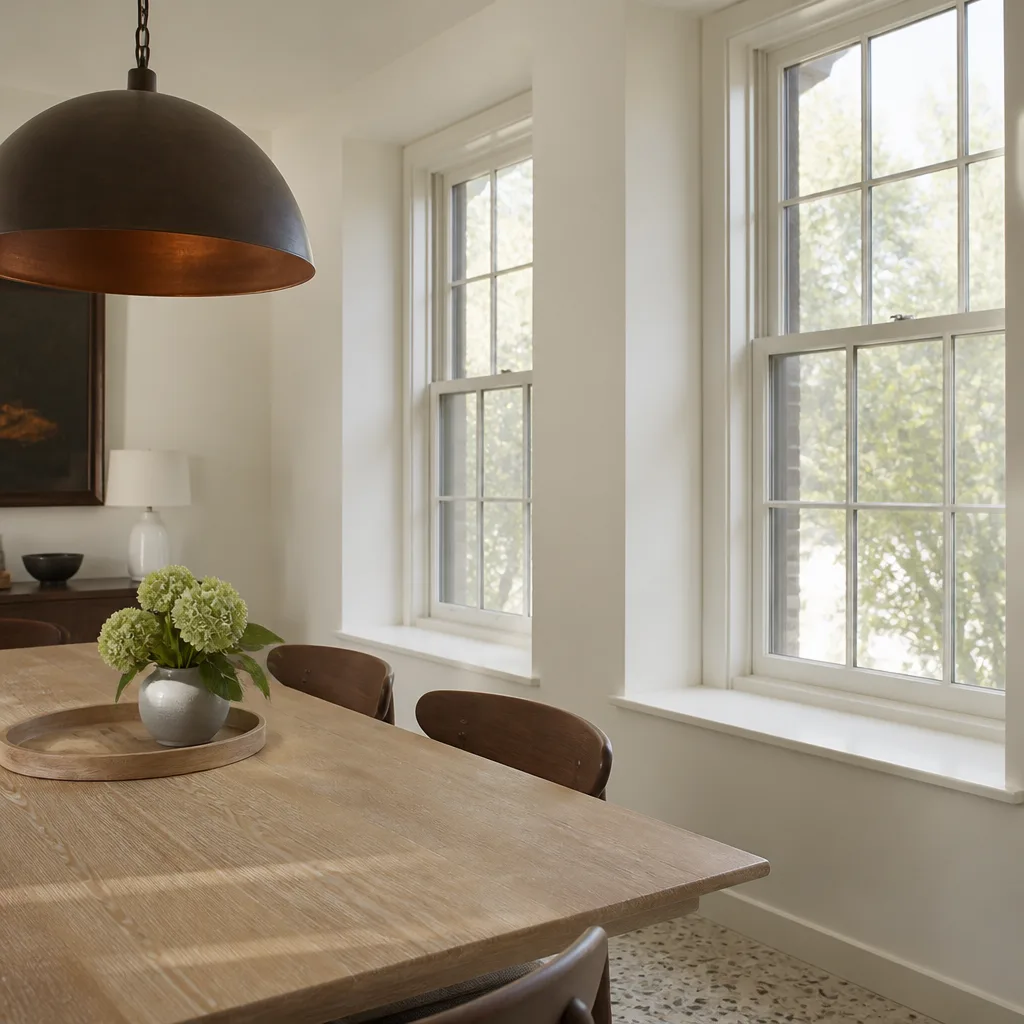
A vinyl window that performs perfectly in Riverside will oxidize and seal-fail within five years in Newport Beach. That’s not a sales line – it’s the single most expensive lesson coastal homeowners learn after a replacement done wrong. Salt air attacks metal finishes, coastal fog loads window frames with moisture every morning, and California’s Title 24 energy code sets U-factor and SHGC limits that vary by climate zone. Choose the wrong product or the wrong installation detail and you’ll be replacing seals, hardware, and trim years ahead of schedule. This guide covers what the inland product brochures skip: the durability decisions that actually follow your ZIP code, from Corona del Mar to Balboa Island.
Quick Answer
In Newport Beach, window and door selection is driven by three factors inland guides ignore: coastal salt-air corrosion (which dictates frame material and hardware finish), Title 24 energy code compliance for this climate zone (which sets minimum U-factor and SHGC ratings your inspector will verify), and the local coastal-zone realities that can influence impact-glass and HOA requirements. Fiberglass and aluminum-clad wood typically outperform vinyl over the long haul here. The installation details – flashing, sealant grade, drainage – matter as much as the product itself.
Styles & brands we work with
- Kitchen remodeling
- Bathroom remodeling
- Home additions & ADU
- Roofing
- Windows & doors
- Driveway & pavers
- Fence
Table of Contents
- How Title 24 Shapes Window Choices in Newport Beach
- Frame Materials for salt-air Environments: Fiberglass vs. Aluminum-Clad Wood vs. Vinyl
- Hardware and Finish Grades That Survive Salt Air
- Impact Windows vs. Standard Windows: What Newport Beach Insurance and HOAs May Require
- How to Evaluate Installation Quality on a Coastal Window Job
- Entry Doors, Patio Doors, and Sliders: What Performs Here
- What Windows and Doors Cost in Newport Beach
- Timeline, Permits, and What to Expect on Installation Day
How Title 24 Shapes Window Choices in Newport Beach
California’s Title 24 energy code is not a suggestion. It sets maximum U-factor (how fast heat moves through the glass) and solar heat gain coefficient (SHGC – how much solar energy passes through) for every window sold and installed in the state, and the numbers differ by climate zone. Newport Beach sits in a coastal zone where cooling loads are mild but glare and solar gain still matter. That means the window you’d spec for a Palm Desert home isn’t the right product here – and it may not even pass inspection.
Here’s how to think about the two numbers:
- U-factor measures insulation. Lower is better. A well-built dual-pane unit typically lands in a range the code accepts for this zone; single-pane units almost never do on a permitted replacement.
- SHGC measures solar heat passing through. This is where homeowners get tripped up – a low SHGC is good for cooling-dominated climates, but overly aggressive tinting can make a foggy coastal living room feel dark.
- Air leakage and condensation resistance aren’t in the code headline but are what your inspector and your comfort actually depend on.
What happens at inspection if you miss them? Your permit gets a correction notice, the installer has to pull the units and reorder, and you’re looking at a delay measured in weeks. It’s easier to start with the right product. Every product our team installs in Newport Beach is specified to meet the current Title 24 requirements for this climate zone, and we pull the permit and pass the inspection before we hand you the keys.
The other Title 24 rule worth knowing: replacement windows that are “like-for-like” in an existing opening may follow a different path than a new-construction window in an addition. If you’re adding square footage through a Home Additions & ADU in Newport Beach project, the entire envelope has to comply. That means window spec, wall insulation, and door ratings all get pulled into the same calculation. A general contractor who understands the full envelope – not just window sales – will save you a round of corrections.
Frame Materials for Salt-Air Environments: Fiberglass vs. Aluminum-Clad Wood vs. Vinyl
In our experience across Newport Beach, the frame material question is where most homeowners get sold the wrong product. Vinyl is cheap and it’s everywhere at the big-box showrooms, but it isn’t the right choice for a home two blocks from the water. Here’s how the three main options compare in this environment.
- Fiberglass. The strongest performer overall in coastal conditions. Fiberglass doesn’t absorb moisture, it doesn’t expand and contract like vinyl, and premium fiberglass units can be finished with coatings rated for marine exposure. Realistic lifespan in Newport Beach: 25 to 30 years with proper installation. It’s also the easiest frame to paint or re-finish if you want to match exterior trim three or four decades down the line.
- Aluminum-clad wood. Wood inside for the warm interior look, aluminum on the outside for weather resistance. Brands like Andersen and Marvin build excellent versions of this. The catch: the aluminum cladding itself has to be finished to a coastal spec. A standard anodized finish on a Balboa Peninsula home may show pitting or chalky oxidation faster than a coated or PVDF-finished cladding. Lifespan: 20 to 25 years for the frame, but the exterior finish is the variable that decides how long it looks good.
- Vinyl. Inland, vinyl is fine. In Newport Beach, standard-grade vinyl oxidizes, chalks, and gets brittle in UV. A better-grade vinyl with UV stabilizers and thicker walls can work in a sheltered location, but the failure mode – seal failure and frame distortion – shows up at year five to seven in homes facing the ocean. Realistic lifespan: 10 to 15 years here, sometimes less depending on exposure.
There’s a fourth path many homeowners in Corona del Mar and Dover Shores take: aluminum-clad wood for the front elevation where the curb appeal matters most, and fiberglass for the back and side elevations where durability beats aesthetics. That hybrid approach keeps the budget in check and puts the right material where it earns its keep. Our team walks through that trade-off on every window estimate, because the right answer usually depends on which side of the house faces the wind.
One thing to watch for across all three: the “energy-efficient” labels on frame material alone. A great frame with a bad glass unit (or a great glass unit with a bad installation) is a losing combination. The frame and the glass are a system, not two purchases.
Hardware and Finish Grades That Survive Salt Air
This is the section inland product guides never include: hardware finish is a durability decision in Newport Beach, not a design preference. Standard zinc-plated or brass-plated hardware will pit, tarnish, and seize up in salt air. Here’s the hierarchy we spec:
- Marine-grade stainless steel (316 grade). The top option. Handles, locks, hinges, and multipoint hardware in 316 stainless hold up for the life of the window. Specify it on any unit facing the ocean or the bay.
- Powder-coated aluminum hardware. Good middle option with proper finish. Coatings rated for outdoor exposure last years longer than import hardware without a spec.
- PVDF (Kynar) finished hardware. The coating most commercial marine hardware uses. Worth asking specifically for on coastal elevations.
- Standard plated hardware. Fine for interior doors and interior hardware. Avoid on exterior or window hardware if the unit will face salt air.
What about manufacturer warranties? This is the fine print that matters. Many window brands exclude “corrosion due to coastal or salt-air exposure” from their finish and hardware warranties unless you’ve purchased a specific coastal or marine package. That’s an exclusion you need to see in writing before the order goes in. Ask two questions: Is this specific finish covered for salt-air exposure? and What’s the exclusion language in the warranty? The brands with strong coastal warranties – and Andersen and Marvin both offer coastal performance lines worth comparing – put the answer in the paperwork, not just the sales pitch.
Kohler’s marine-grade finishes and similar hardware from premium brands are worth the spreadsheet comparison on entry doors, where the handle and lock set gets daily use and stands in direct weather. A cheap lockset replaced every four years costs more than a good one that lasts twenty.
Our 730-Day Done Right Promise applies to hardware and finish just like it applies to the frame and the glass. If the handle starts pitting in a coastal exposure we specified for, we make it right.
Impact Windows vs. Standard Windows: What Newport Beach Insurance and HOAs May Require
Impact windows (also called hurricane-rated or laminated-glass windows) aren’t a code requirement for every Newport Beach home the way they are in Florida – but the local coastal zone rules and insurance carrier preferences make them more relevant here than most homeowners realize. Here’s how the decision actually breaks down.
What triggers the impact-glass decision:
- Your proximity to the coast. Homes in the designated coastal zone may face stricter building requirements for glazing and wind-borne debris. If your property is on the ocean side of the coastal zone line, ask your contractor specifically how the current code treats your address.
- Your insurance carrier. Some carriers in Newport Beach offer premium credits for impact-rated windows or storm-rated openings, and a few may require them on high-value coastal homes. Ask your agent before you choose the product – the credit may offset the upgrade cost.
- Your HOA. Many Newport Beach HOAs have specific architectural review requirements for window replacement: visible-glass grids, frame color, hardware finish, and sometimes impact rating. Submitting a plan that doesn’t match the approved list adds weeks to your project. Get the HOA spec sheet in hand before the order goes in.
Where impact windows usually earn their keep in Newport Beach: homes with direct ocean exposure, homes that want a lower insurance premium, and homes where the owner plans to age in place and wants the highest-performance glazing available. Where standard dual-pane usually wins on value: inland-side properties, interior-facing windows, and homes where the HOA’s architectural spec doesn’t support the added cost.
One Newport Beach reality: many neighborhood HOAs (Lido Isle, Harbor Island, parts of Balboa) have architectural review processes that dictate frame profile and color even if they don’t dictate impact rating. Matching the existing neighborhood character is often the biggest compliance hurdle, and it’s worth a conversation before the product is ordered.
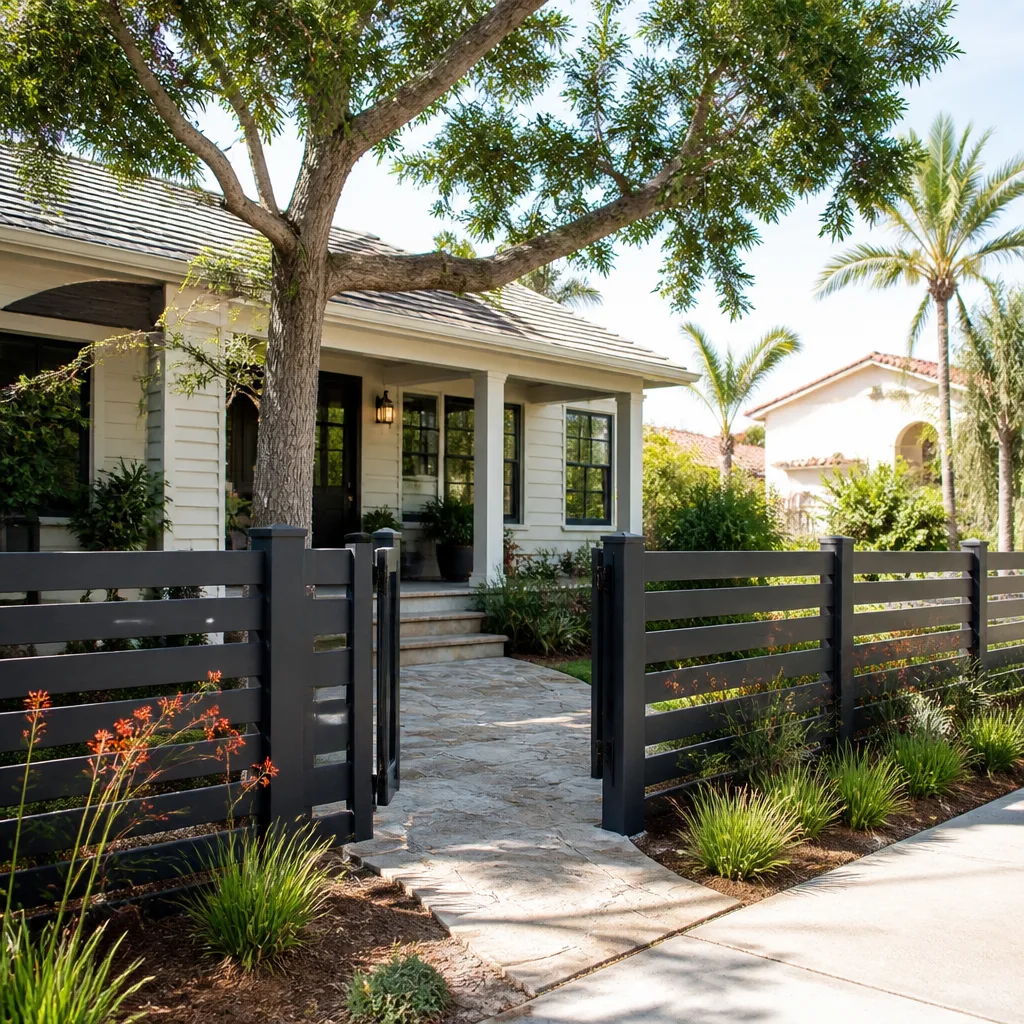
For a broader look at how windows and doors fit alongside related exterior work, our Groundwork Construction Co. of Newport Beach home is the place to start, and our Fence Installation in Newport Beach guide covers building the same kind of durability story around a different coastal exterior product.
How to Evaluate Installation Quality on a Coastal Window Job
Window installation is where most window failures actually happen. The product may be right and the flashing detail wrong, and you’ll have water in the wall cavity before the end of the first wet season. Here’s the checklist we use on every coastal job, and the one you should hold any installer to:
- Flashing at the rough opening. Flashing must be installed in shingle fashion – starting from the bottom, layered upward – so water that gets behind the trim drains out rather than in. Cut corners here and you’ll find rot at the sill before year three.
- Sill pan. A sloped sill pan (or a flashed sill with a back dam) keeps the water that hits the sill moving outward. Flat sills trap water against the frame.
- Sealant grade. Standard painter’s caulk doesn’t cut it in salt air. Spec a marine-grade or 100% silicone sealant at the perimeter, and polyurethane in the joints that will flex. Check what’s actually going in the tube.
- Drainage. Every window unit needs a weep path. Some coastal product lines include dedicated drainage channels in the sill; others rely on the frame design. Verify the drainage path is not blocked by trim or sealant when the job is done.
- Wall assembly compatibility. If your existing wall is stucco (which it likely is in Newport Beach), the flashing must integrate with the weather-resistive barrier behind the stucco, not just terminate on top of it. That’s the detail that separates a ten-year window install from a thirty-year one.
- Air sealing. Low-expansion spray foam or backer rod plus sealant at the frame perimeter, not just caulk at the interior trim. This is where air infiltration and Title 24 leakage compliance both get made or missed.
- Final water test. Ask your installer if they water-test the installation. Many don’t. A real pro can.
What you should ask before signing: Who is the installer? Not the salesperson – the person who will actually be on your property. Our technicians are background-checked, arrive in uniform, and have up to 12 years of experience installing coastal window and door systems. You’ll know who’s on the property while you’re at work.
One final tip specific to Newport Beach: if your home has older stucco walls, plan for a bit of stucco repair around every opening. Good installers include that in the scope and quote. Cheap quotes often don’t.
Entry Doors, Patio Doors, and Sliders: What Performs Here
Doors face the same coastal constraints windows do, but with one difference: they get used, a lot. A patio door that’s stiff from salt corrosion in year two is a daily annoyance and a lockset problem waiting to happen. Here’s how the main door types perform in this climate.
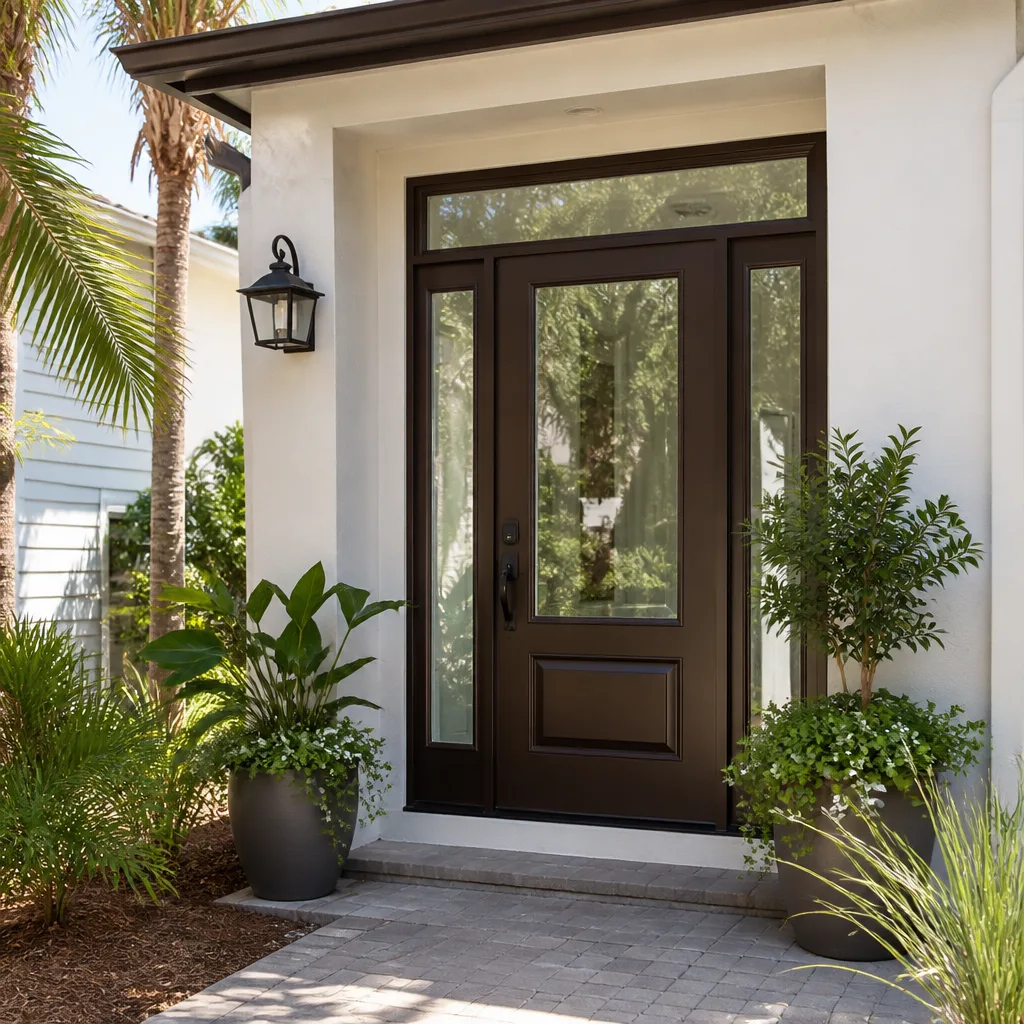
Entry doors. Fiberglass doors outperform wood in salt-air environments because they don’t absorb moisture or swell. A high-quality fiberglass entry door with a marine-grade finish will look right and hold up for decades. Wood doors with a proper coastal paint system also perform well if maintained, but the maintenance schedule is real – a fresh topcoat every few years. Steel doors are the weakest option on a coastal elevation because a scratch in the paint becomes a rust point. Whatever you choose, spec the lockset and handle in 316 stainless or a marine-rated finish.
Patio doors and sliders. Aluminum frames are common here, and they perform well if the finish is spec’d for coastal exposure. Vinyl sliders fail faster in salt air. Wood-framed sliders have to be aluminum-clad on the exterior. The rollers and tracks are the parts that fail first – ask what material the rollers are (stainless or nylon, not zinc-plated) and whether the track is stainless.
Multipoint locks and hardware. Worth the upgrade on any door facing the exterior. They distribute force across three contact points instead of one, which means the door seals better against wind and stays aligned longer in salt air.
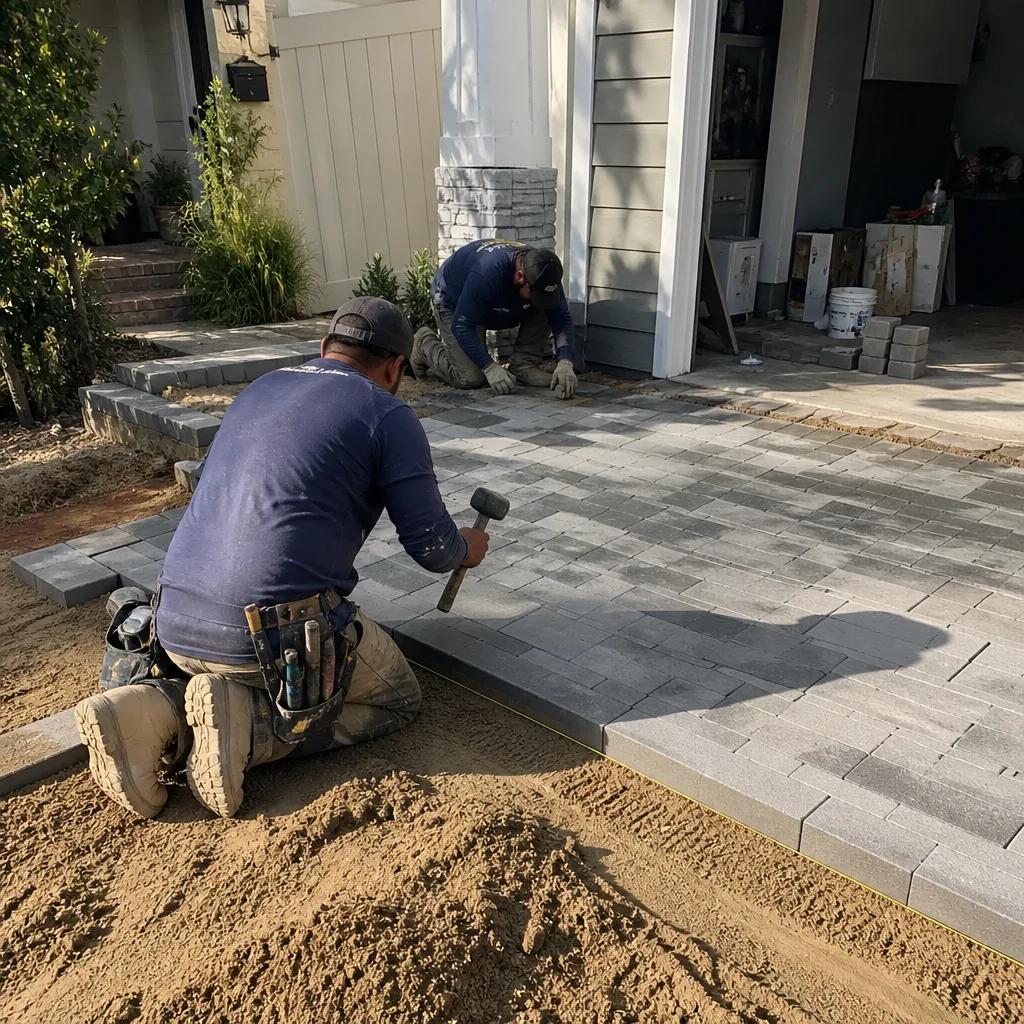
For a home where doors and driveway pavers are part of the same exterior refresh, our Driveway & Pavers in Newport Beach guide walks through how to sequence the work so you’re not paying for rework.
What Windows and Doors Cost in Newport Beach
Realistic price ranges for Newport Beach window and door replacement – homeowner market, coastal spec, permits and installation included. These are ranges, not fixed quotes; your specific address and HOA matter. The most accurate number comes from a free in-home estimate.
- Standard-size vinyl window (inland-side, non-coastal elevation): $600 to $950 per unit installed. Only appropriate for sheltered locations without direct ocean exposure.
- Fiberglass window, coastal-spec, single unit: $1,100 to $1,800 per unit installed, depending on size and finish. The right long-term value for most Newport Beach homes.
- Aluminum-clad wood window, coastal-spec, front elevation: $1,800 to $3,200 per unit installed. Premium option where curb appeal and interior wood trim both matter.
- Impact-rated window (coastal zone): $1,400 to $2,800 per unit installed, before any insurance credit.
- Standard fiberglass entry door: $2,500 to $4,500 installed with hardware.
- Premium fiberglass or aluminum-clad wood entry door: $4,500 to $9,000 installed with marine-grade hardware.
- Patio slider, aluminum frame, coastal spec: $3,500 to $7,500 installed depending on width and glass package.
- Whole-home window package (12 to 20 units, mixed materials): $18,000 to $45,000, permits, install, and stucco repair included. Actual range swings widely with count, material mix, and existing wall condition.
Three things to know about the pricing picture in Newport Beach specifically. First, HOA architectural review often adds a step at the front of the project but rarely adds cost if you match the neighborhood spec. Second, stucco repair around each opening is a real number – if it isn’t in the quote, it’s a surprise later. Third, financing makes a meaningful difference on a whole-home package: we offer 0% financing for 18 months and $1,000 off projects over $10,000, both of which have moved several whole-home replacements from “next year” to “this year.”
We quote with no-hassle upfront pricing: the number you see is the number you pay, provided the scope doesn’t change. If demo reveals rot or a wall cavity that needs repair, we stop, show you, and price the fix before continuing. That transparency is part of why we put our pricing in writing and back it with the 730-Day Done Right Promise – if it’s not done right, we make it right, for two full years after the job is complete.
Timeline, Permits, and What to Expect on Installation Day
Newport Beach window and door replacement rarely happens in a single day for a whole-home package, but a typical per-unit install is fast. Here’s the realistic timeline, from signed contract to final inspection.
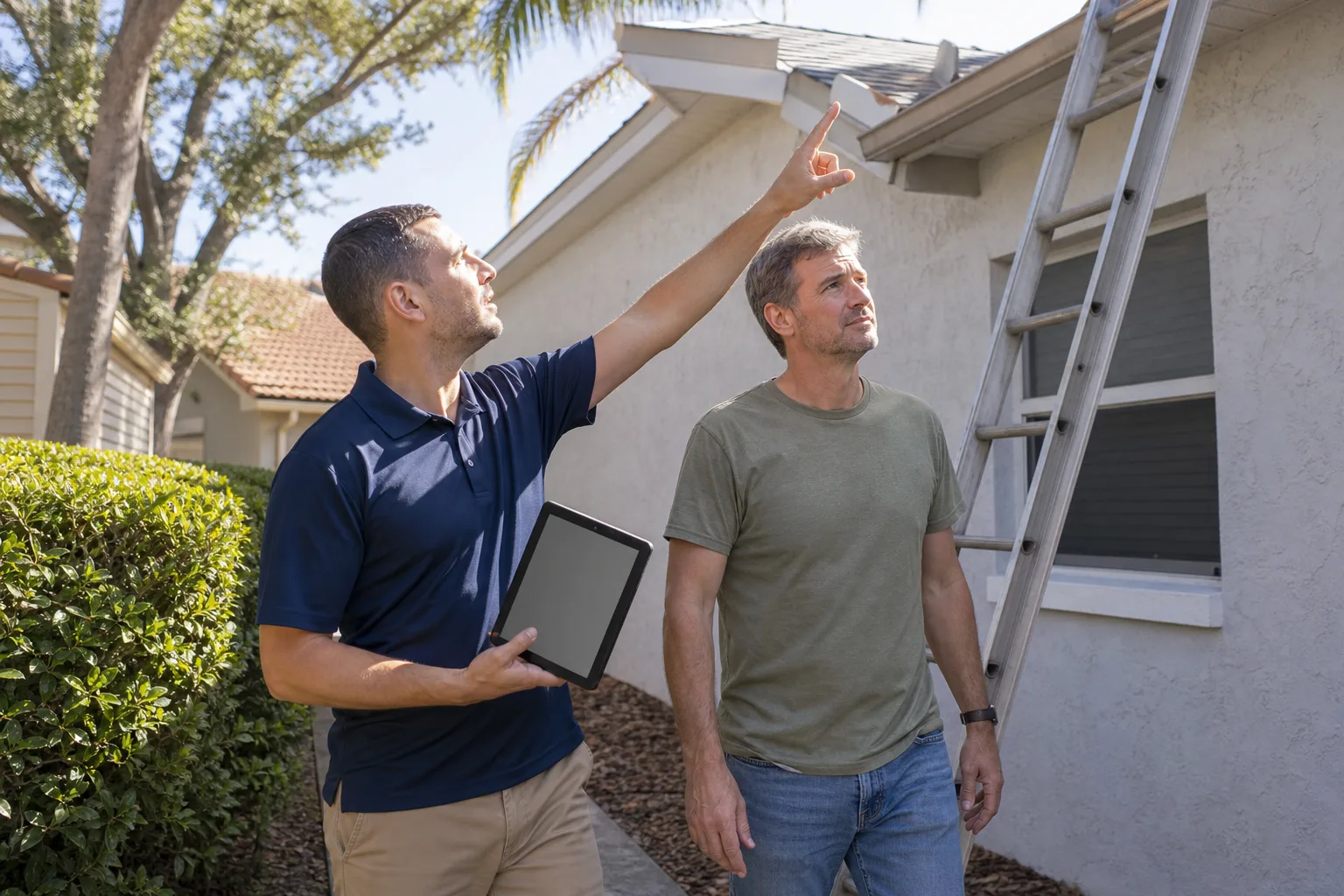
- Week 1: In-home estimate and product selection. We walk the property, measure every opening, and help you choose material by elevation. HOA packages, insurance questions, and financing can all be answered in that first visit.
- Week 1 to 3: Permit submission. Title 24 compliance documentation, product specification sheets, and HOA approval (where required) all go in. Newport Beach is generally reasonable on timeline here, but HOA review can stretch it to 30 days.
- Week 4 to 8: Product order and delivery. Standard sizes arrive in 4 to 6 weeks. Custom sizes and premium brands can run 8 to 12 weeks. Fiberglass and aluminum-clad wood often take the longest because they’re made to order.
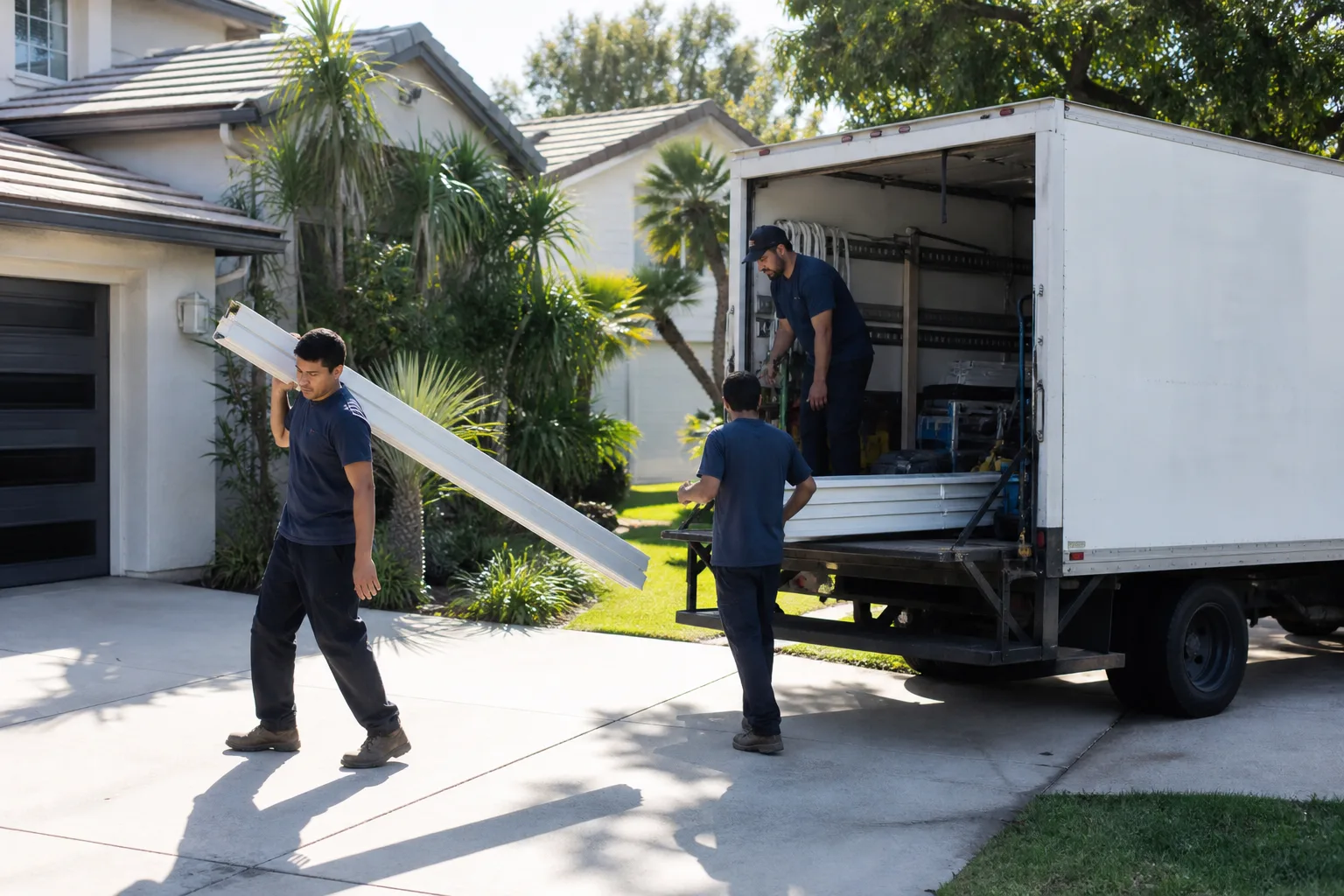
- Installation days. A single window is typically a 2 to 4 hour install. A whole-home package (12 to 20 units) usually takes 2 to 4 working days with a professional crew. We sequence one elevation at a time so your home stays weather-tight between days.
- Final inspection. Title 24 verification, energy compliance, and rough-in inspection happen after install. We don’t consider the job closed until the inspector signs off.
The two things that most often cause delays on a Newport Beach job: HOA review and product lead times on custom sizes. Having both processes started on week one is the way to compress the calendar. Our team runs the permit and the HOA submission in parallel and coordinates the install dates around the inspector’s window, not the other way around.
Common Mistakes to Avoid
- Buying standard vinyl for a coastal elevation. Two years of ocean wind and it may chalk, oxidize, and lose its weather seal. If the opening faces water, spec fiberglass or aluminum-clad wood.
- Skipping the HOA spec sheet before ordering. We’ve seen homeowners order impact windows that failed architectural review because the grid pattern didn’t match the neighborhood. Get the spec in writing first.
- Trusting a quote that doesn’t include stucco repair. Newport Beach homes are almost all stucco, and pulling a window out always requires patching around the opening. A quote without it is short one line item.
- Assuming all warranties cover salt air. Many manufacturers exclude coastal corrosion unless you bought the specific coastal package. Read the exclusion page, not the front of the brochure.
- Hiring an installer who doesn’t flash the rough opening. This is the single most common cause of window leaks in Newport Beach. Ask to see the flashing method before the job starts.
- Ignoring Title 24 U-factor and SHGC limits. An inspector who finds non-compliant glass can hold the job and require reorder. It costs weeks to fix, and there’s no shortcut.
- Choosing hardware finish by looks alone. Chrome and brushed nickel are pretty; 316 stainless marine-grade is what survives. On an exterior door, function beats finish every time.
See the difference
 Before
 After
 Before
 After
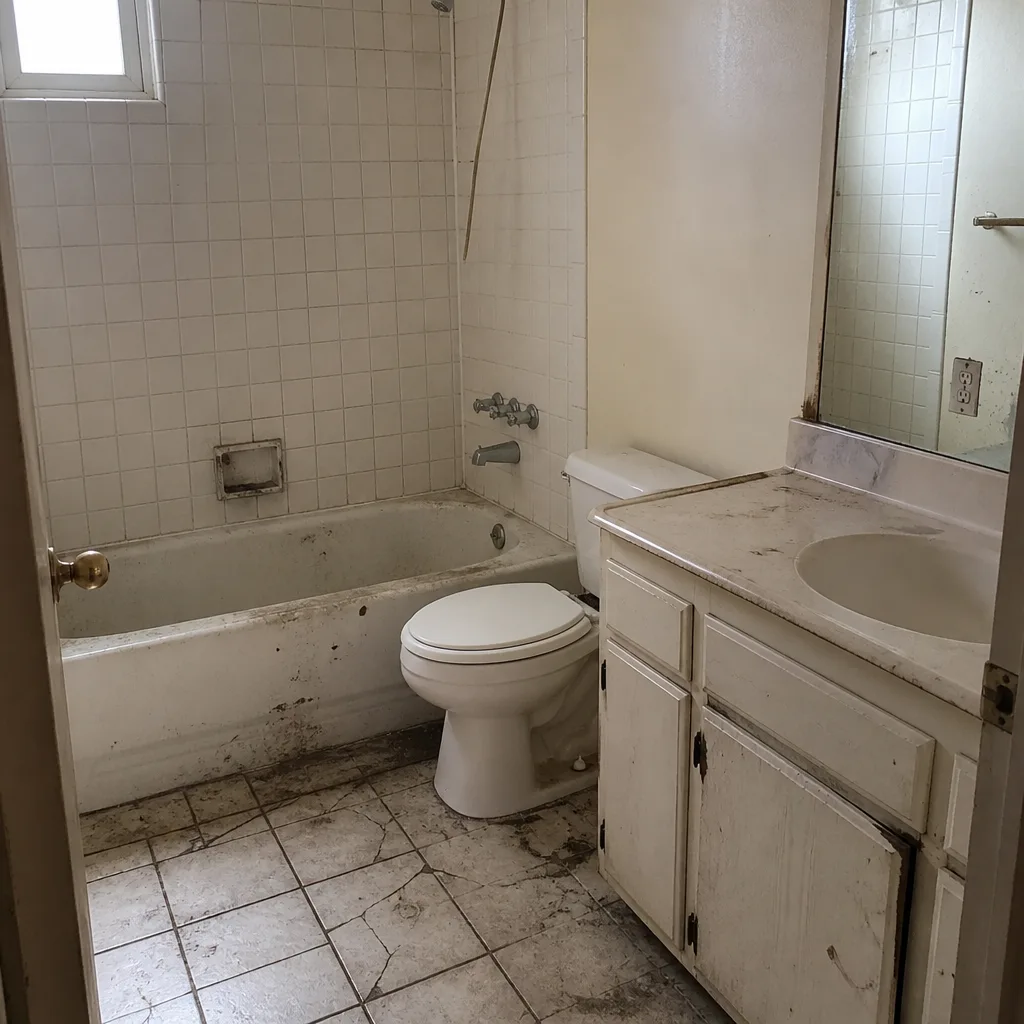 Before
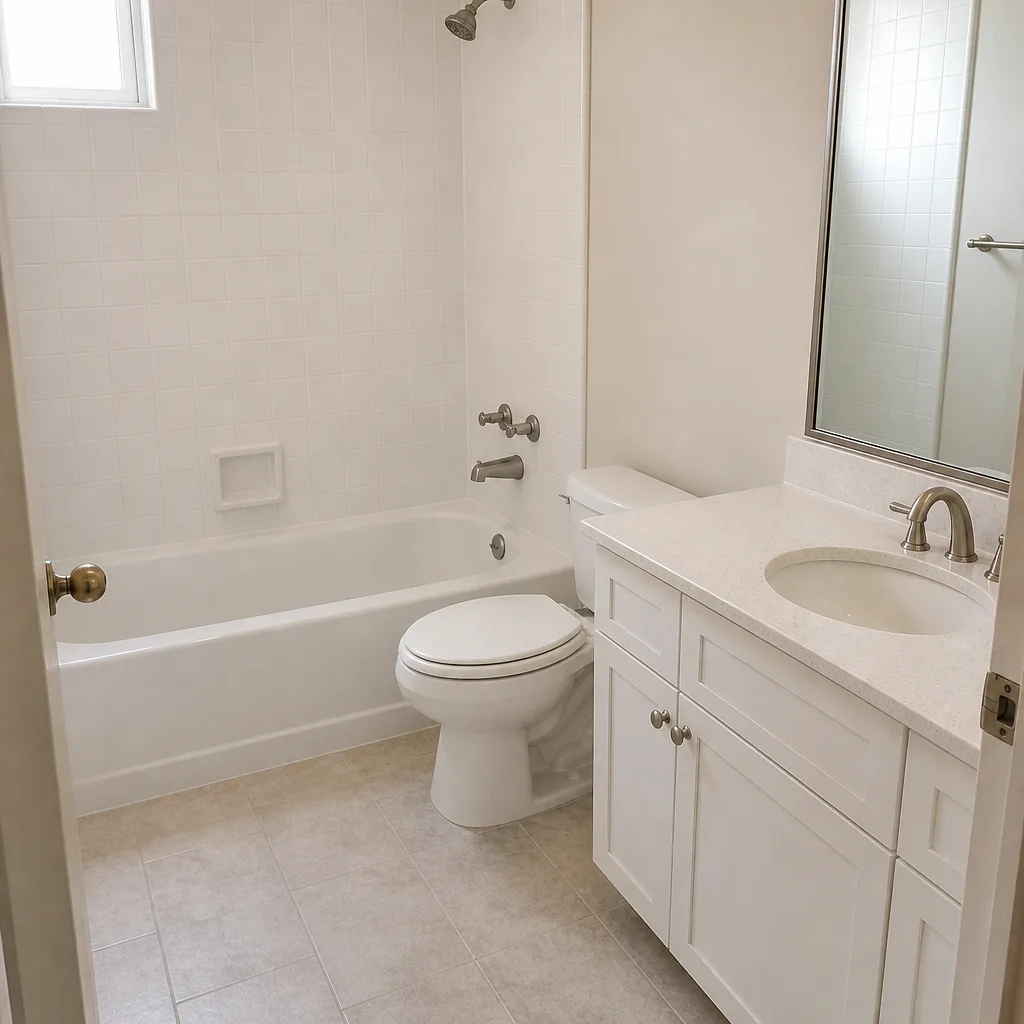 After
When to Call a Professional
Most window and door work in Newport Beach belongs in the hands of a licensed contractor, not a weekend project. Call a professional if your windows are 15+ years old on a coastal elevation, if you’re seeing condensation between the panes (a sign of seal failure), if a door is sticking, sagging, or showing rust on the hardware, or if you’re planning a whole-home replacement where Title 24 compliance, permits, and HOA review all need to be coordinated. Call us if you’ve had a failed install from another contractor and need a real fix – we’ve repaired plenty of window jobs that leaked because the flashing was done wrong. The stucco pattern, the wall assembly, and the coastal exposure all interact in ways that make a DIY replacement risky. Groundwork Construction Co. of Newport Beach offers free estimates in Newport Beach – call (833) 749-3967.
Frequently Asked Questions

Standard windows in Newport Beach typically run $600 to $950 per unit installed for inland-side vinyl, $1,100 to $1,800 per unit for fiberglass coastal-spec, and $1,800 to $3,200 for aluminum-clad wood on prominent elevations. A whole-home package (12 to 20 units) commonly lands between $18,000 and $45,000 depending on material mix, HOA requirements, and existing wall condition. Call (833) 749-3967 for an exact written quote – our estimates are free.
Not automatically, but a growing number of Newport Beach homeowners choose them anyway. Impact rating isn’t a universal code requirement for replacements the way it is in Florida, but homes in the coastal zone, homes where the insurance carrier offers a premium credit, and HOA specs on some blocks may justify or require them. Check with your insurance agent and your HOA before the product is ordered – the cost difference between standard and impact glass is often offset by the premium reduction.
Fiberglass is the strongest overall performer for beachfront exposure, with marine-grade hardware and coastal-spec finish. Aluminum-clad wood is an excellent choice for the front elevation where interior wood trim matters. Standard vinyl is not the right product for ocean-front exposure – it oxidizes and seal-fails quickly in salt air. Call (833) 749-3967 and we’ll walk your property and match material to each elevation.
No, provided the scope doesn’t change. Our pricing is upfront – the number in your quote is the number you pay. If demo reveals something unexpected (rot behind a frame, a wall cavity that needs repair), we stop, show you the issue, and price the fix in writing before continuing. No surprise line items. The 730-Day Done Right Promise backs every job for two full years after completion.
Yes. Every permitted window and door replacement we do in Newport Beach comes with the permit pulled, Title 24 documentation submitted, and the final inspection coordinated. We don’t close a job until the inspector signs off. Our team can also handle the HOA architectural submittal, which is a separate approval that has to match the neighborhood spec.
From signed contract to final inspection, expect six to twelve weeks for a typical whole-home package. Product lead times (4 to 12 weeks depending on material and custom sizing) plus permit and HOA review make up most of that. Installation itself is fast: a single window takes 2 to 4 hours, and a full package of 12 to 20 units is usually 2 to 4 working days. Call (833) 749-3967 for a schedule based on your specific openings.
The Bottom Line
Windows and doors in Newport Beach are a coastal durability decision, not a design preference. Fiberglass and aluminum-clad wood outperform vinyl in salt air; marine-grade 316 stainless hardware outlasts plated hardware by a decade; Title 24 U-factor and SHGC limits have to be met and verified at inspection; and installation detail – flashing, sealant, drainage – decides whether the wall stays dry. Factor in HOA review and impact-glass evaluation, and the choice gets simpler: a contractor who understands all of it in one conversation beats a window salesperson who doesn’t. Our team is state-licensed, background-checked, arrives in uniform, and backs every job with the 730-Day Done Right Promise. From foundation to finish line, we handle windows, doors, and everything after – driveways, pavers, fences, and additions – as one accountable scope.
Ready for a real number? Call (833) 749-3967 to schedule your free estimate. Live person, 24/7. Upfront pricing, no surprises. Free project estimate and design consult, $1,000 off projects over $10,000, and 0% financing for 18 months available.
Written by the team at Groundwork Construction Co. of Newport Beach.