Last updated November 17, 2026

Free written scope consultation - allowances, timeline, and change-order rules on paper before a single trade is scheduled
Construction Cost Breakdown: The Newport Beach Homeowner’s Reference for 2026
When Newport Beach homeowners budget from statewide cost-per-square-foot averages, they routinely underestimate their project by 20-35%. Not because contractors pad numbers, but because the numbers that matter most on this stretch of the Orange County coast never show up in aggregated data. Coastal zone compliance, design review, tight-lot logistics, and premium labor rates are all invisible in a California-wide average. This guide breaks the Newport Beach cost premium into its actual parts, line by line, so you can budget against reality instead of a spreadsheet fantasy.
Quick Answer
Construction in Newport Beach in 2026 runs roughly 20-35% above inland Orange County averages, driven by coastal development permit fees, longer approval timelines that carry holding costs, HOA design review, and a tight skilled-trades market. A mid-range kitchen remodel lands around $85,000-$140,000, a bathroom around $32,000-$65,000, and a roof replacement around $18,000-$38,000, before site-specific factors like corrosion-resistant hardware and impact-rated glazing. The premium is real, but it’s itemized, and once you can see it you can budget for it.
Styles & brands we work with
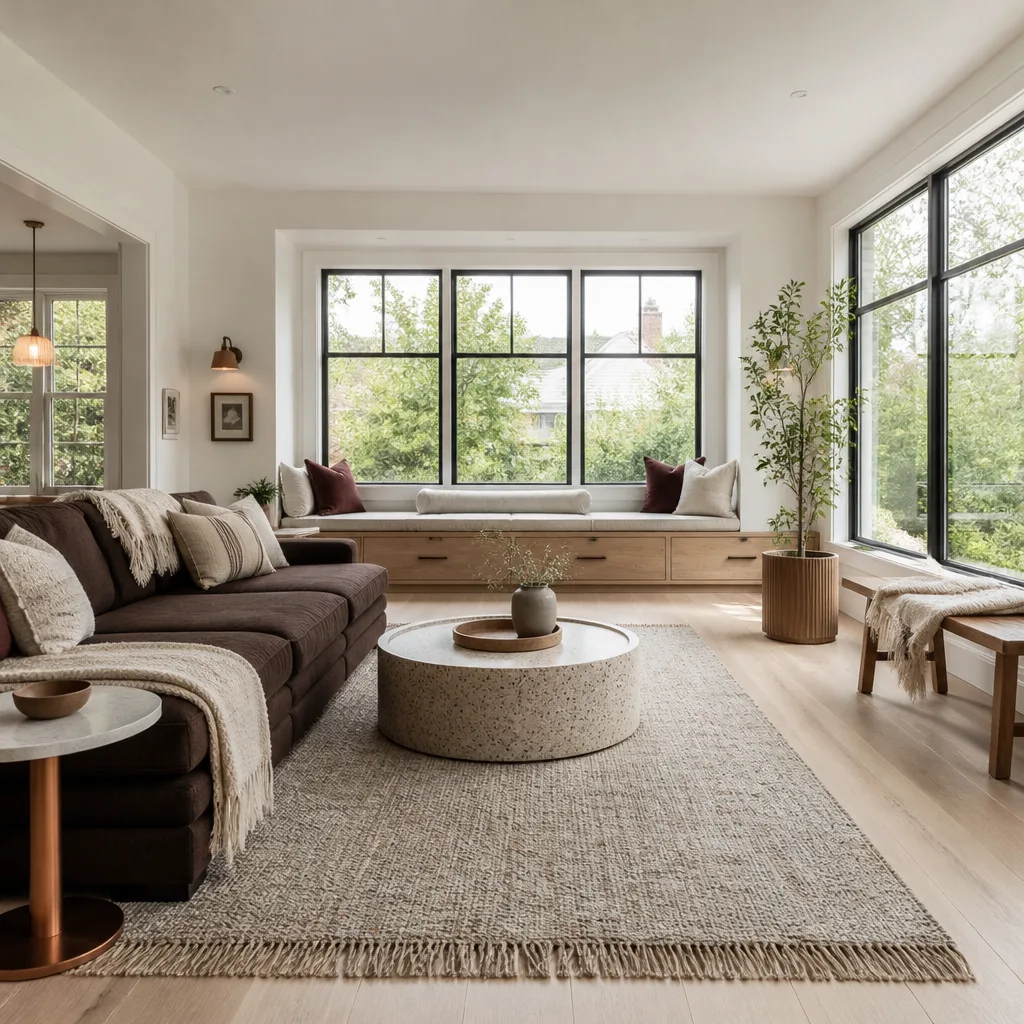
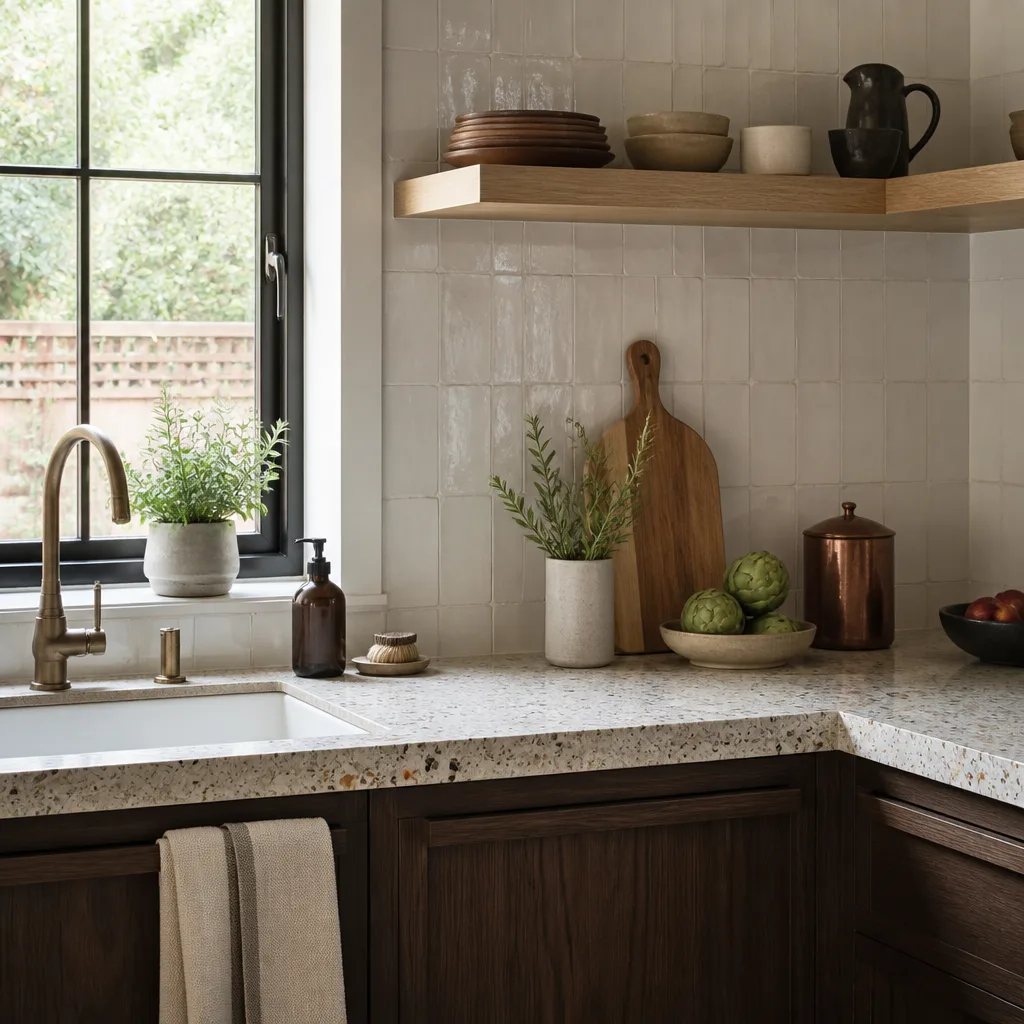
- Kitchen remodeling
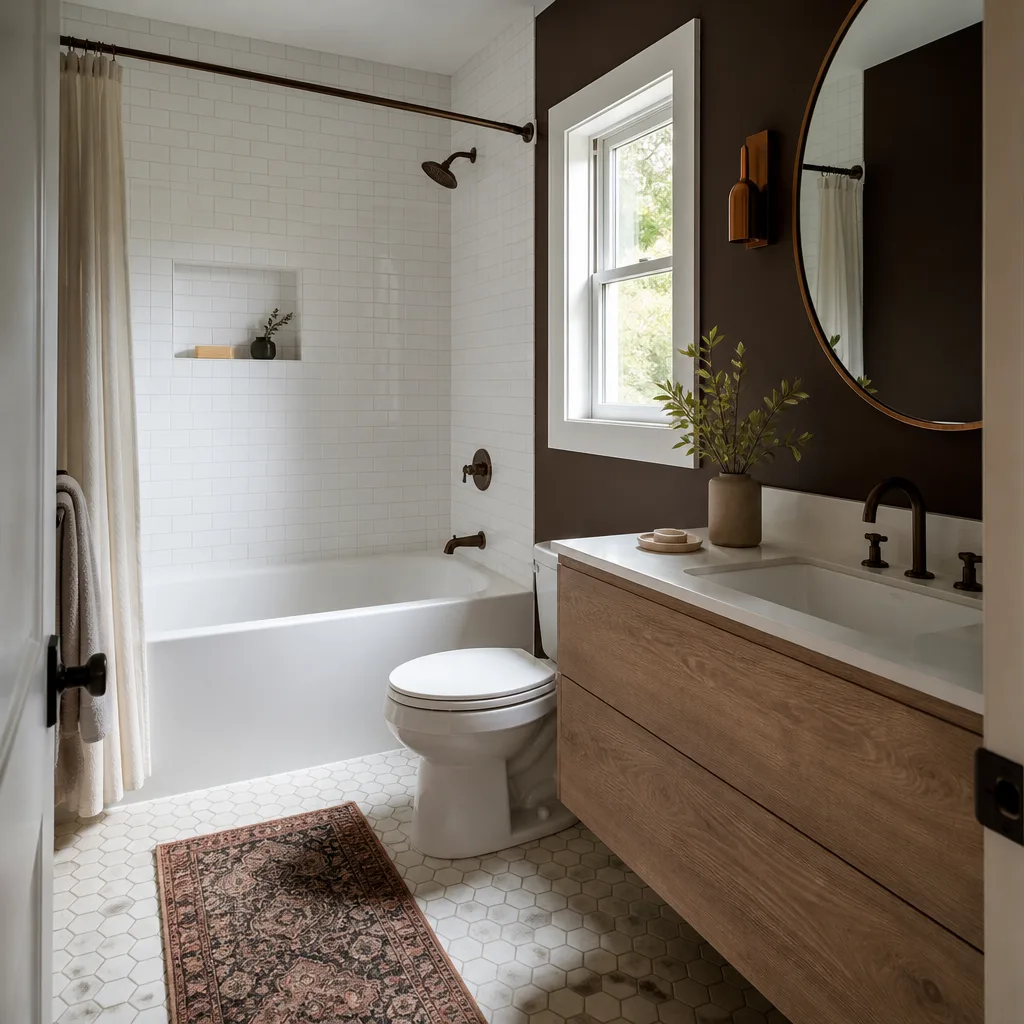
- Bathroom remodeling
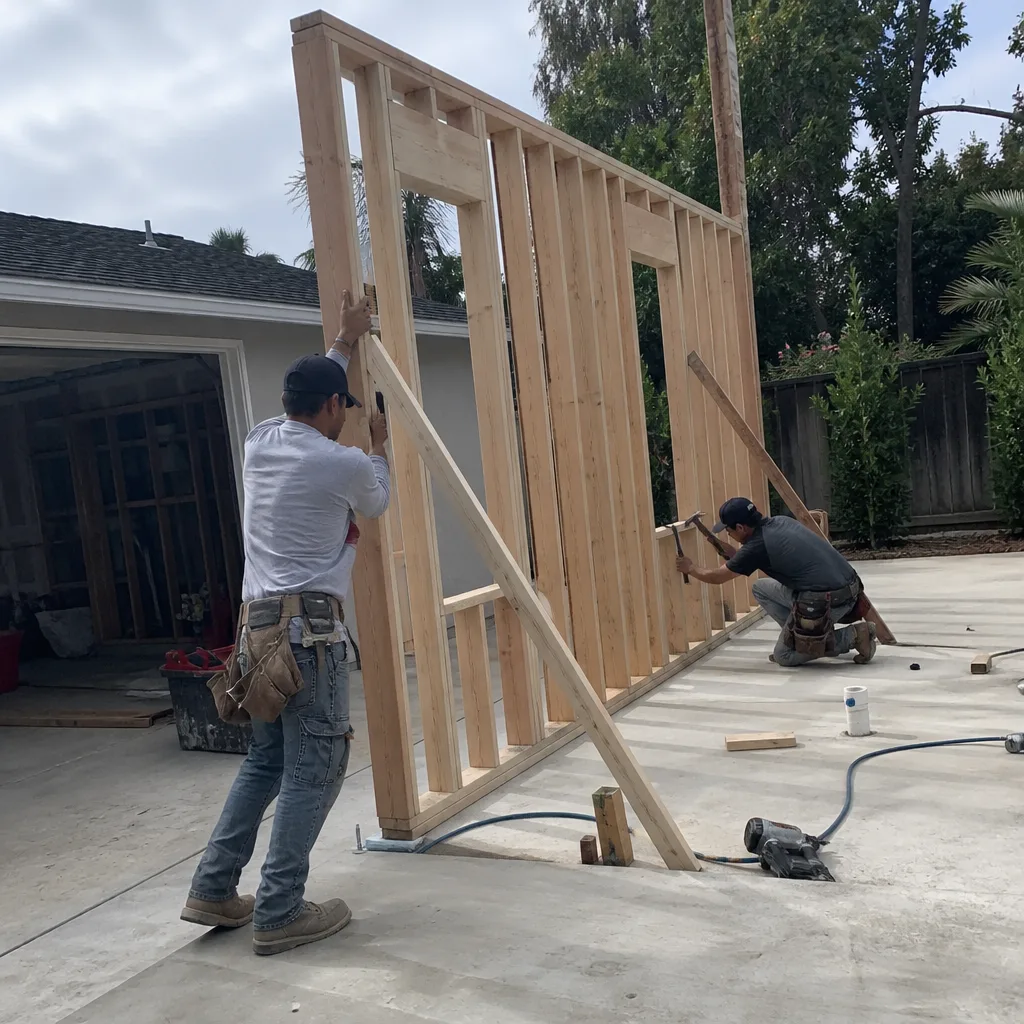
- Home additions & ADU
- Roofing
- Windows & doors
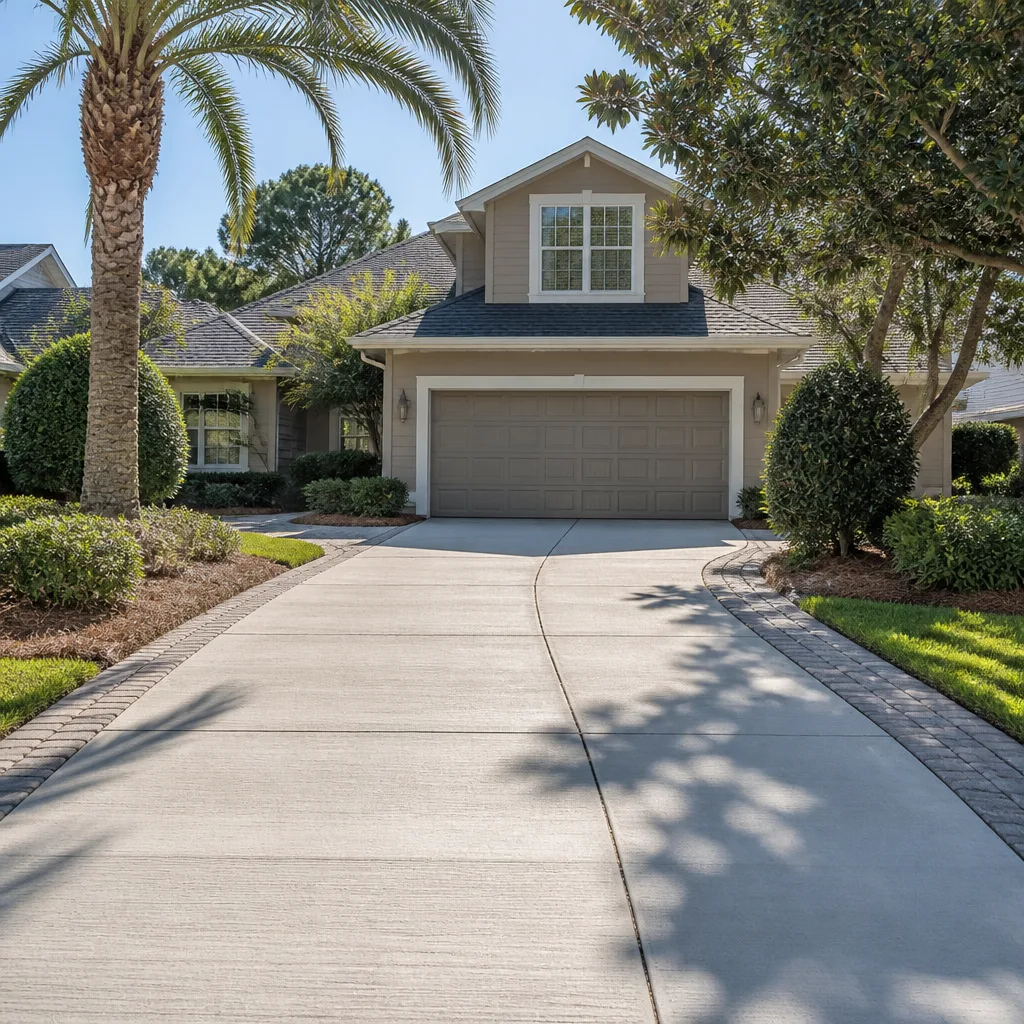
- Driveway & pavers
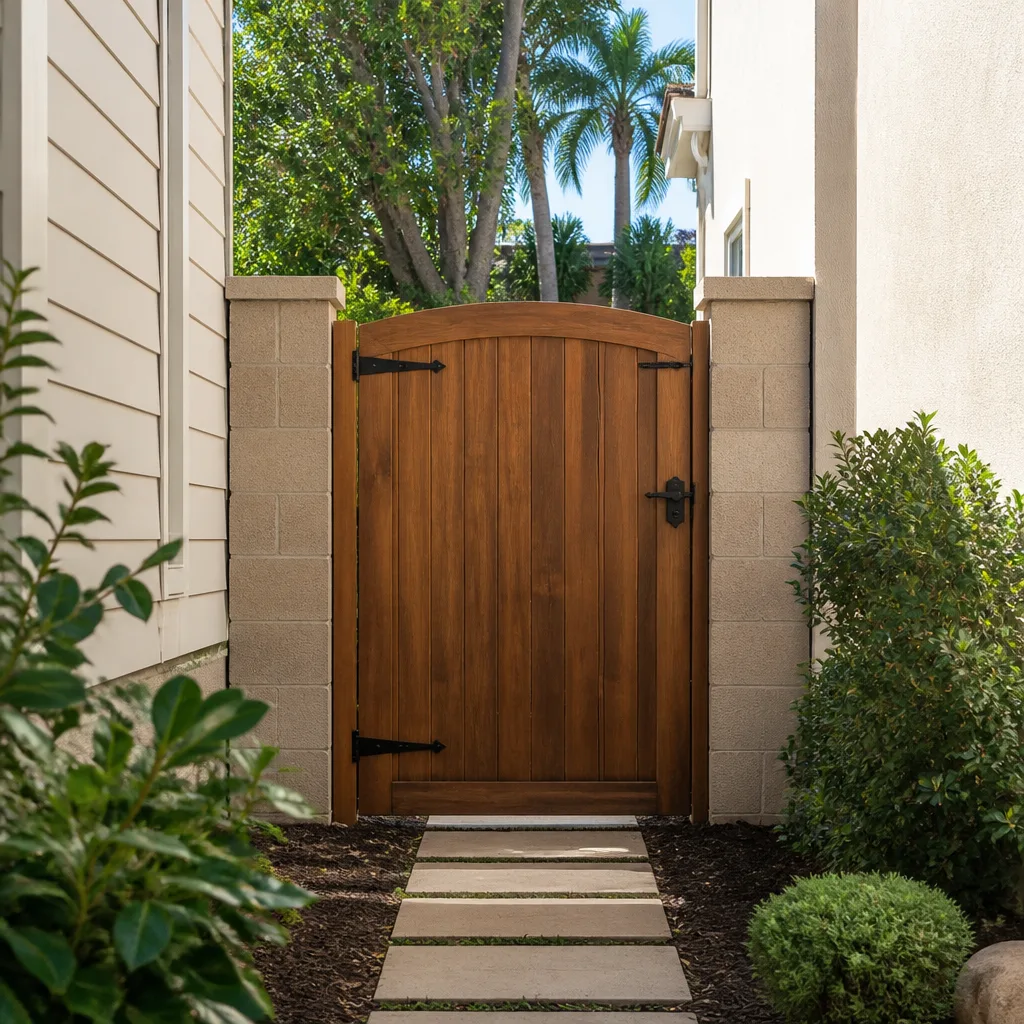
- Fence
Table of Contents
- Where Newport Beach Construction Money Actually Goes
- Coastal Development Permits and Design Review Fees
- Orange County Labor Rates and the Inland Gap
- Coastal Material Upgrades Inland Builds Skip
- Contingency Budgeting for Newport Beach Soil and Sites
- How to Read a Contractor’s Bid Without Getting Burned
- Line-Item Cost Ranges by Project Type
- Common Mistakes to Avoid
Where Newport Beach Construction Money Actually Goes
Most cost guides give you one number: cost per square foot. That’s like quoting a car by the pound. In Newport Beach, the money splits across six buckets, and the proportions change depending on where in the city you’re building. A Balboa Island remodel carries different costs than a Dover Shores addition, which differs again from a Corona del Mar rebuild.
Here’s how a typical Newport Beach project budget divides:
- Soft costs (permits, design, engineering): 8-14%. Higher here than inland because of coastal zone review and HOA design committee submissions.
- Labor: 30-40%. Pushed up by Orange County’s skilled-trades shortage.
- Materials: 30-38%. Climbing because coastal specs require corrosion-resistant hardware and higher-grade coatings.
- Site work and logistics: 5-12%. Narrow lots, alley access, and staging limits add cost.
- Contingency: 10-20%. Coastal soil variability drives the upper end.
- Finishes and fixtures: 8-15%. Varies wildly with the client’s taste and brand selections.
The soft-cost line is the one that shocks people most. A homeowner comparing a Newport Beach bid to a quote from a relative in Riverside will see permit and design costs that look inflated. They’re not. They reflect a review process that spans the city, the California Coastal Commission in some cases, and a design review board. Understanding those costs as a fixed part of the build, not an anomaly, is the first step to budgeting honestly.
Coastal Development Permits and Design Review Fees
Newport Beach sits inside the California coastal zone, and that changes the approval math. Projects that would sail through in Fullerton or Anaheim can require additional review here, and the fees and timelines that come with it are a genuine line item.
Coastal Development Permit (CDP) fees
Depending on the scope and location, a project may require a Coastal Development Permit. Fees scale with valuation and project type. For a substantial remodel or addition, budget several thousand dollars for the permit itself, plus the design and engineering work needed to support the application. That’s before any city building permit fees, which are separate.
HOA design review
Many Newport Beach neighborhoods – from gated communities in Newport Coast to associations on the peninsula – require design review before a shovel touches dirt. Review fees, submission packages, and revision cycles add both cost and calendar time. A design committee that meets monthly can push your start date by four to eight weeks if you miss a submission window.
Extended timeline carrying costs
This is the invisible expense. Every month between design and final inspection carries costs: rent if you’ve moved out, storage for displaced belongings, and financing on any construction loan. A project that takes two months longer than an inland equivalent can quietly add thousands in carrying costs. When you budget for Newport Beach, build the calendar into the number.
If your project involves new square footage, the Home Additions & ADU in Newport Beach guide walks through how these approvals interact with addition scope specifically.
Orange County Labor Rates and the Inland Gap
Skilled trades cost more in Newport Beach than they do forty miles inland, and it’s not arbitrary. The gap shows up across every trade that touches a build.
Here’s how the rough comparison shakes out in 2026:
- Framing: Orange County crews typically run 15-25% above Inland Empire benchmarks for equivalent scope.
- Electrical: The gap widens on panel upgrades and finish work, sometimes 20-30% higher, in part because licensed electricians are concentrated in denser markets.
- Finish carpentry and tile: Premium finish labor commands the largest premium, since high-end coastal homes demand detail work that takes longer.
Why the gap exists comes down to three things. First, housing costs for tradespeople in coastal Orange County are high, and labor rates track cost of living. Second, demand: Newport Beach has a high concentration of remodel and rebuild activity, and the best crews book out. Third, travel and access: a crew working a narrow peninsula lot loses productive hours to parking, staging, and material handling that an inland cul-de-sac doesn’t impose.
The practical takeaway for budgeting is simple. If you’re comparing a Newport Beach bid to a quote from an inland contractor, ask whether that contractor’s crew actually works this market. Cheap bids from crews who don’t know coastal logistics usually turn expensive fast, through change orders and rework.
Coastal Material Upgrades Inland Builds Skip
Salt air and marine moisture change what materials survive. A build in Newport Beach that ignores this pays for it in five to ten years, which is one reason a coastal budget runs higher on the material line.
Three upgrade categories matter most:
- Corrosion-resistant hardware. Exterior fasteners, hinges, and connectors need stainless or hot-dip galvanized specs. Standard hardware corrodes faster near the coast, and the replacement cost dwarfs the upgrade cost.
- Higher-grade exterior coatings. Paint and sealant systems rated for marine environments cost more upfront but last significantly longer. Cheap exterior coating on a coastal home often fails within a few seasons.
- Impact-rated glazing. Windows in coastal zones may need impact or enhanced weather ratings depending on location. This is a real line item that inland projects skip entirely, and it shows up on a Newport Beach window budget.
Roofing carries the same logic. Coastal roofs take more wind and salt exposure, and a roofing system spec’d for inland conditions won’t hold up the same way here. And in kitchens and baths, moisture management matters more near the coast, so products like Schluter waterproofing systems and moisture-rated fixtures earn their cost. For a deeper look at windows specifically, our team can walk you through the upgrade trade-offs during a free design consult.
Contingency Budgeting for Newport Beach Soil and Sites
Contingency is the line homeowners most often set too low. In Newport Beach, 10% is a floor, not a target. For projects that involve excavation, foundations, or additions, 15-20% is the honest range.
Why so high? Coastal soil variability. Lots near the water, on bluffs, or on fill can hide conditions that only surface once you dig. Discovering a soil condition mid-project that wasn’t in the original scope is one of the most common triggers for a cost overrun, and it’s almost never the contractor’s fault. It’s the site.
What most often triggers overruns in Newport Beach:
- Unexpected soil or foundation conditions discovered during excavation.
- Permit conditions added mid-review that require design changes or additional engineering.
- Hidden water intrusion or dry rot in older structures, especially on homes near the water.
- Design review revisions that push material or elevation changes late in the process.
- Supply lead times on specialty coastal products that force substitutions or schedule extensions.
A contractor who quotes a 5% contingency on a Newport Beach addition is either inexperienced with this market or planning to recover margin through change orders. Either way, you pay. Budget the contingency you actually need, and treat it as protection, not waste.
How to Read a Contractor’s Bid Without Getting Burned
The single most useful skill in this whole process is reading a bid. A low number that wins the job and recovers margin through change orders is more expensive than an honest bid that looks higher on paper.
Here’s how to tell the difference, step by step:
- Check for line-item detail. A real bid breaks scope into categories – demo, framing, electrical, plumbing, finishes – with quantities and allowances. A one-line “kitchen remodel: $X” tells you nothing.
- Read the allowances carefully. Low allowances for tile, fixtures, or cabinetry are a classic low-ball tactic. If the allowance is $4,000 for cabinets but cabinets realistically cost $12,000, that $8,000 reappears as a change order.
- Look for exclusions. Honest bids list what’s not included – permits, design, appliances, landscaping – so you can price the gaps yourself. Vague bids hide them.
- Confirm permits are pulled by the contractor. A bid that leaves permitting to you often means the price excludes it, and coastal permitting is expensive.
- Ask about change-order pricing. How are change orders priced and approved? A contractor who answers clearly and in writing is one you can work with.
- Verify the warranty in writing. Workmanship guarantees should be explicit and long enough to matter. Anything vague on warranty is a red flag.
This is where transparent, upfront pricing earns its keep. A bid you can read line by line, with allowances set at real-world coastal costs, is worth more than a bid that’s 10% lower and full of holes. At Groundwork Construction Co. of Newport Beach, every project quote is itemized, and every job is covered by our 730-Day Done Right Promise. If it’s not done right, we make it right – and that commitment runs for two full years after the final walkthrough, which is longer than most workmanship warranties in residential construction.
Line-Item Cost Ranges by Project Type
These are the ranges we see across Newport Beach projects in 2026, before site-specific factors. Treat them as budgeting anchors, not fixed quotes. Every project gets a written, itemized estimate.
Kitchen Remodeling
- Mid-range full remodel: $85,000-$140,000
- High-end with custom cabinetry and stone: $150,000-$300,000+
- Key line items: cabinetry (KraftMaid and similar), countertops (Cambria quartz), appliances, tile, electrical, plumbing, and finish carpentry.
- Newport Beach factor: moisture-rated fixtures, premium finish labor, and design review fees where an HOA applies.
Bathroom Remodeling
- Mid-range full remodel: $32,000-$65,000
- High-end with custom tile and fixtures: $70,000-$120,000+
- Key line items: Schluter waterproofing, tile, fixtures from Delta, American Standard, or Toto, plumbing, electrical, and vanity cabinetry.
- Newport Beach factor: waterproofing detail matters more near the coast, and finish labor runs higher.
Roofing
- Asphalt shingle replacement: $18,000-$38,000
- Tile or premium systems: $40,000-$80,000+
- Key line items: tear-off, underlayment, materials (GAF and CertainTeed systems), flashing, and ventilation.
- Newport Beach factor: wind and salt exposure call for upgraded underlayment and corrosion-resistant fasteners.
Windows & Doors
- Whole-home replacement, mid-range: $22,000-$55,000
- Premium with impact-rated glazing: $60,000-$120,000+
- Key line items: units from Andersen and Marvin, installation, trim, and coastal weather ratings.
- Newport Beach factor: impact-rated glazing and coastal ratings on many lots.
Driveway & Pavers
- Standard paver driveway: $14,000-$32,000
- Premium systems with drainage: $35,000-$60,000+
- Key line items: demo, base prep, pavers (Belgard systems), edge restraint, and drainage.
- Newport Beach factor: narrow lots and alley access add staging cost. See Driveway & Pavers in Newport Beach for the full breakdown.
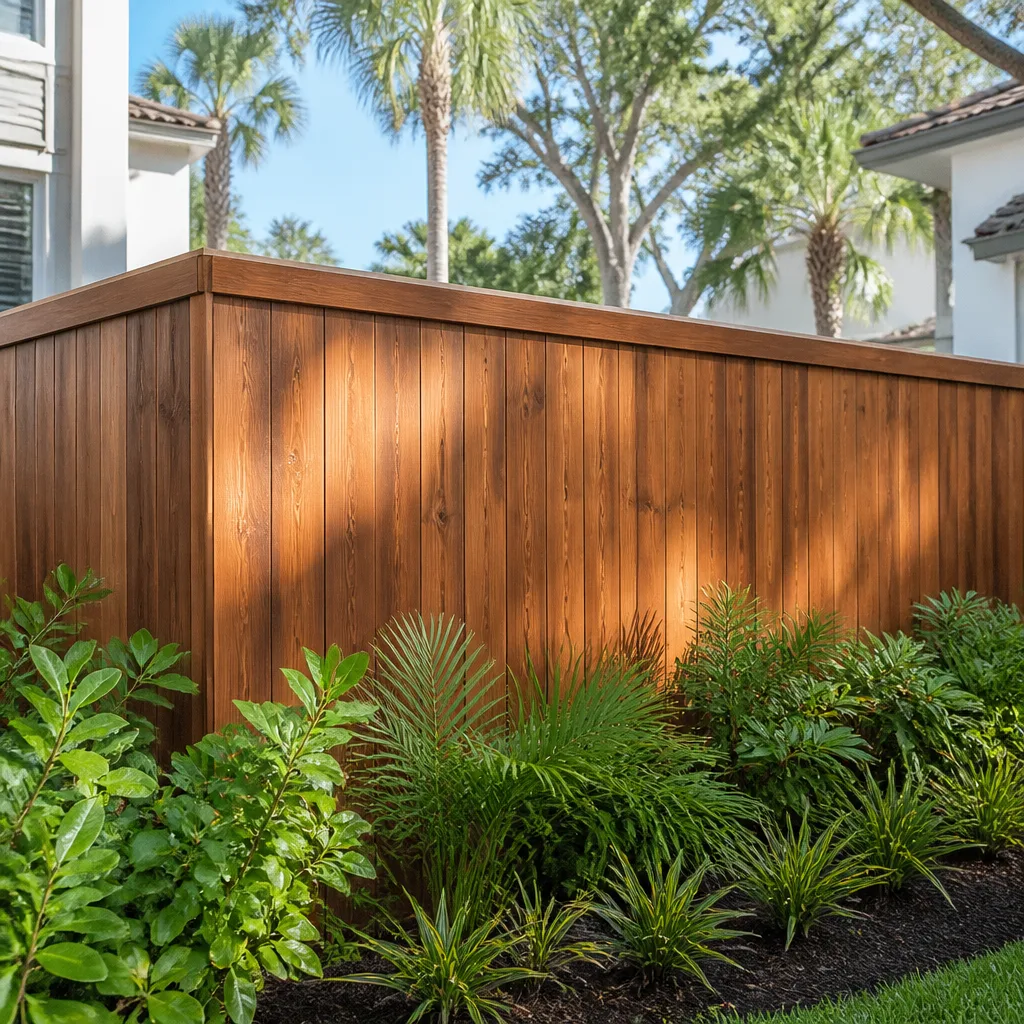
Fence Installation
- Standard fencing: $5,000-$15,000
- Premium materials and coastal specs: $16,000-$35,000+
- Key line items: posts, panels, gates, and hardware.
- Newport Beach factor: corrosion-resistant hardware and wind-rated designs. Our Fence Installation in Newport Beach guide covers coastal materials in detail.
Home Additions & ADU
- ADU, mid-range: $220,000-$380,000
- Addition, per square foot: $400-$650+ depending on scope and site
- Key line items: design, engineering, permits, foundation, framing, MEP, finishes, and site work.
- Newport Beach factor: coastal permits, design review, and soil variability drive the contingency range.
Every category above is covered by our Groundwork Construction Co. of Newport Beach home service lineup, which means you can run a whole-house plan – roof, windows, kitchen, addition – through a single contractor instead of juggling trades. We offer 0% financing for 18 months and $1,000 off projects over $10,000, which softens the impact of these ranges for larger scopes. It doesn’t change the cost; it changes how you can carry it.
Common Mistakes to Avoid
- Budgeting from statewide averages. A California-wide cost-per-square-foot figure ignores coastal permits, design review, and premium labor, which is how 20-35% underestimates happen. Use Newport Beach-specific ranges.
- Setting contingency too low. 5% on a Newport Beach addition is asking for trouble. Coastal soil variability means 15-20% is the honest floor for anything with excavation or foundation work.
- Choosing the lowest bid without reading it. A low bid with tiny allowances for tile and cabinetry is a change-order trap. Line-item detail matters more than the bottom line on page one.
- Ignoring HOA design review timelines. A design committee meeting once a month can cost you a month if you miss the window. Build the calendar into the budget as carrying cost.
- Skipping coastal material specs. Standard exterior hardware and coatings on a salt-air home fail early. The upgrade costs a fraction of the replacement.
- Not confirming who pulls permits. If the bid leaves permitting to you, the price excludes it, and coastal permits aren’t cheap. Confirm it in writing.
- Comparing quotes without comparing scope. Two bids can differ by 30% and both be honest if one excludes appliances and the other doesn’t. Normalize scope before comparing price.
See the difference
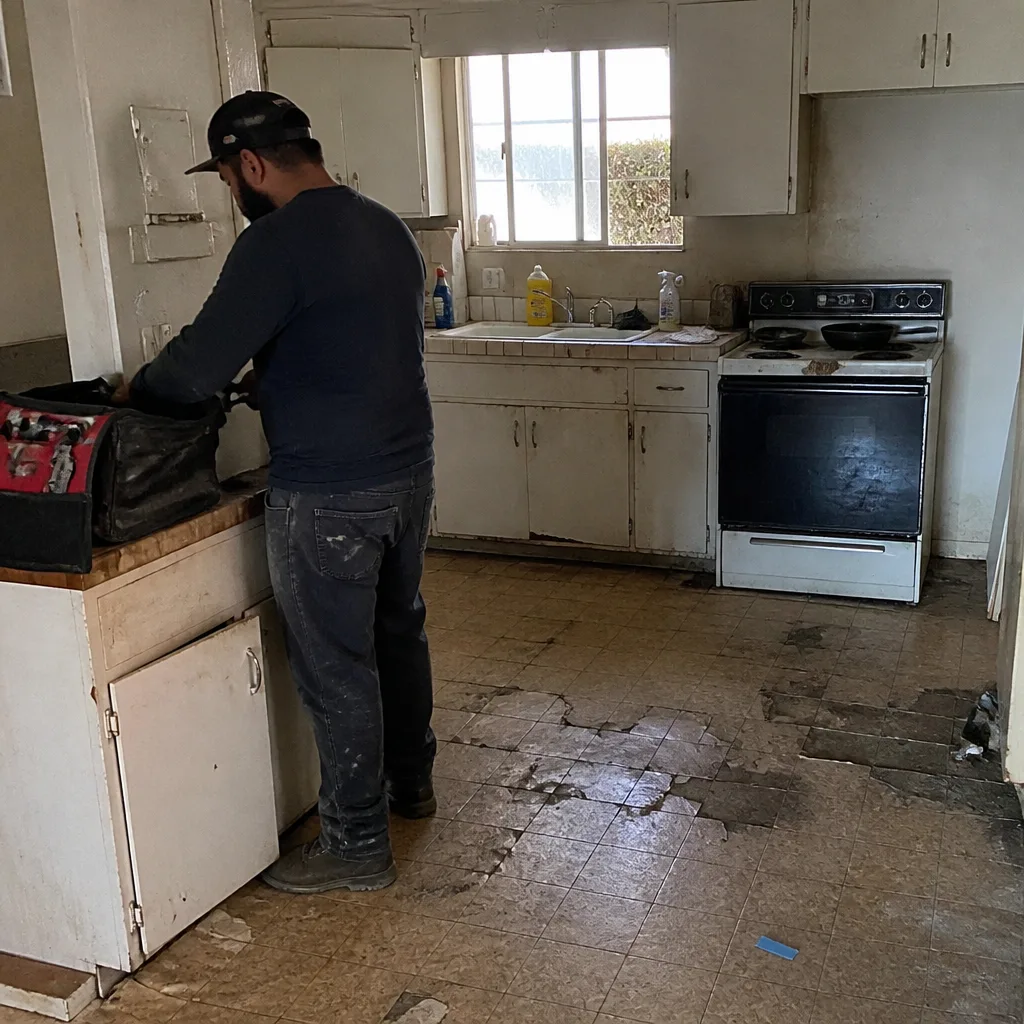 Before
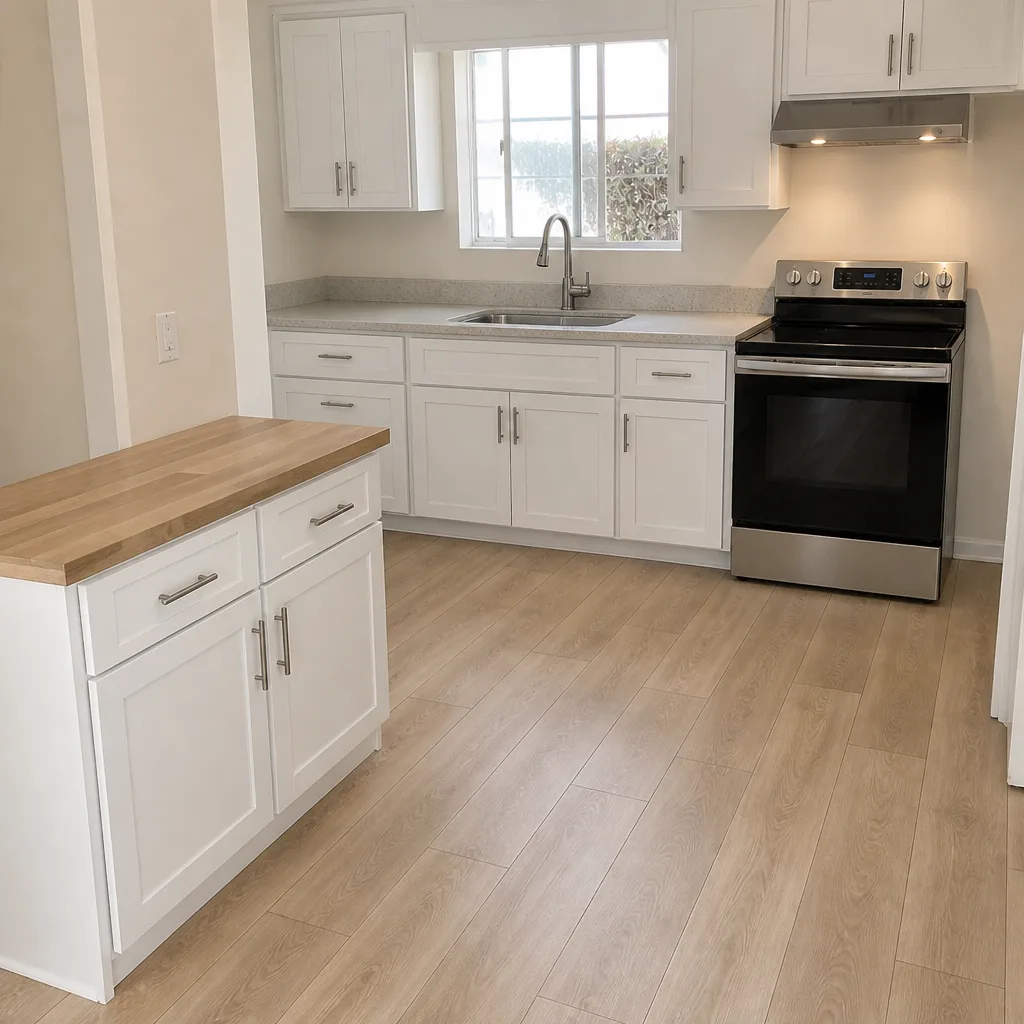 After
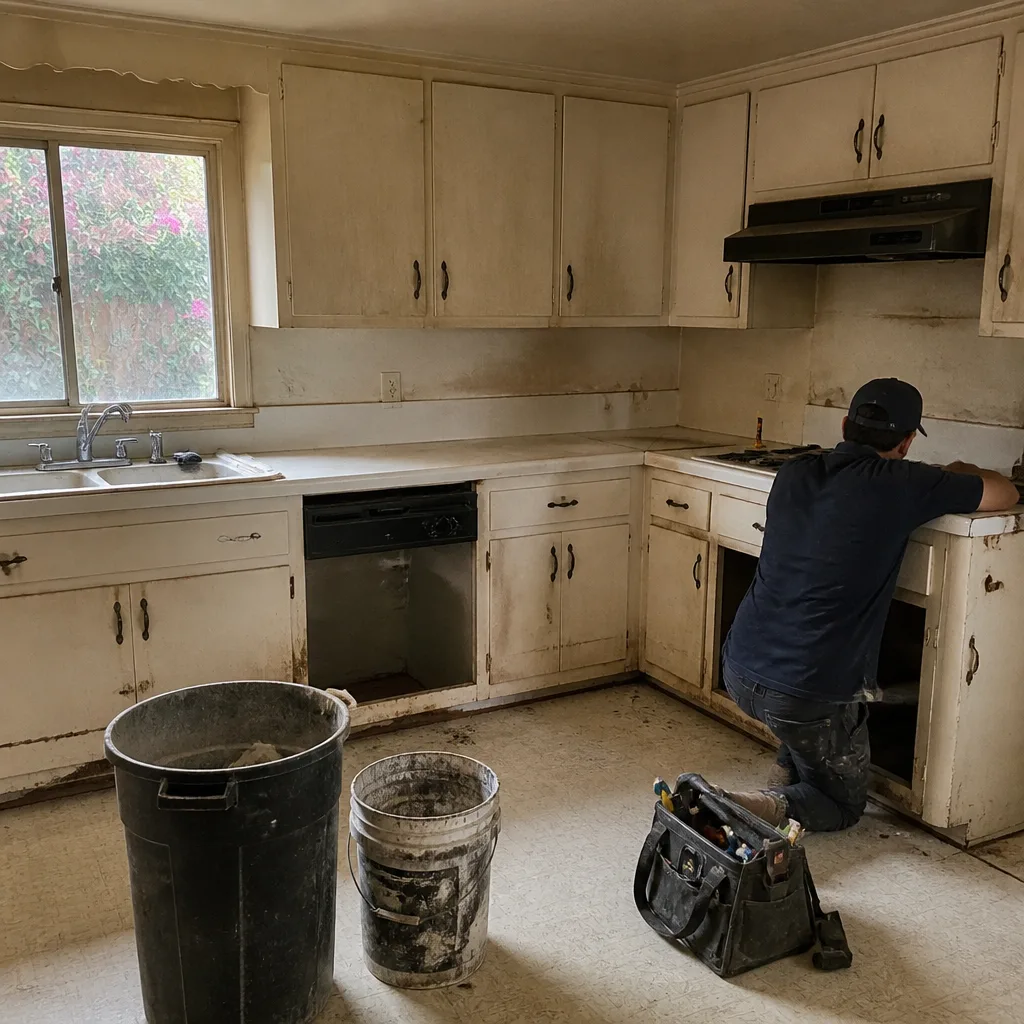 Before
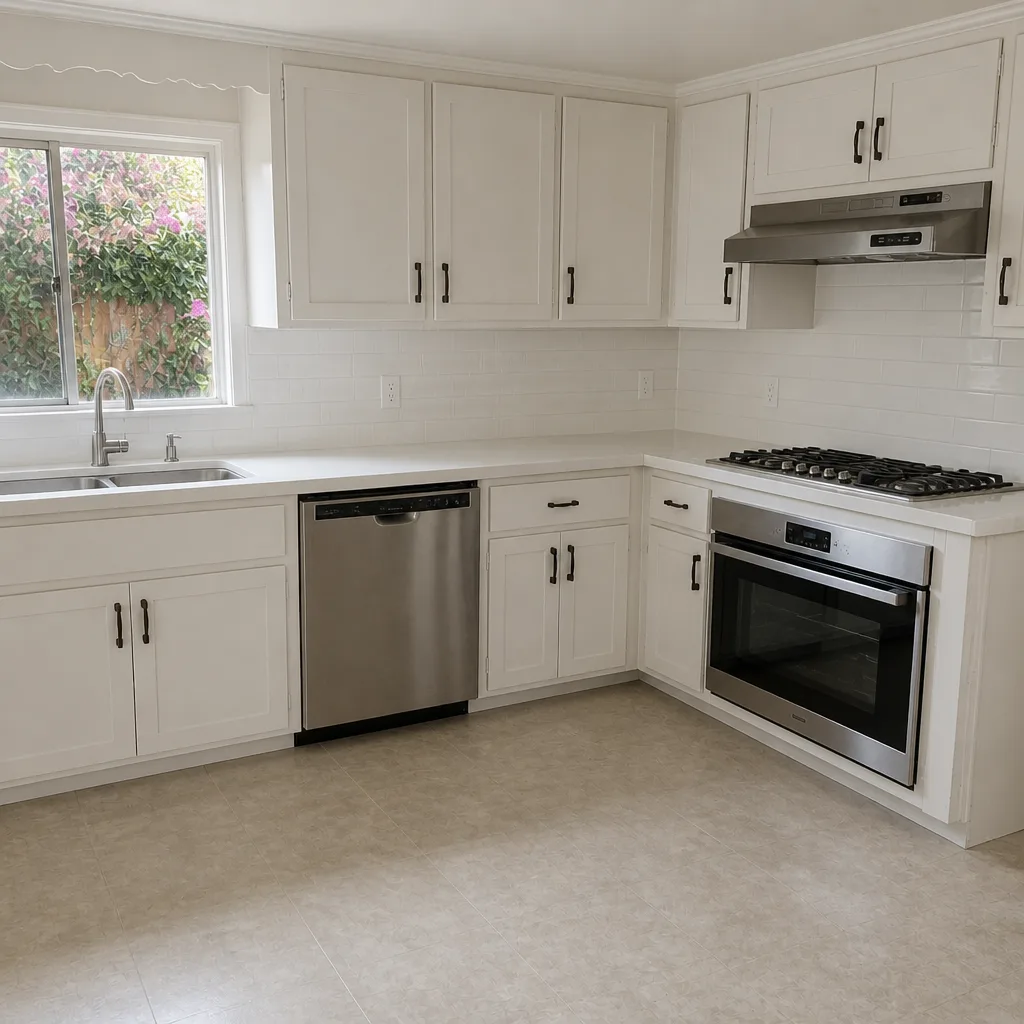 After
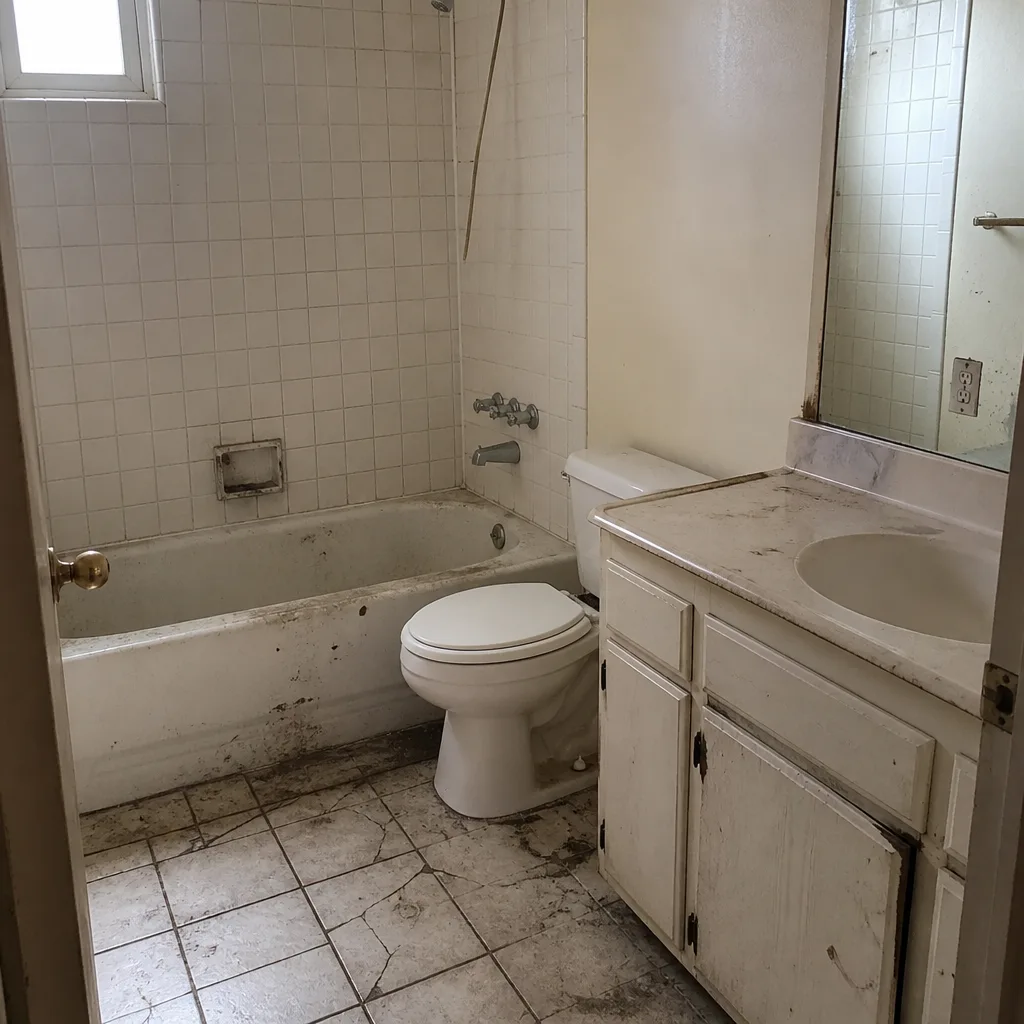 Before
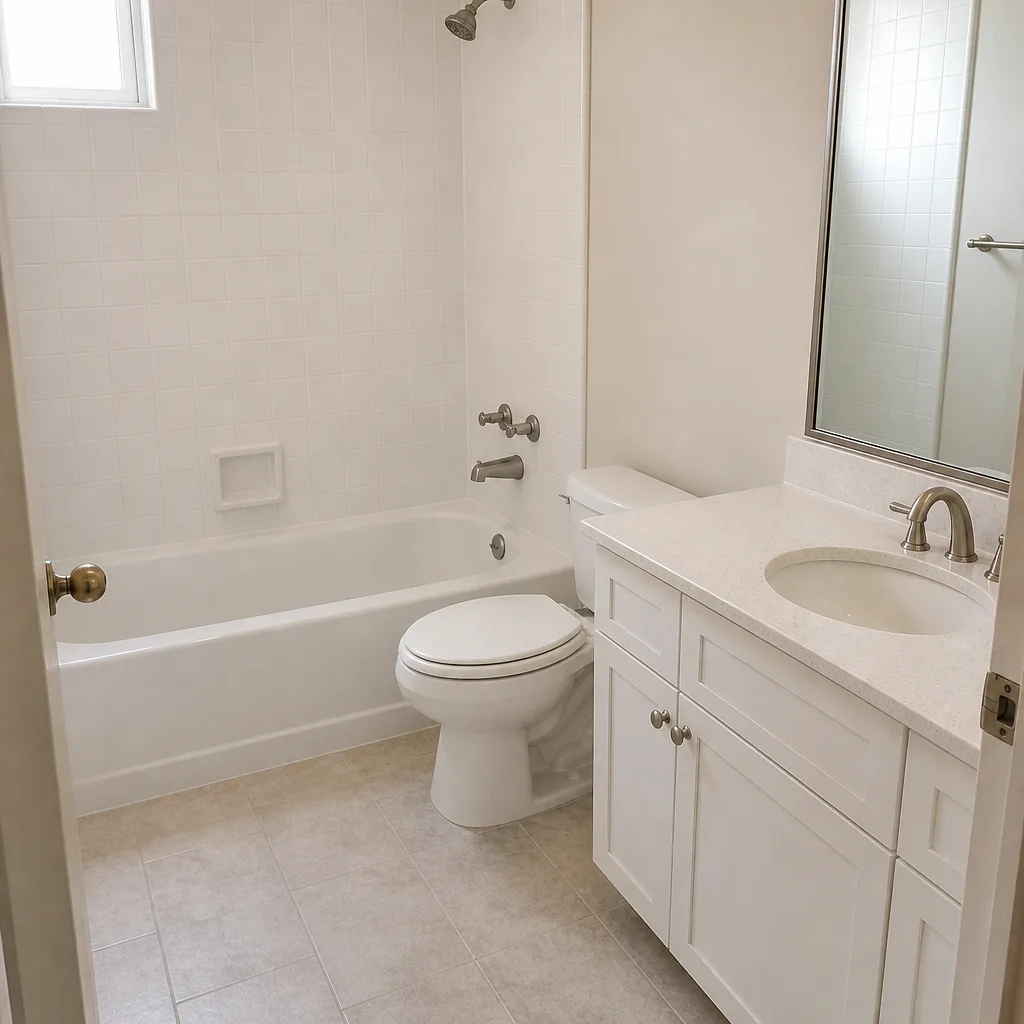 After
When to Call a Professional
Some decisions are budget exercises; others genuinely need a licensed contractor in the room. Call a professional when the project involves structural changes, anything that requires a permit, or any scope where the plans are still fuzzy and you’re pricing blind. Call sooner if you’re dealing with coastal permits, design review, or an addition on a tight or slope-adjacent lot, where a small planning error compounds into a large budget overrun. Roofing on steep or multi-story coastal homes is steady-hands work that isn’t a weekend project, and electrical and foundation work always belongs to trained trades. Groundwork Construction Co. of Newport Beach offers free estimates in Newport Beach – call (833) 749-3967 to schedule yours. A live person answers around the clock, so you’re never stuck waiting until Monday to get a real answer.
Frequently Asked Questions
A mid-range full kitchen remodel in Newport Beach runs about $85,000-$140,000, and a high-end remodel with custom cabinetry and stone often lands between $150,000 and $300,000 or more. The premium over inland quotes comes from coastal material specs, premium finish labor, and design review fees where an HOA applies. Call (833) 749-3967 for an itemized, no-obligation estimate on your specific kitchen.
Newport Beach construction runs 20-35% above inland Orange County averages because of four cost drivers: coastal development permit and design review fees, extended approval timelines that carry holding costs, a tight skilled-trades market with higher coastal labor rates, and material upgrades like corrosion-resistant hardware and impact-rated glazing. None of these are padding. They’re itemized costs specific to building near the coast. Call (833) 749-3967 and we’ll walk through which of these apply to your project.
Plan for 10% contingency on cosmetic-only work and 15-20% on anything involving excavation, foundations, or additions. Coastal soil variability is the biggest single driver of budget overruns in Newport Beach, and hidden site conditions discovered mid-project are far more common than homeowners expect. Call (833) 749-3967 for an estimate that prices contingency realistically for your site.
It depends on the project scope and location within the coastal zone. Some Newport Beach projects require a Coastal Development Permit, others require only city building permits, and HOA design review may apply on top of either. Confirm the requirement during design, before permits are filed, so timelines don’t slip. Call (833) 749-3967 and we’ll help you identify what your project needs.
A mid-range bathroom remodel typically takes four to eight weeks of active construction, a kitchen eight to twelve weeks, and an addition or ADU six to twelve months from design through final inspection. In Newport Beach, add four to eight weeks for coastal permits and design review, which is where timelines most often extend. Call (833) 749-3967 for a schedule specific to your scope.
A too-low bid usually shows up in thin allowances, vague scope, and excluded permits. If a bid is 20-30% under the others with no line-item detail and small allowances for tile or cabinetry, expect change orders to close the gap. Ask for an itemized bid with real allowances and confirm permits are included. Call (833) 749-3967 for a transparent, line-item estimate you can compare against the others.
The Bottom Line
Newport Beach construction costs more than inland averages because of real, itemizable factors: coastal permits, design review, premium labor, coastal material specs, and soil-driven contingency. None of it is padding, and none of it is a mystery once you can see the line items. In 2026, a mid-range kitchen runs $85,000-$140,000, a bathroom $32,000-$65,000, a roof $18,000-$38,000, and an ADU $220,000-$380,000 and up. Budget for 15-20% contingency on anything structural, read every bid for allowance traps, and confirm who pulls permits before you sign. Do that, and the 20-35% surprise disappears from your budget.
Groundwork Construction Co. of Newport Beach brings background-checked, uniformed technicians and a curated list of brand partners to every project, and backs the work with the 730-Day Done Right Promise. The number you see on your estimate is the number you pay – no surprise change orders from padded margin. Call (833) 749-3967 for a free project estimate and design consult, and we’ll build the breakdown for your specific project, line by line.
Written by the team at Groundwork Construction Co. of Newport Beach.